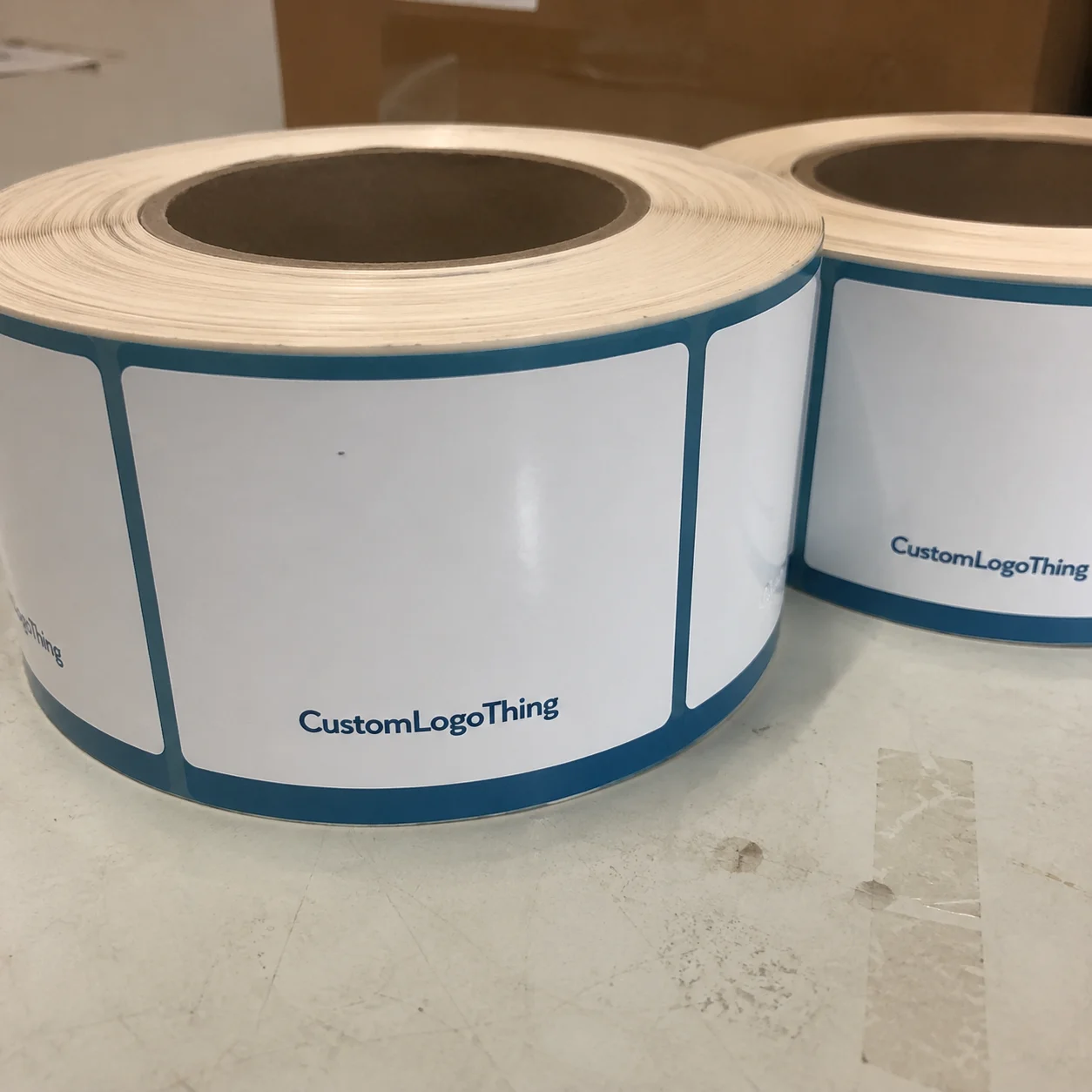
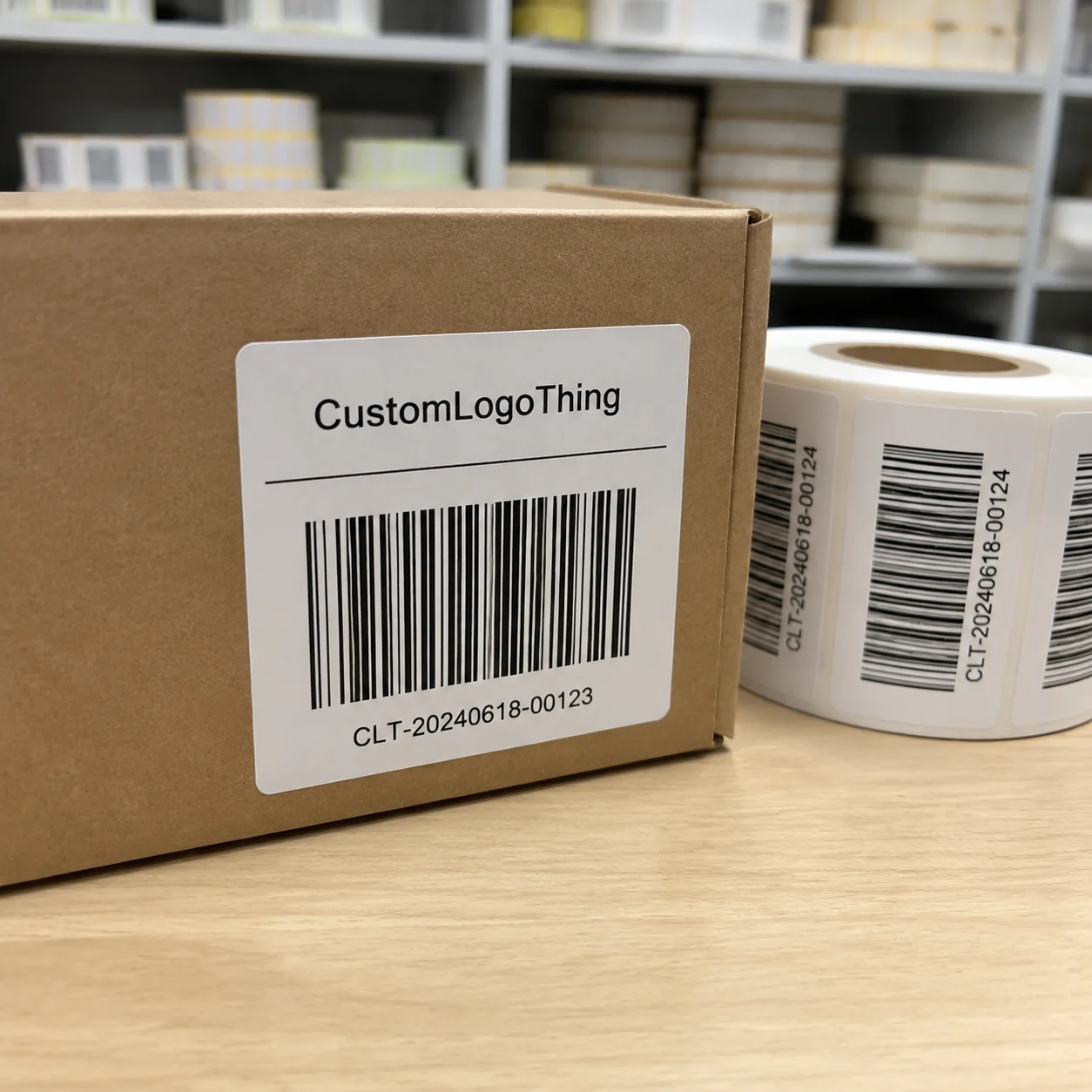
If your packing table still depends on handwritten addresses or one-off sticker improvisation, custom Return Address Labels on a roll are a practical fix. They keep shipping information consistent, speed up repetitive packing, and make the outside of a parcel look considered instead of assembled under pressure.
For apparel brands, that matters more than it first appears. A return label is not the hero of the package, but it sits in a visible place and gets handled often. If the rest of the shipment has clean branding, the return label should not look like an afterthought pasted on at the end of the day.
The real value is not novelty. It is repetition. A roll format is built for the kind of work that happens in batches: packing orders, applying labels, closing mailers, moving to the next item, then repeating the same motion fifty more times.
Why rolls beat loose sheets
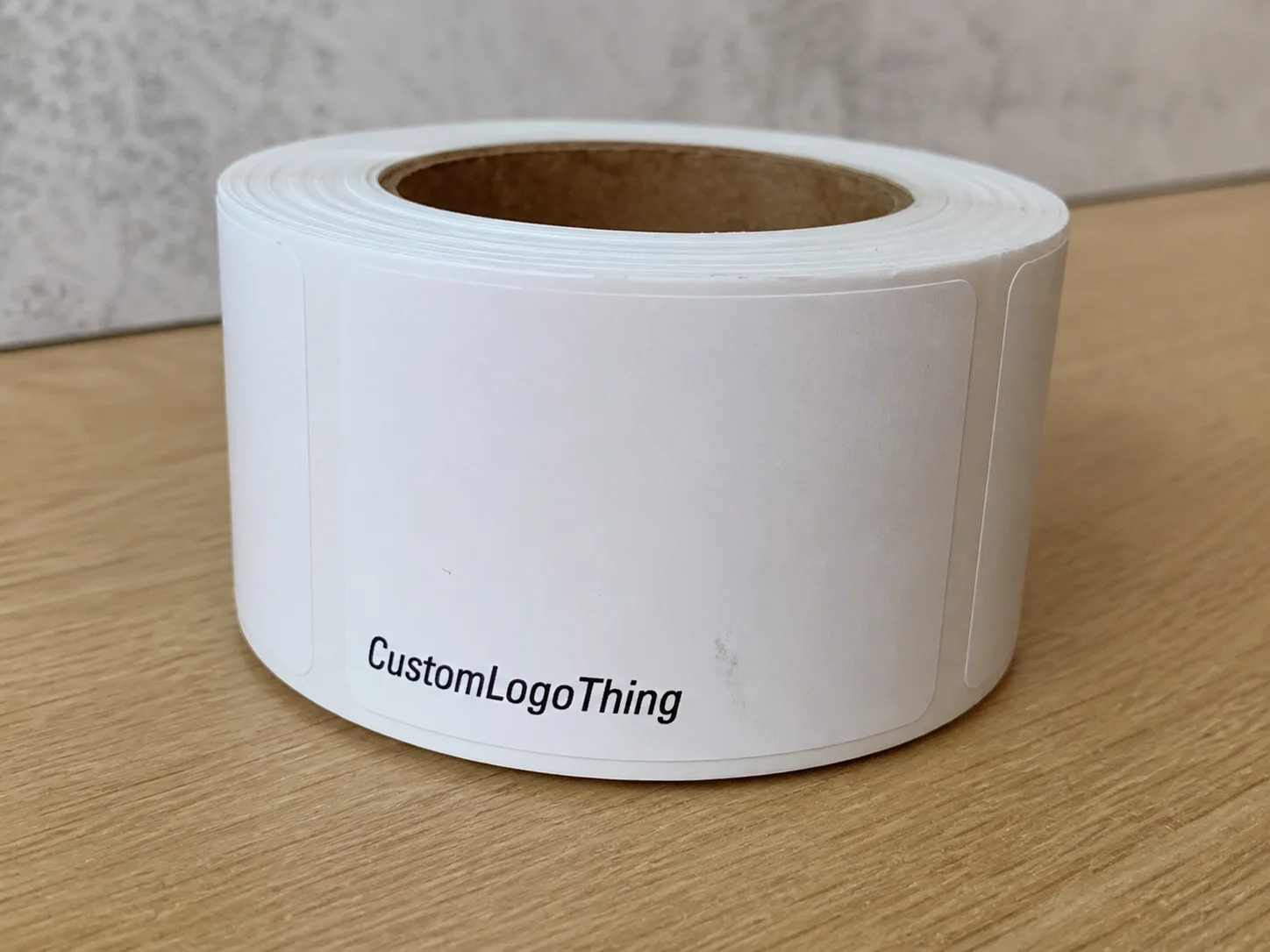
Most brands do not need another abstract packaging theory. They need a format that is faster to use, easier to store, and less likely to create clutter at the packing station. That is why rolls usually outperform loose sheets once shipping volume moves past occasional use.
Roll labels dispense one at a time, which keeps the workflow predictable. A packer can pull, apply, and move on. Sheets tend to require more handling, more desk space, and more interruption. That difference is small if a team ships ten parcels a week. It becomes obvious when orders stack up.
There is also a visual difference. Sheets often sit flat in a drawer, but rolls look and behave like production tools. They belong beside tape, mailers, printers, and other packing materials that are meant to work continuously. That makes them a better fit for a growing clothing brand that wants the whole station to feel organized.
Cost should be part of the conversation, but not the only part. Loose sheets can be cheaper for tiny runs. Fine. The catch is that labor cost is rarely zero. If one format saves ten seconds per parcel and the team ships hundreds of parcels a week, the cheaper sticker is not always the cheaper workflow.
There is a branding angle too. A return address label sits on the exterior of the package, so it contributes to the first impression. That does not mean it has to be flashy. It means it should be legible, aligned, and consistent with the rest of the packaging system. A clean return label supports the look of Custom Labels & Tags and other Custom Packaging Products without demanding attention.
A good return label does two jobs at once: it speeds up fulfillment and keeps the parcel from looking improvised. That sounds minor until the packing table is under pressure.
The buying question is straightforward: what size, stock, adhesive, and roll configuration will actually fit the way you ship? That is where most of the useful decisions live.
How custom return address labels on a roll fit an apparel packing workflow
In a standard packing routine, the roll sits in a dispenser or printer setup, the operator peels one label, applies it to the return area, and moves to the next parcel. The process is simple because it needs to be. Any step that requires re-stacking, searching, or re-orienting the material slows the line and creates avoidable friction.
That is why roll labels are a stronger fit for repeat runs and higher-volume fulfillment. A small brand shipping sample orders or occasional replacements can get by with sheets. A brand shipping daily orders has a different problem. The work has to be repeatable without turning the table into a mess of paper scraps and half-used sheets.
Label setup matters more than most buyers expect. Roll direction affects feed orientation. Core size affects dispenser compatibility. Label gap affects how cleanly each piece separates. Outer diameter determines whether the roll sits comfortably in the station or becomes a bulky object that keeps getting in the way. If any of those details are wrong, the workflow pays for it immediately.
Apparel packing adds another layer. Mailers, garment bags, tissue wraps, and small cartons all have different surfaces and different tolerances for adhesive. A roll label that works on a smooth box may behave differently on recycled paper or a slightly textured mailer. That is normal. It is also why testing against the actual packaging matters more than approving a mockup on screen.
For clothing brands, the payoff is consistency during drops, promotional pushes, and seasonal spikes. That is where retail packaging tends to get messy. Labels are one of the easiest parts of the system to standardize, and standardization saves time in ways that are not always visible from the outside.
Production steps, proofing, and turnaround
The production path is usually simple on paper, but each stage matters. Artwork is reviewed first. A proof is then built for approval. After that, the labels are printed, die-cut, slit if needed, rewound, checked, and packed. None of that is unusual. The problems usually start when the artwork file is incomplete or the buyer expects production to interpret details that were never clearly specified.
Proofing is where most avoidable errors get caught. Spelling issues, wrong line breaks, awkward margins, and unreadable text sizes are easier to fix before the job runs. Once production starts, every revision costs time. Clean artwork moves faster. A low-resolution logo or a cramped address block slows the process because someone has to fix what should have been visible from the start.
Turnaround depends on quantity, stock, adhesive, roll configuration, and the number of revisions before sign-off. Standard paper labels in a familiar format usually move quickly once artwork is approved. Special adhesives, unusual sizes, multiple versions, or custom slitting add time. That is not a delay problem; it is a complexity problem.
For brands that care about handling durability, testing standards can offer useful context. Organizations such as ISTA publish methods related to distribution testing and package performance. If a label needs to survive friction, moisture, or rough transit, those expectations matter. Paper sourcing is part of the decision too, and FSC certification is a straightforward signal when responsible fiber sourcing is part of the brand story.
There is a practical lesson here. Faster production is not only about pressing a button sooner. It is usually about reducing ambiguity. Clear artwork, exact dimensions, one approved address format, and a known packaging surface shorten the path to a usable roll.
Cost, pricing, and MOQ reality
Pricing is a stack of variables, not a guess. Quantity, label size, stock type, adhesive strength, color count, finish, and whether the roll needs a special configuration all affect the number. If a quote looks very low, a detail is probably being simplified. If it looks unusually high, the spec may be more complex than it first seemed.
MOQ is the part buyers often push against, and fairly so. Setup time does not shrink just because the order is small. That means short runs carry higher unit costs. There is no way around that basic math. A few hundred labels will almost always cost more per label than several thousand. The only question is how much flexibility the brand needs.
For launches, seasonal campaigns, and smaller brands with uncertain order volume, paying a higher unit cost can be the right move if it avoids overstock. For established teams with predictable shipping, a larger run usually brings the per-label cost down enough to matter. The most expensive mistake is usually not the price itself. It is buying a quantity that does not fit actual usage.
A good quote should show the full picture: unit price, setup or plate charges if applicable, freight, proofing, and whether reorders keep the same spec. If those pieces are missing, the quote is incomplete. Comparing partial numbers is how buyers end up with a surprise later.
| Option | Typical Use | Typical Cost Range | Tradeoff |
|---|---|---|---|
| Paper roll labels | Standard shipping on mailers and boxes | $0.03-$0.08 per label at higher volumes | Lowest cost, less durable on rough or damp surfaces |
| Film roll labels | Moisture exposure or abrasion risk | $0.06-$0.14 per label at higher volumes | Better durability, higher cost |
| Short-run custom labels | Launches, pop-ups, seasonal campaigns | Higher per-unit pricing, often $0.12-$0.28+ | Flexibility, but setup cost is heavier on small quantities |
Those ranges are practical, not absolute. Exact pricing shifts with artwork complexity, roll spec, and supplier setup. Still, they are useful for keeping a conversation grounded. A quote should be judged against the actual use case, not against an imaginary best-case number.
Key specs: size, stock, adhesive, and roll setup
Size comes first because readability comes first. The label needs enough room for the return name, street, city, state, and ZIP without compressing the type into something people have to squint at. Too small, and the information becomes cramped. Too large, and the label eats up valuable packaging surface.
For many apparel brands, a compact rectangle is the right shape. It gives the address enough room while keeping the parcel face clean. Round labels can work, but they are usually less efficient for multiline address blocks. Odd shapes may look interesting in a mockup and prove awkward in use. Function beats novelty here.
Stock choice follows the same logic. Paper labels are usually fine for standard shipping and lower cost. Film stock makes more sense when the package might see moisture, abrasion, or a rougher journey. That is especially relevant for poly mailers and surfaces that do not behave like plain cardboard. If the packaging is part of a more premium package branding setup, the label should hold up to the same standard as the rest of the exterior.
Adhesive is not a minor detail. Standard permanent adhesive is enough for many cartons and mailers, but recycled surfaces, textured bags, and cold environments can change the equation. A label lifting at the edge is not a design issue. It is a spec issue. If the adhesive is wrong, the label cannot do its job, no matter how nice the print looks.
Roll engineering matters just as much. Core size, label direction, label gap, and outer diameter all need to match the dispenser or printer setup. A roll that looks right on paper can still be awkward in the packing station if it does not feed the way the operator expects. The best label is the one that disappears into the workflow and keeps moving.
- Paper stock for everyday shipping and lower cost.
- Film stock for better durability and moisture resistance.
- Permanent adhesive for most mailers and boxes.
- Special adhesive for textured, recycled, or harder-to-stick surfaces.
For brands using tissue, custom printed boxes, or garment bags, the return label should be chosen as part of the full packaging design, not added as an isolated detail at the end.
Step-by-step ordering checklist for clothing brands
Start with the address itself. Confirm the exact return name, street, city, state, and ZIP. Decide whether the label is purely functional or also carrying visible branding. That choice changes the layout more than many buyers expect, especially once the logo is added alongside multiline address text.
Next, choose quantity based on actual usage rather than wishful forecasting. Look at average weekly orders, then add room for launches, sales spikes, and reorders. Ordering too few labels creates avoidable rework. Ordering too many ties up cash and leaves the brand stuck with inventory that may no longer fit a future address change or rebrand.
After that, request a proof and inspect the details that are easy to skim past. Spelling. Line spacing. Font size. Contrast. Alignment. Readability at arm’s length. A proof is not there to impress anyone. It is there to catch the mistakes that will show up later on a parcel.
Test the first batch on the actual packaging surface before scaling. A label can look perfect in a proof and still misbehave on a glossy mailer, a recycled carton, or a textured bag. One physical test tells you more than a screen preview ever will.
- Confirm the exact return address format.
- Choose the label size that fits the parcel surface.
- Select the stock and adhesive for the packaging material.
- Verify roll direction, core size, and outer diameter.
- Review the proof carefully.
- Test a sample on the real packaging.
If the brand is building a broader packaging system, keep the label spec aligned with the rest of the materials. The same visual discipline that applies to Custom Labels & Tags should also apply to shipping-related pieces. Consistency is visible even when the customer never consciously notices it.
Common mistakes to avoid before you order
The first mistake is guessing the size. Too small, and the address becomes hard to read. Too large, and the label looks clumsy or wastes space on the parcel. Both outcomes are avoidable with a quick layout check and a realistic sense of the packaging surface.
The second mistake is ignoring roll compatibility. If the roll does not match the dispenser, printer, or hand-apply workflow, the packing station slows down for no good reason. People often blame the label when the real problem is that the spec was never matched to the equipment.
Another common error is buying only on unit price. If the address changes, the brand repositions, or inventory sits too long, the lowest-cost option can become the most annoying one. The right purchase balances price, flexibility, and realistic usage.
Low-resolution artwork and tiny type are expensive mistakes. A file that seems acceptable on a laptop can print poorly once it is reduced to label size. Vector artwork, strong contrast, and readable typography are not optional if the result needs to look professional. That is especially true for custom Return Address Labels on a roll, where the format invites repeated use and repeated scrutiny.
- Do not guess the size.
- Do not skip the test on the real surface.
- Do not assume every adhesive behaves the same.
- Do not approve a proof without reading the address line by line.
Expert tips and practical next steps
Keep the artwork hierarchy simple. The return Name and Address should be easy to read first. The logo can support the label, but it should not fight with the address block for space. A return label has one job before branding: it has to be legible.
Ask for the actual production spec before approval. That means size, stock, adhesive, core, roll direction, and the surface the label will touch. If any of those details are uncertain, the order is not ready yet. Unclear specs usually show up later as friction in the packing area.
Keep a reorder record. Save the approved artwork, label dimensions, packaging type, and notes from the first run. The next order should be a repeat, not a search through old emails. That matters whether the team is shipping from a small back room or a more formal fulfillment setup.
For brands that are shaping broader retail packaging, the smartest move is to standardize the visual system across shipping labels, inserts, and the outer box. That does not mean every surface has to match exactly. It means the package should feel like one brand, not three disconnected decisions made at different times.
The practical sequence is simple: compare two quantity options, request a proof, test the label on the actual mailer or box, and then place the order that fits the shipping pace. That is the cleanest path to custom return address labels on a roll that actually earn their place in the workflow.
FAQs
Are custom return address labels on a roll better than sheets for small clothing brands?
Usually yes if the brand ships regularly, because rolls dispense faster and stay organized at the packing table. Sheets can still make sense for very low volume or occasional use, but they slow down once the order count starts climbing. If someone is hand-applying labels all day, the roll format reduces friction.
What size should return address labels on a roll be for apparel packaging?
The right size is the one that fits the full return name and address without shrinking the text into unreadable lines. For many mailers and small boxes, a compact rectangular label works best because it preserves space for branding while staying legible. The best size still depends on the artwork and the packaging surface.
How long does production usually take for custom roll address labels?
The timeline depends on proof approval, quantity, material choice, and whether the roll needs a special configuration. Clean files move faster. Back-and-forth on spelling, layout, or sizing slows the job down. Rush options may exist, but standard production is often the better value when the brand can plan ahead.
What affects the price of custom return address labels on a roll?
The main drivers are quantity, label size, stock, adhesive, printing complexity, and any special finish. Lower quantities cost more per label because setup costs do not disappear on small runs. A simple spec with one artwork version is usually the cheapest path.
Can custom roll labels be used on poly mailers, boxes, and garment bags?
Yes, if the adhesive matches the surface and the label size fits the available space. Poly mailers and coated surfaces may need stronger adhesion than plain paper stock, especially in humid conditions. Test a few labels on the exact packaging before placing the full order.
For apparel brands that need a fast, repeatable, and professional shipping label system, custom return address labels on a roll usually outperform improvised alternatives. The right spec is not flashy. It is stable, readable, and built to keep pace with the packing table.