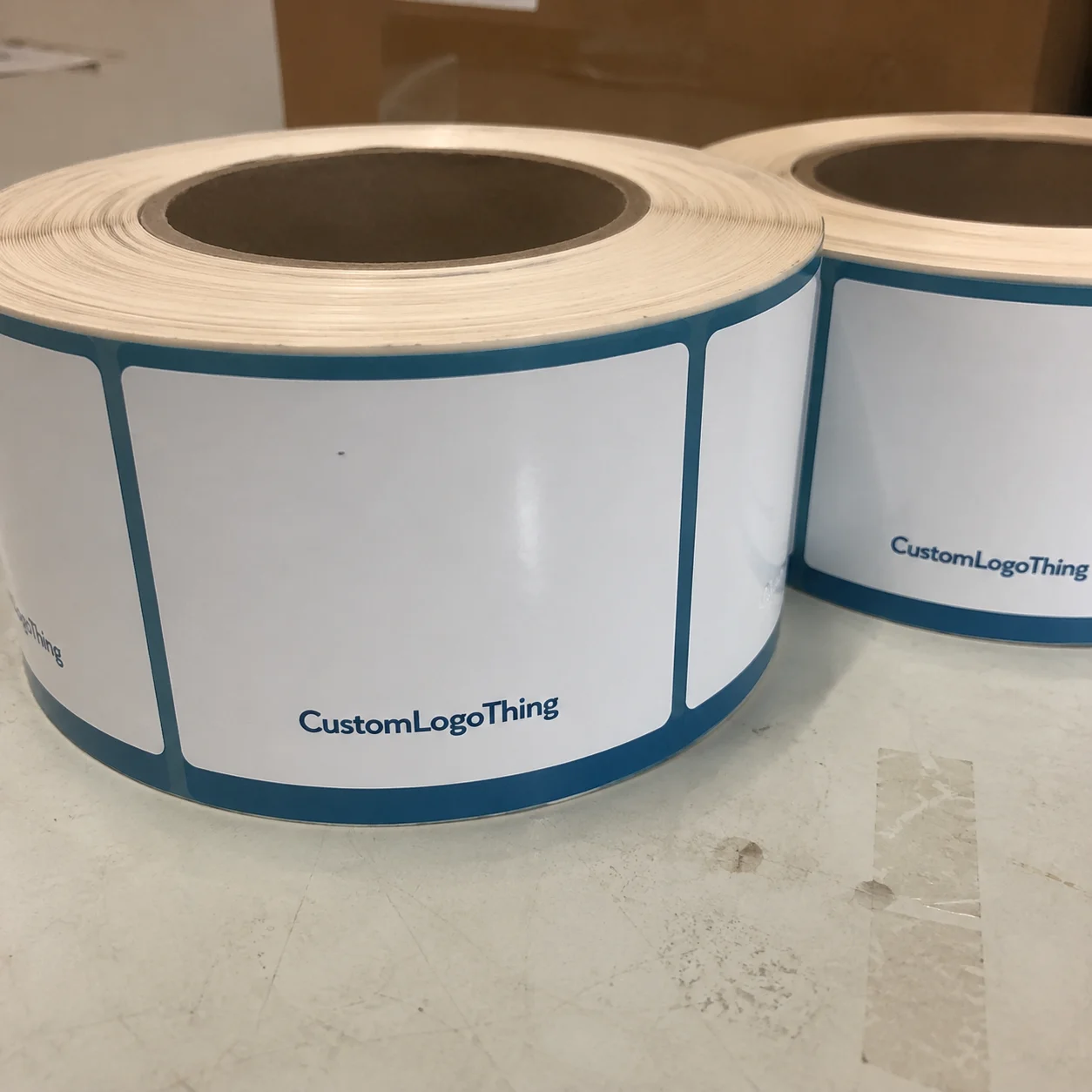
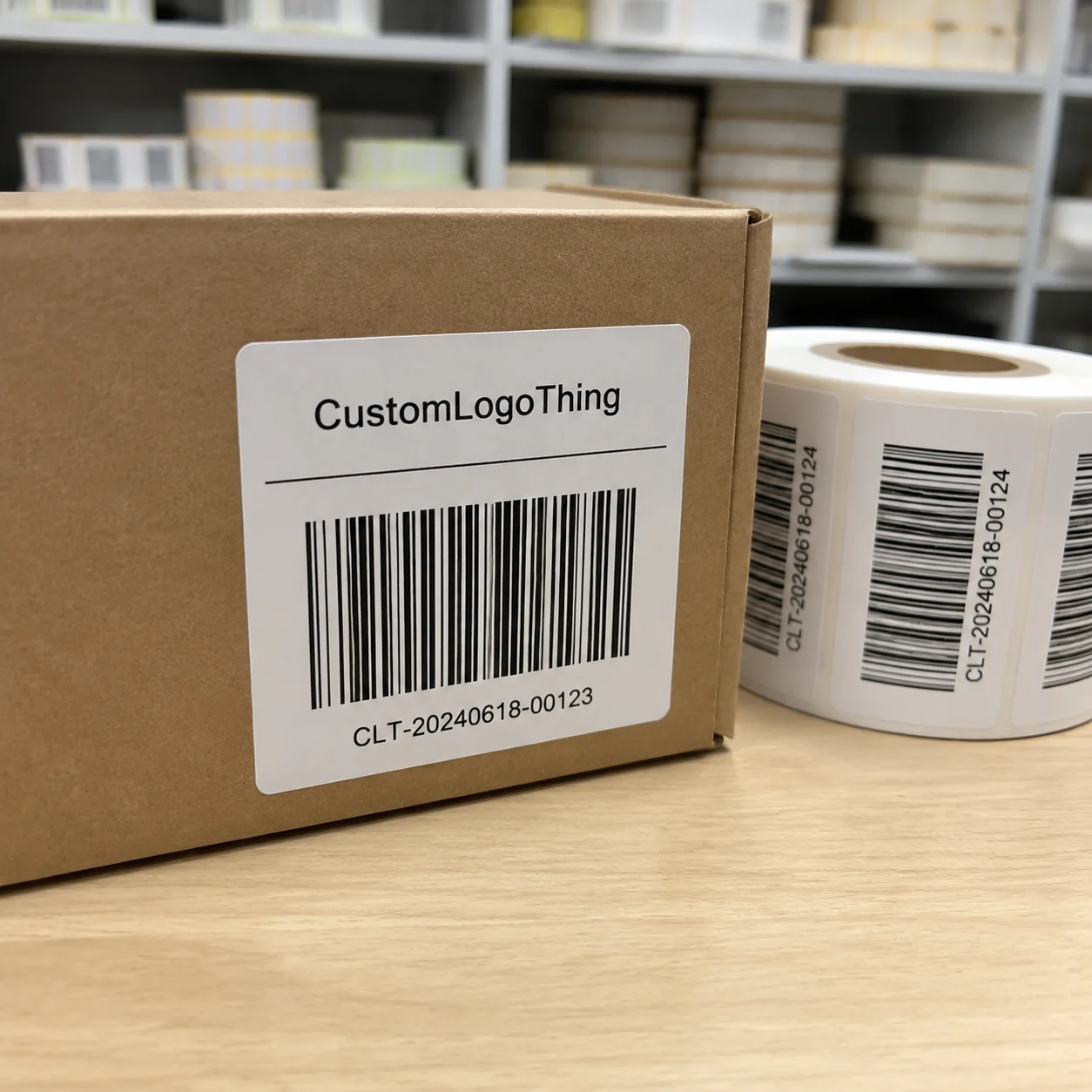
Apparel brands do not usually lose time because the return address is hard to read. They lose time because the label is awkward to apply, shifts on the package, or slows the packing flow. A well-specified personalized Return Address Labels roll solves that by turning a tiny admin step into a fast, repeatable motion.
That matters more than it sounds. If a team is labeling poly mailers, cartons, and insert packs all day, the difference between a loose sheet and a clean roll is not cosmetic. It changes throughput, waste, and the final look of the shipment before the customer opens anything. A tidy return address label also signals that the brand has its shipping process under control.
For buyers comparing options, design is only one part of the decision. The other parts are more practical: label size, adhesive strength, roll diameter, core size, printer compatibility, and how many orders the pack station handles each day. If you need a baseline for comparing formats, the Custom Labels & Tags category is a useful place to review sizes, finishes, and production styles side by side.
Personalized return address labels roll: what they solve fast
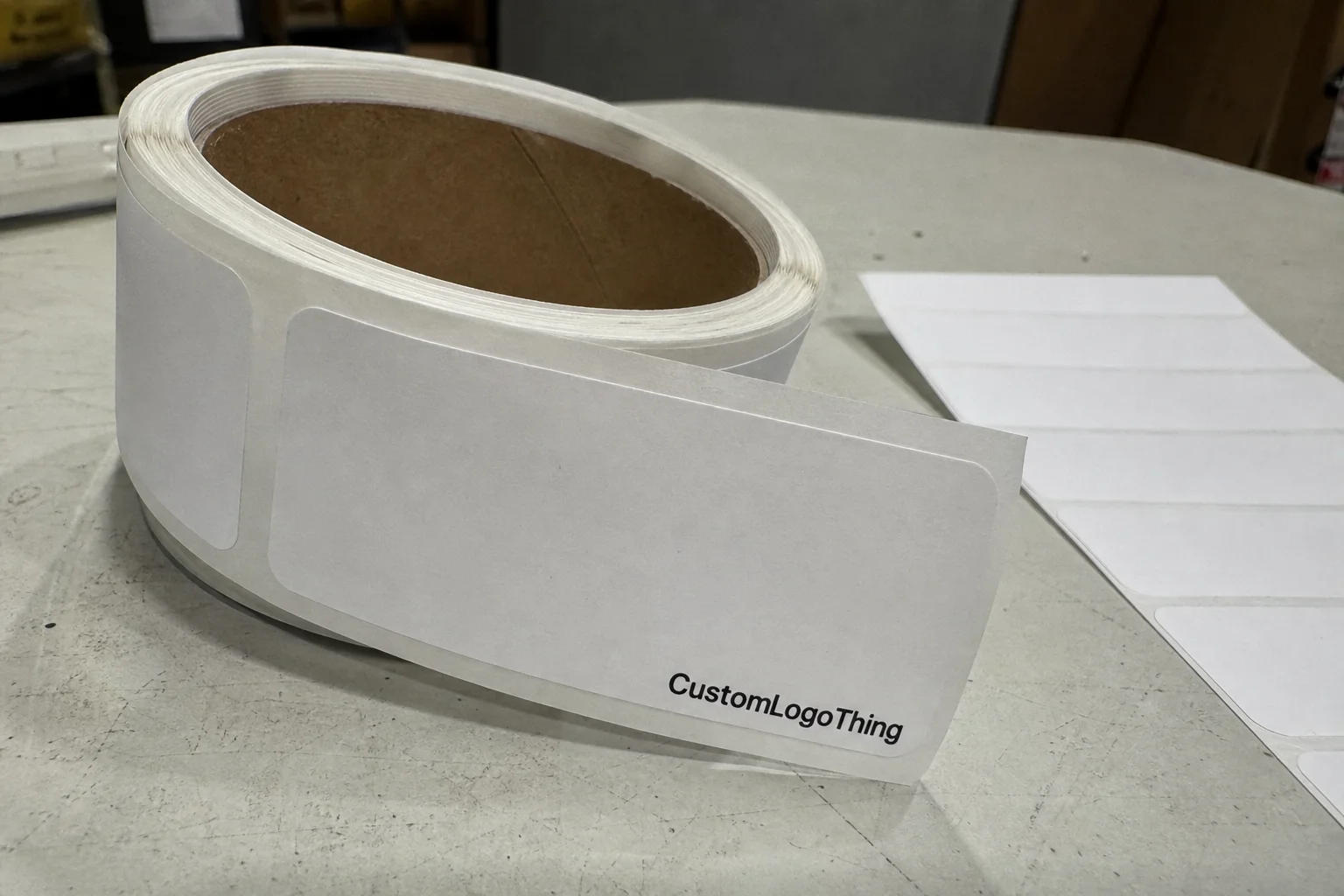
The obvious problem is not readability. Most return addresses can be read well enough. The real issue is friction. A packer has to grab the label, line it up, press it down, and hope the placement looks clean. Do that across hundreds of parcels and the seconds compound. A roll format cuts that motion down to a simple peel-and-place routine, or feeds directly into a dispenser so the process becomes almost automatic.
That is why roll labels are a better Fit for Shipping operations than sheets once volume starts to climb. If you are sending 50 parcels a week, sheet labels may be fine. If you are sending 50, 200, or 1,000 parcels a day, a roll keeps the labels in one place, reduces handling, and makes placement consistent across mailers, cartons, and branded envelopes. Consistency matters because it lowers rework. It also makes the package look deliberate instead of assembled in a hurry.
The format itself is straightforward: Custom Address Labels printed continuously on a roll rather than cut into a stack of sheets. That sounds like a small distinction. It is not. A sheet format is good for occasional use. A roll is built for repetition. The difference is similar to handwriting a few envelopes versus running a mail merge. One is manageable. The other is a system.
If the label slows the packer down, it is the wrong label. Pretty is fine. Fast, readable, and predictable is better.
The return address label also participates in the first impression. The customer sees the outside of the package before anything else. Sharp print, clean margins, and a label that sits flat make the shipment look managed. Crooked placement, wrinkled corners, or smeared type do the opposite. Even before the box opens, the package is already communicating something about the brand.
That is especially true for apparel. Clothing shipments tend to move through more hands than people expect. They get stacked, shifted, scanned, sorted, and sometimes rubbed against other parcels in transit. A label that looks good only on a desk is not enough. It has to survive the packing table, the bin, and the trip out the door.
How the roll format works in real packing workflows
Roll labels fit different environments depending on how the team packs orders. Smaller operations may dispense labels by hand from a desktop holder. Larger teams may use a handheld applicator or a printer that accepts roll stock directly. The benefit is the same in both cases: once the roll is loaded and the specs are right, the next label behaves like the last one.
Several details affect whether a roll works cleanly. Label width and label height control the layout. Core size has to match the printer or dispenser. Winding direction matters if the labels will feed through equipment. Roll diameter affects how many labels fit on a roll and whether the roll clears the housing. Label spacing matters too, because too much gap wastes stock and too little gap can cause sensor issues.
That sounds technical because it is. The practical point is simpler: if the roll does not fit the equipment, the artwork does not matter. It jams. It peels wrong. It wastes labor. A label that looks good in the mockup but cannot be applied smoothly is a bad purchase.
Package type changes the job as well. On poly mailers, the adhesive has to stay put on a slick surface and the label needs enough body to resist curling. On shipping cartons, the label often has more space, but the box may be coated, recycled, or slightly textured. On insert cards or internal packaging, appearance may matter more than long-term durability. The roll format works across all three, but the face stock and adhesive should not be treated as interchangeable.
There is also a difference between a label that prints well and a label that performs well. A good proof tells you the design is legible. It does not tell you whether the adhesive survives a coated mailer, whether the ink smudges after a shift in a warm packing room, or whether the roll unwinds cleanly at speed. Those are separate checks, and they are the checks that usually prevent returns and reprints.
If the shipping program is still being standardized, it helps to use industry terminology correctly before asking for quotes. Material, finish, adhesive, core, and winding direction all affect production. The packaging industry resources at packaging.org are useful for sorting out those terms, especially if the team is comparing stock types for the first time.
Cost, pricing, and MOQ: what actually changes the price
Pricing for a personalized Return Address Labels roll depends on more than quantity. The main variables are label size, stock choice, adhesive strength, print coverage, finish, and any custom roll configuration. A simple one-color label on standard paper stock will price very differently from a full-color label with a protective coating and a custom winding direction.
MOQ, or minimum order quantity, changes the economics of the run. Smaller brands often want a low minimum so they are not carrying inventory they cannot use. Larger brands usually care more about unit cost and less about keeping extra rolls in storage. There is no universal sweet spot. A shop shipping 100 parcels a month does not buy the same way as one moving 3,000 orders a week.
| Order tier | Typical unit cost range | Best fit | Tradeoff |
|---|---|---|---|
| 500 to 1,000 labels | $0.12 to $0.22 each | Testing a new design or low-volume shipping | Higher price per label |
| 2,500 to 5,000 labels | $0.06 to $0.12 each | Growing apparel brands with steady weekly shipments | More cash tied up upfront |
| 10,000+ labels | $0.03 to $0.08 each | Predictable shipping volume and multiple pack stations | Storage and obsolescence risk if the design changes |
Those numbers are ballpark ranges, not a promise. They show the logic of the pricing. Lower quantities carry more setup cost per label. Higher quantities lower unit cost, then add inventory risk. If the shipping address, brand name, or layout changes often, overordering is a quiet way to waste budget.
Common extras also move the quote. Rush production usually costs more. Proof revisions can add time, and sometimes fees, if the layout keeps changing. Variable data, specialty adhesives, metallic inks, and extra finishing steps all affect pricing. So does custom packaging for the roll itself, including boxing count and private labeling if the order needs to ship under a specific brand presentation.
A useful buying habit is to ask for pricing at a few quantity tiers, then compare the savings against storage and reorder risk. The lowest unit price is not always the lowest total cost. If a label design is likely to change in six months, the cheapest large run may be the wrong decision.
For a brand balancing shipping and branding needs, it can help to standardize adjacent packaging pieces as well. Matching label sizes across product and shipping labels keeps reorder decisions simpler and reduces the odds of ending up with mismatched formats. That is one of the few places where boring is efficient.
Process and turnaround: from proof to delivery
A clean order usually follows the same path. Artwork review comes first, then proofing, then size confirmation. After that, the job moves into print setup, production, slitting, inspection, packing, and shipment. Each step matters, but proofing is where many orders slow down. If the file is wrong, the rest of the schedule stops.
The most common delays are predictable. Low-resolution logos force cleanup. Missing dimensions trigger back-and-forth over label size. No printer spec means the supplier has to guess at core size or winding direction. Guessing is expensive, and it often leads to avoidable reprints. Buyers sometimes assume a supplier will sort out the details later. That is usually how lead times stretch.
For straightforward orders, standard turnaround often sits around 8 to 15 business days after proof approval. Rush work can move faster, but the tradeoff is usually higher cost and less flexibility. Complex finishes, unusual roll configurations, or a long proof cycle extend the schedule. In practice, approval speed matters almost as much as press time. A buyer who waits three days to answer a proof can lose a production slot.
If a brand ships on a fixed cadence, label ordering should follow the packing schedule rather than a vague sense that stock is running low. Files should be ready before the order is placed. The roll spec should be confirmed before payment. And the proof should be checked against the actual mailer or box, not just a screen. High-volume shipping also benefits from thinking about transport stress, not just shelf appearance. The ISTA standards resources are worth reviewing if packaging has to hold up through rough distribution channels.
Good production workflows look uninteresting from the outside. That is a sign they are working. The files are clean, the proof is approved quickly, the roll is printed to spec, and the shipment arrives before the old inventory runs out. No drama is usually the best possible outcome in packaging.
Material, adhesive, and print choices that protect the label
Material choice affects both appearance and durability. Matte paper stock gives a clean, understated look and usually works well for standard shipping use. Gloss stock adds visual pop and can sharpen color, but it also shows scuffs and fingerprints more easily. Synthetic stock costs more, yet it tends to perform better when moisture, abrasion, or handling stress are part of the picture. For clothing shipments that move through several touch points, that extra durability is often worth the added cost.
Adhesive choice matters just as much. A permanent adhesive is the default for shipping use because the label is meant to stay attached. A removable adhesive only makes sense when the label has to come off cleanly later. Stronger adhesive formulas help on coated cartons, slick mailers, and lightly textured surfaces. If the label lifts in transit, the design choice no longer matters. The package just looks unfinished.
Print durability comes down to the ink system, finish, and environment. A label should resist smudging from normal handling. It should tolerate a little moisture. It should not abrade immediately if it rubs against other parcels in a tote or shipping bin. That is not a high bar, but it is one brands miss when they approve artwork without testing it against the actual packaging surface.
Paper-based labels also need careful sustainability language. If a brand wants a paper stock with a credible chain-of-custody story, FSC-certified material options are a better reference point than broad claims. Buyers, auditors, and customers all notice the difference between a verified claim and a vague one.
There are practical material choices that rarely show up in a mockup but matter in use. A 60 lb paper face stock may be fine for a dry, low-abuse shipping lane. A polypropylene face stock makes more sense if the package sees humidity, cold storage, or frequent handling. A clear laminate can help protect print, but it also changes the look and may increase cost enough that the team should ask whether the added protection is actually needed.
The best label is the one that stays readable, sticks cleanly, and still looks acceptable after a full packing shift. Fancy is optional. Failure after three minutes is not.
Common mistakes that cause reprints and wasted rolls
The easiest mistake is choosing the wrong size. If the label is too large, it crowds the packaging and looks clumsy. If it is too small, the address becomes cramped and the brand name loses impact. Measure the available area on the mailer or box before ordering. Guessing from a screen mockup is how people end up paying for a second run.
Printer compatibility is the next trap. Buyers often approve a label they like visually, then discover the roll core, outside diameter, or winding direction does not work with the printer or dispenser. That is a completely avoidable problem. Check the hardware spec first, then build the label around it.
Adhesive mismatch causes a lot of unnecessary reprints. A label made for paper cartons may lift on a slick poly mailer. A stock that works in a controlled office may fail in a faster fulfillment environment. The label is not being judged in a vacuum. It is being judged on your actual packaging, under your actual handling conditions.
Proofing errors are another classic source of waste. Small type disappears. Margins are too tight. Artwork gets pushed too close to the edge. Return addresses or barcodes sit in a dead zone. Low-resolution logos are especially painful because they look acceptable on a laptop and then fall apart on press. A proof should be checked at full size, not skimmed.
Volume planning matters too. Ordering too few labels means a rushed reorder, extra setup, and a higher per-unit cost. Ordering too many means storage and possible redesign waste if the return address changes. The practical middle ground is the smallest run that covers shipping volume for the next few months, with a buffer for seasonal spikes and replacement stock.
Brands that test against real packing conditions usually avoid the worst surprises. Apply a sample to the actual mailer, box, or insert card. Rub it. Stack it. Leave it in a normal packing area for a day. That small test saves a lot of expensive optimism.
Next steps: spec the roll, approve the proof, and place the order
Start with the basics. Measure the surface where the label will live. Confirm whether it will go on mailers, cartons, or insert cards. Check the printer or dispenser requirements if the roll will feed through equipment. Once those details are fixed, the order becomes easier to quote and harder to get wrong.
Gather three things before requesting pricing: the logo file, the label dimensions, and the target quantity. That combination gets far better answers than vague instructions like “something small and clean.” Suppliers can work with precise numbers. They cannot read minds, and the proof stage is not the place to discover what the buyer actually meant.
Before committing to a full run, ask for a proof and test it on the real packaging surface. Check adhesion. Check readability. Check how fast it applies during a normal packing session. If the label is supposed to save time, prove that it does. A nice-looking mockup is not enough.
If the label sits inside a broader packaging refresh, keep the rest of the system aligned. A consistent label size, a standard adhesive, and a stable spec reduce future reorder friction. Keeping a backup supply on hand also helps avoid rushed substitutions when shipping volume spikes. That is the practical side of packaging work: fewer surprises, fewer interruptions, fewer unnecessary reprints.
For Clothing Brands That ship every day, a personalized return address labels roll should save time, not create another packaging problem. The job is straightforward once the spec is grounded in the actual workflow. Pick the right size, match the hardware, test the surface, and only then place the order. That is how the label earns its keep.
FAQ
What is the difference between personalized return address labels roll and sheet labels?
Roll labels are faster to dispense in packing workflows and are usually better for repeat shipping tasks. Sheet labels are easier for very low-volume use, but they slow down application once orders start stacking up. If a clothing brand ships every day, rolls usually make more sense because they reduce handling time and keep the pack station moving.
What roll size do I need for my return address label printer?
Match the roll core, outside diameter, and winding direction to the printer or dispenser model. Check the manual before ordering, because a size that looks right on paper can still jam the machine. If the setup is manual, confirm that the roll unwinds cleanly and fits the dispenser width without forcing the label path.
How many personalized return address labels should I order for a clothing brand?
Base the quantity on weekly shipments plus a buffer for seasonal spikes, sample orders, and replacements. Smaller brands often do better with moderate runs that keep the unit cost sensible without overstocking. If your shipping volume is predictable, a larger run usually lowers the per-label price enough to justify the extra inventory.
Are return address labels on a roll waterproof or smudge-resistant?
That depends on the stock, ink system, and finish, not just the fact that they come on a roll. Synthetic stocks and protective finishes usually hold up better against moisture and handling. For clothing shipments, test the label on the actual mailer or box before approving the full run.
How can I lower unit cost without ordering too many rolls?
Keep the design simple, avoid unnecessary special finishes, and standardize the size whenever possible. Ask for pricing at a few quantity tiers so you can see where the real savings start. Choose the smallest run that still supports your shipping volume for the next few months, then reorder before stock gets tight.