Buyer Fit Snapshot
| Best fit | Custom Reusable Packaging Bags Bulk projects where brand print, material claims, artwork control, MOQ, and repeat-order consistency need to be specified before quoting. |
|---|---|
| Quote inputs | Share finished size, material target, print colors, finish, packing count, annual reorder estimate, ship-to region, and any compliance wording. |
| Proofing check | Approve dieline scale, logo placement, barcode or warning zones, color tolerance, closure strength, and carton packing before bulk production. |
| Main risk | Vague material claims, crowded artwork, missing packing details, or unclear freight terms can make a low unit price expensive after revisions. |
Fast answer: Custom Reusable Packaging Bags Bulk: Pricing and Specs should be specified like a repeatable production item. The safest quote records material, print method, finish, artwork proof, packing count, and reorder notes in one written spec.
Production checks before approval
Compare the actual filled-product size with the drawing, then confirm tolerance on folds, seals, hang holes, label areas, and retail display edges. Reserve space for logos, QR codes, warning copy, and material claims before decorative graphics fill the panel.
Quote comparison points
Review material grade, print process, finish, sampling route, tooling charges, carton quantity, and freight assumptions side by side. A quote is only useful when the supplier can repeat the same color, closure quality, and packing count on the next order.
Custom Reusable Packaging Bags Bulk: Pricing and Specs
Buying Custom Reusable Packaging Bags bulk is not a decoration purchase; it is an operating choice. Once a bag survives enough cycles, the arithmetic changes quickly. A $1.50 bag reused eight times lands at 19 cents per use. A $0.70 disposable bag used once never gets a second act. The brand does, though. So does the budget. What starts as packaging ends up as a small, repeatable piece of infrastructure.
Custom Reusable Packaging bags bulk also reward disciplined procurement. The first quote can look higher than a single-use mailer or a bargain carry bag, yet the landed cost often falls once reuse, return handling, and replacement frequency are counted. That is why teams with repeat shipments, customer carryout, and branded kit programs keep circling back to reusable packaging. The point is not novelty. The point is value that survives daily handling.
Procurement teams keep coming back to custom reusable packaging bags bulk for programs that need repeat performance rather than a single moment of presentation. The right bag can move from shipping to storage to customer carryout without collapsing at the seams, and that durability matters more than a low sticker price that looks clever for a week and then turns into waste. I have watched buyers learn that lesson the hard way, usually after a “budget win” turns into a pile of replacements three months later.
Custom Reusable Packaging Bags Bulk: The Business Case
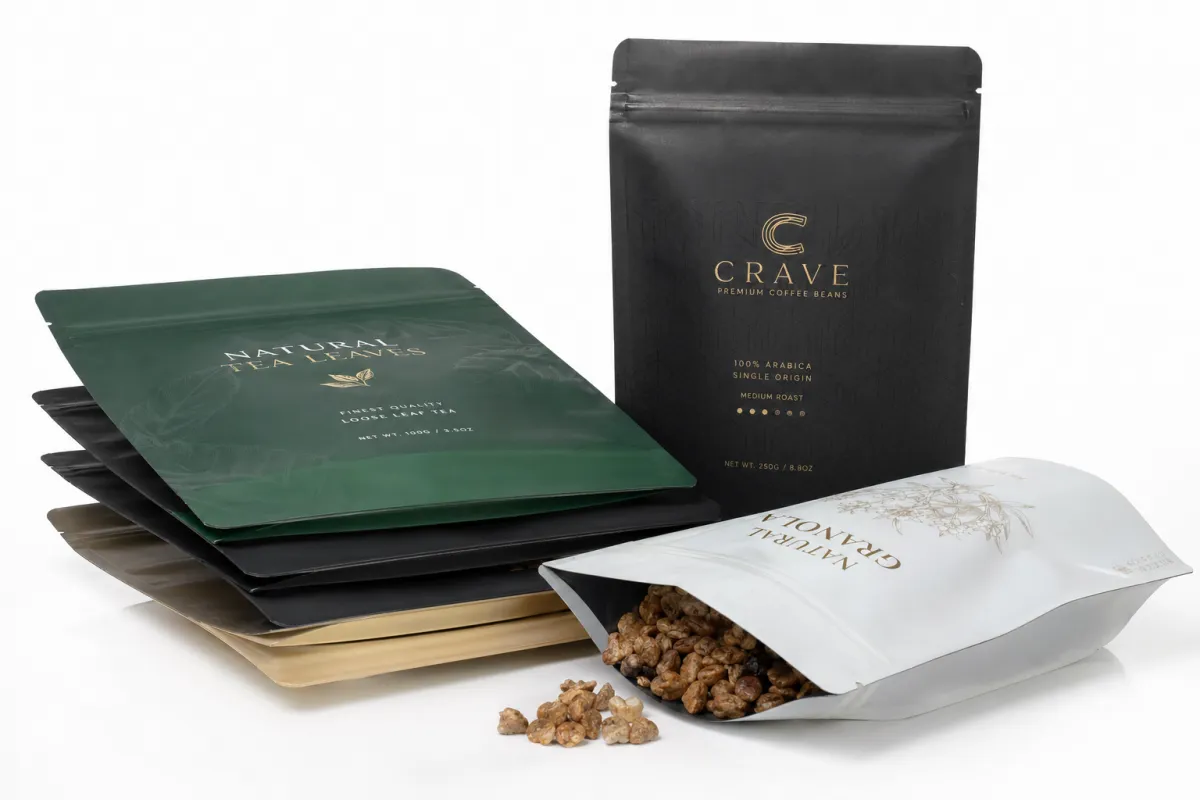
The buying case is straightforward: custom reusable packaging bags bulk earn their place when a bag gets used more than once. A lot of teams still compare them with a single-use mailer or a bargain carry bag on first cost alone. That comparison misses the whole story. Reuse changes the ledger. So does the quieter benefit of keeping the brand in a customer’s hands, car, office, or closet for months.
I have seen a $1.20 tote beat a $0.42 disposable bag on total cost after just four uses. That is not magic; it is math. If the reusable option lasts long enough, the per-use cost drops under the cheaper-looking alternative. And because the bag stays visible outside the warehouse, the store, or the front door, it keeps doing a little bit of branding work every time it is carried again.
The strongest programs tend to have controlled handoff points. Subscription brands use reusable bags for repeat shipments or returnable kits. Retailers use them for carryout and premium gifting. Reverse logistics teams use them for returns or repairs. Rental programs use them to protect outbound items and simplify the way things come back. Internal distribution teams use them for sample kits, employee gear, and product transfers where presentation and toughness matter at the same time.
That is where the math starts behaving. A bag that costs more on day one can still win if it replaces three, four, or ten lower-grade packaging units over its service life. From a packaging buyer’s seat, the real question is not whether custom reusable packaging bags bulk cost more than a disposable option. The real question is whether the total cost per use falls below the alternative once reuse rate, replacement frequency, and brand exposure are all counted.
The tradeoff shows up plainly:
- Lower cost per use once the bag circulates through several cycles.
- More consistent branding than stitching together separate packaging runs.
- Fewer emergency reorders because the bags stay in rotation longer.
- Stronger customer retention signals when the packaging feels intentional instead of disposable.
Too many teams obsess over the print finish and ignore the build. A glossy logo looks good in a mockup. A reinforced handle, a straight seam, and a bag that holds its shape under load are what keep the program alive. If the packaging is doing real work, custom reusable packaging bags bulk should be judged the way equipment is judged: by performance, repeatability, and maintenance cost. A weak seam is gonna betray the whole program fast, and it usually happens in front of the customer.
Custom reusable packaging bags bulk succeed when the spec survives the route, the return cycle, and daily handling. If the bag fails at any one of those points, the savings vanish.
For buyers comparing wider packaging options, it helps to place reusable bag programs beside Custom Packaging Products and other product packaging formats such as custom printed boxes or folding cartons. The right answer is not always a bag. It is the packaging system that fits the handling pattern, and custom reusable packaging bags bulk are strongest where repeated handling is part of the business model.
What Do Custom Reusable Packaging Bags Bulk Work Best For?
Custom reusable packaging bags bulk work best for programs that need the same item to do more than one job. Material choice sets the tone for the entire program, and each substrate behaves differently once it enters daily use. Woven polypropylene gives the bag structure and handles weight well. Non-woven polypropylene is lighter, more economical, and common in retail packaging and promotional use. Cotton canvas feels premium and supports a stronger brand story. Recycled fabrics can align with sustainability goals. Laminated options add wipe-clean utility and a sharper print surface.
For high-volume programs, woven polypropylene often becomes the workhorse. It resists tearing better than many low-cost alternatives and can support broad graphic coverage without looking flimsy. Non-woven polypropylene usually wins on budget for giveaways or short-cycle retail packaging. Cotton canvas costs more, but buyers accept that premium because the bag tends to stay in use longer and sends a different brand signal. If the bag will be exposed to moisture or frequent cleaning, laminated or coated constructions can justify their added cost.
Style matters just as much. Tote bags are the default for shopping, gifting, and trade shows because they are easy to carry and easy to print. Drawstring bags work well for sample kits, sports packs, and grouped items. Zippered pouches add security for tech, cosmetics, or travel sets. Foldable shopping bags suit repeat retail use and help with storage. Garment bags protect apparel and uniforms. Insulated reusable formats fit food, temperature-sensitive goods, and specialty delivery.
| Material | Typical Strength | Best Use Case | Common Print Options |
|---|---|---|---|
| Woven polypropylene | High load support, good abrasion resistance | Retail carry, sample distribution, repeat use | Screen print, heat transfer, woven label |
| Non-woven polypropylene | Lightweight, economical, moderate durability | Promotions, events, entry-level retail packaging | Screen print, simple one- to two-color logos |
| Cotton canvas | Premium hand feel, strong reuse potential | Brand gifting, lifestyle retail, premium kit packaging | Screen print, embroidery, woven tag |
| Laminated reusable fabric | Moisture resistance, cleaner surface, sharper graphics | Grocery, carryout, travel, wipe-clean programs | Full-color print, spot-color branding |
| Insulated reusable build | Temperature retention and product protection | Food delivery, cold-chain support, specialty transport | Logo print, label, patch, or embroidery |
Closure type changes how the bag behaves in the field. Open totes are fastest for customer carryout and retail handoff. Drawstrings keep bundles together without adding much weight. Zippers improve security and keep dust out. Hook-and-loop closures can work for soft goods or quick-access use, though they are not always the best match if the program needs a cleaner retail presentation. Handle length matters too. A shorter handle works for hand carry, while a longer drop lets the bag sit on a shoulder and improves comfort when the load gets heavier.
Gusset depth is another detail buyers often miss. A deeper gusset increases usable volume and helps the bag stand up better during packing. Lining can improve structure and print clarity. Stitching around the handle and side seams affects failure points. If the bag lives in a warehouse, a delivery van, or a back-of-house system, those details matter more than any marketing copy attached to the product.
For retail gifting, a structured tote often delivers the best mix of surface area and perceived value. For trade shows, a lighter foldable format can be more practical because attendees want something that packs flat. For e-commerce returns, a zippered or closure-assisted bag may help keep contents together and reduce damage. For customer retention programs, the most useful format is the one that sees daily use, because the brand earns visibility every time the bag leaves the house.
Packaging design should be tied to function first. In the right program, custom reusable packaging bags bulk do not sit beside product packaging as an afterthought. They become part of the product experience itself.
Specifications That Affect Performance and Branding
Good quoting starts with a clean spec. If a supplier does not know the finished dimensions, fabric weight, closure type, print method, and target fill weight, the comparison is already distorted. That is especially true for custom reusable packaging bags bulk, because a few small changes can move the unit cost more than buyers expect. A wider gusset, a heavier fabric, or a more complex closure can all change labor time, material usage, and freight efficiency.
The first numbers to confirm are basic but critical: finished width, finished height, gusset depth, handle drop, and intended load. Fabric weight or thickness should be stated in a form the supplier can repeat. For non-woven and woven polypropylene, ask for GSM or equivalent construction detail. For cotton or canvas, ask for ounce weight. Then define the seam type. Single stitching may work for lighter retail packaging, but bar-tacked handles or reinforced seams are a safer choice if the bag will carry heavier items or see frequent use.
Decoration details matter just as much as structure. Buyers should ask how many colors are included in the artwork, whether the imprint area wraps around the bag, and whether the supplier is quoting screen print, heat transfer, embroidery, woven label, or a mixed approach. One-color artwork can keep custom reusable packaging bags bulk economical, while full-wrap decoration raises visual impact and cost. If the artwork includes gradients or small text, the print method should be chosen for legibility, not only for price.
A practical spec sheet should make apples-to-apples comparison easy across vendors. I would include:
- Bag type and material.
- Finished dimensions in inches or millimeters.
- Fabric weight or thickness.
- Handle style, drop, and attachment method.
- Closure, if any.
- Print method, color count, and imprint area.
- Maximum fill weight or intended use weight.
- Packaging format for shipping and storage.
Durability details deserve their own line. Ask about stitch count, seam reinforcement, abrasion tolerance, moisture resistance, and washability. If the bag will be reused in a retail environment, scuffing and soil resistance can matter more than a premium finish. If the bag moves through a warehouse or delivery route, handle stress and seam failure matter more than visual embellishment. Many buyers still underestimate how quickly a weak stitch shows up in operations. Once that happens, custom reusable packaging bags bulk stop looking like a savings project and start looking like a replacement problem.
There is also a compliance angle. For transit, reputable vendors often align testing and handling with ISTA methods so the bag is judged against shipping stress, not just a tabletop sample. If your program includes hang tags, folded inserts, or outer cartons made from paperboard, FSC certification can support a responsible sourcing story for those components. That does not replace a durable bag, but it strengthens the overall packaging story.
From a buyer’s seat, the move is simple: define the performance target before asking for a price. The more precise the spec, the more useful the quote. That is true whether the bag sits inside broader branded packaging, supports a retail packaging refresh, or stands alone as a reusable program.
Custom Reusable Packaging Bags Bulk: Pricing and MOQ
Pricing starts with material, but it does not end there. Custom reusable packaging bags bulk are priced by a mix of size, material choice, decoration complexity, hardware, finishing, packaging, and freight. A simple tote with one-color print is a very different purchase from an insulated bag with zipper hardware, lining, and full-color artwork. Buyers who compare only base fabric cost usually miss the biggest cost drivers: setup, labor, and shipping density.
The breakdown is practical. Larger bags use more fabric, so unit cost rises with size. Heavier materials increase raw cost and can also increase handling time. Print complexity adds setup and press time, especially if artwork needs multiple colors or precise registration. Closures and extra features such as pockets, piping, or linings add assembly steps. Custom reusable packaging bags bulk can also carry extra cost through packaging format; individual polybags, size labels, folding instructions, and master carton configuration all affect the final landed number.
| Order Size | Non-Woven Tote Range | Woven PP Tote Range | Cotton Canvas Range | Typical Notes |
|---|---|---|---|---|
| 300-500 pieces | $0.90-$1.60 each | $1.20-$2.20 each | $2.80-$5.50 each | Often used for pilot runs or special campaigns |
| 1,000-2,500 pieces | $0.55-$1.05 each | $0.85-$1.60 each | $2.20-$4.20 each | More efficient setup, better repeatability |
| 5,000+ pieces | $0.32-$0.75 each | $0.60-$1.20 each | $1.80-$3.60 each | Best unit economics for steady programs |
Those ranges are directional, not universal. A deeper gusset, zipper hardware, heavier print coverage, or a premium handle can push the unit above the band. The pattern still holds: as volume rises, setup gets spread across more units and unit cost falls. That is why custom reusable packaging bags bulk often make more sense at scale than at a small one-off quantity. The landed cost drops even when tooling, sampling, or freight appear as separate lines on the quote.
MOQ expectations vary by construction. Simple tote-style bags often have lower minimums because they use familiar patterns and standard materials. Zippered pouches usually need a higher minimum because of the added labor and component sourcing. Insulated formats tend to sit at the high end of MOQ because they require more complex assembly and more material layers. A useful rule is blunt: the more the bag looks like a technical item rather than a basic tote, the more likely the MOQ will climb.
Ask for four numbers on every quote:
- Unit price at your exact quantity.
- Sample price, including shipping if you want it expedited.
- Tooling or setup fees, especially for print plates or custom molds.
- Freight estimate by air and by ocean, so landed cost is visible.
That last point matters. Some quotes look sharp until freight is added. Others seem expensive until the buyer sees that the bag ships more densely and lands cheaper per use. Good purchasing teams model landed cost, not just factory price. The same discipline applies to Custom Printed Boxes, retail packaging, and other branded packaging buys. The format changes. The procurement logic does not.
If a supplier will not separate cost elements clearly, that is a warning sign. Comparison gets messy fast, especially across different construction types. For custom reusable packaging bags bulk, clarity is worth more than a tiny discount because clarity reduces surprises later.
As a practical benchmark, simple reusable bags often land in the sub-dollar range at scale, premium cotton options move into the low single digits, and insulated or highly finished builds sit above that. The exact number depends on the spec, but the pattern is stable: bulk buying lowers friction, and repeat ordering improves the economics.
Process and Timeline: From Quote to Delivery
The order flow should be plain. First comes inquiry and spec review. Then artwork check. Then sample or digital proof. Then production approval. Then manufacturing, quality inspection, and shipment. Custom reusable packaging bags bulk move faster when all six steps receive clean inputs. They slow down when dimensions are vague, artwork is incomplete, or the buyer changes closures after sampling has already started.
Timeline usually depends on five factors: material availability, print method, color matching, construction complexity, and whether the bag uses stock components or fully custom parts. A simple non-woven tote with one-color print can move faster than an insulated build with custom trim and multiple print locations. Special fabric colors, custom zippers, and precise brand matching add time. If the supplier has the material in stock, the schedule shortens. If the bag requires several custom components, the schedule lengthens.
Delays usually come from the buyer side, not the factory side. The familiar ones are missing measurements, unresolved artwork, late proof approval, or a request to change the closure after the sample has already been signed off. None of those are fatal if they happen early. They become expensive after production starts. For custom reusable packaging bags bulk, speed comes from disciplined decisions, not rush language.
A sensible planning rule works like this: leave extra time for first orders, then expect faster repeat runs once the spec is locked. First orders need more back-and-forth because the team is deciding among materials, handle styles, and print coverage. Repeat orders move faster because the supplier already knows the approved dimensions, artwork, and packaging format. That is where bulk programs become efficient. Once the operating details are fixed, replenishment is faster and variation risk drops.
Quality control should be defined before shipment, not after a problem appears. Ask whether the vendor checks seam strength, print alignment, color consistency, and carton counts before dispatch. If the bag is part of a shipping workflow, ask for transit-ready packing and confirm whether the outer cartons can hold up under normal shipping stress. If you want a formal benchmark, tie the shipment to ISTA principles, especially when the bag ships with inserts or accessories.
The best programs treat custom reusable packaging bags bulk as a repeatable supply item, not a one-off creative project. The quote is only the first page. The workflow decides whether the bag arrives on time, matches the spec, and performs the way the business needs it to.
Why Choose Us for Bulk Reusable Bag Programs
Procurement teams do not need hype. They need repeatable output, clean communication, and a supplier that understands how custom reusable packaging bags bulk behave in the real world. The value sits in spec discipline. If dimensions stay stable, print stays consistent, seams hold, and replacement orders match the first run, the program stays manageable.
Process control matters more than the cheapest quote. Bulk reusable bag programs break when the second run drifts from the first. Color shifts. Handles move. Stitching changes. Finished size creeps outside tolerance. Those issues can disrupt a retail rollout or force a buyer to split inventory into separate lots. For custom reusable packaging bags bulk, consistency is part of the product, not an extra.
A practical partner should help with material guidance, artwork preparation, sampling, and shipping-friendly packaging recommendations. If the buyer wants a lighter retail look, the recommendation should match that. If the bag needs more structure for product protection, the spec should match that instead. A good supplier should be able to talk about print method, stitch pattern, pack-out efficiency, and how the bag supports branded packaging without pretending every build has the same economics.
Our Wholesale Programs are built for repeat buying. They make more sense when a brand expects reorders, needs stable pricing, and wants the same production logic applied across multiple locations or channels. That becomes especially useful for teams coordinating retail packaging across stores, events, or promotional campaigns. The objective is not only a lower unit price. The objective is a program that stays predictable.
Reusable bags are visible in a way most packaging is not. They move through offices, parking lots, airports, campus settings, and customer homes. That makes them a different kind of marketing asset than custom printed boxes, which often disappear after opening. A good reusable bag stays in circulation and keeps the logo working. That visibility is valuable, but only if the build quality is strong enough to support actual use.
What most buyers really want is a supplier who acts like an extension of their purchasing team. Someone who can explain tradeoffs without overselling them. Someone who can say, “This material saves money, but this closure raises the MOQ,” or “This print area looks larger, but it adds setup time.” That kind of candor makes custom reusable packaging bags bulk easier to buy and easier to defend internally.
Choose the supplier who makes the decision clearer, not the one who makes it louder.
Next Steps for Custom Reusable Packaging Bags Bulk Orders
If you are ready to move, start with facts. Prepare the target bag dimensions, expected load weight, preferred material, artwork files, and order quantity. If the program has multiple use cases, separate them now. A tote for retail carryout may need a different structure from a bag used for returns or internal distribution. That difference affects custom reusable packaging bags bulk pricing, MOQ, and lead time.
Then compare two or three construction options before committing. A simple non-woven version, a more durable woven version, and a premium cotton or laminated version can show where the value sits. Ask for a written quote that separates unit price, sample cost, tooling, shipping, and any color-match or packaging charges. That comparison is the fastest way to stop guesswork and see the real economics.
Before full production, test one sample in real conditions. Fill it with the actual product weight. Carry it. Fold it. Open and close it a dozen times. Check the stitching at the handle points and inspect print placement under normal use. That small test often reveals what a spec sheet cannot. If a closure jams or a seam feels weak, catch it early. It is far cheaper to adjust the spec than to replace a bad batch later.
Buyers who manage custom reusable packaging bags bulk well usually follow a simple sequence: lock the spec, confirm the artwork, approve the sample, and then scale the order. That process keeps the project calm and keeps the landed cost legible. It also helps the bag become a real packaging system instead of a one-off item that never gets reordered.
For teams looking at adjacent packaging categories, compare the reusable bag plan with the broader packaging portfolio and the Custom Packaging Products line so the bag does not compete blindly with other product packaging choices. The strongest programs are built on fit, not habit. If the bag supports the use case better than the box, the bag wins. If not, the data should say so.
At this level, custom reusable packaging bags bulk are less about trend and more about control. Control over cost. Control over brand appearance. Control over reorders. Control over how the customer touches the package. That is the real advantage, and it is why the best programs keep using them.
Bottom line: for brands that need repeatable branded packaging with measurable durability, custom reusable packaging bags bulk are a practical buy. Set the spec first, compare landed cost, test the sample in real use, and scale only after the bag proves it can survive the job.
Frequently Asked Questions
What is the MOQ for custom reusable packaging bags bulk orders?
MOQ depends on material, construction, and print method. Simple tote-style bags often start lower than zippered or insulated builds, and the minimum may be set per color, per design, or per size. Ask the supplier to spell out exactly how the MOQ is calculated before you approve the quote.
Which material is best for custom reusable packaging bags bulk use?
Woven or non-woven polypropylene works well for economical, high-volume retail and promotional programs. Cotton canvas and recycled fabrics are better when the brand wants a more premium feel or a longer reuse cycle. The right choice depends on weight, washability, and branding goals, not price alone.
How much do custom reusable packaging bags bulk orders cost?
Price is driven by size, material, decoration, quantity, and finishing details. Unit cost usually drops as volume rises, but setup and freight can change the landed total. Request a quote that separates product cost, sample cost, tooling, and shipping so the comparison is clean.
Can I add a logo and care instructions to reusable bags?
Yes. Most bulk reusable bags support logo printing, labels, woven tags, or embroidery. Care instructions can be printed inside the bag, placed on a tag, or added to a hang card depending on the format. Simple artwork usually prints more crisply and is easier to repeat on future runs.
How long does production take for custom reusable packaging bags bulk orders?
Timing depends on material sourcing, proof approval, and print complexity. First orders usually take longer because samples and approvals add steps, while repeat orders move faster once the spec is locked. Ask for a schedule that breaks out proofing, production, inspection, and transit separately.

