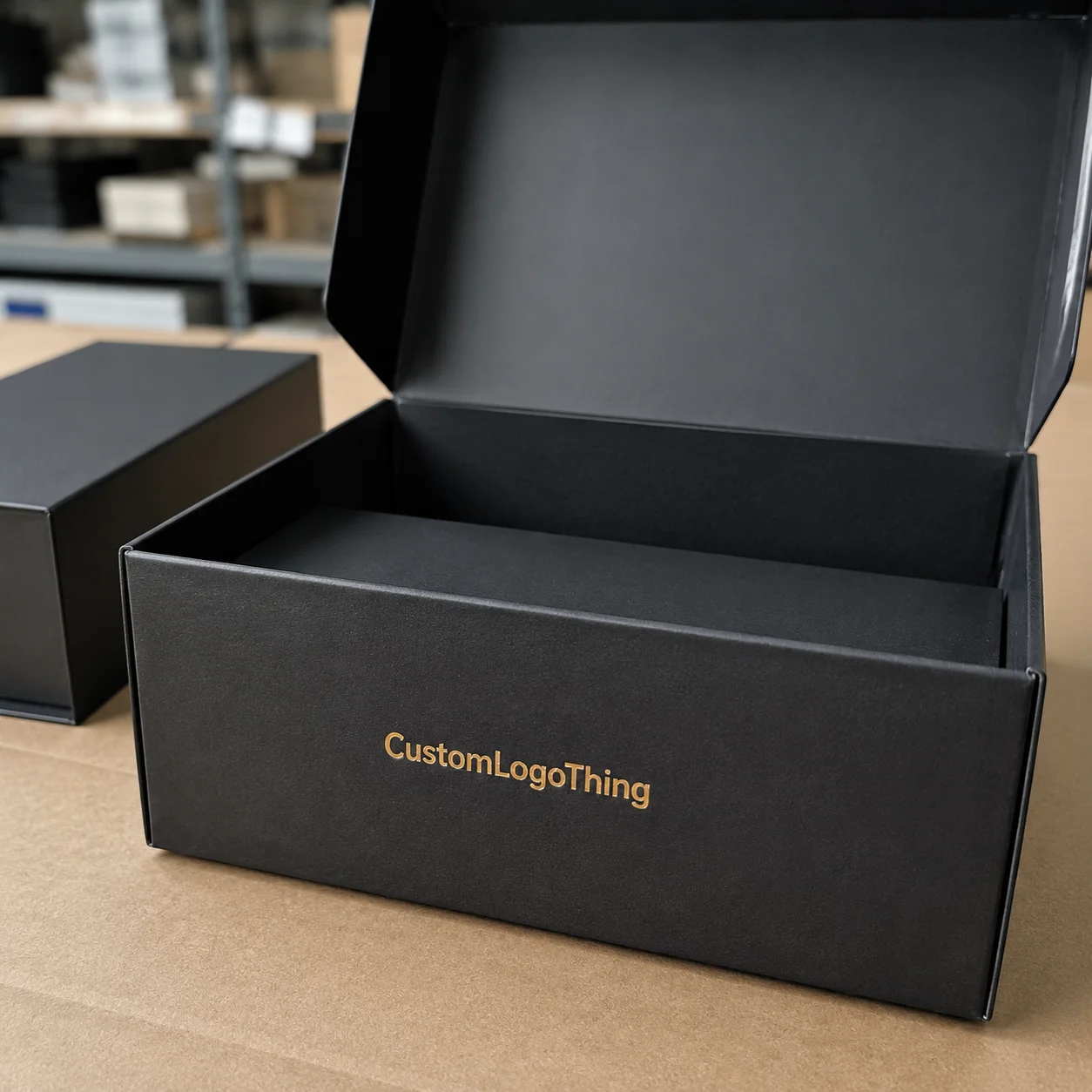
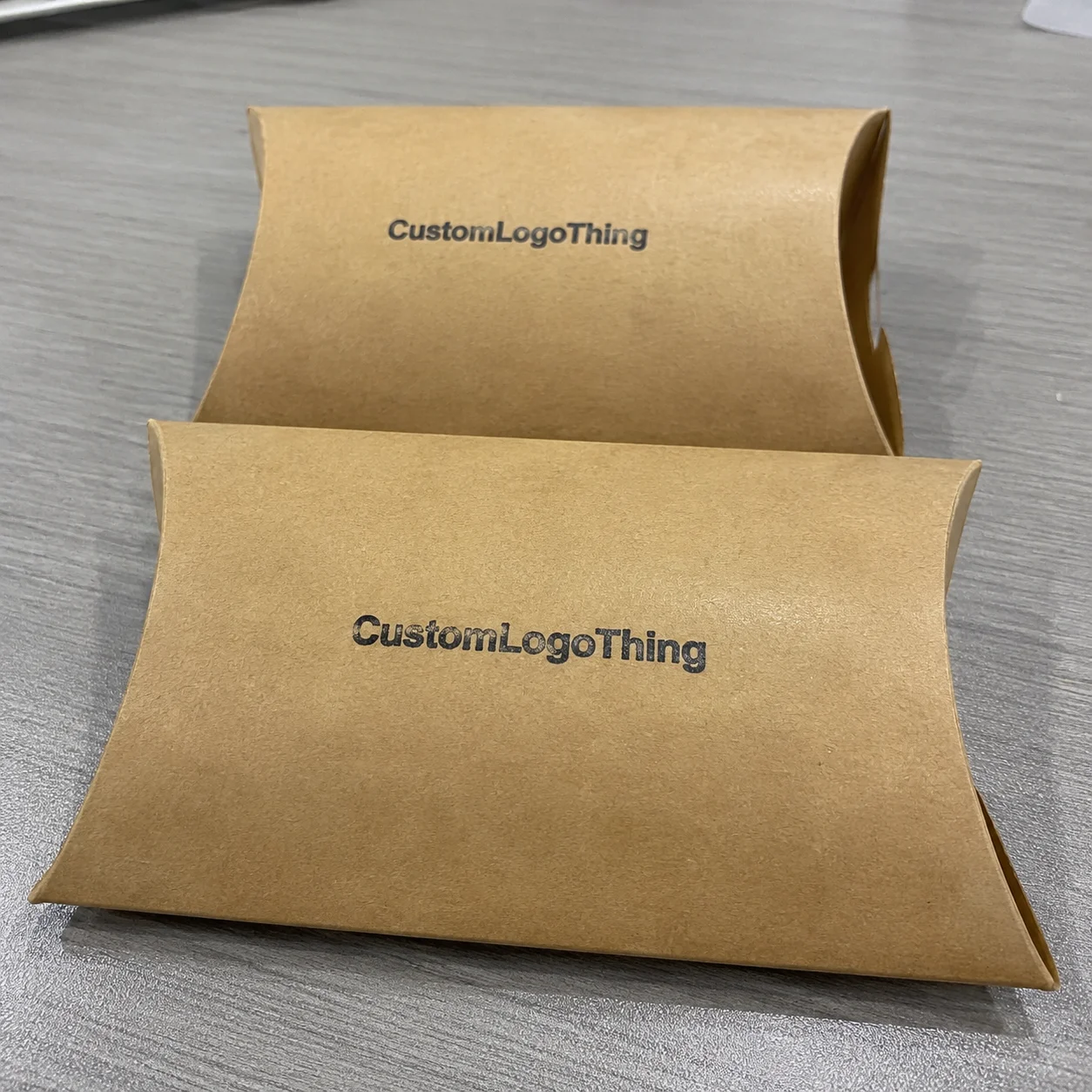
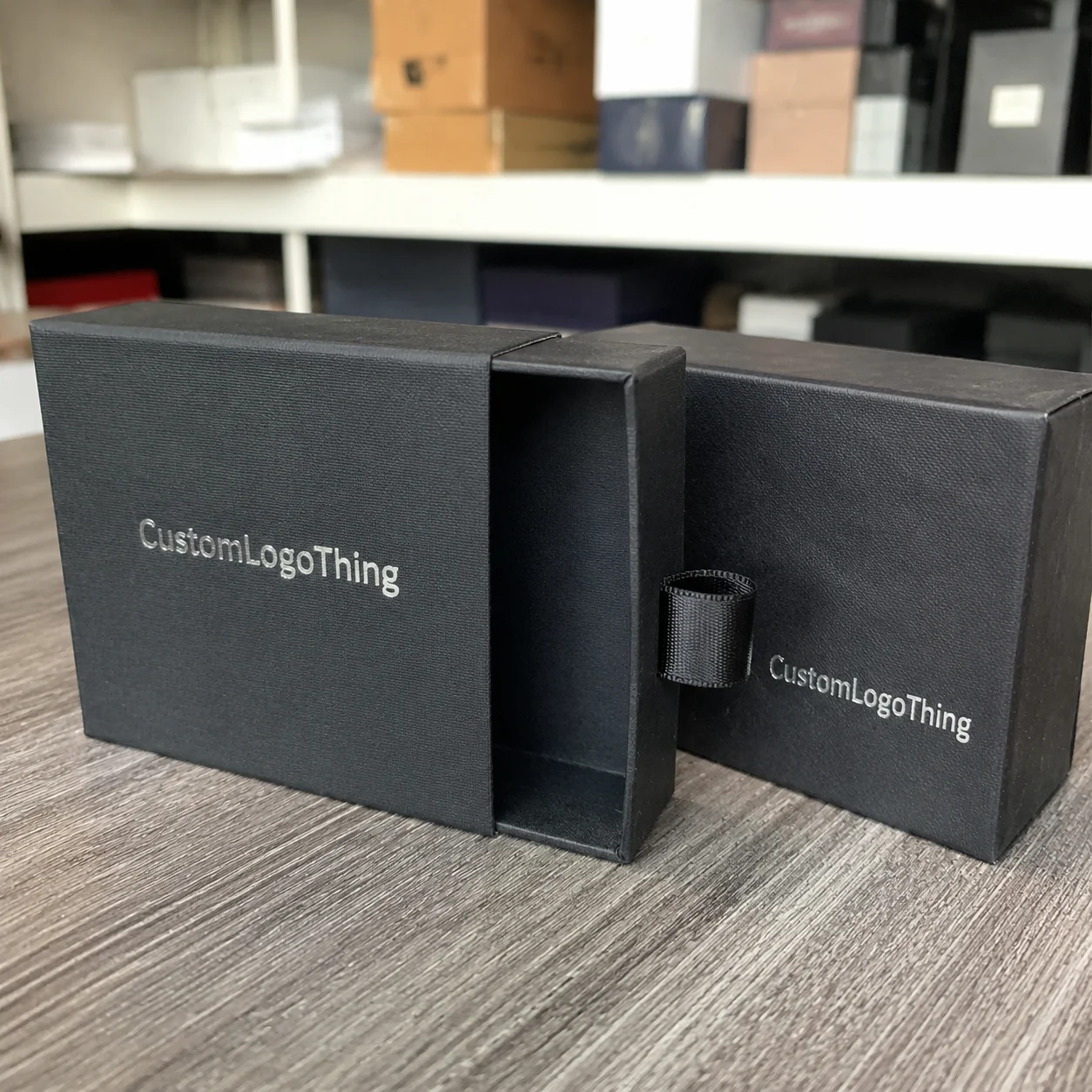
For a limited launch, a premium sample kit, or a small retail test, Custom Rigid Boxes no minimum can solve a very specific problem: how to get presentation-grade packaging without committing to a warehouse full of empty cartons. The value is not just convenience. It is the ability to test demand, refine artwork, and protect cash while still using a structure that feels substantial in hand.
Rigid boxes are built differently from folding cartons. A folding carton is typically made from paperboard and shipped flat. A rigid setup box uses thick chipboard, usually wrapped with printed paper or specialty stock, so it arrives as a sturdy formed structure rather than something that folds into shape on the packing line. That extra mass changes the feel immediately. It also changes the cost, the assembly method, and the expectations around finish quality.
If you are comparing packaging formats, our Custom Packaging Products page is a useful place to see how rigid packaging sits beside other product packaging options. The differences matter more than most quote sheets suggest.
Why Small-Batch Rigid Packaging Matters When Every Box Counts
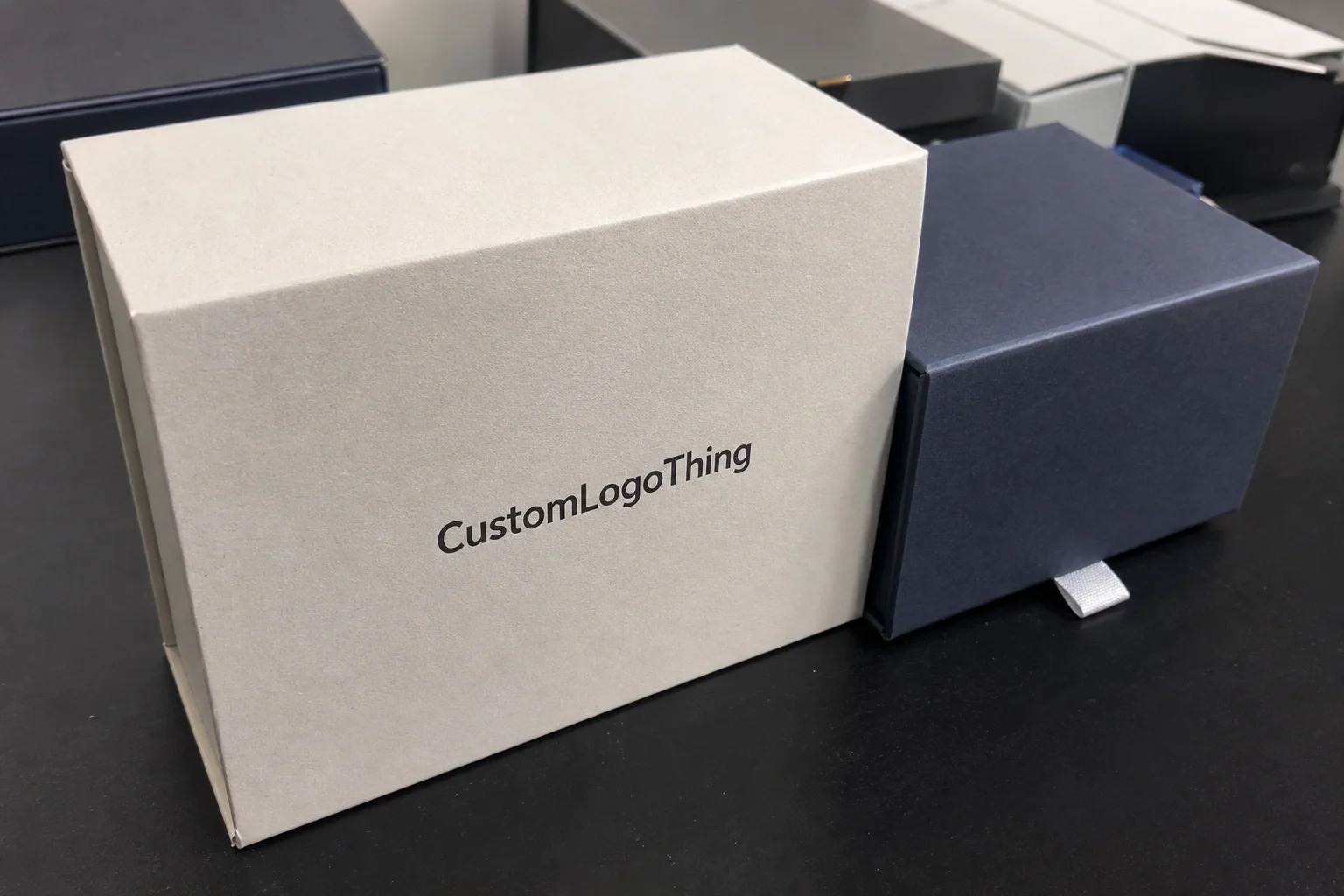
Short runs are not only for startups. Established brands use them for seasonal releases, VIP gifts, influencer mailers, internal product launches, and market tests where the demand curve is still uncertain. A box order of 50, 100, or 250 units can be the right number if the product is expensive, the campaign is temporary, or the design may change after the first release. That is where Custom Rigid Boxes no minimum makes sense.
The financial logic is simple. Rigid boxes take up more space than folding cartons, and space is rarely free. Overstocked packaging ties up working capital twice: once in the order itself and again in storage. If the box is tied to a short campaign, a seasonal colorway, or a single product drop, buying thousands of units just to reach a lower unit price can create waste the brand will be paying for months later.
There is also a presentation issue. Premium packaging has to work hard before the product is even seen. A clean lid fit, a well-chosen wrap stock, and a balanced finish can make a small run look far more deliberate than a larger order with loose specs. The safest approach is usually not more embellishment. It is better proportioning.
A small run still needs to behave like premium packaging. The quantity changes the economics, not the standard.
That point matters because many buyers assume small quantities require lower expectations. In practice, the opposite is usually true. Smaller runs expose weak specs faster: slightly off-color wraps, inserts that do not hold the product, or lids that feel too loose or too tight. If the packaging is supporting a glass bottle, a watch, cosmetics, or a high-value accessory, the Fit and Finish have to be right even if the order is short.
How No-Minimum Rigid Box Orders Actually Work
The production sequence is straightforward, but every step influences the final result. It starts with dimensions and structure confirmation. Then the board is cut, the wrap material is printed or prepared, the outer sheet is finished, and the box is wrapped, assembled, inspected, and packed. If the product is unusually shaped or fragile, the insert is usually developed at the same time so the structure and the interior support match.
Low-quantity work usually depends on a few production realities. Digital printing is often the practical choice for short runs because it keeps setup lighter and can handle smaller order sizes without the same press burden as offset. Some suppliers keep standard rigid shells in stock and customize the wrap, insert, and surface finish. That is one reason Custom Rigid Boxes no minimum is possible at all: the workflow is partially standardized, then tailored where it matters most.
Common structures include lift-off lid boxes, Magnetic Closure Boxes, tray-and-sleeve boxes, shoulder-and-neck boxes, and book-style rigid boxes. Each structure has a different visual and tactile profile. A magnetic closure box feels more formal, but it also adds magnets, assembly time, and inspection points. Tray-and-sleeve formats are efficient for accessories and multi-piece sets. Book-style boxes offer a larger printable surface and a stronger unboxing moment, especially for gifts or collector-style releases.
There are limits, and those limits should be discussed early rather than discovered during proofing. Deep embossing, multi-pass foil, complex cutouts, specialty windows, and intricate foam inserts all add labor or tooling. None of those elements are impossible in a low-quantity order. They simply move the job away from the most efficient production path. The lower the run, the more every extra feature affects cost and timeline.
Key Factors That Change Cost and Unit Price
Price is driven by a short list of variables. Quantity matters, but it is not the only one. Box size, board thickness, wrap stock, print coverage, insert style, and assembly complexity all change the quote. A larger box uses more chipboard and more wrap material. A heavier insert adds material cost and can increase shipping weight. On small runs, that extra weight can matter more than buyers expect because the savings from scale are limited.
Board thickness is one of the first decisions that affects both perception and cost. A 1.5mm board can work for smaller, lighter products. A 2mm or 3mm board feels more substantial and is often chosen for presentation pieces or heavier contents. The right answer depends less on what sounds premium and more on what the product actually needs for support and transit protection.
Print method also changes the economics. Digital print is usually better for short runs, variable artwork, or fast proof cycles. Offset print becomes more attractive as quantity increases and color consistency across a larger batch becomes more important. For small-volume custom printed boxes, digital often wins on practicality before it wins on price.
Finishes add up quickly. Soft-touch lamination, spot UV, foil stamping, embossing, and specialty paper wraps each introduce another step. One finish can strengthen the design. Four finishes can turn the spec into a budget problem with little additional shelf impact. This is especially true if the typography is already strong or the color palette has enough contrast to carry the packaging on its own.
Sampling and setup also belong in the total cost. A no-minimum order may carry a higher unit price, but the total project spend can still be lower once warehouse storage, unused inventory, and redesign risk are included. That is the part buyers often miss when they focus only on the per-box number.
| Structure | Best For | Typical Short-Run Price Per Unit | Cost Drivers |
|---|---|---|---|
| Lift-off lid rigid box | Apparel accessories, skincare sets, gift items | $2.40-$4.50 | Size, wrap coverage, one-color or full-color print |
| Magnetic closure box | Premium retail packaging, tech accessories, presentation kits | $3.80-$7.50 | Magnet inserts, assembly time, finish level |
| Tray-and-sleeve box | Accessory bundles, stationery, multi-piece product sets | $2.60-$5.20 | Sleeve fit, tray rigidity, insert complexity |
| Book-style rigid box | Luxury gifts, influencer mailers, collector editions | $4.20-$8.50 | Hinge build, closure style, inner branding |
Those figures are directional, not a quote. A simple run with a clean print file can come in below them, while a highly finished box with custom foam can exceed them quickly. If you want a broader view of construction options and packaging styles, compare the formats in our Custom Packaging Products section and match the spec to the product rather than the budget alone.
For e-commerce packaging, ask how the structure performs under a distribution profile such as ISTA 3A or a comparable internal drop and vibration test. Not every supplier will certify the box formally, but the question is still useful. A premium box that scuffs in transit or opens under pressure is an expensive styling exercise.
Process and Timeline: From Dieline to Delivery
The workflow starts with a quote request, but the quality of that quote depends on the information supplied. A good brief includes product dimensions, target quantity, finish preferences, insert needs, and the shipping destination. If the supplier has to guess at size or construction, the first round of pricing may be misleading and the timeline will usually stretch.
Dieline approval is the step that saves the most time later. The artwork has to follow the exact trim, fold, and wrap areas, especially for a rigid box with a lid, flap, or hidden closure. If the design is built before the structure is fixed, the proof cycle turns into correction work. That is not dramatic, just inefficient.
Typical timelines vary, but a simple short run with digital print and standard assembly may move in roughly 10 to 15 business days after proof approval. Add foil, soft-touch lamination, custom inserts, or hand assembly and the schedule expands. Rush jobs are possible, though they usually narrow the finishing options and leave less room for revision.
Sampling should not be treated as optional if the box is new, the product is fragile, or the finish is complex. A prototype or pre-production proof answers questions that a PDF cannot: how the lid feels, whether the corners hold, whether the insert grips the item correctly, and whether the printed wrap looks right under real light. Skipping that step is a false economy.
For first-time buyers, a correction round is usually part of the process. Color often shifts slightly once the wrap is printed and assembled, and an insert may need one adjustment to fit the actual product rather than the drawing. That is normal production work, not a failure. Good packaging planning leaves room for it.
Spec Checklist: Size, Structure, Print, and Insert Decisions
Start with the item, not the box. Measure the finished product, then add enough clearance for removal, protection, and presentation. A rigid box that is too tight can damage the contents or make the opening experience awkward. One that is too loose makes the product feel less controlled, even if the outer structure looks expensive. Interior dimensions are more important than exterior style because fit drives both protection and presentation.
Board and wrap choices should reflect the product weight and the way the package will be handled. A heavier item usually needs a stronger board or a more supportive insert. Wrap papers are often specified around 128gsm to 157gsm for standard work, though specialty stocks can differ. A matte laminated wrap hides handling marks better than an uncoated surface. Gloss can make color more vivid, but it also tends to show scuffs more clearly under bright retail lighting.
Insert choice depends on fragility, weight distribution, and brand positioning. Foam is practical for delicate or irregularly shaped products. Paperboard inserts are cleaner and often easier to use in low-quantity programs. Molded pulp can support sustainability goals, though it is not always the best visual match for luxury presentation. Custom cardstock inserts are often the easiest to include in small runs because they are simple to score, print, and assemble.
Print style should be chosen with restraint. Full-coverage dark backgrounds can look sharp, but they also expose scratches, fingerprints, and corner wear if the finish is not appropriate. Pantone matching makes sense when brand color consistency matters across other packaging or sales channels. If the design already has enough structure, a single foil mark or a well-placed deboss may be more effective than several competing effects.
- Size: confirm internal fit, not just the outside dimensions.
- Structure: choose lift-off, magnetic, tray-and-sleeve, or book-style based on the product and budget.
- Print: decide between digital print, Pantone targets, or full-coverage art.
- Insert: match the insert to weight, fragility, and sustainability goals.
- Display: think about shelf presence, shipping method, and how the box opens in the hand.
That checklist is what keeps a no-minimum order from becoming an expensive guess. The right spec usually reduces waste, improves the premium feel, and makes the production quote easier to evaluate.
Common Mistakes When Ordering Small Runs
The first mistake is sending artwork before the dieline is final. That sounds minor until a logo lands across a fold or a panel ends up misaligned after wrap allowance is added. Once the structure is fixed, the art has to fit the structure, not the other way around.
The second mistake is oversizing the box to make the product feel more luxurious. Most of the time, it does the opposite. A box that is too large around a small item reads as wasteful. A box that is too small creates pressure on the product and makes packing harder. Good retail packaging lives in the narrow space between those two failures.
Finish overload is another common issue. Buyers often stack foil, embossing, spot UV, soft-touch lamination, and specialty paper into one build, then wonder why the quote jumped. One clean visual idea usually performs better than five competing ones, especially in a small run where every extra pass adds handling time.
Insert fit gets overlooked more often than it should. A loose insert makes the presentation feel careless. An overly tight insert slows packing and can damage the product edges. If the item is heavy, irregular, or fragile, the insert should be tested with the real product before production is approved.
Do not assume every supplier offering custom rigid boxes no minimum is using the same construction standard. Some are better with simple presentation boxes, some can handle more elaborate finishes, and some rely on prebuilt shells with limited customization. Ask what board thickness, wrap stock, and assembly method are actually being used. The sales description is rarely enough.
Expert Tips to Get Better Results on Low Quantities
The strongest small-run packaging usually has one clear hero effect. It may be a matte black wrap with blind debossing. It may be a bright printed sleeve over a plain white tray. It may be a single foil logo on a heavy paper wrap. The point is to make one decision feel deliberate instead of piling on effects that fight each other.
Use the inside of the box if the outside has to stay simple. A clean inner print, a branded insert, or a message under the lid can carry more brand value than another decorative finish on the outside. In many launches, that detail matters because it shows the package was designed, not just ordered.
Order a sample or pre-production proof if the product is expensive, the launch date is fixed, or the box design is new. That one unit can reveal problems with hinge behavior, lid tolerance, print alignment, or insert grip before the full batch is committed. Compared with a bad production run, the sample cost is minor.
Keep the files disciplined. Use embedded fonts, proper bleed, clean vector logos, and a clearly labeled artwork version. When the files are organized, the supplier spends less time fixing avoidable issues and more time producing the box correctly. That usually improves turnaround and reduces the back-and-forth that slows down custom rigid boxes no minimum orders.
Reusability matters too. A base structure that can support multiple SKUs, different inserts, or campaign-specific artwork is often smarter than redesigning the whole box for each release. For brands that plan to expand, that gives consistency without locking the business into one oversized inventory gamble.
Next Steps for Ordering Custom Rigid Boxes No Minimum
Start with the product, not the packaging quote. Measure carefully, decide how much protection the item needs, and define the presentation goal before asking for pricing. If the box has to serve as both a mailer and a display piece, say so early. That changes the structure recommendation more than many buyers realize.
Have these details ready before requesting pricing:
- Final product dimensions and weight.
- Target quantity and any likely reorder volume.
- Artwork files and print method preference.
- Insert requirements, including foam, paperboard, or molded pulp.
- Finish preferences such as matte, gloss, foil, embossing, or spot UV.
- Delivery target and shipping destination.
Then compare quotes on more than unit price. Ask about proofing method, board thickness, wrap stock, assembly method, and the supplier’s approach to small runs. A cheaper box is not better if the lid fit is loose, the color drifts, or the insert arrives inconsistent. Total packaging value is what matters.
If you need another pass on common order questions or file prep, our FAQ is a useful place to start. It can save time before you send artwork and helps avoid small mistakes that slow production.
For limited editions, launch kits, and premium sample sets, custom rigid boxes no minimum are often the right balance of structure, branding, and cost. Keep the spec tight, keep the build honest, and let the packaging do its job without inflating the project beyond what the product needs.
Are custom rigid boxes no minimum really available for small brands?
Yes, many suppliers offer low-quantity rigid box programs for launches, samples, and limited editions. Availability depends on the box style, finish level, and whether the design can be produced with standard tooling or digital printing. Some specialty constructions still carry practical minimums.
What is the biggest cost driver for no-minimum rigid box orders?
Complex construction and premium finishing usually have the biggest impact on price per box. Size, insert type, and print coverage also matter because they change material use and assembly time. On very small runs, setup and proofing can be a noticeable part of the total.
How long do custom rigid boxes with no minimum usually take to produce?
Timing varies by artwork readiness, sample approval, finishing choices, and whether inserts need custom fabrication. Simple short runs can move in about 10 to 15 business days after approval, while premium embellishments and hand assembly usually add time.
Can I get inserts and custom printing on a very small rigid box order?
Often yes, but the exact options depend on the supplier and the box structure. Simple inserts and digital print are usually the easiest features to include in low quantities. More complex inserts may need extra setup or a revised design.
What files should I have ready before requesting a quote for custom rigid boxes no minimum?
Have final dimensions, artwork files, quantity target, finish preferences, and insert requirements ready. If possible, include a product sample or precise product measurements so the supplier can confirm fit and construction before quoting.