Magnetic Gift Boxes Wholesale That Make Cheap Products Look Expensive
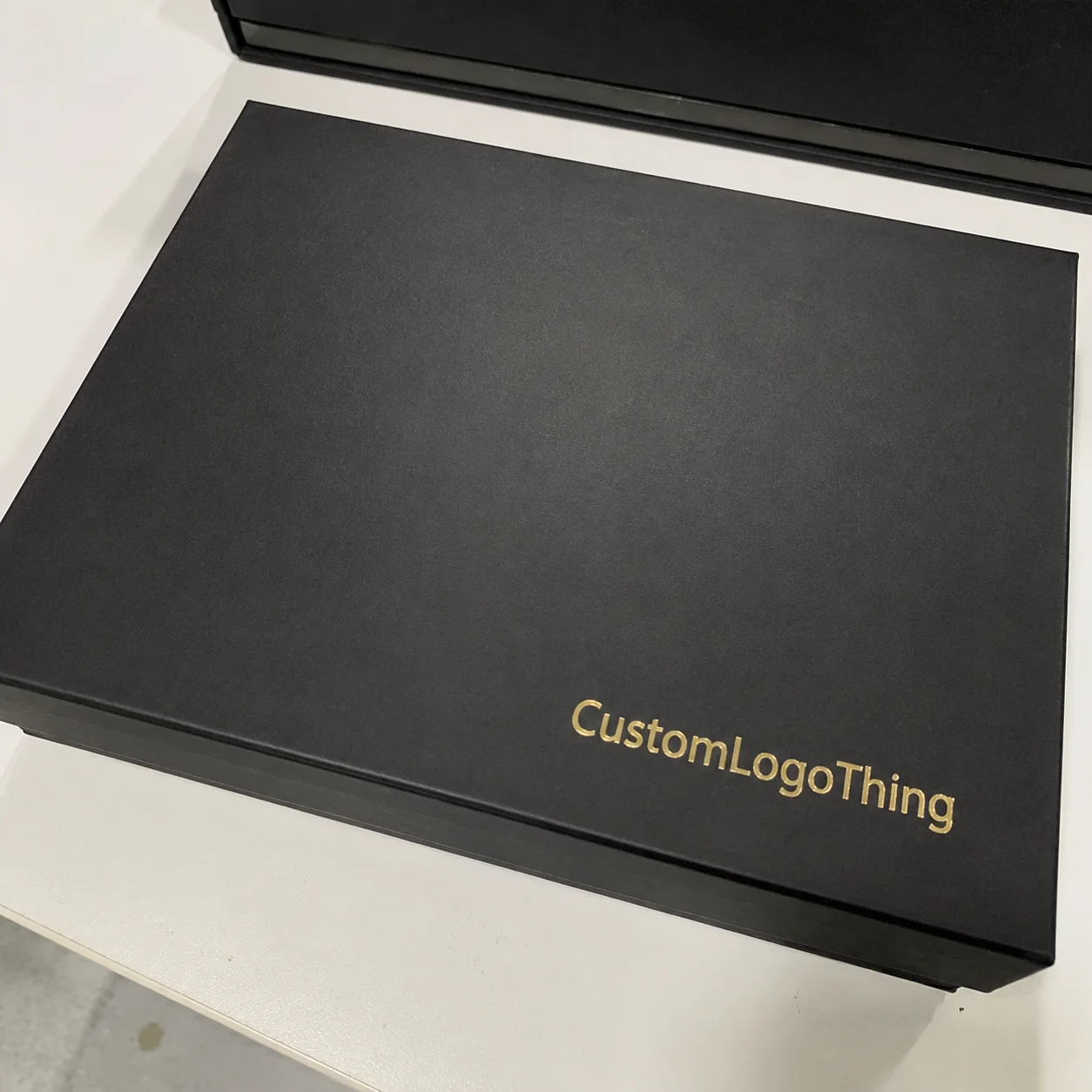
The same candle, watch, skincare set, or corporate gift can feel 30-50% more premium when it arrives in a rigid magnetic box instead of a thin folding carton. Buyers searching for Magnetic Gift Boxes wholesale are usually past the inspiration stage. They need packaging that looks expensive, survives handling, and still lands at a unit cost the margin can tolerate.
Packaging does not rescue a weak product. It does change perceived value. A magnetic closure box slows the opening moment, frames the product, and turns the package into something closer to a gift than a disposable shell.
The commercial logic is straightforward: a rigid greyboard structure, a clean magnetic snap, accurate wrapping, and enough visual weight to make the product feel intentional. These boxes suit retail gift sets, influencer kits, corporate campaigns, luxury samples, subscription launches, limited editions, and holiday programs where presentation is part of the sales argument.
They make the most sense for mid-to-high-value products. Think $25-$200 retail items, bundled sets, premium samples, promotional kits, and B2B gifts where the recipient expects more than a tuck-end carton. If the product sells for $6 and ships through a rough parcel network with no outer carton, a rigid magnetic box may be overkill. Beautiful packaging still has to obey math.
Rigid magnetic boxes cost more than mailer boxes, folding cartons, or basic paper gift boxes. In return, they can reduce separate gift wrapping, improve shelf presence, and support higher retail pricing when the structure, insert, and finish match the product. The trick is not buying the fanciest version. The trick is buying the right one.
Serious buyers should settle structure, board thickness, finishes, inserts, MOQ, pricing drivers, production timing, freight impact, and QC expectations before placing an order. That last part matters. Plenty of premium boxes look excellent in a rendering and disappointing in a warehouse.
Custom Rigid Box Details Buyers Should Decide First
A magnetic gift box usually starts with a greyboard or chipboard core, often in the 1.5 mm to 3 mm range. The board is wrapped with printed paper, laminated art paper, kraft paper, textured stock, or specialty paper. Magnets sit inside the flap and front wall so the lid closes with a soft snap. Simple idea. Plenty of ways to get it wrong.
The most common format is the book-style flip lid box. It opens like a hardbound book and works for cosmetics, candles, watches, small electronics, awards, and gift sets. Collapsible magnetic boxes are popular for wholesale orders because they ship flatter and reduce storage volume. Lift-off lid rigid Boxes with Magnetic flaps feel more formal. Drawer-style boxes with magnetic tabs work well for jewelry, stationery, tech accessories, and layered kits. Ribbon pulls help when the product or tray sits tightly inside.
Rigid setup boxes versus collapsible magnetic boxes: setup boxes arrive fully formed and usually feel sturdier. Collapsible styles reduce freight volume and warehouse space, especially at 1,000-10,000 units. The tradeoff is clean: stronger presentation or better logistics. Pick the priority early. Physics does not negotiate later.
Product fit should drive the box size. Not a competitor’s photo. Not a random “looks about right” measurement. Build the interior around the product, protective wrapping, insert thickness, finger access, and production tolerance. A 2 mm error can turn a polished rigid box into a product trap, especially with glass jars, bottles, and electronics.
Closure strength depends on magnet size, magnet count, board thickness, flap depth, and contents weight. Small cosmetic boxes may need two compact magnets. Larger presentation boxes may need stronger magnets, a deeper flap, or reinforced closure panels. If the product is heavy and the box will be handled vertically, test it. A premium box that pops open in transit is not premium. It is a tiny lawsuit wearing foil stamping.
Insert choice changes both protection and perceived value. EVA foam gives a clean cavity and is common for watches, electronics, fragrance, and glass bottles. Paperboard trays reduce plastic and can be printed. Molded pulp supports sustainability claims and works for natural or eco-positioned brands. Corrugated dividers suit heavier kits. Silk lining, velvet flocking, and fabric wraps lean into luxury, but they add cost and slow assembly.
Branding can extend beyond the exterior lid. Buyers can use the inside lid, tray surface, spine, ribbon, belly band, sleeve, hangtag, tissue paper, or gift card slot. Use hierarchy. A logo on every surface usually looks insecure, not premium. For broader options beyond magnetic boxes, review Custom Packaging Products before locking the structure.
Specifications That Affect Strength, Finish, and Freight
Board thickness is one of the first real specifications to confirm. Many custom magnetic rigid boxes use 1.5 mm, 2 mm, 2.5 mm, or 3 mm greyboard. Small jewelry and cosmetic boxes may be fine at 1.5-2 mm. Larger electronics, wine accessories, heavy candle sets, or corporate kits often need 2.5-3 mm board for better edge strength and lid stability.
Paper wrap changes both cost and personality. Coated art paper is practical for full-color CMYK printing and laminated finishes. Specialty paper gives a richer tactile feel, often with lighter artwork. Kraft wrap supports natural branding, especially for wellness, food, and eco-focused products. Textured papers can add depth without heavy graphics. Useful, if the goal is “expensive” rather than “printed circus.”
Common print and finish methods include CMYK offset printing for detailed artwork, Pantone spot color for brand matching, foil stamping for metallic logos, embossing and debossing for tactile marks, and spot UV for gloss contrast. Foil stamping and embossing need room. Tiny foil details on textured paper can fill in or break up, depending on stock, die quality, pressure, and artwork thickness.
Lamination has tradeoffs. Matte lamination looks refined but can show scuffs. Gloss lamination makes color pop but may feel too retail-heavy for luxury sets. Soft-touch lamination feels smooth and expensive, but fingerprints show on darker colors. Glamour has maintenance costs. Shocking.
Insert specifications deserve more attention than they get. Confirm cavity size, product orientation, finger notches, foam density, tray thickness, color match, and whether the insert must protect the product during transit or only present it after unpacking. Direct-to-consumer shipping requires movement control. Hand-delivered corporate gifts may care more about reveal and removal.
Shipping durability is not just about the box itself. Rigid box corners can dent if master cartons are weak, overpacked, underfilled, or stacked badly. Wholesale orders should include case pack planning, carton wall strength, corner protection, pallet layout, and carton marking. For fragile products or parcel shipping, buyers can reference standards from the International Safe Transit Association.
Sustainability specs may include FSC-certified paper, recycled greyboard, soy-based ink, plastic-free inserts, molded pulp trays, and recyclable paperboard structures. Availability depends on the design, print method, finish, and destination market. FSC information is available through the Forest Stewardship Council. Do not assume a box is recyclable just because it is made mostly of paper. Magnets, laminates, foam, and fabric linings can change the recovery story.
Artwork files should include dielines, bleed, safe zones, vector logo files, Pantone references, finish callouts, and notes for foil, embossing, debossing, spot UV, ribbon, and insert print. A physical sample should be approved before mass production for serious wholesale jobs. Digital proofs are useful. They do not show magnet pull, corner wrap quality, or how soft-touch black looks after ten people handle it.
Pricing, MOQ, and Unit Cost for Magnetic Closure Boxes
Pricing for Magnetic Gift Boxes Wholesale depends on size, board thickness, quantity, box style, print coverage, insert type, finishing, magnet count, assembly complexity, and freight method. Anyone quoting a serious custom rigid box from one sentence is guessing. Some guesses are expensive.
Typical custom magnetic box MOQs start around 500-1,000 units, depending on specifications. Better unit costs usually appear around 2,000-5,000 units because setup, printing, die-cutting, wrapping, and assembly costs spread across more pieces. Very low quantities may be possible for simple projects, but the unit price gets rude fast.
For planning, small simple rigid magnetic boxes at volume might fall around $1.50-$3.50 per unit before freight, depending on size and finish. Mid-size printed boxes with inserts may land around $3.50-$7.50. Large luxury boxes with foam inserts, specialty paper, foil stamping, and detailed assembly can run $8-$18+ per unit. These are planning ranges, not promises. Final pricing depends on the actual specification, and anyone pretending otherwise is selling fog.
| Option | Best Use | Typical Quantity Range | Cost Impact | Main Tradeoff |
|---|---|---|---|---|
| Book-style rigid magnetic box | Candles, skincare, watches, gift sets | 500-5,000+ | Medium to high | Premium feel, higher freight volume |
| Collapsible magnetic box | Corporate gifts, kits, seasonal programs | 1,000-10,000+ | Medium | Lower freight, added assembly |
| EVA foam insert | Glass, tech, watches, fragile items | 500-5,000+ | Medium to high | Strong hold, less eco-friendly |
| Paperboard tray insert | Cosmetics, food-safe outer kits, retail sets | 1,000-10,000+ | Low to medium | Printable and lighter, less cushioning |
| Foil stamping or embossing | Luxury logos and limited editions | 500-5,000+ | Added setup and run cost | High impact, requires clean artwork |
Setup costs may include tooling, sample fees, printing plates, dies, foil dies, embossing dies, and special finish setup. Some suppliers bill these separately. Others build them into the unit price at higher quantities. Neither approach is automatically better. Compare the full quote, not just the line that looks cute in a spreadsheet.
Buyers can control cost by reducing box size, using a standard board thickness, limiting special finishes, choosing paperboard inserts over foam, simplifying artwork, and increasing order quantity. A 10 mm reduction in height or width can cut material, wrap paper, insert size, and freight volume across thousands of units. Small design decisions become real money.
Cheap quotes need inspection. Unusually low pricing often means thinner board, weaker magnets, poor wrap alignment, loose inserts, rough corners, weak carton packing, or freight excluded. Bargains are fun until cartons arrive looking like they fought a forklift.
A proper quote should list box dimensions, material specs, board thickness, printing method, finishes, insert details, magnet count if relevant, sample terms, production lead time, packing method, shipping terms, and quote validity period. Wholesale buyers should compare landed cost, not just factory unit cost, because rigid boxes consume carton space aggressively. For structured buying support, Wholesale Programs can help compare quantity breaks and packaging specifications before production.
Process and Timeline From Quote to Delivered Boxes
Start by sending product dimensions, product weight, target quantity, logo files, budget range, deadline, reference images, and destination. Better inputs create faster quotes. Mystery projects create mystery pricing, and nobody needs that.
The packaging team should review sizing, material options, insert needs, printing feasibility, freight implications, and whether the requested structure makes sense for the product weight. A large glass set in a shallow magnetic flap box may need a deeper closure, stronger insert, or outer shipping carton. Fix it during design, not after production.
Once dimensions are confirmed, the dieline is created or adjusted. Artwork is placed on the exterior, interior, spine, tray, sleeve, belly band, or insert. Finish layers are marked separately, usually for foil, embossing, debossing, spot UV, or varnish. Buyers then review digital proofs for layout, spelling, logo placement, barcode area, and warning labels.
Sampling comes next. A plain structural sample can confirm dimensions, insert fit, flap depth, and magnet closure. A printed pre-production sample confirms color, finish, closure feel, insert appearance, and overall presentation. Printed samples take longer, but they prevent expensive surprises. If the order is 2,500 custom boxes with foam inserts and foil, skipping a sample is not brave. It is gambling with better stationery.
Typical timing looks like this: quoting may take 1-3 business days with complete details; dielines and artwork proofing may take several days; sampling often takes 7-15 days; bulk production commonly takes 20-35 days after sample approval. Complex finishes, specialty papers, custom inserts, peak capacity, or strict color matching can extend the schedule.
Freight timing matters. Air shipping is faster but expensive because rigid boxes are bulky. Sea shipping is cheaper for larger wholesale orders but adds several weeks, depending on route, port conditions, customs, and final delivery. Collapsible magnetic gift boxes can reduce shipping volume and storage needs, but buyers must account for assembly time on arrival.
Approval checkpoints should include size confirmation, artwork proof, sample approval, mass production approval, carton packing confirmation, and final shipment details. Ask how many pieces go into each master carton, whether cartons are palletized, and whether corner protection is included. These details sound boring until a corner-dented shipment eats the launch schedule.
Practical rule: if the product has a fixed launch date, start packaging before the marketing calendar is already screaming. Some steps can be compressed, but drying, lamination, mounting, magnet installation, and QC still need time. Premium packaging made in a panic usually looks like it.
Common Buying Mistakes That Make Premium Boxes Cost More
The biggest mistake is choosing box size before confirming the product and insert layout. Empty air inside a rigid box increases material cost, freight cost, and storage cost. It also makes the product feel lost. Luxury packaging should feel generous, not hollow.
Over-finishing is another common problem. Foil, embossing, spot UV, soft-touch lamination, ribbon, and specialty paper can look excellent together, or they can look like a packaging committee lost a bet. Pick one dominant finish, one supporting detail, and let the structure do some of the work. Premium design usually has restraint. Weird concept, apparently.
Weak inserts ruin the opening experience. A luxury exterior with a loose product inside feels cheap immediately. The insert should hold the product securely, show it cleanly, and allow easy removal. For fragile items, shake testing and drop considerations should be part of the decision. For retail presentation, finger notches and reveal angle may matter more.
Color matching can also cause pain. Brand colors should use Pantone references where possible, especially for solid backgrounds, logos, and luxury branding. CMYK approximations can shift between coated paper, textured paper, kraft stock, and laminated surfaces. Dark colors on soft-touch film may look rich, but they can also show dust and fingerprints.
Freight blind spots are expensive. Buyers often compare unit box price while ignoring shipping volume. Rigid setup boxes ship bulky because they do not collapse. Collapsible magnetic boxes may save real money if assembly labor is acceptable. Ask for carton dimensions and case pack counts before approving the quote.
Lead time gets underestimated constantly. Waiting until a launch is scheduled to start custom packaging creates rush freight, rushed samples, and rushed approvals. Packaging calendars are not decorative. Build in time for product measurement, dieline review, sampling, corrections, bulk production, inspection, and transit.
Compliance and retail details should be planned early. Barcode placement, warning labels, country-of-origin marks, product information cards, recycling marks, retailer carton standards, and product safety inserts may need space in the artwork or tray. If the box is part of a retail program, confirm carton labels, pack counts, and barcode scan placement before mass production.
Preventing mistakes is not complicated. Approve a physical sample. Test the product fit. Check closure strength. Review carton packing. Confirm every quote detail in writing. If ordering magnetic gift boxes wholesale for a launch, seasonal campaign, or retail program, treat the sample like a production tool, not a souvenir.
Next Steps to Order Custom Magnetic Gift Packaging
Start with a clean checklist: product dimensions, product weight, target quantity, required delivery date, preferred box style, branding files, insert needs, and shipping destination. If the product has multiple parts, measure every part separately and show how the set should be arranged inside the box.
For the fastest quote, send product photos, product weight, reference images, logo vector files, Pantone colors, finish preferences, and a note on whether the box needs to survive direct shipping or only retail presentation. A box used inside an outer shipper has different requirements than a box mailed as the primary package.
Use a fit-first design. Build the structure and insert around the product, then add finishes. A beautiful box that does not hold the product properly is not premium. It is expensive clutter. Start with protection, access, and presentation. Then decide whether foil, embossing, textured paper, or a ribbon pull actually improves the result.
Request pricing at two or three quantity breaks, such as 500, 1,000, and 2,500 units. That gives buyers real math instead of vibes. Sometimes the jump from 500 to 1,000 units meaningfully lowers unit cost. Sometimes freight, storage, or cash flow makes the smaller run smarter. Not every “better price” is a better business decision.
Sample approval should cover structure, magnet strength, insert fit, print color, finish placement, box opening feel, product removal, and packing method. If the box uses foam, check cavity depth and grip. If it uses paperboard trays, check edge strength and product movement. If it uses dark soft-touch lamination, handle it with normal hands and see what happens. Packaging is touched by humans, not museum gloves.
Choose collapsible magnetic boxes if freight and storage are painful. Choose rigid setup boxes if maximum presentation value matters more than logistics. For corporate gift programs, collapsible can be practical. For luxury retail, setup boxes usually win on feel. There is no universal best choice, only the best match for the product, budget, and delivery plan.
To order magnetic gift boxes wholesale, send the packaging specs, product details, quantity, and deadline so the quote can include materials, MOQ, unit cost, sample timing, and production lead time. Ask for two specification options if budget is tight: one premium build and one cost-controlled build. Serious buying starts with clear specs, not a blurry screenshot and a dream.
FAQ
What is the MOQ for custom magnetic gift boxes in wholesale orders?
Typical custom MOQs start around 500-1,000 units, depending on box size, materials, printing, and insert complexity. Better unit pricing usually appears at higher quantity breaks such as 2,000-5,000 units. Very small runs may be possible, but setup costs, sampling, and finishing charges push the unit price up quickly.
How much do magnetic closure gift boxes cost per unit?
Unit cost depends on box size, board thickness, wrap paper, print method, finishes, insert type, magnets, order quantity, and freight. Simple small boxes at volume cost far less than large luxury boxes with foam inserts, foil stamping, specialty paper, and custom trays. Always compare landed cost, not just factory cost, because rigid boxes can be expensive to ship.
How long does production take for wholesale magnetic boxes?
Quoting can take 1-3 business days when specifications are complete. Sampling often takes 7-15 days, depending on printing and finish complexity. Bulk production commonly takes 20-35 days after sample approval, with shipping time added separately. Air freight is faster but costly; sea freight is slower but more practical for larger wholesale quantities.
Can magnetic gift boxes be made with custom inserts?
Yes. Common insert options include EVA foam, paperboard trays, molded pulp, corrugated dividers, velvet lining, and silk lining. The insert should be designed from actual product dimensions, not estimated catalog dimensions. For fragile or heavy products, the insert must be tested for fit, support, product movement, and removal ease.
Are collapsible magnetic gift boxes cheaper than rigid setup boxes?
Collapsible magnetic boxes can reduce freight and storage costs because they ship flat or semi-flat. Rigid setup boxes usually feel sturdier and more premium but take up more shipping volume. The better choice depends on whether presentation value or logistics savings matters more for the order. For magnetic gift boxes wholesale, compare both structures before approving the final specification.