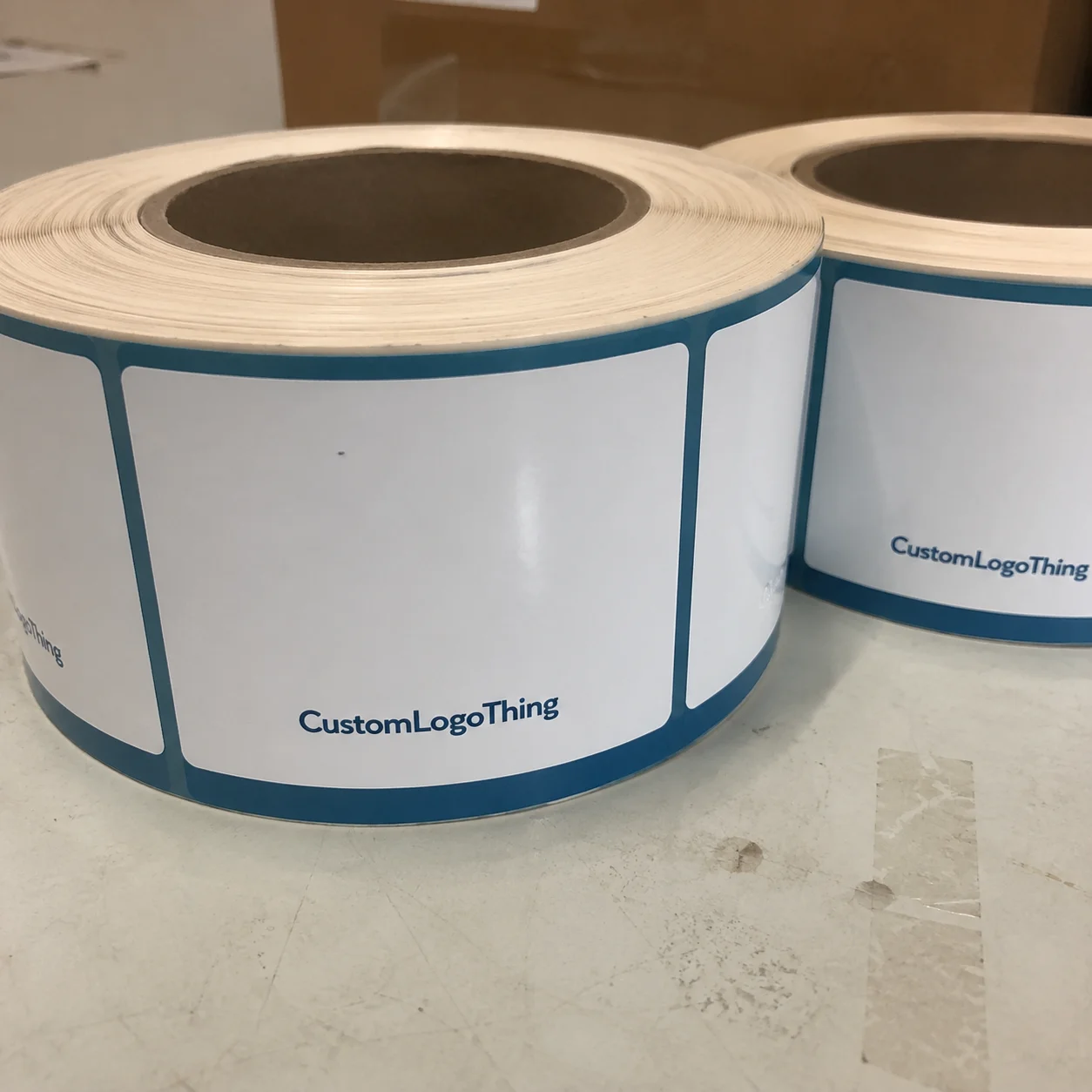
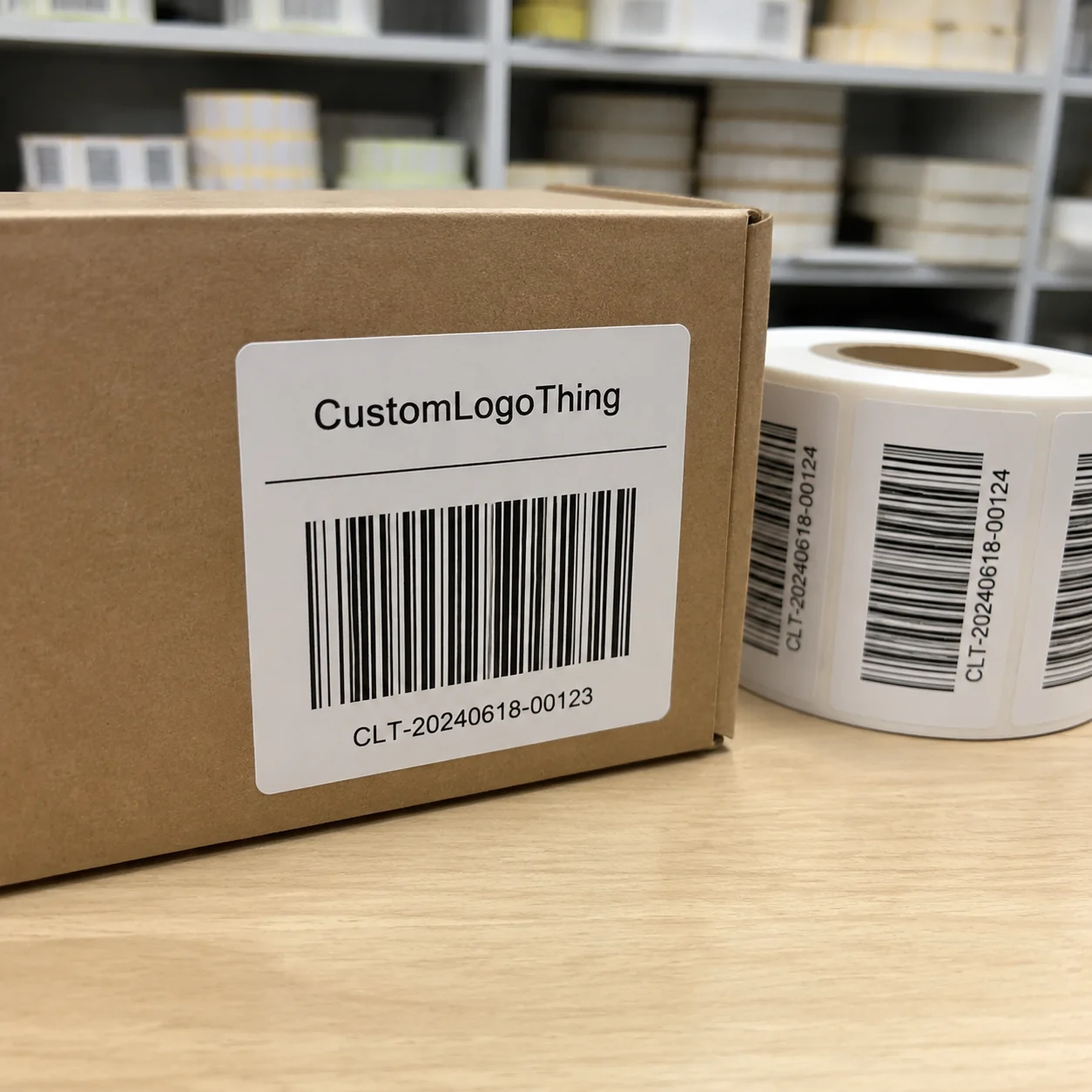
If you are pricing Custom Sewing Labels wholesale private label for a clothing brand, the label is not a throwaway detail. It is one of the first things a customer touches and one of the last things they notice after a few wash cycles. Buy badly and you get itchy necks, frayed edges, curling print, and branding that looks tired almost immediately. Buy well and the label disappears into the garment experience in the best way: clean, durable, and consistent.
That consistency matters more than most first-time buyers expect. Private label sewing labels help brands keep branding uniform across tees, hoodies, accessories, and soft goods without ordering massive inventory for a single season. They also sit inside a bigger packaging system. A label can echo the same logo treatment used on custom packaging products or Custom Labels & Tags, which is why many brands treat it as part of the same visual package as branded packaging, retail packaging, and product packaging.
The catch is that labels are unforgiving. A box can hide a mediocre finish. A sewn label is inspected at arm’s length, rubbed against skin, and washed with the garment. That makes production choices unusually visible.
Why private label sewing labels matter more than the garment itself
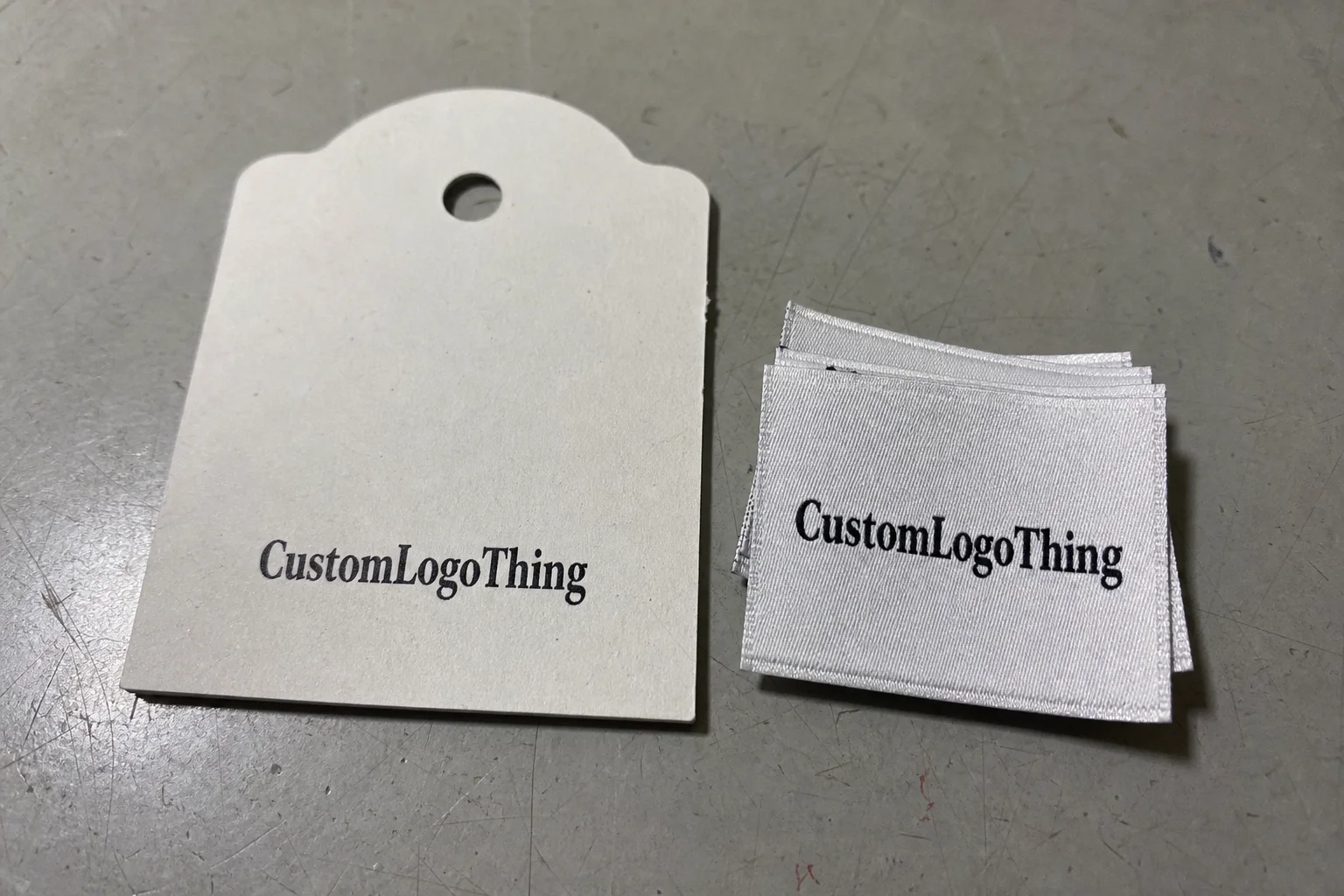
A solid garment can still feel unfinished if the label looks cheap. That sounds severe, but buyers and retailers react to tiny signals. A scratchy neck label, a logo that bleeds, or a label that peels after two cycles tells the customer the brand cut corners somewhere. Nobody writes a review saying, “The twill is inconsistent and the fold is wrong,” but they notice.
Private label sewing labels do three jobs at once. They identify the brand, carry care or content details, and reinforce the quality story. In many categories, that third job is the one people underestimate. If the label can’t survive washing, abrasion, and heat, it becomes a liability instead of a brand asset.
Small brands often fall into the same trap: they chase the lowest unit price and assume all labels are interchangeable. They are not. A cheap printed label that wrinkles in sewing, sheds color in the wash, or feels stiff against skin can cost more in returns and replacement orders than the pennies saved up front. The better approach is to match material, fold, and attachment method to the garment and the actual wear pattern.
“The cheapest label is usually the one you replace.” That is not marketing copy. It is normal production math.
From a packaging buyer’s point of view, the sewing label belongs in the same decision bucket as inserts, hang tags, and box finishes. Each component changes perceived value. Brands that treat those details as connected usually get better consistency across the line. Brands that order every element separately, with no shared specification, often end up with mismatched colors and a scattered presentation that feels accidental.
There is also a practical reason to care about the label early. If you are building a multi-SKU collection, the label spec needs to work across garments with different fabrics, seam allowances, and touch points. A label that is fine on a heavyweight tee may feel clunky on a lightweight tank. The brand still needs one system that can survive scale.
Label types, materials, and construction options that actually hold up
There are a handful of label constructions that appear in most Wholesale Private Label programs. The right choice depends on how visible the label will be, how soft it needs to feel, and how much detail the artwork requires. Fancy is not the goal. Fit is.
- Woven labels: Best for durable branding and a premium finish. The logo is woven into the label structure, which gives it better longevity than basic surface print in many applications.
- Printed satin labels: Soft against skin, especially useful for neck labels and garments where comfort matters more than texture.
- Cotton labels: Common in boutique, handmade, or heritage-inspired products. They create a natural look, but the print or weave usually needs to stay simple.
- Damask woven labels: A fine-weave version of woven labeling that supports sharper detail and a smoother hand-feel.
- Tyvek-style labels: Light and economical, but rarely the first choice for premium apparel branding.
Fold style changes both appearance and comfort. End fold is neat for side seams and hems. Center fold works well in necklines because the raw edge is hidden. Loop fold is used when the label needs to hang or show more prominently. Straight cut is simple and economical, though it needs clean sewing edges to avoid scratchiness or curling.
Material choice affects performance in a way buyers can feel. A woven damask label can look premium, but if the edge finish is poor, it still scratches. Printed satin is often softer for neck placement, though low-grade print can crack or fade sooner than expected. For children’s apparel, activewear, and anything worn directly against skin, comfort usually beats visual texture. Buyers sometimes forget that a label can be visually beautiful and still fail the real test: how it behaves after a wash and a day of wear.
Durability is not negotiable. Ask about wash resistance, colorfastness, and abrasion resistance. A supplier should be able to explain what happens to the label under repeated laundering, heat, and friction. You do not need a lab report for every order, but you do need a vendor who understands why a label that looks perfect on a proof can still fail in production if the fibers, ink, or weave are wrong.
| Label type | Best use | Typical strengths | Tradeoff |
|---|---|---|---|
| Woven damask | Premium apparel, streetwear, outerwear | Durable, clean detail, strong brand feel | Higher cost than basic print |
| Printed satin | Neck labels, soft garments, fashion basics | Soft feel, detailed graphics, lower weight | Less textured premium look |
| Cotton | Boutique, handmade, heritage styling | Natural appearance, comfortable texture | Less sharp detail than woven |
| Tyvek-style | Temporary or utility applications | Lightweight, economical | Not ideal for premium fashion branding |
Thread color, background color, logo complexity, and edge finish all affect the final result. A two-color logo with strong shapes is easier to produce cleanly than a tiny gradient or a logo built from hairline strokes. If the artwork is delicate, woven construction may require simplification. If the artwork depends on photographic detail or small text, printed construction usually makes more sense.
The most common mistake is asking for too much detail in a material that cannot carry it. Thin type can vanish in weave. High contrast can still look muddy if the threads are too close together. A good supplier should flag those problems before production, not after the shipment arrives.
Specification checklist for artwork, size, and placement
Before requesting a quote, gather the basics. Missing specs slow the estimate, increase the chance of vague pricing, and usually lead to revisions that could have been avoided in the first round.
- Finished size in inches or millimeters
- Fold type: end fold, center fold, loop fold, or straight cut
- Quantity: exact run size and whether a repeat order is likely
- Color count: thread colors and print colors, if relevant
- Attachment method: sew-in, side seam, neck, hem, waistband, or external tag
- Artwork file: vector preferred, usually AI, EPS, or PDF
For common garments, the sizing range is usually straightforward. Tee neck labels often sit around 1.5" x 2", though exact dimensions depend on brand style and seam allowance. Hoodies often need slightly more room for legibility. Underwear and activewear tend to need softer materials and smaller footprints. Accessories such as beanies, bags, and scarves can handle more visible branding if the goal is to make the label part of the design rather than hide it inside the garment.
Artwork quality has real manufacturing consequences. Vector files keep lines crisp and make proofing easier. Pantone references help preserve color consistency across restocks and multiple fabric runs. For woven labels, line thickness matters a lot. Tiny details can blur or disappear, especially if the logo has thin strokes or complex internal shapes. If the artwork needs simplification, a supplier should say so clearly.
Placement affects both comfort and sewability. A neck label is easy to see and good for branding, but rough materials can irritate the skin. A side seam label is often less intrusive. Hem and waistband placements work well for subtler branding. External branding tags can support retail presentation and connect nicely with other package branding elements, especially if the whole product line needs a more elevated shelf appearance.
Always ask for a pre-production proof. Check spelling, size, fold direction, contrast, and whether the artwork will still read correctly once stitched into the garment. A proof is not administrative clutter. It is the cheapest place to catch a mistake.
For brands that pair labels with custom printed boxes or other branded packaging, alignment matters. The same logo, spacing, and color treatment should feel intentional across every touchpoint. Otherwise the product can look like three different brands sharing one order.
Cost, pricing, and MOQ: what changes the unit price
Pricing for custom labels is driven by a few concrete variables, and once buyers understand them, quotes become much easier to compare. Material, weave or print method, size, color count, fold style, and quantity all affect unit cost. More colors usually increase price. More complex construction usually increases price. Higher quantities usually lower the per-unit rate because setup costs are spread across more pieces.
MOQ, or minimum order quantity, depends on the production method and the level of customization. Woven labels often allow relatively low entry quantities, but specialty finishes or highly detailed builds can push the minimum up. Printed labels sometimes start smaller, though the economics may be less favorable if the run is very small. If you are testing a concept or validating a new collection, a smaller order can be sensible. If you already know the label will repeat across multiple colorways and restocks, a larger quantity usually improves margin.
| Order size | Typical use case | Unit price trend | Best for |
|---|---|---|---|
| Low MOQ test run | New brand, sample launch, limited drop | Higher per unit | Validating design and fit |
| Mid-volume wholesale run | Active SKU, repeat styles | Moderate per unit | Balancing cost and flexibility |
| Large private label run | Established style, restock plan | Lower per unit | Margin protection and consistency |
As a practical buying range, basic printed or woven labels at lower quantities often land around $0.08 to $0.25 per unit, depending on the build. Larger runs with simpler construction can fall below that, while premium woven damask, specialty folds, or more detailed color work can run higher. If a quote is suspiciously low and the supplier has not asked about size, fold, quantity, or artwork complexity, the quote is probably incomplete.
Hidden costs matter. Setup fees, art revisions, sample charges, shipping, and rush production can shift the true landed cost enough to change the decision. Compare landed price, not just unit price. A lower quote that comes with expensive freight and multiple revision cycles is not a bargain. It is a budget leak with a nice first impression.
For buyers comparing Wholesale Programs, tiered pricing is useful. Ask for the low MOQ option and a better per-unit rate at a higher volume. That gives you something real to compare instead of a single number that looks cheap only because the rest of the costs are hidden elsewhere.
Process and lead time: from quote to sewn-in labels
The production path is usually simple: quote request, artwork review, digital proof, optional sampling, production, and shipment. It should feel organized, not like a scavenger hunt.
Most delays come from avoidable issues. Unclear artwork files. Last-minute color changes. Special fold requests that were not mentioned early. Slow approvals. The pattern is consistent: the label order does not usually fail because the factory is mysterious; it fails because the brief changed three times after the proof was already underway.
Timing varies by complexity and quantity. A straightforward quote can return quickly once the supplier has all the specs. Proof preparation often takes a few business days. Bulk production commonly sits in a 12 to 15 business day range after proof approval for standard runs, though more complex builds can take longer. Rush production is possible in some cases, but it usually adds cost. That is manufacturing, not a surprise fee.
Read the proof carefully. Verify the size, spelling, logo proportions, fold direction, and contrast. If the proof shows a dark logo on a dark background, ask for clarification before approving it. If the label is meant for a neck seam, make sure the fold style works for that placement. If it will be partially hidden in a seam, confirm the artwork still reads at the intended viewing angle. A proof should be checked like a production part, not glanced at like an email attachment.
One detail buyers often miss: the label should arrive before garment sewing starts. A label delay can stall the entire production line, especially when the label is part of a larger launch with custom printed boxes, inserts, or swing tags. Shipping variation, seasonal congestion, and proof revisions all eat time. Buffer is not a luxury here; it is part of the order plan.
If the label is tied to a wider roll-out with package branding, keep the schedule even tighter. One missing component can hold the launch hostage. That is not dramatic. It is just how production sequencing works.
What to look for in a wholesale private label supplier
Do not judge a supplier by the first sample alone. Judge them by repeatability, communication, and how they handle production issues when a second order comes in. Anyone can make one decent sample. Fewer can repeat it across runs without color drift, trimming problems, or inconsistent folding.
Good suppliers control production, color matching, and prepress review. They should flag weak contrast, thin lines that will disappear, or a layout that simply does not fit the chosen construction. If they wait until after production to mention those issues, they are not protecting your order.
Quality checks matter. Ask whether they inspect fray resistance, print clarity, stitch-friendly edges, and general wash durability. Transit handling also matters, especially for folded or packed labels that may bend, crush, or pick up edge wear during shipping. A supplier does not need to sound like a lab technician, but they should understand the basic quality risks and know how they are managed.
Communication is part of quality control. You want clear order updates, proof turnaround that stays within the promised window, and a reprint policy that is plain enough to understand before payment. Vague sales language usually means you will be doing your own project management later, which is a bad trade.
It helps when the supplier recommends the right label type instead of pushing the most expensive one. A useful partner will say, “This line works better with printed satin,” or “You can simplify this artwork and save money without losing the brand mark.” That kind of advice matters because it reduces waste and usually improves the final product.
If you are comparing custom sewing labels wholesale private label options against other Custom Labels & Tags, repeatability should be the deciding factor. A strong Private Label Supplier makes the second order match the first. That consistency is worth more than an impressive sample that cannot be reproduced cleanly at scale.
Next steps to place a custom sewing labels wholesale private label order
Start with the essentials: logo file, target size, fold style, quantity, garment type, and any required compliance text. If you already know placement, include that too. A complete brief shortens the quote cycle and reduces the odds of avoidable corrections later.
Ask for two versions of the quote. One should reflect the lowest viable MOQ. The other should show a better unit cost at a higher volume. That comparison tells you whether it makes sense to buy deeper for your current sales plan. It also helps separate real pricing from an attractive number that only works under a very specific assumption.
Request a proof before production. Confirm the attachment method, especially if the label needs to fit a specific seam or neckline. If the line includes multiple garment types, make sure the label spec works across all of them. A label that fits a tee may sit badly in a hoodie. A label that looks perfect in a sample packet may feel wrong once it is actually sewn into a finished garment.
Build in buffer time. Approvals take longer than expected. Shipping changes. Seasonal volume rises. That is normal. What tends to cause avoidable headaches is starting label sourcing after garment production already began. At that point, every small issue becomes a schedule problem.
For brands using Custom Sewing Labels Wholesale private label as part of a wider launch with branded packaging, retail packaging, and other package branding materials, compare specs, timeline, and landed cost before approving anything. The cheapest quote is rarely the best deal. The best deal is the one that arrives on time, matches the proof, and survives the wash.
What is the typical MOQ for custom sewing labels wholesale private label orders?
MOQ varies by material, fold style, and production method. Woven labels often allow lower entry quantities than more specialized builds. Ask for the minimum order plus a better-price tier so you can compare unit cost before committing.
Which label material works best for private label clothing brands?
Woven labels are usually the strongest choice for durable branding. Printed satin works well when softness and detailed artwork matter more. The right option depends on the garment, wash frequency, and how close the label sits to skin.
How long does production usually take for wholesale sewing labels?
Timing depends on proof approval, quantity, and how custom the build is. Standard orders often move in about 12 to 15 business days after approval, though complex jobs can take longer. Rush production is sometimes available, but it usually raises cost.
Can I order custom sewing labels wholesale private label with my own logo and colors?
Yes. That is the normal starting point for private label branding. Vector artwork and Pantone references help improve color accuracy. If your logo is highly detailed, the supplier may need to simplify it for woven construction.
What should I check before approving the final proof?
Check spelling, logo alignment, size, fold type, and color contrast. Confirm the attachment area matches the garment design. Also review comfort, because a label that looks good but feels rough will still trigger complaints.