Buyer Fit Snapshot
| Best fit | Custom Shipping Sleeves for Books projects where brand print, material claims, artwork control, MOQ, and repeat-order consistency need to be specified before quoting. |
|---|---|
| Quote inputs | Share finished size, material target, print colors, finish, packing count, annual reorder estimate, ship-to region, and any compliance wording. |
| Proofing check | Approve dieline scale, logo placement, barcode or warning zones, color tolerance, closure strength, and carton packing before bulk production. |
| Main risk | Vague material claims, crowded artwork, missing packing details, or unclear freight terms can make a low unit price expensive after revisions. |
Fast answer: Custom Shipping Sleeves for Books: Sustainable Packaging should be specified like a repeatable production item. The safest quote records material, print method, finish, artwork proof, packing count, and reorder notes in one written spec.
Production checks before approval
Compare the actual filled-product size with the drawing, then confirm tolerance on folds, seals, hang holes, label areas, and retail display edges. Reserve space for logos, QR codes, warning copy, and material claims before decorative graphics fill the panel.
Quote comparison points
Review material grade, print process, finish, sampling route, tooling charges, carton quantity, and freight assumptions side by side. A quote is only useful when the supplier can repeat the same color, closure quality, and packing count on the next order.
Custom Shipping Sleeves for Books: Sustainable Packaging sounds almost too plain, which is usually the point. A well-sized sleeve protects a single title, improves package presentation, and trims away board and void fill that should never have been paid for in the first place.
For a packaging buyer, the real question is not whether the sleeve looks attractive. The question is whether it protects corners, keeps the book from shifting, and fits the fulfillment line without turning every pack-out into a slow, annoying ritual. The best packaging does not ask for attention; it earns it by disappearing into the workflow.
Why custom shipping sleeves for books punch above their weight
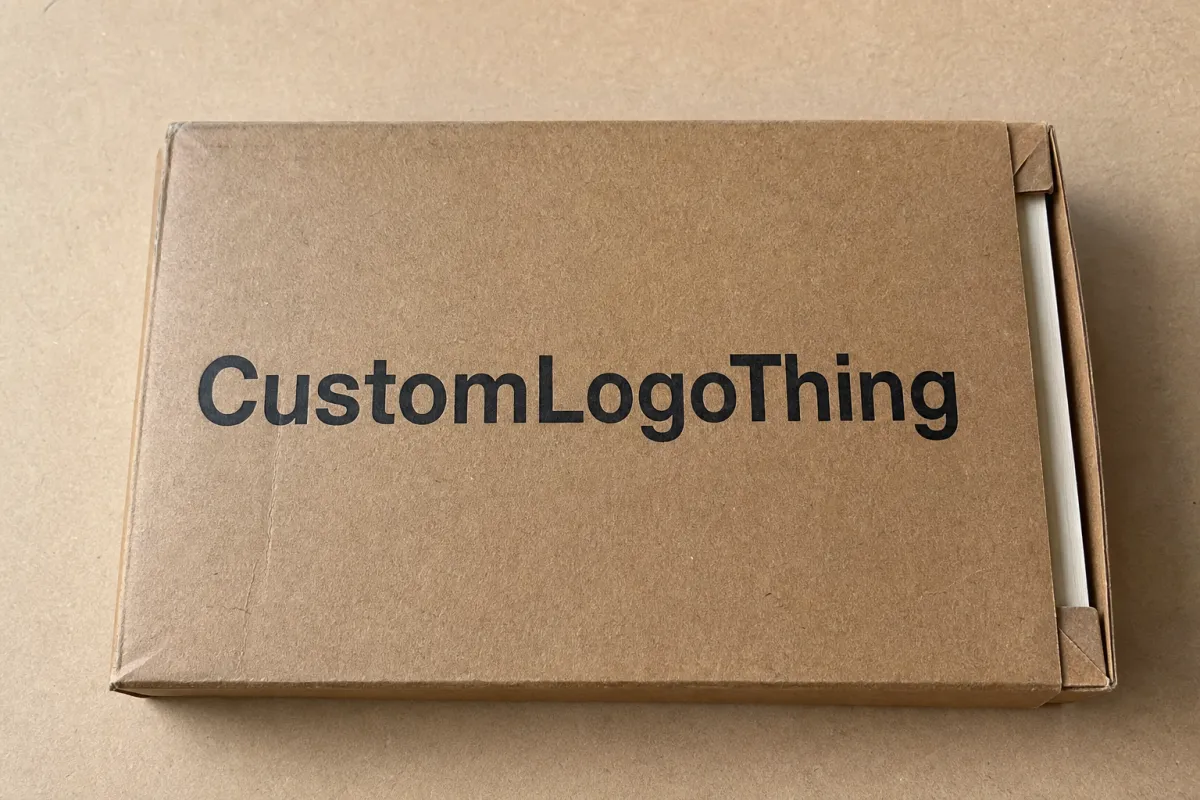
Books look simple to ship until the damage claims, returns, and oversized cartons start showing up in the numbers. Then the economics turn ugly. A snug sleeve creates a controlled footprint, which means fewer corners get battered and less paperboard gets wasted as filler whose only job is to make the parcel bigger than it needs to be.
That is why custom shipping sleeves for books work so well for single-book orders, signed editions, preorder releases, indie launches, and publisher mailers. These jobs ask the package to do three things at once: protect the title, present it cleanly, and move through fulfillment without slowing the line. A sleeve can handle that mix if the dimensions are disciplined.
There is also a waste issue that gets ignored because packaging teams are often taught to buy more material, not better material. Oversized mailers and heavy cartons tend to use more board, more tape, and more dimensional weight than the shipment needs. A sleeve reduces that pressure. In some cases, an outer shipper is still the right choice, but the sleeve cuts down how much extra protection has to be bought around the book.
Think of it as the middle ground between bare product packaging and a full shipping box. Retail packaging is built to sell the book on a shelf or in a photo. A Custom Shipping Box is built to absorb abuse and stack in transit. A sleeve sits between those extremes. It can be branded, economical, and clean-looking without pretending to be armor.
The limitation is straightforward: a sleeve is a control layer, not a miracle. If the book is heavy, includes fragile inserts, or will travel through rough parcel networks without an outer shipper, a sleeve alone may not be enough. For many titles, though, it is exactly the right amount of packaging. Not extra. Not flimsy. That is usually where the savings appear.
One reason this format keeps showing up in buyer conversations is that it changes the ratio between protection and waste. A 20-gram reduction per unit does not sound dramatic until you ship 10,000 books. Then it becomes 200 kilograms of material no longer moving through freight, warehouses, or recycling bins. That kind of arithmetic is less glamorous than a sustainability slogan, but it is usually more honest.
- Best fit: single-book orders, signed copies, and launch kits.
- Protection gain: tighter control over corners, edges, and scuffing.
- Cost control: less board and less void fill than bulky alternatives.
- Branding value: a larger print surface for package branding and messaging.
How custom shipping sleeves for books work in the pack-out
Structurally, a sleeve is usually a folded paperboard or corrugated wrap that hugs the book and holds it steady during handling. The build can change, but the job does not: stop movement and protect the corners. Movement is the enemy. It always has been.
A basic pack-out flow looks like this: place the book into the sleeve, fold the panels, lock the tuck or tab, confirm that the spine and corners sit tight, and then add the sleeve to an outer mailer or shipper if the route or product value calls for it. For lightweight paperback releases, the sleeve may be enough on its own for local or low-risk shipping. For hardcovers, a second layer usually makes more sense.
- Measure the book exactly, including spine thickness and any inserts.
- Build the sleeve dieline around the real dimensions, not a guess from a product photo.
- Test the insertion speed with the people who will actually pack orders.
- Check that the folds lock without crushing the corners or scraping the cover.
- Decide whether the sleeve ships alone or inside a mailer or box.
The style of sleeve matters more than many buyers expect. A retail-facing sleeve might need cleaner print presentation, tighter panel alignment, and a more deliberate opening sequence so the unboxing feels polished. A direct-to-consumer sleeve may prioritize speed and protection, with simpler folds and fewer steps. A multi-item fulfillment sleeve might need room for a bookmark, insert card, or promotional sheet without making the structure sloppy.
Print placement matters too. If a logo lands on the wrong panel, the book can arrive looking upside down. If the tuck is awkward, packers lose time, and time is money even when nobody wants to say it that bluntly. Board choice changes the feel as well. A smoother paperboard gives sharper print detail. A stronger corrugated stock offers more crush resistance. Neither one is automatically better. It depends on the use case, the route, and how much abuse the package will take before the customer opens it.
If your book program already includes broader branded packaging, you can build a cleaner system around it. The sleeve can work alongside Custom Packaging Products for a full brand kit, while Custom Poly Mailers may suit softer goods and Custom Shipping Boxes may suit heavier titles or bundle orders. Different jobs need different tools. That part is simple unless someone insists on making it messy.
Practical rule: if the sleeve takes two hands and half a minute to assemble, the labor savings are disappearing in real time. A pretty structure that slows the line is not efficient packaging. It is expensive theater.
There is a second, more subtle benefit. A sleeve can act as a buffer between the book and the handling marks that show up first: cover rub, corner whitening, and scuffs where glossy lamination meets a rough carton wall. In that sense, custom shipping sleeves for books are not just a shipping format. They are a finishing layer, one that can protect the part of the product customers actually notice when they open the parcel.
Cost, pricing, and MOQ factors to watch
Pricing for custom sleeves comes down to five main variables: material grade, print coverage, coating or lamination, die complexity, and finishing. A simple single-color sleeve in plain paperboard is a very different purchase from a full-bleed printed sleeve with a specialty coating, tight register, and a complicated lock. That difference shows up quickly on the invoice.
For typical custom shipping sleeves for books, ballpark pricing at around 5,000 units often looks like this: Printed Paperboard Sleeves can land near $0.18-$0.42 per unit, while corrugated sleeves often run closer to $0.28-$0.65 per unit, depending on board choice and print coverage. Add soft-touch coating, foil, or extra structural features, and the cost can climb fast. If someone gives you a number that sounds suspiciously cheerful, ask what is missing.
MOQ is where first-time buyers get surprised. The sleeve may look cheap per unit, but a minimum order of 3,000, 5,000, or 10,000 pieces means the upfront spend can be real money. That is fine if the line moves quickly and the design stays stable. It becomes a headache if the book changes size, the cover art gets revised, or the promotion ends before the inventory does.
Paperboard and corrugated options both have a place. Paperboard is lighter, often easier to print on, and can be a smart fit for lower-risk titles and cleaner presentation. Corrugated adds crush resistance and can save money later if it cuts damage in transit. That is the part buyers sometimes skip. They compare unit cost, not total cost. Then they wonder why replacement shipments eat the savings.
Shipping weight and dimensional size matter as well. A sleeve that saves 20 grams per unit may not sound dramatic, but over thousands of orders it adds up. Labor time matters just as much. If a structure adds 4 seconds per pack and you ship 2,000 books a week, the math is less flattering than the spec sheet. Packaging costs are not only material costs. They are freight, labor, waste, and rework. All of them show up eventually.
| Option | Best for | Typical unit cost at 5,000 | Protection level | Sustainability notes |
|---|---|---|---|---|
| Paperboard sleeve | Paperbacks, promo copies, lighter direct-to-consumer orders | $0.18-$0.42 | Moderate | Lightweight, recyclable in many programs, lower material use |
| Corrugated sleeve | Hardcovers, signed editions, longer transit routes | $0.28-$0.65 | Higher | More crush resistance, still recyclable, uses more fiber |
| Sleeve plus mailer | Higher-value books, bundle kits, ecommerce shipping with extra handling risk | $0.45-$0.95 | High | More material, but may reduce returns and replacement shipments |
| Full shipping box | Multi-item orders, fragile inserts, heavier titles | $0.55-$1.20 | Very high | Best for protection, usually less efficient for single-book orders |
From a sustainability angle, the best sleeve is not always the one with the highest recycled content. It is the one that protects the book with the least total material and the fewest replacements. That answer is less glamorous than a claim badge, but it is usually where the savings live. If your team wants cleaner fiber sourcing, check the standards from FSC. If you want a better sense of transit testing, ISTA test methods are worth a look. Packaging teams love claims. Testing is more useful.
One caution is worth stating plainly: recycled fiber and lower weight do not automatically mean lower environmental impact. If a thin sleeve leads to broken corners, the return trip, replacement shipment, and extra labor can erase the material savings. Sustainable packaging is not a label. It is a system. That system has to survive the carrier, the warehouse, and the customer opening the box with one hand while holding coffee in the other.
Process and timeline: from dieline to delivery
The production path is direct enough, but every vague brief turns it into sludge. Start with a clear request: exact book dimensions, target quantity, print intent, and whether the sleeve needs to ship alone or inside another package. Then comes the dieline, the structural map. If the dieline is wrong, the rest of the process becomes expensively organized confusion.
After the structure is set, artwork gets built to the panel layout. That sounds obvious. It often is not. People design graphics before the sleeve dimensions are final, then act surprised when logos hit folds or the spine panel turns into a mess. Once artwork is ready, you proof the layout, review a sample, and approve the production run. Skip those steps if you enjoy reprints.
A realistic timeline for custom work is often 12-15 business days from proof approval for simple sleeves, with more complex printed or specialty-finished versions taking 15-25 business days or longer. Sampling can add time before the run, and shipping adds time after it. Rush jobs are possible, but they usually cost more and leave less room for changes. That tradeoff works only when launch timing matters more than flexibility. It works less well when someone forgot to measure the book.
Delays usually happen in the same places: vague measurements, late artwork, or sample revisions that reveal a fit issue after everyone already mentally moved on. A book sleeve is one of those projects that rewards discipline. Exact trim size. Exact spine thickness. Exact board preference. Exact finish. Not "close enough." Close enough is how fulfillment teams end up trimming, taping, or cursing at a stack of useless cartons.
From a packaging design standpoint, the best process is boring and repeatable. Lock the dimensions first, then decide on structure, then review a sample, then approve. Build your spec sheet before you build your brand story. That is not glamorous, but it keeps product packaging from turning into an expensive guessing game.
Another reason timeline control matters is inventory risk. A sleeve order that lands late can strand a book launch, and re-running a short inventory window almost always costs more than the original quote. If the book release date is fixed, the packaging schedule should be fixed too. Printing is not the place for improvisation.
How to spec the right sleeve for your book line
Start with the book itself. A slim paperback does not need the same structure as a foil-stamped hardcover with sewn binding and a dust jacket. Trim size, spine thickness, cover finish, and insert count all affect the fit. If the book ships alone, the sleeve has to do more of the work. If it ships inside a mailer or box, the sleeve can focus more on presentation and less on brute force.
Board strength should match the shipping risk. A lighter 14pt to 16pt paperboard can work well for low-risk, smaller books and promotional runs. A 18pt to 24pt stock or a corrugated option makes more sense for heavier titles, longer transit paths, or anything that tends to get stacked and shoved around. There is no reward for overbuilding every order. There is also no prize for underbuilding and paying replacements later.
You also need to decide what matters most. Is the priority visual polish? Maximum protection? Lower freight weight? Lower unit cost? Pick two, maybe three, but not all four. That is not drama; it is how material decisions work. A smoother finish can cost more. A stronger board can add weight. A cheaper structure can feel less premium. Buyer decisions get easier once the priorities are honest.
For sustainability, compare actual material savings against the packaging you are replacing. Recycled content matters, but so does design efficiency. A sleeve that uses less fiber and still ships safely is usually a better environmental move than a heavy structure with a recycled-content claim. If your team wants to discuss eco-friendly product packaging, ask what is being reduced, not just what label is printed on the flap. That question saves time and budget.
Leave enough tolerance for production and pack-out. A sleeve that is too tight slows the line and can scuff edges. Too loose, and the book rattles like it paid extra for rough handling. In practice, a sensible starting point is a snug fit with a small allowance for real-world variation in board caliper, cover lamination, and binding tolerance. The goal is easy insertion with no slop. Easy, not vague.
- Book size: measure height, width, and spine thickness on actual printed copies.
- Surface finish: glossy, matte, soft-touch, or uncoated changes scuff behavior.
- Shipping path: local, national, parcel-heavy, or mixed-channel fulfillment.
- Brand needs: retail packaging polish versus direct ecommerce shipping utility.
For teams managing several formats, it helps to document the decision once and reuse it. A paperback series might call for one sleeve spec, while hardcovers with dust jackets need another. Keeping those rules in writing prevents the sort of last-minute substitutions that turn a clean system into a pile of exceptions.
Common mistakes that waste money or damage books
The easiest mistake is calling something custom when the dimensions are guessed. That is not custom. That is optimism wearing a shipping label. If the book measurements are loose by even a few millimeters, the sleeve fit can go bad fast, especially on heavier stock or laminated covers. Corners crush. Panels bow. Packers start forcing it. Everyone loses except the factory, which already got paid.
Another common error is designing the graphics first and the structure second. Pretty sleeves are nice, but protection comes first. If the opening is awkward or the tuck fails under handling, the customer receives a damaged title in a beautiful wrapper. That is how money gets spent twice: once on packaging and again on complaints, replacements, or refunds.
Overengineering is just as costly. A lightweight paperback does not need a brick. A heavyweight hardcover should not be stuffed into stock that behaves like office paper. Both mistakes waste money. The first raises material cost without real benefit. The second creates damage and embarrassment. Neither one helps the brand.
Fulfillment is the hidden cost many teams ignore. If the sleeve needs extra folding, taping, or hand-alignment, labor climbs fast. Multiply that by hundreds or thousands of units and the cheap sleeve stops being cheap. In order fulfillment, the better design is the one the team can run repeatedly without slowing down or second-guessing every other pack.
Skipping sample testing is another classic. It is also the most expensive because the lesson arrives after the product is live. A sample should be checked with real books, real packers, and real shipping conditions. Drop tests, compression, and vibration matter. If you want a practical benchmark, look at ISTA methods and test the package the way the carrier will actually treat it, not the way your mood hopes it will behave.
One more failure shows up often in book programs: assuming every title can use the same packaging. A signed first edition, a paperback backlist title, and a boxed collector's set do not carry the same risk profile. Treating them as identical is how damage rates rise quietly, one title at a time, until someone notices the return shelf is fuller than the outbound dock.
- Bad fit: leads to corner crush and scuffing.
- Bad sequence: slows packers and raises labor cost.
- Bad material choice: creates either avoidable damage or avoidable spend.
- Bad testing: leaves failures to customers instead of the sample stage.
Expert tips and next steps for a cleaner launch
Ask for a sample in the exact board, print style, and size you plan to ship. Not a close version. Not a "similar" version. Exact. Otherwise you are approving a fantasy, which is a terrible way to manage packaging design. The sample should be loaded with the actual book, opened by the actual team, and checked for rubbing, slipping, or folding trouble.
Test the sleeve in the real world before you commit to volume. That means the same pack table, the same operator, the same outer mailer or shipper, and the same handling route if possible. A design that looks elegant on a desk can behave very differently in a busy fulfillment area with tape guns, timer pressure, and a stack of orders waiting. Packaging is annoying like that. It rewards reality.
Build a simple spec sheet. Keep it short enough that people will actually use it. Include book dimensions, expected order quantity, print coverage, finish preferences, target budget, and whether the sleeve is meant for ecommerce shipping, retail packaging, or both. The more clearly you define the job, the fewer surprises you will get. A good spec sheet is cheaper than a bad reprint, which is hardly a shocking statement, but there it is.
Use the first run to learn. Watch where the fold lines slow down assembly. Check whether the tuck holds after a few hours in a crowded staging area. See if the print scuffs under stacking. Measure what happens when a sleeve is filled by a team member who was not in the sample review. That is where the useful information lives. Real use tells you what the prototype could not.
If your line includes other formats, think in systems, not one-off orders. A book sleeve may sit beside branded packaging for launches, Custom Shipping Boxes for bundles, or Custom Poly Mailers for adjacent merchandise. The goal is to match the package to the product, not force every product into the same box because somebody likes a tidy vendor list.
For teams that want better control over presentation and cost, custom shipping sleeves for books are a practical place to start. They can reduce waste, tighten fulfillment, and make the unboxing feel deliberate without pushing you into oversized cartons or excess filler. Get the dimensions right, test the sample, and keep the structure honest. That is how custom shipping sleeves for books earn their place in sustainable packaging.
The clearest next step is not to order by instinct. It is to measure one live title, define the shipping route, and compare a sleeve-only setup with the smallest outer shipper that can survive the trip. That comparison usually reveals whether the project needs paperboard, corrugated stock, or a sleeve plus mailer approach. Once that decision is grounded in real books and real handling, the rest of the launch becomes far easier to control.
FAQ
Are custom shipping sleeves for books better than rigid mailers?
They can be, if the book is a single item and the sleeve is sized correctly for protection and presentation. Rigid mailers are stronger in some situations, but sleeves usually use less material and can be cheaper to ship. For lightweight titles with controlled handling, sleeves often do the job without the extra bulk.
What board thickness works best for custom shipping sleeves for books?
Use a lighter board for paperbacks and lower-risk shipping, and a stronger stock for hardcovers or higher-value books. A practical starting point is 14pt to 16pt paperboard for lighter use and 18pt to 24pt or corrugated stock for more demanding routes. The right choice depends on book weight, transit distance, and whether the sleeve ships alone or inside another mailer.
How much do custom shipping sleeves for books usually cost?
Price depends on size, material, print coverage, finishing, and order quantity. At common volumes, paperboard sleeves often land around $0.18-$0.42 per unit, while corrugated versions can run about $0.28-$0.65 per unit. Unit cost usually drops as volume rises, but MOQs can push the upfront spend higher than first-time buyers expect.
How long does production take for custom shipping sleeves for books?
Typical timelines depend on proofing, sampling, and printing complexity. Simple sleeves often move in about 12-15 business days from proof approval, while more complex or specialty-finished runs can take 15-25 business days or longer. Delays usually come from revisions, fit changes, or late artwork.
Can custom shipping sleeves for books be made with recycled materials?
Yes, many sleeves can use recycled content and still hold up well in transit. The better question is whether the material matches the book's weight and shipping conditions without adding unnecessary bulk. Recycled content helps, but the design still needs to protect the title and keep the pack-out efficient. That is the whole point of custom shipping sleeves for books, not just ticking a sustainability box and moving on.

