Buyer Fit Snapshot
| Best fit | Printed Paperboard Sleeves with Logo for Branding projects where brand print, material claims, artwork control, MOQ, and repeat-order consistency need to be specified before quoting. |
|---|---|
| Quote inputs | Share finished size, material target, print colors, finish, packing count, annual reorder estimate, ship-to region, and any compliance wording. |
| Proofing check | Approve dieline scale, logo placement, barcode or warning zones, color tolerance, closure strength, and carton packing before bulk production. |
| Main risk | Vague material claims, crowded artwork, missing packing details, or unclear freight terms can make a low unit price expensive after revisions. |
Fast answer: Printed Paperboard Sleeves with Logo for Branding: Board, Finish, Dieline, and Unit Cost should be specified like a repeatable production item. The safest quote records material, print method, finish, artwork proof, packing count, and reorder notes in one written spec.
Production checks before approval
Compare the actual filled-product size with the drawing, then confirm tolerance on folds, seals, hang holes, label areas, and retail display edges. Reserve space for logos, QR codes, warning copy, and material claims before decorative graphics fill the panel.
Quote comparison points
Review material grade, print process, finish, sampling route, tooling charges, carton quantity, and freight assumptions side by side. A quote is only useful when the supplier can repeat the same color, closure quality, and packing count on the next order.
Printed paperboard sleeves with logo for branding basics can look almost plain in a mockup, then suddenly do all the heavy lifting once the product hits a shelf, a packing table, or a shipping lane. I have watched a clean carton disappear into the background in seconds simply because the branding sat too quietly. Add printed paperboard sleeves with logo, and the same pack reads as deliberate, finished, and easier to spot from a few feet away.
Brands keep coming back to printed paperboard sleeves with logo for launch kits, holiday sets, bundled products, and co-branded programs because the format solves a stubborn problem: how to create more visual impact without rebuilding the primary package. The sleeve acts like a second face for the product. It carries the logo, campaign copy, and compliance details, while the box, tray, tube, or rigid structure underneath keeps doing the structural work. That split is practical, and frankly, kinda underrated.
What separates a sharp sleeve from one that feels flimsy usually comes down to details most people rush past. Board choice. Dieline accuracy. Finish. Press setup. Fit. One supplier may treat the sleeve as a simple outer band; another treats it like a small engineered structure, and the second approach tends to produce the cleaner result. I have seen a 2 mm mismatch turn an elegant design into something that looked tired before it even reached the store.
Optimizing printed paperboard sleeves with logo means understanding not just how they look, but how they behave in production, how they travel, and how they support the brand story without slowing down the line. That is the real value.
Why Printed Paperboard Sleeves with Logo Stand Out on Shelf
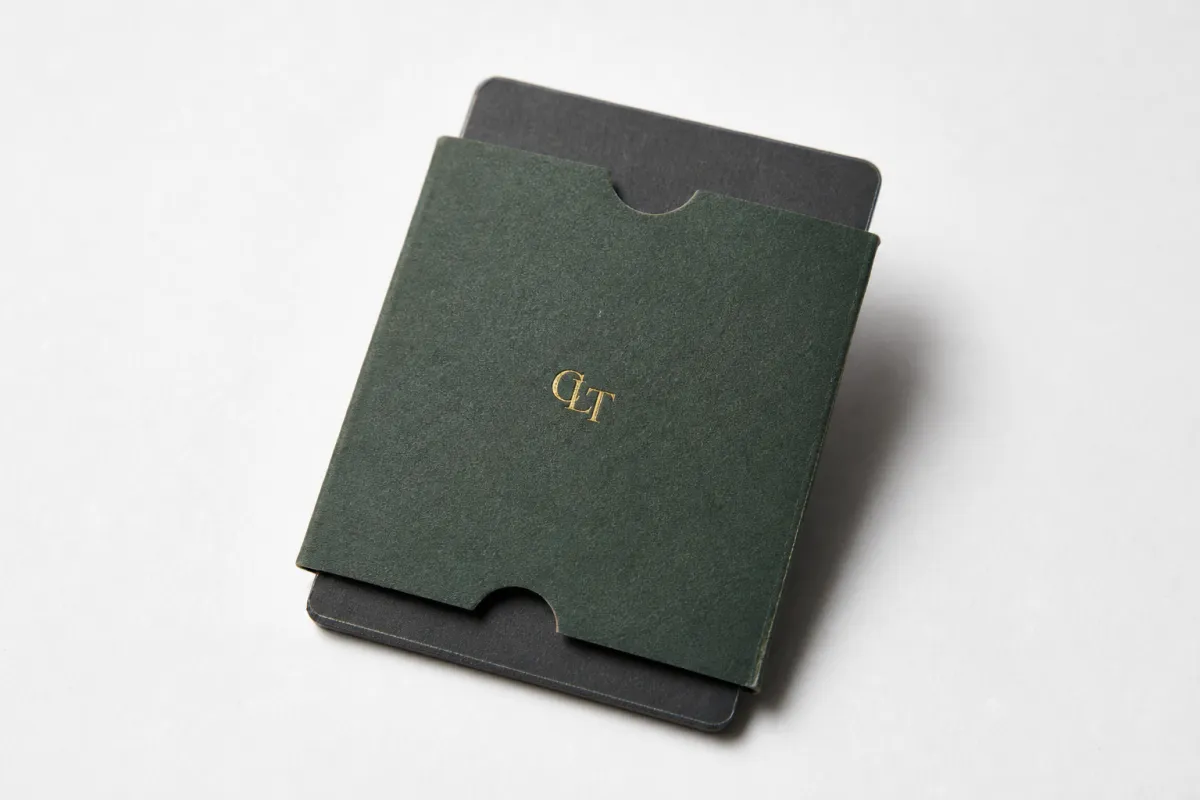
From a packaging buyer’s point of view, the appeal of printed paperboard sleeves with logo is speed with restraint. You can take a folding carton, tray, tube, or rigid box and give it a much stronger brand signal without starting over. That matters when the product line is already approved, the fill process is fixed, and the marketing team still wants more shelf presence than a blank or lightly printed pack can deliver.
Sleeves usually do one job very well: they make the product look complete. The sleeve adds a graphic surface, a stronger logo treatment, and a place for campaign copy or product details. The base package keeps its structural duty. That split is useful when launch timing matters more than a full packaging redesign. A company can keep the existing inner pack and still change how the product feels at first glance.
Printed paperboard sleeves with logo are especially useful for limited-run programs. Seasonal gift sets, promotional bundles, and co-branded retail kits often do not justify a new carton tool or a major print change on the primary pack. A sleeve lets a brand test an idea, localize a campaign, or dress up contract-packed inventory without carrying the cost of a new box format. In many cases, that is the difference between launching on schedule and slipping into another development cycle.
There is another reason sleeves catch attention: they create a strong visual cue right where the shopper is making a split-second choice. On shelf, a sleeve can direct the eye to the logo, the product line, the scent, the flavor, or the variant faster than tiny panel copy on the base carton. That kind of hierarchy matters in crowded aisles. Retail eye-tracking work keeps showing the same thing: shoppers do not spend long decoding a package before they move on, so the design has to earn the first glance almost immediately.
The best sleeve does three things at once: it makes the product easier to notice, it keeps the brand story clean, and it stays out of the way of the line.
For shipping and distribution, printed paperboard sleeves with logo can also help unify mixed inventories. Private-label packs, third-party fills, and shared cartons across multiple SKUs can look consistent once a branded sleeve is added. Marketing gets control. Operations does not have to rebuild every upstream component. That compromise may not sound glamorous, but it is efficient in practice.
That efficiency is the real reason sleeves keep appearing in purchasing conversations. They are flexible, visible, and easier to scale than a full structural overhaul. When the design lands correctly, printed paperboard sleeves with logo make a product feel planned instead of patched together.
What Printed Paperboard Sleeves with Logo Do and How They Work
At the simplest level, printed paperboard sleeves with logo are printed wraps or outer bands made from paperboard. They add branding, product detail, and shelf presence without replacing the package underneath. Think of them as a visual layer that can sit over a carton, tray, pouch, tube, or rigid box while the primary structure keeps doing the heavy lifting.
The format changes based on the product. A wraparound sleeve may cover the full circumference of a carton or tube. A friction-fit sleeve slides over the product and holds by tension. A tuck sleeve uses folded ends or locking tabs. A glued sleeve is more permanent and usually more consistent on a fast packing line. Each option can work, but the right choice depends on product shape, handling speed, and whether the end user needs to remove the sleeve easily.
In production, the sleeve is not just a piece of printed paperboard with a logo on it. It is a structural item with a dieline, scores, folds, glue areas, and sometimes windows or perforations. If the sleeve wraps around a carton, the artwork has to stay readable across the seam. If it sits on a tray, the fit needs to be tight enough to stay aligned and loose enough not to buckle during application. A gap of just a few millimeters can make the whole piece feel off.
Printed paperboard sleeves with logo also serve a functional role on the retail side. They can hold barcode placement, ingredient copy, legal text, and promotional information more cleanly than a crowded main carton. They can help a product satisfy retailer expectations while still looking polished. That mix of utility and presentation is why sleeves show up so often on bundled goods, private-label programs, and special edition packs.
One part many teams underestimate is the way the sleeve and the base pack behave as a single system. If the carton changes by even a small amount, the sleeve can shift, gap, or crease in the wrong place. With printed paperboard sleeves with logo, fit is not a nice-to-have detail. It is the feature.
- Wraparound sleeves are best when you want full graphic coverage.
- Friction-fit sleeves work well for display-ready sets and simple assembly.
- Tuck sleeves can improve retention without added glue.
- Glued sleeves suit cases where the sleeve should feel permanent or needs fast line application.
For brands trying to create a cleaner unboxing moment, printed paperboard sleeves with logo also help the product feel more deliberate. That outer layer can turn an ordinary pack into something that looks considered, even before the customer opens it. It is a small change with an outsized effect, much like swapping a plain frame for one with a strong border; the image itself has not changed, but the eye reads it differently.
Paperboard, Finish, and Print Choices That Shape the Look
The material choices behind printed paperboard sleeves with logo matter more than many teams expect. Board caliper affects stiffness, brightness affects color appearance, and recycled content can change both the feel and the print result. A 12 pt board behaves differently from an 18 pt board, and a high-brightness C1S sheet shows contrast differently than a kraft or natural recycled board. Those differences are subtle on a screen and obvious in hand.
If the sleeve needs to stay sharp around corners or hold a crisp edge over a carton, stiffness becomes a design decision instead of a paper spec. Too light, and the sleeve feels limp or wrinkles during application. Too heavy, and the wrap resists folding, cracks on the score, or creates bulk around the product. For printed paperboard sleeves with logo, the best choice is often the lightest board that still holds the shape the product requires. Paperboard has limits, and pushing past them usually creates more noise than polish.
Finish choices shape the brand voice too. Matte finishes feel quieter and more restrained. Gloss pushes color brightness and makes graphics pop. Soft-touch adds a velvet-like feel that suits beauty, wellness, and gifting, but it can also pick up scuffs if the sleeve is handled often. Aqueous coating and varnish sit in the practical middle. They improve rub resistance without driving the cost as high as more elaborate finishing.
Print method matters even when nobody talks about it directly. High-coverage solids, small reversed type, fine line art, and metallic effects all behave differently depending on the press, the substrate, and the ink system. If a design depends on very sharp detail, printed paperboard sleeves with logo should be built with generous safe areas and enough contrast for the chosen stock. Tiny text placed too close to a fold often looks fine on screen and weak on the finished sleeve, which is why press checks matter so much.
Structural details deserve equal attention. Windows, perforations, glue zones, and barcode placement all need room. A logo that crosses a fold can look clever in a flat mockup and messy in production. The same goes for QR codes, nutrition panels, and regulatory copy. Good sleeve design leaves quiet zones where the structure needs them so the artwork survives the real world rather than just the presentation deck.
Brands that care about sourcing and transit performance usually ask for a paper trail as well as a physical sample. If fiber sourcing is part of the promise, request FSC documentation and chain-of-custody details. If the sleeves will travel through distribution, review shipping performance against ISTA testing methods such as those outlined by ISTA. Many packaging teams also keep an eye on responsible material sourcing through FSC. Those references do not replace internal QA, but they make the discussion concrete instead of vague.
Printed paperboard sleeves with logo look their best when the material, finish, and press setup all point in the same direction. If one piece is off, the sleeve may still function, but it will not feel as polished as it should.
Printed Paperboard Sleeves with Logo Cost, MOQ, and Quote Basics
Pricing for printed paperboard sleeves with logo usually comes down to a few big drivers: sleeve size, board selection, print coverage, number of colors, finishing, die-cut complexity, and whether the piece needs special assembly steps. A small one-color sleeve on standard board is a very different job from a premium wrap with soft-touch coating, foil, and tight registration. Press time, setup time, and finishing time all move with the design.
Quantity matters just as much. With a low minimum order quantity, setup cost gets spread across fewer pieces, so the unit price rises. At a larger run, the same makeready, plates, and inspection time are distributed over more sleeves, which lowers the per-piece cost. That is why printed paperboard sleeves with logo can look expensive at 1,000 pieces and far more reasonable at 5,000 or 10,000 pieces.
Here is a practical range buyers often use as a starting point, though every spec can move the number:
| Option | Typical Quantity | Common Unit Range | Best For | Notes |
|---|---|---|---|---|
| Simple printed sleeve, limited coverage | 5,000 to 10,000 | $0.10-$0.18 | Basic retail branding and short campaigns | Often uses standard board and simple coating |
| Full-color sleeve with aqueous coating | 5,000 to 20,000 | $0.14-$0.28 | Mainline retail programs and branded kits | Good balance of cost, look, and durability |
| Premium sleeve with soft-touch or specialty finish | 3,000 to 10,000 | $0.22-$0.45 | Beauty, gifting, and higher-margin products | Finishing increases both cost and handling care |
| Structural sleeve with tuck locks or glue | 10,000+ | $0.18-$0.38 | Fast packing lines and repeat programs | Assembly method affects labor and final price |
Those numbers are planning ranges, not promises. A sleeve with heavy ink coverage, foil, or complex die-cutting can move beyond them quickly. Short runs, oversized formats, and designs that need extra hand assembly can do the same. When teams request quotes on printed paperboard sleeves with logo, the more complete the brief, the cleaner the estimate usually becomes.
A useful quote request should include the finished dimensions, board preference, artwork status, target quantity, finishing goals, and whether the sleeves need to arrive flat or pre-glued. If the sleeves must be inserted onto a product at speed, mention that too. A sleeve designed for hand assembly in a small campaign may not perform the same way on a packed production line. One supplier may quote a low number and quietly assume loose tolerances; another may price in proper fitting and produce a better result. The difference shows up later.
Watch for hidden or overlooked costs. Sampling can add a small charge, especially if there is structural work to confirm. Revisions after proof approval can trigger extra rounds of design or plate changes. Rush production may add a premium. Freight is another one to watch, because sleeves can ship efficiently when flat, but oversized packs or expedited timelines can still change the total landed cost. Printed paperboard sleeves with logo are usually affordable when the structure is stable and the production plan is clear.
Production Steps, Timeline, and Lead Time for Sleeves
The production path for printed paperboard sleeves with logo usually starts with a brief, then moves into dieline review, proofing, sampling, printing, cutting, finishing, inspection, and packing. Each step sounds routine, but the schedule changes quickly when one piece is missing. A project with a known size and approved artwork moves very differently from a first-time structure that still needs fit testing.
A straightforward reprint may move in about 10 to 15 business days after proof approval, depending on quantity and finishing. A first-time sleeve with custom structural work, new artwork, or special coating often runs longer, closer to 15 to 25 business days or more if prototypes are involved. That spread is normal. Printed paperboard sleeves with logo are fast when the spec is already solved and slower when the job is still being invented. Packaging schedules tend to behave like weather systems: stable until they are not.
Sampling deserves special attention. A digital or flat sample can confirm layout, but it will not always show how the sleeve behaves when folded and handled. If the sleeve has tight corners, a locking tab, or an unusual board weight, a physical prototype is worth the time. It can reveal whether the fit is clean, whether the logo lands where expected, and whether the sleeve can be assembled without fighting the material.
Most delays come from the same predictable points: final dimensions are still moving, copy changes arrive late, or the proof goes out before the team has actually checked the fold lines. The fastest jobs are usually the ones where approval happens early and stays fixed. For printed paperboard sleeves with logo, even a small change in width or depth can ripple into the die, the layout, and the application method.
It also helps to separate structural work from graphic work. If the board and sleeve style are already chosen, the artwork team can build around the dieline instead of guessing at it. That reduces back-and-forth and keeps the schedule tighter. When people try to finalize both structure and art at the same time without a clear owner, the job tends to stall. The pace slows, then the costs creep up, then everyone wonders why the timeline slipped by two weeks.
Inspection and packing matter too. Sleeves can look perfect in a flat stack and still create trouble if the score is too tight, the glue line is inconsistent, or the stack is not oriented correctly for application. A good supplier checks those details before shipment, because once the sleeves reach the line, problems get expensive quickly. One misread dimension can waste a day; one bad stack can waste a shift.
How to Order Printed Paperboard Sleeves with Logo Step by Step
If you want printed paperboard sleeves with logo to come out right the first time, start with measurements, not artwork. Measure the product, the base carton, and any inserted tray or inner pack carefully. Do not rely on the nominal box size printed in a spec sheet if the real unit has a little play or a different fold style. A few millimeters can decide whether the sleeve sits snugly or drifts out of position.
Then choose the sleeve format based on how the product will actually be sold, stored, and packed. A friction-fit sleeve may be perfect for a display bundle assembled by hand. A glued sleeve may be a better fit if the pack needs a permanent outer wrap. A tuck-style piece may make sense when the product will be removed and opened often. Printed paperboard sleeves with logo work best when the structural choice matches the use case instead of chasing the cheapest option by default.
- Confirm dimensions. Measure the actual product and the final package, not just the nominal box size.
- Choose the board and finish. Pick stiffness, coating, and appearance based on handling, shelf life, and brand tone.
- Request the dieline. Build the artwork around folds, seams, glue tabs, and quiet zones from the start.
- Place the logo with the structure in mind. Keep critical copy away from seams and score lines.
- Review proofs carefully. Check size, color, barcode placement, and any regulatory text.
- Approve a sample if needed. This is especially useful for premium finishes or tight-fit sleeves.
- Lock the packing plan. Make sure the sleeve can be applied at the expected line speed or by the intended hand method.
Artwork setup is where many projects either stay smooth or get messy. Use the correct dieline, include proper bleed, keep important text out of folds, and think in terms of the finished sleeve, not just a flat rectangle. A logo that looks centered in the design file can land awkwardly once the sleeve wraps the product. With printed paperboard sleeves with logo, structure belongs inside the artwork, not beside it.
Proofing should include more than a quick visual check. Confirm the dimensions, barcode scan area, color expectations, and the finish callout. If the supplier can provide a physical sample, ask for it when precision matters. That one step can save you from discovering a fit issue after the full run is already on the machine. A screen proof can tell you whether the colors are in range. It cannot tell you whether the sleeve bows at the fold or rides up the carton by two millimeters.
Before you release the order, make sure logistics and assembly are clear. If the sleeves need to arrive flat, that is one packaging plan. If they need to be pre-glued, that is another. If they must be inserted into another pack at speed, the tolerances need to be tighter. These are the details that decide whether printed paperboard sleeves with logo become an easy branding solution or an ongoing line headache.
Common Mistakes to Avoid with Sleeves and Branding
The first mistake is designing printed paperboard sleeves with logo before the final dimensions are locked. It sounds obvious, but it happens constantly. A small change in carton width or depth can throw off the wrap, shift the logo seam, or leave the sleeve too loose to stay aligned. Once the dimensions move, the dieline often has to move with them.
The second mistake is ignoring folds, seams, and quiet zones. A sleeve is not a flat poster. It wraps, scores, and closes. If the logo or barcode runs into a fold, the effect can be weak or unreadable. If a warning panel or ingredient line lands on a seam, the product may fail review or just look sloppy. Good printed paperboard sleeves with logo design always respects the structure.
Another common problem is choosing the wrong board or coating for the product weight and handling conditions. A sleeve that seems fine in a sample can scuff badly in transit, feel too flimsy on shelf, or crack at the scores if the board is too stiff for the design. Soft-touch can look excellent, but if the pack will be handled often, you may need a more abrasion-resistant finish. The best material is the one that suits the real environment, not the one that photographs best in a mockup.
Many delays also come from skipped proofing steps. A rushed approval can miss a typo, an off-center barcode, or a fold line that cuts through artwork. Once the production plan is set, late changes are expensive and often slow. For printed paperboard sleeves with logo, a careful proof stage is usually cheaper than a single round of correction after release.
- Do not build artwork before dimensions are final.
- Do not place key copy across seams or folds.
- Do not choose finish purely by appearance.
- Do not assume a digital mockup equals a physical fit.
- Do not approve production until line handling is understood.
One more thing: do not treat the sleeve as a separate branding problem from the rest of the pack. The carton, insert, sleeve, and shipping plan should feel like one system. When they do, printed paperboard sleeves with logo work far better, and the project tends to move with less friction.
Expert Tips and Next Steps for Better Results
If you want a cleaner result on your next run of printed paperboard sleeves with logo, start with a better brief. Give the supplier the product dimensions, target quantity, finish preference, assembly method, retail environment, and any compliance text that must appear on pack. The clearer the brief, the fewer assumptions the production team has to make.
Ask for the dieline early. That one step lets the artwork team design around folds, glue tabs, and safe zones instead of trying to repair the layout after the fact. It also helps marketing understand where the logo will actually sit once the sleeve is formed. A sleeve can look elegant on screen and awkward in the real world if the structural layout is ignored.
When the fit needs to be exact, or the finish matters a lot, order a prototype or short sample run. That is especially smart for premium printed paperboard sleeves with logo used on gift packs, cosmetics, specialty foods, or contract-packed products where consistency matters across repeated builds. A sample lets you judge the feel of the board, the clarity of the print, and the way the sleeve behaves when handled by real people.
Price, lead time, and finish should be compared together. The lowest quote is not always the cheapest option once you factor in rework, extra assembly, or avoidable delays. A slightly better board or a cleaner locking structure may cost more on the front end but save labor later. That is especially true when the sleeves are going onto a packing line instead of being hand-applied for a one-time display.
If the sleeve has to do heavy lifting for the brand, do not ask it to act like decoration only. Let the structure, the artwork, and the production plan support each other.
That is the practical truth behind printed paperboard sleeves with logo: they perform best when branding, structure, and manufacturing are planned together, then checked on a real sample before the full run. Lock the dimensions first, get the dieline early, and approve a physical prototype before volume production. That sequence saves money, trims risk, and keeps the sleeve doing what it was built to do.
What are printed paperboard sleeves with logo used for?
They add branding, product detail, and shelf presence without replacing the main package. They are common for bundles, seasonal promotions, retail sets, and products packed by third parties. They also help unify a product line when the base packaging is plain or shared across multiple SKUs. A sleeve can do what a plain carton cannot: give a product a second chance to be noticed.
How do I choose the right paperboard thickness for a sleeve?
Match the board weight to the size and handling demands of the product. Heavier or larger items usually need more stiffness to keep the sleeve crisp and aligned. If you are unsure, request a sample or prototype, because a small shift in caliper can change the whole feel. The wrong board is often visible before the customer reads a single word.
Do printed paperboard sleeves with logo need glue?
Not always; some sleeves use friction fit or tuck-lock structures. Glue may be used when the sleeve needs stronger retention, faster assembly, or a more permanent wrap. The best choice depends on the product shape, packing speed, and whether the sleeve must be removed by the end user. The decision is part engineering, part operations, and part unboxing experience.
What affects the price of logo paperboard sleeves the most?
Size, board selection, print coverage, finishing, and special die-cuts usually have the biggest impact. Quantity matters because setup costs are spread across more units as the order gets larger. Changes after proof approval can also raise the final cost through extra revisions or production delays. Short runs can look inexpensive on paper and expensive in the final invoice.
How should I prepare artwork for printed paperboard sleeves?
Use the correct dieline, keep important text out of folds and seams, and include proper bleed. Place logos and key copy with the finished sleeve layout in mind, not just a flat rectangle. If possible, review a proof and a sample so the final print matches the structure as well as the design. That is the cleanest path to a sleeve that looks right in the file and in the hand.
Related packaging resources
Use these related guides to compare specs, costs, quality checks, and buyer decisions before making the final call.


