Buyer Fit Snapshot
| Best fit | Custom Sleeve Boxes MOQ projects where brand print, material claims, artwork control, MOQ, and repeat-order consistency need to be specified before quoting. |
|---|---|
| Quote inputs | Share finished size, material target, print colors, finish, packing count, annual reorder estimate, ship-to region, and any compliance wording. |
| Proofing check | Approve dieline scale, logo placement, barcode or warning zones, color tolerance, closure strength, and carton packing before bulk production. |
| Main risk | Vague material claims, crowded artwork, missing packing details, or unclear freight terms can make a low unit price expensive after revisions. |
Fast answer: Custom Sleeve Boxes MOQ: Pricing, Specs & Lead Times should be specified like a repeatable production item. The safest quote records material, print method, finish, artwork proof, packing count, and reorder notes in one written spec.
Production checks before approval
Compare the actual filled-product size with the drawing, then confirm tolerance on folds, seals, hang holes, label areas, and retail display edges. Reserve space for logos, QR codes, warning copy, and material claims before decorative graphics fill the panel.
Quote comparison points
Review material grade, print process, finish, sampling route, tooling charges, carton quantity, and freight assumptions side by side. A quote is only useful when the supplier can repeat the same color, closure quality, and packing count on the next order.
Custom Sleeve Boxes MOQ: Pricing, Specs & Lead Times
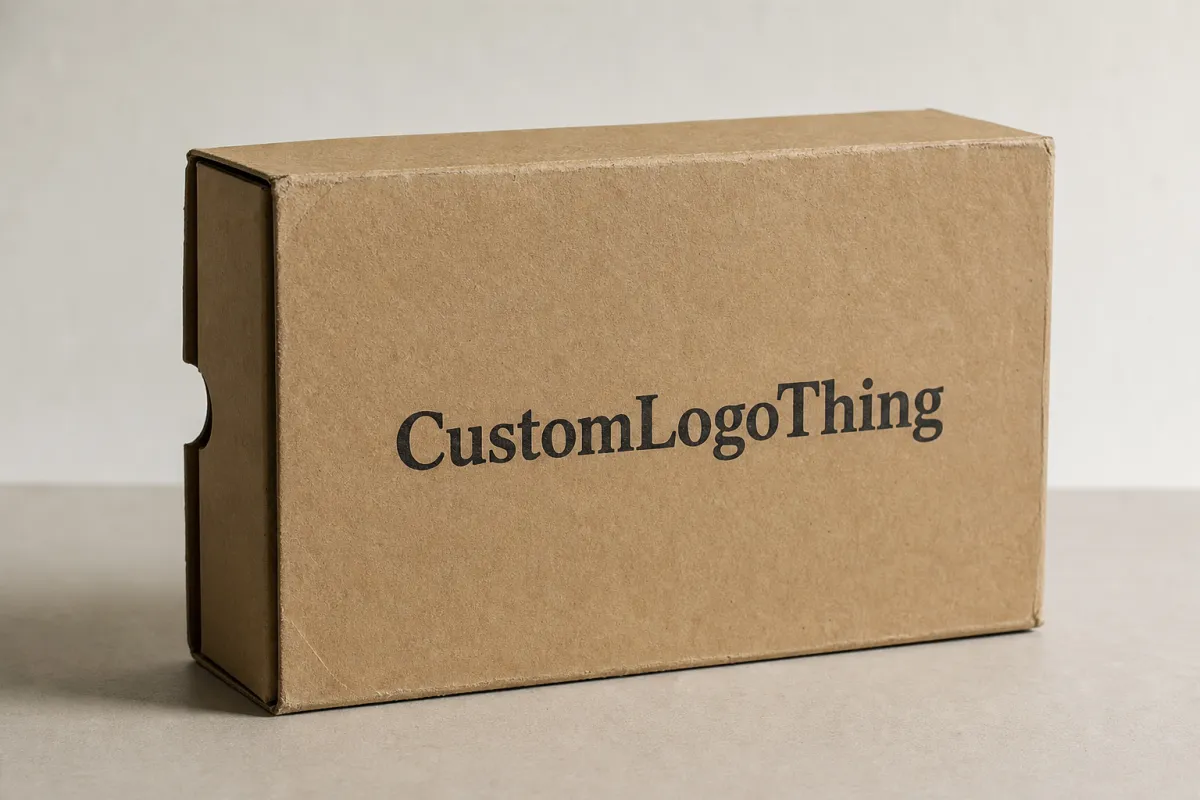
Custom Sleeve Boxes moq is usually the first number buyers ask about. Fair enough. The better question is what that minimum does to your total spend, launch timing, and inventory risk. A beauty brand testing a new serum kit, a coffee company preparing a seasonal bundle, and a nutraceutical label refreshing regulatory copy do not need the same answer. They all need packaging that fits the product and the calendar.
Sleeve packaging lives in two worlds at once: print and structure. The board has to be cut, scored, and wrapped cleanly. The artwork has to line up. The finish has to survive handling. Then the finished stack still needs inspection before it leaves the plant. A 500-piece order and a 2,500-piece order can use the same design, but they rarely produce the same economics. The smaller run often carries more of the fixed work per unit. That is the part most buyers feel in the quote.
For a packaging buyer, the decision is rarely “cheap or expensive.” It is usually cash flow versus speed versus the risk of sitting on boxes that no longer match the product. A low MOQ makes sense for a pilot launch, a regional rollout, or a short seasonal program. A larger order starts to make sense once sales are stable and the artwork is unlikely to change for a while. The right choice depends on sell-through, warehouse space, and how often marketing likes to “just make one small update.” We both know how that ends.
For other packaging formats, see our Custom Packaging Products page, and if you need a quick answer on common quote terms, our FAQ covers the basics.
Custom Sleeve Boxes MOQ: why small orders can cost more
Why does a 500-piece sleeve run sometimes cost more per unit than a 2,500-piece run? Because the fixed work does not care how many boxes you ordered. The supplier still needs a dieline, press or digital setup, material staging, finishing setup, and a quality check. Those steps happen whether you print 500 or 50,000.
Here is the simple math. If a $250 setup fee is spread across 500 units, that alone adds $0.50 to every sleeve before board, ink, coating, and labor. Spread the same fee across 2,500 units and it drops to $0.10 per sleeve. Add cutting tools, plate charges for offset printing, and a specialty finish like foil or spot UV, and the gap widens fast. Sheet waste matters too. Short runs absorb a larger share of test pulls, trim loss, and startup sheets. That is not a flaw in the quote. It is how production works.
Small runs are not a bad deal by default. They just answer a different business problem. A launch order may cost more per sleeve, but if it prevents a warehouse full of obsolete packaging, it is still the better move. I see this most often with brands that change graphics every quarter, or with product teams that are still deciding which SKU should win. The boxes are not the expensive part. Bad timing is.
There is also a production reality that buyers sometimes miss. Shorter runs can be excellent, but some suppliers give their best pricing to larger jobs because the workflow is more efficient. If a quote includes rush scheduling, extra proof rounds, or a more manual path through production, the unit cost will show it. Do not stop at “What is the price?” Ask what the price includes, and what it does not.
A low MOQ only looks cheap if the boxes move faster than your packaging changes.
Common reasons buyers choose a smaller order:
- Launch tests for a new SKU or a packaging redesign.
- Seasonal products that will vanish after one selling window.
- Market pilots where demand is still a guess and cash matters.
- Limited editions tied to promotions, bundles, or events.
- Regional rollouts before a wider retail commitment.
If the sleeve is doing more than covering a carton, it is part of the buying decision. That is common in beauty, supplements, specialty food, and premium gift packaging. In those categories, the sleeve is not decoration. It is the first thing the customer sees, touches, and judges.
What custom sleeve boxes include: structure, print, and finish options
A sleeve box is an outer wrap that slides over another component. It may cover a tray, a tuck carton, a rigid base, or a specialty insert. Compared with a standard tuck box, a sleeve gives you more visible surface area and a sharper reveal when the product slides out. Compared with a rigid box, it usually costs less and ships lighter. Compared with a mailer, it is less about transit protection and more about presentation, fit, and shelf appeal.
That is why sleeve packaging shows up so often in retail packaging, gift sets, and premium product packaging. The sleeve can carry the logo, brand story, barcode, usage instructions, or promotional copy while the inner carton stays functional or plain. In packaging design terms, the sleeve is the visual layer. The inner structure is the workhorse.
Material selection matters. Most sleeves use paperboard, often in the 16pt to 24pt range for standard retail applications. Thicker board can feel more substantial, but it also raises cost and may require changes at the score line. For heavier assemblies, a sleeve may wrap a rigid base or a tray made from SBS or chipboard. The right board depends on whether the sleeve needs to hold shape, resist scuffing, or simply look clean on shelf.
Printing choices change both the cost and the outcome. Digital printing is usually the better fit for short runs and variable artwork. Offset printing makes more sense for larger orders where color consistency and lower per-unit cost matter. Finishing choices affect both appearance and handling:
- Foil stamping adds metallic emphasis to logos or accents.
- Embossing and debossing create tactile depth.
- Spot UV isolates marks or patterns with contrast.
- Matte lamination softens glare and gives a restrained look.
- Gloss coating boosts shine and makes color feel brighter.
Each finish changes how the sleeve performs in the real world. Soft-touch can feel premium, but it can also mark more easily in some handling environments. Gloss can look strong under retail lights, but it shows fingerprints. Foil gives crisp visual impact, though it adds setup work and can push MOQ higher because the finishing line needs another pass.
Sustainability is part of the decision, not a side note. Recyclable board, water-based or soy-based inks, and FSC-certified fiber can support your environmental claims, provided the whole structure is built to match. If you need a reference point for fiber sourcing, the Forest Stewardship Council explains certification clearly. For collection and recycling context, the EPA recycling guidance is useful background.
One caution: coatings and laminations can change recyclability. A sleeve marked “paper” is not automatically treated the same way in every collection system. Local recycling rules, adhesive choices, and ink coverage all matter. If your brand is making a disposal claim, check the substrate and finish against the language you plan to use. That is the boring part of packaging. It is also the part that keeps complaints off your desk.
Specifications buyers should lock before requesting a quote
The fastest way to get an accurate quote is to remove guesswork. A mockup helps. A spec sheet helps more. For sleeve packaging, the details that matter most are dimensional, structural, and finishing-related. Leave those vague and the quote will follow suit.
Start with the measurements. Provide the finished product size, internal clearance, sleeve depth, and any allowance needed for a tray or insert. If the sleeve slides over a rigid base, the fit tolerance should be clear. A difference of even 1-2 mm can matter if the product is going through a handpack line, a tight retail display setup, or a bundle that has to close without force. Tight fit is attractive until it jams on the line.
Then define the substrate. State the board type, caliper, and any preference for virgin fiber versus recycled content. If you want the sleeve to match an existing line, include a sample reference or previous job number. Color matching gets easier when the target is specific. Pantone references help, but a live sample or approved proof is stronger. A screen screenshot is not color control. It is optimism.
Print coverage should be spelled out too. Full-bleed artwork costs differently from a simple one-color mark. If the design wraps around a seam, fold, or locking area, say so. That affects layout, waste, and the way the artwork is imposed on the sheet. The same goes for barcodes, SKU codes, batch fields, and regulatory copy. A crowded panel can force a redesign or a larger sleeve size.
These are the core items buyers should confirm before quoting:
- Finished dimensions and internal fit requirements.
- Board caliper or paperboard grade.
- Print method, color count, and ink coverage.
- Finish type: matte, gloss, soft-touch, foil, emboss, deboss, or spot UV.
- Artwork format, dieline usage, and seam placement.
- Special items such as windows, security seals, or compliance copy.
- Target quantity tiers and required delivery date.
One detail gets missed a lot: whether the sleeve is purely decorative or part of a compliance system. A sleeve can carry FDA-related copy, barcode data, lot coding space, or warning text. If that information must be visible in the final retail state, it should be discussed before artwork approval. A redesign after proof sign-off costs time and usually adds expense. Nobody enjoys paying twice because the legal line needed 4 mm more room.
For teams managing several SKUs, a structured spec sheet also keeps internal departments aligned. Sales, operations, and brand may care about different things, but they all need the same data. One person is looking at shelf appeal. Another is looking at case pack count and pallet efficiency. Good packaging design has to satisfy both.
Cost, pricing, MOQ, and quote comparison: how to read the numbers
Comparing sleeve box quotes is where many buyers lose money. The lowest unit price is not always the best total price. Setup charges, sampling, freight, and revision fees can change the final number enough to wipe out the apparent savings. A quote that looks excellent on paper can turn into an expensive surprise once it lands.
A useful quote should separate the main cost buckets:
- Setup charges for press work, plate creation, or digital preparation.
- Die and tooling for cutting and creasing.
- Material cost for the board or paper stock.
- Printing cost tied to color count and coverage.
- Finishing cost for lamination, foil, embossing, or coating.
- Packing and freight for cartonizing, palletizing, and delivery.
These are illustrative ranges, not a quote, but they show how MOQ affects the economics of custom sleeve boxes:
| Order size | Typical unit cost tendency | Main reason | Best use case |
|---|---|---|---|
| 500 units | Higher, often $0.90-$2.00+ each depending on print and finish | Setup and proofing costs are spread over fewer pieces | Launch tests, samples, limited editions |
| 1,000 units | Moderate, often $0.55-$1.40 each | More efficient distribution of fixed costs | Pilot programs, seasonal SKUs, retail trials |
| 2,500 units | Lower, often $0.35-$0.95 each | Better spread of die, setup, and prep costs | Established products, repeatable demand |
| 5,000 units+ | Lowest per unit, depending on materials and finish | Run efficiency and buying power improve | Stable, high-volume branded packaging programs |
Those ranges move with board selection, print method, and finishing complexity. A simple digital sleeve on uncoated board may sit toward the lower end. A foil-stamped, soft-touch sleeve with multiple color builds will sit much higher. That is why the cheapest-looking quote can become the most expensive one once the extras show up.
Buyers should also check what is included in sampling. Some vendors bundle a digital mockup or a blank prototype. Others charge for every revision. The same goes for overages. A small overrun may be normal in print production, but if you do not ask, you may be surprised by a delivered count that differs from the ordered count. Clarify whether the supplier is quoting exact count, allowable overage, or a pack-out tolerance.
Use this comparison filter before making a call:
- Keep the same dimensions across all quotes.
- Keep the same board stock and print method.
- Keep the same finish and artwork coverage.
- Keep the same delivery destination and timing.
- Compare the total landed cost, not just the unit price.
That last point matters. A quote with lower per-unit pricing but higher freight can lose to a slightly higher box price with better shipping terms. For packaged goods, especially in product packaging programs with tight margins, the landed number is the one that tells the truth.
Where threshold pricing changes the decision
Threshold pricing is common. A supplier may price 500 units at one level, 1,000 units at a noticeably lower level, and 2,500 units at a point where the savings begin to flatten. Sometimes an extra 500 or 1,000 units lowers unit cost enough to justify the inventory. Sometimes it does not. The answer depends on forecast confidence, storage, and how fast the product actually moves.
Packaging teams often ask for three quotes: one at the minimum viable quantity, one at the expected demand level, and one at the point where unit cost drops materially. That is a better method than asking only for the smallest MOQ. It exposes the real tradeoff between cash outlay and cost efficiency.
If the sleeve design is still in flux, request a sample or prototype before committing. A prototype is cheap insurance when the artwork is dense, the fit is tight, or the finish has to match an existing retail packaging line. A small delay at this stage is far cheaper than reprinting a full run that misses the mark.
Process, timeline, and lead time: from dieline to delivery
A realistic timeline starts before production. The quote stage is only one step. The buyer sends dimensions and artwork. The supplier confirms the structure, material, and finish. The proof gets reviewed. Then production begins. Every stage can move quickly, or every stage can stall the project if the information is incomplete.
A standard workflow for custom sleeve boxes usually looks like this:
- Request and spec gathering.
- Quotation and quantity confirmation.
- Dieline review and artwork placement.
- Digital proof or sample approval.
- Production setup and run.
- Inspection, packing, and palletizing.
- Freight booking and delivery.
Where do delays happen most often? Missing dielines, low-resolution artwork, last-minute copy changes, and internal approvals that sit too long. A production team can only print what has been approved. If the logo still needs adjustment or the barcode has not been tested, the schedule stops. Packaging is not magic. It is a chain of steps, and one weak link is enough to push the ship date.
Lead time also depends on the production method. Digital runs for shorter quantities can move faster because plate creation is not part of the workflow. Offset runs may take longer but are often better for larger quantities and tighter color consistency. Specialty finishes add another pass and another chance for delay. Foil and embossing are not difficult in theory, but they do require setup and inspection time.
Typical planning ranges, assuming files are ready and approvals move promptly, often look like this:
- Quote turnaround: 1-3 business days for clear specs.
- Proofing: 2-5 business days depending on revisions.
- Production: about 7-15 business days for many short-to-mid runs.
- Shipping: separate from production and dependent on destination and mode.
Those are planning ranges, not promises. A complex sleeve with special coatings, custom inserts, or compliance-heavy artwork can take longer. If the project is tied to a retail calendar, build in a buffer. Two extra weeks of slack can protect the launch from freight delays or an internal sign-off cycle that drifts.
Packaging buyers working under a tight deadline should also ask whether the vendor can support expedited production. Faster service is useful, but it often raises cost and narrows material choices. That tradeoff is normal. More speed usually means fewer options, not more.
For projects that need shipping performance as well as shelf presentation, transit testing aligned with ISTA protocols can be a smart move. Not every sleeve needs lab testing, but shipments that face distribution stress or multiple touchpoints can benefit from a more disciplined test plan. A sleeve that looks excellent in a showroom but scuffs, crushes, or opens in transit is the wrong sleeve.
Why choose us for custom sleeve boxes when consistency matters
For buyers, consistency is not a luxury. It is the baseline. If the first order looks good but the reorder shifts in color, board feel, or sleeve fit, the brand pays later in complaints, slower packing, or inconsistent shelf presentation. Attractive packaging that cannot be repeated is not a win. It is a short-term problem with a nice photo.
Custom Logo Things is built around practical execution: stable color matching, repeatable quality, and useful guidance before the order moves into production. That matters for custom sleeve boxes because the structure looks simple but behaves unforgivingly. A sleeve that is off by a few millimeters or printed with inconsistent tone can drag down the entire package system.
Flexible MOQ support is another advantage. Some programs need a test order. Others need a larger repeating run. A good packaging partner should support both without changing the standard of print accuracy or structural control. Low MOQ should not mean sloppy finishing, and a larger order should not mean less communication.
Strong service also shows up in file checks and dieline guidance. Many packaging problems begin with artwork assumptions, not production defects. A supplier who flags seam conflicts, barcode placement issues, or finish mismatches before print saves time and money. That matters especially in branded packaging, where small visual errors can damage perceived quality.
Communication speed matters too. Fast quoting, clear sample feedback, and direct answers on material availability make the process less risky. If a board grade is tight in supply or a finish would extend lead time, you should know early. Silence is expensive in packaging. So are vague answers.
There is a business effect here that buyers sometimes underplay. Better sleeve packaging can reduce returns tied to damaged presentation, improve shelf blocking in retail packaging, and make inventory planning easier because the product line looks consistent across reorders. For brands balancing product packaging quality against cost control, that consistency often pays back in ways that are not obvious on the first spreadsheet.
If you are still comparing formats, remember that sleeves are one part of the system. Some products work better with a tray, some with a rigid box, and some with a mailer. The right structure depends on the product, the channel, and how much protection the pack needs before the consumer sees it.
Next steps: how to request a useful quote for custom sleeve boxes
The fastest way to get a serious quote is to send serious information. Before reaching out, gather the finished dimensions, expected quantity, artwork files, finish preferences, and your target delivery date. If there is a sample product or an old box to compare, include that too. The more concrete the input, the tighter the quote.
Ask for tiered pricing rather than a single number. If you are evaluating custom sleeve boxes moq, you need to see where the unit cost drops at 500, 1,000, 2,500, or 5,000 pieces. That spread shows the real break points. A slightly larger order may lower the price enough to justify the extra inventory. Or it may not. You will not know until the tiers are in front of you.
If the fit is tight or the finish has to match an existing line, request a sample or prototype. A small approval run can prevent a large production mistake. That is especially true for high-visibility retail packaging, where color and structure need to hold up under lighting, handling, and shelf comparison. A proof on screen is not the same thing as a sleeve in your hand.
Before placing the order, compare total landed cost. Include the box price, setup, sample charges, freight, and any revision fees. Then compare that number against the expected margin on the product. That is the commercial reality. Not the headline price. Not the prettiest proof. The landed number.
Use this checklist to make the quote process cleaner:
- Finished size, internal clearance, and sleeve depth.
- Board stock or caliper target.
- Print method and finish preferences.
- Artwork files or dieline reference.
- Quantity tiers for MOQ comparison.
- Delivery destination and required date.
- Any barcode, compliance, or regulatory copy needs.
That set of details gives the supplier enough information to quote accurately and reduces back-and-forth. It also helps your own team make a cleaner decision. In packaging, clarity saves more money than negotiation alone.
If you need a practical way to judge custom sleeve boxes moq, use this rule: quote the minimum, quote the expected demand, and quote the point where unit cost actually drops. Then compare those numbers against storage, shelf life, and launch timing. The lowest MOQ is not always the right MOQ. The right number is the one that lets you sell the product without paying for boxes you never need.
FAQ
What is the usual MOQ for custom sleeve boxes?
MOQ depends on print method, material, and finishing, but lower-volume digital runs are often available for tests or limited launches. Offset-printed or heavily finished orders usually need a higher MOQ because setup costs must be spread across more units. Ask for multiple quantity tiers so you can see where the unit price drops enough to justify a larger order.
Can I order custom sleeve boxes with a low MOQ?
Yes, many suppliers can support low MOQ orders when the artwork, structure, and finishing are kept simple. Expect the unit cost to be higher on short runs because setup and proofing are not spread across a large quantity. Low MOQ is most practical for pilots, seasonal products, and market tests where inventory risk matters more than the lowest price.
What affects the unit cost of custom sleeve boxes?
Material thickness, print coverage, finishing, and structural complexity all affect the per-unit price. Setup charges, samples, die cutting, and freight can change the total landed cost even when the quote looks competitive. Higher quantities usually lower unit cost because fixed production costs are distributed across more boxes.
How long does custom sleeve boxes production usually take?
Timeline depends on proof approval, material availability, and the complexity of the print and finish. Sample approval usually comes before full production, so fast feedback shortens the total schedule. Shipping time should be added separately from production time so launch dates do not slip.
What do I need to get an accurate quote for custom sleeve boxes?
Provide finished dimensions, quantity, material preference, print method, finish, and any special compliance needs. Send a dieline or product drawing if possible so the vendor can confirm fit and avoid guesswork. Include the target delivery date and destination so the quote reflects the real timeline and freight cost.

