Buyer Fit Snapshot
| Best fit | Custom Sleeve Boxes for Retail projects where brand print, material claims, artwork control, MOQ, and repeat-order consistency need to be specified before quoting. |
|---|---|
| Quote inputs | Share finished size, material target, print colors, finish, packing count, annual reorder estimate, ship-to region, and any compliance wording. |
| Proofing check | Approve dieline scale, logo placement, barcode or warning zones, color tolerance, closure strength, and carton packing before bulk production. |
| Main risk | Vague material claims, crowded artwork, missing packing details, or unclear freight terms can make a low unit price expensive after revisions. |
Fast answer: Custom Sleeve Boxes for Retail: Design, Fit, and Cost should be specified like a repeatable production item. The safest quote records material, print method, finish, artwork proof, packing count, and reorder notes in one written spec.
Production checks before approval
Compare the actual filled-product size with the drawing, then confirm tolerance on folds, seals, hang holes, label areas, and retail display edges. Reserve space for logos, QR codes, warning copy, and material claims before decorative graphics fill the panel.
Quote comparison points
Review material grade, print process, finish, sampling route, tooling charges, carton quantity, and freight assumptions side by side. A quote is only useful when the supplier can repeat the same color, closure quality, and packing count on the next order.
Custom Sleeve Boxes for Retail: Design, Fit, and Cost
A plain carton can do the job. Add Custom Sleeve Boxes for retail, and the product starts speaking a different language. It looks more deliberate, more organized, and easier to place into a retail story. The base pack stays intact; the sleeve gives it a sharper face, a cleaner message, and more shelf authority without forcing a structural rebuild.
That distinction matters because retail space is expensive and attention is limited. A sleeve can carry seasonal artwork, tiered branding, SKU-specific messaging, or compliance copy while the inner carton, tray, or rigid box handles protection. Done well, custom sleeve boxes for retail feel like packaging with a job to do, not decoration for its own sake. In my experience reviewing package specs, that line separates a package that earns a second look from one that simply fills space.
Why Custom Sleeve Boxes for Retail Stand Out on Shelf
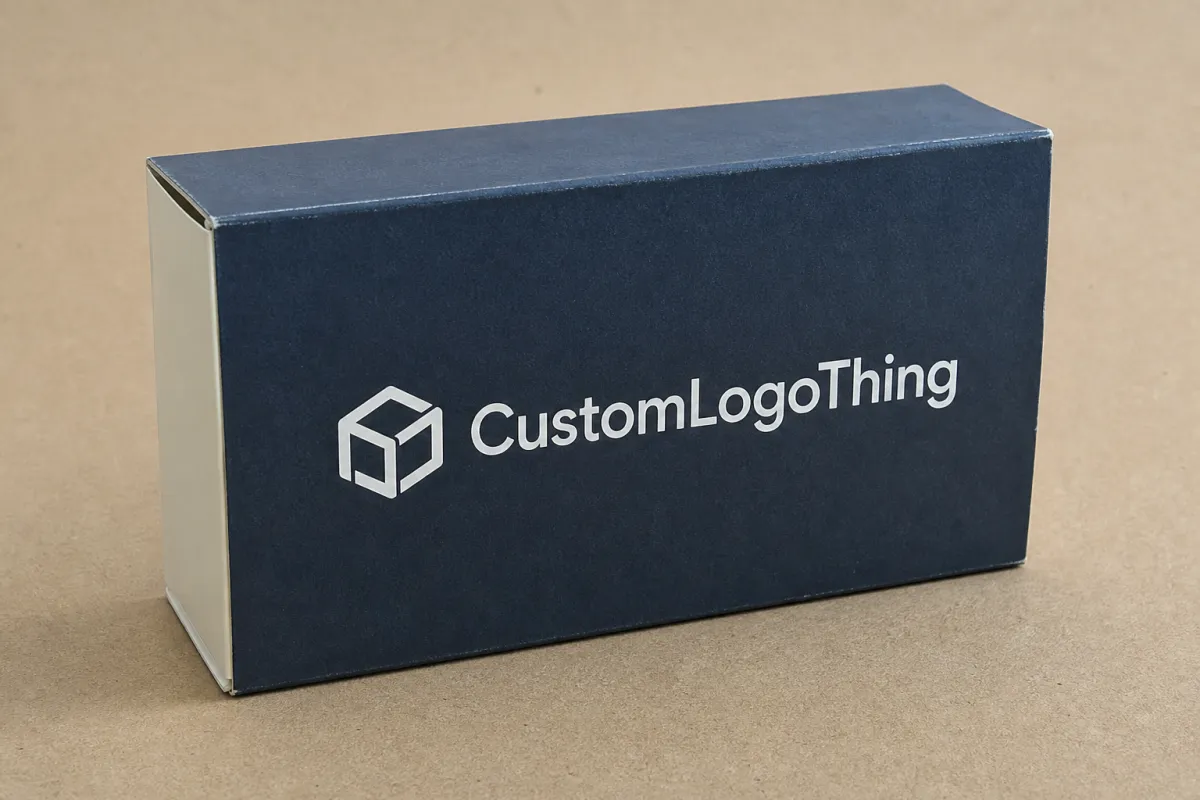
Walk down a crowded aisle and the pattern appears fast. The product may be strong, but the outer presentation tells a shopper whether it belongs in a value tier, a premium tier, or a short promotional run. That is why custom sleeve boxes for retail stand out so quickly. A printed wrap can make a standard carton feel more deliberate and more aligned with retail packaging expectations without asking the brand to redesign the entire structure.
A sleeve is a printed cover that slides over an inner tray, carton, tube, or rigid box. It is often open on one or both ends, and it can be tuned to fit tightly or more loosely depending on how much friction you want during assembly and display. The strongest custom sleeve boxes for retail are not trying to do five jobs at once. They give the pack a clean face, protect the message, and let the base container handle the load. That split keeps production efficient. It also keeps the shelf read clean.
Retail teams tend to value the flexibility immediately. One base carton can wear different sleeves for a holiday program, a limited edition, a regional promotion, or a refreshed claim. That reduces structural development time and keeps the line responsive when your packaging design needs to change without rebuilding the SKU. A brand with ten variants does not always need ten new boxes if the footprint stays fixed. The sleeve can carry the visual variation while the structure stays familiar.
There is a merchandising edge here that often gets underestimated. A sleeve can use stronger color blocking, larger claims, a cleaner barcode panel, or a window that helps the shopper identify the product from several feet away. In some categories, that first glance is the whole contest. Retail studies that track eye movement often show the first pass lasts only a few seconds, which is not much time to earn a second look. Custom sleeve boxes for retail can improve facings, simplify planogram presentation, and make a line look disciplined instead of improvised. That is not cosmetic fluff. It is retail math.
A sleeve should make the pack easier to shop, not harder to open. If the graphics are strong but the fit is sloppy, the package loses credibility almost immediately.
If you are weighing sleeve concepts against other Custom Packaging Products, start with the real business problem. Is the goal shelf refresh, SKU control, or a better premium read? Custom sleeve boxes for retail are strongest when the inner structure already works and the outer layer just needs to sell harder.
How Custom Sleeve Boxes for Retail Work: Process and Timeline
The production path for custom sleeve boxes for retail is straightforward, but sleeves punish loose thinking. The best projects begin with dimensions, not graphics. You need the finished size of the inner carton, tray, tube, or rigid box, plus a realistic idea of how the sleeve will slide, stop, and hold once it is on the shelf. The dieline is built from those numbers. Artwork then lands around seam placement, folds, and safe zones. If the panel layout is cramped, the problem shows up immediately.
Proofing comes next. A digital proof catches text, color placement, barcode position, and panel order. If fit is critical, or if board feel and coating matter to the buyer, a physical sample is the better choice. That is especially true for custom sleeve boxes for retail because even a small shift in caliper can change how the sleeve grips the base pack. Something that looks perfect on screen can behave differently once it is folded, glued, and packed in volume.
A practical production sequence usually looks like this:
- Confirm dimensions, product weight, and retail presentation goals.
- Build the dieline and position the artwork.
- Review a digital proof for layout and copy.
- Approve a physical sample if fit or finish needs confirmation.
- Print, coat, die-cut, fold, and pack the sleeves.
- Inspect a finished batch before shipping to the distribution point or fulfillment center.
Timeline depends on the number of approval points in the job. A simple sleeve order can move through proofing and production in roughly 10 to 15 business days after final approval. Specialty coatings, foil, embossing, or sample revisions can stretch that longer. For custom sleeve boxes for retail, delays usually appear in three places: artwork changes after the dieline is set, approval pauses between proof stages, and last-minute fit adjustments. Clean input shortens the run.
Launch planning matters too. If the sleeves are tied to a promotion, a retail reset, or a seasonal rollout, the artwork should be close to final before the quote request goes out. A supplier can only schedule well when the spec is stable. If you are building a broader packaging program, it helps to review sleeve ideas alongside your Custom Packaging Products so the structure, print method, and shipping plan fit together rather than being solved in isolation.
In practice, custom sleeve boxes for retail are easiest to manage when the team treats them like a production component, not a graphic afterthought. That mindset keeps surprises down and makes the sleeve feel like part of the package system instead of a late-stage layer.
Key Factors That Shape Fit, Materials, and Shelf Impact
Fit is the first thing that can rescue or ruin custom sleeve boxes for retail. If the sleeve is too tight, it scuffs the printed surface or forces the pack out of square. If it is too loose, it slides during transport and loses the controlled look retail buyers expect. The method is simple enough: measure the finished outer dimensions of the base pack, then account for board thickness, turn-ins, and the level of friction needed to hold the sleeve in place. Even 1 mm can matter when the package is being assembled at scale.
Material choice shapes both feel and cost. A 14pt or 16pt SBS paperboard may be enough for lighter folding carton applications, while an 18pt stock can feel sturdier and hold sharper edges on a premium display pack. Kraft stocks support a more natural, earthy style, especially for brands that want the package to signal recycled content or restrained simplicity. Custom sleeve boxes for retail can be built many ways, but the stock has to match the job. A sleeve that looks premium but behaves flimsy will not help the product.
Print decisions matter just as much. Full-color graphics can create strong shelf blocking, yet dense ink coverage on narrow panels can darken the edges and make seams more noticeable. Spot color work can be cleaner for brands that want crisp typography and lower production complexity. For custom sleeve boxes for retail, small text must stay legible because side panels are often the only place for ingredient notes, SKU language, or marketing claims. That is where many designs fail. They try to fit too much copy into too little width.
Finish choices affect both look and budget. Matte lamination feels quiet and controlled. Gloss adds pop under store lighting. Soft-touch gives a velvety feel, though it adds cost and can complicate barcode readability if the art is not planned carefully. Foil, embossing, and spot UV can all raise shelf impact, and each one adds setup and registration demands. Not every custom sleeve boxes for retail project needs special effects. A clean print job on a well-fitted sleeve can beat a crowded premium treatment.
Structural details deserve attention too. If the sleeve has a window, the cutout must not weaken the panel or expose shipping wear. If the pack needs a hang-tab, that tab must work with the sleeve and not tear under retail handling. Barcode placement should avoid seams and reflective finishes, and any tamper-evident feature should be tested in actual use. For transportation tests, many teams look at ISTA procedures, and for fiber sourcing, FSC certification may enter the sourcing discussion. Depending on the route and product fragility, ASTM test programs such as D4169 can also be relevant. Custom sleeve boxes for retail should be judged across the whole distribution chain, not just as printed paper on a desk.
Here are the shelf-impact details I look for first:
- Seam placement: keep it away from the front face when possible.
- Barcode clarity: maintain quiet zones and avoid high-gloss glare.
- Panel width: leave enough room for readable copy and branding.
- Stack behavior: make sure sleeves do not bow or snag in cartons.
- Opening action: the customer should feel a clean slide, not a fight.
For custom sleeve boxes for retail, those details are not decorative. They decide whether the pack looks polished in the warehouse, on the truck, and on the shelf.
Custom Sleeve Boxes for Retail Cost, Pricing, MOQ, and Quote Planning
The price of custom sleeve boxes for retail comes from a few repeatable inputs: board grade, print coverage, finishing, size, die complexity, and order volume. A one-line quote without product dimensions or artwork load is only a rough start. Real pricing depends on whether the sleeve is a simple paperboard wrap or a more finished branded packaging piece with coatings, foil, and tight alignment.
MOQ has a direct effect on unit cost. Smaller test runs can be useful for launch validation, but setup costs are spread across fewer pieces, so the per-unit price rises fast. Larger orders usually lower unit cost because printing, tooling, and die cutting become more efficient. For custom sleeve boxes for retail, many buyers find a useful balance somewhere between 1,000 and 5,000 pieces, though the right minimum depends on the print method and structural complexity. Digital short runs can go lower, while offset or specialty finishing usually needs more volume to make sense.
Unit price is only part of the picture. Landed cost includes freight, packing labor, receiving, inspection, and any storage needed before launch. That is where a quote can look attractive on paper and still surprise the buyer later. Custom sleeve boxes for retail should be priced alongside the full supply chain so you can compare real cost, not just factory cost. If sleeves need to be kitted with an inner carton or inserted on a line, that labor belongs in the conversation too.
The table below gives a practical view of how different choices usually affect pricing for custom sleeve boxes for retail. These are planning ranges only; dimensions, coverage, and finishing details can move the numbers in either direction.
| Option | Typical Material | Best Use | Planning Range per Unit | Cost Driver |
|---|---|---|---|---|
| Basic sleeve | 14pt SBS, 1-color print | Simple SKU labeling or low-graphic promotions | $0.10-$0.18 at 5,000 units | Low ink coverage and straightforward die cutting |
| Standard retail sleeve | 16pt SBS, full-color print | Mainstream retail packaging with strong shelf presence | $0.16-$0.28 at 5,000 units | Four-color print, moderate coverage, standard folding |
| Premium sleeve | 18pt SBS, matte or soft-touch finish | Gift sets, upscale launches, branded packaging programs | $0.24-$0.42 at 5,000 units | Heavier board, coating, tighter visual tolerance |
| Specialty sleeve | 18pt SBS or kraft, foil/spot UV/emboss | Limited editions and high-impact promotions | $0.34-$0.62 at 5,000 units | Extra setup, finish registration, and slower throughput |
What changes the quote fastest? Finish complexity and artwork coverage usually win that race. A sleeve with heavy solid ink, foil on the logo, and a soft-touch coating will cost more than a clean two-color job, even if the size is identical. Ask for tiered pricing early. If you want a simple version, a mid-tier version, and a premium version, compare them side by side before you lock the spec for custom sleeve boxes for retail.
Sample charges, plate or die fees, and the number of proof rounds matter too. Those details do not always appear in the headline number, but they shape budget and schedule. Ask for pricing on the sleeve alone and on the full package system so you can see where the money goes. That is usually the clearest way to manage custom sleeve boxes for retail without drifting past the target margin.
Step-by-Step Guide to Ordering Custom Sleeve Boxes for Retail
Ordering custom sleeve boxes for retail goes more smoothly when the project starts with the product, not the artwork. Gather the finished dimensions of the base pack, its weight, the way it will be handled on the line, and the shelf environment it needs to survive. A sleeve for a lightweight cosmetic carton does not need the same construction as one for a heavier multipack or a rigid gift set. If the size data is wrong, the rest of the project will wobble.
Then define the job the sleeve needs to do. Is it meant to add premium appeal, carry seasonal messaging, sort multiple SKUs, or refresh a line without replacing the whole structure? That answer shapes the layout and the board choice. For custom sleeve boxes for retail, the outer panel should usually carry the strongest brand mark, while the side panels can handle ingredients, claims, barcodes, or compliance text. Copy should be deliberate. The sleeve is not a place to cram every message the marketing team can find.
Artwork should be built with production in mind from the first draft. Leave enough bleed, protect critical text from seams, and check barcode contrast before final approval. A clean file saves time and cuts down on back-and-forth. If you are unsure about line art, panel order, or safe areas, ask for a dieline before final design work begins. That is one of the simplest ways to avoid a revision cycle on custom sleeve boxes for retail.
Once the proof arrives, review it like a production buyer, not like a desktop viewer. Ask these questions:
- Does the sleeve slide on and off the base pack at the right tension?
- Is the logo centered where the shopper will actually see it?
- Do seams, folds, and barcodes avoid one another?
- Does the finish support readability under store lighting?
- Will the pack still look crisp after packing, shipping, and shelf handling?
That review step matters because a screen mockup can hide real-world problems. A sleeve can look balanced in a PDF and still feel awkward in hand. If possible, approve a sample before the full run. For custom sleeve boxes for retail, a prototype tells you more about fit than any flat drawing ever will. It also gives the warehouse team a chance to test assembly speed and packing sequence before volume production starts.
Finally, line up receiving and rollout timing. Retail launches rarely forgive packaging delays. Build enough slack for inspection, labeling, kitting, and pallet movement, then schedule the product release after the sleeves are already in house. If you are comparing sleeve formats with other Custom Packaging Products, this is the moment to confirm that the whole system is aligned. A good sleeve should arrive as part of a working plan, not as a rescue measure the week before launch.
That method keeps custom sleeve boxes for retail under control from the first measurement to the final shipment.
Common Mistakes, Expert Tips, and Next Steps for Custom Sleeve Boxes for Retail
The most common mistake with custom sleeve boxes for retail is designing the graphic before measuring the base package. That sounds basic, yet it happens constantly. A sleeve that looks perfect in layout software can fail once board thickness, glue allowance, or the actual folding carton footprint enters the picture. The second common mistake is treating the sleeve like a poster. It is not a poster. It is a working package component that must fit, hold, protect, and still look good after a few handling cycles.
Another problem is overcrowding. Plenty of brands try to place the brand story, every product claim, a promo badge, regulatory copy, and a barcode on a sleeve with limited panel width. The result is clutter. Good custom sleeve boxes for retail usually look more confident when they leave some breathing room. Quiet margins, clean typography, and a well-placed logo often do more for package branding than a crowded design trying too hard to impress.
My practical rule is simple: if a shopper has to work to understand the sleeve, the sleeve is already doing too much.
From a production standpoint, three expert habits save a lot of pain:
- Standardize sizes: if several SKUs can share one sleeve footprint, do it.
- Keep critical copy away from seams: this reduces distortion and visual breakage.
- Simplify folds where possible: fewer structural complications usually mean fewer surprises.
- Test on a real sample: a board sample exposes fit issues that a file cannot show.
There is also a strategic point that gets missed. Custom sleeve boxes for retail work best as a system, not a one-off decoration. If your brand has repeat launches, seasonal changes, or multiple product tiers, the sleeve can become a repeatable tool that keeps the shelf face fresh without rebuilding the core carton every time. That is where the economics begin to improve, because one structural platform supports many printed stories.
If you are preparing the next project, the next steps are straightforward. Confirm dimensions, gather artwork, decide whether the sleeve needs a matte, gloss, or specialty finish, and ask for a dieline before final design work starts. Then compare sample options and quote tiers against your retail calendar. If the launch date is fixed, work backward from proof approval so the sleeves arrive early enough for receiving and kitting. That kind of planning is what turns custom sleeve boxes for retail from a packaging idea into a dependable supply component.
Done well, custom sleeve boxes for retail bring together shelf appeal, Fit, and Cost control in a way that feels practical rather than flashy. That is the real value: a smart outer layer that supports the product, reinforces the brand, and gives the retailer a cleaner package to sell.
What are custom sleeve boxes for retail used for?
They add branding, seasonal messaging, or SKU-specific information to an existing carton, tray, or rigid box. Custom sleeve boxes for retail are useful when a company wants a more polished retail look without redesigning the full package structure.
How do I measure custom sleeve boxes for retail correctly?
Measure the finished outer dimensions of the inner pack, then account for board thickness, fold allowance, and the snug fit needed for sliding. Ask for a dieline or sample before production so the sleeve is checked against the real product, not just a drawing.
What affects the price of custom sleeve boxes for retail the most?
Material choice, print coverage, finish level, order quantity, and the complexity of the cut all have a major impact on cost. Special effects like foil, embossing, or spot UV usually increase setup and production expense, especially on smaller runs.
How long does it take to produce custom sleeve boxes for retail?
Timing depends on artwork readiness, proof approvals, and whether samples are needed before the full run starts. Simple orders move faster; specialty finishes, multiple revisions, and larger volumes typically add time to the schedule.
Can custom sleeve boxes for retail work for small batches?
Yes, they can be used for short runs, seasonal campaigns, and product tests, although the unit cost may be higher at low quantities. Small batches are especially useful when you need to validate design, shelf impact, or retailer response before scaling up.

