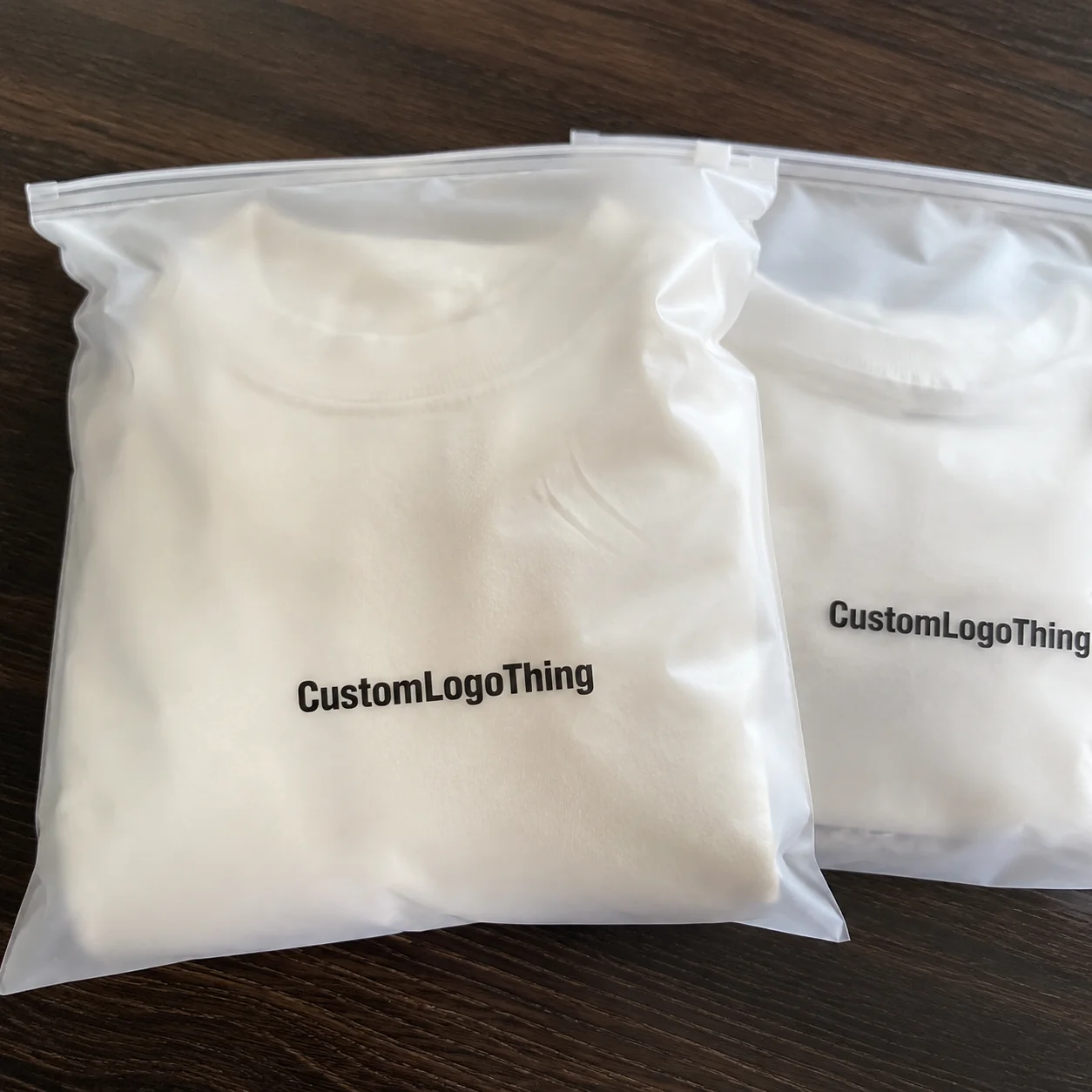
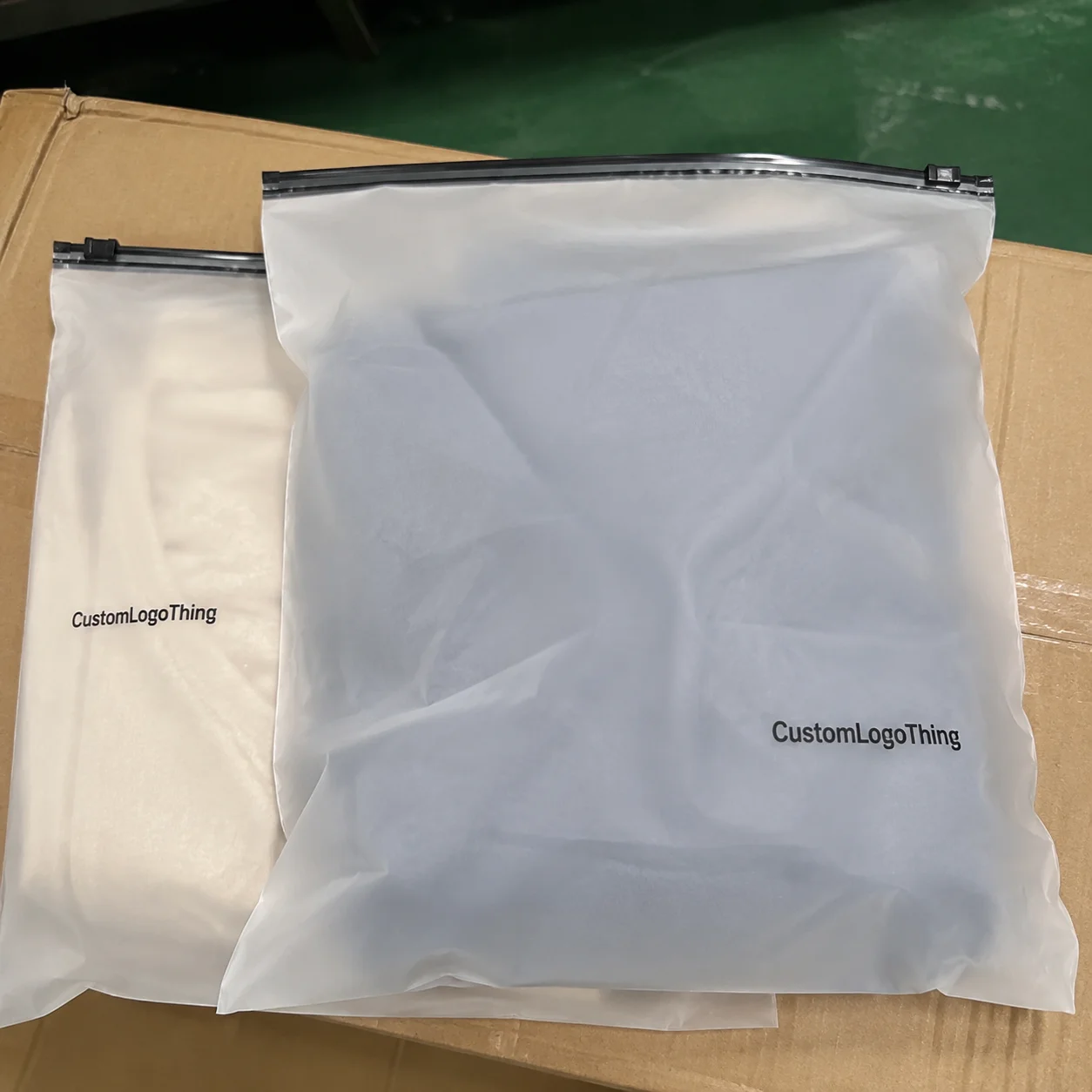
Tea packaging gets judged every time the customer opens it. If a bag leaks aroma, lets in moisture, or looks worn after a few uses, the product inside gets blamed even when the blend is sound. That is why Custom Slider Lock Clothing Bags for tea brands can make sense for loose-leaf lines, sampler sets, refill packs, and subscription shipments.
The name comes from apparel packaging, but the format solves a real tea problem: a flexible branded bag with a slider closure, enough structure to stand or stack cleanly, and a reseal action that feels more reliable than a basic press-to-close zipper. For products opened many times, that closure becomes part of freshness control and customer experience.
Custom slider lock clothing bags for tea brands: when they fit
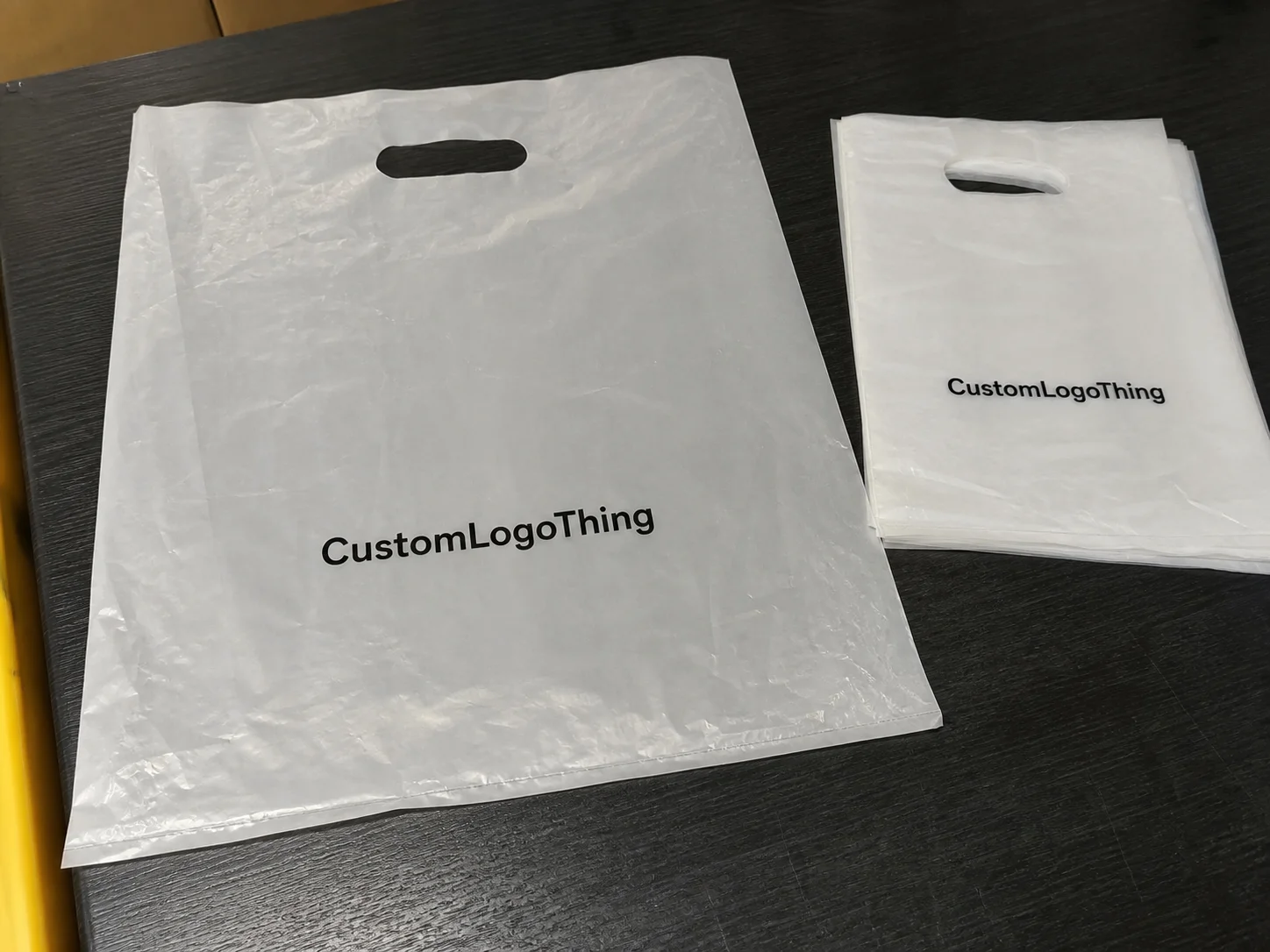
Use this format when freshness, repeat use, and presentation all need to work together. Loose-leaf tea is rarely a one-open product. A customer may open the same bag dozens of times before it is empty, and every weak reseal invites oxygen, humidity, and kitchen odors.
A slider closure gives a clearer user action than a standard zipper. The shopper sees the track, slides the tab, and gets a defined open-close motion without having to guess whether the seal engaged. That matters for older customers, subscription users, and retail buyers who want convenience without giving up a premium feel.
Slider-lock bags are especially useful for premium loose-leaf tea, sampler packs, gift bundles, and refill packaging where the front panel needs to stay clean. They can also work for herbal blends with bulky botanicals, but only if the bag depth and mouth width are planned around the real product. A 75g chamomile blend does not occupy the same space as 75g of dense black tea.
They are not the cheapest answer. Standard zipper pouches often win on basic refill programs or lower-price products with shorter shelf-life targets. Slider-lock packaging works best as a middle ground between simple pouches and rigid tins or cartons: more controlled and premium than a basic pouch, without the cost and storage impact of rigid packaging.
Practical callout: resealability is part of freshness control. For tea, it can affect customer satisfaction, shelf life, and repeat orders.
How the slider lock, film, and closure work together
A slider bag works as a system. The visible parts include the outer film, side seals, bottom seal or gusset, slider track, pull tab, and sometimes a tear notch or hang hole. Performance depends on how those parts behave during filling, shipping, shelf storage, and repeated consumer use.
The closure controls the opening experience, but the film determines how well the tea is protected. Basic PE structures may be enough for short-run local products that sell quickly. Aroma-sensitive teas, export packs, and retail products with longer shelf-life targets usually need a higher-barrier laminate such as PET, PE, nylon, metallized PET, or EVOH. The right structure depends on oxygen, moisture, light, odor transfer, and cost targets.
Geometry matters as much as film. If the mouth is too narrow, filling gets messy and the slider can feel stiff. If the slider is undersized for the bag width, the pack feels cheap. If the gusset is too shallow, the bag bulges, strains the closure, and looks uneven on shelf. Test the design with the actual fill weight, not a generic mockup.
Small handling features affect both cost and usability. Tear notches make first opening easier. Hang holes help with peg display but can weaken the top section if placed poorly. Bottom gussets help the bag stand upright for retail, but they affect shipping cube and carton count. A flat pouch ships more efficiently. A stand-up pouch often sells better. The right choice depends on the channel.
Spec choices that change shelf life and branding
Start with the tea itself. Green tea, black tea, herbal blends, chai, matcha, and floral blends all react differently to oxygen, moisture, light, and odor transfer. A clear PE bag can show the product beautifully, but if the tea fades, clumps, or loses aroma before the pack is finished, the transparency did not save money. It shifted the cost into complaints.
Barrier film is usually the first major decision. A simple monolayer or coextruded PE can work for short shelf life, low-risk refill packs, or inner bags placed inside printed cartons. Higher-barrier laminates make more sense for retail shelves, e-commerce shipping, humid climates, and teas with delicate aromatics. The quote should state the film structure clearly enough that a buyer knows what is protecting the product.
Finish changes shelf impact and handling. Matte film feels softer and more premium, but it can scuff if the surface layer is not chosen for transit and repeated handling. Gloss increases color impact, which can help fruit blends and bright branding. Clear windows let shoppers inspect leaf quality, but they reduce light protection unless kept small or placed away from exposed areas. Metallic effects can look expensive, though they may complicate recycling claims and color matching.
Print strategy should match the channel. A one-color layout can work for subscription refills and value-focused tea lines. Full-color graphics help retail buyers understand flavor, origin, and tier faster. Spot color matching matters when the brand needs consistency across bags, labels, cartons, and sleeves. Ask whether the print method is digital, flexographic, or gravure because minimums, color behavior, and unit price vary by method.
Bag size should be set by fill weight, leaf density, and headspace. One hundred grams of dense oolong may fit a compact pouch. One hundred grams of peppermint leaf may need much more volume. A good sample test checks real tea, shake-down behavior, closure feel, upright stability, and whether the front panel stays flat enough for photography.
| Spec choice | Best use | Typical tradeoff | Practical range |
|---|---|---|---|
| Basic PE film | Short shelf-life refills or inner packs | Lower barrier, lower cost | Often 80-120 microns |
| High-barrier laminated film | Aromatic teas, retail shelves, export orders | Higher unit price, better protection | Often 100-160 microns |
| Matte finish | Premium loose-leaf, gift sets | Can scuff without the right surface layer | Adds roughly $0.02-$0.06 per unit in many custom runs |
| Clear window | Visual leaf quality, sampler packs | Less light protection in the window area | Keep window under 20-30% of the front panel for a safer balance |
Cost, MOQ, and unit pricing factors
Price depends on bag size, film structure, print coverage, slider color, closure quality, tooling, order quantity, and packing method. That is why two quotes for what appears to be the same bag can differ widely.
For a straightforward custom printed slider bag with a standard closure and moderate print coverage, a 5,000-piece run might land around $0.28-$0.55 per unit before freight, depending on size and film. Smaller runs of 1,000 to 2,000 pieces can climb to $0.60-$1.20 per unit because setup costs are spread over fewer bags. Larger runs of 20,000 pieces may drop into the $0.18-$0.35 range if the film and slider are standard. Freight, tariffs, rush schedules, and specialty finishes can move the number quickly.
MOQ depends on production method. Digital printing can support lower minimums, sometimes 500 to 2,000 units, but material options are narrower and unit price stays higher. Flexographic or gravure production usually starts around 5,000 to 10,000 units or more, with better economics at scale. Custom slider colors, thicker laminates, unique tracks, and specialty surfaces can push MOQ higher.
Setup costs need to be visible. Ask about plates, dieline work, proofing, physical samples, mold or tooling fees, freight, duties, carton configuration, and overage or underrun tolerance. A quote that says "$0.22 per bag" but omits plates, sample freight, or export carton count is incomplete.
Quote comparisons only work when the specs match: same thickness, barrier layer, slider quality, print method, carton pack-out, and inspection standard. If two numbers are far apart, one quote is probably missing something.
For brands comparing bags against rigid cartons, browse related formats under Custom Packaging Products. A slider-lock inner bag inside a folding carton can make sense for some tea lines. For others, the carton adds cost without adding enough value. The tea's price point and sales channel should drive that decision.
Process and timeline from artwork to production
The workflow is brief, dimensions, dieline, artwork, proofing, sample approval, production, inspection, and shipment. It stays efficient when decisions happen in that order.
A clean project begins with tea type, fill weight, target shelf life, sales channel, artwork goals, and quantity. From there, the supplier can recommend film, closure size, bag dimensions, print method, and carton packing. Once the dieline is issued, artwork should be built at final size with bleed, safe zones, barcode placement, and clear panel breaks around the closure and gusset.
Simple stock-structure orders with custom printing may take 12 to 20 business days from final proof approval, not counting transit. Add physical sampling and the schedule can stretch to 3 to 5 weeks. Custom film, special slider colors, unusual sizes, or lab testing can push the project into 6 to 10 weeks. Air freight can save time but may raise landed cost sharply on bulky flexible packaging. Ocean freight is cheaper per unit and slower.
Delays usually come from low-resolution logos, artwork changes after sampling, undecided finishes, late barcode updates, and filling requirements discovered too late. Confirm final artwork resolution, bleed, barcode size, fill weight, bag tolerance, carton count, master carton dimensions, and delivery date before production starts.
Inspection should cover print registration, color consistency, closure function, seal strength, odor, count accuracy, and carton labeling. If the bags ship directly to a co-packer, confirm carton labels and pallet requirements before production ends. ISTA transport guidance from ISTA is useful for parcel networks, subscription shipments, and mixed-case fulfillment.
Common mistakes that create weak seals or bad quotes
The most common mistake is choosing the closure before defining shelf-life needs. If the tea needs moisture protection, aroma retention, or light blocking, those requirements should shape the film before slider color or surface finish is finalized.
Undersizing the bag is another expensive habit. Loose-leaf tea has irregular volume. A hand-filled sample may look manageable, but production filling can trap more air, create uneven bulk, or push leaves into the closure track. For many loose teas, 10% to 20% extra internal volume is useful headspace, not waste.
Low-barrier film can ruin a premium blend even when the print looks excellent. A matte black bag with gold ink still fails if the jasmine aroma fades in three weeks. Packaging has to protect the product first. Brand presentation comes after the tea survives storage and shipping.
Artwork problems create avoidable delays. Common file issues include missing bleed, RGB artwork instead of CMYK or specified spot colors, low-resolution images under 300 dpi, tiny reverse text, and designs that place important copy too close to the slider track or side seals. The printable area around closures is real.
Bad quote comparisons are equally common. One supplier may include a heavier laminate, better slider, physical sample, and realistic carton pack-out. Another may quote a thinner film, lighter closure, and vague freight terms. Ask for a line-by-line spec, then compare pricing against that spec.
Next steps: build a quote-ready spec sheet
A quote-ready spec sheet saves time and reduces confusion. Include tea type, fill weight, target shelf life, bag dimensions, finish, print sides, slider color, target quantity, and delivery deadline. Add retail requirements such as hang holes, UPC placement, back-panel ingredient or nutrition copy, country-of-origin text, and carton labeling.
Request one sample path and one production quote. A hand sample checks size, feel, closure behavior, and visual direction. A production quote should show MOQ, film, print method, setup costs, lead time, freight assumptions, and overage tolerance. Do not mix prototype economics with scale pricing.
Test the pack with real tea. Fill it, close it, reopen it, shake it, photograph it, stand it on a shelf, pack it in a shipping carton, and check whether leaves get caught in the slider track. If the tea is aromatic, let it sit for a few weeks and check whether the fragrance holds. For sustainability claims or paper-based outer packaging, FSC certification details from FSC can help when bags are paired with cartons, sleeves, or inserts.
Lock artwork only after the sample proves the fit. For active sellers, 10% to 15% extra inventory is often cheaper than reordering from zero while a subscription cycle or retail shipment is already moving. Brands with multiple SKUs should also check whether one shared bag size can cover several teas without making the smallest fill look undersized.
Before production, confirm film structure, thickness, bag size, slider color, print method, finish, quantity, packing count, inspection points, and delivery terms in writing. A clean spec is what keeps custom Slider Lock Clothing Bags for tea brands practical instead of turning into a costly dispute.
FAQ
Are custom slider lock clothing bags for tea brands better than standard zipper pouches?
They are better when the pack will be opened and closed many times and the brand wants a more premium tactile experience. Standard zipper pouches usually cost less, so they make more sense when reseal performance matters but presentation is secondary. Slider closures are also easier for some shoppers to use.
What material works best for slider-lock tea packaging?
Use a structure that matches the tea's sensitivity to oxygen, moisture, and light. Multi-layer laminated films are common for higher-barrier needs, while simpler PE-based structures can work for shorter shelf-life products or inner refill bags. For aromatic or high-value tea, barrier performance usually matters more than decorative finish.
How do I size slider lock clothing bags for tea correctly?
Start with fill weight and actual product density. Leave enough headspace for easy closing, proper sealing, and clean shelf presentation. Test with the real tea before approving the final dimension because loose-leaf tea is rarely as predictable as a flat mockup.
What is the typical MOQ for custom slider lock clothing bags for tea brands?
MOQ depends on film structure, print complexity, slider options, and whether the closure is standard or custom. Lower MOQs are possible through digital print or stock components, but unit price usually rises because setup costs are spread across fewer bags. Very low MOQs with full custom specs may hide costs in setup, freight, thinner materials, or limited print options.
How can I shorten the turnaround on a custom order?
Send final artwork early with correct bleed, resolution, panel placement, and barcode sizing. Approve proofs and sample feedback quickly. Choose standard materials and slider colors when speed matters more than custom branding details, and confirm carton count before the order enters production.