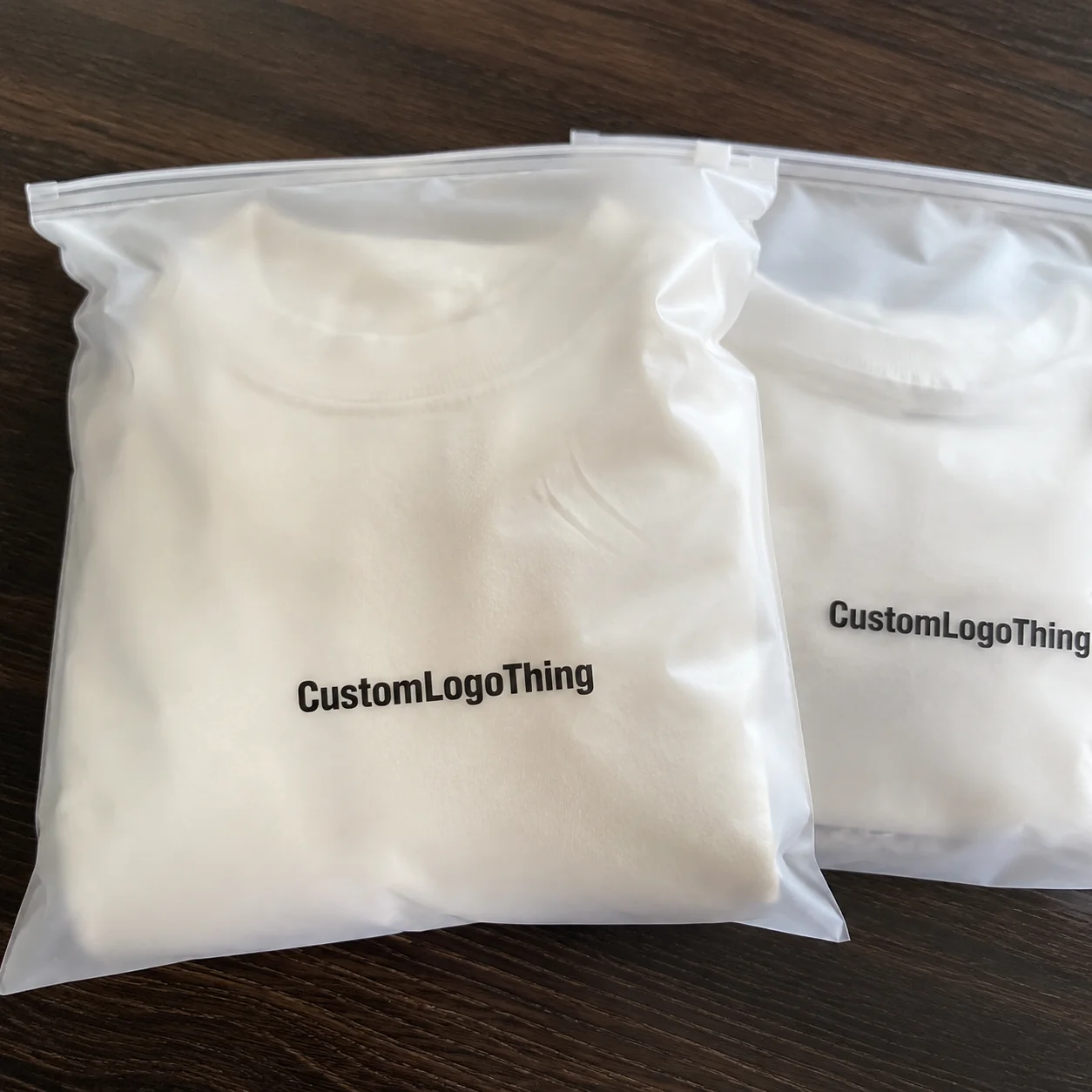
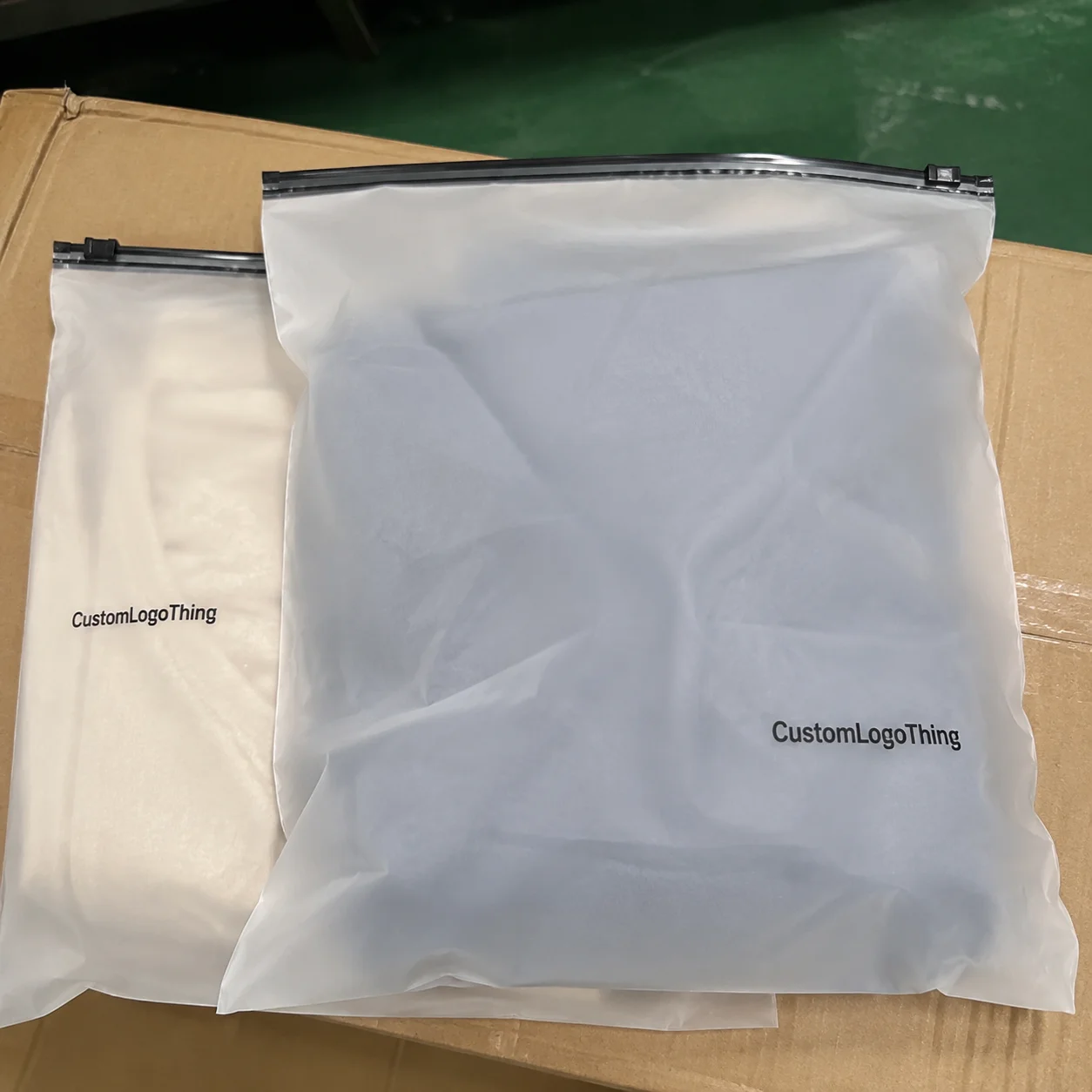
Custom Slider Lock Clothing Bags for coffee brands do a very specific job: they hold folded apparel or small merch items, make the package feel finished, and keep the product looking intentional from packing table to shelf. That matters more than most teams expect. A bag that closes cleanly and presents well supports the product inside. A bag that feels flimsy or awkward can make even good merch look underdeveloped.
For coffee brands, the packaging brief is often broader than people assume. There may be roasted coffee, apparel, gift sets, subscription extras, and event merchandise all living under the same visual system. A clothing bag has to fit into that mix without looking generic or overdesigned. The best versions are practical first: easy to pack, easy to inspect, and polished enough to feel like part of a retail packaging program rather than an afterthought.
That is why the closure matters so much. The slider lock is not decoration. It is a functional detail that changes how the bag handles, how it reads on display, and how much confidence a packer has when sealing it. If the spec is right, the bag feels premium without trying too hard.
Practical rule: if the bag will be opened, checked, or reclosed more than once, the closure spec is part of the brand experience, not just a mechanical detail.
Why custom slider lock clothing bags for coffee brands feel premium
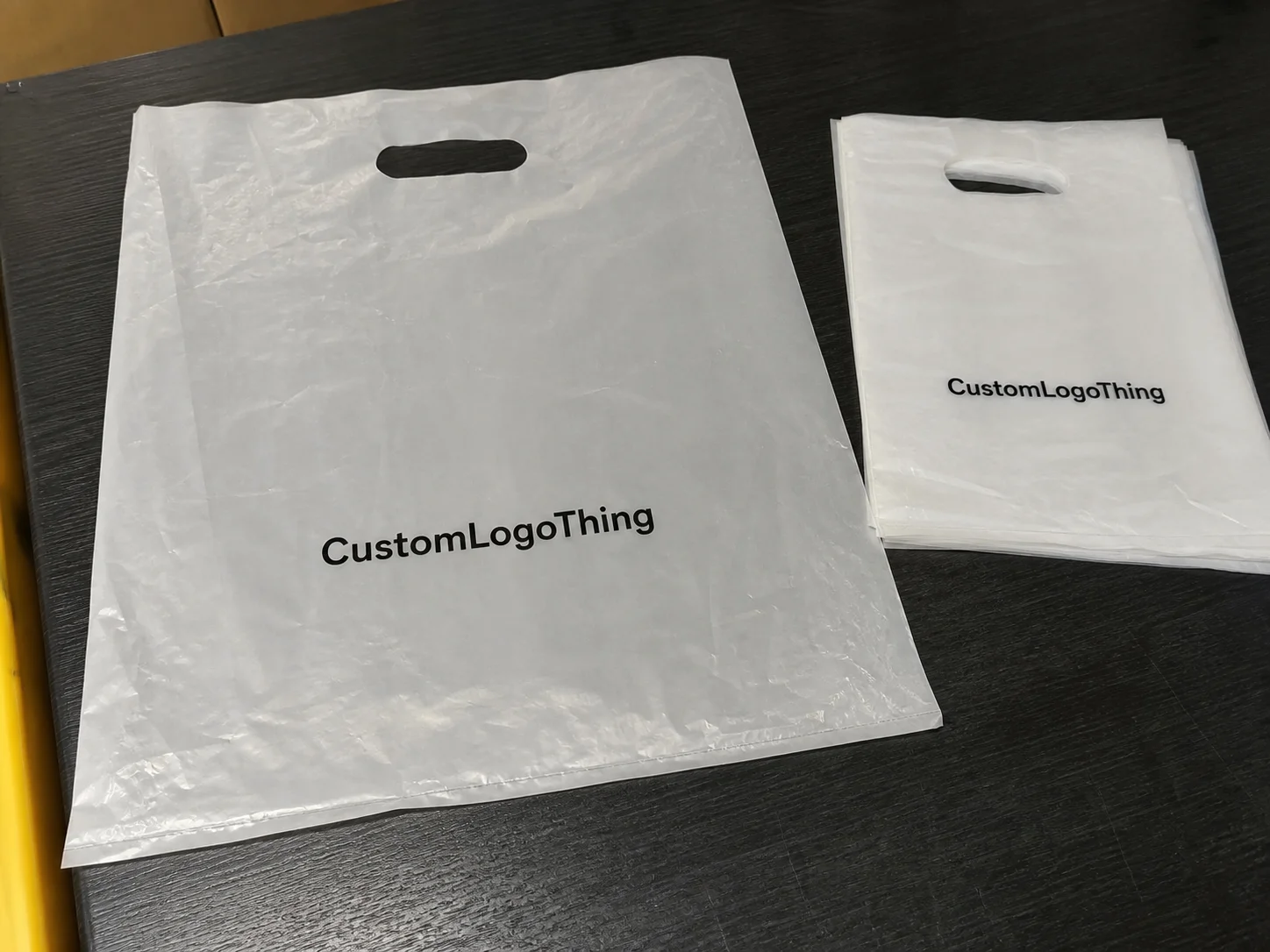
Most packaging decisions are judged first by surface appearance, but the closure usually has more influence than the artwork. With Custom Slider Lock Clothing Bags for coffee brands, the first tactile impression is the slider moving along the seal. That motion tells people the bag was designed for repeated handling, not single-use containment. It signals a higher level of finish before they have even looked at the logo.
That detail becomes useful in retail settings, pop-ups, and direct-to-consumer shipments where merch may be inspected before sale or reopened after packing. A slider lock gives the bag a more deliberate feel than a basic press seal. It also reduces the small operational annoyances that show up during fulfillment, like partially closed tops or bag edges that do not align cleanly after a quick seal.
For coffee brands, that matters because merch often carries the same visual weight as the coffee itself. A hoodie, tote, or hat packed in a clean slider bag feels like part of a considered launch. The same item in a generic sleeve looks like inventory. The difference is subtle on paper and obvious in hand.
That said, the closure should earn its place. If the bag only needs to be sealed once and never reopened, a more basic closure may be enough. If the item is valuable, handled frequently, or displayed in a way that invites inspection, the slider is the better choice. The value is in usability as much as presentation.
Another reason these bags work well for branded merch is that they avoid visual noise. Coffee brands usually already have a lot happening in their packaging system: roast labels, origin notes, case cartons, inner wraps, and promotional inserts. A clothing bag with a clear structure, a strong mark, and a controlled amount of print supports the system instead of competing with it. That is usually where the strongest designs land.
For brands building out a broader packaging program, the same logic used in Custom Packaging Products applies here: choose the format that matches the use case, not just the mockup. A good-looking package that works poorly is still a bad package.
How the slider-lock closure changes day-to-day use
The mechanism is straightforward. The slider runs along the track and compresses the seal as it moves. In practical terms, that is easier to manage than forcing a full seal by hand, especially when the bag is slightly full or the pack line is moving quickly. It turns the closing action into a repeatable step instead of a judgment call.
That repeatability matters in warehouse and fulfillment work. A closure that is easy to see and easy to feel helps reduce partial seals, which in turn lowers rework. A bag that is not fully closed can make the whole order look careless, even if the product inside is fine. That kind of failure is small, but expensive.
It also matters in customer-facing situations. At a coffee pop-up or retail counter, staff may open the bag to confirm the item, then reclose it in front of the buyer. A slider closure handles that sequence better than an adhesive flap or a weak zip seal. The interaction feels more controlled, and the package comes back to its original shape more reliably.
Compared with other closure options, the tradeoff is simple. Standard zip locks are cheaper and are fine for basic containment. Adhesive seals make sense when the item will be opened once and discarded. Hang-sell formats work for some apparel, but they are not always the best fit for folded clothing or merch sets. The slider adds value when repeat-open convenience, customer perception, and packing accuracy all matter at the same time.
There is also a material-side effect. The closure hardware changes the top section of the bag, which can affect stiffness and how the package sits after sealing. That is one reason a clothing bag spec should be built around the actual product, not a generic template. A tote bag and a heavyweight hoodie do not behave the same way in the same bag.
For coffee brands, the best version is usually the one That Feels Premium without becoming flashy. The closure does not need to announce itself. It just needs to work consistently and support the rest of the package.
Film, gauge, and barrier choices that affect protection
Material selection shapes almost everything customers notice. Clear polyethylene is common when visibility matters, because the product can be seen immediately and the package reads cleanly on a shelf or in a shipment. Frosted film softens the look and hides scuffs better. If the brand wants the merch to feel calmer or more elevated, frosted stock can do that without extra graphics.
Gauge is the next decision. Thinner film lowers cost and keeps the bag light, but it can feel soft or wrinkle easily, especially around structured apparel. Thicker film gives more body, better puncture resistance, and a more confident hand feel. For Custom Slider Lock Clothing Bags for coffee brands, many buyers end up in the middle range because they need enough stiffness to frame a folded garment without making the package bulky or expensive.
Barrier requirements should stay tied to the actual use case. Apparel merch usually needs presentation and handling protection more than advanced moisture or oxygen control. If the bag is being used for something closer to food or coffee-related storage, the structure changes and the spec needs to be reevaluated from the ground up. Reusing an apparel spec for a different product is a quick way to create disappointing packaging.
Print layout also interacts with the film choice. A clear bag can look sharp with restrained artwork and a strong logo, but heavy ink coverage can make the package feel muddy or visually dense. This is where packaging design needs discipline. Empty space around the product is useful. It gives the eye a place to rest and lets the merchandise stay visible.
Fit is not a minor detail. If the bag is too tight, the folded item wrinkles and the top line looks strained. If it is too loose, the product floats inside and the package feels underfilled. That is a common failure in retail packaging: a bag can match the dimensions on paper and still look wrong because the proportions do not suit the product.
Typical buyers also ask how much testing is enough. A decent sample check should include closure travel, seal consistency, edge finish, and whether the bag still looks tidy after the product has been inserted and removed a few times. For shipping validation, some teams use standards from ISTA so the packaging is tested against real handling, not guesswork. That is a practical approach, especially if the merch is moving through multiple touchpoints before it reaches the customer.
For a rough comparison, the tradeoffs usually look like this:
| Option | Typical use | Relative cost | Presentation | Protection |
|---|---|---|---|---|
| Clear PE, standard gauge | Light apparel, tote bags | Low | Clean and visible | Basic |
| Clear or frosted PE, medium gauge | Hoodies, folded tees, merch sets | Moderate | Retail-ready | Better stiffness and puncture resistance |
| Heavier structure with added barrier | Higher-value merch or tougher shipping conditions | Higher | More controlled and premium | Improved protection |
Cost, MOQ, and unit pricing tradeoffs
Price is usually where the useful questions start. Material thickness, bag dimensions, print complexity, closure style, and order volume all affect the quote. Change all of them at once and the numbers become hard to compare. A better approach is to lock the spec first, then test cost changes one variable at a time.
MOQ matters too. Custom packaging becomes more economical at higher volumes, but small runs often carry a sharper per-unit cost because setup is spread across fewer bags. That does not automatically make a small run a bad decision. It just means the buyer should evaluate value across the whole program, not just the invoice.
For custom Slider Lock Clothing Bags for coffee brands, a realistic unit price range depends heavily on size and print. A simple run in a common size with minimal print will usually sit lower than a larger, heavier, multi-color version. The useful comparison is not just per-unit price, but landed cost, packing speed, and how the bag affects the perceived value of the merch inside.
There are a few common cost traps worth calling out:
- Specifying more barrier performance than the product actually needs.
- Adding unnecessary print colors or full-coverage graphics that drive setup cost.
- Choosing an oversized bag that wastes film and freight space.
- Ignoring pack-out speed when the closure or bag size slows the team down.
- Ordering a finish that looks premium in isolation but clashes with the item inside.
A useful quote request usually includes two or three sizes, the same closure style, and one or two print variants. That gives a better comparison than asking for a single loose estimate. If you want pricing that can be reviewed properly, keep the spec sheet tight and ask for lead time and shipping cost at the same time. Unit price alone is never the full picture.
There is also a practical distinction between cost and value. A slightly more expensive bag may reduce damage, improve presentation, and speed fulfillment. If those gains are real, the bag may be cheaper in program terms even if the line item is higher. That is the part buyers often miss when they focus only on purchase price.
If you want to see how packaging decisions fit into a larger merch rollout, the best material usually shows up in working Case Studies, where sizing, handling, and fulfillment constraints are visible instead of hidden behind finished photography.
Process and lead time: from spec sheet to shipment
The workflow is usually predictable: confirm size, choose material, prepare artwork, review the sample, approve production, then ship. Delays usually happen when one of those steps is underdefined. A slow buyer can move the timeline more than a busy factory can. Missing measurements, vague print notes, and last-minute changes are the usual culprits.
Lead time depends on the order size, whether the bag is custom printed, the film structure, and how many approval rounds are needed. A straightforward run with a locked spec can move faster than a complex build with multiple revisions. The safest scheduling method is to ask for a calendar that includes proof approval, production start, QC, and shipping rather than relying on a rough estimate.
Proofing needs a little caution. A digital proof is useful for layout, logo placement, typography, and basic color direction. It is not enough to judge feel, closure action, or how the bag will behave once filled. If the package has a brand-facing role, a physical sample is the better test. Screen images can hide the things that matter most in hand.
For buyers who want fewer surprises, a single-SKU pilot is usually the cleanest starting point. One artwork version. One realistic size. One person responsible for sign-off. That is not glamorous, but it reduces decision drift and gives the team a real reference for future runs.
Quality control is where a lot of packaging programs succeed or fail quietly. Useful checks include seal continuity, slider travel, print registration, edge trimming, bag width consistency, and whether the product sits properly inside after insertion. If the spec is for apparel, the bag should also be checked with the garment folded the way it will actually ship. A spec that works only with a perfect sample fold is not very useful.
Common mistakes that make the bag look cheap
The fastest way to make a premium package look ordinary is to overfill it with graphics. Oversized logos, too much copy, low contrast, and crowded placement near the top track all make the bag feel busy. The eye needs room to understand the hierarchy. If the closure, artwork, and product are all competing for attention, the package starts to look improvised.
Size problems are just as visible. A bag that is too small will wrinkle the garment and pull the edges tight. A bag that is too large looks hollow and makes the merch seem less valuable. The dimensions need to support the folded item, the slider track, and the visual framing of the product. That proportion work is easy to underestimate and hard to fix later.
Finish quality can also sink the result. Cloudy film, weak transparency, inconsistent print density, or a rough seal line all create the impression that the product cost less than it did. The bag does not need embellishment. It needs to look clean. That usually comes from controlled materials and disciplined artwork rather than from adding more elements.
Fulfillment mistakes matter too. Mixing SKUs, skipping inspection steps, or choosing a closure that slows pack-out can turn a good spec into a frustrating one. If the team packing the bags finds them awkward, they will treat them like a problem. That tends to show up in the final customer experience.
My blunt read is that premium packaging is mostly restraint. Fewer elements, clearer spacing, and a closure that behaves consistently usually outperform a dense layout or a complicated finish. That is especially true for coffee brands, where the bag should support the merch rather than fight it.
Next steps for sampling, approval, and rollout
Start with one SKU. One artwork version. One realistic size. That is usually the best path because it tests the actual use case without dragging the team into a long revision cycle. Before placing a full order of custom Slider Lock Clothing Bags for coffee brands, check whether the product fits cleanly, whether the slider feels solid, and whether the print still reads well from a normal viewing distance.
A sample checklist should cover the points people forget to ask about:
- Closure feel and ease of reclose.
- Seal strength across the full track.
- Print clarity and color contrast.
- Transparency or frosted finish quality.
- How the bag looks after repeated handling.
It helps to gather feedback from the people actually packing the product. Ask whether insertion is fast, whether the closure slows the line, and whether the bag size creates waste. Those comments are often more useful than polished renderings. A bag that looks good in a presentation but causes friction in the pack area needs another round of work.
Compare at least two quotes on the same spec sheet. Not similar quotes. The same size, same film, same closure, same print assumptions. Then weigh unit price against lead time, finish quality, and how much labor the bag consumes during packing. If a supplier cannot quote clearly, that is information worth paying attention to.
For coffee brands building a broader merch or retail packaging system, the clothing bag should feel connected to the rest of the line. The same care that goes into custom printed boxes and other product packaging should carry through here. That is how package branding stays coherent. In the end, the strongest result comes from a tight spec, honest sampling, and a bag that fits the way the product is actually used.
Are slider lock clothing bags good for coffee brand merch?
Yes. They work well for apparel, hats, and small gift items when the goal is a clean retail presentation and a closure that can be opened and closed more than once.
What size custom slider lock clothing bags do coffee brands usually need?
Most teams size the bag around the folded product, not the garment label size. Leave enough room for the slider track and some slack so the item does not wrinkle or bow the film.
How much do custom slider lock clothing bags for coffee brands cost?
Price depends on bag size, film thickness, print complexity, and order volume. The most useful quote compares the same spec in more than one size so you can judge the real tradeoff.
How long does production usually take?
Lead time depends on sample approval, artwork readiness, and volume. The schedule stays tighter when the spec is locked before production starts and proof changes are kept to a minimum.
Can slider lock clothing bags be printed with a coffee brand logo?
Yes. Most custom runs can include logos, short copy, and simple brand graphics. Keep the layout controlled so the print works with the closure, the transparent areas, and the product inside.