Buyer Fit Snapshot
| Best fit | Custom Soap Boxes with Inserts projects where brand print, material claims, artwork control, MOQ, and repeat-order consistency need to be specified before quoting. |
|---|---|
| Quote inputs | Share finished size, material target, print colors, finish, packing count, annual reorder estimate, ship-to region, and any compliance wording. |
| Proofing check | Approve dieline scale, logo placement, barcode or warning zones, color tolerance, closure strength, and carton packing before bulk production. |
| Main risk | Vague material claims, crowded artwork, missing packing details, or unclear freight terms can make a low unit price expensive after revisions. |
Fast answer: Custom Soap Boxes with Inserts: Fit, Protect, and Sell should be specified like a repeatable production item. The safest quote records material, print method, finish, artwork proof, packing count, and reorder notes in one written spec.
Production checks before approval
Compare the actual filled-product size with the drawing, then confirm tolerance on folds, seals, hang holes, label areas, and retail display edges. Reserve space for logos, QR codes, warning copy, and material claims before decorative graphics fill the panel.
Quote comparison points
Review material grade, print process, finish, sampling route, tooling charges, carton quantity, and freight assumptions side by side. A quote is only useful when the supplier can repeat the same color, closure quality, and packing count on the next order.
Custom soap Boxes With Inserts solve a very specific packaging problem: soap moves more than people expect. A bar can look perfect on the packing table and still reach the customer with rubbed edges, shifted placement, or a chipped corner because it had room to wander inside the carton. I have seen that happen with wrapped bars, unwrapped artisan bars, and even premium gift sets that looked secure on paper but behaved badly once they hit real transit. That is why custom soap boxes with inserts are not just a nicer version of product packaging; they are a structural choice that affects damage rates, shelf presentation, and the money spent on preventable mistakes.
From a packaging buyer’s point of view, the insert is doing quiet but important work. The outer carton carries the print, the branding, and the retail presence. The insert holds the bar steady, centers it for display, and keeps the pack from turning into a rattling nuisance during transit. Brands selling premium bath bars, gift sets, or subscription kits often find that custom soap boxes with inserts are the difference between packaging that feels deliberate and packaging that feels guessed at. That difference is subtle on a screen render, but it becomes obvious the moment you hold the sample in your hand.
For teams building branded packaging or tightening package branding, the insert is where design meets reality. It is easy to spend all the attention on custom printed boxes and forget the component keeping the soap from slamming around inside them. That creates problems fast. A beautiful box with a loose bar inside is just a polished shell with a weak core, and customers can feel that mismatch right away.
Custom Soap Boxes with Inserts: Why the Insert Matters
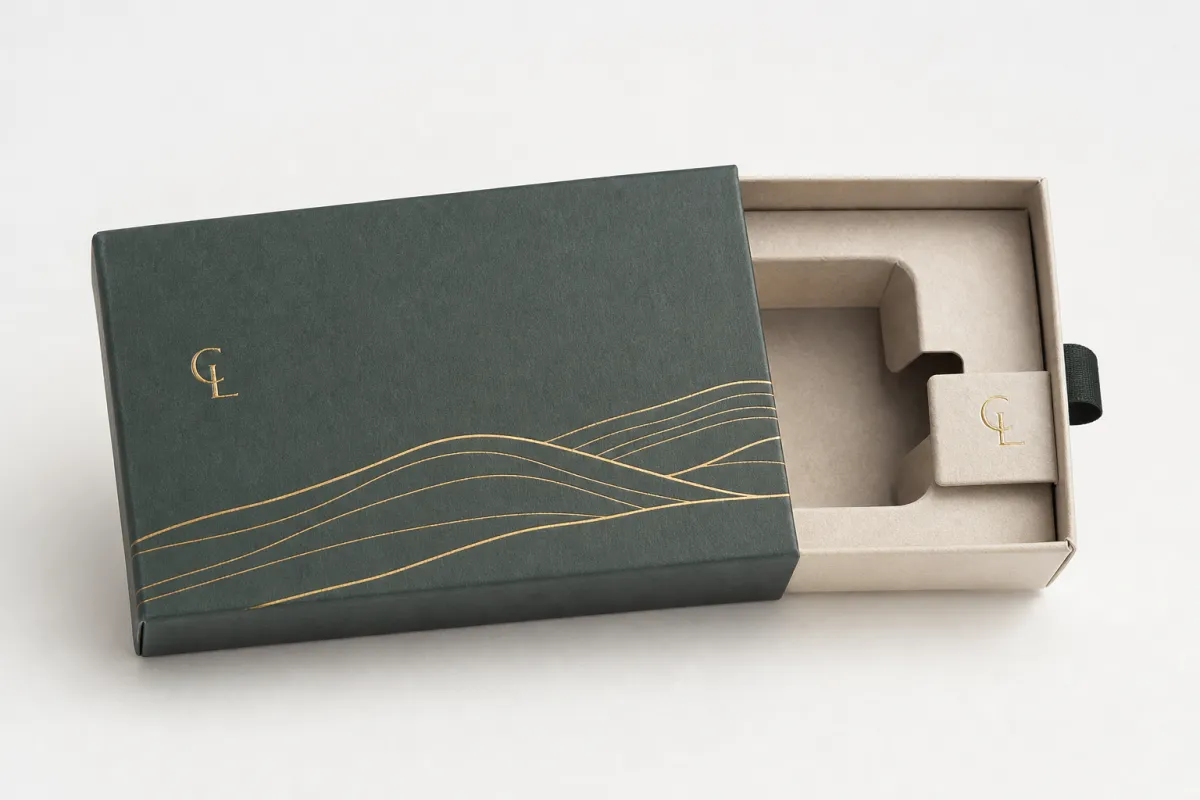
Soap is denser and harder than many cosmetic products, yet it is far from indestructible. Edges chip. Wrapped bars rub. Embossed logos scuff. Handmade soaps often vary by a millimeter or two, which sounds minor until they are placed in a carton with too much room. That is where custom soap boxes with inserts earn their place. They stop lateral movement, reduce abrasion, and keep the front of the bar facing the display panel instead of rotating sideways while the package is in motion.
There are several situations where custom soap boxes with inserts pay off quickly. Fragile bars with sharp corners need a tighter cradle. Premium gift sets need each piece in the same location every time. Subscription kits need to survive sorting, handling, and parcel transit. Multi-SKU bundles need separation so the scents do not collide visually or physically. If orders travel a long distance, the insert is not decorative; it is the least expensive way to avoid damage that turns into refunds. In practice, that is usually where the savings show up first.
The shelf factor matters too. A centered soap bar looks more refined. It photographs better. It gives the customer a cleaner first impression the moment the flap opens. That matters more than many people want to admit. Good packaging design does more than protect the product; it frames the reveal. Custom soap boxes with inserts are valuable because they control that frame. Nobody wants a bar sitting at an angle, half-hidden, or jammed so deep into the carton that it has to be pried out like a stuck drawer.
Think of the outer box as the story and the insert as the pacing. A lot of brands spend their effort on the story and then act surprised when the product arrives looking tired. Custom soap boxes with inserts are the practical answer. They tell the buyer that someone planned the package with the product in mind, not just the artwork.
A soap box should do three things at once: hold the bar, protect the edges, and present the product like someone took the time to engineer the pack properly.
If you are still early in the sourcing process, it helps to separate the structure from the graphics. The structure decides whether the soap survives. The graphics decide whether someone wants to pick it up. Both matter, but they do not do the same job. For the broader carton side, our Custom Packaging Products page is a useful place to compare box styles before you lock in the insert.
Another practical point deserves attention: custom soap boxes with inserts are not only about luxury. Plenty of brands use them because they reduce returns and make fulfillment cleaner. A pack that stacks better, ships flatter, and arrives in better shape saves time on the back end. That part is less glamorous, yet it is where margins usually hide. If you are handling production or purchasing, that is the kind of detail that keeps a program from drifting into avoidable waste.
How Custom Soap Boxes with Inserts Are Built
Most custom soap boxes with inserts use a two-part structure. The outer package is usually a folding carton, tuck-end box, sleeve, or rigid setup box. Inside that, an insert is shaped to fit the exact soap or assortment. The insert can be paperboard, molded pulp, foam, or a die-cut corrugated tray. If the bar has an unusual shape, the insert often gets a custom cavity so the product sits with just enough clearance to avoid crushing a wrapper or denting delicate edges.
Fit is where packaging either behaves or causes trouble. The insert should stop side-to-side movement without squeezing the soap so hard that the wrapper distorts or soft corners dent. Wrapped bars require allowances for paper thickness, glue points, and folds at the back. Unwrapped artisanal bars bring their own complications, including moisture, texture, and small dimensional changes from batch to batch. A one-millimeter mismatch sounds harmless until vibration testing makes the bar rub against the cavity wall. That is the kind of issue that can sneak past a quick visual check and show up later in customer complaints.
The common insert styles are straightforward. Single-cavity trays work for one bar. Folded locks and locking tabs center the product with little material. Multi-slot inserts organize bundles or variety packs. Display-ready cavities show part of the soap face for retail packaging while keeping the back and sides restrained. In some custom soap boxes with inserts, the insert also serves as a presentation platform, so the product feels nested rather than packed.
Material choice affects both the feel and the economics. Paperboard inserts are usually the simplest to recycle and the easiest to score or print. Molded pulp brings a more natural look and useful shock absorption. Foam protects well, but it can fight clean beauty branding or sustainability goals unless the whole pack is built around that aesthetic. When the goal is a more eco-conscious direction, FSC-certified paperboard and molded fiber are easier to justify than plastic-heavy options. For fiber sourcing standards, FSC is worth reviewing directly at fsc.org.
Assembly matters just as much. Some custom soap boxes with inserts ship flat and are folded during packing. Others arrive pre-formed, especially Rigid Gift Boxes and layered inserts. Flat-packed structures are easier on freight and warehouse storage. Pre-formed structures can save setup time in some operations, though they also consume more space and can raise shipping costs. For a higher-volume run, the packing-line question is simple: how many seconds does each unit add, and does that extra handling actually buy stronger protection?
One detail many buyers overlook is that an insert is not only a shape, it is a process decision. If it takes too long to assemble, labor cost rises. If it ships bulky, freight cost rises. If it is too flimsy, damage rises. Custom soap boxes with inserts should be judged as one system, not by the sample sitting neatly on a desk.
For brands comparing custom printed boxes with different internal structures, the safest move is to request the outer carton and the insert spec together. Changing one later often forces a structural change on the other. The same logic applies across custom printed boxes and the inserts that sit inside them.
Cost and Pricing for Custom Soap Boxes with Inserts
Pricing custom soap boxes with inserts is less about one clean number and more about a stack of decisions. Box style, board thickness, print coverage, coating, insert material, tooling, and order quantity all shape the price. A plain folding carton with a simple paperboard insert can be quite reasonable at scale. A rigid gift box with a layered insert and specialty finish can climb quickly. Packaging buyers who ask only for “a quote” usually get a number that does not mean much. Better to compare actual scenarios and make sure the quote reflects the structure you actually want.
For a realistic range, a basic folding carton with a die-cut paperboard insert might land around $0.22 to $0.45 per unit at 5,000 pieces, depending on print coverage and finish. Molded pulp inserts often sit a little higher or lower depending on tooling and cavity depth, roughly $0.28 to $0.60 per unit at that same volume. Rigid custom soap boxes with inserts can move into the $0.95 to $2.50 range per unit, sometimes more if the structure uses heavy board, foil, soft-touch lamination, or a complex nested tray. At 500 units, the unit price is usually far less friendly. Low volume leaves less room to hide setup cost.
MOQ pressure is real. If the insert needs a custom die or a molded tool, the upfront charge can be a few hundred dollars or well over a thousand, depending on complexity. A simple paperboard die costs less than a molded cavity tool. A multi-compartment insert costs more than a single-bar cradle. If someone promises ultra-low pricing with a custom fit and no tooling charge, the missing cost is probably sitting somewhere else in the job. That is usually the first place I look when a quote feels too good to be true.
Shipping and storage can change the math more than the print upgrade does. Flat-packed inserts cut freight and take less warehouse room. Pre-formed inserts take up more space and may need more careful packing. If the fulfillment model ships thousands of units a month, those inches matter. A bulky insert can look cheap on paper and expensive in real life because every pallet carries less product.
Here is a simple comparison to use during quote reviews:
| Packaging Option | Best For | Typical Unit Impact at 5,000 | Pros | Tradeoffs |
|---|---|---|---|---|
| Folding carton + paperboard insert | Retail bars, starter SKUs, lighter gift packs | $0.22-$0.45 | Good print surface, easy to source, compact shipping | Less shock absorption than molded options |
| Folding carton + molded pulp insert | Eco-forward branding, transit-heavy orders | $0.28-$0.60 | Natural look, decent cushioning, strong sustainability story | Tooling can raise startup cost; finish is less premium |
| Rigid box + layered insert | Premium sets, gifting, limited collections | $0.95-$2.50 | High shelf appeal, strong perceived value, better presentation | Higher freight, higher material cost, more assembly work |
| Foam insert + specialty box | Protective shipping, fragile assortments | $0.80-$2.00 | Excellent hold, strong impact protection | Can fight recyclable or clean-label positioning |
That table is not a quote. It is a reality check. If a supplier gives you a price that sits far below those ranges, ask what was removed. Usually it is board weight, finish quality, tooling, or the insert specification itself. The cheapest custom soap boxes with inserts are rarely the least expensive once returns, replacement units, and damaged presentation samples are added back in.
For larger orders, ask for pricing at 500, 1,000, and 5,000 units. That shows where the curve drops. Sometimes the difference between 1,000 and 5,000 is large enough to justify a bigger launch run. Other times the savings are modest, and the better move is to stay smaller until the product proves itself. The right decision depends on sell-through, not ego.
If you are weighing branding against budget, remember that custom soap boxes with inserts are part of the product packaging experience, not a separate expense tacked on at the end. A clean insert can make a modest box feel more refined than a loud box with poor structure. That is why a smart buyer compares total system cost, not just the carton line item. The packaging has to hold up in use, not just in a sales deck.
Process and Timeline for Custom Soap Boxes with Inserts
The production path for custom soap boxes with inserts is fairly predictable if each step gets proper attention. It usually starts with a brief, then a dieline or structural layout, followed by a sample, an artwork proof, a prototype, approval, production, packing, and delivery. Some suppliers blur those stages together, which is how people end up approving artwork on a structure that was never tested correctly. That mistake costs time and money for no good reason.
The first thing a supplier needs is accurate product information. Finished soap dimensions. Wrapped dimensions if the bar is packaged. Target box style. Print method. Finish. Quantity. Whether the insert needs to hold one bar, a set, or a mixed assortment. If the product varies a little from batch to batch, say that upfront. Custom soap boxes with inserts are only as reliable as the measurements that shape them.
Delays usually show up in three places. First, vague dimensions. Second, artwork revisions after the proof is already circulating. Third, insert changes after the sample reveals that the soap sits too deep, rides too high, or rattles when the carton is shaken. Each revision costs time. Each revision is avoidable if the team uses a proper structural sample instead of pretending the screen mockup is the same as the physical pack.
Lead times vary with complexity, though practical ranges help. A simple paperboard carton with a straightforward insert can often move in about 12 to 15 business days after final proof approval. More complex custom soap boxes with inserts, especially rigid boxes or specialty finishes, may take 18 to 30 business days depending on tooling and the number of revisions. If the insert requires a custom mold or unusual forming steps, build in more time. Launch calendars have a habit of looking neat right up until production begins, so give yourself a little breathing room.
A physical sample is worth more than a stack of emails. Photos show print intent. A real sample shows fit. You can hear whether the bar rattles. You can feel whether the cavity scratches the wrapper. You can tell whether the soap is too snug, which matters because a tight cavity can scuff edges as soon as the board flexes. This is also where test methods matter. For parcel transit, many teams use ISTA protocols, including the common drop, vibration, and compression patterns defined for e-commerce shipping. If you want a reference point for shipping tests, ista.org is a useful resource.
Some brands skip testing because the pack looks fine in hand. That is not testing. That is hope wearing a sample. A better approach is to test the box under the conditions it will actually face: parcel carrier handling, warehouse stacking, climate swings, and repeated opening and closing if the box is meant for retail display. ASTM D4169 is another standard many packaging teams reference for distribution testing, especially when the product has to survive more than one handling touchpoint.
For companies that need a broader packaging program, it helps to align custom soap boxes with inserts with the rest of the line early. If the wrapper, carton, and insert all come from different assumptions, the assembly team becomes the place where those assumptions fall apart. Coordinating with Custom Packaging Products before final approval can keep the structure, artwork, and fulfillment plan moving in the same direction.
Key Factors That Decide Fit, Protection, and Shelf Appeal
The soap itself drives more of the structure than most buyers expect. Exact dimensions matter, but so do corner shape, embossing depth, wrapper thickness, and moisture level. A round bar behaves differently from a rectangular one. A beveled bar behaves differently from a squared one. Handmade soap may shrink slightly over time, which means the cavity has to allow a little room without becoming sloppy. Custom soap boxes with inserts work best when the insert is built around the product’s real behavior, not only its spec sheet.
Brand position matters too. A luxury bar usually wants a tighter visual fit, heavier board, and a cleaner opening moment. A refill pack can tolerate a simpler insert if the goal is efficient shipping and repeat ordering. A gift set may need more separation and a more polished reveal. A mass-market bath soap can often use a simpler structure because the customer is paying for function first. That does not make the pack less important. It simply changes the definition of good.
Retail packaging and shipping packaging are not the same thing. Retail-facing custom soap boxes with inserts can prioritize display, tactility, and the unboxing sequence. E-commerce packs need crush resistance, better gap control, and enough internal stability to handle parcel handling. Too many brands try to use one structure for both channels and end up with something mediocre at both jobs. A shipping-first pack can look plain on shelf. A shelf-first pack can fail in transit. Pick the channel that matters most and design around that first.
Sustainability is another major filter. Buyers increasingly ask for recyclable board, FSC-certified stock, and plastic-free inserts. That request is reasonable. It is also where tradeoffs show up. Paperboard and molded pulp are often easier to position as responsible choices. Foam can protect better in some situations but may conflict with a natural brand story. The best answer is not a slogan. It is a packaging decision that fits the soap, the channel, and the customer promise without pretending compromise does not exist.
Finish strategy should support the structure, not hide a weak one. Matte coating softens the look. Soft-touch adds a premium hand feel. Foil can spotlight a logo. Spot UV can create contrast. None of that fixes a bad insert. In fact, once a box feels expensive, a sloppy cavity looks worse. That is the trap. Custom soap boxes with inserts should earn their premium through fit first, then finish. Put the money where the customer notices it most.
Assembly speed can also change how shelf appeal lands in the real world. If the insert is fiddly, product gets packed inconsistently. If the bar sits too deep, the opening moment feels hidden. If the soap shifts during transport, the first impression drops. The best custom soap boxes with inserts are the ones that make the packing line boring and the customer experience polished. Boring on the line is a good sign. Boring to the customer is not.
For anyone comparing custom printed boxes across multiple SKUs, consistency across the line matters. Same base height, same fold style, similar opening logic. That makes replenishment simpler and strengthens package branding because the collection feels intentional instead of patched together. Good branded packaging is usually a system, not a one-off.
Common Mistakes with Custom Soap Boxes with Inserts
The first mistake is obvious once you have seen it enough times: the cavity is too tight or too loose. Too tight, and the edges scuff or the wrapper wrinkles. Too loose, and the soap slides, rattles, or flips sideways. Buyers sometimes ask for a snug fit without specifying whether the bar is wrapped, coated, or still curing. That is how custom soap boxes with inserts turn into an exercise in apology instead of protection.
Skipping testing is another classic. The sample looks fine on a desk, so someone signs off. Then the product ships across hot warehouses, cold trucks, and vibrating parcel networks. The box fails in the real world and suddenly everyone is surprised that gravity still matters. Real testing should reflect how the soap will be handled. If the box is headed for shipping, test it that way. If it is headed for retail display, test the opening and shelf behavior too.
Overdesign causes its own damage. Fancy foil, heavy lamination, and a clever insert do not rescue a structure that cannot hold the bar correctly. A beautiful box with a bad cavity is just expensive trash dressed for a photo shoot. The better move is to solve the structure first, then spend on the finish that supports the product story. That is a more mature use of budget than stacking effects on top of weak engineering.
There is also a channel mismatch problem. Some custom soap boxes with inserts are designed like boutique retail packaging but are sold mostly through direct-to-consumer shipping. That usually means the pack looks great on shelf and gets battered in transit. The reverse happens too: a box built to survive shipping can look too plain for a retail buyer standing under bright lights. If the channel mix is split, the structure should reflect the split instead of pretending one version will satisfy both.
Another mistake is approving artwork before the structure. If the insert changes later, the layout may need to shift too. Window placement, fold direction, text spacing, and logo alignment can all be affected. That leads to extra proofs, extra time, and sometimes extra tooling cost. Smart teams lock the structure first and then fine-tune the graphics. Custom soap boxes with inserts are easier to manage when the engineering decision comes before the art gets attached to a bad dieline.
Climate matters as well. Soap can be sensitive to moisture and heat. If a wrapped bar softens in transit or changes shape slightly, the cavity spec approved in a cool studio may not hold up in a warmer warehouse. That is not a rare edge case. It is normal packaging behavior. For brands shipping across seasons or regions, this is exactly why custom soap boxes with inserts should allow a little tolerance instead of relying on a perfect room-temperature sample.
For brands building a broader product line, the mistake is often inconsistency. One SKU gets a premium insert, another gets a loose cavity, and the series loses cohesion. Good branding is repetition with intention. If the rest of the line uses branded packaging options, the soap pack should not look like it wandered in from a different project.
Expert Tips and Next Steps for Better Soap Packaging
Measure the soap three times: finished size, wrapped size, and packed size. The last number is the one that matters for the insert. A wrapped bar can gain more bulk than expected once paper thickness, folds, or a printed belly band enter the picture. If the insert is built around the naked bar but the final product ships wrapped, the spec is already off. Custom soap boxes with inserts need the real dimension, not the optimistic one.
Ask for a sample in the actual material, not a stand-in. A lookalike insert can hide fit problems. Paperboard behaves differently from molded pulp. Foam behaves differently from folded board. If the supplier sends a substitute just to show the concept, treat that as a concept, not a sign-off sample. Real fit only appears in real material. That sounds obvious, yet teams still skip it when the schedule starts getting a little tight.
Choose the insert based on the primary selling channel first. If shipping is the main risk, prioritize hold and protection. If shelf appeal is the main goal, prioritize presentation and a clean opening moment. Then refine the finish around that decision. This order saves money because it keeps you from paying for the wrong kind of good looks. Custom soap boxes with inserts should support the channel, not argue with it.
Request at least two insert options in the quote. One should be the budget-conscious version. The other should be the stronger or more premium version. That makes it easier to compare unit cost, assembly time, and protection instead of guessing. The better insert may add only a few cents yet cut enough damage to pay for itself quickly. In other runs, the simpler option is enough. Either way, the decision comes from numbers instead of vibes.
Use the quote review to check for hidden costs. Ask what the tooling fee is, whether the sample cost is separate, whether shipping is included, and whether the insert is quoted flat-packed or pre-formed. A low unit price can hide a painful setup charge. A cheap insert can inflate freight. A polished carton can become expensive if assembly takes too long. Custom soap boxes with inserts should be judged on total landed cost, not the headline number that starts the conversation.
Here is a practical launch checklist:
- Confirm the soap dimensions in wrapped and unwrapped form.
- Lock the insert material before final artwork approval.
- Ask for a structural sample and test it with the real bar.
- Review assembly time with the packing team, not just procurement.
- Compare the pricing at 500, 1,000, and 5,000 units.
- Check whether the design needs retail presentation, transit protection, or both.
If you get those six things right, the pack is already ahead of most of the category. That is not an exaggeration. A lot of soap packaging fails because someone treated structure as an afterthought. Custom soap boxes with inserts work best when they are planned as a system: the product, the insert, the carton, the print, and the channel all moving in the same direction.
There is also a practical business point here. If you are building custom soap boxes with inserts for a launch, think beyond the first shipment. Reorders matter. So do lead times, shelf consistency, and how easy the pack is to explain to the next person on the team. The strongest packaging programs are the ones that still make sense six months later, after the campaign ends and the product is just doing its job.
Final Take on Soap Packaging
Custom soap boxes with inserts are not fancy padding. They are a controlled fit system that helps the product survive handling, look better on shelf, and reduce avoidable waste. If the bar moves, the box is not done. If the insert crushes the soap, the box is not done. If the structure looks nice but costs too much to assemble, the box is not done. That is the blunt version, and it is usually the one that saves money.
The best custom soap boxes with inserts balance protection, presentation, and cost without pretending those three things are the same. They are not. Something has to give. The trick is to trade in the right place. For many brands, that means a simple but accurate insert, a clean carton, and a print finish that supports the soap story instead of trying to rescue weak engineering. If the packaging is doing its job, the customer notices the product first and the carton second. That is exactly how it should be.
If you are comparing custom soap boxes with inserts for your next run, start with fit, then cost, then finish. Do that in the right order and the packaging starts acting like an asset instead of a problem. The next step is straightforward: measure the finished bar, choose the insert material that matches the channel, and test a real sample before you approve artwork. If the wider box lineup needs to support it, the right custom soap boxes with inserts can sit inside a stronger system of custom printed boxes, branded packaging, and product packaging That Actually Works.
FAQ
What are custom soap boxes with inserts used for?
They keep the soap from sliding, rubbing, or cracking during handling and shipping. They also improve presentation by centering the bar so the unboxing feels cleaner and more premium. Custom soap boxes with inserts are especially useful for gift sets, fragile bars, and subscription packaging.
Which insert material is best for custom soap boxes with inserts?
Paperboard is usually the budget-friendly, brand-safe option for lighter soap bars. Molded pulp works well when you want a more eco-forward feel and better shock absorption. Foam protects strongly, but it can clash with recyclable or natural-brand positioning, so it is not the default answer for every line.
How do I know if my soap needs an insert?
If the bar moves inside the box, yes, it needs an insert. If the soap has sharp corners, embossed detail, a wrapper that scuffs easily, or a higher retail price, an insert usually makes sense. If you ship direct to customers, custom soap boxes with inserts often pay for themselves by reducing damage and returns.
What affects the price of custom soap boxes with inserts the most?
Material choice, print complexity, insert style, and order quantity usually drive the biggest price swings. Custom tooling and low MOQs tend to raise unit cost. Shipping also matters if the insert ships pre-assembled instead of flat, because bulky inserts can quietly inflate freight and storage costs.
What should I ask for in a quote for custom soap boxes with inserts?
Ask for box price, insert price, tooling cost, sample cost, and shipping separately. Request pricing at multiple quantities so you can see the breakpoints clearly. Confirm lead time, approval steps, and whether the quote includes a structural sample, because custom soap boxes with inserts are easier to approve when the process is spelled out before production starts.

