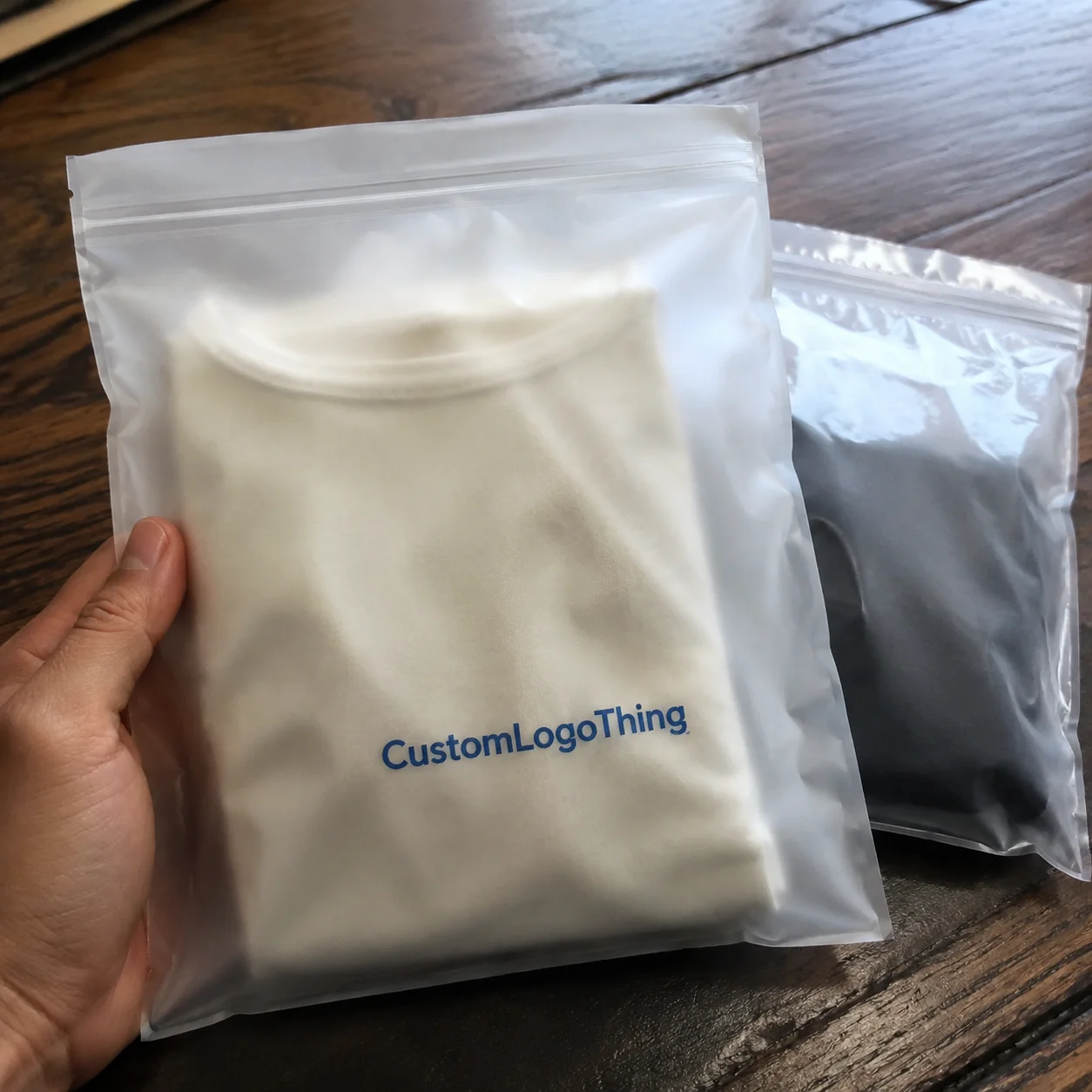
If you need Custom Stand Up Pouches no minimum, the main advantage is straightforward: you can launch, test, or refresh a product without committing to a large inventory run. That flexibility is useful for startups, seasonal flavors, limited editions, and rebrands that are still being refined. The less convenient part is just as real. Even the smallest custom job still has material costs, setup steps, and file requirements that affect price and timing.
That is not a drawback so much as the structure of flexible packaging. Pouches are built from films, laminations, inks, seals, and converted shapes, and each of those elements has a cost. A small run is perfectly workable, but it works best when the buyer understands what is being paid for and where the tradeoffs show up.
For brands using short-run packaging as a way to validate demand, the economics make sense. You reduce risk, keep inventory lighter, and avoid overcommitting to a design that may still change. You also pay more per unit than you would on a larger order. That is the tradeoff in plain terms.
What “No Minimum” Really Means for Stand Up Pouches
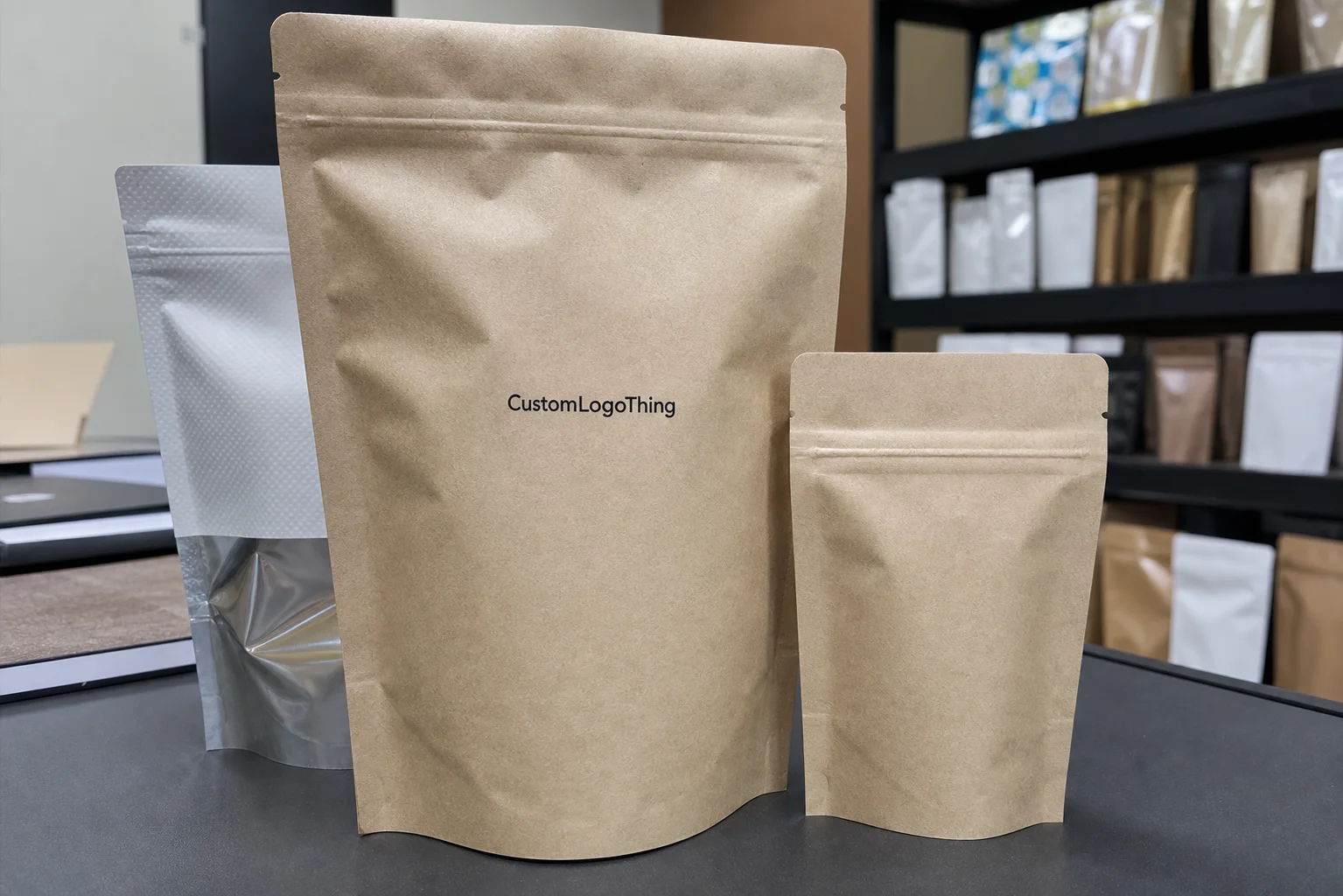
“No minimum” usually means a supplier is willing to produce a very small run, sometimes one size or one design at a time, without asking for the kind of high quantity that traditional manufacturing often prefers. It does not mean the pouch is free of setup, and it definitely does not mean the supplier is absorbing all production overhead. Artwork still has to be checked. Film still has to be printed or converted. Someone still has to run the job through inspection and packing.
There is also an important distinction between stock pouch suppliers and custom printed pouch manufacturers. Stock suppliers sell pre-made bags in standard materials, colors, and finishes. Custom manufacturers print your design, then convert the material into the final stand-up pouch. That second route gives you actual branded packaging, but it introduces more steps and usually a higher unit cost at low volume.
Short-run orders are common for product testing, small-batch launches, holiday promotions, and packaging revisions where the brand wants to see sales behavior before scaling up. Buyers often look for features such as matte or gloss finish, clear windows, zippers, tear notches, hang holes, or resealable tops. All of those are workable in a small run, but each feature can affect the quote, the schedule, or both.
A practical way to think about it:
- Lower quantity reduces inventory risk but raises unit cost.
- More features improve shelf appeal but add production complexity.
- Cleaner artwork speeds proofing and reduces the chance of rework.
That is the basic packaging equation. It is not glamorous, but it is accurate.
How Custom Stand Up Pouches Are Made Without a Huge Order
Most short-run pouch orders start with artwork preparation. The buyer sends logos, copy, barcode artwork, product details, and often a dieline supplied by the packaging vendor. The file is then checked for bleed, safe zones, font issues, panel placement, and anything that might interfere with seals or folds. If the file is tidy, approvals move faster. If it is not, delays start quickly.
For Custom Stand Up pouches no minimum, digital printing is often the most practical option because it handles smaller quantities well and does not require the same heavy plate investment that long-run flexographic work usually needs. That is one reason low-MOQ custom packaging is even possible at all. It also helps brands manage multiple SKUs without being forced into a large commitment on each flavor or version.
After file review, a proof or mockup usually comes next. Once the proof is approved, the job moves into printing, then laminating if the structure requires it, then converting. Converting is the stage where the flat printed film is formed into the pouch shape with the bottom gusset, side seals, zipper, notch, and any additional features that were specified.
Several variables influence whether a small order is truly low minimum or just low relative to a larger factory run:
- Material structure — kraft-look films, clear films, foil laminations, and high-barrier structures all behave differently.
- Print method — digital is usually better for short runs; other methods may become economical only at higher volume.
- Pouch size — larger pouches use more film and raise the cost.
- Finishing options — matte coatings, soft-touch surfaces, spot effects, and windows all add complexity.
Artwork quality matters more than many buyers expect. A barcode placed too close to a seal line can become unreadable. Low-resolution logos can look soft or jagged in print. Bleed that is too tight can shift text into the trim or seal area. Those are not minor cosmetic issues; they are the kinds of mistakes that trigger reproofing or reprinting.
Practical buyer rule: the cleaner the file, the faster the order moves. A good pouch starts with a good layout, not with a rescue job in prepress.
For brands building a wider packaging system, the same discipline applies to labels, cartons, and other Custom Packaging Products. Different format, same reality: accurate files save time and money.
Cost, Pricing, and Unit Cost for Small Runs
Pricing is usually the first question, and for good reason. Small custom orders need a realistic budget, not a vague promise. For custom stand up pouches no minimum, the quote is typically shaped by size, film structure, print coverage, finish, zipper style, and quantity. A buyer should always ask for the full landed cost rather than only the base pouch price.
The underlying math is simple. Setup costs are spread across fewer bags in a small run, so the unit price rises. A 100-piece order can easily cost much more per pouch than a 2,000-piece order, even if the total spend is lower. That does not mean the supplier is overcharging. It means the fixed costs have less volume to absorb them.
Useful small-run pricing ranges, while never universal, often look roughly like this:
| Order size | Typical unit range | What usually affects it |
|---|---|---|
| 100–250 units | $0.90–$2.50 each | Setup spread, shipping, proofing, simple vs specialty finish |
| 500–1,000 units | $0.35–$0.95 each | Print coverage, pouch size, zipper type, material structure |
| 2,000+ units | $0.18–$0.55 each | Volume, repeatability, fewer revisions, more efficient production |
Those numbers are only a guide. A high-barrier coffee pouch with a degassing valve will cost more than a simple snack pouch. A larger pouch with a matte finish, clear window, and resealable zipper will usually cost more than a standard flat design. The point of the table is not to pin down an exact quote. It is to help buyers judge whether a price is in the right neighborhood.
Hidden costs deserve attention too. Freight can erase the advantage of a low base price, especially on very small orders. Design cleanup may carry fees if the art file needs real correction. Samples are sometimes charged separately. Rush production, if available, rarely comes free. These are normal charges, but they should be visible before an order is approved.
The best comparison is the total landed cost: pouch price, setup, freight, samples, and any finish charges. That number tells the truth. The per-unit quote alone often does not.
Buyers comparing flexible packaging with other product packaging formats should remember that cost structure changes by format. Retail cartons, labels, and pouches do not price the same way. Each has its own setup burden, production method, and finishing options.
Turnaround, Lead Time, and Production Steps
Lead time on a small pouch order depends on more than production. Buyer response time is often the first variable that slows everything down. A supplier may quote quickly, but if artwork revisions stretch over several days, the schedule slips before the job reaches the press.
The usual sequence for a custom pouch order looks like this:
- Quote review — confirm size, quantity, material, and finishing options.
- Artwork submission — provide print-ready files or request help with the dieline.
- Proof approval — check layout, text, barcode placement, and color expectations.
- Production — printing, laminating, converting, and finishing.
- Inspection — review color consistency, seal quality, and general appearance.
- Freight — delivery, which can become the longest part if transit time is not planned.
Simple jobs move faster than complex ones. A standard matte zipper pouch with one design and clean artwork can progress efficiently. Add a window cutout, spot gloss, metallic effects, or multiple revisions, and the timeline grows. That is not a delay caused by inefficiency. It is the normal effect of extra steps in production.
For planning purposes, many small custom pouch orders take roughly 10 to 18 business days after proof approval, depending on print method and finishing. Freight is separate and should be calculated independently. If a rush is necessary, it may be possible, but it should be treated as a contingency rather than something a buyer assumes will always be available.
Two things shorten the schedule more than almost anything else: print-ready artwork and fast proof approval. The buyer controls both. If your packaging must land by a certain launch date, answer proof comments promptly and keep the approval chain short.
Quality checks matter as well. For products that will move through distribution and retail handling, buyers sometimes ask about transport testing, especially if the package needs to resist scuffing, seal failure, or denting during transit. General packaging test guidance is available through ISTA. If sustainability claims are part of the brief, material sourcing and certification references from FSC can be useful, especially when paper components are involved.
How to Order Custom Pouches for a Small Test Run
A small test run should start with product requirements, not with graphics. That sounds obvious, but many packaging problems begin with the artwork and end with the realization that the pouch is the wrong size or the wrong structure for the product. Start with what the pouch has to protect, how it will be stored, and how much product it must hold.
A complete order brief usually includes:
- Product type — snacks, coffee, powder, tea, pet treats, supplements, or samples.
- Fill weight — actual weight and, when relevant, approximate volume.
- Barrier needs — moisture, oxygen, aroma, light, or grease resistance.
- Closure — zipper top, tear notch, heat seal, or a combination.
- Display needs — clear window, hang hole, peg fit, or shelf presentation.
- Artwork needs — barcode, nutrition panel, legal text, multilingual copy if required.
For food, coffee, and supplement packaging, the structure should support shelf life and storage conditions, not just visual appeal. A pouch that looks polished but fails barrier expectations is expensive decoration. If the product is sensitive to moisture or oxygen, ask what film structure is being used and how it supports the product’s expected lifespan.
Before confirming production, request a sample pack or a digital mockup. A sample tells you more than a screen can. Check the zipper feel, the stiffness of the film, the finish under store lighting, and the way the pouch stands once filled. What looks good on a monitor can feel flimsy in hand.
When comparing suppliers, price should not be the only filter. Ask about repeat-order consistency, proofing revisions, file support, and whether the same setup can be reproduced later for a second batch. If your test run succeeds, you will want the reorder to match the first one as closely as possible.
That is especially relevant if you are building broader branded packaging or planning a fuller line of retail presentation. Keeping the design language consistent across SKUs makes the brand feel organized rather than improvised.
It also helps to think through label space, barcode placement, reseal convenience, and how the pouch opens and closes in daily use. Customers notice these details even when they do not comment on them directly. Bad functionality gets noticed faster than good branding.
Common Mistakes Buyers Make With No-Minimum Orders
The first mistake is choosing a pouch size by guesswork. A bag that looks right on a design file can be too large for a dense product or too small for a fluffy one. Actual fill weight and product density should drive the size decision. If there is any doubt, a sample fit check is worth the time.
The second mistake is underestimating barrier performance. A pouch can look excellent and still be wrong for the product. Coffee, powders, teas, pet treats, and many supplements need protection from moisture, oxygen, aroma loss, or light exposure. A glossy surface does not equal a high-barrier structure, and a pretty pouch that fails shelf-life requirements is a bad purchase.
The third mistake is submitting artwork that is not ready for print. Low resolution, missing bleed, incorrect dieline scale, and barcode placement problems all cause delays. If a logo only looks sharp on a phone screen, it is not ready for production. Files should be built for print, not rescued afterward.
Another common error is ordering too little to learn anything useful. If a product sells out after a tiny test run and there is no inventory left to continue the launch, the brand has not really validated demand; it has only learned that the batch was too small. Test runs should be small enough to limit risk, but large enough to provide meaningful sales data.
Some buyers also announce a launch before the packaging timeline is confirmed. That creates avoidable panic when print, inspection, or transit takes longer than expected. Flexible packaging still takes time to produce and deliver. It does not materialize on demand.
If you want a quick way to avoid preventable mistakes, review the supplier’s FAQ before sending files. Most ordering issues appear there in one form or another.
Practical Buying Tips Before You Request a Quote
Choose the pouch based on the product first, then refine the appearance. A matte zipper pouch may be right for one item and wrong for another. Some products need a high-barrier film. Some need a clear window. Some need a heat-seal top with a zipper for reseal convenience. Function should lead, because packaging that does not protect the product is not doing its main job.
Before requesting pricing for custom stand up pouches no minimum, lock down the key decisions:
- size and fill weight
- finish: matte, gloss, or soft-touch
- features: zipper, tear notch, hang hole, clear window
- quantity for the test run
- whether a repeat order will need the same print setup later
Ask whether the supplier can reproduce the same color and layout on future runs. That matters if the test batch becomes a permanent SKU. Small print variation can happen in any process, but clear specs and a stable file reduce surprises from one order to the next.
Budget for a second run before the first one ships. That may sound cautious, but low-minimum packaging is most valuable when it lets a brand test, learn, and adjust. If the first batch performs well, reorder planning should already be in motion. If it does not, the packaging should be flexible enough to support a revised layout or a different structural choice.
A strong quote request usually includes dimensions, product type, fill weight, quantity, artwork status, and any special finishes. The clearer the brief, the fewer rounds of email back-and-forth. A request that says “need pouch pls” tends to produce delays; a complete brief tends to produce a cleaner quote.
For brands expanding into a broader set of retail packaging or package branding, short-run pouches are a practical place to start. They let you test the design, validate the product fit, and learn what customers respond to before scaling into larger quantities or additional formats.
Prepare the specs, request samples, compare the total landed cost, and verify the artwork before placing an order. That is the most reliable way to buy custom stand up pouches with low minimums: measured, specific, and grounded in how the product will actually be used.
Can I really order custom stand up pouches with no minimum?
Yes, in many cases suppliers allow very small runs or low minimums. The key question is what “no minimum” applies to: one SKU, one size, or one design version. Those details affect pricing and feasibility.
Are no-minimum stand up pouches more expensive per unit?
Usually yes. Setup costs, proofing, and production overhead are spread across fewer pouches, so the unit price rises as quantity drops. Comparing the full landed cost gives a more accurate picture than looking at the per-pouch price alone.
What artwork do I need before ordering custom pouches?
You need print-ready files built to the supplier’s dieline. Include correct dimensions, bleed, logos, product information, and barcode placement if required. Clean files reduce proof cycles and help avoid rework.
How long does production usually take for small custom pouch orders?
Timing depends on proof approval, print method, finishing options, and freight. Simple orders move faster than specialty-finish jobs. Fast responses from the buyer side can save several days.
What products work best in custom stand up pouches with low minimums?
They are commonly used for snacks, coffee, powders, tea, pet treats, supplements, and sample-size products. The best structure depends on barrier needs, reseal requirements, and shelf life. The pouch should fit the product, not the other way around.