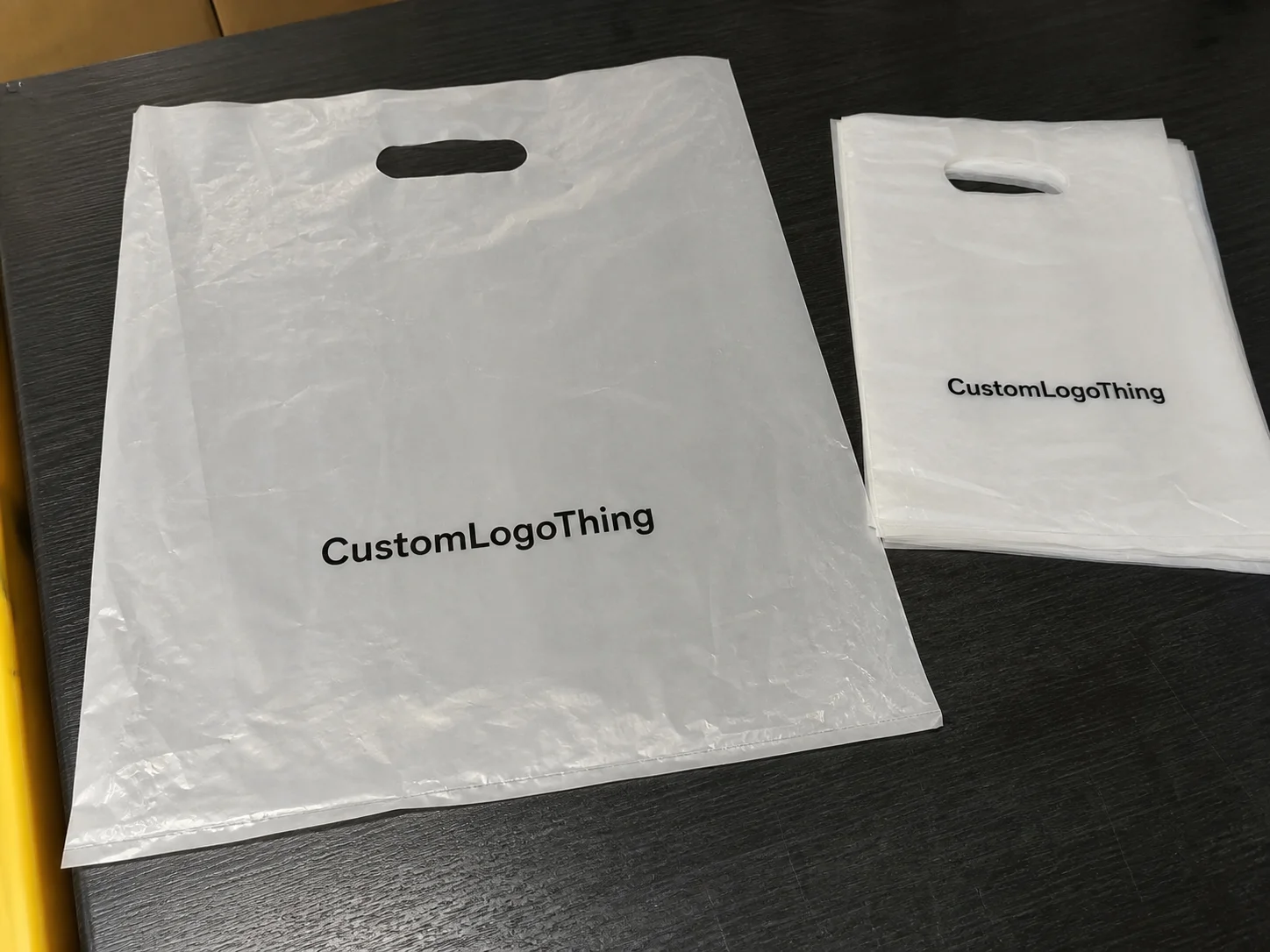
Buyer Fit Snapshot
| Best fit | custom stand-up pouches with zipper closure for packaging buyers who need material clarity, print proof, packing fit, cost control, and repeat-order reliability where brand print, material, artwork control, and repeat-order consistency matter. |
|---|---|
| Quote inputs | Share finished size, material target, print colors, finish, packing count, annual reorder estimate, and delivery region. |
| Proofing check | Approve dieline scale, logo placement, barcode or warning zones, color tolerance, and any recyclable or compostable wording before bulk production. |
| Main risk | Vague material claims, crowded artwork, or missing packing details can create delays even when the unit price looks attractive. |
Fast answer: Custom Stand-Up Pouches with Zipper Closure: Film, Closure, Print, and Fulfillment Checks should be specified like a repeatable production item. The safest quote includes material, print method, finish, artwork proof, carton packing, and reorder notes in one written spec.
What to confirm before approving the packaging proof
Check the product dimensions against the actual filled item, not only the sales mockup. Ask for tolerance on folds, seals, hang holes, label areas, and retail display edges. If the package carries a logo, QR code, warning copy, or legal claim, reserve that space before decorative graphics fill the panel.
How to compare quotes without losing quality
Compare board or film grade, print process, finish, sampling route, tooling charges, carton quantity, and freight assumptions side by side. A lower quote is only useful if the supplier can repeat the same color, closure quality, and packing count on the next order.
Custom Stand-Up Pouches with Zipper closure show up everywhere for one reason: they solve the annoying little problems rigid tubs and jars keep creating. I’ve watched brands cut shipping weight by 40% and shrink warehouse space by half just by switching to custom stand-up pouches with zipper closure, and yes, the accounting team suddenly stopped looking like they’d been personally offended by freight invoices. On one Shenzhen visit, a client moved from 8 oz PET jars to 5,000-unit pouch runs and saved roughly $1,200 on a single air freight shipment. That was the moment everyone at the table got very quiet, which is rare and beautiful.
They’re flexible bags that stand upright, reseal after opening, and carry printed branding across the front, back, and sometimes the gusset. For snacks, coffee, pet treats, supplements, and even specialty powders, Custom Stand-Up Pouches with Zipper closure give brands a clean retail look without paying for glass, metal, or thick plastic walls that mostly exist to punish your margin. I’ve sat through enough supplier meetings in Dongguan and Ningbo to know the “premium” packaging that costs a fortune usually isn’t premium for the people paying the freight bill. A pouch that costs $0.16 per unit at 10,000 pieces can look more polished than a $1.20 rigid container if the print and finish are done correctly. And if the product needs to sit on a shelf for months, that polish better come with real barrier performance, not just a nice vibe.
Why Custom Stand-Up Pouches With Zipper Closure Are Everywhere
I still remember standing on a production floor in Shenzhen next to a pallet of rigid jars headed for a supplement client. The freight charge sheet was ugly enough to make a grown person blink twice. The factory manager pointed at a stack of custom stand-up pouches with zipper closure sitting flat in cartons and said, “Same product, one-third the cube.” He wasn’t exaggerating. Those pouches shipped flat, filled fast, and landed on shelf looking far more expensive than they actually were. I remember thinking, “Well, that’s rude. Why didn’t someone show me this years ago?” The sample run cost the client $380 total for 200 prototype pouches, which is a lot easier to swallow than a warehouse full of glass.
That’s the appeal. Custom stand-up pouches with zipper closure give brands shelf presence, lighter shipping, and easier storage, all in one format. Consumers like them because they open, close, and fit in a pantry drawer without staging a small rebellion against cabinet space. Brands like them because they can print bold graphics, ingredient panels, and premium finishes on a single flexible format. And warehouse teams like them because flat cartons are a lot easier to live with than a mountain of rigid containers that seem to breed overnight. A standard 6 x 9 inch pouch shipped flat in cartons of 1,000 units takes up far less space than a comparable rigid jar order, especially on routes from Shenzhen to Los Angeles or Rotterdam.
Most of the time, the structure is a laminate such as PET/PE, PET/VMPET/PE, or kraft-look film with barrier layers. The exact stack matters. A matte finish changes how ink reads under store lighting. A gloss finish can make color pop harder on a crowded shelf. Barrier layers help protect against moisture, oxygen, and aroma loss, which is why custom stand-up pouches with zipper closure are common in coffee, dried fruit, and Protein Powder Packaging. A common spec is 12mic PET / 7mic VMPET / 80mic PE for medium barrier applications, while higher aroma retention needs often call for 12mic PET / 18mic aluminum foil / 80mic PE. If you’ve ever opened a stale snack bag and immediately regretted your life choices, you already understand why barrier performance matters.
Here’s the simple difference between formats. A flat pouch lies flat and usually doesn’t self-stand. A gusset bag expands at the sides or bottom. Custom stand-up pouches with zipper closure use a bottom gusset so they stand upright once filled, which Makes Them Better for retail displays and kitchen counters. If the product needs repeat opening and closing, resealability starts making a lot of sense. If it’s a single-use sample, maybe not. I’ll be blunt: I’ve seen brands overcomplicate sample packaging just because they liked the look. Cute, but expensive. A 50g sample pouch with a zipper and hang hole can easily cost more than a simple flow-wrap sample if the MOQ drops below 3,000 pieces.
One thing people get wrong: they choose packaging based on what looks nice in a mockup, not on how the product behaves in real life. Sticky granola, oily trail mix, and fine powders all act differently. Custom stand-up pouches with zipper closure can work beautifully for all three, but only if the zipper style and film structure match the product. I’ve seen “beautiful” packaging fail because nobody asked how the contents would behave after the first open. That’s not design. That’s wishful thinking with a dieline. For example, a 250g roasted nut pouch usually needs stronger sealant film than a dry cereal mix, even if both look identical in a render.
How the Zipper Closure and Pouch Structure Actually Work
The zipper on custom stand-up pouches with zipper closure is usually a press-to-close track. You press the rib and groove together, and the seal helps keep air, moisture, and crumbs from pouring back into the bag like they pay rent there. Some styles include a tear notch above the zipper, so the first opening feels intentional instead of like a bad wrestling match with a film edge. I’ve definitely had customers send me opening videos (yes, videos) because the tear notch was so stiff they needed a literal kitchen knife. Not ideal. Not even a little. A properly sized tear notch usually sits 10 to 12 mm above the zipper track, depending on pouch height and fill line.

There are also tamper-evident options. You’ll see this in products where first-open confidence matters, such as supplements, food ingredients, and pet treats. A top seal above the zipper can provide tamper evidence, while the zipper itself remains available for resealing. That extra layer is not cosmetic. It changes the pouch behavior and the production process. If you want the pouch to reassure consumers, you can’t treat tamper evidence like a decorative afterthought. On a recent order from Guangzhou, the client asked for a 5 mm top seal band plus a tear notch, and the factory built the line to match that exact spec.
The pouch body usually has multiple layers. Outer film handles print quality and scuff resistance. Middle barrier layers control oxygen transmission rate and moisture vapor transmission rate. Inner sealant layers support heat sealing and product contact compatibility. If one layer is underspecified, the whole package underperforms. I’ve seen brands save a few cents on film only to lose dollars in spoiled inventory. Cheap savings. Expensive lesson. A 0.10 mm total thickness pouch may look fine in a mockup, but a 0.12 mm or 0.14 mm structure with the right sealant often performs better in transit and on the shelf.
The bottom gusset is what helps custom stand-up pouches with zipper closure stand upright. Its geometry spreads the base when the pouch is filled, giving it stability on shelves and in cabinets. On a packaging line, that same structure affects fill behavior. If the gusset is too shallow, the pouch slouches. If it’s too deep, it may not display cleanly. Small geometry details Matter More Than most marketing teams want to admit. I’ve had brand teams argue about label color for 45 minutes and then discover the pouch didn’t even stand straight. Priority management is apparently a rare art. A 3-inch bottom gusset on a 7 x 10 inch pouch behaves very differently from a 2-inch gusset, especially once the fill weight passes 500g.
Alignment is another big deal. Zipper tracks must align cleanly during pouch making, or you get poor reseal performance, inconsistent opening force, or contamination trapped in the closure area. Fine powders are especially annoying here. I once watched a contract filler in Dongguan run a cocoa powder SKU, and the first run had closure contamination because the fill line was too messy. We fixed the dust control and the seal tests passed. The pouch wasn’t the problem. The process was. That day I learned two things: cocoa gets everywhere, and production teams will swear the machine is haunted before they admit the room is dusty. The factory ran another 500 units after we adjusted airflow and the zipper failure rate dropped from 6% to under 1% in the reopen test.
Not every zipper style is built for every product. Standard press-to-close tracks work well for many dry goods, but heavy or oily products may need stronger sealing logic or tamper-evident features. Child-resistant versions exist too, and they’re usually a separate spec category with different tooling and more testing. If you need that, say it early. Don’t wait until the art is done and the budget is already weeping. I’ve had that call, and nobody sounded cheerful on it. Child-resistant zippers can add $0.03 to $0.08 per unit depending on quantity and factory tooling.
For more background on packaging performance and standards, I often point clients to the Institute of Packaging Professionals and the test methods used in shipping validation through ISTA. If you’re shipping retail units through distribution, those references matter more than a pretty mockup ever will. A nice render does not protect product in transit. Shocking, I know. A basic ISTA 3A transit test can expose zipper damage in 1,000-mile shipment simulations long before your customer does.
Custom Stand-Up Pouches With Zipper Closure: Cost, Quality, and Performance
The Price of Custom stand-up pouches with zipper closure is driven by a handful of very specific things: material thickness, barrier layer choice, pouch size, print method, finish, zipper style, and order quantity. A simple 4 x 6 inch pouch with a standard zipper and matte finish might land around $0.14 to $0.22 per unit at 10,000 pieces, depending on film stack and print complexity. Add a high-barrier layer, foil look, or special zipper, and the number climbs. Ask for a child-resistant zipper and you’ll feel it in the quote fast. The quote email will suddenly become very, very polite. For 5,000 pieces, I’ve seen a 3.5 oz coffee pouch quoted at $0.15 per unit with PET/VMPET/PE and a matte varnish, while the same bag with foil and a laser score edge went up to $0.24.
Smaller custom stand-up pouches with zipper closure almost always cost more per unit. That’s not supplier greed. That’s machine setup, material waste, and zipper sourcing. A 2,000-piece run may sit at $0.28 to $0.45 per unit for a moderately complex structure. At 20,000 pieces, that same pouch may drop into the $0.10 to $0.18 range. Volume matters because setup costs get spread out. Manufacturing math is rude, but honest. I wish more people liked this truth. It saves everybody time. On a recent quote from a factory in Huizhou, the difference between 2,500 and 10,000 pieces was nearly $0.11 per pouch because the zipper tracks were already in stock for the larger run.
Artwork setup also changes the bill. Digital printing can reduce plate costs on shorter runs, while gravure or flexo may be more economical at scale. I’ve had a client try to compare a digitally printed quote to a gravure quote without adjusting for setup. That’s like comparing a taxi to a charter bus and pretending seating capacity is a side note. Same category. Different economics. And yes, someone in the room usually acts like the lowest number wins. Then the production team has to explain reality. Again. A digital run of 500 pouches in Shanghai might cost $0.48 per unit, while a gravure run of 20,000 pieces can fall under $0.16 once plates are amortized.
Minimum order quantities are usually tied to film waste, machine setup time, and zipper procurement. Some factories will quote lower MOQs for standard pouch sizes they already run regularly. If you ask for odd dimensions, custom zipper colors, or a special finish, the MOQ may rise. I’ve seen suppliers in Guangdong quote 5,000 pieces on one SKU and 20,000 on another because the second one needed imported zipper tracks and a special barrier film. Annoying? Yes. Normal? Also yes. Packaging procurement is basically the art of discovering which line item has a personality. A custom red zipper track can add a 2 to 3 week procurement delay if the factory has to source it from a supplier in Jiangsu or overseas.
Performance is where custom stand-up pouches with zipper closure earn their keep or fail loudly. You need the right seal integrity, puncture resistance, and barrier level for the product. Dry snack mixes can often live happily in a PET/PE structure. Coffee wants stronger aroma control, so you’re more likely to see foil or metallized layers. Moisture-sensitive supplements may need a more serious barrier than a basic retail pouch. If the product is greasy, the seal area needs extra attention because oil contamination can weaken closure performance. I’ve seen a beautiful pouch fail because the product behaved like a tiny oil slick. Packaging is patient until it isn’t. For oily products, I often specify 15mic PET / 12mic VMPET / 100mic PE with a stronger seal window around 130°C to 150°C, depending on the line speed.
Finish affects both appearance and handling. Matte feels premium and photographs well. Gloss gives you more reflection and can make colors punchier. Kraft-look films create a natural aesthetic without necessarily using actual paper, which is useful if you want the look without compromising barrier performance. And if sustainability is part of the conversation, ask for FSC-certified paper components where applicable and review actual material claims carefully. The FSC site is a good place to sanity-check forest-certification language before you put it on a sales sheet. If a supplier says “eco-friendly” without a materials breakdown, I treat that as marketing, not data.
I also tell brands to factor in shipping and storage savings. Custom stand-up pouches with zipper closure ship flat, so carton efficiency is usually better than rigid packaging. That can mean fewer pallets, lower freight, and easier fulfillment. On one client’s pet treat line, switching from tubs to pouches reduced inbound freight by nearly $1,800 on a single container load. No magic. Just less dead space. And less dead space is basically packaging’s love language. A 20-foot container that previously carried 42 pallets of tubs may carry the same SKU in 58 to 60 pallets of flat pouches, depending on carton count and pallet height.
Step-by-Step Process From Idea to Finished Pouch
The cleanest projects start with product specs, not design mood boards. Before You Order custom stand-up pouches with zipper closure, gather your fill weight, product density, storage conditions, and retail or e-commerce use case. A 250g protein powder pouch behaves very differently from a 250g dehydrated fruit pouch. Same weight. Very different volume and headspace requirements. I’ve had a client insist the fill weight should determine pouch size. It doesn’t. Not by itself. Physics is annoyingly involved. A 250g powder SKU might need a 6.5 x 9 inch pouch, while a 250g dried fruit SKU may fit a shorter pouch because the product volume is denser and less airy.
From there, decide on the dimensions. This is where I see brands make expensive guesses. They pick a pouch size because it looks “premium,” then discover the fill line sits awkwardly under the zipper or the panel is too tall for shelf trays. Ask your supplier for recommended dimensions based on an actual sample product or a precise fill specification. Good custom stand-up pouches with zipper closure start with correct geometry, not wishful thinking. If you’ve ever tried to cram a product into the wrong pouch, you know the look people make. It’s not a happy one. A factory in Ningbo once recommended a 140 mm width instead of the client’s original 120 mm, and that 20 mm saved the line from constant overfill complaints.
Material selection comes next. Your supplier should tell you the laminate structure, thickness, barrier level, and finish options. Ask for a spec sheet. A proper one, with film layers listed in order, sealing temperature guidance, and any relevant moisture or oxygen barrier data. If they hand you a vague one-liner and a smiley face, keep your wallet in your pocket. Honestly, I’ve gotten “specifications” that were basically marketing poetry. Cute. Not useful. A real spec sheet might list 12mic PET, 12mic AL, 80mic PE, oxygen transmission rate under 1.0 cc/m²/day, and sealing range around 130°C to 160°C.
Artwork prep is its own job. You need the dieline, bleed, safe zones, logo placement, barcode space, and legal copy fitted correctly. The zipper area cannot be treated like a blank canvas if you want readable branding and consistent print registration. I’ve sat in client meetings where somebody wanted a barcode floating across a gusset fold. That’s not branding. That’s self-sabotage. It also makes the scanner complain, which is a fantastic way to create a very expensive problem with a very stupid root cause. For a 7 x 10 inch pouch, I usually ask for 3 mm bleed, 5 mm safe margins, and a 100% vector logo file before the proof goes out.
Mockups help, but physical samples help more. Digital proofs can show layout, color direction, and branding hierarchy, while real samples show zipper feel, seal strength, and how the pouch stands when filled. I always prefer a physical sample before mass production, especially for custom stand-up pouches with zipper closure that will carry powders, oils, or anything with a fussy shelf life. If the pouch feels flimsy in your hand, it will feel flimsy to the customer too. And customers are not known for giving second chances to Packaging That Feels cheap. A proper sample turn from a factory in Shenzhen usually takes 3 to 7 business days, and shipping by DHL can add another 2 to 4 days depending on customs.
Here’s the practical production path I’ve used many times with suppliers in Shenzhen and Ningbo:
- Request quotation based on exact size, material, zipper type, finish, and quantity.
- Approve artwork proof with correct dieline and copy placement.
- Run a sample or prototype for zipper testing and seal testing.
- Confirm color targets and any special print requirements.
- Move into printing, lamination, pouch making, and inspection.
- Pack, carton, and ship after final QC.
Production timelines depend on the route. A straightforward order of custom stand-up pouches with zipper closure may take 12 to 15 business days from proof approval if the supplier already has the film and zipper components on hand. If you need custom films, special zipper imports, or a new print setup, add time. Sampling alone can take several days, and shipping method changes everything. Air freight is faster. Your budget will notice. It always notices first. Sea freight from Shenzhen to Los Angeles is often 18 to 24 days port to port, while air freight can land in 3 to 6 days, depending on the route and warehouse booking.
Quality checks should include seal integrity, zipper function, print adhesion, and visual inspection for registration errors. If the product is food or supplement related, ask about material compliance and any migration or contact suitability relevant to your market. Depending on region and product type, that may involve FDA-aligned packaging materials, EU food contact requirements, or other standards. Don’t assume a “food grade” claim is enough. It isn’t. I’ve heard that phrase used like a magic spell. It isn’t one. For Europe, I ask suppliers for declarations tied to Regulation (EC) No 1935/2004, not just a cheerful sentence in an email.
One client quote I still remember: “The pouch looked perfect until we filled it.” That happened because the sample was approved empty, but the filled pouch needed another 8 millimeters of headspace. Custom stand-up pouches with zipper closure are a packaging system, not just a graphic panel. The product inside changes everything. Which is exactly why I keep saying: test with product, not just with optimism. In that project, the fix was a 10 mm taller pouch and a wider bottom gusset, not a new logo or a prettier finish.
Common Mistakes Brands Make With Zipper Pouches
The first mistake is choosing the wrong zipper for the product. A basic press-to-close zipper might work for dry snacks, but powdery or oily contents can contaminate the closure track and reduce reseal performance. I’ve seen custom stand-up pouches with zipper closure that looked beautiful on shelf and failed in the kitchen because the seal track got crusty after two openings. That is not a branding problem. That is a spec problem. And it’s the kind of problem that shows up right after launch, which is everybody’s favorite time for bad news. A factory in Dongguan once showed me a return pile from a trail mix brand where 9% of the complaints were zipper closure issues, and every single one traced back to the wrong track style.
The second mistake is sizing by aesthetics. Marketing wants a tall, elegant pouch. Operations needs accurate fill volume and usable headspace. Those are not the same thing. If the pouch is too small, fill lines crowd the zipper and create stress. If it’s too large, the product looks half empty and customers think you’re charging for air. Both outcomes are bad for retail packaging. Neither one helps the sales deck. A 1 lb coffee SKU that needs 16 oz net weight may need a very different profile than a 12 oz snack pouch, even if both sit in the same retail tray.
Barrier failure is another common mess. Brands sometimes focus on print and forget that aroma retention, freshness, and moisture protection are the real reason custom stand-up pouches with zipper closure exist in the first place. If the contents are sensitive, your film choice has to support that. Coffee, tea, pet treats, and supplements all have different shelf-life risks. A basic film can be fine for one product and disastrous for another. I’ve watched a “premium” coffee pouch go stale because someone chose packaging for the color palette instead of the beans. Painful. Preventable. A 4-layer high-barrier laminate would have cost about $0.03 more per unit on that run and saved the launch.
Artwork errors are brutally common. Small text gets buried. Barcodes land too close to seals. Legal copy runs into zipper areas. The fact that a design file looks fine on a monitor does not mean it will print well on a pouch. I always tell clients to check readable type sizes, barcode quiet zones, and any copy that might sit near a fold or gusset. That tiny bit of discipline saves reprints. And yes, reprints are exactly as fun as they sound. Less fun, actually. A reprint on 8,000 units can burn a week and several thousand dollars, which is a very expensive way to learn that 6-point text is too small.
Skipping sample approval is probably the most expensive mistake. People want speed, then act surprised when the first production batch exposes a bad assumption. I once visited a factory where a brand skipped the sample because “the art is finalized.” Sure. And the zipper opened too tightly for older customers, so half the retail feedback was negative. Custom stand-up pouches with zipper closure are forgiving in some ways, but not on closure feel, sealing, or fill geometry. You have to test. The sample stage is boring only until it saves your launch. One bad run in Shanghai can wipe out the savings from months of quote shopping.
There’s also a tendency to compare Supplier Quotes Without comparing the actual spec. One supplier quotes 0.12 mm film with a standard zipper. Another quotes 0.15 mm film with a better barrier and tighter seal controls. Those are not equivalent offers. They are different products with different risk profiles. Comparing them as if they’re identical is how brands buy trouble with a ribbon around it. I’ve seen it happen more than once, and somehow everyone acts surprised when the cheaper quote comes with expensive consequences. If the cheaper pouch saves $500 on purchase price and costs $3,000 in spoilage, that’s not savings. That’s theater.
Expert Tips for Better Results and Fewer Headaches
Order samples before committing to volume, especially if the product is new or the zipper style has never been tested with your formula. I know, samples cost money. So does reprinting 20,000 units because the zipper track didn’t like your protein dust. I’d rather spend $120 on prototypes than $4,000 on avoidable waste. That’s not being cautious. That’s just math with a pulse. On small runs, a sample set from a factory in Shenzhen usually costs $80 to $180 depending on number of pouch sizes and whether you want print proof plus filled test units.
Ask your supplier for material specs in writing. You want film structure, thickness, seal temperature range, barrier guidance, and zipper description. For custom stand-up pouches with zipper closure, I also ask for compatibility notes about oily, acidic, or powder-heavy products. If the supplier can’t answer those basics, they probably shouldn’t be handling your production. That’s me being polite. The less polite version is shorter and has more eye contact. If they can tell you the exact film stack, like 350gsm C1S artboard for a secondary carton or 12mic PET / 12mic AL / 80mic PE for the pouch, they’re at least speaking the right language.
Think about the entire customer experience. How will the pouch open? How easy is the zipper to close after the first use? Does the matte finish show scuffs in shipping? Will the pouch stand neatly in a pantry, or collapse like a tired tent? Custom stand-up pouches with zipper closure are part of package branding, not just product packaging. The feel matters. The refill experience matters too. If a parent is trying to reseal snack pouches one-handed while holding a toddler, you want that zipper to behave. Trust me. A pouch with a soft tactile zipper and a 50-micron sealant layer can feel dramatically better than a bargain option with the same printed artwork.
When negotiating quotes, compare line items one by one. Use the same dimensions, same structure, same zipper style, same finish, same print method. Otherwise you’re comparing apples, oranges, and whatever marketing veneer someone slapped over a cheaper pouch. A lower quote can hide thinner film, weaker zippers, or less rigorous inspection. I’ve seen it. Twice in one month, actually. That month did not improve my faith in vague pricing. If one supplier quotes $0.15 per unit for 5,000 pieces and another quotes $0.11, ask whether the difference comes from film thickness, zipper quality, or whether one quote quietly removed the matte coating.
If you’re planning to grow, choose a structure that can support future SKU extensions. A brand with one pouch format can still build line variety using color, print, and size changes without rebuilding the whole system. That’s a smart move for branded packaging. It keeps package branding consistent while leaving room for seasonal flavors, bundle packs, or larger refill bags. I love a packaging system that can stretch without turning into a bureaucratic nightmare. A 7 x 10 inch pouch and a 9 x 12 inch refill format can share the same zipper spec and artwork system if you build the dielines correctly from the start.
There’s a sustainability angle too. Flexible packaging often uses less material by weight than rigid alternatives, and it can reduce shipping emissions because it travels flat. That doesn’t mean every pouch is automatically greener. Material choice, recyclability claims, and local waste systems matter. If sustainability is part of your pitch, make sure the claim is defensible and not just decorative copy on a sales sheet. Greenwashing is expensive, and customers are getting better at spotting it. A supplier in Guangzhou once pitched “eco” pouches made with paper-look film, but the real construction was still multilayer plastic. If you say recyclable, be prepared to show the actual structure and the local collection route.
I also recommend lining up your retail and e-commerce needs at the same time. A pouch that looks great on a boutique shelf may need extra protection in a mailer. A pouch that works fine in Amazon fulfillment may need stronger visual impact for retail packaging. Custom stand-up pouches with zipper closure can do both, but only if you plan the structure, print, and finish around the actual channel. A great shelf pouch that arrives dented in a mailer is just a sad story with a logo on it. For ecommerce, I often suggest a 3 mm corrugated shipper or a poly mailer sleeve around the pouch if the contents are crush-sensitive.
My blunt advice: never buy custom stand-up pouches with zipper closure from a supplier who can’t show you a spec sheet, a sample photo, and a realistic timeline. Nice sales language is cheap. Production discipline is what saves your launch. I trust paperwork more than pitch decks. Every time. If they can’t tell you “12-15 business days from proof approval” and back it up with a real production schedule in Zhejiang or Guangdong, keep looking.
What to Do Next Before You Order
Start with a checklist. Before you request quotes for custom stand-up pouches with zipper closure, write down product type, fill weight, dimensions, barrier needs, zipper style, finish, quantity, and launch date. If you don’t know one of those items yet, figure it out before you start shopping. Random quoting creates random outcomes. I’ve watched “we’ll figure it out later” turn into a three-week delay with a lot of apologetic emails. A five-minute spec sheet is worth more than a week of back-and-forth with three factories and a copywriter.
Gather your artwork files in the format your supplier wants. Most suppliers will ask for editable vector files, outlined fonts, and separate barcode files. If you’re sending a logo pulled from a website screenshot, stop. That file is not production-ready. Good packaging design uses clean source artwork, and the print file needs to match the actual dieline. Blurry logos on packaging are a special kind of pain, and nobody needs that in their life. If your brand uses a secondary carton, something like 350gsm C1S artboard is a common spec for a printed shipping or retail box around the pouch.
Request quotes from multiple suppliers using the same spec sheet. That’s how you compare real numbers, not sales theater. If one supplier offers custom stand-up pouches with zipper closure at a suspiciously low rate, check the material stack and zipper type first. Cheap often means thinner film, simpler print, or a weaker seal structure. Sometimes it means all three. Fun. The kind of fun that gets expensive in a hurry. A quote from a factory in Shenzhen, one from Ningbo, and one from Dongguan can look wildly different until you normalize size, barrier, and zipper track.
Ask for a sample or prototype and test it with your actual product under real storage conditions. Put it in a warm room. Put it in a humid room if that matters. Fill it to the planned weight. Open it. Close it. Shake it. Drop-test it if your distribution is rough. Real use tells you more than a polished render ever will. I know it’s tempting to trust the proof and move on, but packaging has a way of humbling anyone who gets too confident too early. If your product will sit in a 30°C warehouse for two weeks, test that condition before you approve the run.
After sample approval, lock in production timing and build buffer for revisions, shipping, and last-minute compliance checks. If your launch date is rigid, tell the supplier early. Custom stand-up pouches with zipper closure can be produced efficiently, but they still depend on artwork approval, material availability, and line scheduling. Rushing the last step is how good projects become stressful ones. I’ve done enough of those to know stress is not a sourcing strategy. A realistic window is often 12 to 15 business days after proof approval, plus 3 to 7 days for sampling and another 3 to 25 days depending on air or sea freight.
If you need other packaging formats for your line, you can also explore Custom Packaging Products to keep your branding consistent across pouch, box, and mailer formats. That matters more than most people think, especially when you’re building a recognizable shelf story. Customers notice when the system feels coherent, even if they can’t explain why. A pouch, a folding carton, and a mailer that share the same color palette and type system can make a brand feel established in a way that a lone bag never will.
Custom stand-up pouches with zipper closure are practical, flexible, and proven. They reduce shipping bulk, support strong retail presentation, and make life easier for customers who want freshness after opening. I’ve spent enough time on factory floors and in quote negotiations to know this: the brands that win are usually the ones that spec carefully, test early, and respect the details. The brands that don’t? They usually end up calling me with a question that starts, “So, we have a small issue…”
So if you’re planning custom stand-up pouches with zipper closure for snacks, coffee, supplements, pet treats, or anything else that needs resealability, start with the product, not the artwork. Get the structure right. Get the zipper right. Then the branding can do its job without fighting the packaging. That’s how you get a pouch that looks good, performs well, and doesn’t come back to haunt you in the first retail cycle. Which, frankly, is the whole point.
Custom Stand-Up Pouches with Zipper Closure: decision table
| Decision area | Best fit | What to verify | Risk if skipped |
|---|---|---|---|
| Film or paper thickness | Apparel, accessories, lightweight goods, and subscription boxes | Micron/GSM, seal strength, opacity, and puncture resistance | Thin material wrinkles, tears, or makes the brand feel low value |
| Closure and format | Self-seal mailers, gusset bags, zipper pouches, or drawstring bags | Opening size, resealability, hanging hole, and packing sequence | Wrong format creates returns, repacking, or poor display |
| Print area | Logo visibility and required compliance copy | Ink holdout, color contrast, barcode space, and proof approval | Artwork looks fine flat but disappears once the bag is filled |
FAQ
What are custom stand-up pouches with zipper closure used for?
They are commonly used for snacks, coffee, tea, pet treats, supplements, powders, and other products that need resealability. The zipper helps preserve freshness after opening, while the stand-up design improves shelf display and storage convenience. A 250g coffee pouch with a matte finish and zipper closure is one of the most common specs I see in Shenzhen and Guangzhou.
How do I choose the right size for custom stand-up pouches with zipper closure?
Base the size on actual fill volume, product density, and how much headspace the product needs above the fill line. Ask your supplier for a recommended pouch dimension after sharing product samples or exact fill weight. If you’re unsure, request two sample sizes, like 6 x 9 inches and 7 x 10 inches, and fill-test both with your product.
Are zipper closures strong enough for heavy or powdery products?
Yes, but the zipper style and seal structure need to match the product. For fine powders, oily items, or heavy fills, ask for seal testing and a zipper design that resists contamination in the closure track. A stronger press-to-close track plus a 0.12 mm or 0.14 mm total structure usually performs better than a thin bargain pouch.
What affects the price of custom stand-up pouches with zipper closure?
Price depends on material thickness, barrier level, print method, pouch size, finish, zipper type, and order quantity. Custom artwork setup and special features like matte finishes or child-resistant zippers can also increase cost. For example, 5,000 pieces may price around $0.15 per unit for a basic structure, while a high-barrier version can climb to $0.24 or more.
How long does it take to produce custom stand-up pouches with zipper closure?
Timeline depends on sampling, artwork approval, production scheduling, and shipping method. A smooth project usually moves through quote, proof, sample, production, inspection, and shipping, so approval speed matters a lot. In many cases, production takes 12 to 15 business days from proof approval, with an additional 3 to 7 days for sample work and several more days for freight.