Get a Cosmetics Sample Zipper Bags Carton Quote Fast
Request a cosmetics sample Zipper Bags Carton quote with clear specs, MOQ, pricing drivers, lead times, and print options for sampling kits.
Why Sample Packaging Fails Before the Formula Is Tried
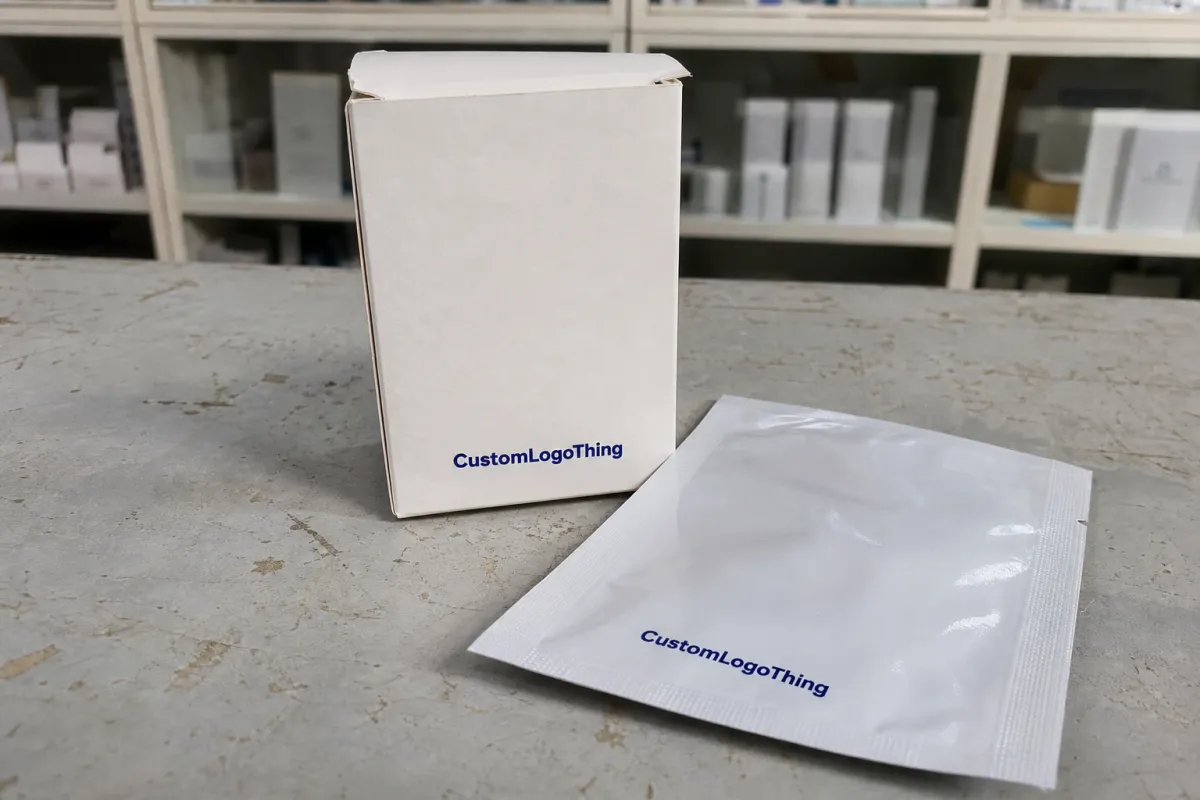
A sample pack has one job: make the product easy to open, safe to carry, and credible enough to keep. Yet many beauty launches lose momentum before anyone evaluates the formula. A bag that feels flimsy, a zipper that does not line up, or a carton that arrives crushed can shape the buyer's opinion faster than the sample itself. That is why a cosmetics sample zipper Bags Carton Quote is never just a request for a plastic bag price. It is a request for control over the first physical impression.
Zipper bags sit in a useful middle position. They are more reusable than a tear-off sachet and less expensive than a rigid gift box. For cosmetics sampling, that balance matters. The customer can reseal the pack after the first use. The brand gains space for a logo, shade name, ingredients note, barcode, QR code, or batch reference. The packaging becomes part of the product experience instead of an afterthought.
Different sample formats fail in different ways. Foil sachets are efficient for liquids and creams, but they are poor at holding mixed items. Paper envelopes look tidy until moisture or residue shows up. Rigid boxes carry a premium cue, then add freight weight and wasted cube. A well-made zipper bag packed into a sized carton avoids some of those tradeoffs, especially for distributors handling multiple SKUs and export shipments.
Buyer requirements also vary by channel. Beauty subscription teams often need compact, low-cost packs. Hotel amenity suppliers care about shelf life and clean carton marks. Retail teams may want a more polished print finish. Event crews sometimes prefer bulk cartons with clear sorting labels because they repackage samples on site. The carton is part of the product flow, not a separate logistics detail.
The fastest quote usually comes from measurable inputs. Dimensions, film structure, zipper type, print method, carton count, and shipping destination matter more than mood boards or reference images.
What a Cosmetics Sample Zipper Bags Carton Quote Includes
A useful cosmetics sample Zipper Bags Carton quote should show the bag, the inner packing, and the outer carton as one system. If the quote only lists a unit price for the bag, there is a good chance hidden costs will appear later. A complete estimate should cover material, print, tooling or setup, sample approval, packing method, master carton size, carton count, and freight assumptions if shipping terms are part of the request.
The carton portion matters more than many buyers expect. Carton dimensions affect storage, pallet layout, courier charges, and damage risk. The same 20,000 bags packed 1,000 per carton will behave very differently from 20,000 bags packed 250 per carton. One version may be cheaper to ship but harder to handle. The other may protect the bags better and cost more in cardboard and freight volume. The right answer depends on route, warehouse capacity, and how many hands will touch the shipment.
A good quote should also identify the finished bag size, closure style, film type, print coverage, and any special requirements such as hang holes, tear notches, or batch coding space. These details influence not only appearance but also whether the sample can be filled, sealed, and packed without wasted labor. A 3 mm mismatch sounds minor on paper. In production, it can create zipper stress, corner punctures, or bags that look fine in a CAD file and awkward in a carton.
For cosmetic sampling, the product list often includes mini skincare sets, haircare sachets, perfume vials, nail accessories, mask samples, applicators, and small promotional inserts. The quote needs to reflect the actual contents. A bag sized for a smooth tube will not behave the same way as one carrying a sharp-edged accessory or an oily ampoule.
If a supplier cannot break out the bag spec and the carton spec separately, the buyer has little room to compare offers. That is where misunderstandings start: one supplier is quoting a tight retail pack, another is quoting bulk packing for warehouse distribution, and both numbers look similar until the goods are delivered.
Bag Materials, Zippers, and Print Details That Change Performance
Material choice changes more than appearance. It affects stiffness, seal behavior, print quality, shelf feel, and the chance of damage during packing. PE is common for economical cosmetic sample bags because it is flexible and easy to process. CPE gives a softer frosted look that works well for skincare and amenity kits. CPP can add clarity and firmness. PET laminated structures improve print sharpness and strength. Metallized films add a high-shine finish and better barrier, though they can scuff if the cartons are packed too tightly.
There is no universal best material. The right choice depends on what the sample needs to protect. Clarity helps with color cosmetics because the product can be seen inside the bag. Puncture resistance matters for mini tubes and vials with hard caps. Moisture barrier is more important in humid storage or hotel supply chains. Oil resistance matters if the sample includes serum or balm that can leave residue on the outer surface. Premium appearance often comes with heavier film and a slightly larger packed volume, which can raise cartoning and freight costs.
Zipper style also changes performance. A standard press-to-close zipper works for many light products. Slider zippers are easier to open and close, but they add bulk and cost. Double-track zippers improve closure security for heavier or oily items. For regulated products, special closures may be required, though most cosmetic samples do not need that level of complexity. The key is to match the closure to the contents and the handling conditions, not to overbuild the pack for visual effect alone.
Print method is another cost and risk driver. Flexographic printing suits simple graphics and larger runs. Gravure can deliver strong, repeatable coverage at scale, but the cylinder cost is not trivial. Digital printing works well for short runs, testing, and multiple design versions. Matte and gloss finishes can both be effective, but each one changes rub resistance, visual depth, and how obvious scuffs become after bulk packing. Full-coverage artwork also requires better control of registration and waste.
| Option | Typical Use | Buyer Watchout |
|---|---|---|
| Clear PE zipper bag | Mass handouts, low-cost trial packs | Lower premium feel; check zipper strength |
| Frosted CPE bag | Skincare minis, spa samples, amenity kits | Barcode contrast may need testing |
| PET laminated printed bag | Premium launches and retail sampling | Higher setup cost and tighter approval control |
| Metallized zipper bag | High-impact promo kits | Can scuff in tight bulk cartons |
Cosmetic packaging also raises practical compliance issues: ink migration awareness, odor control, barcode readability, batch code space, and warning text where dimensions require it. For transit testing, ISTA-style thinking is useful because it checks the packed system instead of only the empty package. That matters when a sample pack is going through multiple handoffs before the customer sees it.
Specifications Buyers Should Confirm Before Requesting Pricing
The clearest quotes begin with a complete specification set. Confirm finished bag width, finished height, gusset depth if any, zipper position, usable fill space below the zipper, seal width, hang hole, and tear notch. The difference between nominal size and usable size can be enough to change the packing plan. A small skincare tube may need only a little headroom. A vial with a tall cap may need extra space to keep pressure off the zipper track.
Measure the actual product, not the label. A 30 ml tube may have a shoulder that changes the bag width requirement. A perfume vial may fit in one dimension but fail in another because of the cap shape. Send weight as well, especially for filled packs. Ten thousand units at 35 g each create a very different carton load than the same quantity of empty sleeves.
Carton-level data should include pieces per inner polybag, pieces per inner box if used, pieces per master carton, carton dimensions, board strength, and pallet preference. For heavier shipments, buyers may ask about corrugated grade, edge crush resistance, or double-wall cartons. If paper-based sourcing claims matter, FSC-related documentation may be relevant. The point is not to add paperwork for its own sake; it is to avoid a carton that looks efficient on the quote but fails during handling.
Artwork files should be ready for production: AI, PDF, EPS, or high-resolution vector files are the safest formats. Add Pantone references, bleed, safe zones, barcode placement, and any warning copy that must appear on pack or carton. If several SKUs share one order, state whether they can be mixed in the same carton or must be separated by design. That single decision affects packing labor and warehouse accuracy.
Distribution method matters too. Mailer kits, retail counters, hotel replenishment, trade show handouts, and e-commerce inserts each create different pressure points. A bag that stacks well on a counter can crease inside a courier mailer. A carton that works for pallet storage may be too heavy for manual picking. These are the practical details that shape the final quote more than the graphics do.
Cost, MOQ, and Unit Cost Drivers for Custom Sample Bags
Five variables usually move the price: material, size, thickness, print complexity, and order quantity. A simple stock-size clear zipper bag with a one-color logo sits in a very different price band from a fully printed laminated bag with a matte finish and custom zipper features. For moderate custom runs, simple bags may land around $0.06 to $0.22 per unit, while more decorated or structured options often fall around $0.18 to $0.45 per unit. Those ranges move with quantity, dimensions, and packing requirements, so they should be treated as rough reference points rather than fixed pricing.
MOQ is usually a production math issue, not a policy decision. Low minimums are easier when the bag size is stock, the film is common, and the print is simple. Once the job calls for custom film structures, full-coverage artwork, special zipper tracks, or multiple SKUs in one run, the economics change. Setup waste, press time, and changeover loss have to be recovered somewhere.
It helps to separate one-time charges from recurring ones. Tooling, plates, color matching, sample prototypes, and freight are often overlooked when a quote is read too quickly. A clean cosmetics sample zipper bags carton quote should make those items visible. Otherwise, a buyer may compare two unit prices that are not really comparable. The first order and the reorder may look similar on paper while carrying very different setup burdens.
Carton configuration affects unit economics too. Tight packing lowers freight and storage cost, but it can also create creasing, zipper deformation, scuffed matte coatings, and count errors. Loose packing protects the bag better, though it raises carton volume. On air freight, that volume can be expensive. A cheap bag that ships in a bulky carton may cost more landed than a better-made bag packed efficiently.
Compare landed cost per usable sample, not only factory price. A low quote that depends on thin film, weak zipper tracks, poor ink adhesion, or under-specified cartons can look attractive until defects appear in the field. Replacing damaged sample packs after distribution is almost always more expensive than approving a better spec at the start.
Process and Timeline From Artwork to Carton-Ready Shipment
The production path is usually straightforward: inquiry review, specification confirmation, artwork proof, sample approval, mass production, inspection, carton packing, and shipment booking. The order moves faster when the buyer provides measurable inputs from the beginning. It slows down when the first message says only that the pack should look premium or cute. Those words may help with design direction, but they do little for machine settings or carton planning.
For stock-based or digital sample work, turnaround can be relatively fast. Physical samples often take 3 to 7 business days after specs are confirmed. Custom printed mass production commonly runs 12 to 25 business days after artwork approval and deposit. Larger quantities, laminated films, special zippers, or multiple designs can extend that timeline. If freight booking is tight, a seven-day buffer can be the difference between a smooth launch and a missed delivery window.
Most delays come from the same few sources: unclear dimensions, late logo files, changes in Pantone references, zipper revisions, and carton packing changes after the first estimate. Another common issue appears late in the process. The bag is approved, then the buyer realizes the export carton is too heavy for the receiving warehouse or too large for the shelf space. That kind of problem is avoidable if the carton spec is discussed early.
Approval documents should include a dieline, artwork proof, material confirmation, sample photos or a physical sample, packing list, and carton marks. If the carton must show SKU, quantity, gross weight, net weight, country of origin, or warehouse code, those details should be locked before printing. Reprinting carton marks after production is one of the easiest ways to waste time and money.
Lead time should be counted from approved artwork and deposit, not from the first inquiry. That is a small distinction with large consequences. Teams planning seasonal kits, retailer drops, hotel programs, or influencer shipments should build in enough time for proofing, production, and one round of corrections. Cosmetic packaging is rarely delayed by one large problem; it is usually delayed by three small ones that stack up.
Quality Checks That Protect Cosmetic Samples in Transit
Packaging quality for cosmetic samples has to be judged as a system. The logo may print perfectly while the zipper opens too easily, the seal leaks, or the carton collapses in transport. Each stage of the packed unit deserves inspection. Closure strength, heat seal integrity, print rub resistance, odor, bag count accuracy, carton compression, and clean handling all matter. A glossy bag with solvent smell does not help the brand, even if the artwork looks sharp.
Useful checks include zipper open-close testing, random carton sampling, thickness measurement, print registration review, barcode scanning, packed-carton weight verification, and drop or compression tests based on the route. For shipments that pass through multiple warehouses, transport testing should focus on the packed system rather than the bag alone. A nice sample pack inside a weak carton often arrives wrinkled, dusty, or split at the edges.
Carton quality deserves the same attention as the bag. Third-party handlers, hotel staff, distributors, and event teams often move samples quickly and with limited storage space. Clear carton labels reduce picking errors. SKU separation reduces mix-ups. Count checks matter because even a small defect rate can become a serious issue at scale. At 100,000 units, a 1% defect rate means 1,000 problem packs. That is a field complaint, not a rounding error.
Smaller promotional runs can use a lighter inspection plan, but they still need zipper checks and count checks. Larger distributor orders need more documentation because the cost of a mistake rises with every shipment handoff. If a supplier treats QC as optional, the buyer usually pays later in returns, repacking, or damaged brand perception.
Documented specs are useful because they support reorders. A confirmed material structure, approved artwork file, carton pack count, and inspection checklist make the next run easier to repeat. That is especially valuable for cosmetics sampling, where launch calendars are short and reorders often need to match the first run exactly.
How to Reduce Rework Before Pricing Starts
To get an accurate cosmetics sample zipper bags carton quote, send one complete message with product type, bag size, quantity, material preference, zipper style, print colors, artwork file, carton packing target, destination, and deadline. If the material is not decided yet, say so. A useful quote can show options side by side. What causes delay is not uncertainty itself; it is incomplete input.
Send the actual sample product when the item is rigid, oily, sharp-edged, unusually heavy, or irregularly shaped. If that is not possible, send measured photos with a ruler. For filled cosmetics, include the weight per unit. For multiple SKUs, identify the largest item and the most fragile item, because those two usually drive the bag size and carton structure.
Choose the packaging level based on distribution reality. Budget PE film works for mass handouts where cost per impression matters most. Frosted CPE or laminated printed film fits premium skincare sampling and boutique launches. Reinforced carton packing makes more sense for export distribution, hotel programs, or shipments moving through several warehouses. A good quote reflects that route logic instead of pushing every buyer toward the same spec.
Ask for line-item pricing. Tooling, sample cost, unit price, carton packing, and freight should stay visible. Once those elements are merged into one number, it becomes hard to tell whether the offer is actually competitive or merely compressed. The cheapest visible unit price is not always the lowest landed cost.
For buyers comparing suppliers, the right test is simple: does the quote explain what the bag is, how it is packed, how the cartons are built, and what assumptions sit behind the price? If the answer is no, the offer is incomplete. If the answer is yes, the buyer can compare it with real context instead of guessing.
FAQ
What information do I need for a cosmetics sample zipper bag carton quote?
Send finished bag size, product sample dimensions, order quantity, material preference, zipper type, print colors, artwork file, carton packing quantity, delivery address, and deadline. If the cosmetic item is already filled, include weight and photos because fill weight affects carton strength and freight estimates.
Can I get a low MOQ for custom cosmetics zipper sample bags?
Low MOQ depends on size, print method, and whether a stock film or custom material is used. Simple one-color designs usually have more flexible MOQs than fully printed laminated bags with custom zipper features.
How does carton packing affect the final quote for sample zipper bags?
Carton packing changes labor, carton material, freight volume, and damage risk. A lower bag unit price can become expensive if the carton configuration wastes space or requires extra repacking before distribution.
How long does production take after approving the zipper bag artwork?
Timeline depends on sample approval, material availability, printing method, and order volume. Lead time should be counted from confirmed specs, approved artwork, and deposit, not from the first inquiry.
Can a supplier quote both the plastic zipper bags and export cartons?
Yes. A complete quote can include the Custom Zipper Bags, inner packing, master carton setup, carton marks, estimated carton dimensions, gross weight, and shipment-ready packing details. That makes landed cost easier to compare than a bag-only price.

