Buyer Fit Snapshot
| Best fit | Custom Sticker Labels for Boxes projects where brand print, material claims, artwork control, MOQ, and repeat-order consistency need to be specified before quoting. |
|---|---|
| Quote inputs | Share finished size, material target, print colors, finish, packing count, annual reorder estimate, ship-to region, and any compliance wording. |
| Proofing check | Approve dieline scale, logo placement, barcode or warning zones, color tolerance, closure strength, and carton packing before bulk production. |
| Main risk | Vague material claims, crowded artwork, missing packing details, or unclear freight terms can make a low unit price expensive after revisions. |
Fast answer: Custom Sticker Labels for Boxes: Design, Cost, and Fit should be specified like a repeatable production item. The safest quote records material, print method, finish, artwork proof, packing count, and reorder notes in one written spec.
Production checks before approval
Compare the actual filled-product size with the drawing, then confirm tolerance on folds, seals, hang holes, label areas, and retail display edges. Reserve space for logos, QR codes, warning copy, and material claims before decorative graphics fill the panel.
Quote comparison points
Review material grade, print process, finish, sampling route, tooling charges, carton quantity, and freight assumptions side by side. A quote is only useful when the supplier can repeat the same color, closure quality, and packing count on the next order.
Custom Sticker Labels for boxes can turn a plain corrugated carton into branded packaging in seconds. That sounds almost too small to matter, until you compare it with the cost of a full carton redesign. A well-sized label, placed carefully and printed cleanly, can do more visual work than a box structure that cost several times as much to produce. For short runs, seasonal packaging, pilot launches, and fast-moving product lines, custom sticker labels for boxes are often the smarter financial choice.
They sit at the intersection of branding and operations, which is exactly why they matter more than their footprint suggests. A single label can carry a logo, barcode, promo line, batch code, warning, or tamper seal without forcing a packaging overhaul. That is the real reason Custom Sticker Labels for boxes keep showing up in retail packaging, subscription kits, private-label goods, and shipping cartons. They are small pieces of material with a very large job.
Custom Sticker Labels for Boxes: Why They Punch Above Their Weight
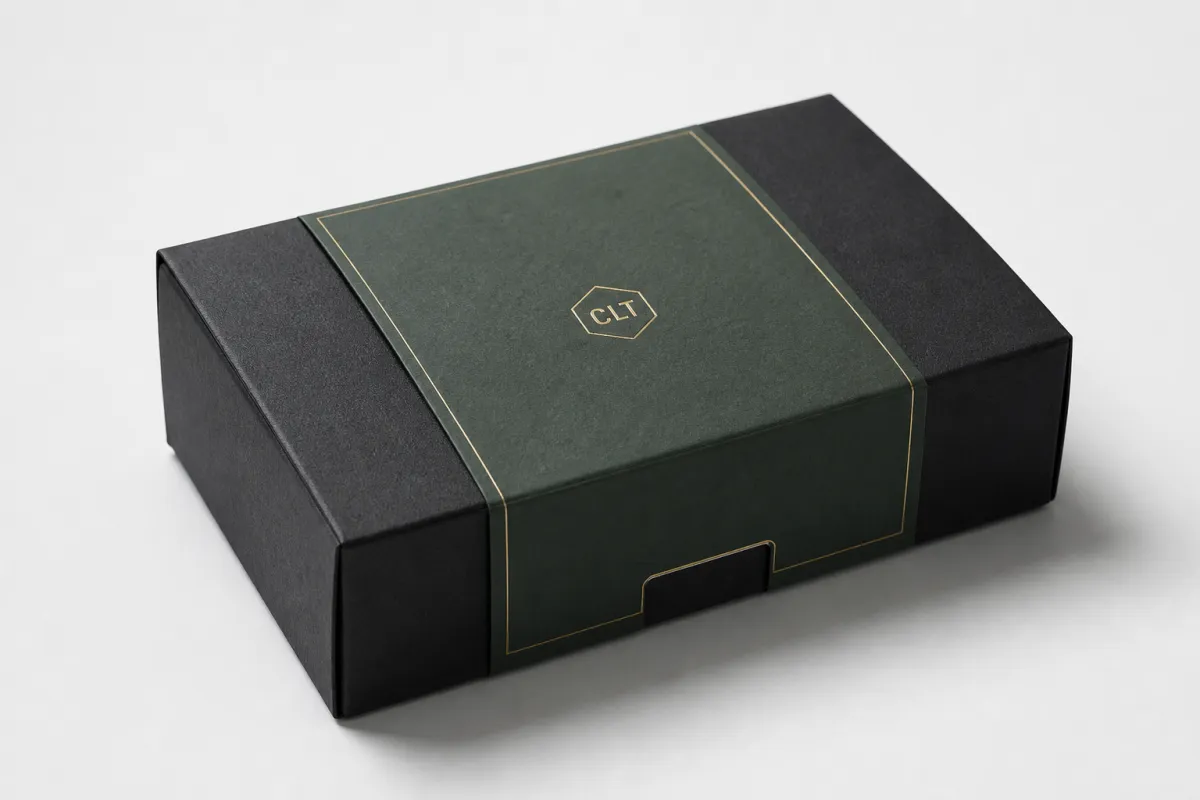
Packaging buyers reach for custom sticker labels for boxes when they need standard cartons to feel intentional. A kraft mailer can look considered if the label placement is centered, the artwork is restrained, and the finish suits the board. A sloppy application does the opposite. Even a premium box can read as rushed if the label is crooked by a few millimeters or cut too close to a fold.
The format is simple enough. These are adhesive labels applied to cartons, mailers, folding cartons, and product boxes. They can be printed on sheets for hand application, on rolls for faster packing, or as individual pieces for lower-volume jobs. That flexibility is a big part of the appeal. Custom sticker labels for boxes adapt to limited editions, influencer mailers, sample programs, and seasonal promotions without forcing a brand to bin existing inventory.
They also give teams a way to test packaging decisions before committing to custom printed boxes. A brand can trial a matte finish, a different logo lockup, or a security seal on a few hundred units instead of placing a large carton order that may age badly in storage. For growing brands, that kind of trial run reduces waste and replaces guesswork with actual handling data. A label can expose problems early, and that saves money later. Kinda old-fashioned advice, maybe, but it holds up.
"If the box is the stage, the label is the handshake." That framing still works because customers usually touch the label before they examine the carton itself. Their first read is visual, then tactile, and those impressions land almost at the same time.
The same flexibility that makes custom sticker labels for boxes useful can also create problems. Wrong adhesive on rough kraft board? It lifts. Glossy stock on a route that includes abrasion and humidity? It starts looking tired before the boxes even reach the customer. A crowded layout can make premium materials look cheap. The label has to fit the box, the route, and the product job, not just the artwork.
For brands building coordinated product packaging, labels often sit beside inserts, cartons, and tape rather than replacing them. If you need a broader packaging mix, it helps to keep the system under one roof with Custom Packaging Products and matching Custom Labels & Tags. That keeps color, material, and message hierarchy from drifting apart. In packaging, drift is costly; it sneaks in quietly and then shows up all over the shelf.
There is another detail people miss. Custom sticker labels for boxes are usually the first thing a customer touches, not the box board itself. That makes edge quality and adhesion feel more important than they look on a screen. If the corner curls, the backing tears badly, or the adhesive smears onto the carton, the brand takes the hit immediately. Pretty packaging matters. Functional packaging matters more.
How Custom Sticker Labels for Boxes Work in Practice
Custom sticker labels for boxes are a production decision as much as a visual one. The workflow usually starts with a brief, moves into artwork setup, then proofing, print production, die cutting or finishing, packing, and application. If any step is vague, the result becomes vague too. Packaging mistakes rarely appear at the start of the job. They show up when finished boxes are already stacked and ready to ship.
Surface behavior changes the equation. A smooth coated carton accepts custom sticker labels for boxes differently than rough kraft or textured corrugate. On one surface, the adhesive bites quickly and stays flat. On another, the same label needs a stronger adhesive or a different facestock to survive handling. Copying a label spec from one box program to another without testing is how avoidable failures begin.
Placement matters more than most teams expect. A top-panel brand label makes sense for retail-ready shipping or a mailer that lands face-up. A side-panel label works better for shelf identification or stacked storage. A seal-over-flap label can do double duty as branding and tamper evidence. With custom sticker labels for boxes, placement is part of the function, not just the layout.
Smaller operations usually apply labels by hand. That means easy-peel backing, consistent cut size, and a forgiving shape often matter more than a clever die line. Larger facilities tend to favor rolls because they feed better through applicators and reduce handling time. If application slows the pack line, the spec is wrong. A label that adds three seconds per box creates twenty-five extra minutes over five hundred boxes, and that delay shows up fast in a warehouse.
Custom sticker labels for boxes can also handle operational information. Barcodes, SKUs, lot numbers, care notes, ingredient callouts, and promo copy can all live on one label if the layout is planned with discipline. That is where package branding overlaps with warehouse reality. A label that looks polished but forces the pack team to add a second label is not efficient. It is decorative overhead.
The best fit check uses the actual carton, not the file preview. Measure the flat panel, note fold lines, and leave room for seams and panel flex. A label that fills an entire panel in a mockup may feel crowded once it is on the physical box. Custom sticker labels for boxes should look deliberate, not squeezed in like an apology.
Quick Application Checks
Before any run goes live, I would check three things: the label peels cleanly, the adhesive grips the real box stock, and the print stays legible after a normal handling pass. If one of those fails, the label is not ready for production. That small test catches more problems than a prettier mockup ever will, and it often catches them before a pack line does.
- Confirm the panel size on the finished box, not just on the dieline.
- Test the label on the actual carton surface after storage and handling.
- Check whether the label must survive scuffing, cold, or humidity.
Custom Sticker Labels for Boxes: Cost, MOQ, and Quote Basics
Cost for custom sticker labels for boxes is shaped by five things more than anything else: size, shape, material, finish, and quantity. Once color coverage, special effects, and application method enter the picture, the math gets easier to read. Larger labels cost more because they consume more stock. Specialty finishes cost more because they add process steps. Low quantities cost more per unit because setup gets spread across fewer pieces. The invoice is usually more ordinary than buyers expect.
MOQ is where people often misread the market. Digital runs can begin in the low hundreds, which works for samples, launches, or short promotions. Traditional print methods and custom dies make more sense once quantities climb. A low MOQ only matters if it matches the reorder rhythm. If the same design will be reordered every few weeks, a small run may be ideal. If the same box stays in use for months, a larger run may lower total spend without filling storage with obsolete stock.
Unit price gets all the attention until the final invoice lands. Then the art setup, proof revisions, die charges, plate charges, rush fees, and freight all become visible. None of that is glamorous. All of it is real. With custom sticker labels for boxes, the hidden costs are often the ones tied to avoidable delays: wrong file, wrong size, late approval, wrong material. Those mistakes are expensive in ways the sticker line item never shows.
| Option | Typical MOQ | Typical Unit Cost | Best Use | Watch Out For |
|---|---|---|---|---|
| Paper labels on sheets | 100-1,000 | $0.05-$0.12 | Dry indoor packaging, small runs, hand application | Moisture, scuffing, and rough kraft surfaces |
| BOPP or polypropylene on rolls | 500-5,000 | $0.10-$0.22 | Shipping cartons, retail packaging, moderate handling | Over-specifying finish when a simple matte would do |
| Soft-touch laminated synthetic | 1,000-5,000 | $0.18-$0.38 | Premium branding, gift boxes, presentation kits | Higher cost, longer production time |
| Clear or metallic specialty labels | 1,000+ | $0.20-$0.45 | Limited editions, attention-grabbing package branding | Legibility issues if artwork is too busy |
A useful quote request for custom sticker labels for boxes should include the box dimensions, the label size or at least the panel area, the box surface, the purpose of the label, and the quantity breakpoints. If shipping durability matters, say so. If the label is meant for retail packaging polish, say that too. If the label has to carry a barcode, mention the scan requirements. A quote built on assumptions is not really a quote. It is a guess with a price tag.
Here is the practical tradeoff: a smaller test order protects cash and keeps the risk low, but the unit cost may be higher. A larger order drops the unit cost, but only makes sense if the design is stable and the box size is locked. For custom sticker labels for boxes, the smarter decision is the one that protects margin and avoids rework. Cheap labels that fail on the line are expensive labels in disguise.
For brands that need packaging components around the label, compare the whole package plan rather than the label alone. If the next order includes inserts, cartons, or closure items, tie the label spec to the rest of the branded packaging instead of treating it as a one-off purchase. That keeps the packaging system from fragmenting into a bunch of disconnected purchases.
Production Process and Timeline for Sticker Labels
Once a custom sticker labels for boxes order is approved, the process is usually predictable: brief, artwork, proof, print, finish, cut, pack, ship. Predictable does not mean fast. It means the job can move cleanly if the file is correct and the people approving the proof respond on time. The quickest jobs are the ones that do not require rescue.
Digital printing is usually the fastest path for short runs and designs that may still change. Specialty inks, foil, lamination, and custom die shapes add time because they add setup and inspection. A clean digital run can often move in roughly five to ten business days after proof approval. Add a specialty finish or a complex cut, and ten to fifteen business days is more realistic. If the label needs a custom tool or a revision after proof, the calendar stretches. That is production, not mystery.
The biggest delays rarely come from the press. They come from missing dielines, low-resolution logos, late copy changes, and teams that approve color after the print slot is already booked. I see that pattern often with custom sticker labels for boxes. The printer gets blamed because the problem is visible there, but the real issue usually starts earlier in the chain. Good packaging design is mostly good planning with stronger typography.
It helps to separate lead time, turnaround, and transit time. Lead time covers the production window. Turnaround may include proofing and approval. Transit is the shipping leg. Buyers mix those terms constantly and then wonder why labels are not there before packing day. They were never the same clock.
Seasonal packaging needs buffer time. Product launches do too. So do influencer mailers with hard ship dates. If the boxes will be packed by hand, add time for a sample round and a team test. If the label is going onto a surface that needs a stronger adhesive, add time for a real adhesion check. For custom sticker labels for boxes, an extra day or two is usually cheaper than expediting a panic order.
For brands shipping under stricter performance expectations, it helps to think like a transit tester. Resources from ISTA are useful because they frame packaging around vibration, drop, and handling conditions rather than shelf appearance alone. If your boxes need to survive rough routes, that mindset is worth borrowing.
Custom Sticker Labels for Boxes: Material, Adhesive, and Finish Choices
Material choice determines how custom sticker labels for boxes behave after they leave the printer. Paper labels are usually the most budget-friendly option and work well for dry, short-life packaging. BOPP and other synthetic stocks stand up better to moisture, scuffing, and shipping abuse. If the labels will see cold storage, humidity, or repeated handling, a synthetic stock is usually the safer choice. Pretty stock means nothing if the label peels off in the warehouse.
Adhesive strength is not a small detail. Permanent adhesive belongs on labels that form part of the brand identity and need to stay put. Removable adhesive is better for promotions, reuse, or boxes that may be relabeled later. High-tack adhesive earns its keep on rough corrugate, dusty board, or textured kraft that would defeat a standard adhesive. Custom sticker labels for boxes fail more often because of adhesive mismatch than because of print quality.
Finish changes the mood of the box. Matte feels softer and often reads as more restrained and premium. Gloss pushes color harder and can suit bolder product packaging. Soft-touch lamination adds a tactile, almost velvet feel that works well for gift sets and presentation boxes. Clear labels can disappear into a carton for a cleaner look. Metallic effects can create a sharp highlight if the artwork is not overloaded. The finish should support the package branding, not compete with it.
There is also the environmental side of the choice. If you are specifying paper-based stocks, think about how the label fits into the carton's recycling stream. If you want paper-based sourcing to be documented, FSC-certified materials are a useful reference point, and the standards are outlined at fsc.org. That does not solve every sustainability question, but it is a real starting point rather than a vague green claim.
If you want a sanity check before a full run, test the label on the real box stock under the real packing conditions. Store it, fold it, rub it, and move it the way a shipping team would. A label can look perfect on a desk and misbehave on a production carton. That is why custom sticker labels for boxes should be tested on the actual substrate, not just admired on a monitor.
- Paper: best for dry, low-wear applications and the lowest cost.
- BOPP/synthetic: better for moisture, shipping, and retail packaging.
- High-tack adhesive: smart for rough corrugate and kraft board.
- Matte finish: good for understated branding and less glare.
- Soft-touch or gloss: better for premium presentation and color impact.
Common Mistakes With Custom Sticker Labels for Boxes
The most common mistake with custom sticker labels for boxes is overcrowding the design. Logo, barcode, legal copy, promo text, QR code, and decorative border all fighting for the same space usually ends up looking like a clearance aisle sign. Hierarchy matters. A box label has to be read quickly, often from a short distance, and often by someone who is already moving.
Material mismatch comes next. A label that bonds beautifully to a smooth mailer can lift from textured kraft or a cold-room package. That is not the printer being difficult. That is substrate physics. When the adhesive or facestock is wrong, the result looks cheap even if the artwork is strong. Custom sticker labels for boxes should be specified for the actual carton, not the sample sitting closest to the desk.
Finish mistakes are subtler. Gloss can pick up scuffs during shipping. Matte can mute color if the design depends on strong contrast. Metallic can look sharp or noisy depending on how much is happening in the artwork. The point is not to avoid finishes. The point is to match them to the box, the route, and the brand mood.
Another common miss is ignoring the technical side of the file. Bleed, safe zones, quiet areas, and cut lines exist because print equipment does not care about good intentions. Tiny text too close to the edge is one of the fastest ways to make an otherwise solid label look amateur. If the job needs a barcode, that barcode needs room to scan. A label that cannot be read is not helping anyone.
The biggest waste of time is skipping the real sample test. Screens lie. Paper samples lie less, but they still do not show the full story. Apply custom sticker labels for boxes to the actual carton, run it through the handling path, and inspect the corners, seams, and edges after a day or two. That one step catches more problems than most revision rounds.
For a quick reality check, ask whether the label still looks good after being touched, stacked, or shipped. If the answer is no, the spec needs work. If the answer is maybe, the spec still needs work. Packaging rarely rewards optimism.
Custom Sticker Labels for Boxes: Your Next Steps Before Ordering
Before ordering custom sticker labels for boxes, gather the facts. Box dimensions. Carton color. Surface type. Label purpose. Application method. Quantity. If the label needs to brand, seal, inform, or do all three, write that down plainly. Vague briefs create vague results, and vague results cost more to fix after print.
Then collect the assets. Logo files in a usable format. The exact copy that has to appear on the label. Barcodes or SKUs. Any compliance text. Placement preferences. If the job is tied to retail packaging, say so. If it is for shipping cartons, say that too. Custom sticker labels for boxes can serve both roles, but the spec changes depending on the task.
I would also ask for at least two material and finish combinations, then test them on the actual boxes. One option might win on cost. Another might win on durability. A third might be the best compromise. You do not know until you see the label on the real carton under real handling. That is the boring answer, and it is usually the right one.
When you request a quote, do not stop at unit price. Ask for quantity tiers, MOQ, Lead Time, shipping estimate, and reorder pricing. Ask whether art setup is included. Ask whether a new die is needed. Ask what happens if you change the label size later. A supplier who can explain those points clearly is worth more than a supplier whose answer begins and ends with the cheapest first line.
For brands balancing labels with cartons, inserts, or closure items, the smartest move is to align the label spec with the rest of the packaging system. That keeps branded packaging consistent and prevents you from paying to solve the same problem twice. Custom sticker labels for boxes should support the full unboxing experience, not just decorate one panel and hope for the best.
Here is a practical launch checklist:
- Approve the proof only after checking size, text, and barcode placement.
- Test the sample label on the real box stock.
- Train the packing team on placement and alignment.
- Confirm the reorder point before inventory gets tight.
- Keep one backup spec ready if the first material does not behave.
That is the difference between a smooth rollout and a packaging headache. Custom sticker labels for boxes can be one of the highest-value tools in product packaging, but only if the size, adhesive, finish, and timing are chosen with discipline. Do that, and custom sticker labels for boxes will do exactly what they are meant to do: make the box look finished, keep the operation moving, and protect the brand without forcing a full carton redesign.
FAQ
Are custom sticker labels for boxes cheaper than printed boxes?
Usually, yes, especially for small to medium runs. Custom sticker labels for boxes avoid the setup cost of custom-printed cartons, which matters a lot when designs change often or you are testing a new offer. Printed boxes can win on unit cost at very high volumes, but only if you actually move that volume and do not get stuck with obsolete inventory.
What size should custom sticker labels for boxes be?
Base the size on the flat panel you are labeling, not on a mockup that looks good on a laptop. Leave margin on all sides so the label does not crowd folds, seams, or edges. If the label needs a barcode or small text, readability should win over oversized branding. Custom sticker labels for boxes work best when the design fits the box instead of fighting it.
Which material works best for custom sticker labels for boxes?
Paper is usually the most budget-friendly choice for dry, short-life packaging. BOPP or other synthetic stocks are better for moisture, scuffing, and heavier shipping abuse. For rough kraft surfaces, pair the stock with a stronger adhesive instead of hoping standard adhesive will behave. That hope tends to age badly.
How long do custom sticker labels for boxes take to produce?
Short digital runs are usually the fastest, while specialty finishes and custom tooling add time. Artwork approval often takes longer than printing, especially if the file needs cleanup or a revised dieline. Always separate production time from shipping time when you plan a launch, because those are two different clocks.
Can custom sticker labels for boxes be used for shipping and retail packaging?
Yes, but the label has to match the job. Shipping labels need durability and legibility, while retail packaging usually cares more about visual polish and package branding. If one label has to do both, choose a material and adhesive that can survive handling without looking tired. That is the practical way to keep custom sticker labels for boxes working across more than one use case.

