Buyer Fit Snapshot
| Best fit | custom sticker seals for mailers branding sticks for packaging buyers comparing material specs, print proof, MOQ, unit cost, freight, and repeat-order risk where brand print, material, artwork control, and repeat-order consistency matter. |
|---|---|
| Quote inputs | Share finished size, material target, print colors, finish, packing count, annual reorder estimate, and delivery region. |
| Proofing check | Approve dieline scale, logo placement, barcode or warning zones, color tolerance, and any recyclable or compostable wording before bulk production. |
| Main risk | Vague material claims, crowded artwork, or missing packing details can create delays even when the unit price looks attractive. |
Fast answer: Custom Sticker Seals for Mailers Branding Sticks: Film, Closure, Print, and Fulfillment should be specified like a repeatable production item. The safest quote includes material, print method, finish, artwork proof, carton packing, and reorder notes in one written spec.
What to confirm before approving the packaging proof
Check the product dimensions against the actual filled item, not only the sales mockup. Ask for tolerance on folds, seals, hang holes, label areas, and retail display edges. If the package carries a logo, QR code, warning copy, or legal claim, reserve that space before decorative graphics fill the panel.
How to compare quotes without losing quality
Compare board or film grade, print process, finish, sampling route, tooling charges, carton quantity, and freight assumptions side by side. A lower quote is only useful if the supplier can repeat the same color, closure quality, and packing count on the next order.
Custom Sticker Seals for mailers do quiet, useful work. A plain kraft envelope or poly mailer can look forgettable until a branded seal crosses the flap. Then the package feels considered. Closed. Worth opening with a little more care. One small label is doing three jobs at once: sealing the mailer, carrying brand identity, and shaping the first physical impression of the shipment.
For Custom Logo Things, that matters because packaging has to earn its keep. No one needs decoration for decoration’s sake. A seal can be a fast, relatively low-cost way to improve branded packaging, support retail packaging standards, and raise perceived quality without jumping straight to fully printed custom boxes or Custom Printed Mailers on every order. Not every brand needs a bigger packaging budget to look polished. Some just need to stop sending products out in a sad paper bag with a shipping label slapped on top.
Teams keep coming back to custom sticker seals for mailers after they test them on real shipments. The math looks simple on a quote sheet. Transit behavior is not simple. Fulfillment conditions, adhesive performance, mailer material, and the customer’s hands all change the result. That is where the actual decision lives.
Why custom sticker seals for mailers matter more than they seem
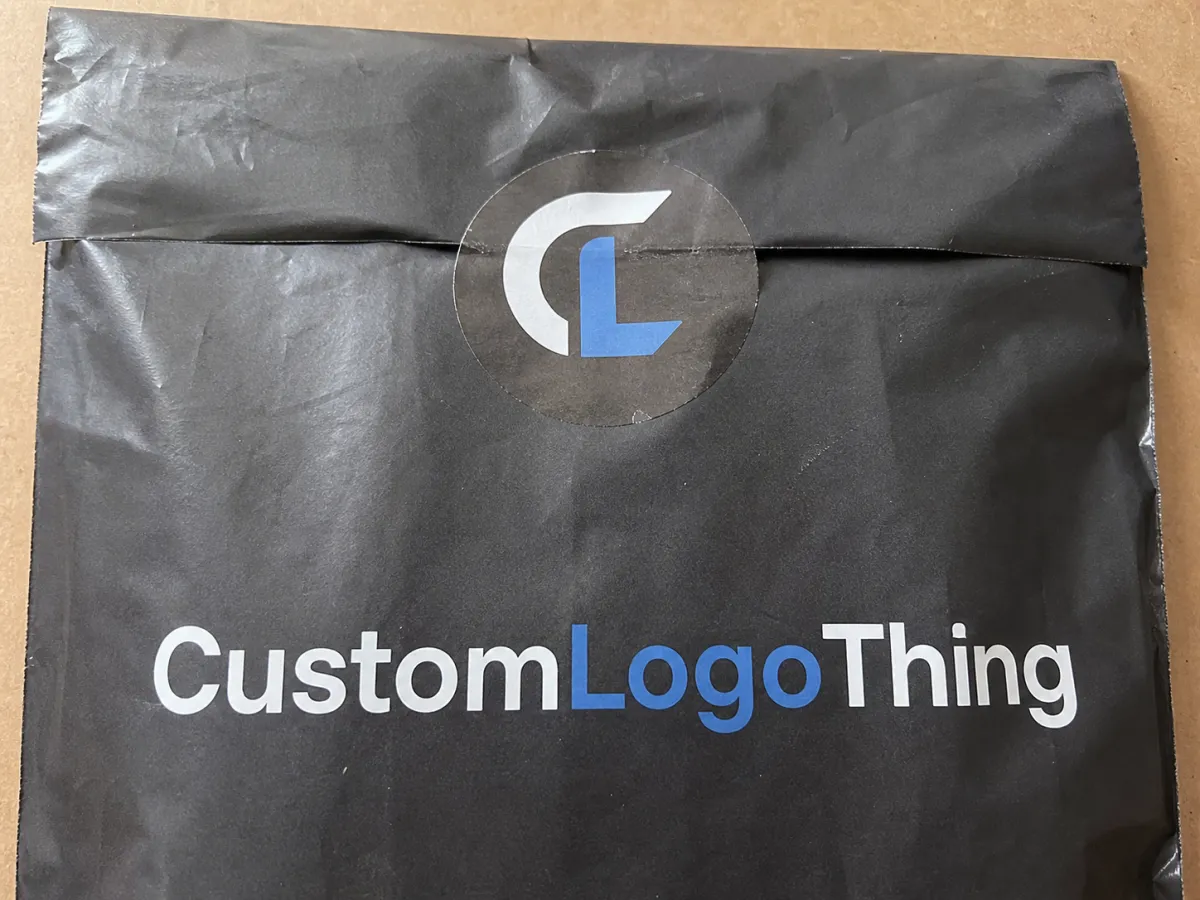
Picture two packages landing on the same doorstep. One is a bare mailer with a shipping label and nothing else. The other is sealed with a logo sticker that matches the brand colors, sits cleanly across the flap, and gives the whole package a finished edge. The contents could be identical. The perceived value will not be. That small detail changes the opening ritual before the package is even opened.
Custom sticker seals for mailers are branded adhesive labels used to close, decorate, or authenticate mailer flaps and closure seams. They can be simple round dots, custom die-cuts, or a longer format that bridges the seam. In practice, they sit right between packaging design and basic utility. That overlap is why they often beat more expensive upgrades on a cost-per-impression basis.
From a packaging buyer’s point of view, the seal sits in a strong position. It is small, but it lives where people look and touch. Customers notice it during unpacking. Warehouse teams notice it while packing. A clean seal makes the closure look intentional. The right material helps keep the package neat in transit. Both matter.
Trust plays a part too. A seal over the opening seam gives a light tamper-evidence cue. It does not replace formal security. It should never be treated as compliance equipment unless it has actually been tested for that job. Still, it gives the customer a clear signal that the package has not been casually opened and reclosed. That matters for samples, influencer kits, subscription shipments, and launch mailers where the opening moment is part of the plan.
Packaging performance has never been only about looks. Teams that test mailer systems usually care about handling, compression, vibration, and surface behavior, not just print quality. ISTA testing protocols are a useful reference point for that mindset, especially when shipments are sensitive to transit abuse or temperature swings. The standards overview at ISTA is worth checking if you want context on parcel testing practices.
The short version: a seal is not just a sticker. It is a compact branding device, a light closure aid, and a signal that someone paid attention. That combination is why custom sticker seals for mailers keep showing up in smart packaging programs.
How custom sticker seals for mailers work in the real world
Placement matters almost as much as design. Most seals go across a front flap, over a tuck closure, or across the seam where two surfaces meet. On lighter paperboard envelopes, the seal may be mostly visual. On other mailers, it helps hold the closure shut after repeated handling. The right placement depends on the mailer structure, product weight, and how much movement the package will see during shipping.
Paper mailers, corrugate mailers, and poly mailers each behave differently. A coated paper surface may look smooth but still resist certain adhesives if the finish reduces tack. Recycled or textured stocks can be even more variable because the fibers and surface treatment change how the adhesive sets. Poly mailers are often more predictable for adhesion, but they can also react to temperature shifts and lower-grade adhesives in ways that catch teams off guard during winter shipping or warehouse storage.
Adhesive strength is the hidden variable most people underestimate. A seal that looks perfect on a sample sheet can start curling on a production line if the release liner or adhesive formulation does not match the mailer material. If the package will sit in a cold dock, ride in a hot vehicle, or move through multiple fulfillment stations, test it under realistic conditions. A peel test, even a basic internal one, tells you far more than a pretty proof.
Here is where custom sticker seals for mailers become especially practical. They can be used on:
- E-commerce orders that need a cleaner finish than a plain flap.
- Subscription kits where recurring shipments benefit from recognizable package branding.
- Influencer and PR mailers where unboxing value matters as much as the product.
- Sample packs where a small seal can create a premium first touch.
- Promotional shipments that need a branded packaging cue without heavy print spend.
There is a workflow upside too. A well-sized seal is faster for fulfillment teams than adding extra tape, especially when the design already shows where the closure belongs. That can cut down on messy overlap, crooked tape, or a mailer that looks rushed on the packing bench. In high-volume operations, even a few seconds saved per pack starts to matter. The benefit compounds fast when the seal becomes part of the packing standard instead of an afterthought.
For brands that use a mixed packaging system, seals can bridge the gap between formats. If some products ship in custom printed boxes and others in mailers, the same visual language can carry across both. That consistency supports product packaging recognition and keeps the unboxing experience from splintering across different SKUs.
If you already use Custom Labels & Tags for internal labeling or retail presentation, a seal can be the outer layer that reinforces the same identity. If you are still sorting out your outer shipper, reviewing Custom Packaging Products can help you compare seal-led branding against more expensive packaging upgrades.
Key design, material, and finish factors to choose first
The fastest way to overspend on seals is to start with novelty instead of use case. Shape and finish matter. Proportion matters more. A round 1.5-inch seal can look elegant on a small envelope and oddly tiny on a larger poly mailer. A long rectangular label can bridge a seam cleanly, but it may feel visually heavy on a compact kit. The right size should fit the flap width, the brand mark, and the distance from which the package is normally seen.
Round, square, rectangle, and custom die-cut are the usual shapes. Custom die-cuts can look great when the logo is strong enough to carry the shape. They also add setup complexity. If the brand mark already has presence, a simpler format often wins because it prints cleanly and keeps the cost under control. Restraint usually beats a fancier outline that tries too hard.
Material choice controls how the seal behaves. Paper stocks feel familiar and work well with kraft mailers, recycled envelopes, or brands leaning into a natural look. BOPP helps when moisture resistance or scuff resistance matters, and it usually holds color well. Vinyl can help when durability is the priority, but it is not always the best fit if the seal should feel lightweight or eco-conscious. Specialty stocks, including textured papers or metallic films, can add character, though they need careful selection because they can affect adhesion and print clarity.
Finish changes the tone fast. Matte gives a quieter, more editorial feel. Gloss is brighter and makes color pop. Soft-touch adds tactility, but it raises cost and can show handling marks differently. Foil accents can lift the package quickly, though small metallic details are unforgiving when the art gets crowded. If the artwork depends on fine type, a dense foil pattern can hurt legibility at small sizes.
For a packaging procurement team, the right question is not “Which finish looks richest?” It is “Which finish fits the brand promise, the mailer surface, and the shipping environment?” That framing keeps the seal aligned with the rest of the packaging design instead of turning it into a random embellishment.
The adhesive and release liner matter too. A good release liner makes application clean and predictable on the packing line. A poor one can tear unevenly or slow down hand application. Adhesive should be chosen against the real surface, not just the sample sheet. If the seal will go on a recycled mailer with a textured finish, test it there. If the package may be chilled or stored in humid conditions, test it there too. That is basic quality control, not overengineering.
“The best-looking seal is the one that still looks good after the package has sat in a warehouse, traveled by courier, and been opened by a customer who notices everything.”
If you want a sustainability angle, paper-based seals with FSC-certified materials can support that story when the supply chain qualifies. The Forest Stewardship Council explains certification and responsible sourcing clearly at FSC. Keep claims precise. A seal can be paper-based or FSC-certified, but not every paper seal is automatically sustainable in the broad sense. The substrate, adhesive, inks, and recovery path all matter.
The easiest way to compare the main options is to put them side by side before you request quotes.
| Option | Typical look and use | Relative unit cost | Best fit | Watch-outs |
|---|---|---|---|---|
| Paper label | Natural, classic, easy to print | $ | Kraft mailers, eco-leaning brands | Less moisture resistance |
| BOPP seal | Bright print, good durability | $$ | High-touch ecommerce and promo kits | Can feel less premium on some paper mailers |
| Vinyl seal | Tough, flexible, long-wearing | $$$ | Heavy handling or special events | Not always the best value for simple branding |
| Foil or specialty stock | High-impact, tactile, eye-catching | $$$ | Launches, premium sets, influencer packs | Higher setup scrutiny, less forgiving artwork |
If your package mix includes Custom Poly Mailers, the seal choice should be tested against that exact outer film, not just a generic swatch. A seal that behaves well on one surface can lift or wrinkle on another, especially if the mailer uses a slick exterior or a matte coating with unexpected surface energy.
Cost, pricing, MOQ, and quote basics for custom sticker seals for mailers
Pricing for custom sticker seals for mailers usually comes down to six variables: quantity, size, shape complexity, material, finish, and color count. Add custom tooling or an unusual die-cut, and the quote changes again. That is normal. The first run often looks expensive because setup, proofing, and conversion costs are spread over a smaller number of units. Once volume rises, unit economics improve noticeably.
For a practical benchmark, smaller runs often land around $0.08-$0.22 per seal at modest quantities, depending on dimensions and print complexity. At higher volumes, the cost may move closer to $0.03-$0.10 per seal. Those are directional ranges, not promises, because adhesion performance, specialty finishes, and packaging format can move the number up or down. Still, they are useful for planning before you request a formal quote.
MOQ, or minimum order quantity, is where smaller brands often feel the pressure. A supplier may need to run a full sheet, a press setup, or a conversion batch even if the finished order is small. That means the first threshold is often less about what the brand wants and more about what the manufacturing process requires. If you are a startup or a seasonal brand, ask whether the supplier can offer short-run digital printing, sheeted labels, or staged production to keep the initial cash outlay manageable.
The best quote requests are specific. Ask for:
- Proofing or prepress fees.
- Plate, die, or cutting charges.
- Material and finish options with separate pricing.
- Packaging format, such as rolls, sheets, or individual labels.
- Shipping method, transit time, and split shipment costs.
- Storage or re-release fees if you plan to reorder in batches.
That last item matters more than many teams expect. If a supplier holds finished stock for you, storage or pick-and-pack charges can affect the true landed cost. The same goes for rush freight. A low per-unit price stops looking smart once a courier upgrade is added to protect a launch date.
When comparing seals against printed mailers, the economics often favor the seal at lower and mid volumes. Fully printed outer mailers can be strong for brand consistency, but the print setup is usually less forgiving, and spend rises quickly when you want multiple sizes or seasonal artwork. Custom sticker seals for mailers give you a lower-commitment branding layer that can be adjusted faster and, in many cases, reordered with less friction.
There is also a planning edge. If you are still refining packaging design, a seal lets you test a new color system or logo treatment before you commit to a larger custom printed boxes or mailer program. That makes it a smart bridge for brands that want better package branding without locking themselves into a heavy inventory position.
Process and turnaround: production steps from artwork to delivery
Production usually starts with a brief. The supplier needs the size, shape, substrate, intended mailer type, artwork, quantity, and whether the seal is decorative, functional, or both. If the brief is clear, the job moves predictably. If the brief is vague, proofing turns into a long loop of corrections and clarifications. Nobody enjoys that loop. Not the brand. Not the supplier. Not the person trying to hit a launch date.
The workflow usually moves through file review, proofing, production, finishing, packing, and shipping. Digital jobs can move faster because they skip some plate-related setup, while bulk converted orders may need more lead time but deliver a lower unit cost at scale. A straightforward order with approved artwork can often move in about 7-12 business days after proof approval. More complex jobs, especially those with custom dies, foil, or specialized adhesives, may take 12-20 business days or longer.
That timeline only helps if the approval process is fast. The most common delay is not printing. It is waiting for a revised dieline, a corrected color file, or late sign-off from a marketing team with too many cooks in the room. Every round of changes adds time. A reproof may be needed when the seal shape, cutline, or finish changes, and that reset can push the schedule by days.
File prep matters too. Supply clean vector artwork when possible. Keep small text readable. Leave safe margins so the logo does not crowd the edge. If the seal is tiny, gradients and hairline borders can disappear or break up when the print is converted to a compact format. The design has to survive more than the proof stage. It has to survive the actual package in the customer’s hand.
If the seals need to land by a specific launch date, build in buffer time. Allow for artwork revisions, production, transit, and at least one contingency day for a damaged shipment or a mismatch in delivered finish. That buffer matters even more when the seals support a product drop, influencer send, or promotional mailer campaign with a fixed announcement date.
Testing should not stop at the sample sheet. Apply the seal to the exact mailer stock you plan to use. Then fold, compress, and handle it the way a warehouse team would. Check the seal after sitting at room temperature, in cooler conditions, and in a warmer environment if the route is likely to include seasonal swings. That simple trial can reveal edge lift, residue, or unexpected curl before the order goes live.
Packaging teams that care about shipping performance often compare their seal trial against broader parcel standards. ISTA methods are not made specifically for decorative labels, but they help build a testing culture that looks beyond appearance. For brands shipping sensitive goods, that mindset can be the difference between a package that merely looks premium and one that stays intact through real transit conditions.
Common mistakes that weaken custom sticker seals for mailers
The first mistake is choosing the wrong adhesive for the mailer surface. Coated, recycled, textured, and glossy materials all behave differently. A seal that works well on one substrate can fail on another, and the failure usually shows up as peeling corners, edge lift, or a seal that slides during packing. If the packaging line uses multiple mailer types, test each one.
The second mistake is undersizing the seal. A seal that is too small may look tidy on a proof, but it may not hold the flap securely or create the visual impact the brand wants. On the flip side, a seal that is too large can dominate the package and waste material. The right size usually reflects both the closure area and the visual scale of the mailer. A 2-inch format may work for small envelopes, while a 3-inch or larger format can fit broader flaps or a stronger brand presence.
The third mistake is loading the artwork with too much detail. A compact label does not have room for every brand element. Fine type, thin borders, and complex gradients often disappear when scaled down. The safer move is to simplify. One focal point. A strong logo mark. A limited color palette. If the seal has to do more than one job, make sure the visual hierarchy is obvious at a glance.
The fourth mistake is ignoring the shipping environment. Humid warehouses can affect tack. Cold routes can affect adhesion. High compression from stacking can push weak labels toward failure. Some teams also miss the effect of dust, recycled fiber fuzz, or surface oils from handling. Each factor looks minor on its own. Together, they explain a lot of the “it looked fine on the bench” problems.
There are also design mistakes that are easy to avoid:
- Low contrast between logo and background.
- Text too small to read without opening the package.
- Foil or metallic details used where they blur at small scale.
- Seal placement that fights the mailer fold instead of supporting it.
- Designs that clash with other package branding elements.
None of those errors are dramatic on their own. That is what makes them annoying. They usually do not fail loudly. They just quietly reduce the effect of the package. Once a customer sees a crooked seal, a peeling edge, or a cramped logo, the brand has already lost some of the value it was trying to create.
If the seal is part of a wider product packaging system, check whether the same visual rules apply to inserts, tape, and outer cartons. Consistency matters. A mailer seal that feels like an isolated graphic can weaken the overall retail packaging story, while a seal that echoes the same typography and color system as the rest of the packaging looks deliberate and coordinated.
Expert tips and next steps for a stronger mailer seal system
Start with a sample test on the exact mailer stock you plan to use. Not a close substitute. The exact stock. That one test tells you more about adhesion, visual scale, and customer feel than a week of guessing. Apply the seal, wait a few hours, then flex the mailer, rub the edge lightly, and inspect for lift or residue. If the package will ship in volume, repeat the test after temperature exposure.
Create a decision matrix before you ask for final quotes. Keep it simple: size, finish, quantity, adhesive type, and the primary use case. A seal for a premium gift set may justify soft-touch or foil accents. A seal for high-volume ecommerce might be better as a durable but plain printed label. Matching the seal style to the shipment type avoids the common trap of paying premium pricing for a job that does not need it.
Ask for physical proofs or a short-run sample if the seal also serves as a tamper cue. On screen, a label can look balanced. In hand, a border may feel too thin, the logo may be too dense, or the finish may reflect more light than expected. A physical proof is a small cost compared with a reprint, especially when the package opening is part of the brand experience.
It also helps to compare seals against the rest of your packaging spend instead of judging them in isolation. If your brand is still using plain mailers, a better seal may be the most efficient upgrade available. If you already use custom printed boxes, the seal can act as a supporting detail that ties the mailer channel back to the main brand system. Either way, the question is not whether a seal is flashy enough. The question is whether it earns its place in the packaging mix.
For brands that want to reduce risk, a staged rollout is usually the smartest path. Order one version for a small run, test the response, then adjust the size or finish before committing to a larger quantity. That approach keeps cash tied to evidence instead of assumptions. It also gives the team a chance to compare options against current product packaging performance and customer feedback.
One last thing: do not judge a seal only by price. A cheaper label that peels, curls, or prints poorly costs more in the long run because it weakens trust. The smartest custom sticker seals for mailers are the ones that fit your packaging system, not just your logo.
Frequently asked questions
What are custom sticker seals for mailers used for?
They close a mailer flap, reinforce the package, and add a branded touchpoint in one step. They can also act as a simple tamper-evidence cue when applied over the opening seam, which is useful for subscription kits, samples, and launch mailers.
How do I choose the right size for custom sticker seals for mailers?
Match the seal size to the flap width and the visual scale of the mailer so it looks intentional, not crowded. If the design includes small text or a detailed logo, choose a larger format or simplify the artwork so the mark stays readable after application.
What materials work best for custom sticker seals for mailers?
Paper stocks work well for a classic look, while BOPP or vinyl is better when you need moisture resistance or stronger durability. The best choice depends on whether the seal is mostly decorative, highly functional, or meant to support both branding and closure performance.
How long do custom sticker seals for mailers take to produce?
Turnaround depends on proof approval, quantity, finish, and whether the design requires custom cutting or special effects. Shorter runs can move faster, but larger or more complex orders usually need more time for setup, finishing, and shipping.
Are custom sticker seals for mailers cheaper than printed mailers?
Usually yes, because seals add branding without requiring a fully printed outer mailer. They are often a smart middle-ground when you want premium presentation but need to control packaging spend across a wider range of orders.
If you are deciding where to improve shipping presentation first, custom sticker seals for mailers are one of the easiest upgrades to test, measure, and scale. Start with one exact mailer stock, one seal size, and one finish that matches the way you actually ship. That gives you a real read on adhesion, cost, and presentation before you commit to a larger rollout. For most brands, that is the practical path: test the seal, keep what works, and build from there.

