Ordering custom stickers australia sounds simple until you have to choose the stock, finish, adhesive, and cut style. Paper looks cheap for a reason. Vinyl looks tougher for a reason. Then you still have to make sure the sticker actually sticks to your surface, survives handling, and still looks decent after a few days in transit.
The best sticker orders start with the use case, not the artwork. A sticker for a dry retail box, a label for a chilled food pack, and a promo decal for an event bag are not solving the same problem. If you define the job properly, the rest gets easier: material choice, pricing, timeline, and whether the final result belongs on a product or in the bin.
What custom stickers Australia buyers should know first
A custom sticker is a printed adhesive piece cut to a set shape and used for packaging, promotions, labels, or branded giveaways. Some are decorative. Others do actual packaging work, sealing cartons, identifying products, or carrying compliance details on a small label. That difference matters because the wrong sticker can fail long before the product does.
The first thing buyers often underestimate is the surface. Smooth glass, coated cardboard, textured kraft, metal tins, and plastic tubs all behave differently. Adhesion on a flat, clean, dry surface is easy. Adhesion on a rough or curved surface is where cheaper materials start to show their limits. Add moisture, heat, or a bit of oil on the surface and the margin gets thinner fast.
Australia’s conditions also matter. Heat in transit, humidity in some regions, refrigerated storage, and long delivery routes can all affect performance. A sticker that looks fine straight off the press may curl, scuff, or lift if the adhesive and laminate are not suited to the job. That is usually a spec mismatch, not a print flaw.
The cleanest sticker order is usually the least dramatic one: correct stock, correct adhesive, correct finish, and a realistic timeline.
How the sticker production process works
Most sticker jobs follow the same path: artwork submission, file check, proofing, printing, cutting, finishing, packing, and dispatch. The file check is not a formality. It is where missing bleed, low-resolution artwork, unconverted fonts, and bad cut paths usually get caught. Fixing those after production starts is slow and expensive.
Digital printing is common for short and mid-size runs because it handles smaller quantities without heavy setup. That makes it practical for product launches, seasonal campaigns, and multiple artwork versions. For larger quantities, unit cost matters more and the print method may shift depending on the design, colour coverage, and finish. A highly detailed sticker with lots of colour and a custom shape will not behave like a simple one-colour round label.
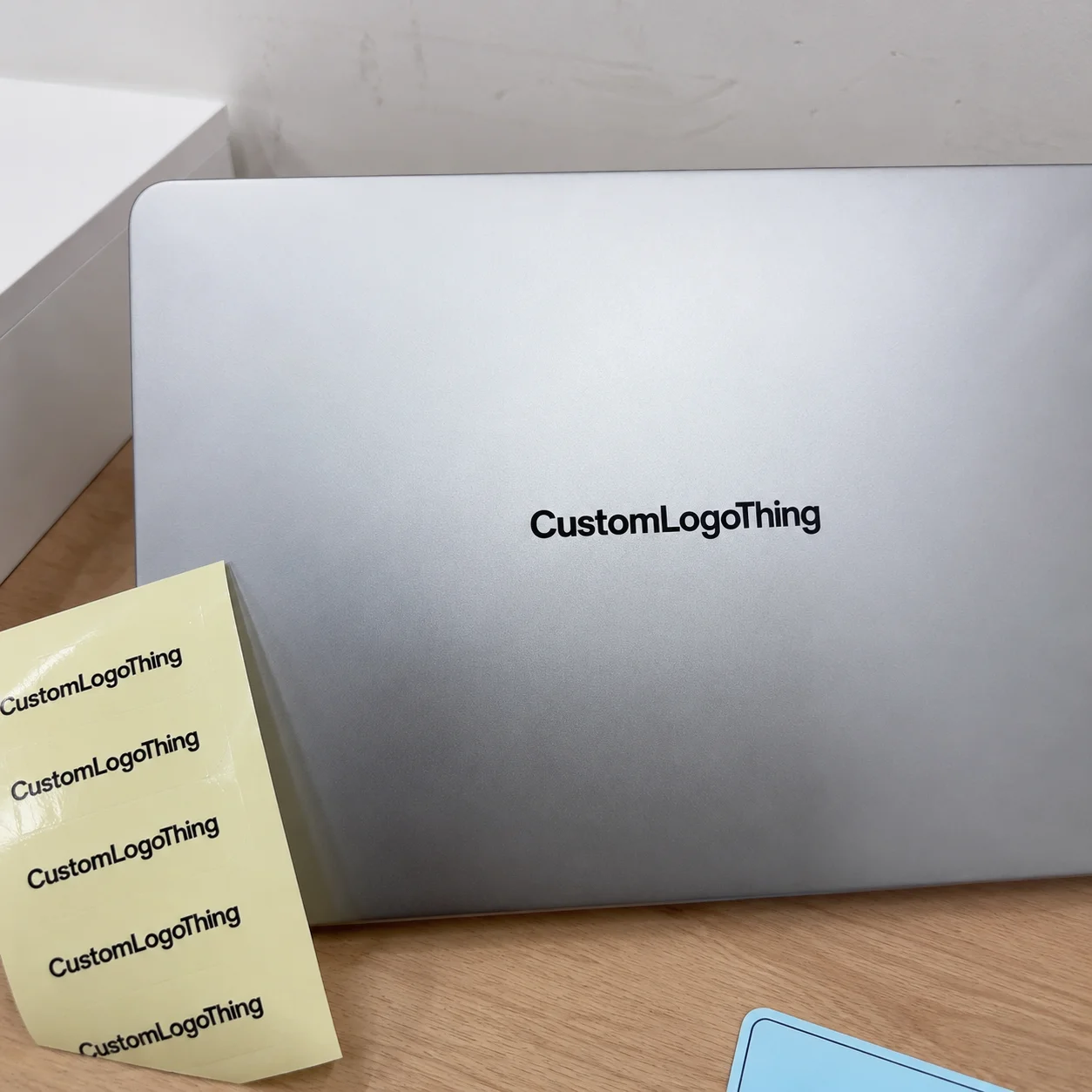
Cutting style also changes how the stickers are used. Kiss-cut sheets are useful when people need to peel individual stickers easily, especially for office packs, small batch fulfilment, or hand assembly. Individual die-cuts work well for loose giveaway stickers. Rolls suit faster application on packing lines, where labour and speed matter more than presentation.
Finishing is where the visual result gets locked in. A laminate improves scuff resistance and moisture protection. A varnish gives some protection with a lighter feel. Matte reduces glare and can make text easier to read. Gloss pushes colour harder and looks sharper on retail packaging. White ink is useful on clear or metallic stocks because it keeps colour from disappearing into the background.
If you are building a broader packaging system, it helps to keep stickers aligned with your other printed items. Matching the tone of your mailers, inserts, and Custom Packaging Products keeps the brand looking intentional instead of pieced together from whatever was cheapest that week.
Cost, pricing, and MOQ factors to compare
Sticker pricing depends on size, shape, material, finish, quantity, turnaround, and any special print requirements. A simple round paper sticker is usually cheaper than a custom-cut vinyl label with lamination and white ink. That sounds obvious, but people still compare quotes as if every sticker is interchangeable.
MOQ, or minimum order quantity, matters because setup cost has to be spread across the run. Smaller orders almost always cost more per unit. Larger runs reduce the unit price but increase your commitment to one design, one stock, and one finish. That is useful when the branding is locked in. It is less useful when the design is still changing every fortnight.
There are also the hidden extras. Multiple artwork versions can add prep time. Specialty adhesives for chilled goods, rough surfaces, or outdoor exposure cost more. Custom shapes take more handling. Freight can move from reasonable to annoying very quickly if the order is urgent or going regional. Ask what is included in the quote before you compare the final figure.
| Option | Typical use | Relative cost | Notes |
|---|---|---|---|
| Paper stickers | Dry packaging, inserts, short-life branding | Lowest | Works well when cost matters more than durability |
| Vinyl stickers | Retail packaging, moisture-prone surfaces, repeated handling | Medium | Better resistance to scuffing and light exposure |
| Synthetic labels | Chilled goods, tougher pack environments, longer wear | Medium to higher | Chosen for performance rather than appearance alone |
| Specialty finishes | Premium launches, strong shelf presentation | Higher | White ink, laminate, and custom cutting raise cost |
The cleanest way to compare suppliers is to keep the spec identical: same dimensions, same shape, same quantity, same finish, same adhesive needs. Once that is fixed, the quotes become useful. Before that, you are comparing slightly different products and pretending the numbers mean something.
Timeline, turnaround, and delivery expectations
Sticker turnaround usually follows the same sequence: file check, proof approval, print, cutting, finishing, packing, and freight. If the artwork is ready and the spec is straightforward, the job can move quickly. If the file needs changes or the proof goes back and forth, the schedule stretches.
Rush orders can be done in some cases, but they leave less room for error. There is less flexibility on stock swaps, less time for artwork fixes, and more risk if someone has to make a late change. If you are launching a product, preparing for a trade show, or filling a seasonal window, give yourself more time than the minimum.
Delivery timing matters as much as production timing. A metro shipment and a regional or remote shipment are not the same thing. Carrier cut-off times matter too, because missing one means losing a day before the parcel even leaves the building. Always confirm the delivery date, not just the print completion date.
For products that need to survive more than a gentle handover, transport testing standards can be useful. The ISTA framework is one reference point for checking how a pack behaves under vibration, drops, and stacking.
Choose the right material, finish, and adhesive
This is where most sticker orders succeed or fail. The material has to fit the use, the finish has to fit the brand, and the adhesive has to fit the surface. Paper is a sensible choice for dry, low-wear applications and short-term promotions. Vinyl and synthetic stocks make more sense when the sticker needs to hold up to handling, moisture, oils, or temperature swings.
Finish changes both appearance and function. Matte keeps things calm and readable, especially under bright lighting. Gloss gives colour more punch and suits retail packaging that needs a slightly more polished look. Soft-touch is less common for basic stickers, but it can work when the sticker sits inside a premium packaging system and the rest of the pack supports that feel.
Adhesive choice deserves just as much attention. A sticker on a shipping carton does not need the same bond as one on glass. Curved containers, textured kraft board, cold storage, and outdoor exposure all affect how well the adhesive performs. Refrigerated or frozen packaging is especially unforgiving because condensation creates the kind of surface conditions that make cheap adhesive look useless. If the product is sensitive, test on the actual surface before you place the full order.
A practical way to choose:
- Dry cartons and inserts: paper or economy synthetic is usually enough.
- Retail packs and mailers: vinyl or laminated stock gives better resilience.
- Cold, damp, or handled often: choose moisture-resistant stock and a stronger adhesive.
- Premium presentation: use matte, gloss, or soft-touch to match the brand tone.
If your stickers are part of broader product packaging, the finish should feel consistent with the rest of the pack. A natural kraft carton with a glossy sticker can work, but it should look intentional. If the brand wants a quiet, low-key feel, matte stock usually reads better. If the goal is a high-contrast retail look, gloss can do the job without needing much explanation.
For paper-based packs, some teams also check the FSC system when sourcing claims matter. That is more about the packaging story than sticker performance, but it often sits in the same approval conversation.
Step-by-step ordering checklist for first-time buyers
First-time buyers usually save time by preparing the spec before they ask for quotes. That means size, shape, quantity, finish, surface, deadline, and file format. If a supplier has to guess any of those, the quote becomes vague and the proof stage gets messy.
- Measure the sticker area and decide on shape.
- Confirm the application surface: cardboard, glass, plastic, metal, or coated board.
- Choose material and finish based on exposure and handling.
- Prepare artwork with bleed, safe area, and cut line.
- Ask for a proof and check colour, text size, and logo placement.
- Approve production only after the spec matches the real use.
File quality matters more than people think. Vector artwork such as AI, EPS, or PDF is best because it stays sharp when resized. High-resolution PNG or TIFF files can work for full-colour artwork if they are actually high resolution. Tiny text, thin outlines, and fine detail all need checking at actual size.
When reviewing a proof, ask about colour accuracy, laminate, adhesive, and cutting method. That is not micromanaging. That is buying the thing you think you are buying. A proper order sequence is simple: brief, file check, proof, approval, production, delivery.
Common mistakes and expert tips to avoid reprints
The cheapest sticker is often the most expensive one to replace. If the stock does not suit the surface, the edges can lift, the print can scuff, or the label can fail when it gets cold, warm, or damp. Buyers often focus on unit price and ignore the environment. Then they reorder because the first run looked fine in the box and useless on the shelf.
Artwork errors are the other common problem. Missing bleed, low-resolution images, and text that is too small for the cut size all create avoidable reprints. A design that looks neat on a monitor can turn muddy once it is printed small. That is especially true for thin fonts, delicate lines, and logos with too much detail packed into a tight space.
A small test run is worth it when the sticker will face refrigeration, moisture, textured board, or repeated handling. An overage is also sensible for launches and fulfilment, because stock runs out faster than people expect. If brand colour matters, keep files stable across reorders instead of tweaking them every time someone opens the file and has a new opinion.
For teams building a fuller packaging system, Custom Labels & Tags can sit alongside stickers as part of the same branding setup. That is often where the packaging starts to feel coordinated rather than improvised.
If the sticker has to survive cold storage, rough transit, or constant handling, test it on the actual pack before you scale the order.
Next steps for custom stickers buyers
The next step is straightforward: define the use, lock the size, choose the material, and request quotes with identical specs. If you already know the surface, the exposure, and the deadline, you have most of the decision made.
Before you place the order, gather the artwork, dimensions, finish preference, and any notes about moisture, heat, cold storage, or outdoor handling. Then check the proof carefully and confirm the timeline against the real delivery date, not the optimistic one.
Done well, custom stickers australia can do more than carry a logo. They can keep packaging looking finished, support retail presentation, and make a product feel more considered without demanding a full redesign. If the sticker spec fits the job, the result does not need explaining. It just works.
What are the best custom stickers Australia businesses use for packaging?
Vinyl and synthetic stickers are usually the better option when durability, moisture resistance, and handling matter. Paper stickers can still be a good choice for dry, short-life packaging or budget-sensitive runs. The right material depends on the surface and the environment, not just the design.
How much do custom stickers in Australia usually cost?
Cost depends on size, quantity, shape, material, finish, and any special print or cutting requirements. Smaller runs usually cost more per unit, while larger orders reduce the unit price. The best comparison is a like-for-like quote with the same spec across suppliers.
How long does production usually take for custom stickers Australia orders?
Turnaround depends on proof approval, production method, finishing, and shipping distance. Straightforward jobs can move quickly once artwork is approved, while complex shapes or special materials add time. Build in extra time for artwork changes and freight.
What file format should I send for custom stickers?
Vector files such as AI, EPS, or PDF are usually best because they stay sharp at print size. High-resolution PNG or TIFF files can also work if the artwork is genuinely high resolution. Always confirm bleed, safe area, and cut line requirements first.
Can custom stickers handle outdoor use or refrigeration?
Yes, if you Choose the Right stock and adhesive for the job. Vinyl with a suitable laminate is often better for moisture, abrasion, and temperature changes. If the sticker will face condensation, cold storage, or repeated handling, test it on the actual surface before ordering in volume.