Custom Stickers and Pins: Order a Smarter Promo Set
A sticker feels casual. People put it on a laptop, bottle, notebook, toolbox, or mailer because it is easy to use and costs them nothing to commit. A pin feels more deliberate. It goes on a jacket, hat, tote, uniform, lanyard, or cork board because it has some weight to it, physically and visually.
That is why custom stickers and pins can work well together. Not because two cheap giveaways magically become strategy. They don’t. The set works when each piece has a job: the sticker spreads the artwork quickly, and the pin gives the recipient something that feels more collectible.
Why Custom Stickers and Pins Work Better as a Set
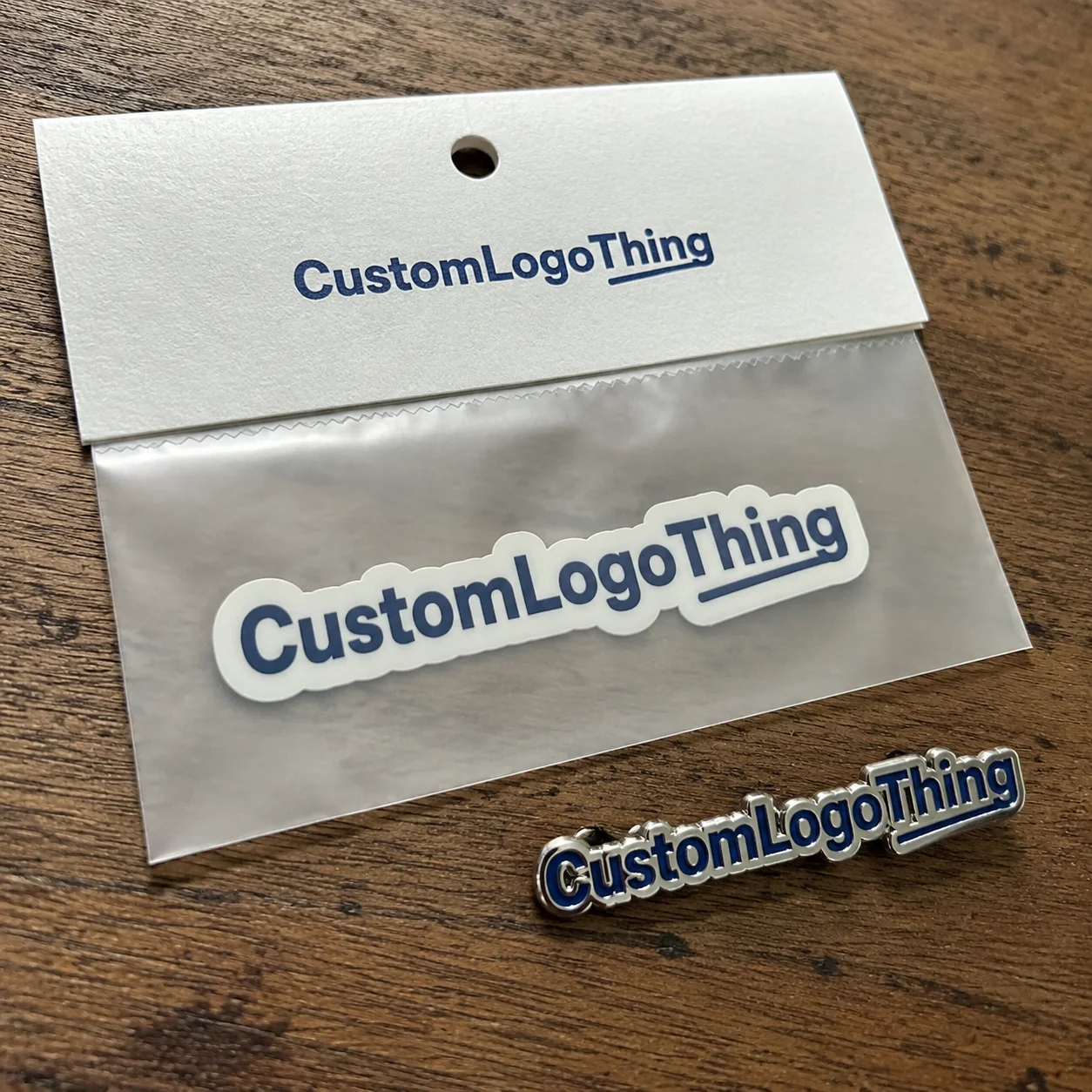
From a packaging buyer’s view, the strength of the set is the contrast. Stickers are flat, lightweight, inexpensive to ship, and easy to hand out in volume at events, checkout counters, merch booths, school tables, nonprofit drives, and packing stations. Pins sit in a different category. A soft enamel pin, hard enamel pin, acrylic pin, button pin, or die-struck metal pin usually feels more like a small gift than a disposable insert.
One item moves fast. The other tends to stick around.
A 3-inch vinyl decal may show up on a water bottle the same day it is handed out. A 1.25-inch enamel pin might stay on a denim jacket for months because the owner treats it like part of their style. That gives the set two kinds of visibility: quick placement and longer-term attachment.
These bundles show up in plenty of practical places: product launches, artist merch drops, employee welcome kits, subscription box inserts, retail counter giveaways, school spirit packs, conference badge add-ons, and donor thank-you mailers. They are also useful in product packaging because they can add perceived value without changing the main carton, label, or shipper. If a brand is testing new campaign artwork before committing to larger Custom Packaging Products, a sticker-and-pin pack is a lower-risk way to see what people actually keep.
Here is the part buyers often underestimate: pairing the products does not mean shrinking the same logo file twice. That is how you get a sticker that looks fine and a pin that looks like it lost a fight with a copier.
A stronger set shares a brand system, mascot, campaign phrase, color palette, or illustration style while respecting the production method. The sticker can carry texture, small copy, gradients, or a larger scene. The pin usually needs to be bolder, cleaner, and more iconic.
Practical rule: build the set so the sticker acts as the high-visibility piece and the pin acts as the keepsake. If both items look intentional together, the whole promo pack feels more polished.
How Sticker and Pin Materials Change the Final Look
Material choice changes the final impression before anyone studies the design. With stickers, common options include white vinyl, clear film, paper label stock, holographic vinyl, matte laminated vinyl, gloss laminated vinyl, and removable adhesive materials.
White vinyl is the reliable all-around option. Colors print cleanly, the background stays predictable, and the sticker works across many surfaces. Clear film can look sharp on glass, clear packaging, and certain product containers, but light ink on clear stock can disappear unless white ink is printed behind it. That extra white layer is not glamorous. It is also the difference between “clean premium detail” and “why can’t I read this?”
Vinyl is usually the safer choice for outdoor use or high-handling surfaces such as water bottles, laptops, helmets, coolers, toolboxes, reusable cases, and mailers. Paper labels can be perfectly fine for short-term packaging, thank-you seals, bakery boxes, event bags, or indoor product packaging. They are not the same animal as laminated vinyl. A matte laminate reduces glare and gives the sticker a calmer hand feel. A gloss laminate makes color pop and often improves scuff resistance on busy giveaway tables.
Pins have their own production language. Soft enamel has recessed color areas separated by raised metal lines, creating a textured face. Hard enamel is filled, cured, and polished smooth, so it feels closer to jewelry. Die-struck metal uses raised and recessed metal without color for a clean, premium look. Acrylic pins are printed and cut from plastic, which works well for bright art, gradients, and small illustration runs. Button pins are budget-friendly and easy to understand, especially for schools, campaigns, rallies, and large events.
| Option | Typical Strength | Common Size Range | Best Fit |
|---|---|---|---|
| Matte vinyl sticker | Durable, low glare, good hand feel | 2 to 4 inches | Laptops, bottles, mailer inserts, branded packaging |
| Holographic sticker | High visual impact | 2 to 3.5 inches | Artist merch, limited drops, youth campaigns |
| Soft enamel pin | Colorful, textured, collectible | 0.75 to 1.5 inches | Events, clubs, retail add-ons, donor gifts |
| Hard enamel pin | Smooth, polished, premium | 1 to 1.5 inches | Merchandise, employee kits, higher-value promo sets |
| Button pin | Lower cost, fast campaign feel | 1 to 2.25 inches | Schools, rallies, giveaways, large events |
Artwork behaves differently across those formats. Tiny text that reads on a 3-inch sticker may vanish on a 1-inch pin. Thin outlines that print cleanly on vinyl may need to become heavier metal separations for enamel. Gradients, shadows, distressed textures, and photographic effects are usually easier on printed stickers and acrylic pins than on soft enamel or hard enamel.
Finishes can help. They can also turn a simple pack into a circus. Gold, silver, black nickel, antique plating, epoxy domes, glitter enamel, spot gloss, foil effects, and printed backer cards should support the artwork rather than compete with it. If the brand already uses FSC-certified paperboard, recycled mailers, or other sustainability claims, keep the pack consistent and verify paper sourcing through credible programs such as the Forest Stewardship Council.
Process and Timeline from Artwork to Finished Sets
The production flow is simple on paper: submit artwork, confirm size, choose quantity, lock material, approve finish, decide packaging, then review the proof. Simple does not mean casual. Each decision affects price, timing, or the finished look.
Stickers usually move faster because the process is direct: print, laminate if needed, cut, weed or separate, inspect, count, and pack. Pins take longer because production may involve mold creation, stamping or casting, plating, enamel filling, curing, polishing, inspection, and attachment of pin backs. For enamel pins, each color sits inside a defined metal cell, so the art has to be translated into a production-ready structure before the physical work starts.
Mixed-product orders are scheduled around the slower item. If vinyl decals finish in 5 to 8 business days but enamel pins need 15 to 25 business days after proof approval, the pin schedule controls the final delivery date unless you approve split shipping. That is not a disaster. It just needs to be planned before the event team starts asking where the boxes are.
Artwork revisions add time. Redrawing tiny shapes, rebuilding a die line, separating enamel color zones, changing plating, or adjusting backer card placement can add 1 to 3 business days. Specialty materials such as holographic vinyl, glitter enamel, antique plating, custom backer cards, hang holes, barcode labels, or individually bagged sets may add more.
- Basic sticker-only run: often 3 to 7 business days after proof approval, depending on material and quantity.
- Custom button pins: often 5 to 10 business days after approval for common sizes and standard artwork.
- Soft or hard enamel pins: often 15 to 25 business days after proof approval, sometimes longer for samples or specialty finishes.
- Mounted or bagged sets: extra labor time for backer cards, pin attachment, sticker placement, counting, and final packing.
Ask one blunt question Before You Order: does production time start after payment, after proof approval, or after sample approval? Those are three different calendar realities.
For event swag, retail launches, and kit packing, build in a 7 to 10 business day buffer after the estimated delivery date when possible. That cushion matters if the sets need to be inserted into mailers, packed into cartons, sorted by location, or added to Custom Printed Boxes before reaching the final audience.
Pricing, MOQ, and Unit Cost Factors to Expect
Sticker pricing is driven by material, size, shape complexity, print method, laminate, special effects, quantity, and format. A simple 3-inch die-cut white vinyl sticker in a few thousand pieces will price very differently from a small batch of holographic stickers with contour cuts and heavy ink coverage. Roll labels can be efficient for hand application or machine application to product packaging. Individually cut decals make more sense for giveaways, merch packs, and mailer inserts.
Pin pricing has a different cost structure. Mold or setup charges, size, metal plating, enamel color count, backing style, packaging, and quantity all matter. A 1-inch soft enamel pin with four colors and a rubber clutch back is usually less expensive than a 1.5-inch hard enamel pin with black nickel plating, two posts, custom backer card, and individual poly bag. Add assembly, and labor shows up in the quote. Funny how that works.
Unit cost drops at higher quantities because setup, proofing, machine preparation, and mold costs are spread across more pieces. That does not mean every buyer should over-order. It does explain why 100 custom metal pins can feel expensive per unit while 1,000 looks much more reasonable. Stickers often allow smaller entry runs than custom metal pins, while button pins and acrylic pins may offer more flexible starting quantities depending on the design and production method.
| Item | Common Quantity | Typical Unit Range | Cost Notes |
|---|---|---|---|
| 3-inch vinyl sticker | 500 to 5,000 | $0.12 to $0.65 | Size, laminate, shape, and special films affect price. |
| 1.25-inch soft enamel pin | 100 to 1,000 | $1.20 to $3.50 | Mold, plating, color count, and backing affect cost. |
| Button pin | 250 to 5,000 | $0.35 to $1.25 | Good for volume campaigns and school events. |
| Backer card and bagging | 250 to 2,500 | $0.18 to $0.75 | Card stock, print coverage, mounting, and labor drive cost. |
These ranges are planning numbers, not fixed quotes. Freight, artwork cleanup, rush handling, barcode labels, retail-ready packaging, and kitting can shift the final total. If matching product labels, hang tags, or insert cards are part of the same campaign, quote them with Custom Labels & Tags so paper stocks, print specs, and brand colors stay aligned.
The useful budget tradeoffs are usually straightforward. Use a premium pin with a standard vinyl sticker. Reduce the pin from 1.5 inches to 1.25 inches if the art still reads. Limit enamel colors from six to three. Order a larger sticker quantity for broad handout use while keeping the pin quantity tighter for VIP kits or retail bundles.
Quoting custom stickers and pins as a complete set also helps catch backer-card, bagging, and assembly costs early. Nobody enjoys discovering those costs after the campaign budget has already been approved.
Step-by-Step Guide to Building a Balanced Promo Pack
Start with the campaign goal. Are you trying to drive brand awareness, reward loyal customers, sell merchandise, support a school event, thank donors, or add perceived value to ecommerce orders? The answer changes the product choices.
A nonprofit donor gift may call for a polished hard enamel pin and a restrained matte decal. A music merch table might use holographic vinyl, bright acrylic pins, and a louder backer card. An employee onboarding kit may need something durable, brand-safe, and easy to pack in volume. Different job, different spec.
- Choose the hero item. Make the pin the collectible centerpiece and the sticker the high-visibility companion, or make a larger sticker sheet the main feature with a simple pin as the keepsake.
- Set practical sizes early. Common stickers often run 2 to 4 inches, while pins commonly sit between 0.75 and 1.5 inches.
- Adapt the artwork. Remove tiny copy, increase line weight, simplify gradients, and check whether the design reads from arm’s length.
- Decide the presentation. Ship items loose, mount them to a backer card, place them in a clear bag, insert them into mailers, or pack them inside subscription boxes.
- Approve a complete proof. Review scale, color notes, material callouts, die lines, pin plating, back attachment, and packaging layout in one place.
Artwork deserves more attention than it usually gets. A sticker can include a small tagline, QR code, distressed texture, or printed shadow if the size supports it. A pin should be treated more like a tiny sign. Thick outlines, simple color zones, and strong silhouettes win. If a design needs to be recognizable on a moving backpack from 6 feet away, a delicate illustration may need to be simplified before it becomes a pin.
Presentation is part of the product. A 12 pt to 18 pt printed backer card can carry campaign copy, social handles, a barcode, care notes, or a short brand message. For a retail peg display, add a hang hole and make sure the pin backs do not create an awkward bulge. For ecommerce, confirm packed thickness so the set fits inside the mailer without bending the card or pressing pin posts into the sticker face.
Proofing should be specific. “Looks good” is not useful if the proof does not show adhesive type, laminate, cut line, plating finish, backing style, and final packed arrangement. For broader packaging performance questions, standards from groups such as the International Safe Transit Association are useful reminders that products do not travel gently through shipping systems, even when the item itself is small.
Common Mistakes That Make Sets Feel Cheap or Confusing
The most common mistake is using the same detailed artwork on both products without adjustment. Stickers can carry more fine detail because they have more surface area and direct print capability. Pins, especially enamel or metal pins, need stronger shapes and cleaner color zones.
If the original art has small lettering, hairline strokes, subtle gradients, or photographic effects, ask for a pin-specific version. Forcing the same file into a smaller format rarely saves time once proof revisions begin.
Finish mismatch is another problem. A premium hard enamel pin paired with a thin paper sticker may feel uneven if the campaign calls for durable outdoor decals. The reverse can happen too: a laminated sticker sheet paired with a flimsy button pin may weaken a retail merchandise set. The materials do not need to cost the same, but they should feel like they belong to the same quality level.
Color matching needs realistic expectations. Printed sticker colors are usually built through CMYK or digital print systems. Enamel colors are filled as solid areas, often guided by Pantone references. Exact matches are not always possible across different materials, coatings, and lighting conditions. Pantone guidance, digital proofs, and physical samples can get the result closer, but buyers should expect a controlled family of colors rather than a perfect identical match on every surface.
- Scale problems: pins too small for the art, stickers too large for the target surface, or backer cards that crowd the products.
- Packaging gaps: missing hang holes, barcode space, suffocation warnings for applicable poly bags, or clearance for pin backs behind the card.
- Adhesive mismatch: removable stock used where permanent outdoor vinyl was needed, or aggressive adhesive used on delicate short-term packaging.
- Late ordering: rush timing can limit materials, finishing choices, proofing time, and freight options.
The biggest quality signal is restraint. One foil effect, one glitter enamel, one holographic sticker, or one antique plating choice can look excellent. Stacking every special finish into one small promo pack often makes the set noisy, harder to quote, and less aligned with the brand tone.
Next Steps Before You Request a Quote
Before requesting a quote, gather the basic production facts: quantity, target delivery date, sticker size, sticker material, pin type, pin size, finish preferences, packaging needs, and shipping destination. Those details answer most first-round questions.
If the set is tied to an event, share the in-hand date, not just the event date. “Needed Friday morning for kit packing” and “event starts Monday” are not the same schedule.
Vector artwork is best whenever possible. AI, EPS, or editable PDF files give the production team clean paths for resizing, die lines, enamel separations, and plating boundaries. High-resolution PNG files may work for printed stickers if they are 300 dpi at final size, but they often need cleanup for enamel or die-struck pins. Low-resolution screenshots are almost always trouble. They are not “basically the same.” They are tiny digital confetti.
Separate must-have details from flexible details. Exact brand colors, outdoor durability, retail packaging, a firm budget ceiling, or a hard event deadline should be stated early. Flexible details might include pin plating, sticker finish, backer card thickness, or whether the set ships loose versus bagged. Clear priorities help the quote come back with useful options instead of one spec that misses the budget.
Share where the items will be used. Laptops, drinkware, product boxes, uniforms, lanyards, retail displays, mailers, and giveaway tables all point to different material decisions. A sticker meant for a bottle should not be treated like a paper carton seal. A pin for uniforms may need a stronger clutch or two posts to reduce spinning. A retail pack may need barcode space, hang-tab clearance, and a card that fits the display.
Before approval, review spelling, size, cut line, color notes, plating, backing, adhesive type, laminate, packaging layout, quantity, and shipping details. Small proofing misses can become expensive after production starts. The best results come when custom stickers and pins are treated as one coordinated promo set with separate production rules, not as two identical canvases wearing the same artwork.
FAQs
What is the best size for custom sticker and pin sets?
For stickers, 2 to 4 inches works well for laptops, water bottles, packaging inserts, and event giveaways. For pins, 0.75 to 1.5 inches is common, but detailed artwork may need a larger size to stay readable. The best pairing usually gives the sticker more room for detail and keeps the pin bold, simple, and collectible.
How long do custom stickers and enamel pins take to produce?
Stickers are usually faster because they involve printing, laminating, cutting, and packing. Enamel pins take longer because they may require mold creation, plating, enamel filling, curing, polishing, and attachment of backs. For combined orders, plan around the pin schedule unless your supplier confirms a split shipment.
Are custom stickers and pins expensive to order together?
The final price depends on size, quantity, materials, finishes, setup requirements, and packaging labor. Pins usually carry more setup cost than stickers, especially for custom metal or enamel designs. Ordering the set together can help align packaging, proofing, shipping, and presentation, even if the items are produced through different processes.
Can I use the same logo file for stickers and pins?
Often yes, but the artwork may need separate production adjustments for each item. Sticker files can support more gradients, small details, and printed effects, while pin files need clean shapes, thicker lines, and simplified color areas. A vector file gives the production team the most flexibility for resizing and preparing both products correctly.
What packaging works best for sticker and pin bundles?
Backer cards are useful when the set needs to feel retail-ready, giftable, or organized inside a kit. Clear bags protect loose pieces and keep the set together during shipping or event handling. For ecommerce or subscription boxes, confirm the packed thickness, pin back placement, and whether the sticker needs to remain flat.