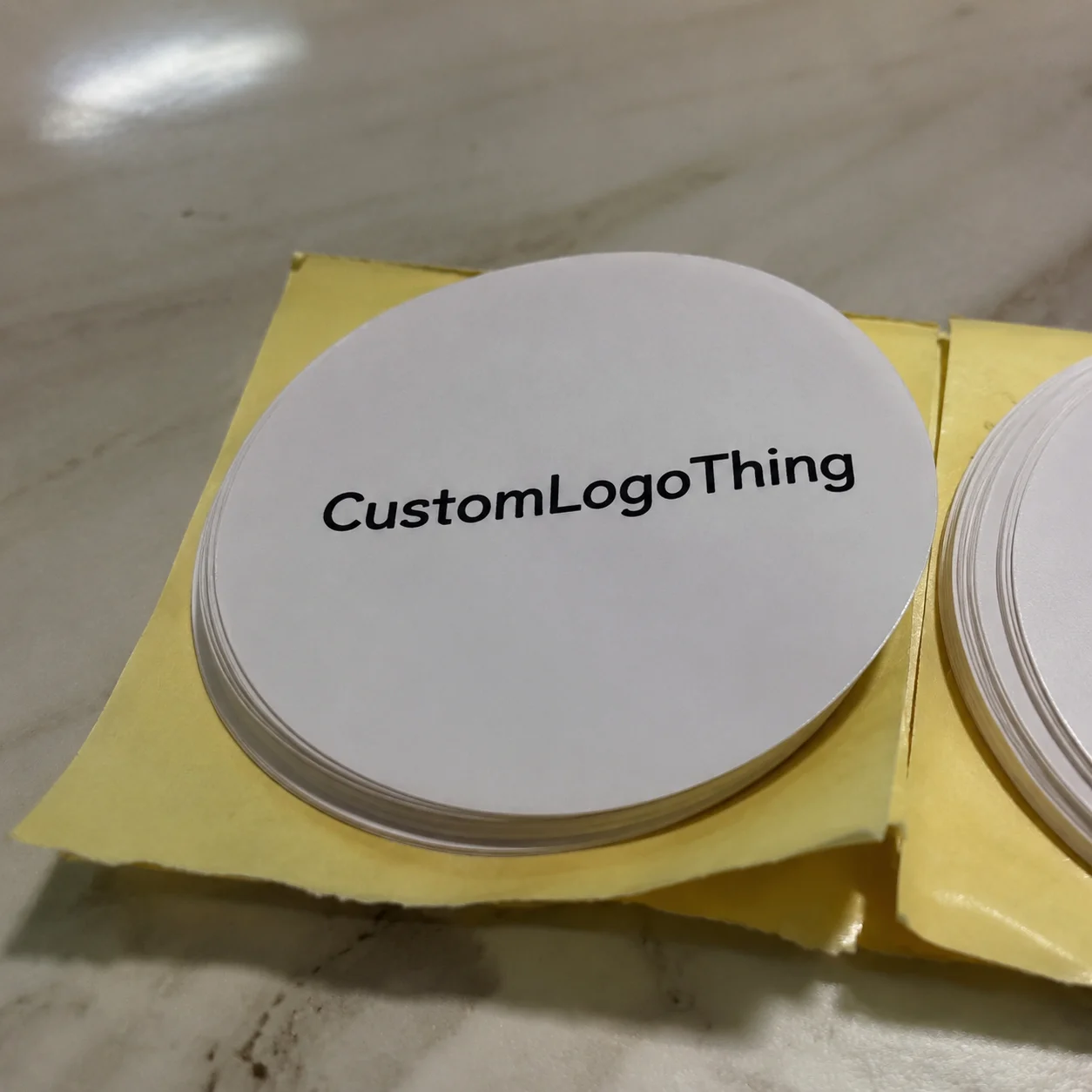
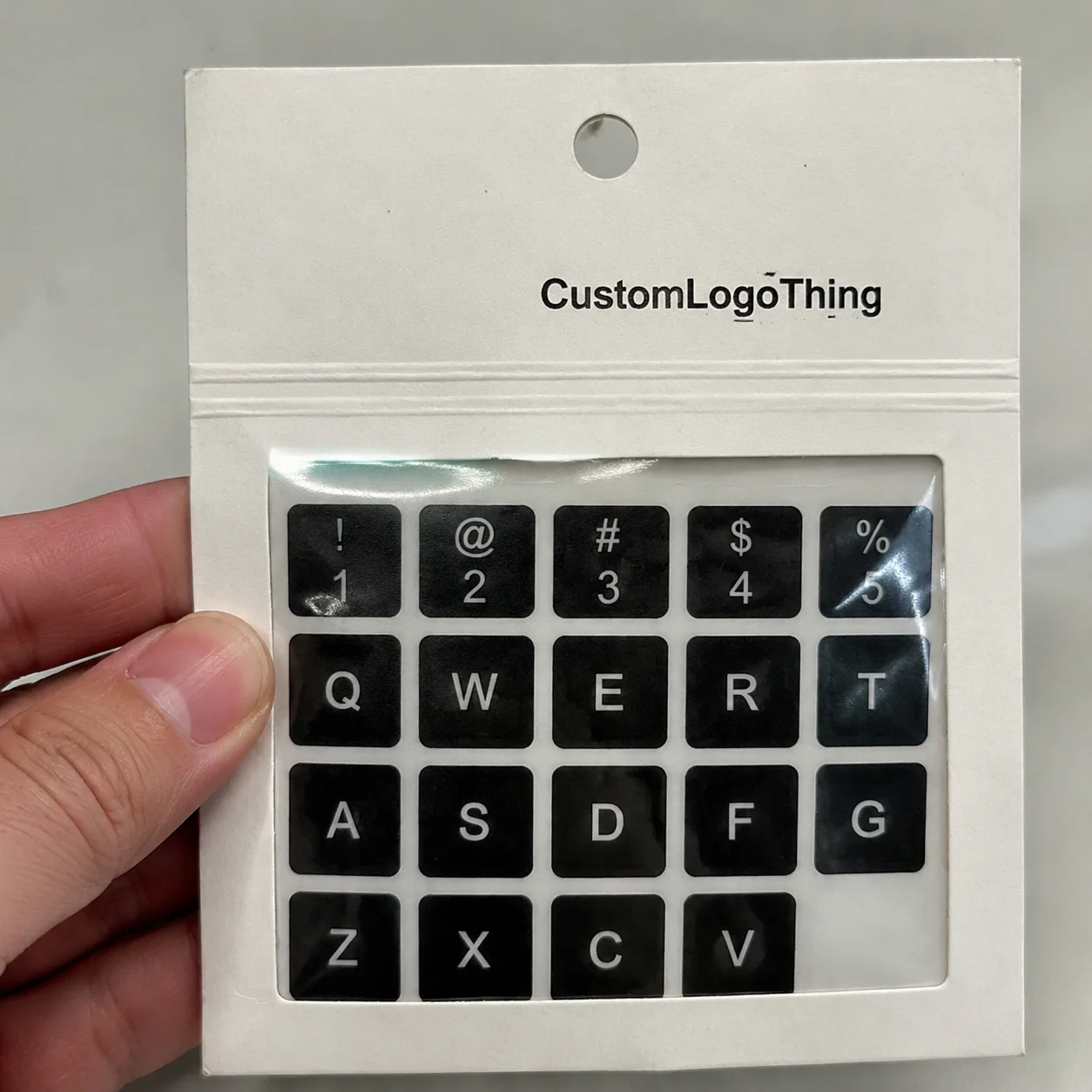
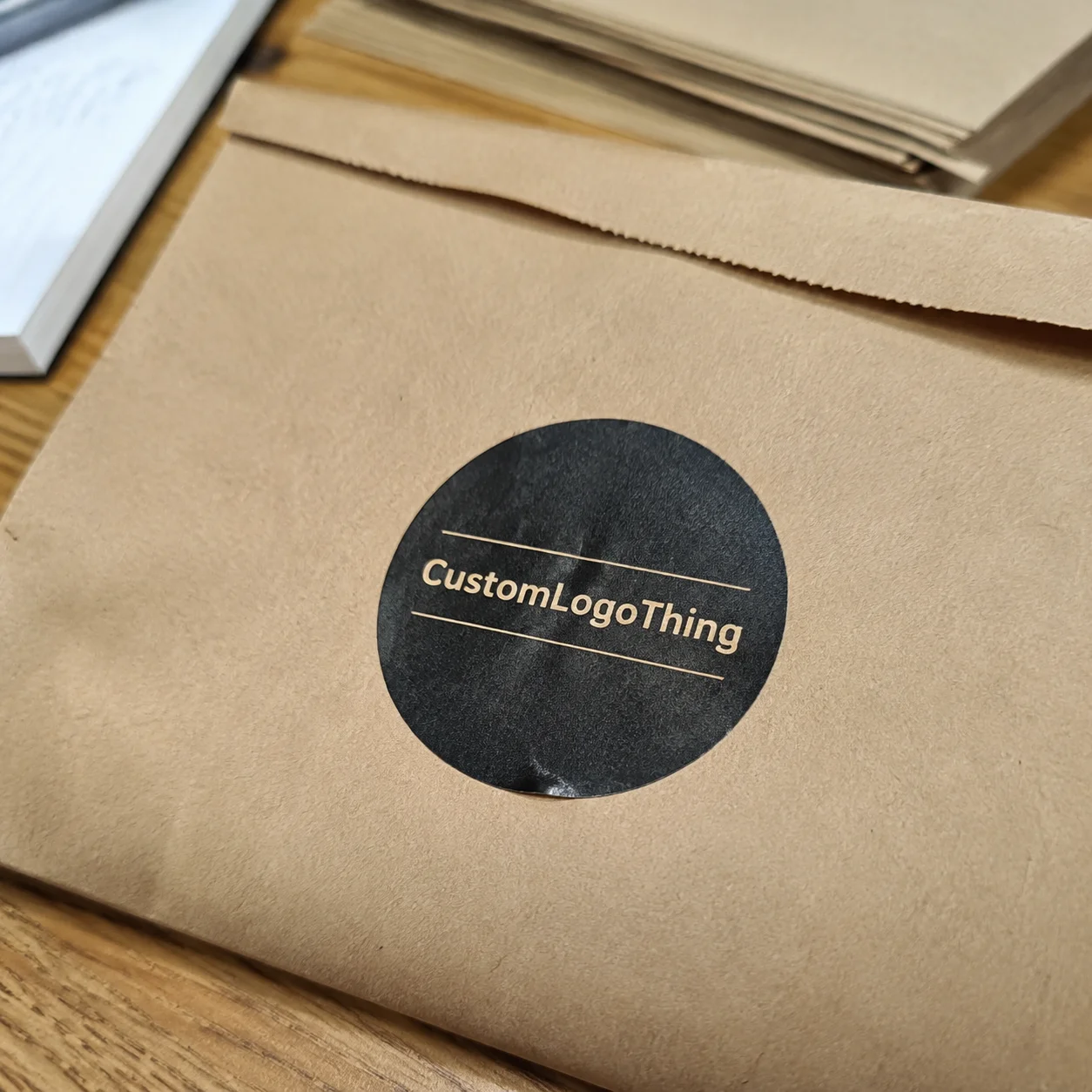
Custom Stickers Columbus Ohio buyers often treat them like a small line item, but stickers carry more weight than their size suggests. A label or seal may be the first thing a customer touches on a mailer, bottle, pastry box, or event handout, so the finish, adhesion, and print quality shape the brand impression before the product itself gets a chance.
That matters in Columbus because local packaging needs tend to be practical rather than decorative for its own sake. A sticker may need to look clean on kraft board, survive condensation in a cooler, stay readable under bright retail lighting, or hold together on a hand-applied promo run. The best orders are the ones that fit the surface, the environment, and the budget without forcing compromises that show up later.
Stickers are also one of the easiest packaging tools to update. A change in seasonal artwork, a new promotion, or a short-term product variation can be handled with a sticker long before a full box redesign makes sense. For small brands, restaurants, and ecommerce sellers, that flexibility often matters more than people expect.
Why custom stickers matter for Columbus brands
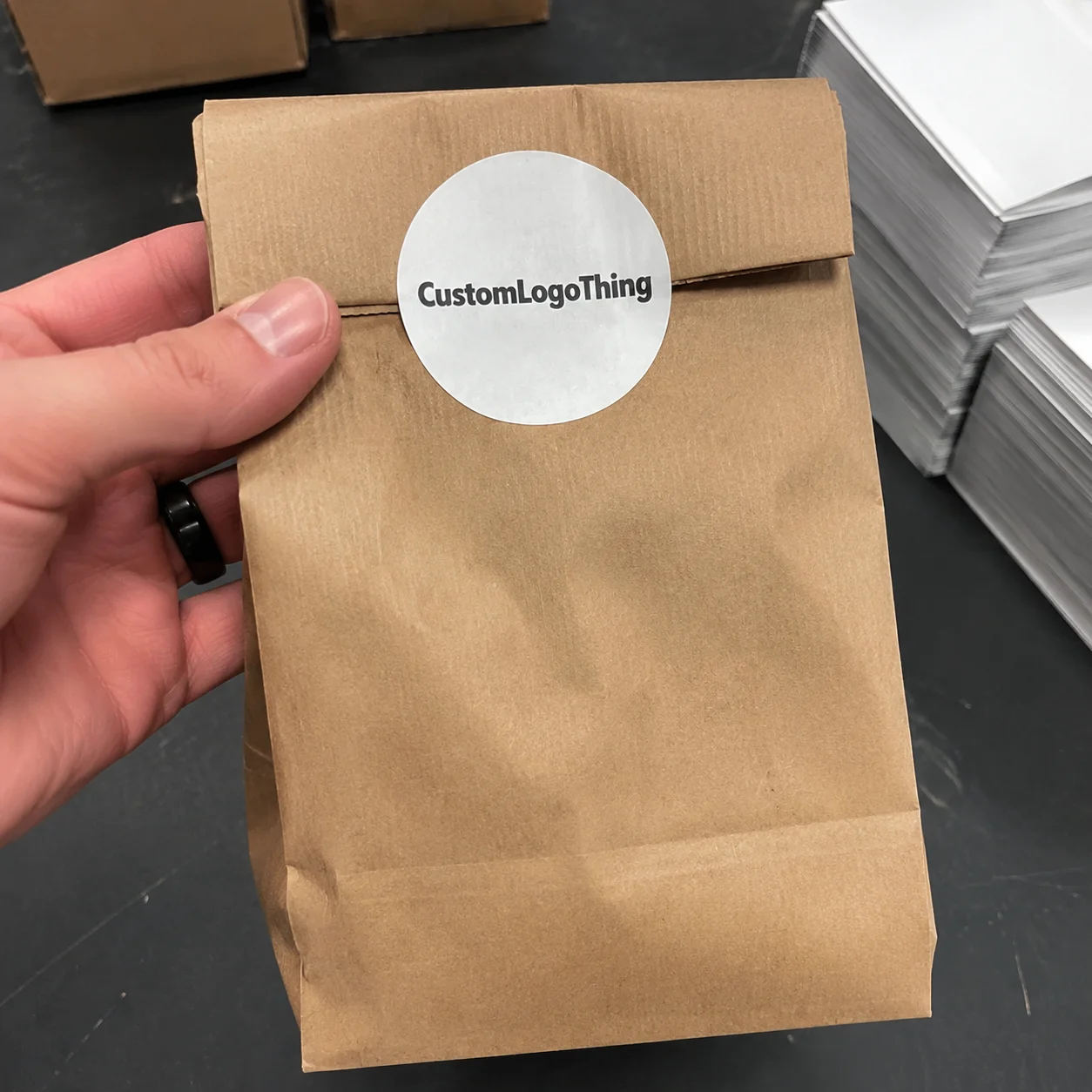
Stickers do several jobs at once. They seal, identify, decorate, and promote, sometimes on the same package. A bakery can use one to close a pouch and reinforce the brand. A brewery can apply one to a takeaway carton or event handout. A retail shop can turn plain shipping materials into something that feels deliberate without committing to a full custom carton run.
For custom stickers Columbus Ohio businesses, the use cases are broad: product packaging, shipping labels, thank-you seals, event handouts, storefront promos, and seasonal campaigns. Many buyers also pair stickers with Custom Labels & Tags or broader Custom Packaging Products when they want the whole package system to feel coordinated rather than pieced together one item at a time.
What surprises first-time buyers is how quickly environment changes the spec. A paper sticker may be perfectly fine on a dry insert, but once condensation, chilled storage, or oily hands enter the picture, the wrong adhesive starts to lift. UV exposure, abrasion, and repeated handling create the same problem in a different way. The sticker that looked fine on the proof can fail in the real world if the material was chosen only for price or appearance.
That is why material and adhesive are not technical extras. They are the difference between a sticker that supports the packaging and one that peels at the corner after a few hours in use. Once a label starts to curl or smear, the brand problem is bigger than the cost of the print run.
Good sticker work is quiet. It does not draw attention because something failed. It just sticks, reads clearly, and makes the package feel intentional.
Packaging guidance from groups like the ISTA and the EPA points to the same practical rule: materials should match the job. A sticker that never leaves a dry display shelf can be built very differently from one that has to survive shipping, refrigeration, or outdoor distribution.
How the custom sticker order process works
Most sticker orders follow the same basic path. The buyer defines the size, shape, stock, finish, quantity, and intended use. Artwork comes next, followed by file review and a proof. That proof stage matters more than many buyers realize, because it is where problems with bleed, cutline placement, copy contrast, and sizing get caught before production begins.
For custom stickers Columbus Ohio orders, the cleanest projects start with a clear use case. A box seal, jar label, shipping sticker, and giveaway decal all call for slightly different specs. If the buyer knows where the sticker will live and how it will be handled, the quote and proof process usually moves faster and with fewer revisions.
Digital printing is common for short and medium runs because it handles lower quantities efficiently and supports variable artwork when needed. Die-cutting creates the outer shape of the sticker, while kiss-cutting cuts the adhesive layer and leaves the backing intact so the piece peels cleanly. Sheet formats are useful for hand application and for sets, while rolls often make sense when the stickers will be applied in volume or used with dispensing equipment.
The process usually looks like this:
- Confirm intended use, surface type, and environment.
- Select size, shape, stock, adhesive, and finish.
- Submit print-ready artwork with bleed and cut information.
- Review the digital proof for layout, color, and copy.
- Approve production and allow time for print, cut, finish, and inspection.
The fastest orders are not always the simplest-looking ones. They are the ones where the buyer has already made the practical decisions up front. A vector file, a clear size target, and a realistic deadline save more time than trying to compress the schedule after the proof is already in motion.
Custom stickers Columbus Ohio buyers should compare
Material selection drives a large part of the final result. Paper remains the most economical choice for dry indoor applications, especially where cost matters more than durability. Vinyl and BOPP are stronger choices for moisture resistance, abrasion, and general longevity. Textured stocks can add a premium feel, though they are not always the best fit when the sticker needs to read quickly or survive heavy handling.
Finish changes both appearance and performance. Matte reduces glare and often helps typography stay readable under store lighting. Gloss adds shine and usually makes color feel more vivid, though it can reflect heavily. Soft-touch creates a more tactile premium feel. Clear stickers can look clean and modern when the package itself becomes part of the design, but clear stock demands stronger contrast planning or the text can disappear on busy surfaces.
Adhesive choice deserves the same attention as the printed face. A removable adhesive works well for temporary promotions, repositionable labels, and some short-term packaging runs. Permanent adhesive is better for mailers, product labels, and long-wear applications. Refrigerated products need materials and adhesives that can handle cold surfaces without curling. Outdoor use calls for performance against UV, moisture, and temperature swings.
| Option | Best Use | Typical Strength | Common Tradeoff |
|---|---|---|---|
| Paper | Dry indoor branding, handouts, simple seals | Good print quality, lower cost | Less moisture resistance |
| Vinyl | Durable product labels, outdoor use, handling | Strong wear and water resistance | Higher cost than paper |
| BOPP | Food, beverage, shipping, refrigerated items | Moisture resistance and stable finish | Can feel less textured than specialty stocks |
| Textured stock | Premium branding, boutique packaging | High tactile appeal | Not always ideal for heavy moisture or tiny type |
Shape and size affect both visibility and cost efficiency. A custom die-cut can create a distinct silhouette, but unusual outlines usually increase setup complexity. Circles, squares, and rectangles often cost less and apply faster. If the sticker needs to sit on a bottle neck, mailer flap, or small pouch, a smaller format may be more useful than a dramatic oversized design that wastes material and is harder to place consistently.
For buyers balancing retail packaging with branded shipping materials, the best question is not what looks most exciting on screen. It is what still looks good after shipping, storage, and handling. That answer usually points to a sturdier stock, a more readable finish, and a shape that can be applied quickly without wasting labor.
Cost, pricing, and quote factors that change the total
Sticker pricing comes down to a few variables, and most of them are visible once you know what to ask. Quantity is usually the biggest driver. Size and shape follow closely. Material, finish, ink coverage, and special cutting or finishing steps all affect the quote. A simple one-color circle sticker is usually cheaper than a full-bleed custom shape with specialty ink or clear film.
For smaller runs, the per-unit cost rises because setup work is spread across fewer pieces. A 500-piece order can carry a much higher unit price than a 5,000-piece run even if the artwork is identical. That is normal. Prepress review, proofing, cutting setup, and inspection still take time whether the order is short or long.
The most predictable quotes tend to come from standard specs. Repeated sizes, simpler shapes, and stock that is already in the production line usually keep pricing steadier. Custom cuts, heavy ink coverage, and specialty finishing increase cost. Reorders are often easier to price because the setup details already exist, especially if the artwork has not changed.
When requesting a quote, the best buyers give production-ready information rather than a vague shopping request:
- Exact dimensions and shape preference
- Quantity needed now and likely reorder volume
- Indoor, refrigerated, outdoor, or shipping use
- Surface type: cardboard, glass, plastic, metal, or coated stock
- Finish preference and any readability concerns
- Deadline, including launch date or event date
That detail helps suppliers avoid quoting the wrong stock or underestimating finishing needs. It also makes apples-to-apples comparisons possible. If one quote includes proof clarity, material guidance, and a realistic turnaround while another gives only a low sticker price, the first one may be the better deal once the order is actually in production.
For buyers who care about responsible sourcing, ask whether the paper stock or packaging support includes FSC-certified options where appropriate. The FSC is a useful reference point. Not every sticker needs a certification story, but packaging teams hear more questions about sourcing than they used to, and it helps to know whether the material path supports that conversation.
Production steps, turnaround, and lead time expectations
After proof approval, production usually moves through printing, cutting, finishing, and final inspection. The sequence can vary by supplier and format, but the basic logic is consistent: confirm the file, print on the chosen stock, cut it to shape, apply any finishing step, then check alignment and quality before shipment.
Turnaround depends most on three things: artwork readiness, material availability, and the production queue. If the art is clean and the stock is on hand, the order can move quickly. If a special adhesive or specialty finish has to be sourced first, the timeline stretches. That is true for custom stickers Columbus Ohio buyers just as much as anyone else placing a print order.
Standard production is usually the safer path if there is time for review, revision, and shipping. Rush work can happen, but it narrows the correction window and compresses the proof stage. That adds risk. A tight schedule is not the same as a good schedule.
Lead Time Planning matters most for launches, trade shows, and seasonal runs. If the stickers support holiday packaging or a product reveal, build in buffer time for proof review and test application. Small delays in art approval can push a shipment past the date that mattered most. For recurring programs, a saved spec and approved master file can remove a lot of friction on future orders.
From a buyer’s point of view, the smartest schedule respects production reality. If the sticker is part of a larger packaging system, there should be enough time to test how it looks next to the box, pouch, or mailer it will actually live on. That is especially true when the sticker is paired with Custom Packaging Products or other branded components that need to read as one system instead of separate purchases.
Suppliers rarely promise a universal timeline because too many variables affect the job. That is honest, and it is usually a better sign than a quote that sounds too confident. A simple order can move faster than expected, while a low-quantity job with special finishing can slow down even when the numbers look small. Asking for a realistic production window is more useful than chasing the shortest promise on the page.
Common mistakes that waste time or money
File quality is the first common problem. Low-resolution artwork, missing bleed, or absent cut lines can stall production before anything is printed. A clean vector file or a high-resolution print file reduces revision cycles and lowers the odds of a proof correction that pushes the job back.
Choosing material by price alone is the second mistake. A cheap paper sticker may work on a dry insert, but it will fail quickly on a refrigerated bottle or a mailer that gets handled often. The opposite happens too: a glossy finish may look polished on screen and still become hard to read under store lights. That is a packaging decision, not just a print preference.
Overordering before testing is the third mistake. A large run feels efficient until the sticker lands poorly on the actual surface. A smaller pilot order can reveal adhesion problems, size issues, or weak contrast before they become expensive inventory. In many cases, a test run is the least costly way to learn what the full run should have been.
Vague instructions cause the fourth problem. If a supplier does not know whether the sticker is for indoor use, outdoor use, or cold storage, the quote may be based on the wrong assumptions. The finished product then behaves in ways the buyer never wanted. That is how the job turns into rework instead of a straightforward reorder.
Expert tips for stronger sticker results
Start with the surface, not the artwork. Test the sticker on the actual material it will touch: corrugated board, coated paperboard, PET plastic, glass, or metal. Surface energy matters more than most people realize. A beautiful sticker can still fail if the adhesive and substrate do not match.
Think of the sticker as part of a system. The size should fit the package. The typography should be readable at arm’s length. The finish should work under the lighting where customers will actually see it. That is true whether the sticker supports Retail Packaging On a shelf or shipping packaging in a fulfillment line.
Create a reusable master file for recurring orders. Keep the cutline, artwork version, bleed, and dimensions in one place. That prevents accidental changes when someone reorders in a hurry. It also speeds up proof review because the new file can be compared to the approved original without guessing what changed.
Color and contrast deserve a real-world check. Bright screens can hide weak hierarchy. A sticker that looks balanced on a monitor may read differently under warm store lights or beside busy packaging graphics. Print a sample if possible, or at least view the proof under lighting similar to the final environment.
If the order is part of a broader branding refresh, keep the sticker aligned with the rest of the package system. A slight mismatch in font weight, spacing, or color temperature can make the whole package feel less finished than it should.
It also helps to think about labor. A complicated shape may look memorable, but if it is difficult to apply consistently during packing, the “creative” choice becomes a bottleneck. Straightforward designs are often faster to use, easier to repeat, and less likely to be placed crooked in a rush.
What to do next before placing an order
Before requesting quotes, gather the details that actually affect production: dimensions, quantity, surface type, application environment, deadline, and finish preference. If the sticker needs to hold up in moisture, refrigeration, or outdoor handling, say so plainly. That one line can remove a lot of back-and-forth.
Prepare the artwork in the preferred file format and make sure any cut paths or special instructions are obvious. If the file setup is uncertain, ask before sending. A clean file is one of the fastest ways to keep the order moving and avoid a proof cycle that eats into the schedule.
Then compare suppliers on more than price. Look at how clearly they explain materials, how they handle proofing, whether they give a realistic turnaround estimate, and whether they support reorders without forcing the whole setup process to start over. Those details matter when a sticker is tied to a launch or a recurring production cycle.
For custom stickers Columbus Ohio buyers, the practical next step is simple: request a sample if the application is uncertain, verify the proof, and confirm the schedule before production begins. That is usually the difference between a sticker that performs as intended and one that becomes an avoidable packaging problem.
What are the best custom stickers Columbus Ohio businesses use for packaging?
Vinyl and BOPP are common choices because they hold up better than basic paper options when moisture, handling, or refrigeration are involved. Matte and gloss both work well; the better choice depends on shelf lighting, readability, and the brand’s visual style.
How long does the custom sticker process usually take?
It depends on artwork readiness, quantity, and finishing complexity, but proof approval is often the first bottleneck. Rush orders may be possible, though standard production usually leaves more room for revisions and shipping without raising risk.
What affects custom sticker pricing the most?
Quantity, size, material, and finish usually drive the largest pricing changes. Special shapes, heavy ink coverage, and short runs can raise unit cost compared with standard sheeted or repeated designs.
Can I use custom stickers for outdoor or refrigerated products?
Yes, as long as the adhesive and stock match the environment. Ask for materials designed for moisture, temperature changes, and longer wear so the sticker does not curl, fade, or peel too soon.
What should I prepare before requesting a quote for custom stickers?
Have your dimensions, quantity, use case, surface type, and deadline ready so the quote reflects real production needs. Print-ready artwork with clear cut instructions also helps reduce delays and proof revisions.