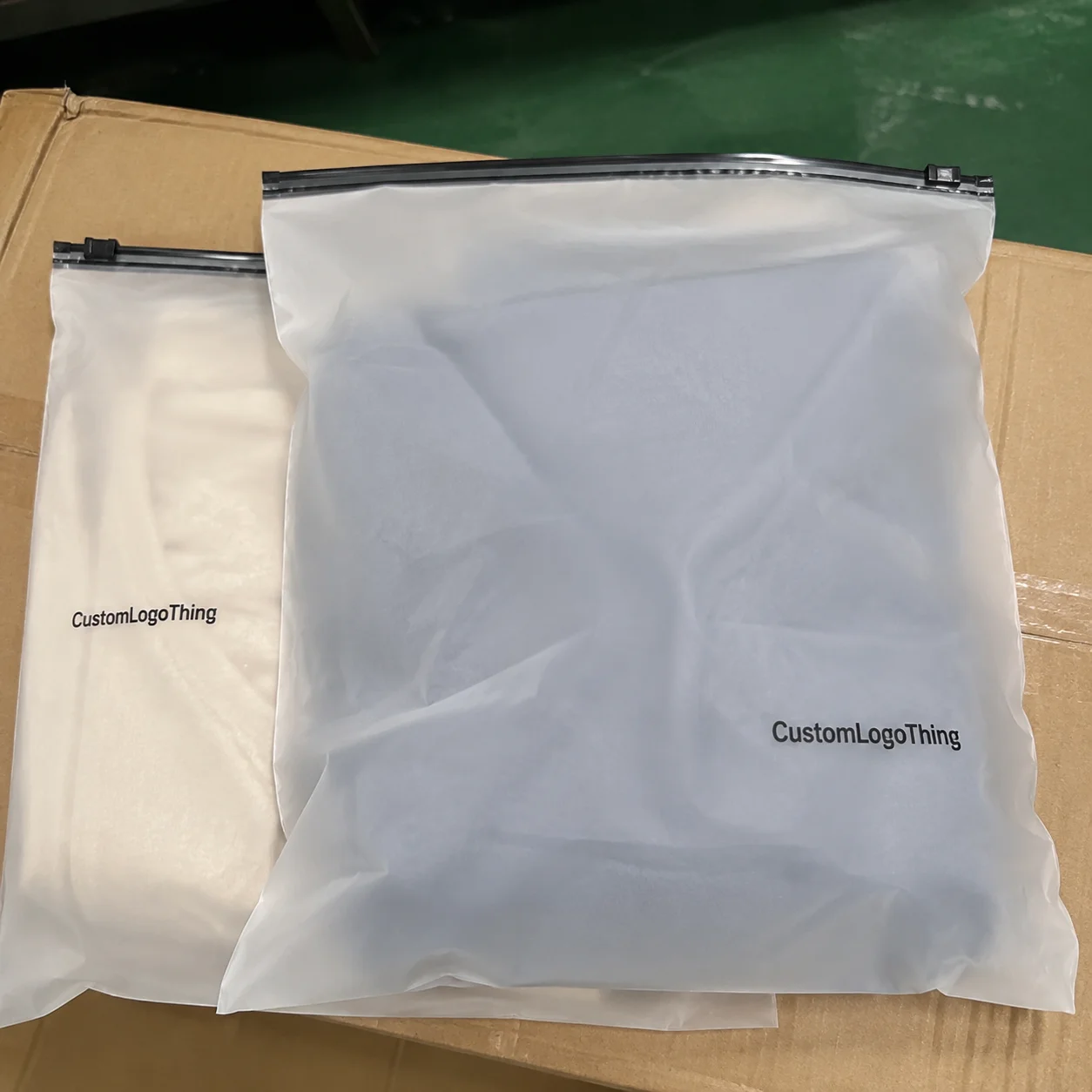
Get Printed Clear Zipper Bags Lead Time Planning Tips
Why Clear Zipper Bag Timing Breaks Faster Than Buyers Expect
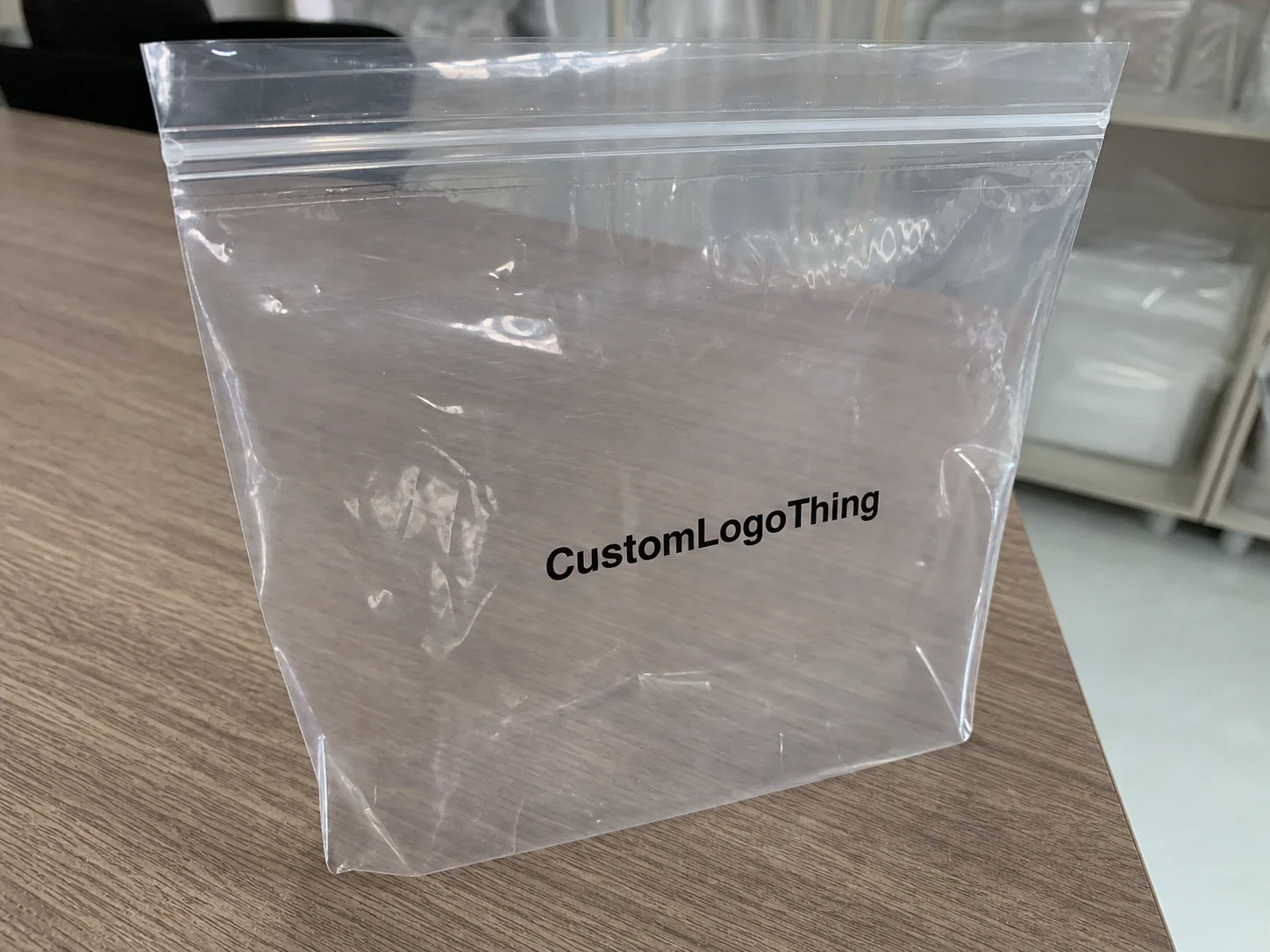
The product is ready. Labels are approved. Retailers want ship dates. Then the Printed Clear Zipper Bags arrive eight days late because someone counted press time and ignored proofing, plate setup, ink handling, packing, freight handoffs, and receiving inspection.
That is the point of Get Printed Clear Zipper Bags lead time planning: not guessing when bags might ship, but working backward through every approval and production step before packaging becomes the reason finished goods sit idle.
Lead time is the full calendar window from initial bag specs and artwork submission through proof approval, printing, converting, quality checks, transit, and warehouse receiving. The clock often starts later than buyers assume. A supplier may quote “12 business days,” but that can mean 12 business days after final artwork, confirmed specs, payment terms, and proof approval. If finance takes three days to approve the PO, those days are yours, not the supplier’s.
Clear zipper bags look basic. That is the trap. Transparent film exposes problems opaque packaging hides: print registration drift, weak white ink opacity, zipper alignment, scratches, haze, dust, and scuffed cartons. A black logo on a white paper bag can forgive a tiny registration issue. A two-color logo floating on clear polyethylene usually cannot. The product behind the bag becomes part of the design whether anyone planned for it or not.
This is one of the packaging categories where buyers underestimate operational friction most often. A two-week production quote can become a four-week reality after artwork revisions, internal approvals, resin availability, custom sizing, and freight schedules are added. Ecommerce brands, apparel teams, cosmetic sample programs, supplement startups, hardware kit packers, and promotional buyers run into the same wall: the bag is treated as a finishing touch, but it controls the pack-out date.
Planning rule: do not treat production time as door-to-door time. Count every handoff, because every handoff can add a day.
The Process and Timeline From Bag Specs to Delivery
A realistic timeline starts with the bag itself: width, height, usable opening, film thickness, zipper type, hang hole, vent hole, print placement, quantity, carton count, and delivery address. Only after those details are stable can a supplier confirm artwork requirements, quote pricing, prepare a proof, reserve production capacity, and estimate freight.
For stock-size Printed Clear Zipper bags, the path may be short: digital print or short-run decoration, basic PDF proof, production, QC, carton packing, and ground freight. A small run of 1,000 to 5,000 pieces with a one-color logo can sometimes move in roughly 7 to 15 business days after proof approval. Sometimes. Capacity still decides.
Custom dimensions change the math. Multi-color printing, two-sided artwork, hang holes, euro slots, header areas, vent holes, gussets, thicker film, and specialty clarity requirements all add review points. A custom run may need film ordering, prepress, tooling confirmation, longer converting time, and palletized freight. Larger quantities can lower unit cost through flexographic or gravure-style production, but those methods usually add more prepress work than digital printing.
Proofing is the checkpoint buyers rush and later regret. A PDF proof confirms layout, orientation, bag size, warning language, and print position. A physical proof or press proof may be worth the extra time when brand color, barcode scannability, retail presentation, or opacity on clear film matters. Barcodes should be checked against GS1-style placement expectations and scanned on the actual background whenever possible. Clear film plus a dark product can make a barcode fail in ways the PDF never showed.
Ink behavior matters too. White ink underlays improve visibility on clear film, but they can add a pass and create new registration checks. Heavy ink coverage may need more handling time before bags are packed tightly into cartons. Nobody wants cartons full of scuffed prints because the schedule got squeezed at the end.
Then freight takes its cut. Domestic ground shipments may take 2 to 6 business days. International air can be faster but expensive. Ocean freight can be economical for large runs, but the risk profile is different: port congestion, customs exams, and inland trucking can add days or weeks. ISTA testing resources, available at ista.org, are useful if packed bags must survive parcel, warehouse, or retail distribution.
The safer method is backward planning. Start with the required in-hands date, then subtract receiving inspection, freight, packing, QC, production, proof approval, quote review, artwork prep, and internal decision time. That is the practical core of printed clear zipper bag planning. Not glamorous. Very effective.
What Changes Printed Clear Zipper Bag Turnaround
Turnaround is not one number. It is a stack of variables. The biggest ones are quantity, structure, film, print complexity, compliance requirements, and seasonality.
Quantity comes first. A 2,500-piece short run may wait for digital capacity or stock material. A 50,000-piece order may require film allocation, longer press time, more converting shifts, more cartons, and freight coordination. Higher volume often lowers unit cost, but it can lengthen the schedule.
Size and structure come next. Standard flat zipper bags are usually faster than custom gusseted bags, stand-up zipper pouches, shaped bags, header bags, or bags with reinforced hang holes. A flat 4 mil LDPE zipper bag is much easier to source than a custom matte, gusseted, hangable retail bag with a euro slot and two-sided print. That is not a small upgrade. It is a different production conversation.
Film thickness and material availability can make or break the timeline. Common gauges such as 2 mil, 3 mil, and 4 mil polyethylene are easier to schedule than specialty recycled-content film, compostable blends, anti-static film, matte finishes, extra-clear film, or freezer-grade material. If sustainability claims are involved, ask for documentation early. The U.S. Environmental Protection Agency has packaging and waste reduction context at epa.gov, but supplier-specific certifications still need to be verified. A marketing claim without documentation is not a packaging spec.
Print complexity adds another layer. A one-color logo with modest coverage is faster than a flood background, white ink underlay, metallic effect, full-panel graphic, or tight registration between colors. Clear film often needs white ink behind certain colors to keep the artwork visible. That extra pass can affect setup, curing, inspection, and reject rates.
Compliance can slow approval if introduced late. Common examples include suffocation warnings, country-of-origin marks, food-contact documentation, Prop 65 language, child-resistant features, lot coding areas, and barcode placement. None of these belong in a “we’ll add it later” pile. Put them in the first quote request.
Seasonality is the quiet variable. The same clear zipper bag may take longer before holiday promotions, major trade shows, retail resets, subscription box launches, or apparel drop deadlines. Production calendars fill up. Freight lanes tighten. A buyer who planned for 15 business days may discover the current queue needs 22. That is not the time to start debating whether the hang hole is centered.
Cost, MOQ, and Quote Details That Affect Planning
Lead time and pricing are tied together. Faster timelines often push buyers toward higher-cost production methods, rush fees, air freight, split shipments, or smaller first runs. Slower timelines can reduce unit cost, but only if the inventory calendar can absorb the wait.
A useful quote request includes bag width, bag height, film thickness, material preference, zipper style, print colors, print coverage, artwork files, order quantity, delivery ZIP code, target in-hands date, and packaging requirements such as carton packs, inner bundles, or case labels. Add the product weight and use case. A supplier can flag an undersized bag, weak gauge, poor zipper choice, or bad hang-hole location before the job reaches proofing.
Minimum order quantities vary widely. A lower MOQ may reduce inventory risk but increase unit cost. A higher MOQ may bring better pricing, yet it can require longer production time and more storage space. Setup charges also matter. Custom printing may involve prepress, plates, screens, color matching, or press setup, making the first order more expensive than a clean reorder.
| Production Path | Typical Fit | Planning Impact | Cost Pattern |
|---|---|---|---|
| Short-run digital | Small launches, samples, 500 to 5,000 bags | Faster setup, limited material and color options | Higher unit cost, lower setup burden |
| Flexographic printing | Mid-size to large runs, repeat orders | More prepress time, better efficiency at volume | Plate/setup costs, lower unit cost at scale |
| Custom film or specialty structure | Retail, compliance, premium presentation | Longer sourcing and production queue | Higher material cost and longer reorder window |
| Rush production plus air freight | Launch rescue or stockout prevention | Shortest calendar path, highest surcharge risk | Premium freight and possible rush fees |
As a rough buyer-side benchmark, a simple printed clear zipper bag might land around $0.12 to $0.35 per unit at moderate quantities. Larger, thicker, two-sided, or specialty bags can move well above that. Very small runs can cost more per piece because setup time is spread across fewer units. These are not universal prices; freight, film, print method, and order volume can swing the number sharply.
Ask for tiered pricing at two or three quantities, such as 2,500, 5,000, and 10,000 pieces. Then ask for standard and rush timeline options. That comparison shows whether saving three cents per bag creates a longer planning window, a storage problem, or a freight penalty later.
Also ask how cartons will be packed and labeled. Carton count affects warehouse receiving. Case weight affects handling. If bags are bundled in awkward counts, the pack-out team may waste time opening and recounting units. Small detail, annoying consequence.
Lead Time Planning Checklist for Printed Clear Zipper Bags
A checklist keeps the process from turning into email archaeology. Use it before requesting a quote, before approving a proof, and before placing a reorder.
- Define the use case. Note product weight, product dimensions, fill depth, handling conditions, and whether the bag hangs, ships in a mailer, sits on a shelf, or needs repeated opening and closing.
- Confirm the size with samples. Allow room for zipper clearance, heat seals, header space, hang holes, and retail display requirements. A bag that fits once on a desk may fail during fast pack-out.
- Choose film thickness by function. A 2 mil bag may work for light inserts or apparel accessories. A 4 mil bag may be better for hardware, kits, or repeated handling. Do not copy a competitor’s gauge blindly.
- Prepare clean artwork. Vector files are usually preferred for logos. Include dielines or templates when print placement matters. Convert fonts or include font files if requested.
- Identify must-hit dates. Include packing date, retailer delivery window, launch date, warehouse receiving time, and internal QC time. Put those dates in the quote request.
- Separate the timeline buckets. Ask for proofing, production, QC, packing, and shipping estimates instead of one blended lead time.
- Approve proofs quickly but carefully. Check spelling, logo placement, barcode quiet zones, ink opacity, warning language, orientation, and zipper direction before the job enters production.
The approval step deserves extra attention. Most packaging delays are not dramatic machine failures. They are ordinary pauses: a missing font, a logo supplied as a low-resolution PNG, a barcode added after proofing, or a compliance reviewer asking for a warning line after plates are ready.
For food-contact, medical-adjacent, child-resistant, or regulated retail uses, confirm documentation before the artwork is final. ASTM standards may apply to testing methods or material properties, while FSC certification can matter for paper components such as insert cards or outer cartons. Clear zipper bags are usually plastic film, but the full packaging system often includes more than the bag.
If the product is going into ecommerce distribution, do one more check: pack five finished units the way the warehouse will pack them. Drop, rub, stack, and reopen them. Look for scratches, zipper failures, ink scuffing, and product movement inside the bag. Better to catch that before 10,000 printed bags arrive and everyone pretends the problem is “probably fine.”
Common Mistakes That Delay Custom Zipper Bags
The biggest mistake is treating the supplier’s production estimate as the full door-to-door timeline. A quote that says “10 to 12 business days” may exclude artwork cleanup, proof revisions, payment processing, transit, customs, or receiving. That misunderstanding creates a lot of emergency shipping bills.
Artwork delays come next. Low-resolution logos, missing fonts, unclear dielines, last-minute Pantone changes, and unapproved barcode placement can stop a job before it reaches the press schedule. Clear bags make this worse because artwork floats over the product. If the product behind the bag is dark, textured, or visually busy, ink opacity becomes a real production question.
Spec uncertainty is just as expensive. Changing bag size, thickness, zipper style, or print coverage after quoting can reset pricing and timing because material needs or setup requirements change. A switch from a 3 mil flat zipper bag to a 4 mil header bag with a hang hole is not a minor edit. It can mean new material, new proofing, and a new queue.
Approval bottlenecks hide inside organizations. Marketing wants the logo larger. Operations wants faster filling. Compliance wants warning language. Finance wants a different quantity break. One unanswered email can cost more calendar time than the actual printing step. Internal decision speed is part of the supply chain. Annoying, but true.
Another mistake: ordering exactly enough bags. Scrap, packing errors, retailer samples, sales kits, product testing, influencer mailers, returns, and warehouse damage all consume packaging. A 3% to 8% buffer is often more realistic than a perfect one-to-one count, especially for launch runs.
Freight assumptions create sticker shock. Buyers often budget for standard ground or ocean shipping but expect rush performance once the goods are ready. If the order is late, air freight may cost more than the savings gained from choosing the cheapest supplier. Ask for freight options before production starts, not after cartons are packed.
The reorder trap is subtler. Teams assume repeat orders move instantly because the artwork already exists. Sometimes they do move faster. Not always. Material stock, press availability, previous proof files, carton specs, and pricing still need confirmation. Keep an approved packaging spec sheet and reorder calendar so the next run starts from known data, not memory.
Build a Safer Reorder Calendar
A safer calendar starts with one date: the required in-hands date. Work backward through receiving inspection, freight, packing, QC, production, proof approval, quote review, artwork prep, and internal decision time. Put a real number next to each step. If receiving inspection takes two days, write two days. If legal review usually takes a week, write a week. Optimism is not a schedule.
Create three planning dates for every printed clear zipper bag order:
- Ideal order date: the date that allows normal proofing, standard production, economical freight, and a practical buffer.
- Latest safe order date: the date that still protects the launch or retail window without panic shipping.
- Emergency order date: the date that assumes rush production, limited options, air freight, or partial shipments.
Then calculate usage velocity. Review weekly or monthly bag consumption, not just purchase history. If a subscription box uses 1,800 bags per month and the full lead time is six weeks, the reorder trigger should fire well before inventory drops below 2,700 bags. Add samples, returns, rejects, and sales kits to that number. Packaging inventory disappears faster than spreadsheets predict.
Keep a packaging decision file. Include final artwork, approved proof, order quantity, supplier contact, material, thickness, zipper style, bag dimensions, carton count, reorder price, delivery notes, and any production warnings. This file should live where purchasing, marketing, operations, and warehouse teams can find it. Not buried in someone’s inbox under “final-final-bag-logo-v3.pdf.”
Ask suppliers for both standard and rush timelines before there is a crisis. If standard production plus freight is 18 business days and rush air is 9 business days at a 35% landed-cost increase, that is useful information. Painful, maybe. Useful.
The best packaging teams treat custom bags like inventory-critical components, not decoration. They track lead time, reorder points, usage velocity, and approval owners. Get Printed Clear Zipper Bags lead time planning works best as a repeatable calendar habit, not a scramble after finished products are already waiting.
FAQs
How early should I start printed clear zipper bag lead time planning?
Start as soon as product dimensions, artwork direction, and launch dates are known. For standard sizes with simple printing, build in time for quoting, proofing, production, and transit rather than counting production days alone. For custom sizes, specialty films, larger quantities, or retail compliance requirements, begin earlier because material sourcing and approvals can add real calendar time.
What information speeds up a quote for custom printed clear zipper bags?
Provide bag width, height, thickness, quantity, print colors, print location, zipper style, artwork files, delivery ZIP code, and target in-hands date. Include product weight and use case so the supplier can flag sizing, film, or zipper issues before quoting. Ask for separate estimates for proofing, production, and shipping to see where the timeline risk sits.
Do printed clear zipper bags take longer than plain clear zipper bags?
Yes, usually. Printed bags require artwork review, proof approval, print setup, ink curing or handling time, and print quality checks. Plain stock bags may ship from inventory, while printed bags often enter a production queue. Simple one-color logos are generally faster than full-coverage, multi-color, or two-sided designs.
How does MOQ affect lead time for printed zipper bags?
Lower MOQs may use faster short-run methods but can carry higher unit costs. Higher quantities may reduce unit cost but require longer press time, more material, more cartons, and more freight coordination. Ask for tiered pricing with estimated timelines so you can compare cost savings against launch risk.
What is the biggest mistake in get printed clear zipper bags lead time planning?
The biggest mistake is using the quoted production time as the full timeline. Buyers also need to account for artwork preparation, proof revisions, internal approvals, payment processing, quality checks, shipping, and receiving. A safer process includes a buffer for each handoff, especially before launches, retail resets, or seasonal promotions.