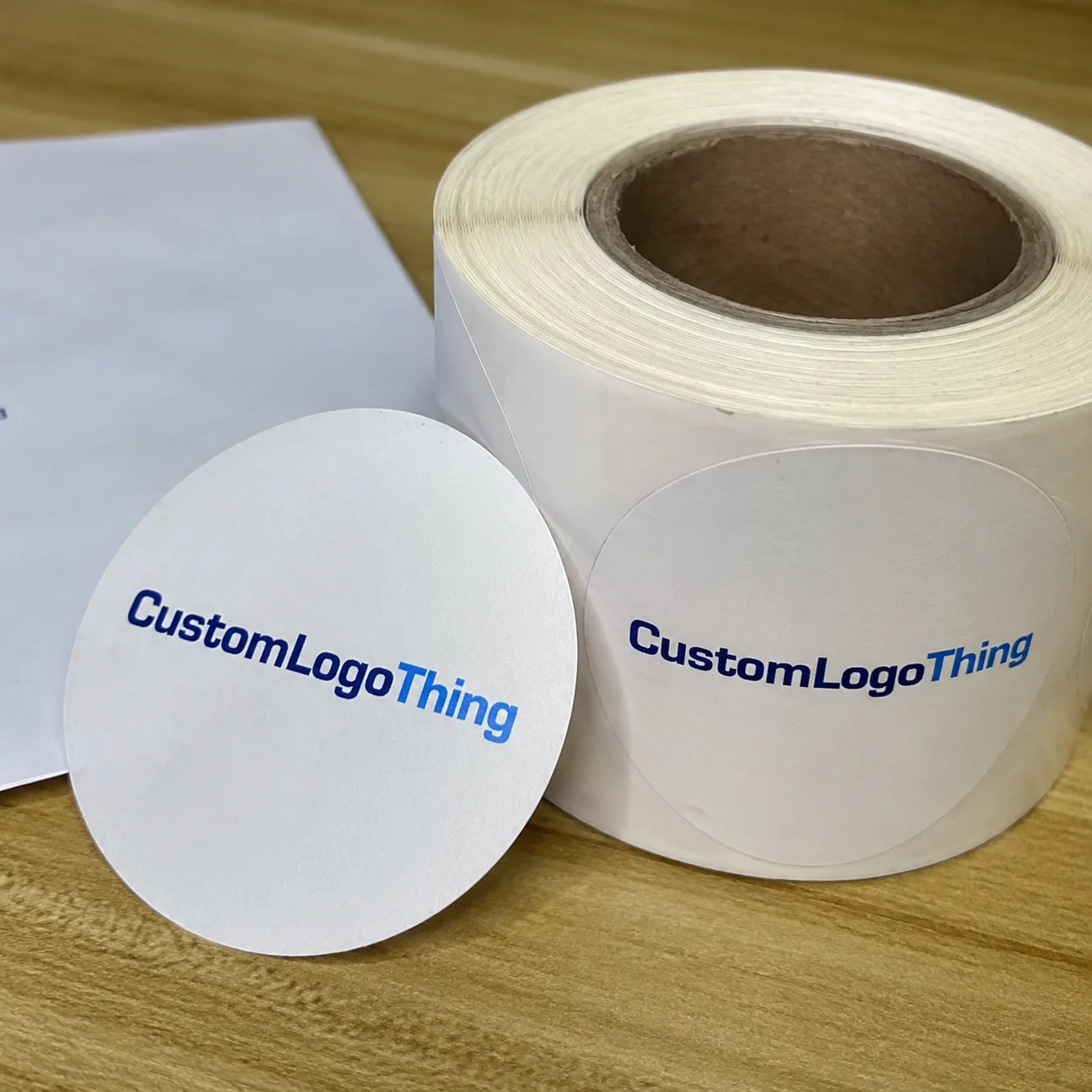
A cup sticker has a rough little life. It gets handled, chilled, photographed, wiped, squeezed into a cup holder, and tossed into a bag before most customers ever visit a website or scan a receipt. That is why custom stickers for cups need the same practical planning as any other piece of branded packaging.
Custom Stickers for Cups Turn Plain Drinkware Into Daily Brand Impressions
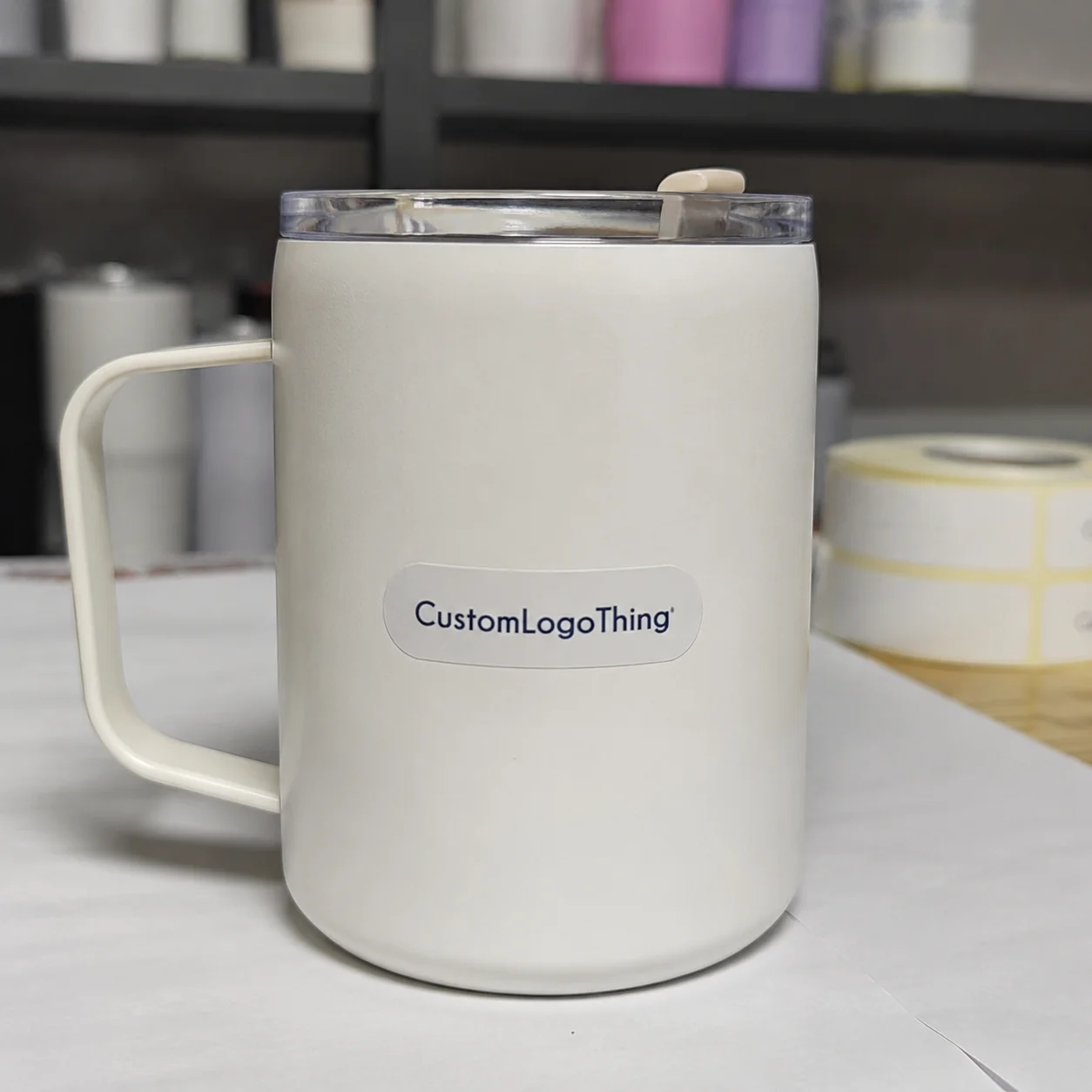
Custom stickers for cups are adhesive labels made for paper cups, plastic cups, stadium cups, reusable tumblers, sample cups, and promotional drinkware. They may carry a logo, drink name, flavor callout, QR code, event date, batch note, or seasonal message. The format is small. The job is not.
A cup label sits where the customer’s hand, camera, and attention usually land. Coffee shops use them to brand plain hot cups without ordering truckloads of printed inventory. Juice bars use them to separate flavors on clear cups. Breweries, caterers, wedding planners, pop-up brands, trade show teams, and seasonal beverage sellers use them because a sticker can turn a generic cup into packaging that feels intentional.
For smaller brands, stickers also work as a low-risk packaging test. Printed cups often require higher minimums, longer lead times, and less flexibility. Labels let a brand test a new logo, limited drink, holiday offer, or local event design before committing to a larger packaging program. That flexibility has value, especially when menus change faster than inventory turns.
The common mistake is treating a cup sticker as a regular sticker made smaller. Cup applications deal with curve, taper, condensation, surface coating, hand oils, temperature shifts, and short but demanding use windows. A label can look clean on a digital proof and still lift at the edges after ten minutes on an iced drink if the construction is wrong for the surface.
From a buyer’s point of view, the goal is simple: the sticker should stay readable, aligned, and stuck for the full expected use period. That may be 30 minutes on a hot coffee cup, four hours at an outdoor sampling event, or several months on a reusable tumbler that sees repeated handling. The right build depends on the cup, the drink, and the environment.
How Cup Sticker Materials and Adhesives Actually Work
A sticker has more layers than many buyers realize. The face stock is the printable surface. The adhesive bonds it to the cup. The liner carries the sticker until application. Ink sits on or within the face stock, and a finish such as gloss coating, matte coating, soft-touch coating, or laminate may be added for protection and feel.
Paper stickers are usually the economical choice for dry, short-term applications, especially on paper hot cups used indoors. A basic paper label may be perfectly fine for a café logo seal on a dry cup that is handed across the counter and used quickly. Film stocks, including BOPP, vinyl, and polyester, handle moisture better. They are usually the safer choice for iced drinks, refrigerated beverages, cooler storage, outdoor service, and cups that may be wiped or handled heavily.
Condensation is the troublemaker. A cold cup pulls moisture from the air, and that thin water layer can interfere with adhesion, soften paper fibers, wrinkle the face stock, or cause edge lift. On clear PET cups and polypropylene cups, a moisture-resistant film with the right adhesive often performs better than uncoated paper. Frosted, textured, and compostable cups deserve extra caution because the surface may reduce actual contact area.
Adhesive choice needs plain language. Permanent adhesive is designed to stay put and is common for disposable drink packaging. Removable adhesive is useful when a label needs to come off a reusable cup without leaving heavy residue, although removability can reduce grip under moisture, cold, or heavy handling. That tradeoff can be acceptable. It just needs to be deliberate.
Curved surfaces add another layer of reality. Smaller circles, ovals, and compact die-cut logos usually conform more easily. Large rectangles on strongly tapered cups can wrinkle, tunnel, or look crooked because the top and bottom of the cup are different circumferences. A 3-inch-wide label may seem modest on screen, then feel oversized once it wraps across the curve of a 12-ounce cup.
Practical callout: Most cup stickers are applied to the outside of the cup, not inside the food-contact area. If the label is part of product packaging for sale or distribution, specify indirect-contact packaging use and confirm the construction fits the application.
Finish matters as much as the base stock. Gloss tends to boost color density and wipe cleaner. Matte reduces glare and can look more restrained on minimal designs. Laminate adds scuff and moisture resistance, which usually makes sense for cold drinks, retail beverage labels, or reusable items. For broader material context, the Packaging Industry Association is a useful resource for how packaging materials and converting processes are discussed across the trade.
Key Specs to Decide Before You Design Cup Labels
Start with the cup. Paper hot cups, clear PET cups, frosted plastic cups, compostable cups, coated paper cups, and reusable tumblers do not accept labels the same way. Surface energy, coating, texture, curve, and moisture exposure all change how the sticker behaves. If the cup has already been selected, share that information before artwork is finalized.
A useful specification sheet for custom stickers for cups should include cup material, cup size in ounces, sticker dimensions, placement area, hot or cold beverage use, indoor or outdoor service, expected handling time, and whether the cup will see refrigeration, ice, washing, or cooler storage. Those details narrow material choices quickly.
Size selection is part design and part engineering. A 1.5-inch circle may be enough for a clean logo mark. A 2-by-3-inch front label can carry a product name, flavor note, and short URL. A wrap-style label may work for a larger promotional cup, but taper planning becomes critical. For tapered cups, a curved or arced label shape may sit better than a straight rectangle.
Common shapes include circles, ovals, rectangles with rounded corners, square labels, die-cut logos, and tamper-style seals that cross a lid or sleeve. Rounded corners usually resist edge lift better than sharp square corners because there is less exposed point stress during handling. Intricate die cuts can look sharp, but very thin points may tear during application or lift after contact.
Artwork should be built with production in mind. Vector logo files are preferred for clean edges. Raster images should be high resolution, often 300 dpi at final print size. Bleed is commonly 0.0625 to 0.125 inch, depending on the cutter and job setup. Safe margins protect small text from being trimmed too close. Fonts under 5 or 6 points can become difficult to read, especially on textured paper cups or clear cups with dark beverages behind the label.
If the sticker includes a barcode, QR code, ingredient line, or allergen note, treat it as functional product packaging, not decoration. QR codes need strong contrast, quiet space around the code, and enough size to scan after printing. For small cup labels, a short URL may perform better than crowding a code, icon set, and tiny copy into one tight space.
- Logo-only stickers: good for fast brand recognition and lower visual clutter.
- Product labels: useful for drink names, flavors, ingredients, and limited releases.
- Event stickers: practical for weddings, conferences, festivals, and catering programs.
- Retail beverage labels: better suited to film stock, laminate, and careful compliance review.
Before final production, print the artwork at actual size on paper, cut it out, and tape it to the real cup. It sounds basic because it is. It also prevents expensive rework. A label that feels balanced on a flat screen can dominate the cup once applied to a taper.
Process and Timeline From Artwork to Finished Cup Stickers
The normal production path is straightforward: request specifications, review artwork, prepare a proof, approve the proof, print, finish, cut, quality check, pack, and ship. The smoother the information arrives, the faster the order moves. Missing dimensions, low-resolution logos, or unclear material needs usually add more delay than the printing itself.
During prepress, artwork is checked for resolution, bleed, cut lines, color expectations, small text, QR code readability, and whether the requested shape can be cut cleanly. If a die-cut logo has hairline points or tiny islands, the prepress team may recommend simplifying the shape. That is not a design criticism. It is a production reality meant to keep the finished sticker from tearing or lifting.
A digital proof confirms layout, size, cut shape, spelling, and general color placement. It is not always a perfect match for physical ink on the selected material. Matte film, gloss paper, white BOPP, clear film, and metallic stock can all shift the visual effect. If brand color is strict, ask about physical samples or color targets before approving a large run.
Typical lead times depend on order quantity, material availability, print method, specialty finishes, custom cutting, proof approval speed, and shipping method. A simple short-run paper label may move faster than a laminated, die-cut, multi-version film label order. Many custom label jobs require several business days after proof approval, while larger or more specialized orders need extra room for testing and transit.
Samples or short runs are useful when the risk is high. New compostable cups, heavy condensation, reusable cup programs, outdoor events, and large drink launches all deserve testing on the actual cup. For transit-heavy orders, especially if finished stickers are part of a larger kit or event shipment, packaging performance principles from groups such as ISTA can be helpful when thinking about shipping conditions, compression, and handling.
| Order Scenario | Material Direction | Planning Notes | Typical Risk Point |
|---|---|---|---|
| Indoor hot coffee cups | Paper or film, depending on finish goals | Confirm cup coating and avoid steam-heavy placement | Edge lift from oils or coated paper |
| Iced drinks in clear cups | BOPP, vinyl, or polyester film | Test with condensation and cold storage | Moisture weakening the adhesive bond |
| Outdoor events | Moisture-resistant film with protective finish | Allow time for heat, sun, and cooler testing | Scuffing, peeling, and color dulling |
| Reusable tumblers | Durable film, removable or permanent adhesive | Clarify handwashing and residue expectations | Adhesive failure after repeated handling |
Build the schedule around approval and testing, not only print time. If a buyer needs 10,000 stickers for an event on Friday, approving a proof on Wednesday leaves very little room for correction, shipping delay, or a last-minute material change. Better specs create better speed.
Cost and Pricing Factors That Shape Your Sticker Quote
Cup sticker pricing is usually driven by material, size, quantity, print method, number of artwork versions, finishing, cutting complexity, and packing requirements. A small paper circle in one design is a very different job from six laminated film labels with custom die-cut shapes and separate rolls by flavor.
Material is one of the clearest cost drivers. Paper labels are often lower cost for dry, short-term applications. Waterproof or moisture-resistant films cost more, but they reduce failure risk on cold cups. Saving a few cents per label is not a win if the label wrinkles on every iced drink during a launch.
Quantity also shapes unit price. Larger runs usually reduce the price per sticker because setup, proofing, file preparation, machine calibration, and production handling are spread across more pieces. A 250-piece test run may cost much more per sticker than a 5,000-piece order, even when the label is identical. That does not mean every buyer should order huge quantities. It means the first quote should match the real plan: testing, event use, retail rollout, or recurring café service.
Shape affects cost too. Standard circles, ovals, squares, and rounded rectangles are efficient to cut. Intricate die-cut logos may take longer to cut, strip, and inspect, especially if the design has thin extensions or tight interior corners. Finish upgrades such as laminate, spot gloss, metallic ink, white ink on clear film, or specialty textures can improve appearance, but they should serve a clear purpose. Add the finish because it supports moisture resistance, brand feel, shelf impact, or durability.
Minimum order quantities depend on production method, material, and customization level. Digital printing can be friendly for smaller batches and multiple versions. Flexographic production may make sense for larger recurring volumes where setup cost is spread over more labels. If the order includes many versions, group them before quoting: seasonal logos, flavor names, drink sizes, event dates, or regional messages. Piecemeal revisions slow the quote and can change pricing.
As a rough buying pattern, simple short-run paper labels often sit at the lower end of the pricing spectrum, while laminated films, clear stocks with white ink, metallic effects, and complex die cuts move higher. Freight can also matter. Stickers are light, but rush shipping, split shipments, and event-kit packing can change the final landed cost.
For a clean quote, send the cup type, sticker size, quantity, artwork file, finish preference, moisture exposure, delivery date, and shipping destination. Photos help. A sample cup is even better when the surface is frosted, textured, compostable, unusually tapered, or heavily coated. If your sticker program is part of a larger package branding plan with sleeves, boxes, bags, or inserts, review the broader lineup of Custom Packaging Products so the cup label does not feel disconnected from the rest of the customer experience.
Common Mistakes That Make Drink Stickers Peel, Wrinkle, or Look Cheap
The most common mistake is choosing a sticker only by price without matching the material and adhesive to the cup surface and drink environment. A bargain paper label may be fine for a dry sample cup. The same label can look terrible on an iced lemonade cup sitting in a cooler for two hours.
Application conditions matter. Stickers applied to damp, cold, dusty, oily, or textured surfaces can lift even when the sticker itself is well made. Adhesive needs clean contact and pressure. If staff apply labels with wet hands to cups pulled straight from cold storage, the bond may never form properly. Room-temperature cups, dry surfaces, clean hands, and firm pressure across the full sticker make a real difference.
Oversized designs create another problem. On tapered cups, a large rectangle may bridge across the curve instead of laying flat. The result is wrinkling, tunneling, or a label that looks slightly crooked no matter how carefully it was applied. Smaller shapes, rounded corners, and cup-specific sizing usually look cleaner.
Artwork mistakes are just as common as material mistakes. Thin fonts disappear. Low-contrast colors fade into the drink behind a clear cup. Missing bleed creates white slivers at the cut edge. Tiny QR codes fail to scan. Detailed logos may fill in or lose shape at small sizes. For cup labels under 2 inches wide, simplify aggressively.
Overcomplicated die-cut shapes can also cause trouble. A logo with thin points, small notches, or delicate script may look strong on a monitor, but those fragile areas can lift during application or tear during peeling from the liner. A slightly simplified die line often preserves the brand better than forcing every tiny contour into the cut.
Skipping a physical test is the expensive mistake. It is especially risky for cold beverages, outdoor events, reusable cups, compostable plastics, or any program involving refrigeration. Apply ten labels to real cups, fill them with the real drink, and handle them the way a customer will. Put them in a cooler if that is part of the use case. Wipe one with a damp towel. Let one sit for an hour. That small test often says more than a long email thread.
Document the application method if more than one person will label cups. A simple note can include dry cup surface, consistent placement height, clean hands, and firm pressure for 2 to 3 seconds across the label. It sounds fussy, but consistent application protects the look of the brand.
Next Steps: Build a Cup Sticker Order That Is Ready to Print
Start with the real cup in hand. Decide what the sticker needs to do: logo branding, product identification, flavor coding, event messaging, tamper evidence, or a promotional QR code. Then measure the placement area and make a paper mockup before finalizing the size. This one step catches proportion problems early.
Next, choose the material based on use. Dry hot cups may not need the same film construction as iced drinks sitting in a cooler. A short indoor tasting may not require laminate. A refrigerated retail beverage probably does. Be honest about ice, condensation, handwashing, outdoor service, compostable cup materials, and how long the cup must look good.
Prepare artwork with production details included: final dimensions, bleed, safe margin, vector logo, readable copy, correct version names, and any barcode or QR code requirements. If you need multiple designs, group them before quoting. A set of six flavor labels, two drink sizes, or three seasonal logos is easier to price and proof as a planned program than as scattered revisions.
If your cup sticker needs to coordinate with hang tags, bottle labels, bag seals, or other product packaging, review compatible options through Custom Labels & Tags. Consistent color, material feel, and finish can make a small sticker feel like part of a full packaging system rather than an afterthought. That same thinking applies if your brand also uses Custom Printed Boxes for pickup kits, gift sets, or event merchandise.
- Pre-approval checklist: approved logo file, final copy, correct dimensions, bleed, finish choice, quantity, delivery date, and shipping address.
- Use-condition checklist: hot or cold drink, condensation, refrigeration, outdoor exposure, washing, cup material, and handling time.
- Proofing checklist: spelling, cut shape, placement, color expectation, QR scan, barcode readability, and version names.
Good cup labeling is specific rather than complicated. Custom stickers for cups perform best when design, adhesive, material, and timeline are planned together before printing. The finished label has to survive real hands, real moisture, real curves, and real service conditions.
Cup Sticker FAQs
What material is best for custom cup stickers on cold drinks?
Moisture-resistant film materials such as BOPP, vinyl, or polyester are usually better for cold cups because they handle condensation more reliably than standard paper. For short indoor use on dry cups, paper may be acceptable, but iced drinks, coolers, and outdoor service usually call for a more durable stock. The best choice depends on the cup surface, exposure time, and whether the label needs to resist smudging, wrinkling, or edge lift.
Can custom stickers for cups go on both paper and plastic cups?
Yes, but the adhesive and material should be matched to the cup surface because paper, PET plastic, polypropylene, compostable plastics, and coated cups behave differently. Smooth plastic cups often need an adhesive that grips well despite condensation, while paper cups may work with more economical label constructions. Testing on the actual cup is the safest way to confirm adhesion and appearance before a full run.
How do I choose the right size for cup logo stickers?
Measure the front area of the cup where the sticker will sit, then account for cup taper and hand placement. Small logo stickers are useful for simple branding, while larger labels can carry product names, flavor notes, QR codes, or event messaging. A paper mockup taped to the actual cup helps reveal whether the sticker feels balanced or too large.
Are waterproof stickers necessary for coffee cups and iced cups?
They are not always necessary for dry hot coffee cups, especially when the label has a short service life and stays away from steam or spills. They are strongly recommended for iced cups, refrigerated drinks, coolers, and any cup that will collect condensation. A waterproof or moisture-resistant sticker can protect print quality and reduce peeling during handling.
What should I send when requesting a quote for cup stickers?
Send the cup type, cup size, sticker dimensions, quantity, artwork file, preferred finish, use conditions, delivery deadline, and shipping location. Include photos or samples of the cup if the surface is textured, compostable, frosted, tapered, or unusual. If you need multiple versions, list each design and quantity so pricing reflects the full order accurately.