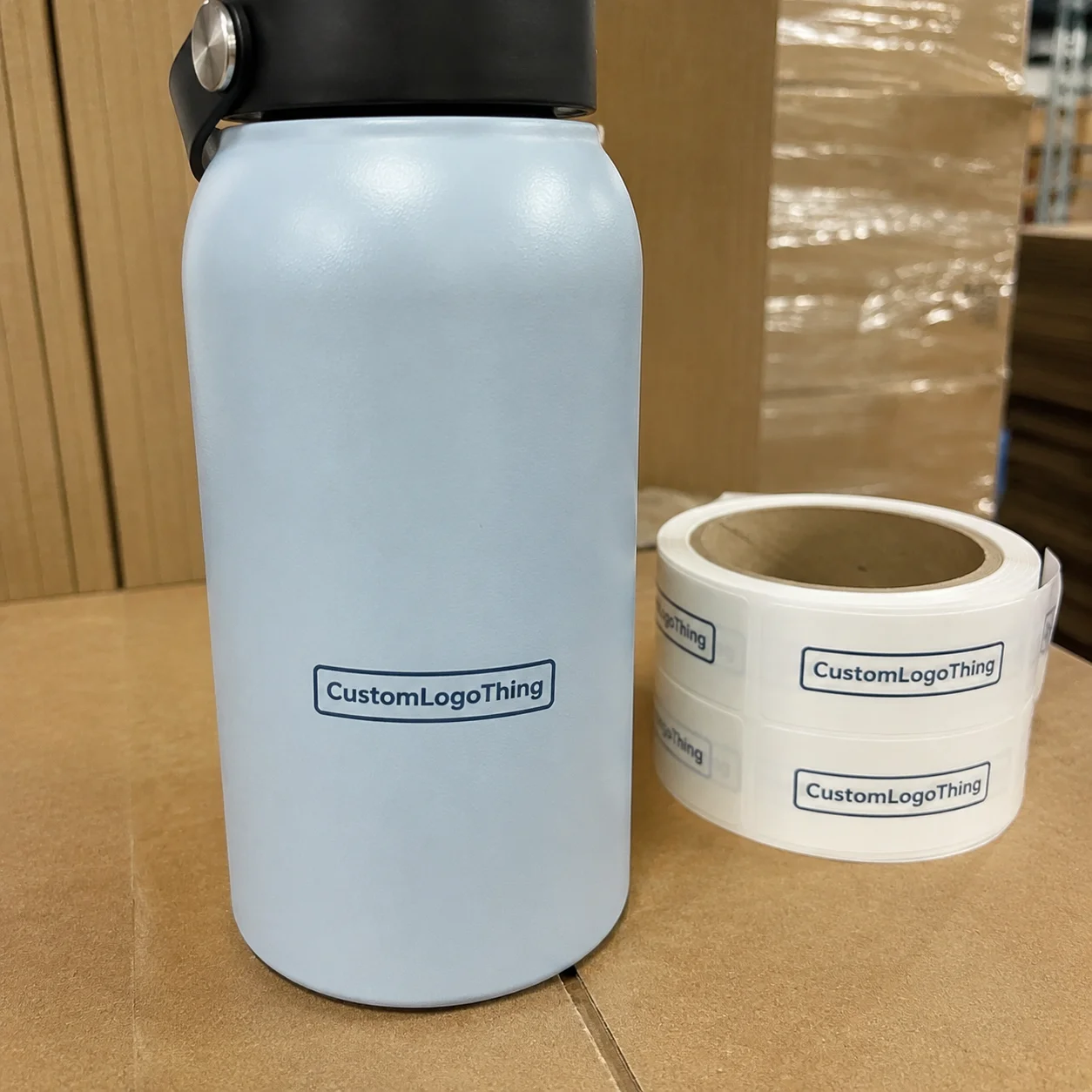
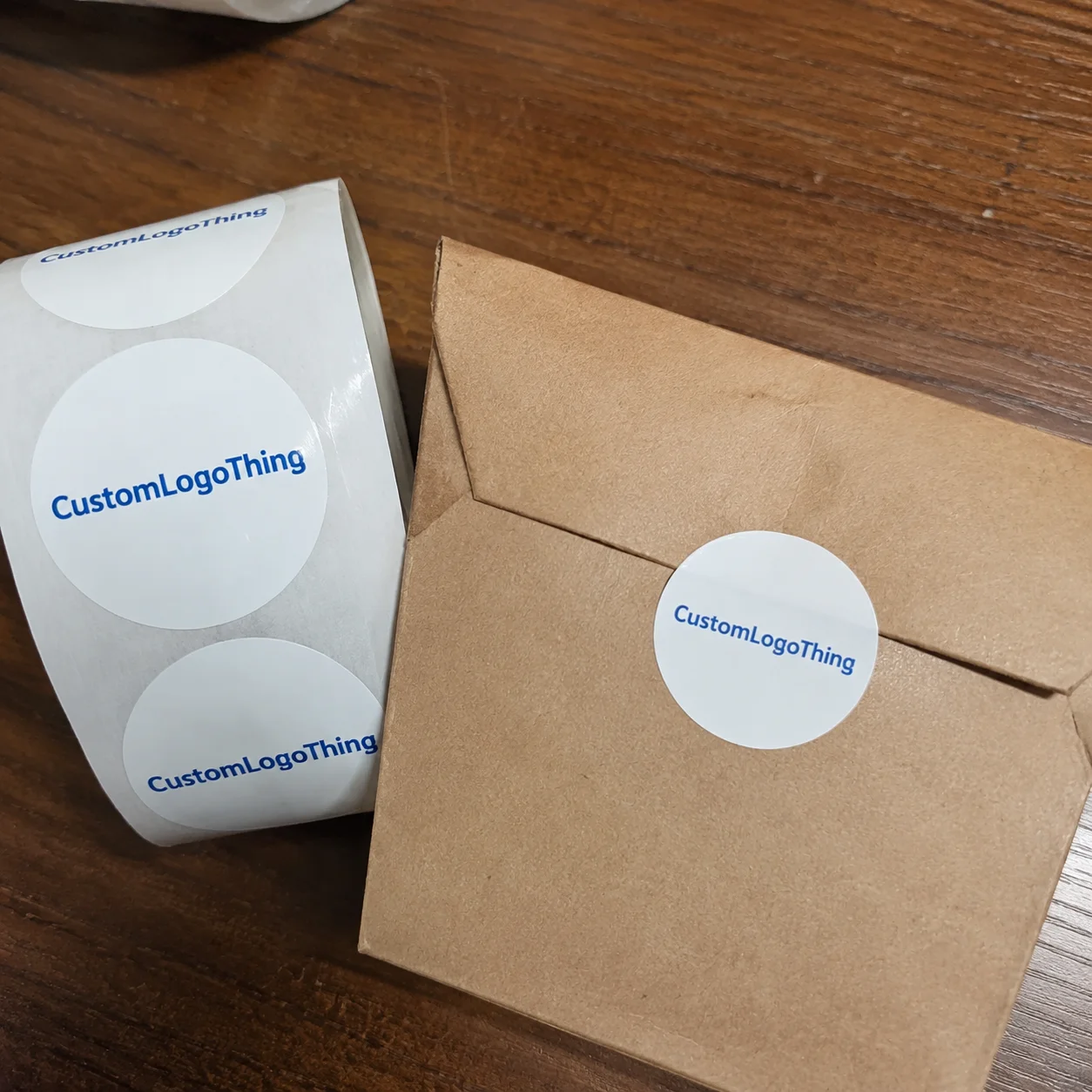
Custom Stickers for Stanley Cups That Actually Stay Put
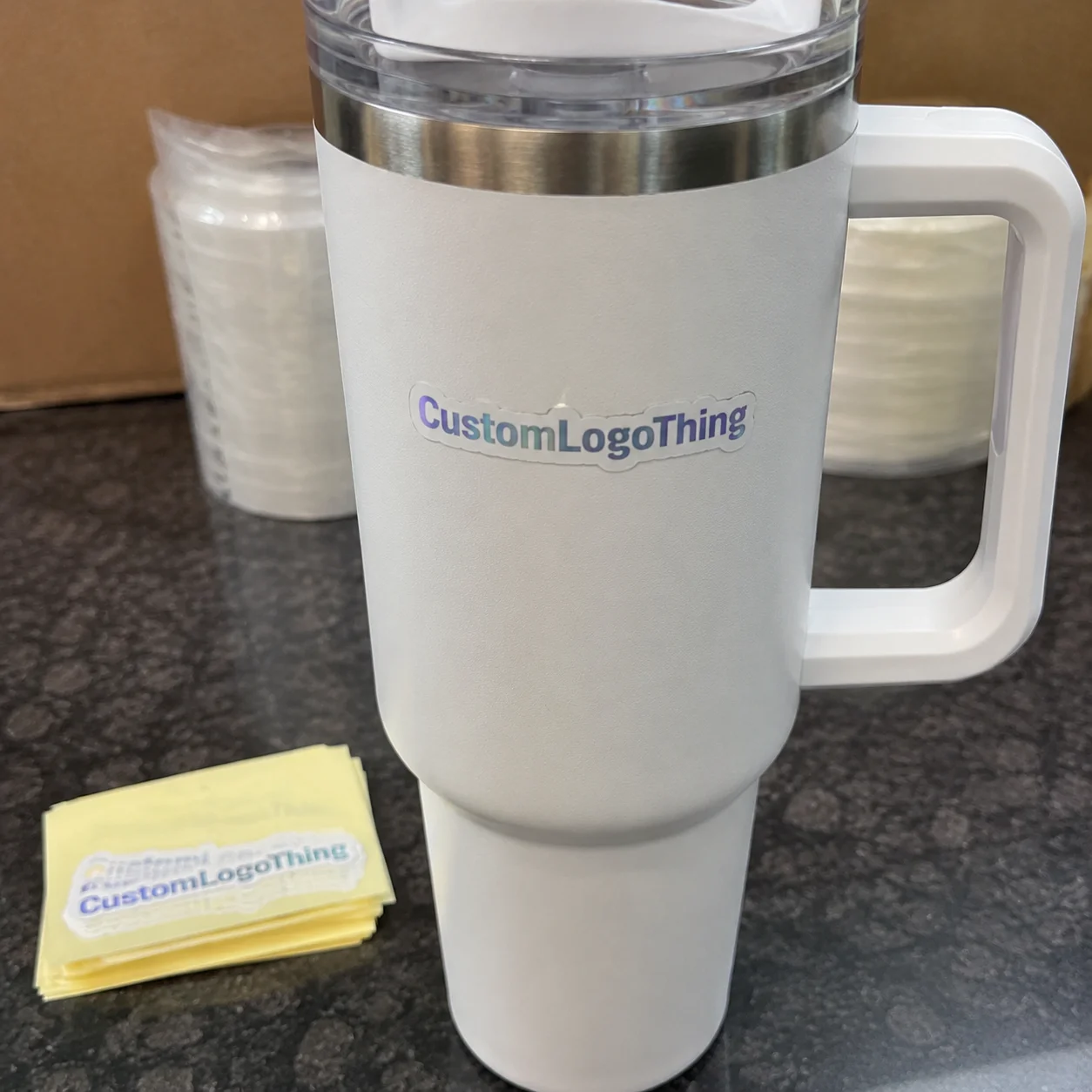
Stanley cups look easy to personalize until the first weak sticker curls at the edge. The surface is curved, often powder-coated, handled with sunscreen or lotion on fingers, dropped into cup holders, rubbed inside backpacks, and washed repeatedly. That is why custom stickers for Stanley cups need to be specified more like small outdoor decals than casual paper labels.
The surprise is usually practical, not aesthetic. A sticker that looks crisp on a laptop, shipping box, or thank-you card may behave differently on a tapered tumbler. The adhesive has less flat surface to grip. The material has to bend without fighting the cup. The printed face needs protection from water, abrasion, UV exposure, soap, and everyday friction.
For drinkware, the category can include custom die-cut stickers, kiss-cut decals, clear film stickers, holographic graphics, matte logo marks, glossy name decals, and small sticker sheets sized for reusable bottles and tumblers. Some are meant for personal names and monograms. Others are built for boutique merch, team gifts, event favors, corporate gifting, creator drops, or packaging programs where the sticker becomes part of a larger branded presentation.
Decorative hobby stickers and production-quality drinkware decals are not the same product. The difference is not only sharper printing. It is adhesive chemistry, film selection, laminate protection, ink durability, cut precision, liner quality, and artwork preparation for a curved object. If the cut path is too delicate, the film is too stiff, or the adhesive is poorly matched to the cup finish, the decal can look fine on day one and tired by day ten.
The best cup stickers do a fairly demanding job without calling attention to the engineering behind them. They apply cleanly. They resist water. They keep their color. They look intentional next to the handle, logo plate, taper, and cup finish. A bridesmaid name decal, a school mascot graphic, and a retail add-on sticker may need different specs, but all three have to survive real handling, not just a staged photo.
If the sticker is part of a broader package, such as a gift kit paired with Custom Labels & Tags, the same logic applies. The cup decal should match the finish level of the rest of the presentation. A premium tumbler in a branded box loses polish fast if the sticker looks flimsy, cloudy, or undersized.
How Cup Sticker Materials, Adhesives, and Finishes Work
Material choice sets the limits of the job. Flexible vinyl is common for custom stickers for Stanley cups because it can conform better to curved drinkware than many rigid label stocks. BOPP, short for biaxially oriented polypropylene, has a clean label feel and can work well for crisp logo shapes or retail-style decals. Clear film suits minimalist artwork, initials, and subtle branding where the cup color should remain visible.
Paper is usually the wrong answer for reusable drinkware. It has a place in packaging, especially dry goods, short-life labels, mailer seals, and product tags. On a tumbler, moisture reaches the edge too easily. Once that happens, the sheet can swell, stain, split, or wrinkle. Even a good print cannot rescue the wrong base material.
Permanent pressure-sensitive adhesive is the standard choice for cup decals. “Pressure-sensitive” means the adhesive bonds through firm contact rather than heat or solvent activation. The sticker is positioned, pressed from the center outward, and allowed to dwell. Many adhesives continue building bond strength for several hours; some perform better after a full day before heavy washing or rough handling.
Adhesive is not a single universal ingredient. Some formulas grab quickly but allow less repositioning. Others need more dwell time but build a stronger long-term bond. Low-surface-energy coatings, textured powder coats, and silicone contamination from cleaners or hand products can reduce adhesion. That is why production specs and application instructions matter.
Finishes change both appearance and durability. Gloss laminate makes color look brighter and gives the sticker a slick, wipeable face. Matte laminate reduces glare and often feels more refined for retail packaging or understated brand programs. A clear protective laminate, gloss or matte, helps shield the print from scratches, water, fading, and friction from bags, car holders, gym equipment, and desk clutter.
Practical callout: waterproof does not automatically mean dishwasher-proof. Water resistance is one test. Repeated heat, detergent, long soak cycles, and edge attack are much harsher.
Printing method affects the result as well. Digital printing is the practical route for short runs, full-color artwork, seasonal graphics, and variable names. For clear film or dark cups, white ink may be printed beneath the design so colors do not disappear against stainless, black, navy, rose, cream, or forest green finishes. Without that white underlay, transparent inks can look noticeably weaker than the proof on screen.
The cup surface is the final variable. Smooth stainless behaves differently from textured powder coating. Condensation changes the environment around the adhesive. A tapered body creates stress across wide horizontal graphics. In production terms, the sticker is not just being printed; it is being asked to perform on a moving, handled, washed object with a curve.
Buyers comparing sustainability claims should also separate meaningful material choices from vague green language. Stickers are small, but they still sit inside larger packaging and waste-stream decisions, especially for retail kits and promotional bundles. General recycling and packaging guidance from the U.S. Environmental Protection Agency can help frame those decisions, particularly when decals are shipped with boxes, inserts, tags, and protective wraps.
Key Design Specs for Stanley Cup Decals
Good sticker design starts with size. Small name decals often sit comfortably in the 2 to 4 inch range, depending on cup size and placement area. Monograms can be compact and centered. Mascot graphics need enough room for detail. Full logo marks should be tested at actual scale, especially if the logo includes small type.
Wrap-style accent pieces can look strong, but they require more careful material choice because they travel across more curve. The larger and wider the sticker, the more the cup shape matters.
Simple shapes usually apply better than long, thin, highly detailed cuts. A star, shield, oval, badge, short name, or compact logo gives the adhesive a clean footprint. A 9 inch horizontal script with narrow tails can wrinkle, tunnel, or lift at the ends if the film is too stiff or the cup curve is too aggressive. Good artwork still has to obey physics.
Artwork files make a measurable difference on the production side. Vector files such as AI, EPS, SVG, or print-ready PDF are preferred because cutlines, logo edges, and text stay clean at different sizes. If vector art is not available, high-resolution raster artwork is better than a screenshot; 300 DPI at final print size is a useful baseline. Fonts should be outlined, placed images embedded, and brand colors identified clearly through Pantone references, CMYK values, or a previously approved printed sample.
Contrast deserves more attention than it gets. Pale beige lettering on a cream tumbler may feel soft in a mockup and nearly vanish in real use. Thin black details on a dark green cup can disappear under normal indoor lighting. Fine text readable at 200% zoom may be illegible on a 2.5 inch decal. If the sticker has a promotional job, clarity beats decoration.
Bleed, safe area, kiss-cut borders, and die-cut outlines are not just prepress jargon. Bleed means artwork extends slightly beyond the cut so there is no accidental white edge. Safe area keeps critical text and details away from the blade path. A kiss-cut sticker is cut through the sticker layer but not through the backing liner, making it easier to peel. A die-cut sticker follows the outer shape of the design.
For cup decals, a little breathing room around the art often improves both appearance and production consistency. Extremely tight borders look elegant in a digital proof, then become unforgiving once normal cutting tolerance enters the job.
- Personal names: keep spelling lists clean and avoid ultra-thin script fonts.
- Team sets: group names by size range so long names do not shrink too far.
- Creator merch: test readability in phone photos, reels, and low-contrast lighting.
- Boutique add-ons: consider backing cards or small retail sheets for cleaner shelf presentation.
- Corporate gifting: confirm color expectations before proof approval, not after printing.
Placement should be part of the design conversation. The large front area may seem obvious, but handles, cup logos, tapered lower sections, and lid orientation can change what looks balanced. A decal placed too low may rub more often in a cup holder. A sticker placed too close to the handle may be partly hidden in photos. These are small details until a full order arrives.
Pricing, MOQ, and Unit Cost Drivers
Sticker pricing is shaped by more than square inches. Size, material, finish, order quantity, cut complexity, number of versions, proofing needs, packaging style, and variable data all move the quote. A plain 2 inch logo on white vinyl is not the same job as a laminated clear decal with white ink, five name variations, barcode labels, and individual retail bagging.
Unit cost usually drops as quantity rises because setup work is spread across more pieces. The file still has to be checked. The printer still has to be calibrated. Material still has to be loaded. Cutting paths still have to be prepared. A small run carries those fixed steps across fewer stickers, while a larger run lets the same preparation support more finished units.
Actual pricing depends on supplier, equipment, material, artwork condition, and finishing requirements, but the cost pattern is fairly consistent. Small digital decal runs can land in the low hundreds of pieces with a higher per-unit price. Larger runs may reduce the piece cost substantially, especially when the design, material, and finish stay consistent. Specialty films, white ink, lamination, and sorting push the job upward because they add setup, press time, and handling.
| Sticker Type | Typical Use | Common Cost Drivers | Buyer Notes |
|---|---|---|---|
| Small one-color logo decal | Corporate gifts, staff cups, simple branding | Size, quantity, cut shape, film color | Often economical if artwork is clean and versions are limited. |
| Full-color die-cut design | Events, schools, mascot art, creator merch | Print coverage, color control, cut complexity | Works best with bold shapes and enough border around detailed art. |
| Laminated waterproof sticker | Reusable drinkware, outdoor use, daily handling | Film, laminate, press time, finishing steps | A practical choice when the cup will see water, bags, and friction. |
| Multi-design retail sheet | Boutiques, gift sets, add-on sales | Sheet layout, multiple cutlines, packaging, barcodes | Higher setup, but stronger merchandising value for retail packaging. |
Minimum order quantity varies by production method. Standard white vinyl digital stickers may start at a lower quantity than holographic film, specialty clear stock, white ink builds, metallic effects, or individually packaged units. Retail-ready bagging, backing card printing, and sorted name sets all add handling time, which can raise the starting quantity or setup charge.
Price ranges also depend on how the sticker is delivered. Bulk-packed decals are usually the most efficient. Kiss-cut singles on a shared sheet may reduce handling. Individually trimmed stickers, retail header bags, printed backing cards, barcode labels, and sorted bundles add labor. None of these are bad choices; they simply belong in the quote from the beginning.
Before requesting pricing, gather the details that affect production: cup color, sticker size, quantity, artwork file type, desired finish, deadline, number of versions, and intended use. Say whether the stickers are for resale, giveaways, staff gifts, influencer mailers, or bundled product packaging. That single piece of context helps a supplier recommend the right film and finish instead of guessing.
Hidden costs usually come from changes and handling. Rush production, split shipments, late quantity changes, multiple proof rounds, barcode labeling, backing cards, and separate retail bags can all be reasonable requests, but they are not invisible on a production schedule. Name them early.
Process and Timeline from Artwork to Finished Stickers
A normal sticker order follows a steady path: request details, artwork review, proof creation, customer approval, printing, laminating if needed, cutting, quality check, packing, and shipping. The order may sound simple. Each step protects the final result.
Skipping proof review to save a few hours can create a much more expensive problem if a name is misspelled, a color is misunderstood, or a cutline lands too close to the artwork.
The proofing stage is the buyer’s best checkpoint. Review size, cutline, spelling, color expectations, quantity, and placement assumptions. If the proof shows a 3 inch decal, print a quick paper version at home or in the office and tape it to the cup. It is not a material test, but it quickly shows whether the scale feels balanced near the handle, logo plate, taper, or lower cup wall.
Lead time depends on order size, finish, material availability, number of versions, approval speed, and specialty treatments. A straightforward digital order with approved artwork usually moves faster than clear film with white ink, holographic stock, individual name sorting, or retail packaging. If an order includes backing cards, insert cards, or other Custom Packaging Products, schedule those pieces together so the kit does not wait on one missing component.
Simple jobs may move through production quickly once the proof is approved. More complex orders need additional time for material sourcing, color checks, lamination, cutting, drying or curing, collation, and packing. Shipping method matters too. A fast production slot does not help much if the order then travels by the slowest freight option before an event date.
Rush orders may be possible, but they work best when the buyer has clean files, final specs, and someone ready to approve proofs quickly. A rushed job with uncertain artwork is not really a rush job; it is a bottleneck. The press can only move after the decisions are made.
- Confirm cup style and placement area.
- Send artwork, size, quantity, finish, and deadline.
- Review the digital proof carefully.
- Approve production only after spelling and sizing are final.
- Allow time for printing, lamination, cutting, packing, and transit.
For events, product launches, team gifts, or seasonal drops, build in time for a sample or at least a production proof review. Delays usually come from missing vector files, unclear sizing, late artwork revisions, uncertain brand colors, or quantity changes after proof approval. None of those issues are rare. They just need margin.
Quality control should be more specific than “looks good.” Check cut alignment, surface scratches, laminate bubbles, color consistency, spelling, sheet count, liner release, and whether small details weed or peel cleanly. For drinkware use, the edge is the vulnerable area. A sticker can look perfect in the center and still fail early if the edge is ragged, under-laminated, or too narrow around the print.
Common Mistakes That Make Tumbler Stickers Fail
The most common failure is choosing a cheap paper sticker or unlaminated indoor material for a cup that will meet water, friction, and repeated handling. Paper labels are useful for many packaging design jobs, especially dry cartons and short-life labels. They are rarely the right fit for a reusable tumbler. Once moisture reaches the edge, the label can swell, stain, or split.
Application mistakes are just as common. A cup that is damp, dusty, oily, or freshly washed may not let the adhesive bond properly. Clean the area, dry it fully, and avoid applying over condensation. Press from the center outward with steady pressure. Then give the adhesive time to settle before heavy use.
That dwell time can be the difference between a decal that stays flat and one that starts lifting at the corners.
Oversized graphics cause trouble on curved drinkware. Wide horizontal designs fight the taper, especially if they stretch across a broad part of the cup body. The material may wrinkle, tunnel, or lift because the sticker is trying to stay flat while the cup is not. Compact designs are usually safer, and segmented layouts can work better than one long strip.
Design choices can also shorten sticker life or reduce impact. Tiny lettering gets lost. Delicate cut paths create small pieces that are easy to pick or snag. No border around detailed art gives the blade very little room for normal production tolerance. Colors that clash with popular cup finishes can make a good logo look muddy. Contrast saves more tumbler sticker projects than any trendy finish.
Dishwasher claims should be treated carefully. Some film decals survive occasional dishwasher cycles better than others, but heat, detergent, and long exposure are hard on edges and adhesive. If the buyer wants the longest possible life from custom stickers for Stanley cups, hand washing is the safer recommendation. Wash around the sticker, avoid soaking, and do not scrub the edges with an abrasive pad.
Storage matters before application too. Stickers left in a hot car, pressed under heavy cartons, or exposed to dust can become harder to apply cleanly. Keep them flat, dry, and protected until use. For retail sheets, make sure the liner does not curl so badly that the product looks warped on a shelf or inside a gift kit.
Ordering too close to an event is the planning mistake that creates the most stress. Proof approval, production queues, shipping time, and possible corrections all need space. If the stickers are tied to paid gift sets, retail packaging, or a launch date, place the order early enough that one correction does not threaten the whole schedule.
What to Confirm Before Ordering
Start with the cup, not the sticker. Pick the cup style, measure the intended application area, choose a target size, count the quantity, and decide whether the sticker is decorative, promotional, or retail-ready. A decal for a one-day team giveaway can be specified differently from a sticker sold as part of a boutique bundle.
Test placement with a paper mockup before committing to a large order. Print the artwork at actual size, cut it roughly to shape, and tape it where the real decal will go. Check handle clearance, taper, logo position, and visibility from a normal viewing angle. This simple step catches awkward scale faster than a long email chain.
Gather production details before requesting a quote. That means artwork files, brand colors, font information, finish preferences, quantity, deadline, packaging needs, and any variable-name spreadsheet. If the sticker is part of a larger package branding project with Custom Printed Boxes, tags, mailers, or inserts, share that context too. A good sticker should feel connected to the rest of the presentation, not added as an afterthought.
For resale, paid gift sets, or high-visibility brand activations, consider a sample or small pilot run. Budget and deadline may not allow it for every order, and it is not always necessary for a simple reorder. Still, a pilot can confirm scale, finish, readability, and application behavior before hundreds or thousands of decals are produced.
Buyers should also decide how the finished decals will be distributed. Bulk sheets may be fine for internal application. Individual decals work better for event handouts. Retail-ready sticker sheets need cleaner presentation, usually with a backing card, barcode, or hang-hole format. The same printed design can require different finishing depending on where it goes next.
If you want custom stickers for Stanley cups that feel intentional instead of improvised, confirm size, material, finish, quantity, deadline, artwork quality, and packaging format before production starts. That small amount of discipline gives the finished decal a much better chance of looking sharp, applying cleanly, and staying put through everyday use.
FAQ
Are custom Stanley cup stickers waterproof?
They can be waterproof when printed on film-based materials such as vinyl or BOPP and protected with the right laminate. Waterproof means the sticker can handle moisture and normal washing exposure, but it does not automatically mean it is dishwasher-safe. For longest life, apply the decal to a clean, dry cup, allow the adhesive to set, and hand wash around the sticker rather than soaking it.
What size should stickers for Stanley tumblers be?
Small name decals often work well in the 2 to 4 inch range, while larger logos or graphics need to be tested against the curve of the cup. A paper mockup is the easiest way to check scale before ordering because cup shape, handle position, and taper affect placement. Simple, compact designs usually apply more smoothly than long horizontal layouts.
Can I order custom stickers for Stanley cups with individual names?
Yes, many orders can include variable names, team names, initials, or short phrases when the artwork is prepared correctly. Variable designs may affect pricing because each name needs accurate setup, proofing, and sometimes separate cutting or sorting. Provide a clean spreadsheet of names and double-check spelling before proof approval.
What is the best material for Stanley cup decals?
Flexible vinyl is a strong choice for curved drinkware because it conforms better than many rigid materials. Clear film works well for subtle designs, but it may need white ink behind artwork so colors stay visible on darker cups. A protective laminate is recommended when the sticker will see frequent handling, water, or bag friction.
How long does it take to make custom cup stickers?
Timeline depends on artwork readiness, quantity, material, finish, proof approval speed, and current production capacity. Simple digital sticker orders usually move faster than specialty film, retail-packed, or multi-version projects. Build in extra time before events or launches so there is room for proof review, production, shipping, and any needed adjustments. For broader shipping and distribution planning, standards and testing resources from ISTA can also be useful when stickers are part of a larger packaged kit.