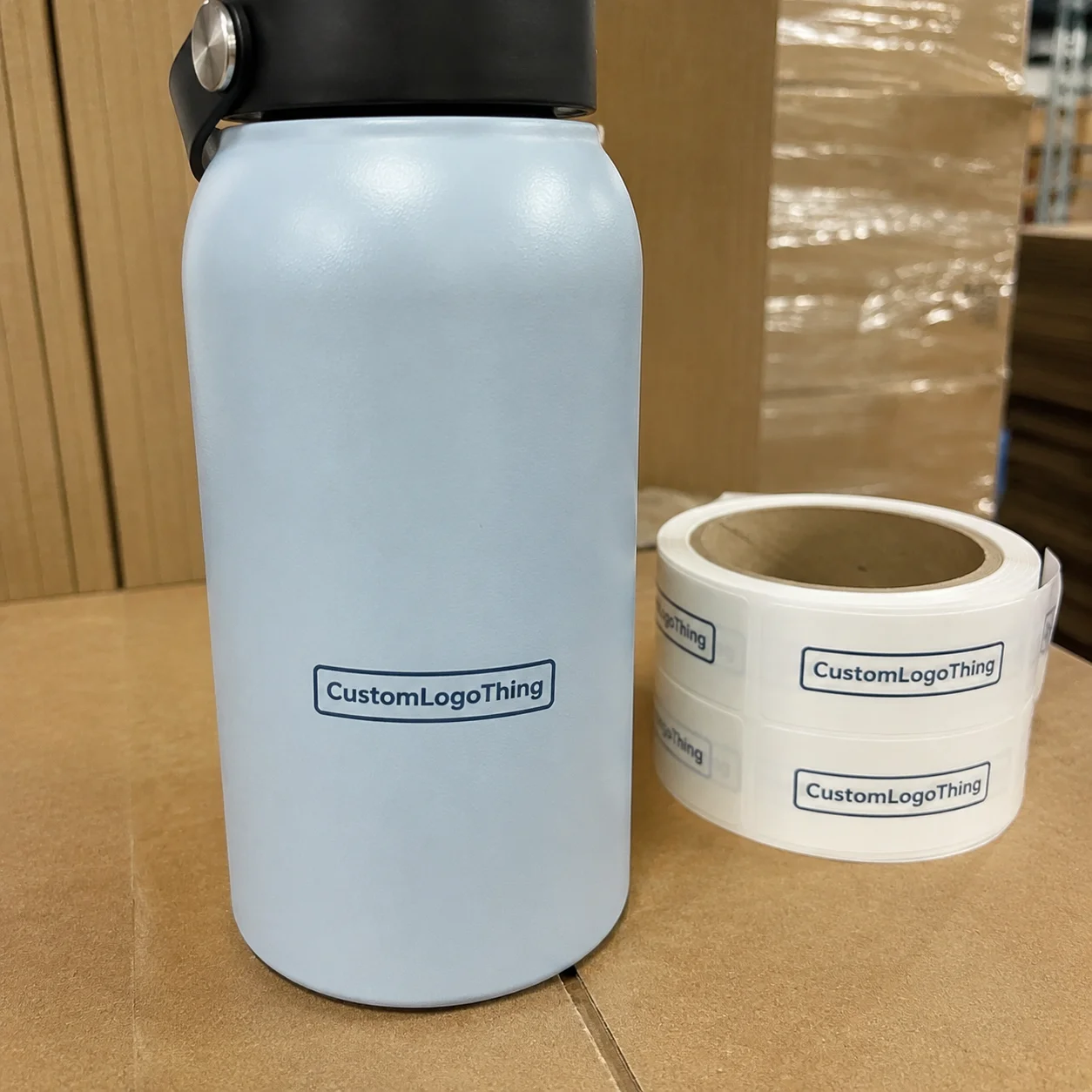
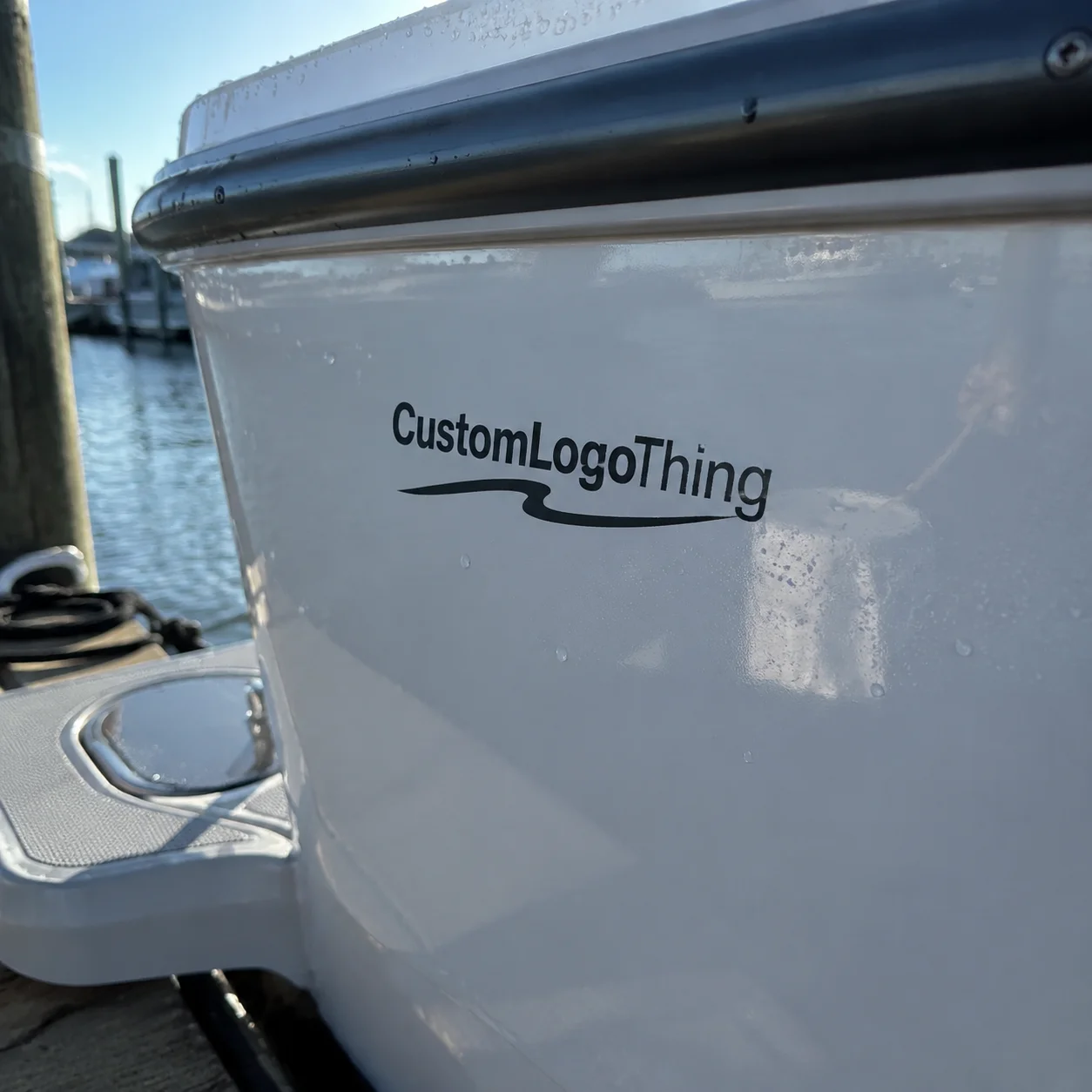
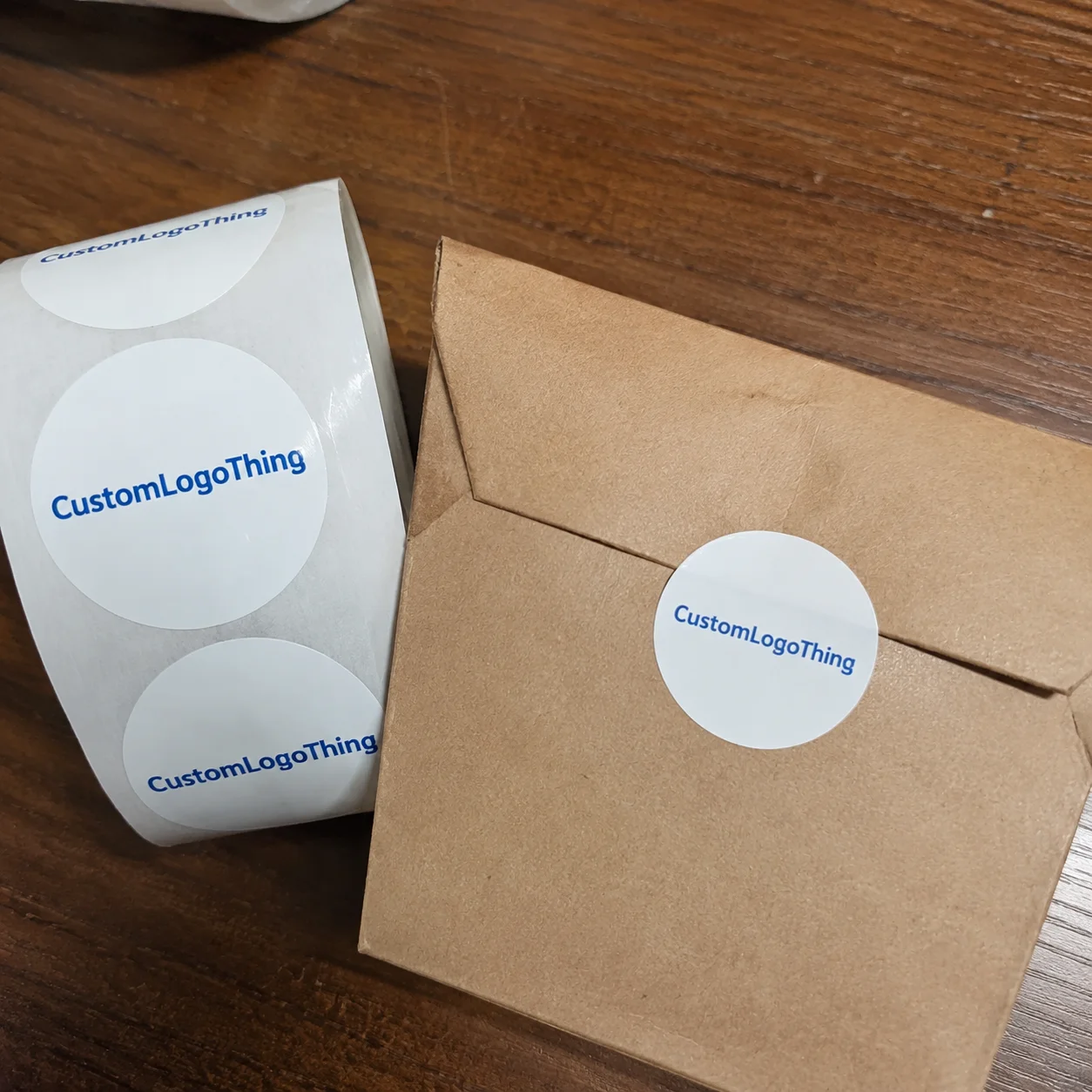
Your launch is at 4 p.m. The retail shelf is half-empty. The pop-up table looks unfinished without logo labels. That is usually the moment custom stickers same day pickup starts sounding beautifully simple, right up until artwork, material, cutting, curing, and packing all try to fit into the same few hours.
Same-day sticker printing can work. It just has rules. Ignore those rules and the order turns into a slow email chain with a printer who is trying very hard not to say, “Your file is the delay.”
Same-Day Stickers Are a Production Triage Problem
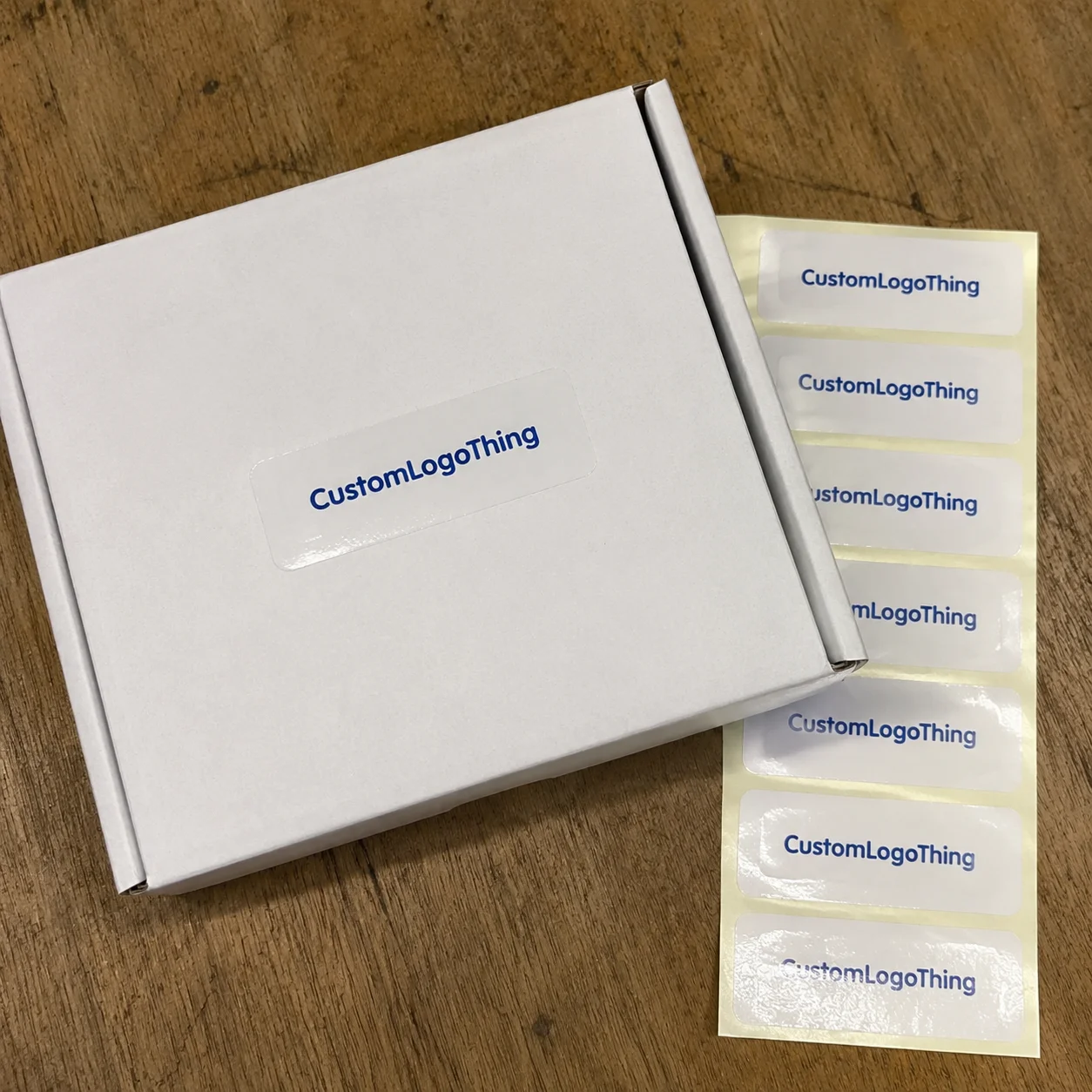
The surprising part: the print itself is often not the slowest piece. Digital sticker presses can run quickly on standard paper, polypropylene, and vinyl stocks. The bottlenecks are usually file prep, proof approval, machine availability, finishing, and whether the shop can slide your order into a schedule that already has paid work in line.
Same-day pickup generally means approved artwork arrives early, the shop checks it fast, you approve a proof without disappearing for three hours, production runs during the day, and the finished stickers are packed before close. Not magic. A compressed workflow with fewer chances to rescue sloppy files.
Good rush candidates include short-run product labels, logo stickers, event handouts, QR code stickers, simple contour cuts, roll labels, and sheet stickers. A shop with roll label equipment may handle several hundred packaging labels efficiently. A shop built around flatbed cutting may be better for kiss-cut logo decals, window stickers, or branded giveaways.
Rush rule: if you want foil, embossing, six artwork versions, outdoor-grade lamination, specialty adhesive, and pickup before lunch, that is not a rush order. That is a hostage situation with crop marks.
Fast service usually narrows the menu. Material choices, finishes, and quantities may be limited to what is already stocked, loaded, or easy to finish. That is not the printer being difficult. It is production math. If the available stock is a 60 lb gloss label sheet or standard white vinyl, that is what can run today. The holographic film that would look excellent on retail packaging may need ordering, testing, or a slower finishing step.
The best buyer move is to separate the urgent problem from the ideal packaging plan. You may need 100 clean labels today and a more polished premium run next week. That split often protects both deadlines: the launch happens, and the long-term packaging still gets the material, finish, and quality control it deserves.
How Custom Stickers Same Day Pickup Works
The basic process is straightforward, but every handoff matters. You submit artwork, confirm specs, receive a fast proof, approve it, and then the job moves into production. The stickers are printed, cut or trimmed, inspected, packed, and held for pickup. If one step stalls, the pickup window shrinks.
Approval speed matters more than many buyers expect. A shop may quote in 20 minutes, but if the proof sits in your inbox until midafternoon, custom stickers same day pickup may no longer be possible. Printers do not reserve a press for an unapproved file. They have operators, machines, finishing tables, and other jobs competing for the same hours.
Common production formats include sheet stickers for handouts and small batches, roll labels for product packaging and application lines, kiss-cut stickers that peel easily from a backing sheet, and contour-cut decals for logos or event swag. For packaging labels, roll direction can matter if labels are applied by machine. Top-off-first, bottom-off-first, left-edge-first, and right-edge-first are not cute printer trivia. They decide whether your label applicator behaves or has a small meltdown.
Give the shop the useful facts immediately: finished size, shape, quantity, material preference, indoor or outdoor use, artwork file, pickup time, and whether the stickers will be applied by hand or machine. If the sticker goes on bottles, mailers, candles, bakery boxes, windows, jars, refrigerated packaging, or kraft bags, say that early. Adhesives behave differently on coated film, paperboard, glass, textured stock, and cold surfaces.
The proof should check size, cut line, color placement, spelling, bleed, orientation, and format. Same-day does not mean skipping the proof unless you enjoy paying twice. Local pickup is usually faster than courier delivery because it removes one more variable from the schedule. Very glamorous. Also very true.
Timeline and Turnaround: What Can Actually Be Ready Today
A realistic same-day schedule starts early. Files arrive in the morning. The shop reviews them within the first hour if capacity allows. Proof approval follows shortly after. Production runs around midday, finishing happens in the afternoon, and pickup lands near the end of the business day.
The strongest candidates for same-day pickup are placed before noon, use print-ready artwork, and fit the printer’s available capacity. Many shops need approval by late morning or early afternoon, especially if contour cutting is involved. Cut stickers take longer than basic rectangles because the cutter has to read registration marks and follow the path accurately.
Fast jobs are usually square, rectangle, circle, or oval labels in one design. Riskier jobs include intricate die-cuts, tiny text, multiple SKUs, metallic effects, clear stock with white ink, waterproof lamination, or exact brand color matching. Screens glow. Printed labels reflect light. That difference alone has ruined plenty of unrealistic expectations.
Drying and curing also matter. Depending on ink, coating, and material, a sticker can look finished but still need time before stacking, trimming, or packing without scuffing. UV-cured prints can often be handled quickly, while some coated materials need more care. If the stickers are going onto premium product packaging, rushing final handling can create scratches, offsetting, or curled edges. Great way to make “urgent” look cheap.
| Sticker Job Type | Same-Day Fit | Typical Risk | Buyer Move |
|---|---|---|---|
| One-color or full-color rectangle labels | High | Low if files are ready | Approve a standard paper or vinyl stock |
| Circle logo stickers | High | Moderate if tight borders are used | Add bleed and keep text inside the safe area |
| Simple contour-cut decals | Moderate | Cutting time and cut-line cleanup | Send vector art with a clean path |
| Water-resistant bottle labels | Moderate | Material availability and curing | Confirm synthetic stock is available today |
| Foil, holographic, or specialty finishes | Low | Extra materials and finishing steps | Split into a rush batch and a premium later run |
Buyer rule of thumb: if the stickers are tied to a hard event deadline, request the earliest pickup slot that still allows proper finishing. Not the fantasy slot that makes everyone nervous. A clean 4:30 p.m. pickup beats a messy 1:00 p.m. pickup if the stickers need to look like they belong on real retail packaging.
For custom stickers same day pickup, the word “same-day” should not be interpreted as “instant.” A simple sheeted label order may move quickly. A large set of contour-cut decals with variable artwork may not. The difference is not attitude; it is setup time, finishing time, and error risk.
Cost and Pricing Factors for Rush Sticker Orders
Sticker pricing depends on quantity, size, material, adhesive, print method, number of designs, cutting complexity, finish, proofing requirements, and pickup deadline. Rush work often costs more because the printer may need to interrupt scheduled production, assign extra prepress attention, use stocked fast-turn materials, or run a smaller batch less efficiently.
Unit cost drops as quantity rises, but rush orders still have a floor. Setup, proofing, file review, machine time, cutting, inspection, and packing exist whether you order 50 stickers or 500. For small batches, that setup floor can matter more than the material cost.
Price ranges vary heavily by region, equipment, size, and finish, so hard numbers can mislead. Still, buyers should expect minimums or rush floors on same-day work. A few hundred 2-inch circle stickers in one design is usually much more efficient than 25 pieces of ten different designs. Ten designs at 50 pieces each are not the same as one design at 500 pieces. Prepress does not care about optimism.
Material choices create tradeoffs. Paper labels are usually cheaper for indoor packaging, bakery boxes, bags, and short-life retail use. Standard vinyl costs more but handles moisture and handling better. Clear films, holographic materials, matte laminate, heavy-duty outdoor vinyl, freezer adhesives, and white-ink layers can push a rush order out of reach if the shop does not already have the stock ready.
If sustainability claims matter for your package branding, ask about paper stock, liner waste, and certification options before assuming anything. The Forest Stewardship Council is a useful reference point for responsibly sourced paper materials, though FSC availability on a same-day label job depends entirely on what the printer has in inventory.
Ask for three practical options: fastest available material, best value material, and premium option if the deadline can flex. That gives the printer room to solve the production problem instead of rejecting the dream version. It also exposes the real cost driver. Sometimes the issue is not the sticker size; it is the finish, the cut path, or the number of artwork versions.
Artwork Specs That Make or Break Same-Day Sticker Printing
Print-ready artwork is the difference between a clean same-day order and a long thread about missing fonts. The sticker press can move fast. Bad files cannot.
For logo stickers and contour cuts, editable vector artwork is usually best. Send AI, EPS, SVG, or print-ready PDF files when possible. High-resolution PNG or TIFF files can work for some flat designs, but screenshots and low-resolution web graphics are risky. A phone screenshot may look crisp on a screen and still print like a tired postage stamp.
- Resolution: use 300 dpi at final print size for raster artwork.
- Bleed: add about 0.0625 to 0.125 inch beyond the cut edge when color runs to the edge.
- Safe area: keep text, QR codes, and key logo details at least 0.0625 to 0.125 inch inside the trim.
- Fonts: outline or embed fonts so the printer does not have to guess.
- Color: use CMYK or print-aware color setup, and provide Pantone references if brand matching matters.
- Cut line: provide a clean vector path for die-cut or contour-cut stickers.
Bleed gives the cutter room to trim without leaving white edges. Safe area keeps your logo, legal copy, and QR code from getting sliced too close to the edge. Those two details sound boring until the finished sticker has a white hairline on one side. Then everyone suddenly becomes a bleed expert.
Watch tiny type and QR codes. If the sticker is too small, the code may not scan and legal copy may look like lint. Test the printed size on plain office paper before approving. For QR codes, many buyers do better keeping the code at least around 0.8 inch square, with strong contrast and enough quiet space around it.
Color needs a reality check too. A proof on a monitor is not the same as a press sheet under store lighting. If brand color is critical, provide Pantone references or a physical sample and ask whether the shop can reasonably match it on the available same-day material. If the answer is “close, not exact,” decide before production starts.
Send one final file, not five almost-final files named with emotional damage like final_final_REAL_v7.png. Same-day production rewards clean decisions.
Step-by-Step Ordering Guide for Local Sticker Pickup
Ordering rushed stickers is not complicated if you act like the clock is real. Because it is.
- Decide the non-negotiables. Know the pickup deadline, quantity, size, use case, and whether the sticker must survive water, refrigeration, shipping, sunlight, or heavy handling.
- Send artwork and specs in the first message. Include dimensions, shape, quantity, material preference, finish preference, number of designs, and latest acceptable pickup time.
- Ask what is available today. Same-day buying is about choosing the best available production path, not building a fantasy catalog.
- Review the proof carefully but quickly. Check spelling, logo orientation, cut line, size, color expectations, and whether the order is sheeted, rolled, or individually cut.
- Approve and pay immediately. Production should not start on vibes, screenshots, or verbal almost-approvals.
- Confirm pickup details. Get the address, pickup window, contact name, order number, packaging format, and whether someone else is authorized to collect the stickers.
If stickers are part of a wider packaging project, mention that too. A label for a matte pouch, a gloss mailer, or Custom Packaging Products may need different adhesive or finish choices. Product packaging is not one surface. It is paperboard, plastic, glass, coated film, kraft stock, and sometimes a mystery material someone bought because it “felt premium.” Adhesive compatibility matters.
For labels used with Custom Labels & Tags, ask whether the order will be supplied on rolls or sheets. Hand application is forgiving. Machine application is not. If your production team expects a specific core size, roll direction, gap, or outside-wound format, put that in writing before proof approval.
Also confirm how the finished stickers will be packed. Sheets are easier for small handouts and events. Rolls are better for repeated product labeling. Individually cut stickers feel more finished for giveaways, but they often add cutting and handling time. Packaging format sounds minor until someone has to peel 600 labels by hand five minutes before doors open.
Common Mistakes That Delay Same-Day Sticker Pickup
The first mistake is sending screenshots instead of artwork. Screenshots are fine for showing intent. They are usually terrible for printing. If the file has jagged logo edges, compressed colors, or tiny text, the printer either has to repair it or warn you that the result will look rough.
The second mistake is changing size, quantity, material, or shape after the proof. Changes can reset the queue, require a new proof, or make the original same-day promise impossible. A 2-inch circle and a 3-inch contour-cut decal are different jobs, not cousins.
The third mistake is choosing the wrong material for the use case. Paper stickers may be fine for bakery boxes, coffee bags, shopping bags, and short-term retail packaging. They are a bad bet for ice buckets, cosmetic bottles, refrigerated products, or anything handled wet. Standard vinyl or synthetic label stock is often safer for moisture, but only if the shop can run it today.
The fourth mistake is assuming color will match a screen exactly. Brand color matching may need Pantone references, printed samples, or more time than a rush job allows. ASTM color and material test methods can be useful in larger quality programs, but most urgent local sticker orders rely on practical proofing and reasonable tolerances. Be honest about whether “close enough” is acceptable.
The fifth mistake is ordering too late. Same-day pickup is not instant pickup, and production equipment is not a microwave. The sixth mistake is forgetting application needs. Roll direction, liner type, sheet size, adhesive, and label gap matter if stickers are being applied at speed.
If stickers are going onto shipping cartons or promotional kits, think about the full packaging system. Organizations such as ISTA publish testing standards for packaged products in transit, and while a rush sticker job will not run through a full distribution test, the principle still applies: packaging components should match the handling environment.
One more quiet delay: overloading the order with versions. Five flavors, three sizes, two QR codes, and a last-minute promo badge create far more checkpoints than one sticker design. If the deadline is tight, consolidate versions or approve the emergency batch first.
What to Prepare Before Requesting a Same-Day Sticker Quote
Before requesting a quote, gather the basics: final artwork, desired size, shape, quantity, application surface, indoor or outdoor use, pickup deadline, and acceptable material alternatives. If you can accept either gloss paper or standard white vinyl, say so. If you cannot accept paper because the stickers go on chilled bottles, say that too.
Rank your priorities before contacting the printer. Fastest pickup, lowest cost, best durability, closest color match, and premium finish cannot all be first place. Same-day orders usually require choosing the top two. Maybe speed and durability matter most. Maybe cost and pickup time matter more because the stickers are only for event check-in bags.
Ask direct questions in the quote request:
- What materials can run today?
- What is the earliest pickup time after proof approval?
- Is cutting included, and what shapes are realistic?
- Will the stickers be sheeted, rolled, or individually cut?
- What happens if the artwork needs cleanup?
- Can the order be split into an emergency batch and a larger follow-up run?
A backup plan saves the day more often than people admit. Reduce quantity, simplify the shape, switch to a stocked material, approve a standard finish, or split the order into 100 pieces today and the balance later. For brands using stickers alongside Custom Printed Boxes, inserts, mailers, or retail displays, that split approach keeps the immediate launch moving without forcing every packaging decision through a panic funnel.
If you need custom stickers same day pickup, send complete specs early, approve the proof fast, and choose from materials the printer can actually run today. That is the whole playbook. Not fancy. Just practical, which is usually what saves the order.
FAQs
How early should I order custom stickers for same-day pickup?
Order as early as possible, ideally in the morning, because proofing, approval, printing, cutting, inspection, and packing all need time. If artwork is approved after late morning or early afternoon, same-day pickup may depend on quantity, material, and current production load. The fastest orders use simple shapes, standard materials, one design, and print-ready files.
What file type is best for same-day custom sticker printing?
Vector files such as AI, EPS, SVG, or print-ready PDF are usually best for logos, sharp text, and contour cutting. High-resolution PNG or TIFF files can work for some flat designs, but screenshots and low-resolution web images are risky. Fonts should be outlined, and artwork should include bleed if the sticker prints to the edge.
Are custom stickers same day pickup orders more expensive?
They can be, because rush production may interrupt the normal schedule and require faster prepress review. Price depends on size, quantity, material, finish, number of designs, and cutting complexity. Ask for same-day material options if budget matters; standard paper or vinyl is usually more practical than specialty finishes.
Can waterproof stickers be ready for same-day pickup?
Sometimes, if the shop has suitable vinyl or synthetic stock available and the quantity is manageable. Extra lamination, outdoor durability requirements, or specialty adhesives may add time. Tell the printer exactly where the sticker will be used: bottles, coolers, mailers, windows, candles, or product packaging.
What sticker quantities work best for local same-day pickup?
Small to mid-size batches are the most realistic, especially for one design and standard shapes. Very large quantities, multiple versions, or intricate die-cuts may need more production time. If the full quantity cannot be ready today, ask about a partial rush batch for immediate use and a second batch later.