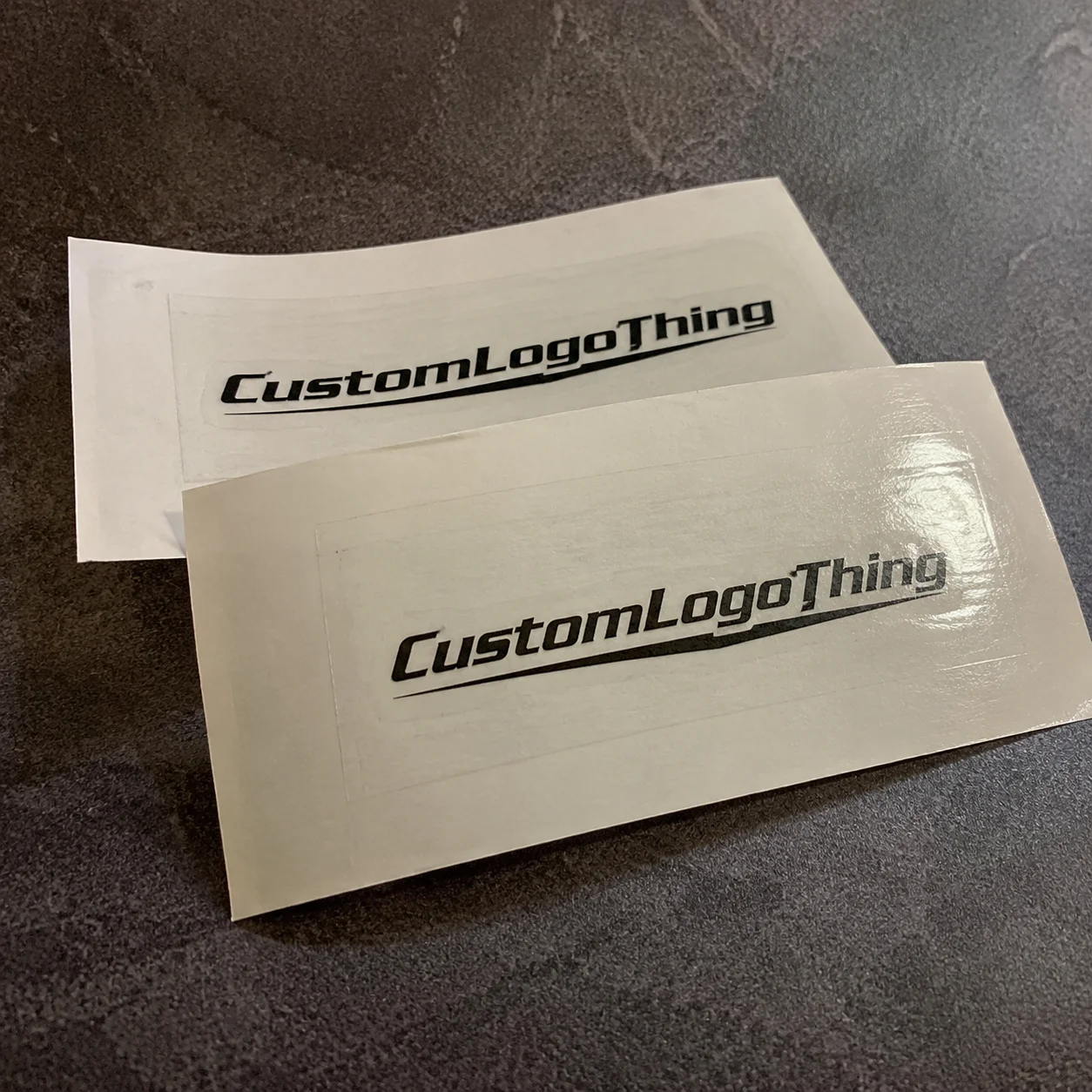
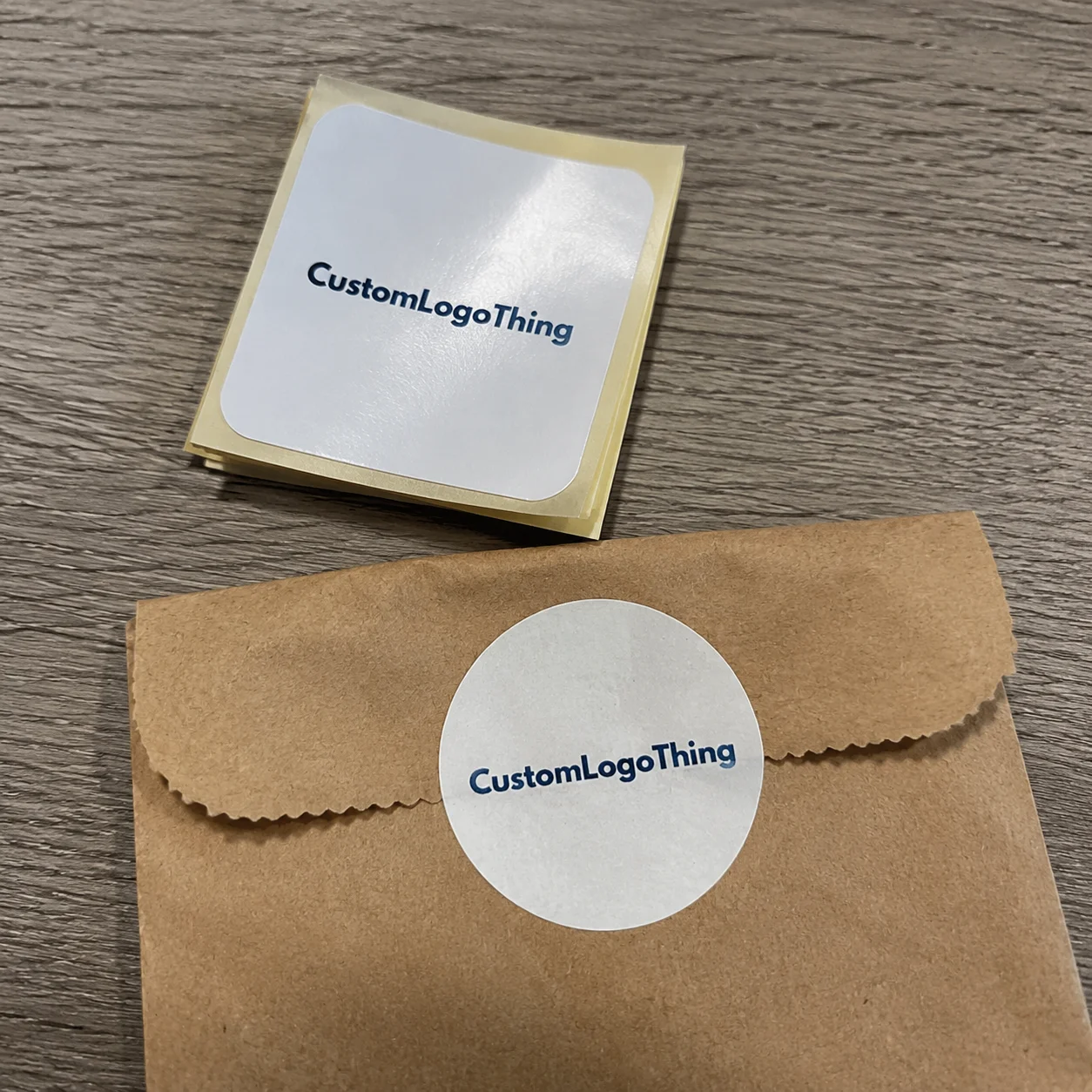
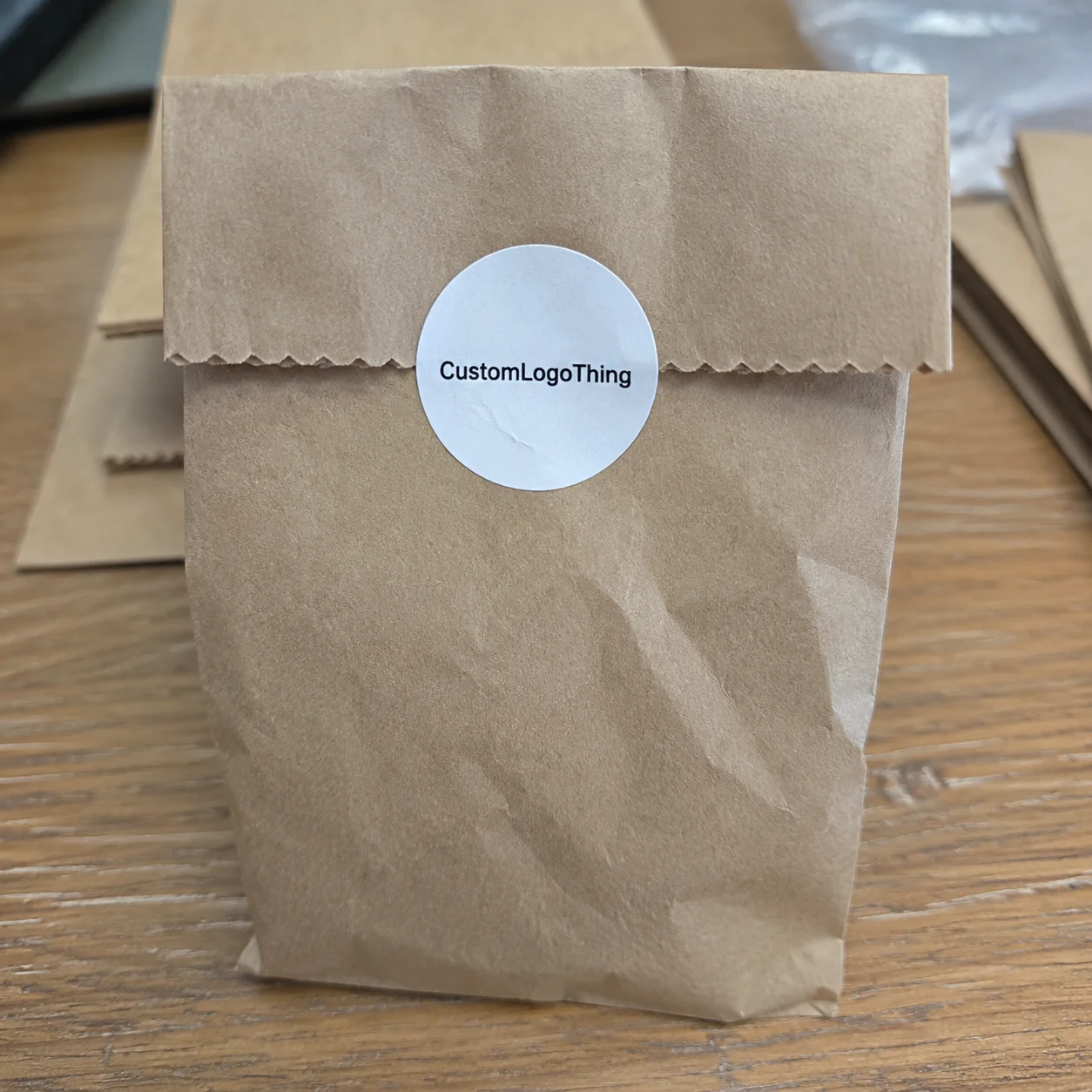
Custom Stickers USA: Small Printed Pieces That Carry a Big Brand Job
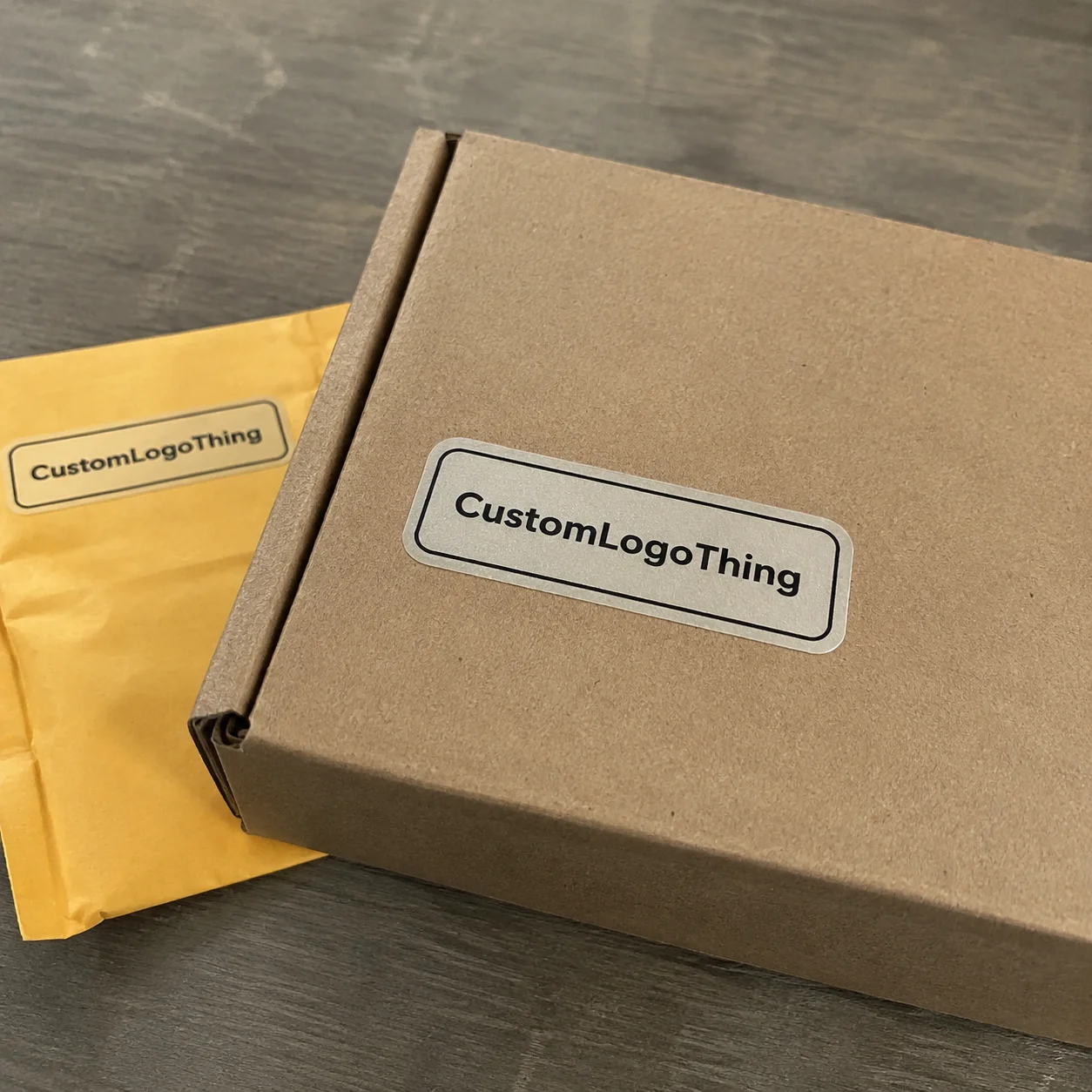
A coffee bag can be roasted well, packed neatly, and still look unfinished without the right sticker. Same with candle boxes, mailers, jars, pouches, sample kits, and retail bags. The sticker may carry the logo, seal a flap, explain a scent or flavor, mark a batch, flag a promo, or turn plain stock packaging into something customers recognize.
That is a lot of work for a piece of printed material most people call “simple.” Simple, naturally, until it peels off a curved jar or the barcode refuses to scan under store lighting.
A custom sticker is a pressure-sensitive printed piece made from several parts: facestock, adhesive, release liner, ink, and sometimes a varnish or laminate. The facestock is the printable material. The adhesive bonds it to the package. The liner protects the adhesive before use. The finish protects the print or changes the look and feel.
Buyers often use stickers, labels, decals, and seals interchangeably. Fair enough. In production, the words usually suggest different jobs. A label often carries product details or compliance information. A sticker may be decorative or promotional. A decal usually points to longer-term durability. A seal crosses a closure or package edge. The construction can overlap. The job matters more than the name.
Sourcing custom stickers USA suppliers can help when timing, proof review, shipping speed, and repeat-order consistency matter. Domestic production is not magic, and not every project needs it. Large offshore programs can make sense when forecasts are stable and the supply chain has time to breathe. But for active inventory, seasonal kits, trade shows, retail launch changes, and small-batch packaging runs, shorter feedback loops are useful. Very useful.
Packaging-floor truth: a sticker is only minor until it wrinkles on textured kraft, scuffs in transit, lifts on a cold bottle, or turns a clean package into something that looks rushed.
The goal is not to over-engineer every sticker. The goal is to match the material, adhesive, finish, artwork, and format to the real surface and use. That is where good sticker orders separate themselves from expensive reprints.
How Sticker Materials, Adhesives, and Finishes Work Together
Every sticker is a small system. If one part is wrong, the rest does not rescue it. A beautiful print on the wrong adhesive is still the wrong sticker.
Paper is the budget-friendly choice for dry indoor uses: bakery boxes, shopping bags, envelopes, inserts, simple logo seals, and short-term retail packaging. It prints nicely and keeps costs down, but it does not love moisture, oils, condensation, or rough handling.
White BOPP, a polypropylene film, is a common all-purpose upgrade. It resists moisture better than paper and works well on jars, bottles, pouches, cosmetics, and many food or personal-care packages. It can be gloss, matte, or laminated depending on the finish and durability target.
Vinyl is used when flexibility, outdoor exposure, and general toughness matter. Think water bottles, laptops, windows, bumper-style decals, and promotional stickers that people actually use instead of toss into a drawer. Polyester is often chosen for tougher industrial or long-life applications: equipment labels, warning decals, durable product tags, and high-abrasion environments.
Clear film, metallic stock, holographic film, recycled paper, kraft paper, and specialty textured stocks all have a place. They also have trade-offs. Clear film may need white ink behind the artwork. Metallic stock can make small type harder to read. Kraft paper looks natural but can mute colors. Specialty materials are fun until the quote lands. Shocking, I know.
Adhesive choice deserves the same attention as the print surface. Permanent adhesive is the standard option for many product labels. Removable adhesive is designed to peel away more cleanly, although dwell time, heat, and surface texture affect the result. Freezer-grade adhesive is made for cold storage or cold application. Repositionable adhesive gives some placement forgiveness during application. High-tack adhesive helps on textured paper, flexible films, low-energy plastics, and other difficult surfaces. Low-tack adhesive works where a lighter bond is needed.
The surface changes everything. Glass jars are usually friendly, unless condensation shows up. Kraft cartons look natural, but the fibers reduce contact area. Poly mailers are slick and flexible. Coated cartons often accept standard adhesive well. Metal tins may need scuff resistance. Plastic bottles vary by resin, coating, curve, and squeeze pressure.
Curves create lift stress at the edges. Tight curves are worse. A label that behaves on a flat proof sheet may pull at the corners once wrapped around a lip balm tube, small bottle, or tapered jar. Stiffer materials can make that worse, especially if the adhesive is not aggressive enough.
Finishes affect both appearance and performance. Gloss increases color pop but can cause glare on small type. Matte is easier to read and often feels more refined. Soft-touch has a velvety feel but can show fingerprints on dark ink. Spot UV can highlight a logo or pattern. Lamination adds protection against abrasion, moisture, oils, and shipping rub.
Digital printing is efficient for short runs, fast proofing, variable designs, and small-batch packaging. Flexographic printing is often better for larger repeat roll-label programs because setup costs spread across higher quantities. Screen printing or specialty methods may be used for heavy ink laydown, high-opacity whites, rugged decals, or special effects.
The best result comes from matching all the pieces: material, adhesive, ink, shape, finish, surface, application method, and storage conditions. Skip that step and you are guessing. Guessing is not a production strategy.
Key Specs to Decide Before You Request Artwork or Samples
A manufacturer cannot quote accurately from “I need logo stickers” unless the order is extremely basic. The quote needs facts: size, shape, quantity, material, adhesive, finish, format, surface, and use.
Start with the package surface. Is the sticker going on glass, kraft paper, a coated carton, a pouch, a poly mailer, a plastic bottle, a metal tin, or textured paper? Is the surface flat, curved, flexible, cold, oily, or likely to get wet? These answers narrow the material list quickly.
Shape is partly design and partly production. Circles and rectangles are efficient for many jobs. Ovals can soften a front-panel label. Die-cut logos follow the artwork contour and look more custom, but they may require extra setup and a clean cut path. Kiss-cut sheets work well for sticker packs. Roll labels are better for repeated product labeling. Tamper seals need shape and adhesive choices that discourage clean removal.
Size should match the viewing distance and package panel. A 1.5-inch logo seal may work on a small tuck box or envelope flap. A 3-by-4-inch front label may fit a pouch or jar. Barcode labels need quiet zones, not just enough room for the bars. Oversized laptop or water bottle stickers need tougher material and protective finishing if they are expected to survive daily handling.
Application method matters more than many first-time buyers expect. Hand-applied stickers are forgiving. Sheets may be easier for staff packing 50 sample kits at a table. Roll labels make sense for packing stations or label applicators. Machine-applied rolls need unwind direction, gap, core size, outside roll diameter, and orientation confirmed before production. A 3-inch core is common, but the applicator should drive the final spec.
Environmental exposure changes the recommendation. Refrigeration, condensation, sunlight, abrasion, oils, bath products, outdoor weather, and shipping rub all put stress on the sticker. A paper label on a dry candle box may be perfect. That same paper label on an oily bath scrub jar may stain, wrinkle, or lift.
Artwork should be built for print, not borrowed from a website mockup and hoped into existence. CMYK is common for full-color printing. Pantone matching may be requested when brand color control matters. Clear stocks often need a separate white ink layer. Bleed commonly runs 0.0625 to 0.125 inch beyond the cut line, depending on the printer’s requirements. Safe area keeps text away from edges. Vector logos print cleaner than screenshots. Barcodes should be tested at final size.
Ask about samples when the sticker must survive moisture, curves, freezer use, oils, premium shelf display, or machine application. For distribution packaging, validation may also involve standards such as ISTA test procedures, especially when labels or seals are part of the shipping pack.
Pricing, MOQ, and Unit Cost: What Actually Moves the Quote
Sticker pricing is driven by material, size, shape complexity, quantity, ink coverage, finish, adhesive type, tooling, proofing, and packing format. Two 2-inch stickers can land at very different prices. A plain white paper circle is not the same job as a clear die-cut logo with white ink, foil, and outdoor laminate.
MOQ, or minimum order quantity, is mostly about setup time and material efficiency. Very small runs are often possible with digital printing, but the unit cost may be high because file setup, proofing, printing, cutting, counting, and packing still happen. Once those fixed steps spread across 500, 1,000, or 5,000 pieces, the per-sticker price usually drops.
As a rough buyer expectation, simple paper stickers in moderate quantities may price in the low cents per piece. Short-run specialty stickers can be several times higher. Durable decals, small-batch die-cuts, foils, white ink, and laminated outdoor stocks can push unit cost up fast. Exact pricing depends on the supplier, print method, materials, and order details, so treat broad ranges as planning numbers, not promises.
Standard white paper and white BOPP are usually the economical lanes. Clear substrates, metallic foils, holographic films, outdoor laminates, freezer adhesives, high-tack adhesives, and custom die-cuts cost more because materials are pricier, setup is more involved, or waste is less forgiving. Version splits affect price too. Ten designs at 100 pieces each are not always equal to one design at 1,000 pieces.
| Sticker Option | Best Use | Typical Cost Driver | Buyer Note |
|---|---|---|---|
| White paper stickers | Dry indoor packaging, bags, inserts | Low material cost and simple finishing | Good for short-term use; weak around moisture and oils |
| White BOPP labels | Jars, bottles, pouches, cosmetics | Film stock and optional lamination | Reliable all-purpose choice for product packaging |
| Clear film stickers | Glass, clear plastic, minimal-label looks | White ink layer and opacity control | Artwork needs planning so colors do not disappear |
| Vinyl or polyester decals | Outdoor use, equipment, laptops, bottles | Durable film and protective coating | Better for abrasion, sunlight, and longer service life |
| Foil or holographic stickers | Premium retail packaging and promotions | Specialty material, stamping, or effects | Use carefully around small type and barcodes |
Roll stickers can be efficient for repeated labeling because they feed cleanly into packing stations and applicators. Sheeted stickers are often easier for events, retail handouts, small-batch packing, and internal use. Individually cut stickers add handling and packing labor, but they make sense for promotional packs or resale items.
Rush timing, exact color matching, multiple SKUs, physical proofs, custom packing, and special roll requirements can move the quote even when the sticker size stays unchanged. A clean quote request should include final size, quantity per design, material preference, surface type, finish, indoor or outdoor use, application method, and deadline.
The lowest unit price is not always the lowest cost. A cheap sticker that peels, smears, or wrinkles can make good packaging look careless. Then you pay for a reprint, repacking labor, delayed shipments, or customer complaints. Fantastic bargain.
Process and Timeline From Artwork Proof to Finished Stickers
A normal custom sticker order moves through quote request, spec review, artwork check, digital proof, approval, printing, finishing, cutting, quality check, packing, and shipping. The schedule usually starts after final artwork and proof approval, not after the first inquiry. If artwork revisions take four business days, production has not really started yet.
Prepress catches technical problems before they become expensive. The review may cover bleed, resolution, cut paths, color mode, font outlines, white ink layers, varnish layers, and barcode scan quality. For die-cut stickers, the cut line should be a clean vector path. Not a fuzzy edge pulled from a low-resolution image. For small labels, type size and contrast deserve a hard look before approval.
Digital proofs show layout, size, cut lines, and technical setup. They are fast and useful. They do not prove material feel, adhesive bite, opacity, or exact color under every lighting condition. Physical samples or press proofs may be worth it for Premium Retail Packaging, curved glass, dark plastic, refrigerated containers, machine application, or any surface that has caused trouble before.
Production may include printing, coating, laminating, die-cutting, matrix removal, slitting, rewinding, sheet cutting, counting, and packaging. Matrix removal strips away the waste material around roll labels. Slitting cuts wide printed rolls into narrower rolls. Rewinding sets roll direction and roll quantity. These steps sound small until a roll feeds backward through an applicator.
Simple digital jobs can sometimes move in a few business days after proof approval. Specialty finishes, custom tooling, larger roll quantities, physical proofing, and material sourcing can stretch the schedule. Material availability, number of designs, reorder history, quality checks, and shipping distance all affect timing.
If a launch depends on custom printed boxes, inserts, stickers, and filled inventory arriving together, build the schedule backward from the packing date. Not the public launch date. The packing team needs materials before the product can leave the building.
Quality control should be practical, not decorative paperwork. Common checks include color consistency, print registration, cut accuracy, adhesive transfer, liner release, roll direction, roll count, sheet count, scuffing, laminate coverage, barcode scans, and visual defects. For repeat orders, the new batch should be compared against the approved spec, not just judged in isolation.
For paper-based packaging programs or sustainability claims, buyers may also ask about responsible sourcing options through organizations such as FSC. Not every sticker material offers the same options, and claims should be confirmed before artwork is finalized.
Common Sticker Ordering Mistakes That Cause Peeling, Delays, or Reprints
The most common mistake is choosing by appearance alone. A glossy sample on a flat sheet may look excellent. That does not prove it will stay down on a cold jar, flexible pouch, textured kraft box, or curved plastic bottle.
Paper stickers fail most often around moisture, oils, cold storage, and tight curves. Uncoated paper can absorb water and wrinkle. Standard adhesive may struggle with condensation. A tight bottle radius can lift the edges of a stiff label. BOPP, vinyl, polyester, freezer-grade adhesive, or high-tack adhesive may be better, depending on the job.
Artwork mistakes cause plenty of reprints. Missing bleed can leave tiny white edges after cutting. Low-resolution logos print soft. Thin reverse type can fill in. Unoutlined fonts can substitute. Weak contrast can make instructions hard to read. Cut lines placed too close to text create risk. Barcodes wrapped around curved surfaces may not scan, even if they looked fine on screen.
Finish mistakes are sneakier. High-gloss coating can cause glare on ingredient text or small instructions. Soft-touch can feel premium but may not be right for rough handling unless protected. Unlaminated ink can scuff in shipping or smear around oils and bath products. Metallic effects can reduce readability if they sit behind fine type.
Another risky assumption: every adhesive is food-safe, freezer-safe, removable, or outdoor-rated. No. Food, cosmetic, and refrigerated packaging may require closer review of direct contact, indirect contact, temperature, moisture, and handling. A label on the outside of a sealed jar is different from a sticker touching food directly.
Storage can also cause trouble. Stickers should generally be kept clean, dry, and away from heat, direct sun, and extreme humidity. Old stock may not release or bond the same way as fresh material. If a project has a long packing window, ask about recommended storage conditions and shelf life.
Reorders are another source of surprises. Changing suppliers, files, materials, adhesives, finishes, or print methods without comparing to the previous batch can shift color, size, gloss, opacity, or liner release. If repeat consistency matters, keep the approved proof, material spec, dimensions, finishing notes, and roll direction with the job record.
Most custom stickers USA problems are preventable. Share the package surface, application method, storage conditions, and final use before production starts. The supplier cannot design around a problem they were never told exists.
Build a Sticker Spec That Is Ready to Quote
A ready-to-quote sticker spec does not need to be fancy. It needs to be clear. Before contacting a manufacturer or uploading art, gather the surface, dimensions, target quantity, number of designs, finish preference, indoor or outdoor use, application method, and deadline.
- Surface: glass jar, kraft carton, poly mailer, plastic bottle, metal tin, coated box, pouch, textured paper, or flexible film.
- Dimensions: final width and height, plus whether the shape is circle, rectangle, oval, custom die-cut, seal, sheet, or roll label.
- Quantity: total pieces and quantity per design, especially when scents, flavors, colors, or SKUs vary.
- Environment: dry shelf, refrigeration, freezer, sunlight, bath product exposure, oils, abrasion, or shipping rub.
- Format: sheets for handouts, rolls for production labeling, or individually cut stickers for retail and promotional packs.
- Artwork: vector logo, print-ready PDF, bleed, safe area, Pantone targets if needed, and specialty layers for white ink or foil.
If the material choice is unclear, ask for two directions. A budget indoor paper option and a moisture-resistant BOPP option can show a useful cost and performance comparison. For outdoor decals, compare vinyl and polyester. For a clear no-label look, confirm whether white ink is needed behind the logo and text.
Surface testing is the quiet step that saves money. Apply the sticker to the real container, carton, pouch, or mailer. Let it dwell for 24 to 72 hours if timing allows. Rub it, chill it, flex it, and expose it to the handling it will see during packing and shipping. Textured kraft, curved bottles, refrigerated products, and flexible packaging deserve extra attention.
If stickers are one part of a larger branded packaging system, keep the visual language consistent across cartons, inserts, labels, and retail displays. Custom Logo Things buyers can also review related Custom Labels & Tags or broader Custom Packaging Products when the sticker needs to match boxes, bags, sleeves, or other package branding pieces.
Good sticker orders are built before the proof is approved. Confirm the surface. Pick the material for the environment. Check the artwork at final size. Test a sample when performance matters. Then approve production with the boring details handled. Boring details are usually where the expensive problems hide.
Frequently Asked Questions
What materials are best for custom stickers made in the USA?
Paper is cost-effective for dry indoor packaging, inserts, and short-term promotions. White BOPP is a strong all-purpose choice for product labels that may face moisture, oils, or frequent handling. Vinyl or polyester is better for outdoor use, abrasion resistance, equipment labels, or long-lasting decals. Clear stocks need white ink planning if the design must stay opaque on glass, plastic, or colored surfaces.
How long does a custom sticker order usually take?
The clock usually starts after final artwork and proof approval. Simple digital jobs can often move faster than specialty finishes, large roll orders, or custom die-cut projects. Timeline depends on material availability, proof revisions, quantity, finishing, quality checks, and shipping method. For launches or events, allow extra time for surface testing and internal approval before production.
How much do custom stickers USA suppliers usually charge?
Cost depends on size, material, quantity, shape, finish, adhesive, number of designs, and packing format. Unit cost usually drops as quantity increases because setup, waste, and proofing are spread across more stickers. Specialty options such as foil, holographic film, outdoor lamination, clear stock, or high-tack adhesive increase cost. A complete quote request should include size, quantity, artwork, surface type, finish, deadline, and application method.
Can custom stickers be used on food, cosmetic, or refrigerated packaging?
Yes, but the material and adhesive must match the package surface, temperature, moisture, and handling conditions. Refrigerated or condensation-prone products often need moisture-resistant film rather than standard uncoated paper. Cosmetic and bath products may need oil-resistant materials and protective finishes to prevent smudging or lifting. Food packaging may require appropriate label placement and material review depending on direct or indirect contact.
What artwork files are best for ordering custom sticker printing?
Vector files such as AI, EPS, or print-ready PDF are preferred for logos, cut paths, and sharp type. Raster images should be high resolution at final print size, with adequate bleed and safe margins. Fonts should be outlined or embedded, and Custom Die-Cut Stickers need a clear cut line layer. Clear, metallic, or white-ink stickers may require separate layers to show where specialty ink or finish should print.