Custom Stickers Walgreens vs Pro Print Buying Guide
Learn when custom stickers Walgreens can handle the job, when professional production makes more sense, and how to compare specs, pricing, and timelines Before You Order.
Custom Stickers Walgreens: What Buyers Should Know First
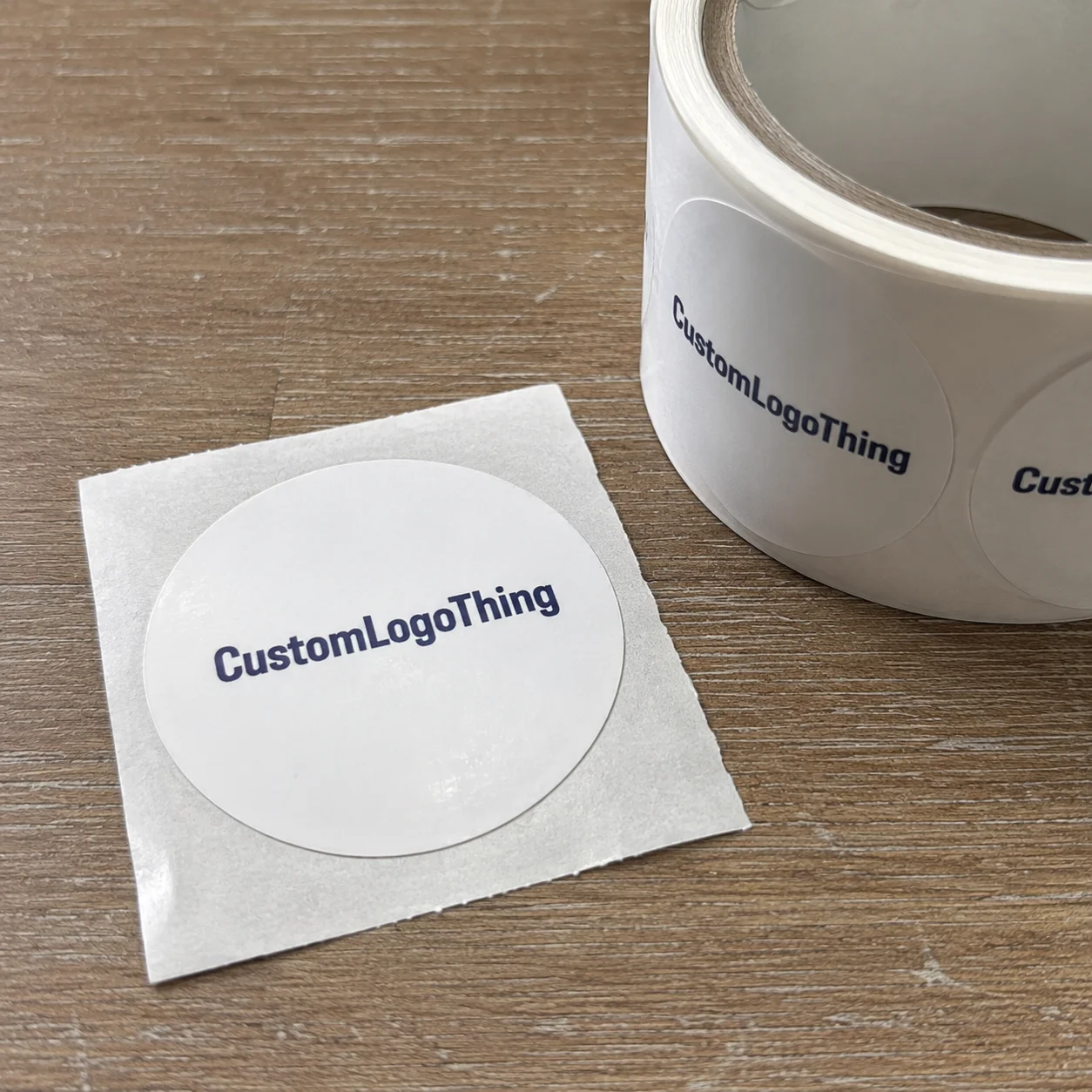
Custom stickers Walgreens sounds convenient because it is convenient. That does not automatically make it the right route for brand-ready sticker production, especially if the sticker will sit on product packaging customers handle, photograph, refrigerate, ship, peel, or judge in three seconds.
A local photo counter or quick-print option can be perfectly fine for party favors, school projects, event sticker sheets, personal labels, and one-off tests. Low stakes. Low complexity. Fast pickup. Useful.
Retail packaging is less forgiving. Waterproof labels, exact color matching, repeat product launches, barcodes, warning text, food-contact environments, and high-volume branded runs need tighter control than a basic upload-and-pick-up workflow usually provides.
The common trap is speed. Most buyers search for custom stickers Walgreens because they need something quickly, not because they have confirmed the material, adhesive, finish, cut style, and durability required for the job. That is how a “simple sticker order” turns into curled edges, fuzzy logos, odd sizing, unreadable type, or labels that look homemade in the wrong way. People notice. Buyers notice faster.
Custom stickers are printed adhesive graphics made in a chosen size, shape, material, finish, and quantity. Common formats include die-cut stickers, kiss-cut stickers, sticker sheets, roll labels, clear stickers, vinyl stickers, and paper labels. Those formats are not interchangeable. A 2-inch paper circle for a bakery box is not the same product as a laminated vinyl decal for a water bottle. Same broad category. Different job.
The useful comparison is simple: Walgreens-style local print options are built around speed and accessibility. Professional custom sticker manufacturers are built around control, consistency, material range, cutting accuracy, scaling, and repeatable package branding. If the sticker is decoration, convenience may win. If the sticker is part of the product presentation, the specs matter more than the pickup location.
Buyer rule: if the sticker only needs to exist today, local printing may be enough. If the sticker has to sell, survive, or match future orders, spec it like a real packaging component.
How Local Sticker Printing Works Compared With Pro Production
Local sticker printing usually follows a short path: upload artwork, choose from available products, select a size or sheet format, approve a basic preview, and pick up in store or wait for delivery if offered. The upside is speed. The downside is that customization often stops right where serious packaging decisions begin.
Professional sticker production has more steps because the sticker has to perform, not just appear. A typical order moves through artwork review, material selection, adhesive choice, print method, proofing, cutting, finishing, quality control, packing, and shipping. Less exciting than same-day pickup. Also much less likely to surprise you at the packing table.
Output formats differ too. Local stores may focus on standard sheets, photo-style prints, address-label-like products, or simple decals. Dedicated suppliers can produce roll labels for hand or machine application, die-cut singles for giveaways, kiss-cut sheets for merch, waterproof vinyl decals, clear BOPP labels, textured finishes, and specialty packaging Stickers for Retail-ready products.
Equipment matters more than many buyers expect. Consumer or light commercial print setups can struggle with dense ink coverage, tiny typography, edge-to-edge artwork, coated stocks, outdoor exposure, and repeat sizing. Industrial sticker printing is designed around consistency: the 500th label should look like the 5th label, and the reorder should not feel like a new science experiment.
| Buying Factor | Local Quick-Print Option | Professional Sticker Production |
|---|---|---|
| Best Use | Personal projects, events, mockups, low-risk labels | Product packaging, retail launches, repeat branded runs |
| Typical Quantity | Small batches, often under 100 pieces | 50 to 10,000+ pieces depending on process |
| Material Choice | Limited paper or standard sticker options | Paper, vinyl, BOPP, polyester, clear film, specialty stocks |
| Cut Options | Standard sheets or basic shapes | Die-cut, kiss-cut, roll labels, custom shapes, sheets |
| Brand Control | Basic preview and limited proofing | Artwork checks, proofs, samples, reorder consistency |
Use quick local printing when speed matters more than polish. Use professional production when the sticker touches your product, shelf presence, unboxing experience, compliance details, or brand perception. A sticker on a shipping box can be casual. A sticker on a cosmetic jar has fewer places to hide.
Sticker Specs That Matter More Than the Store Name
Blunt truth: the order source matters less than the specifications. A well-specified sticker from a capable supplier beats a vague order from anywhere. Shocking, perhaps. Still true.
Start with material. Paper stickers are budget-friendly and work well for dry indoor uses: thank-you seals, bakery boxes, tissue wrap, simple product labels, short-term promotions, and lightweight retail packaging. They are not the hero choice for wet bottles, oily jars, refrigerated items, squeeze tubes, or outdoor use. Paper absorbs, scuffs, and softens. That is not a defect. It is paper.
Vinyl, BOPP, and polyester handle tougher conditions. Vinyl is common for durable decals, laptops, mailers, bottles, and outdoor-style applications. BOPP is popular for food, beverage, candle, supplement, and cosmetic labels because it resists moisture and oils better than plain paper. Polyester is often used where dimensional stability, heat resistance, and durability matter. These choices affect both appearance and performance.
Adhesive is the next decision. Permanent adhesive works for most packaging and branding jobs. Removable adhesive is better for temporary promotions, glass, reusable containers, or anything customers should peel away cleanly. Freezer-grade adhesive matters for frozen foods and cold-chain packaging. Standard adhesive on a cold, damp jar is where neat launch plans go to curl.
Finish changes the look and the lifespan. Gloss looks bright, saturated, and punchy. Matte feels softer, more modern, and less reflective. Lamination adds scuff resistance and usually feels more premium in the hand. UV coating adds shine and protection. Clear stickers often need white ink backup if the design must stay visible on dark, colored, or transparent surfaces; without it, a pale logo can disappear into the product behind it.
Shape and cut style matter too. Die-cut stickers follow the artwork outline and feel more custom, which works well for merch, inserts, and premium brand moments. Kiss-cut stickers leave a backing border and are easier to peel, especially for small or delicate shapes. Roll labels are best when applying many stickers quickly by hand or machine. If your team needs to label 2,000 jars on a packing table, rolls beat loose singles almost every time.
Artwork basics are not optional. Vector files are ideal for logos, icons, and text. Raster files can work if they are at least 300 DPI at final print size. Small text needs caution, especially below 6 pt. Bleed is required if artwork runs to the edge; 0.0625 inch to 0.125 inch is common depending on the supplier. Safe margins keep text, QR codes, and barcodes away from trim risk.
If the sticker includes compliance text, ingredients, warnings, batch codes, or scannable codes, print a full-size proof before ordering volume. A QR code that scans on screen may fail after print shrinkage, low contrast, gloss reflection, or a curved application surface. Nobody wants to discover that after 5,000 units are labeled.
For broader packaging alignment, match sticker specs with the rest of your packaging system. A matte kraft mailer label sends a different signal than a high-gloss seal on custom printed boxes. If you are building a launch set, review Custom Packaging Products so the label, box, insert, and mailer look intentional rather than assembled from four unrelated orders.
Cost, Pricing, and MOQ Tradeoffs for Custom Stickers
Sticker cost is driven by size, material, shape, finish, print coverage, quantity, proofing needs, and shipping speed. A tiny paper circle label and a laminated waterproof die-cut vinyl sticker are not cousins. They are barely neighbors.
Small local or short-run jobs may feel affordable because the checkout total is low. The per-piece cost can still be high. A $25 order for 20 stickers is $1.25 each before you even know whether the material is durable enough. Professional runs often become more economical as quantity increases because setup, proofing, printing, and cutting are spread across more units.
Useful planning ranges vary by supplier, but these numbers are reasonable for common custom sticker work:
- Basic paper labels: often $0.05 to $0.18 each at 1,000+ pieces, depending on size and finish.
- Short-run digital stickers: often $0.40 to $1.50 each at 50 to 100 pieces, depending on size and cut style.
- Laminated vinyl die-cut stickers: often $0.18 to $0.65 each at 500 to 2,000 pieces, depending on dimensions and coverage.
- Custom roll labels: often $0.04 to $0.25 each at 1,000+ pieces, with material and unwind direction affecting the quote.
- Specialty effects: foil, spot UV, textured coatings, or unusual adhesives can push pricing up fast, especially below 500 pieces.
Minimum order quantities are not universal. Some digital suppliers start around 50 to 100 pieces for simple jobs. Specialized materials, roll labels, foil effects, spot UV, custom tooling, or exact color matching may require 250, 500, or 1,000+ pieces. That is not always a sales tactic. Setup time, material waste, machine calibration, and finishing labor exist. Annoying, but real.
Cheap is fine for personal events, temporary signage, internal office labels, mockups, or a quick market test. Cheap gets risky on subscription boxes, cosmetics, food, beverages, outdoor gear, retail-ready items, and anything customers photograph. A low-cost order that produces stickers you cannot use is not a bargain. It is waste with a receipt.
Compare quotes by unit cost and usable quality, not only by total order price. Ask for size, material, finish, adhesive, cut type, quantity breaks, proofing, turnaround, shipping, and reorder pricing. If one quote is half the cost, check what disappeared. It might be lamination, waterproof film, white ink, roll format, or proper proofing.
If the sticker is part of a broader product packaging system, review matching options under Custom Labels & Tags. Matching hang tags, seals, roll labels, and printed stickers can keep the brand system clean without forcing every component to use the same material.
Process and Timeline: From Artwork to Finished Stickers
A realistic sticker timeline moves through a plain sequence: gather specs, prepare artwork, request a quote, review the proof, approve production, print, cut, finish, inspect, pack, and ship. Not glamorous. Very useful.
A same-day or next-day store option may work when artwork is ready, quantities are low, and the format is standard. Think simple labels, flat sticker sheets, party designs, or basic promotional pieces. The tradeoff is usually fewer material choices, fewer cut options, and less proofing support. If you need custom stickers Walgreens can produce quickly, assume the product menu is narrower than a dedicated sticker supplier’s menu.
Professional turnaround depends on complexity. Simple digitally printed stickers can often move in a few business days after proof approval. Custom shapes, large orders, roll labels, specialty finishes, material sourcing, or color-sensitive brand work can add time. Separate proofing time from production time; many delays happen before the press starts.
For planning, allow a few business days for clean short runs and one to three weeks for more customized or higher-volume orders. Rush production may be available, but rush fees do not fix bad files. Low-resolution logos, missing bleed, unclear sizing, wrong color modes, and late design changes can stretch the schedule more than printing itself.
Quality control should cover more than “does it look nice?” Check cut alignment, color consistency, edge quality, scuff resistance, adhesive bond, liner release, roll orientation, and count accuracy. For roll labels, confirm core size and unwind direction before production if the labels will run through an applicator. A perfect label facing the wrong way on the roll is not perfect for the person operating the machine.
Standards can help frame performance expectations. For shipped packaging systems, ISTA protocols are commonly used to test distribution performance, and ASTM methods are often referenced for adhesive, abrasion, and material testing. Stickers are small, but they live inside real handling conditions: packing tables, freight, humidity, cold rooms, retail shelves, and customer hands.
Plan backward from the real deadline: launch date, event date, retail delivery date, subscription box assembly date, or packaging line date. Stickers arriving the morning after launch are technically finished. Also useless.
Common Mistakes That Make Stickers Look Cheap
The most common mistake is ordering before deciding where the sticker will be used. A laptop giveaway sticker, candle warning label, coffee bag seal, bottle label, and mailer closure sticker all need different specs. One-size-fits-all is how adhesives fail, corners lift, and customers start picking at your packaging during checkout.
Low-resolution artwork is the next problem. Logos pulled from websites, screenshots, social media files, and tiny PNGs often print soft or jagged. Use AI, EPS, SVG, or print-ready PDF files whenever possible. If raster artwork is unavoidable, make sure it is 300 DPI at final print size, not “300 DPI after someone stretches it until it fills the template.”
Sizing errors are painfully common. A sticker that looks balanced on a laptop screen may be unreadable at 1.5 inches wide or too large for a curved jar panel. Print a paper mockup at actual size and place it on the package. Five minutes. One sheet of office paper. Huge reduction in regret.
Material compatibility is another quiet killer. Paper stickers on wet bottles, standard adhesive on freezer packaging, clear stickers without white ink, and matte finishes on heavy-scuff areas can all create problems. If the sticker will face moisture, oils, refrigeration, abrasion, sunlight, or curved surfaces, test before ordering in bulk.
Color surprises deserve respect. Screens glow; stickers reflect light. Brand colors can shift based on material, finish, ink system, and print method. A logo on matte white paper will not look identical to the same logo on clear film or gloss vinyl. For exact brand work, request a hard proof, material swatch, or small sample run instead of trusting your monitor like it has a press operator hiding inside.
Sustainability claims need the same discipline. If you want FSC-certified paper, recycled content, compostability, or recyclable packaging components, ask for documentation. The Forest Stewardship Council is one recognized source for paper sourcing certification. Vague “eco” language does not do much anymore. Customers, retailers, and marketplaces are getting better at spotting fluff.
The final mistake is choosing only by pickup speed. Fast stickers are great if they are right. Fast wrong stickers are just waste with express handling.
Next Steps Before You Place a Sticker Order
Start with the decision path. If you need a handful of personal stickers today and quality requirements are basic, a local option may be enough. If you need branded packaging, waterproof durability, exact sizing, roll format, custom shapes, color consistency, or repeat orders, price out a professional sticker run before choosing convenience by default.
Write a simple sticker spec before contacting any supplier. Include intended use, quantity, size, shape, material, finish, adhesive type, indoor or outdoor exposure, application surface, and deadline. This prevents the classic back-and-forth email swamp where everyone asks obvious questions one at a time.
- Define use: packaging seal, product label, giveaway decal, warning label, QR code sticker, or retail display label.
- Choose format: singles, sheets, rolls, die-cut, kiss-cut, clear film, or paper labels.
- Confirm conditions: dry, wet, oily, refrigerated, frozen, mailed, handled, or displayed outdoors.
- Prepare artwork: vector logo, 300 DPI images, outlined fonts, bleed, safe margins, and color notes.
- Request pricing: ask for quantity breaks at 100, 250, 500, 1,000, and 2,500 pieces if those numbers fit your growth plan.
If the design has tiny type, barcodes, QR codes, ingredient text, legal copy, or safety warnings, request a proof at actual size. Compliance copy that looks readable in a PDF can turn into ant tracks on a 1-inch label. That is not a design opinion; it is a legibility problem.
Order samples or a small test run when the sticker will touch moisture, oils, curved glass, squeeze tubes, refrigeration, mailer friction, or retail shelves. Testing ten stickers beats apologizing over ten thousand. Apply them to the real surface, wait 24 to 72 hours, rub them, chill them, wet them, and ship one to yourself if shipping abuse matters.
Compare quotes using the same specs across suppliers. Otherwise, the cheapest quote may be cheaper because it removed the exact feature you needed. Put material, adhesive, finish, cut type, quantity, proofing, turnaround, and shipping in writing. Then compare. Not before.
Before buying custom stickers Walgreens can print quickly, decide whether you need speed, brand control, durability, or scale. That one choice tells you where to order, what specs to ask for, and how to avoid Stickers That Make otherwise solid packaging look cheap.
FAQ
Can I order custom stickers at Walgreens for product packaging?
You may be able to order simple personalized sticker-style products or printed labels depending on location and available services, but options are usually limited compared with a dedicated sticker manufacturer. For product packaging, confirm material, adhesive, finish, cut type, water resistance, Proofing, and Reorder consistency before relying on any quick local print option. If the sticker goes on candles, bottles, cosmetics, food packaging, mailers, or retail items, professional production is usually the safer choice.
Are custom stickers from Walgreens waterproof?
Do not assume they are waterproof unless the product description specifically says so and lists the material or coating. For moisture exposure, look for vinyl, BOPP, polyester, lamination, or a coating designed for water resistance. Test the sticker on the actual surface with water, condensation, handling, and time before using it on customer-facing packaging.
What is the difference between Walgreens stickers and custom vinyl stickers?
Walgreens-style quick print products are generally designed for convenience and small personal projects, while Custom Vinyl Stickers are built around durability, shape control, and longer-term use. Vinyl is usually better for laptops, bottles, outdoor use, shipping packages, and products that face moisture or abrasion. The exact difference depends on material, adhesive, ink, coating, and cutting process, so compare specifications rather than store names.
How much do custom stickers cost compared with Walgreens printing?
Small local orders may have a low total price but a higher per-sticker cost because quantities are limited. Professional sticker orders often become cheaper per unit at higher quantities, especially around 250, 500, 1,000, and larger runs. Compare quotes using the same size, material, finish, quantity, and timeline or the numbers are basically decorative.
What file should I use for custom sticker printing?
Use vector files like AI, EPS, SVG, or print-ready PDF when possible, especially for logos, text, and simple graphics. Raster artwork should be at least 300 DPI at final print size, not stretched from a tiny web image. Include bleed, safe margins, outlined fonts, and color notes so the printer does not have to guess. Guessing is not a production method.

