If you have ever picked up a shirt, candle, or tote bag and noticed the tag before you noticed the product, you already understand why a Custom Swing Tags Manufacturer factory matters. That tiny card is often the first thing a shopper touches. It has to carry brand personality, product information, and a clean presentation without looking like it was added in a hurry. Which, frankly, happens more often than brands like to admit.
From a packaging buyer’s point of view, swing tags sit right between retail packaging and package branding. They are not just labels with a hole punched in them. They are part of the product experience, and the right production partner turns a sketch into something repeatable, tidy, and ready for real-world use.
What a swing tag factory actually does
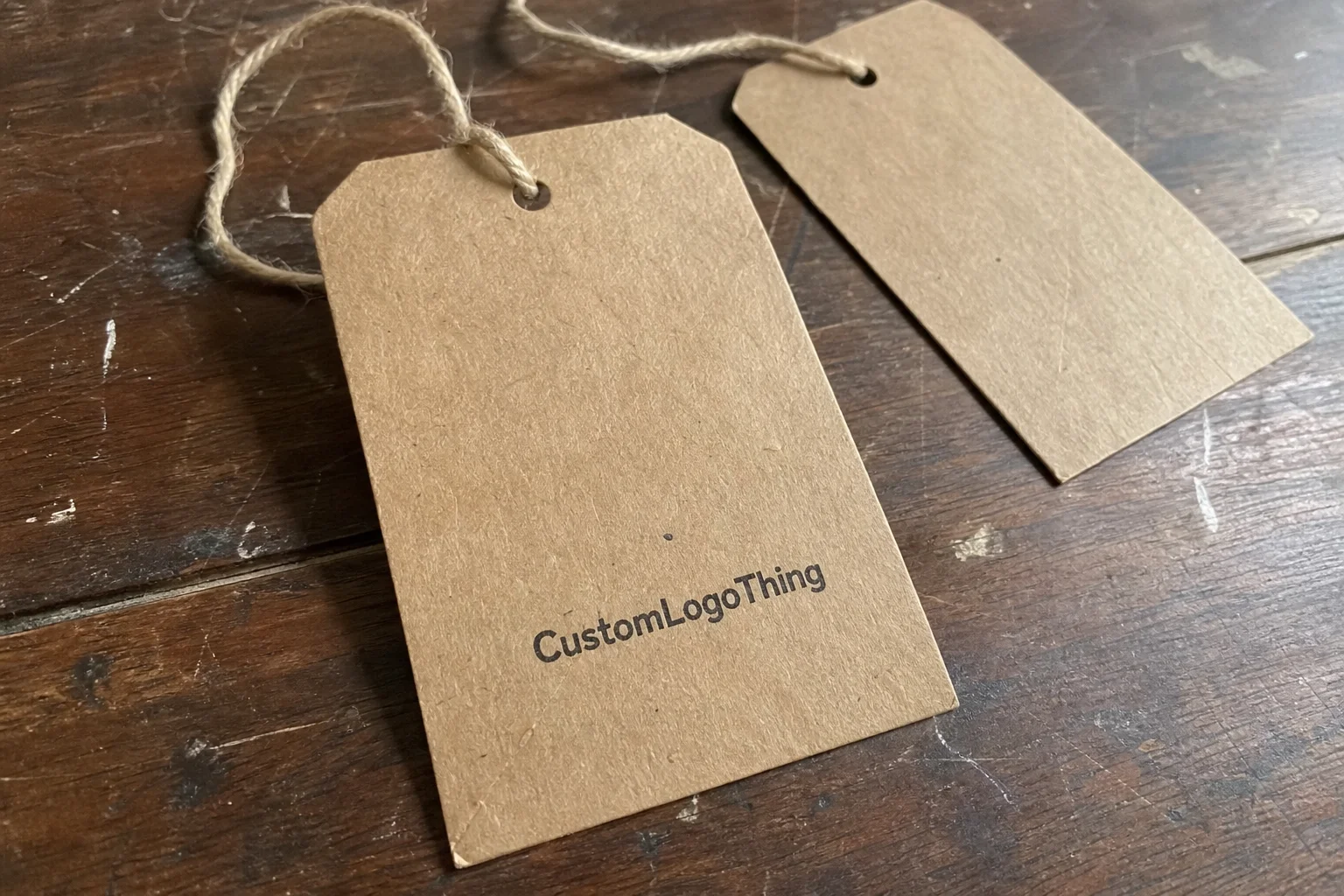
A swing tag, sometimes called a hang tag, is a printed piece attached to a product with string, ribbon, plastic fastener, or a fiber tie. It can show price, SKU, size, care instructions, origin, barcode, or a short brand story. In many categories, it has to do all of that while still looking good on the rack.
A Custom Swing Tags Manufacturer factory is where those ideas become a physical item you can ship, store, and attach at scale. The work usually starts with file checking, then moves into material sourcing, printing, drying or curing, cutting, hole punching, finishing, stringing or assembly, and final quality control before packing.
That distinction matters. A basic print shop may only run the job on standard stock and ship flat sheets. A real manufacturing setup coordinates the paper or board, print method, finish, attachment style, and carton packing so the tags arrive consistent and ready to use. For brands building branded packaging across multiple SKUs, that consistency saves time and reduces avoidable mess.
A good swing tag should feel like it belongs with the product, not like an afterthought.
The factory is also a control point. If the tag is the wrong size, the hole sits too close to the edge, or the color shifts too far from the approved proof, the issue should be caught before thousands of pieces are packed. Experienced buyers treat the factory as part of the design process, not just a place that prints things.
That is especially true for retail programs with more than one product line. A clean tag system usually needs a shared size range, consistent hole placement, and a finish that behaves the same across reorder cycles. Otherwise, the line starts to look patchy fast.
How the production process and timeline work
The workflow is straightforward once you break it down, but each stage has its own traps. A solid custom swing tags manufacturer factory usually follows this sequence:
- Artwork review – checking file size, bleed, resolution, and whether the layout fits the chosen shape.
- Proofing – sending a digital proof or layout mockup for approval before production starts.
- Material selection – confirming the stock, thickness, coating, or special paper.
- Printing – digital, offset, or another method depending on quantity and detail.
- Finishing – lamination, varnish, foil, embossing, spot UV, rounded corners, or die cutting.
- Conversion – drilling holes, perforating, scoring, or making custom shapes.
- Assembly – adding string, ribbon, eyelets, or fasteners if required.
- Inspection and packing – checking counts, print quality, and carton presentation.
Timelines depend heavily on complexity. A simple uncoated paper tag with one or two colors may be ready in roughly 7 to 12 business days after proof approval. Tags with foil, embossing, Custom Die Cutting, or hand assembly usually need more like 12 to 20 business days. If the artwork is not final, add time for revision cycles. That is usually where delays begin, not in the machine room.
Quantity matters too. A 1,000-piece run can move quickly, while a 20,000-piece order with multiple SKUs, different language versions, or mixed attachment styles takes longer to set up and inspect. Good factories build in review time for proofs and sample approval. That is one of the better signs you are dealing with an actual production team rather than someone just racing to send a quote.
For broader product packaging programs, it helps to think of swing tags as one node in a larger system. If your custom printed boxes, labels, and tags all share the same visual language, the line feels deliberate instead of stitched together after the fact.
For reference on print and packaging terminology, the Packaging School and packaging industry resources can be useful, while the ISTA guidelines are worth checking when tags or packed goods need to survive transit and handling tests.
Cost, pricing, MOQ, and what changes your quote
Pricing for swing tags is rarely just about printing. The quote from a custom swing tags manufacturer factory usually reflects setup, material, finishing, labor, and packing. Small changes in the spec can shift the unit price more than buyers expect.
The biggest cost drivers are consistent:
- Material choice – kraft, coated art paper, textured stock, rigid board, or specialty paper.
- Size and shape – standard rectangles cost less than custom die-cut silhouettes.
- Print method – digital for short runs, offset for larger quantities and tighter cost control.
- Color count – one-color tags are simpler than full-coverage CMYK artwork.
- Finishing – foil, embossing, debossing, soft-touch lamination, matte/gloss varnish.
- Assembly – stringing, eyelets, ribbon attachment, or bundled SKU packing.
MOQ, or minimum order quantity, has real pricing implications. Smaller runs usually cost more per tag because setup is spread across fewer pieces. In practical terms, 500 tags may cost noticeably more per unit than 5,000, even if the print is identical. Once setup is absorbed across larger volumes, the per-piece number drops in a way buyers can actually see on the invoice.
Here is a simple way to think about it:
| Order type | Typical unit cost trend | Why it changes |
|---|---|---|
| Small digital run | Higher per unit | Setup and proofing are spread across fewer tags |
| Mid-size offset run | Moderate per unit | Better efficiency once setup is complete |
| Large multi-SKU run | Lower per unit, higher total | More material and labor, but fixed costs are spread out |
For a rough sense of range, a simple printed swing tag might land around $0.08-$0.18 per unit at higher volumes. A premium tag with foil, textured stock, or string assembly can move into $0.18-$0.45 or more depending on quantity and complexity. Those are broad working ranges, not promises. A 2,000-piece order with one finish is a different animal from a 25,000-piece retail program with several versions.
Shipping and packing also affect the final number. Rush freight, split shipments, carton labeling for different store groups, or bundling by style can all add cost. When comparing quotes, check whether the price includes proofs, setup, die cutting, finishing, stringing, carton packing, and delivery terms. A lower quote that excludes half of those items is not cheaper. It is just incomplete.
For buyers managing broader branded packaging programs, it helps to review related categories too, including Custom Labels & Tags and the wider range of Custom Packaging Products, especially if the tag needs to match boxes, inserts, or shipping materials.
Choosing the right materials, print method, and finish
Material choice is where a lot of brand personality shows up. A kraft tag sends a very different message than a bright white coated board, and a soft-touch laminated tag feels completely different from an uncoated writeable one. A thoughtful custom swing tags manufacturer factory should talk through the options instead of pushing the cheapest stock by default.
Common materials include kraft paper, coated art paper, textured stock, and rigid paperboard. Kraft works well for natural, eco-conscious, or handmade positioning. Coated stock is better when sharp color and fine detail matter. Textured papers tend to suggest premium or artisan branding. Heavier board adds body and helps tags resist curling, which matters if the tag is going to hang on a garment rack for weeks.
Print method should match volume and design detail. Digital printing makes sense for shorter runs, multiple versions, and fast artwork changes. Offset printing becomes more efficient at higher quantities and usually gives more consistent color across large batches. If you have fine type, photographic detail, or exact brand colors, the print method should be discussed early, not after the proof comes back.
Finishing choices shape the visual story:
- Matte finish for a restrained, clean look
- Gloss for brighter color and more visual pop
- Soft-touch lamination for a velvety premium feel
- Foil stamping for metallic accents
- Embossing or debossing for tactile brand detail
- Rounded corners for a softer, more polished profile
Functional details matter just as much. Hole placement affects how the tag hangs. Eyelets can protect the hole from tearing. A string may be cotton, polyester, satin ribbon, or recycled fiber tie depending on the look and budget. If the tag needs to be written on by retail staff, the finish must allow that. Gloss coatings can look sharp, but they are not ideal if the back side needs handwritten pricing or notes.
For eco-minded brands, sustainability claims should stay grounded in facts. If you want FSC-certified paper or recycled board, ask for documentation instead of assuming. The FSC site is a good place to understand certification basics, while EPA guidance on paper and recycling can help with broader material decisions and waste reduction: EPA recycling resources.
A practical point gets overlooked a lot: the best tag is not always the most decorated one. If the product needs a clear size label, barcode, and compliance text, excess finish can work against usability. Nice is good. Readable is better.
Step-by-step ordering workflow from brief to approval
If you want the cleanest path from idea to finished tags, start with a strong brief. A good brief should name the product type, target audience, quantity, tag size, attachment method, and the exact information that must appear on the card. The best buyers also share whether the tag needs to coordinate with custom printed boxes, inserts, or a wider retail packaging system.
Artwork prep is where many projects stay smooth or get messy. Files should include bleed, safe margins, and the correct die line if the tag has a custom shape. Images need sufficient resolution, typically 300 dpi or higher at final size. Color should be specified clearly, especially if brand standards call for Pantone matching rather than a generic CMYK build.
The proof stage is not the place to rush. Check spelling, SKU numbers, barcodes, legal text, QR codes, and hole placement. If the tag has multiple languages, confirm that each version is correctly laid out and that spacing still works after translation. If something feels off, ask for a revision before signing off. A few extra hours here can save a full run of wasted inventory later.
Some buyers request a physical sample when the tag uses specialty paper, heavy board, unusual sizing, or premium finishing. That is usually smart when the order is large enough to justify the step. It is much easier to approve feel, weight, and color on a sample than by staring at a PDF on a monitor.
- Send the brief with quantity, size, finish, and usage details.
- Confirm artwork and technical specs with the factory.
- Review the digital proof for layout, color, and copy accuracy.
- Approve sample if needed before mass production.
- Release to production once everything is signed off.
- Inspect packing and shipment so the tags arrive ready to use.
A simple buyer checklist keeps things moving: final logo files, exact copy, size target, finish preference, attachment type, quantity by SKU, and delivery address. If you keep those basics organized, the custom swing tags manufacturer factory has a much better chance of quoting accurately the first time.
One thing worth keeping in mind is version control. If a brand manager, merchandiser, and designer are all sending slightly different files, production slows down fast. One master file. One approval trail. Less chaos. Amazing concept.
Common mistakes that raise cost or delay delivery
One of the most common mistakes is designing the tag before deciding how it will actually be used. If the hole position, fold, or attachment method changes later, the artwork may need to be rebuilt. That means extra proof cycles, extra revisions, and sometimes a new cutting tool.
Low-resolution artwork is another easy way to create avoidable problems. Logos pulled from web images often look fine on a screen and blurry in print. The same goes for tiny text. If care instructions, compliance copy, or size details are too small to read, the final tag will not be practical no matter how nice the stock feels.
Hidden extras can also catch buyers by surprise. Specialty finishing, multiple proof revisions, split shipments, manual stringing, and carton labeling for different store groups all add labor. A quote that looks strong at first glance may change once the factory understands the full scope.
There is also a sustainability gap that shows up more often than people expect. Buyers may ask for eco-friendly packaging, then choose a finish or attachment that conflicts with that goal. A heavily laminated tag may be more durable, yet less recyclable than a simpler uncoated option. The right answer depends on how the product is sold, handled, and discarded.
Skipping proof approval is a classic way to waste money. Small typos, wrong barcode sizes, or mismatched color references slip through because someone trusted the mockup too quickly. A careful review is cheaper than reprinting thousands of tags.
Another mistake is forgetting about handling. Tags that look great in a file may curl, scuff, or tear once they are tied onto products and moved through a warehouse. That is why stock thickness, coating, and hole reinforcement matter more than many buyers expect.
Expert tips for better swing tags and smoother reorders
The smartest tag programs are the ones built for reuse. If you can standardize tag size, hole placement, and attachment style across several products, reorders become faster, quotes become cleaner, and production notes stay consistent. That is especially helpful for seasonal collections and multi-color ranges.
Keep the copy concise. Swing tags are small, and busy layouts get hard to read very quickly. The logo, product name, and essential information should lead; the rest should support the sale, not crowd it. This matters even more when the tag needs to coordinate with other packaging design elements like labels, inserts, or custom printed boxes.
Plan inventory with a real reorder rhythm. If you wait until the last carton of tags is on the line, the factory may not have enough time for proofing, scheduling, and shipping. Buyers who reorder before stock gets critically low tend to avoid rush charges and production stress.
Keep your production notes. Save the approved dieline, paper spec, finish, attachment method, and pack-out instructions in one place. That file becomes useful fast when you need a repeat order with small changes, because the next custom swing tags manufacturer factory should not have to rediscover your basic spec from scratch.
For brands building out a broader packaging system, swing tags should support the same story told by product packaging, shipping materials, and shelf presentation. When those pieces speak the same visual language, the brand feels more confident and more intentional.
If the goal is consistency across seasons, ask the factory to keep a locked production record: dieline, approved artwork, board thickness, finish code, string type, and packing count. That sounds boring. It is also the difference between a smooth reorder and a week of back-and-forth because nobody can remember which version was finally approved.
Frequently asked questions
What should I ask a custom swing tags manufacturer factory before ordering?
Ask what materials, print methods, finishes, and attachment options are available for your quantity. Also confirm MOQ, proofing process, lead time, and whether setup, packing, and shipping are included in the quote. Request file requirements up front so artwork approval moves cleanly.
How much do custom swing tags usually cost per unit?
Unit cost depends on size, stock, print complexity, finishing, and order quantity. Smaller runs cost more per tag because setup is spread across fewer pieces. Premium finishes and assembly work usually raise the price more than a simple print change.
What is the usual turnaround for custom swing tags?
Turnaround varies by artwork readiness, quantity, and finishing needs. Simple tags move faster than orders with foil, embossing, special shapes, or stringing. Proof approval speed also affects how quickly production can begin.
Which material is best for durable swing tags?
Rigid paperboard or coated stock works well for most retail uses because it prints cleanly and holds shape. For a premium feel, textured or heavier boards can improve presentation without becoming overly fragile. If the tag needs to handle more wear, ask about coating or lamination options.
Can I reorder the same custom swing tags later with minor changes?
Yes, if the factory keeps your specs, artwork, and production notes on file. Small updates like price changes or SKU edits are usually easier than redesigning the entire tag. Standardizing size, hole position, and finish makes reorders faster and more consistent.
If you are choosing a custom swing tags manufacturer factory, the best partner is usually the one that asks good questions, checks the file carefully, and gives clear answers about materials, timing, and cost before production starts. That is how you get tags that fit the product, support the brand, and arrive ready to use without unnecessary surprises.


