Why custom swing tags matter more than most brands realize
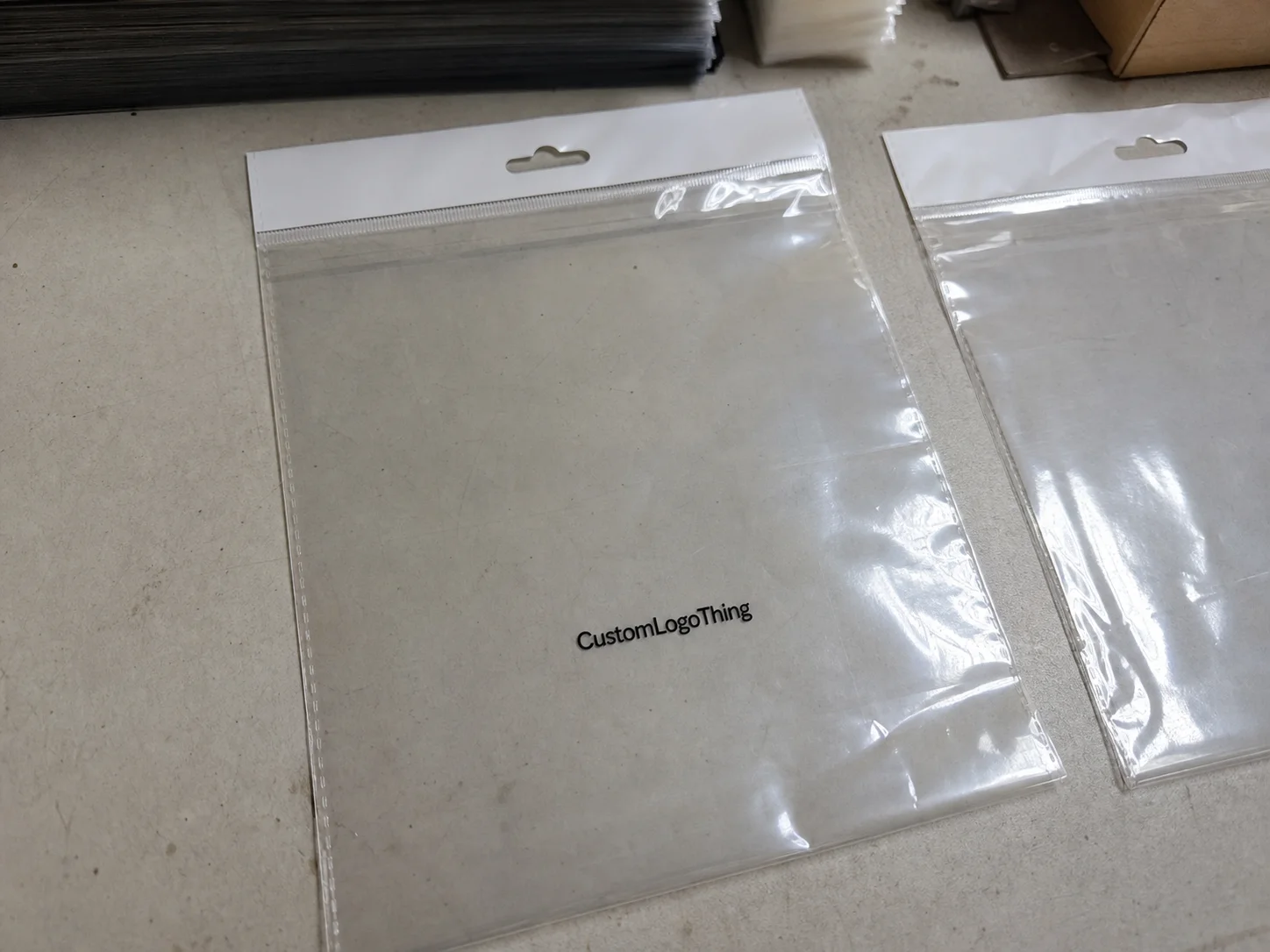
If you are sourcing from a Custom Swing Tags Manufacturer china factory, the tag itself deserves more attention than it usually gets. A swing tag is small, cheap-looking if done badly, and surprisingly influential when it is done well. It is often the first branded item a buyer touches after the product. That first touch does not forgive sloppy print, flimsy stock, or a tag that turns up bent in transit. Retail is rude like that.
Swing tags, hang tags, labels, and stickers all do different jobs. A woven label stays on the product. A sticker seals or identifies. A swing tag hangs off the item and can carry far more information without crowding the garment or packaging. That extra space is useful for size, price, SKU, barcode, care notes, short brand copy, material content, and compliance details. In other words, it is not decoration. It is functional print with a branding job attached.
For apparel, cosmetics, gifts, and accessories, the tag affects perceived value quickly. A 350gsm matte tag with clean edges and crisp print can make a basic item look considered. A thin tag with fuzzy text does the opposite. The product may be fine. The presentation says otherwise.
Buyers working with a Custom Swing Tags manufacturer china factory usually care about repeatability as much as appearance. One good sample is not the win. The real test is whether the tags still match after the third reorder, after the season change, and after the factory has processed a different batch of artwork. Consistency is the part that separates a decent supplier from a headache.
There is also a practical side. Swing tags need to be packed flat, counted correctly, and protected from moisture. If they arrive warped, mixed by style, or short by a few hundred pieces, the unit price stops looking clever very fast. Buyers often fixate on print finish and forget packaging discipline. That is a mistake that shows up on the warehouse floor, not in the quote.
For brands comparing broader Custom Packaging Products, swing tags are usually one of the easiest items to standardize across product lines. That makes them a useful starting point for a cleaner product packaging system.
How swing tag production works from artwork to packed cartons
The production process looks simple from the outside. It rarely is. It starts with artwork review, where the supplier checks bleed, trim, font outlines, image resolution, barcode size, and whether the dieline matches the intended format. If those pieces are wrong, everything downstream gets slower. Sometimes the delay is minor. Sometimes it becomes a round of fixes that nobody budgeted for.
Once the file is ready, the factory moves to prepress. This is where color setup, print positioning, and layout alignment are confirmed. If the design uses Pantone colors, the supplier should say whether matching is exact or approximate. If the print is CMYK only, buyers should expect small shifts from screen to paper. Screens lie. Paper does not care.
Material choice comes next. Common stocks include coated art paper, kraft board, recycled board, textured paper, and heavier card grades for a more premium feel. For most hang tags, 250gsm to 400gsm is a sensible range. Below that, tags can feel too light and curl more easily. Above that, you get more stiffness, but folding, stringing, and packing become a little less forgiving. The right stock depends on the product, not on some abstract idea of “premium.”
Printing method matters too. Offset printing is usually the better choice for stable brand colors, sharper fine detail, and larger quantities. Digital printing makes more sense for short runs, frequent artwork changes, and test collections. If the design uses foil stamping, embossing, debossing, spot UV, or a custom die cut, expect more setup time and a higher price. That is normal. Fancy finishes are not charity.
After printing, the sheet moves into conversion: die cutting, corner rounding, hole punching, scoring if needed, and stringing or attachment assembly. Cotton string gives a softer look. Ribbon feels more gift-like. Elastic loop is fast and practical. Plastic fasteners are efficient when speed matters and the tag has to stay secure through packing and transit.
Quality control should happen at more than one stage. Good factories check registration, trim size, hole position, color consistency, edge quality, and carton count before dispatch. On a disciplined run, tags are packed flat, labeled by style, and protected against moisture. That sounds basic because it is basic. The problem is how often “basic” gets skipped.
“A swing tag is small, but it carries a big part of the brand’s first impression. If the stock, print, and finishing are not aligned, the product feels less considered than it really is.”
For buyers who want a broader reference on paper choices and environmental claims, the EPA guidance on paper and paperboard materials is a useful starting point.
Key specs that affect quality, branding, and shelf appeal
Most hang tag problems begin with vague specs. Size is the easiest place to start. A 50 x 90 mm tag may work well for jewelry, beauty items, or minimalist apparel. A 70 x 120 mm or 80 x 140 mm format gives more room for storytelling, pricing, and compliance information. Bigger is not automatically better, but too small usually means compromised layout.
Shape changes the feel immediately. Rectangles are efficient and economical. Rounded corners soften the look and help reduce dog-earing. Custom die-cut shapes can make the tag stand out, but they also increase tooling complexity and often add setup cost. If the shape is highly unusual, expect fewer shortcuts and more back-and-forth before approval.
Paper weight influences both appearance and handling. A 300gsm coated board prints cleanly and keeps sharp detail. Kraft board supports a natural or eco-focused look. Recycled board can reinforce sustainability messaging, especially when paired with FSC-certified stock. If the tag needs to survive repeated handling, ask about stiffness, tear resistance, and whether a matte or soft-touch laminate is worth the added cost. Not every product needs a velvet handshake.
Color accuracy is another area where buyer expectations and factory reality need to meet somewhere in the middle. Strong blacks, saturated reds, and muted neutrals can shift if the file is not prepared properly. Ask whether the supplier can work to Pantone references, whether a press proof is available, and how close the sample is expected to be to mass production. For color-sensitive brands, one physical proof is worth more than five polite emails.
Small text needs discipline. Legal copy, fabric content, country-of-origin details, and barcode data all need space and clear contrast. I have seen good designs ruined by tiny text set too close to the edge or barcodes with no quiet zone around them. It looks fine on a design file. It does not look fine on a printed tag.
A strong tag balances content and white space. A logo, short brand line, size, SKU, barcode, and QR code can all fit on one tag if the layout is planned properly. The trick is not stuffing everything in. The trick is making the required information readable without turning the tag into a tax form.
For brands using multiple packaging formats, it helps to treat swing tags as part of a larger packaging design system. If you also order Custom Labels & Tags, keeping typography, color, and icon style aligned across items makes the product line feel deliberate rather than patched together.
custom swing tags manufacturer china factory pricing, MOQ, and quote factors
Pricing from a Custom Swing Tags Manufacturer china factory depends on a handful of variables that matter more than most buyers expect: paper stock, size, color count, print coverage, finishing, attachment type, packing method, and quantity. A simple one-color kraft tag with no lamination and basic stringing can be very economical. A multi-color coated tag with foil, embossing, rounded corners, and hand-assembled attachment will cost more. That is not a markup problem. It is a process problem.
For planning purposes, a 5,000-piece order for a simple tag may fall roughly in the $0.04-$0.12 per tag range. Premium builds with specialty board, foil, embossing, or manual assembly can move into the $0.12-$0.30+ per tag range. These are reference numbers, not quotes. The exact spec changes everything, and anyone pretending otherwise is usually trying to close the order before you notice the details.
MOQ depends heavily on production method. Offset printing and custom die cutting usually favor larger quantities because setup costs need to be spread over more units. Digital printing can support lower quantities, sometimes a few hundred pieces, but the unit cost goes up. Buyers with seasonal launches, test markets, or frequent design changes often use digital for short runs and offset for stable core SKUs.
| Tag Type | Typical MOQ | Best For | Cost Profile |
|---|---|---|---|
| Simple coated paper tag | 1,000-3,000 pcs | Standard retail branding | Lower setup, lower unit cost |
| Kraft or recycled board tag | 1,000-5,000 pcs | Natural or eco positioning | Moderate cost, depends on print coverage |
| Premium foil/embossed tag | 3,000-10,000 pcs | Luxury and gift packaging | Higher setup and finishing cost |
| Digital short-run tag | 200-1,000 pcs | Samples, small drops, test markets | Higher unit price, low setup burden |
When requesting a quote, ask for the paper stock, exact dimensions, print method, finishing, attachment type, packing format, lead time, and freight terms. A quote that skips those items is not really a quote. It is a number. There is a difference. Also ask whether the price includes sampling, die cutting, stringing, carton packing, and export labeling. Hidden costs tend to appear in revisions, special color matching, and shipping. Clean comparison only works when the spec is equally clean.
Process and timeline: from sample approval to mass production
A realistic timeline starts with artwork confirmation. This is where delays usually begin, which is convenient for nobody. Once the factory receives final files, it reviews the dieline, checks print-ready setup, and prepares a proof. Straightforward projects move quickly. Projects with multiple versions, custom finishing, or a new shape take longer because each variable has to be checked before production starts.
Sample production often takes several business days, especially when the supplier is preparing a physical mockup with the intended stock and finish. After sample approval, standard bulk production usually runs around 10-15 business days. Premium jobs with foil, embossing, manual stringing, or mixed tag versions can take longer. Export packing and freight booking add time too, so the real schedule should be built backward from the retail launch date, not from the day the order is placed.
Three things cause most delays: incomplete artwork, unclear barcode requirements, and slow sample approval. Missing bleed and low-resolution images are obvious problems. Less obvious ones include undecided attachment options, last-minute copy changes, and inconsistent color references. The fastest jobs usually come from buyers who send final art early, confirm the spec in one round, and avoid changing the design after proofing starts.
There is a difference between a standard tag run and a highly customized one. If the tag needs to match other custom printed boxes in the line, or if several product families need separate versions, the project becomes a coordinated branding job rather than a simple print order. That is fine. It just needs enough lead time and a buyer who understands that every extra variant adds touchpoints.
For shipping durability and carton handling, third-party resources such as ISTA can help buyers think more clearly about transit performance, especially when tags are packed alongside other retail components or shipped with broader packaging sets.
Common mistakes buyers make when ordering hang tags
The first mistake is sending artwork that is not production-ready. Low-resolution images, unoutlined fonts, incorrect dielines, and missing bleed are all avoidable. A factory may be able to fix a small issue, but the buyer should not assume the supplier will rebuild the design. That is how a “simple” order turns into a week of corrections.
The second mistake is choosing a finish that looks good in a mockup but behaves badly in use. A very dark matte stock can make small text harder to read. Soft-touch coating can look refined but scuff more easily if the tags are handled often. Foil can add impact, but if the layout is already crowded, the finish starts competing with the information instead of improving it.
Skipping a sample is another classic error. On screen, the color seems perfect. In hand, the tone may feel too cool, the hole may sit too close to the edge, or the string may be the wrong length for the garment. A sample costs money. A full reorder of bad tags costs more, and then someone has to explain the warehouse mess. Great fun.
Buyers also overpack the layout. There is a temptation to include logo, story, barcode, QR code, care instructions, social handle, and legal copy all at once. It can be done, but not always gracefully. Strong product packaging leaves breathing room, and swing tags need that just as much as boxes or inserts.
Another common issue is ignoring packing instructions. Tags should be counted clearly, separated by style or size where needed, and protected from moisture. If the cartons are mixed or loosely packed, receiving time goes up and error rates follow. That is not a design problem. It is a process problem.
Expert tips for getting better results from your supplier
If the tag has to match an existing brand system, ask for a paper swatch, finish reference, or pre-production sample before bulk production begins. That matters even more when the tag needs to coordinate with existing branded packaging. Matte black on paper, ink, and lamination does not always match perfectly, and if nobody checks it early, somebody will complain later. Usually after the goods arrive.
One practical approach is to create two tag versions: a standard retail version and a premium version for special collections or gifting. The standard tag can focus on cost efficiency and core information. The premium version can use thicker board, a custom shape, embossing, foil, or upgraded string to support a higher perceived value. That split works well for brands with seasonal drops or tiered product lines.
Before approving mass production, confirm tolerances for trim size, hole position, and color variation. Ask the supplier what range is acceptable and how they check it. Small shifts are normal in print production, but they should be defined rather than guessed. Also specify packing details in writing: flat-packed, counted by stack, moisture-protected, and carton-labeled by style. That one line saves warehouse time and prevents mixed shipments.
If sustainability matters, ask whether the stock can be FSC certified and whether the finish still fits your environmental goals. The FSC site is a useful reference for certification basics, and it helps buyers ask better questions about paper options instead of waving around vague green language.
One more thing: if the project involves multiple SKUs, keep a master spec sheet. Store the final artwork, approved sample photo, Pantone references, trim dimensions, hole size, string type, and packing instructions in one place. That way the next reorder starts from facts, not from memory. Memory is a terrible production system.
Next steps for ordering custom hang tags with confidence
The cleanest way to order from a custom swing tags manufacturer china factory is to prepare a proper brief before requesting quotes. Include artwork, exact dimensions, paper stock, finish, attachment type, quantity, packing method, and destination. That one document removes most of the guesswork and makes supplier comparison far more reliable.
Then compare three things: sample quality, pricing transparency, and lead time. A lower quote is not automatically the better deal if the proofing is vague, the stock feels wrong, or the timeline sounds suspiciously optimistic. For retail packaging, a slightly higher quote can still be the smarter choice if it saves rework and keeps launch dates intact.
Keep a master record for every approved tag. Include the final files, proof image, approved sample notes, and packing instructions. If you reorder later, you want the next batch to match the first one closely without rebuilding the brief from scratch.
Custom swing tags do a lot of work for a small piece of printed board. They support branding, carry required information, and help a product feel ready for retail shelves or e-commerce unboxing. Good results come from practical specs, realistic timing, and a production process that leaves less to chance. That is what a serious order should look like.
What should I ask a custom swing tags manufacturer in China before ordering?
Ask about material options, exact size limits, print method, finishing choices, MOQ, lead time, and carton packing details. Request a Quote that separates unit price, sampling, and shipping so you can compare suppliers fairly.
How do I know which paper stock is best for swing tags?
Choose the stock based on product positioning and handling needs. Coated board gives sharper color, kraft supports a natural look, and thicker recycled board can feel more substantial. If the tag will be handled often, ask about thickness, stiffness, and whether a protective finish is worth the extra cost.
What is the usual MOQ for custom hang tags from a factory?
MOQ depends on size, print complexity, and finishing, but simpler tags usually allow lower minimums than highly customized ones. If your order is small, ask whether the supplier can offer a digital-print option or combine runs where practical.
How long does production usually take for custom swing tags?
Timelines vary with sampling, approvals, and finishing, but standard projects usually move faster than premium jobs. The fastest path is to send final artwork early and confirm the spec before proofing begins.
Can a custom swing tag include barcode, care instructions, and branding on one side?
Yes, but the layout must balance readability, white space, and print precision so the tag does not look crowded. A good supplier will help adjust type size, barcode placement, and finishing so the required information stays clear.
If you want fewer mistakes on your next order, start with a clean brief, confirm the proof carefully, and keep the production spec locked before mass production begins. That is the practical way to work with a custom swing tags manufacturer china factory and avoid paying for avoidable rework.


