Buyer Fit Snapshot
| Best fit | custom tray and sleeve boxes cost for packaging buyers comparing material specs, print proof, MOQ, unit cost, freight, and repeat-order risk where brand print, material, artwork control, and repeat-order consistency matter. |
|---|---|
| Quote inputs | Share finished size, material target, print colors, finish, packing count, annual reorder estimate, and delivery region. |
| Proofing check | Approve dieline scale, logo placement, barcode or warning zones, color tolerance, and any recyclable or compostable wording before bulk production. |
| Main risk | Vague material claims, crowded artwork, or missing packing details can create delays even when the unit price looks attractive. |
Fast answer: Custom Tray and Sleeve Boxes Cost: Pricing & Lead Times should be specified like a repeatable production item. The safest quote includes material, print method, finish, artwork proof, carton packing, and reorder notes in one written spec.
What to confirm before approving the packaging proof
Check the product dimensions against the actual filled item, not only the sales mockup. Ask for tolerance on folds, seals, hang holes, label areas, and retail display edges. If the package carries a logo, QR code, warning copy, or legal claim, reserve that space before decorative graphics fill the panel.
How to compare quotes without losing quality
Compare board or film grade, print process, finish, sampling route, tooling charges, carton quantity, and freight assumptions side by side. A lower quote is only useful if the supplier can repeat the same color, closure quality, and packing count on the next order.
Custom Tray and Sleeve Boxes Cost: Pricing & Lead Times
Custom tray and sleeve boxes cost is one of those packaging topics that looks simple until the quote shows up and starts asking uncomfortable questions. Why is one version half the price of another? Why does a small design change move the number so much? Why does a box that looks cleaner sometimes cost less than the version with extra features bolted onto it for no clear reason? The answer usually sits in the structure itself. A printed sleeve slides over a formed tray, so the pack looks polished, protects the product, and gives you a premium presentation without drifting into the price range of rigid boxes or overbuilt inserts. That is a big reason this format keeps turning up in retail packaging, cosmetics, gifting, food service, and launch programs that need a sharp presentation without waste.
The price is not fixed. It moves with size, board choice, print coverage, finish, and quantity. Visibility matters too. If the tray stays hidden, you can keep it simple. If the tray shows, every exposed face becomes part of the design and part of the cost. Buyers who understand those levers get better quotes and fewer surprises. Buyers who do not usually pay for extras they never needed. Packaging has a talent for punishing vague thinking.
A tray and sleeve box can look expensive fast. The real savings show up when the spec is built for production, not just for the mockup.
Why Tray and Sleeve Packaging Often Costs Less
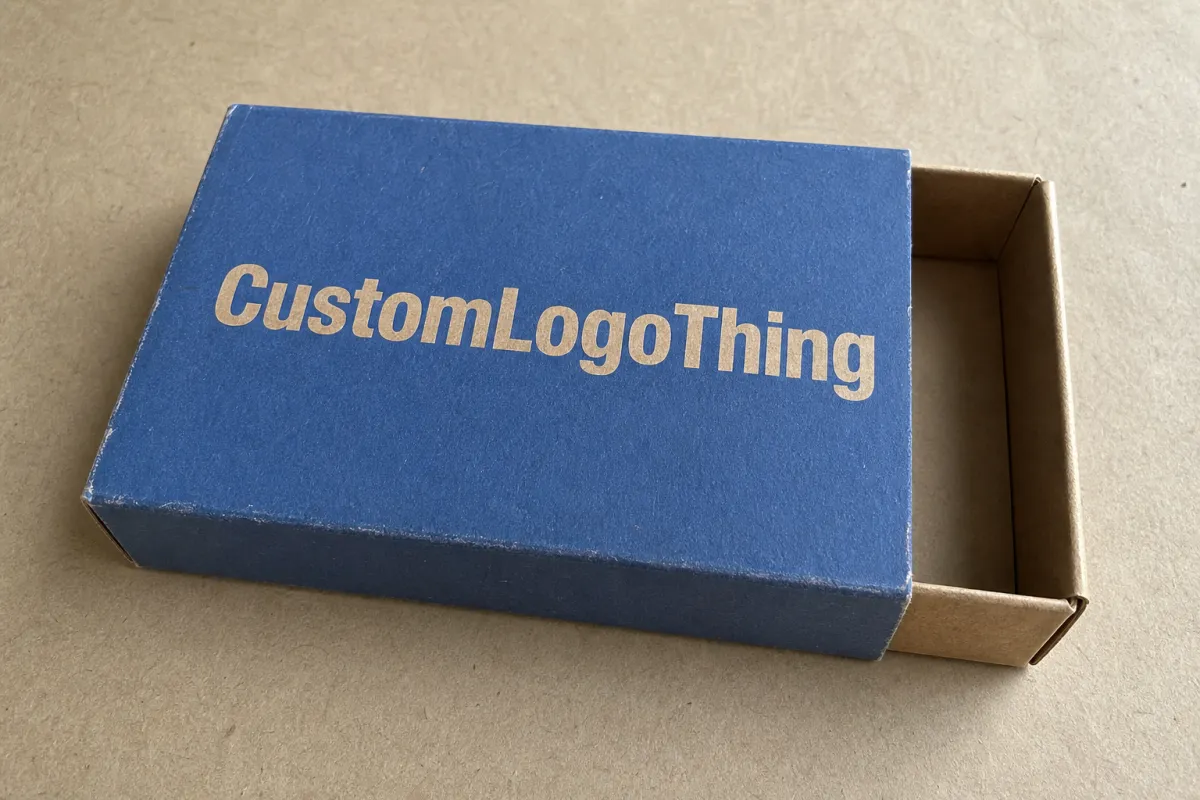
This format stays popular for a plain reason: it does a lot with fewer moving parts. The sleeve carries the graphics. The tray holds the product. That split keeps the build efficient and the quote easier to read than a lot of premium box styles. No magnetic closure. No wrapped rigid shell. No complicated internal mechanism pretending to be more important than the product itself. For many brands, that is exactly the right amount of packaging drama.
Material layout is where the savings begin. Sleeves are often made from paperboard that prints well and converts cleanly. Trays can be left unprinted, lightly printed, or finished in a simpler way if most of the surface stays hidden. That lets purchasing teams spend on the parts customers actually see and touch, while keeping the buried parts lean. Rigid boxes do not give you that kind of flexibility. Their board, wrap, assembly, and manual labor push the price upward fast. Pretty box. Painful invoice.
Shipping cost matters too. Flat components move easier than assembled gift boxes, and that changes more than the per-unit price. Nesting, pallet density, warehouse space, and receiving time all matter. A carton that costs less to move can beat a slightly cheaper print quote that turns expensive once freight gets added. People love to pretend packaging cost stops at the press. It does not. The rest of the supply chain wants a cut.
Tray and sleeve packaging also gives brands room to shape the presentation without making the structure complicated. The sleeve can carry bold graphics, product details, and brand marks that read clearly on shelf. The tray can hold the product neatly and keep the fit tight without a pile of extra material. That works well for cosmetics, candles, confectionery, apparel accessories, and small electronics where the first impression matters but the budget still needs a backbone.
The simple lesson is this: a premium-looking box does not automatically require premium-box spend. With the right board, the right print method, and a sensible finish, custom printed boxes in tray-and-sleeve form can deliver a polished presentation, useful protection, and repeatable assembly at a cost that stays manageable. That is why so many buying teams end up here after comparing fancier options that looked great in a deck and terrible in a margin spreadsheet.
Custom Tray and Sleeve Boxes Cost: What Actually Drives It
The biggest drivers of custom tray and sleeve boxes cost are predictable once you look at the job like a converter would. Size, board thickness, print coverage, finish, and quantity all change the quote. Move one of those and the price shifts a bit. Move three of them and the number on the estimate can jump faster than people expect. A clean spec sheet is worth its weight in paperboard because it keeps everybody talking about the same box.
Size is usually the first lever. Bigger boxes need more board, which raises material use right away. Larger footprints also affect how the dieline nests on the press sheet. Poor nesting wastes space, and wasted space means fewer finished boxes per sheet. Unit cost climbs. Depth matters too. A deeper tray uses more board and can require more careful folding or gluing, especially if the product is heavy or the fit tolerance is tight.
Print coverage can move the number just as quickly. A sleeve with full-bleed four-color graphics on both sides costs more than one with a simpler outside and a plain inside. The tray behaves the same way. A lightly printed interior is one thing. A fully branded tray with color on every visible surface adds ink, setup, and press time. If the front-facing surfaces already do the selling, there is often room to simplify without flattening the design.
Finishes add another layer. Matte aqueous coating is usually easier on the budget than soft-touch lamination. Gloss coating can sit in the middle depending on the material and production method. Foil stamping, embossing, debossing, and spot UV make a box stand out, but they also add steps and setup. That extra cost can be smart if the brand story depends on tactile detail. It is wasted money if the finish exists only because someone thought “premium” sounded good in a meeting.
Internal components matter more than many buyers expect. Inserts, partitions, and product locks can make a tray-and-sleeve box much safer for fragile items, glass jars, cosmetic sets, food assortments, or gift kits with multiple pieces. Every insert adds material and conversion effort. A simple die-cut paperboard insert may be enough. A molded pulp or foam insert Changes the Cost structure completely. The real question is not whether an insert exists. The question is whether the product actually needs that kind of protection in transit.
Artwork complexity has its own price tag. Multiple PMS colors, tight color matching, metallic inks, and dense photographic artwork can increase prepress and proofing time. A clean vector design with moderate coverage usually runs more efficiently than a design with several special effects and tiny type sitting on a dark background. That does not mean the artwork should be boring. It means the design should be realistic for the board and print method you picked. Good packaging design respects the material instead of fighting it.
For a quick comparison, the table below shows how common choices tend to affect pricing, appearance, and lead time. The exact numbers vary by plant, location, and volume, but the tradeoffs stay pretty consistent.
| Specification Choice | Typical Cost Impact | Branding Impact | Production Notes |
|---|---|---|---|
| Plain tray, printed sleeve | Lower | Strong where it counts | Often the most efficient option for retail packaging |
| Printed tray and sleeve | Moderate | More complete visual presentation | More print coverage and setup |
| Soft-touch lamination | Higher | Premium tactile feel | Can extend finishing time |
| Foil or embossing | Higher | Distinct shelf presence | Best used selectively |
| Insert or partition | Higher | Better product control | Useful for fragile or multi-piece sets |
Fit is another cost driver people underestimate. If the tray slides too loosely, the box feels cheap. If it fits too tightly, customers fight it and production gets inconsistent. Neither outcome is good. The fit decision affects user experience and manufacturing tolerance, especially on repeated runs where the carton has to hold up in real use instead of just in a render. A useful quote should reflect that. Pretending all tray-and-sleeve jobs behave the same is lazy, and the factory knows it.
The practical takeaway is plain. The structure is efficient, but the final unit cost comes from the mix of size, finish, print, and protection. Two tray-and-sleeve jobs can look almost identical from across a conference room and still land in very different price bands once the actual spec is on the table. Packaging has a way of punishing vague thinking.
Specifications That Change the Box Quote
Accurate pricing starts with a real product fit. Internal dimensions need to be measured properly, not guessed from a retail sample or rounded up because it seemed close enough. A box quoted from outside dimensions or rough estimates often comes back with bad tolerances. The supplier needs the product length, width, and height, plus any clearance for easy opening, protective padding, or display stacking. If the tray holds a bottle, jar, candle, or boxed accessory, the shape matters as much as the raw size.
Board selection changes stiffness, print appearance, and perceived quality. SBS board is common when a smooth, bright print surface matters. Kraft paperboard brings a more natural look and a cleaner, earthier brand story. CCNB can work well for some retail packaging programs where structural needs and outside print have to stay balanced. Specialty boards can look distinctive, but they need an honest check on availability, print compatibility, and target cost. Fancy material is not a plan by itself.
Finish should support the brand, not just sit there because someone on the creative side likes shiny things. Matte coating softens the look and cuts glare on shelf. Gloss makes color pop and sharpens contrast. Aqueous coating is often chosen for practical protection at a manageable cost. Lamination adds durability and scuff resistance, but it usually costs more than a basic coating. If the box will be handled a lot, stacked in transit, or displayed in a busy environment, that extra spend may be justified. If not, it is just decoration with a receipt attached.
Structural details can make or break the quote. Some tray-and-sleeve boxes use a glued seam on the sleeve. Others need reinforcement or a specific fold style to keep the shape stable. A tucked tray, a straight-sided tray, and a deeper tray with a heavier base each carry different labor and tooling needs. If the box includes a hang tab for retail display, a tamper-evident closure, or a window so the product shows through, those details need to be specified early. Small structural changes create real differences in die cutting and gluing.
Visibility is another issue buyers miss. If the tray is fully hidden by the sleeve, the tray can stay simple and cheaper. If the tray is partly visible, every exposed surface becomes part of the design. That can help branded packaging look more intentional, but it raises print area and finish requirements. A visible tray can be a smart choice. It just should not happen by accident because nobody checked the sleeve overlap.
For a cleaner quote, send a spec list that covers the basics:
- Internal product dimensions and any clearance needed
- Estimated quantity and any future repeat volume
- Board preference, if already decided
- Whether the tray, sleeve, or both will be printed
- Finish requirements such as matte, gloss, lamination, foil, or spot UV
- Need for inserts, partitions, or product locks
- Artwork files or reference samples
That is not overkill. That is how accurate quotes get built. A supplier can only estimate well when the structure and visual requirements are clear enough to calculate board usage, press setup, and finishing steps. Vague specs lead to padded pricing. Nobody should be shocked when that happens.
For teams comparing options before they commit, it helps to review available Custom Packaging Products and see which styles fit the product and budget. That comparison usually reveals whether tray-and-sleeve packaging is the right move or whether a simpler mailer-style structure makes more sense.
Good packaging work favors practicality over assumption. A box that looks strong and uses a straightforward material set often beats a more elaborate build that eats budget without improving shelf presence. The mockup matters. Production behavior matters more. A box that looks smart in a render and behaves badly in print, assembly, shipping, or customer hands is just an expensive mistake with nice typography.
Pricing, MOQ, and Unit Cost Expectations
MOQ has a big effect on tray-and-sleeve pricing because setup costs do not disappear on small runs. Prepress, die cutting, tooling, color setup, proofing, and press changeover all have to be paid for somewhere. Spread those costs across 500 units and the unit price climbs fast. Spread them across 5,000 or 10,000 and the price becomes much easier to swallow. That is why small runs often feel pricier than people expect, even when the box itself is structurally simple.
As quantity rises, unit cost usually drops. Sometimes it drops sharply at the first meaningful breakpoint. That happens because board use gets more efficient, setup costs are spread across more pieces, and finishing runs more steadily. The exact curve depends on the plant and the print method, but the pattern stays the same. If volume is available, ask for multiple quantity tiers so you can see where the value actually lands instead of guessing at it.
A solid quotation should include more than one lonely line item. Ask for unit pricing at several quantities, sample or prototype cost, tooling or plate fees if they apply, estimated freight, and any rush charges. If the order includes inserts or special finishes, those should be clearly identified. A quote that bundles everything into one attractive number is hard to compare. A quote that breaks out the components is much easier to judge against other suppliers and against your own packaging budget.
Think about the full move, not just the carton. A quote that looks lower on the box price but higher on freight can lose to a slightly more expensive box that ships in a tighter, more efficient way. Freight and warehouse cost belong in the decision. So does carton packing, pallet configuration, and whether the supplier can ship in a way that fits your receiving schedule. Packaging cost does not end at the press sheet. It keeps walking through the supply chain.
There are ways to reduce price without changing the box shape. Reducing print coverage is one of the easiest. Moving from full-coverage graphics to a cleaner front-panel approach can cut ink, prepress work, and finish exposure. Choosing a more standard board can help too, especially if it is widely stocked and fits the print method. Tweaking dimensions to improve sheet yield can also lower unit cost, though only if the product still fits properly. A cheaper box that crushes the product is not cheaper. It is just a future headache.
A few savings levers are worth putting on the table with your packaging supplier:
- Use a plain or lightly printed tray if the sleeve carries the branding.
- Keep special effects limited to the most visible side of the box.
- Keep dimensions close to efficient sheet layouts.
- Choose a coating that protects the pack without adding unnecessary finish cost.
- Consolidate artwork versions so the run is not split across too many SKUs.
This is a good point to separate price from complexity. The price tells you what the factory needs to absorb. The complexity tells you how much room the job gives the factory to do that well. A clean, well-specified run usually produces a better result than a vague job with too many options stapled onto it. Clear specs save money. Surprise add-ons do the opposite.
Sustainability belongs in the conversation too, especially for buyers comparing board choices and finish types. The U.S. Environmental Protection Agency publishes useful guidance on materials recovery and waste reduction, which can help teams think more carefully about recyclability and material efficiency: EPA recycling resources. If your brand makes environmental claims, the packaging choice should match those claims in a way that can survive basic scrutiny.
Buyers may also want to understand sourcing standards for fiber-based materials. The Forest Stewardship Council offers information on responsible forest management and certified sourcing: FSC certification information. That does not replace the commercial discussion about board grade or print performance, but it helps frame procurement choices in a more responsible way.
If you want a clearer price picture, ask for good, better, and best options. Side-by-side versions make the tradeoffs obvious. One version may be the lowest price. One may be the strongest presentation. One may sit in the middle with the fewest compromises. That is usually a more useful way to understand tray-and-sleeve pricing than chasing one magic number and pretending it tells the whole story.
Production Process and Lead Time: From Proof to Shipment
Lead time starts before the press run. The process usually moves through quote confirmation, dieline review, artwork placement, proof approval, material sourcing, printing, finishing, cutting, folding, gluing, and final inspection. Each step has its own timing. Each step can stall if information is missing or if the artwork needs correction. Good schedules are built on complete data, not wishful thinking.
A tray-and-sleeve order with straightforward specs can move quickly, especially if the materials are standard and the graphics are press-ready. More complex jobs take longer. Specialty coatings, foil, embossing, inserts, tight fit requirements, and multi-version artwork all add time. Buyers who need a sample before approving the run should expect extra time for prototype production and review. Sampling is not wasted time. It is the step that keeps a bad run from turning into an expensive lesson.
Lead time stretches when artwork assets are incomplete. Missing logos, low-resolution images, late copy changes, or unclear Pantone references slow proofing down. Dimensional changes after proof approval cause even more disruption because the dieline has to be revised and the file checked again. In packaging, the quote is usually the easy part. The schedule is what gets punished when the spec keeps moving.
Quality control also affects timing. A good production line checks color consistency, glue alignment, board registration, and fold integrity before the boxes are packed for shipment. If the job includes delicate print detail or a premium finish, inspection can take longer. That is why lead times are better treated as a range than as a promise nailed to a wall. A simple run may finish in roughly 12 to 15 business days after proof approval. A more involved build can take longer depending on tooling, finish, and quantity.
Shipping belongs in the schedule too. The order still needs to be packed, palletized, booked, and moved after production ends. If the boxes are heading to a fulfillment center, retail distribution point, or in-house assembly location, the receiving window matters. A supplier can finish on time and still miss the launch if freight timing was not planned properly. Real lead time includes production plus transit. Leaving transit out of the plan is how people end up blaming the box for a calendar problem they created themselves.
For buyers planning around a launch, event, or retail reset, work backward from the arrival date. Leave room for proof corrections, sample review, and freight transit. That cushion is not wasted time. It is how packaging projects stay on schedule without forcing a rush fee onto the order. The cheapest job can become the most expensive one fast if it gets expedited three times because the timeline was built on hope instead of reality.
One useful reference point is the International Safe Transit Association, which publishes testing and transit guidance used across packaging programs: ISTA transit testing standards. If a tray-and-sleeve box has to survive distribution stress, it should be specified for the shipping environment, not just the shelf. A nice-looking box that falls apart in transit is not value. It is a refund waiting to happen.
Lead time is more than a production metric. It is a planning tool. Once a buyer understands how proofing, materials, finishing, and freight interact, it gets much easier to choose the right spec, approve the right sample, and avoid late changes that slow the whole thing down. That kind of planning is part of sensible retail packaging procurement, and it usually saves money as well as time.
Why Buyers Choose Custom Logo Things
Buyers usually want two things at the same time: a package that looks right and a quote that makes sense. That sounds easy. It rarely is. In packaging, that takes a supplier who can translate brand goals into practical manufacturing choices instead of hiding behind vague design talk that nobody can price. Custom Logo Things fits that kind of project because the conversation stays focused on dimensions, materials, print methods, and expected use.
That matters because tray-and-sleeve packaging is the kind of format where small decisions change cost in real ways. The difference between a printed tray and an unprinted tray can be significant across a large run. The difference between matte coating and soft-touch lamination may look minor on screen, but it is very real on the production floor. A packaging partner who understands those differences can help match the structure to the job, whether the priority is shelf appeal, gifting, product protection, or a cleaner opening experience.
Cost transparency matters too. A good quote should show what is included, what the likely extras are, and which changes will move the price. That is especially useful when a buyer is comparing branded packaging options across several suppliers. If one estimate looks lower but leaves out freight, proofing, or finishing details, the comparison is not fair. A good sourcing process separates the actual box cost from the surrounding costs so the decision is based on facts, not sales fog.
Production-minded review is another reason buyers benefit from a partner that understands the floor, not just the mockup. A design can look fine in a presentation file and still create trouble once it is converted. Artwork can sit too close to a fold. A sleeve can be tight enough to scuff. A tray can need more support than the first concept allowed for. Catching those problems early prevents waste later. That matters even more for custom printed boxes that will be repeated across multiple production runs.
For many businesses, repeatability is the real goal. The first order matters. The second and third matter just as much. Buyers need packaging that can be reordered without constant redesign, and a structure that stays consistent from run to run. Tray and sleeve boxes do well here because the form is simple enough to reproduce and flexible enough to adapt for different products or seasonal graphics. That makes them useful for product packaging programs that evolve over time without forcing a new structure every season.
There is a trust point here too. Not every packaging job needs the most premium finish or the most complicated build. Sometimes the right answer is a cleaner spec, a better board choice, or a slightly adjusted size. A supplier who says that plainly is usually more useful than one who tries to sell every add-on on the menu. Buyers remember who protected the budget and who padded it.
If you are still deciding between tray-and-sleeve, mailer, or other custom packaging products, a comparison conversation can save time. The right option is the one that supports the product, the channel, and the margin. That is a commercial decision first and an aesthetic one second. The strongest packaging solutions usually do both jobs well.
Next Steps to Lock In Your Cost and Quote
If you want an accurate estimate, send the practical details first. Product dimensions, target quantity, material preference, artwork files, and finish requirements give the quoting team enough information to build a realistic proposal. If you already have a sample box or a reference style, include that too. A physical or visual reference makes it much easier to judge fit, finish, and presentation without guessing.
It also helps to ask for a few versions if the budget gives you room. A standard version, a premium version, and a cost-optimized version can show how much each feature actually adds. That side-by-side view is often the fastest way to find savings without gutting the look or function of the pack. In many cases, the best option is not the cheapest or the fanciest. It is the one sitting in the middle with the fewest tradeoffs.
Before approving the quote, check the spec sheet carefully. Confirm the dimensions, board, finish, print coverage, insert details, and shipping assumptions. If something in the quote does not match the intended use, fix it before production starts. That small step can save days of delay and avoid a reprint or redesign later. In packaging work, the cheapest correction is the one made before the first sheet runs.
It also pays to align the quote with the business goal. A display box for a retail launch may justify a stronger finish and more visual punch. A shipping-focused box may need more protection and less decoration. A gift box may need tactile appeal and a more refined opening experience. Those are different priorities. The best spec reflects the one that matters most. Good packaging is not generic. It is built around the product and the channel.
If you are balancing appearance against cost, tray-and-sleeve packaging gives you useful control. Keep the tray simple. Use the sleeve as the branded surface. Reserve special finishing for the areas customers actually notice. That is one reason the format stays practical for brands that want a polished result without drifting into higher-cost structures that do not improve the customer experience enough to justify the spend.
For a practical next step, send one complete spec package instead of a half-finished idea. Include the internal dimensions, estimated quantity, board preference, print coverage, finish choice, and whether the tray will be visible. Add a dieline or sample if you have one. That gives the supplier enough information to price the box properly and gives you a real custom tray and sleeve boxes cost number instead of a guess dressed up as advice.
What affects custom tray and sleeve boxes cost the most?
Size, board type, print coverage, and finish usually drive the price the most. Quantity also matters because setup and changeover costs are spread across the run, which changes the unit cost a lot. Inserts, specialty coatings, and tight fit tolerances can push the quote higher too.
What is the typical MOQ for custom tray and sleeve boxes?
MOQ changes by plant, material, and print method, so there is no single number that fits every job. Smaller runs usually cost more per unit because setup and changeover are fixed costs. If you need a low MOQ, ask for a standard-spec version to keep pricing more efficient.
How long does production take after artwork approval?
Lead time depends on structure, finish, quantity, and whether a sample is needed first. Simple tray and sleeve orders can move faster than complex builds with special finishing. Freight booking and packing time should also be included when you plan the launch date.
Can I lower the price without changing the box shape?
Yes. Reducing print coverage, simplifying finishes, or choosing a more standard board often lowers cost. Adjusting the dimensions to fit the sheet better can improve yield and bring the unit cost down too. A quote with multiple spec options is the best way to see real savings.
What should I send for an accurate tray and sleeve quote?
Send product dimensions, estimated quantity, target material, artwork files, and any finish requirements. Include whether the tray will be visible, since that changes the print area and the price. If you already have a sample or reference box, share it so the quote matches the intended build.

