Custom Tuck Top Mailer Boxes: Quick Answer
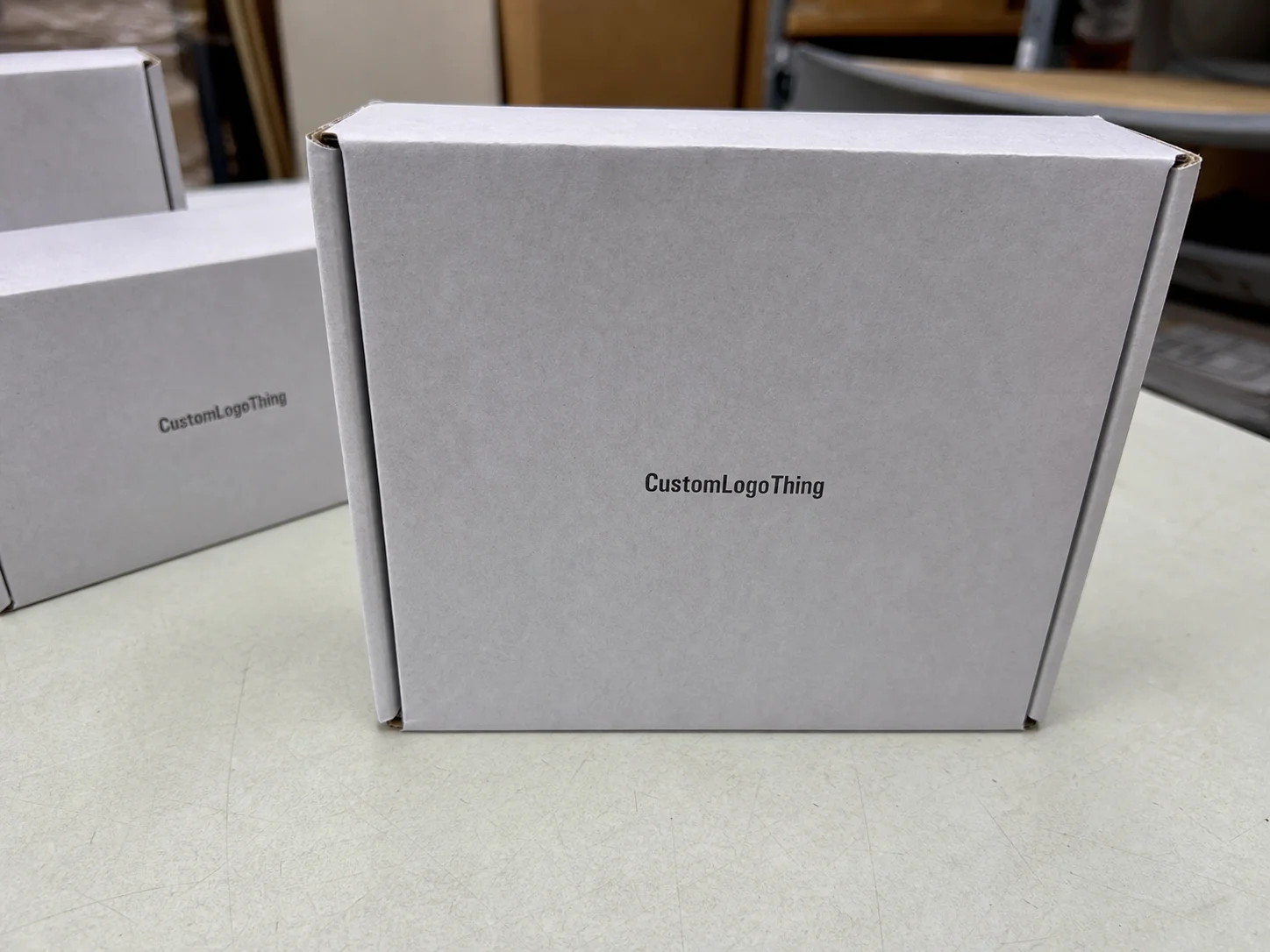
Most packaging failures start at the closure, corners, or score lines, where the board takes repeated stress during pack-out, carrier handling, and customer opening. That is why custom Tuck Top Mailer Boxes can look perfect in a mockup and still disappoint in use if the board spec, tuck depth, or crease geometry are off.
The practical question is whether the structure fits the job. For lightweight retail kits, subscription assortments, apparel, cosmetics, and ecommerce orders that need more presentation than a poly mailer, a tuck-top mailer is usually a good fit. For bulky, fragile, or high-value products, the structure may need reinforcement, a stronger flute, or an insert system that carries more of the load.
This format has a narrow purpose: protect moderate product loads, present well, and ship efficiently without becoming a bulky corrugated shipper. When I evaluate it, I start with board strength, tuck retention, print quality, assembly speed, dimensional efficiency, and total landed cost per shipped unit. Those variables affect operations. Everything else is secondary.
“A box that photographs well but opens in transit is not premium. It is a complaint waiting to happen.”
If you are comparing broader Custom Packaging Products, keep the same discipline. A low unit quote can hide higher freight, more labor, and more rework. A prettier structure can slow fulfillment enough to erase the branding benefit.
Top Options Compared: Board, Print, and Closure Styles
The biggest decision is material. For custom tuck top mailer boxes, E-flute usually gives a cleaner retail profile and sharper print, while B-flute offers more compression resistance and better stack performance. Paperboard sits in a different category: flatter, lighter, and often chosen more for visual presentation than for shipping abuse.
| Option | Best use | Strength profile | Print/presentation | Typical tradeoff |
|---|---|---|---|---|
| E-flute corrugated | Retail kits, cosmetics, apparel | Light to medium protection | Clean, sharp graphics | Less stack resistance than thicker flutes |
| B-flute corrugated | Heavier mailers, higher stack loads | Better compression resistance | Slightly bulkier feel | More shipping volume |
| Kraft paperboard | Natural, eco-forward branding | Light protection | Warm, understated look | Less vibrant color reproduction |
| White paperboard | Premium graphics, color-heavy branding | Light protection | Sharper print detail | Shows scuffs more easily |
Finish choice changes the buying decision more than many teams expect. Kraft creates a natural, tactile feel that pairs well with restrained branding and recycled-content messaging. White board gives tighter reproduction for fine lines, small type, and bright spot colors. Matte usually reads as more controlled and premium. Gloss can make color pop, but it also shows fingerprints and makes shipping rub marks easier to notice.
Closure style matters too. A good tuck top should hold under vibration, not just sit neatly in a product photo. Dust flaps, score placement, and tuck depth all affect retention. A shallow tuck may save a little assembly time on paper, but if the flap backs out during handling, the saving disappears quickly. If the box will be opened more than once, test how the closure behaves after the first cycle, not just on day one.
If your product is sensitive, test the full combination against the use case. Cosmetics and lightweight accessories often do well with E-flute or paperboard plus a custom insert. Apparel can usually tolerate lighter construction. Gift sets and fragile samples tend to benefit from stronger side walls and tighter internal fit. For other formats, such as Custom Poly Mailers, the performance logic is different, so they should not be compared on appearance alone.
Detailed Reviews: What Actually Changes Performance
Spec sheets can be persuasive and still miss the point. The real question is how the box behaves after scoring, folding, packing, and carrier handling. With custom tuck top mailer boxes, the hidden variables are often more important than the headline material callout.
Score accuracy is the first item I check. If the score is too shallow, the board fights the fold and can crack at the edge. If it is too deep, the panel loses memory and starts to bow or relax during use. That shows up as corner whitening, misaligned flaps, and a box that no longer looks crisp after a few open-close cycles.
Edge crush matters when boxes are stacked in fulfillment or packed in master cartons for distribution. A carton can look strong in isolation and still collapse under load when it is bundled with others. This is where flute profile matters. B-flute generally handles compression better, while E-flute usually wins on presentation and print detail.
Board caliper also affects fit. A box measured only by outside dimensions can end up too tight once folding tolerances, coating buildup, or insert thickness are included. That matters most with rigid components, closures, bottles, or display trays.
Real-world handling outcomes
In transit, the first visible failure is usually scuffing at corners or whitening at the folds. The second is flap fatigue. The third is a mismatch between what the artwork promised and what the customer receives after the box has been handled twice. Ink rub resistance matters more than many teams expect, especially on dark or heavy-coverage designs. Uncoated stock can look rich, but it also shows wear faster.
Retail and ecommerce reward different surfaces. Retail packaging usually needs sharper image quality and cleaner edges to lift shelf appeal. Ecommerce needs the box to survive the shipper, the sorter, and sometimes a return cycle. If the box is meant to be reused, the closure still has to feel secure after opening. Some premium builds fail there, even when the artwork is strong.
My short verdict on the common build types:
- Best for premium unboxing: White board with matte finish and tight scoring.
- Best for shipping efficiency: E-flute with minimal coverage and precise dimensions.
- Best for short runs: Kraft board with simpler print and fewer finishing steps.
- Best for repeat orders: A consistent corrugated build with an approved sample locked in.
If you need a reference point for testing, packaging teams often use ISTA transit methods and ASTM material guidance because they help separate “looks good” from “passes handling.” For recycled fiber and sourcing claims, the FSC system is another useful checkpoint: FSC.
Cost, Pricing, MOQ, and Unit Cost Tradeoffs
Price starts with the board, but it rarely ends there. For custom tuck top mailer boxes, the quote can move quickly depending on board grade, print coverage, custom sizing, die complexity, finish selection, inserts, bundling, and how the order is packed for shipment. A quote that looks lowest on the first line may not be the lowest after freight and labor are included.
As a rough working range, a simplified run on standard material might land around $0.18-$0.28 per unit at 5,000 pieces, depending on coverage and finish. Add heavier artwork, specialty coating, or inserts, and the number climbs. Short runs almost always carry a higher unit cost because setup is spread across fewer boxes.
MOQ changes the decision more than people expect. A low minimum is useful for testing, but it can also trap a brand in a unit price that never gets efficient. Once setup cost is diluted across a larger run, the per-box price often drops sharply. That drop can justify a little more inventory, especially for stable SKU lines.
| Order tier | Typical cost behavior | Buyer advantage | Buyer risk |
|---|---|---|---|
| Short run | Higher unit cost, higher setup share | Great for testing artwork and structure | Can be expensive if reordered often |
| Mid-volume | Better balance of setup and unit cost | Useful for growing brands | Inventory planning matters more |
| Higher volume | Lower unit cost, more storage impact | Best efficiency on repeat SKUs | Higher cash tied up in stock |
Ask for quotes you can audit. Tooling, dies, sample charges, packaging labor, freight, and coatings should be visible. If they are bundled into a single line without explanation, you are guessing. Better quotes also include tiered pricing at several quantities, such as 1,000, 3,000, 5,000, and 10,000 units.
For product packaging buyers, the hidden cost is often not the board. It is the labor. A box that takes longer to fold, insert, and close can raise pack-out expense enough to erase the savings from a cheaper substrate. The best quote is not always the lowest unit price. It is the lowest total landed cost per shipped unit.
Production Steps and Lead Time: From Dieline to Delivery
Production is usually predictable if the input files are clean. The sequence starts with dieline confirmation, then artwork prepress, sample approval, printing, cutting, scoring, gluing, packing, and shipment. Miss one step and the schedule slips.
Delays often come from the buyer side. Slow artwork approvals are the most common cause. Missing bleed, a barcode too close to a fold, or late copy changes after proofing can stop the run cold. Material substitutions create another problem, especially when a spec is described loosely instead of by exact board grade and finish.
Turnaround depends on complexity. Simple one-color runs move faster than full-coverage boxes with specialty finishes. Heavy coverage, lamination, foil, or spot UV adds press time and sometimes curing time. A straightforward order often moves in roughly 12-15 business days from proof approval, but that assumes the artwork is ready and the schedule is open.
For a launch or seasonal shipment, build in buffer time. Leave room for proofing, transit, and a small reserve if the packaging is tied to a product release. It also helps to verify how the boxes are packed for delivery. Flat-packed cartons save volume, but they still arrive in bundles that affect storage and handling.
Quality control should be explicit. Check the die lines against the approved drawing, measure the finished dimensions, confirm ink registration, inspect corner crush and flap tension, and open a handful of samples from different cartons. If a box is going to be used at scale, one perfect sample is not enough.
How to Choose the Right Box for Your Product and Channel
Start with the product, not the artwork. If the box cannot handle the weight and fragility of what is inside, the design is a liability. A beautiful carton that collapses in transit costs more than it adds in branding value.
Channel matters next. Ecommerce needs better transit resistance and usually simpler pack-out. Retail shelves want visual polish, color accuracy, and a structure that opens cleanly. Subscription fulfillment sits between the two: the box should arrive looking good, but it also has to survive volume packing and repeated handling.
Here is the decision checklist I would use before approving custom tuck top mailer boxes:
- Exact product dimensions, including inserts if used
- Product weight and any fragile components
- Shipping method: parcel, postal, or bulk distribution
- Unboxing expectations and how often the box will be reopened
- Assembly labor targets per unit
- Sustainability goals, including recycled content or FSC preference
- Storage footprint and carton count per case
The most common mistakes are predictable. Oversized cartons create movement inside the box. Over-specifying finish inflates cost without improving the customer experience. Choosing a premium look that slows pack-out is another trap. Freight weight matters too. A heavier board can quietly raise shipping cost enough to offset the visual upgrade.
For brands balancing packaging design and operations, the smartest build is usually the one that fits tightly, prints cleanly, and closes without resistance. Standardizing dimensions, inserts, and print zones across SKUs reduces errors and makes reorders easier. The more variation you introduce, the more room there is for a production miss.
There is also a practical limit to how much decoration the structure should carry. A box can hold a lot of brand personality, but once the build starts fighting the product, the packaging is doing too much work. Clean structure and controlled finishing usually age better than packed graphics and fragile closures.
Next Steps: What to Request Before You Order
Before placing an order for custom tuck top mailer boxes, request four things: a dieline, a material recommendation, a printed sample, and tiered pricing at the quantities you expect to reorder. If the supplier cannot provide those, you are not really comparing options.
Verify the specs that affect performance and cost: exact inside dimensions, board thickness, closure fit, print method, finish, pack count, and shipping carton configuration. If you need inserts, ask for those at the same time. An insert designed after the fact can shift tolerances and add cost.
I also recommend comparing at least two or three builds using the same product, the same insert plan, and the same freight assumptions. Otherwise the results are noisy. The difference between the strongest option and the second-best option often comes down to a few cents, a faster assembly step, or a cleaner opening experience.
If you are sourcing from Custom Logo Things, keep the conversation grounded in the actual packaging job rather than the mood board. Ask for the build that fits your budget, timeline, and product risk first. Then decide how much finish and embellishment you want to add. That order matters more than most buyers admit.
For teams refining Custom Printed Boxes or broader retail packaging programs, the best outcome is usually the box that balances protection, print fidelity, and repeatable pack-out. The right custom tuck top mailer boxes do not just look good on a table. They keep their shape, ship cleanly, and support the customer experience without creating wasteful friction.
How strong are custom tuck top mailer boxes for shipping?
They are strong enough for many lightweight to medium-weight items when the board grade, scoring, and closure fit are matched to the product. For heavier or fragile products, add inserts or move to a stronger flute profile so the box does not rely on print stock alone for protection. The weak point is usually the flap and corners, so test closure retention before approving a full run.
What material is best for custom tuck top mailer boxes?
Choose E-flute when you want a cleaner retail look with decent protection and efficient shipping dimensions. Choose B-flute when stack resistance and compression protection matter more than a slimmer profile. Use kraft or white board depending on whether the priority is natural texture or sharper print reproduction.
What affects the price of custom tuck top mailer boxes most?
Board grade, print coverage, finish, and custom sizing usually move price more than small artwork changes. MOQ matters because setup costs are spread across fewer units on short runs. Added inserts, special coatings, and freight can raise the real unit cost even if the base quote looks competitive.
How long does production usually take for custom tuck top mailer boxes?
Lead time depends on proof approval, print complexity, finishing, and current factory load. Simple runs generally move faster than highly finished boxes that require more setup and curing time. The safest planning method is to ask for a timeline that includes artwork approval, production, transit, and a buffer for revisions.
What should I prepare before requesting a quote for custom tuck top mailer boxes?
Prepare exact inside dimensions, product weight, print file status, and the quantity tiers you want priced. Share whether the box needs inserts, special finishes, or a particular shipping method so the quote reflects the real build. Ask for a sample or prototype if the box must protect fragile items or support a premium unboxing experience.