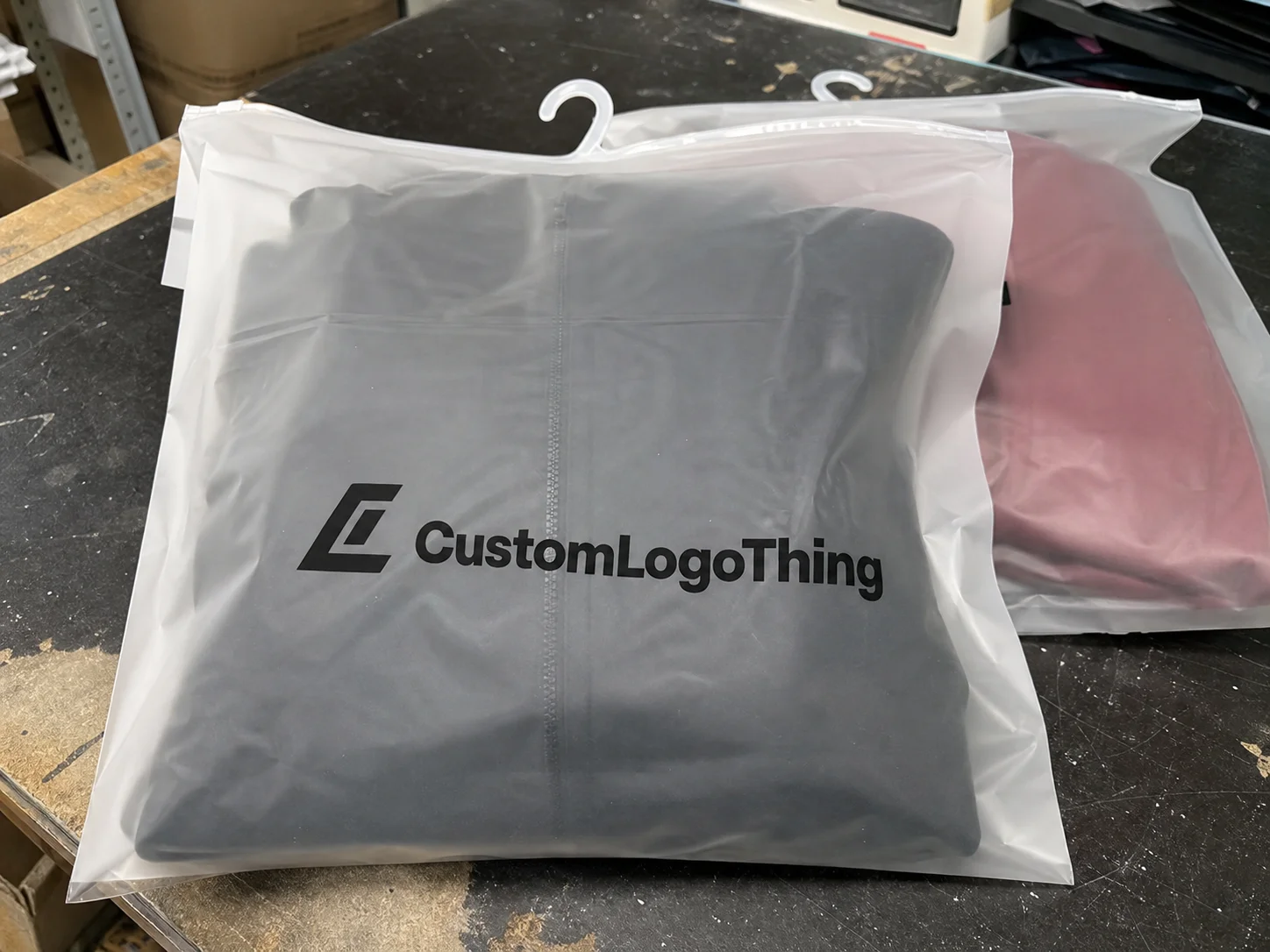
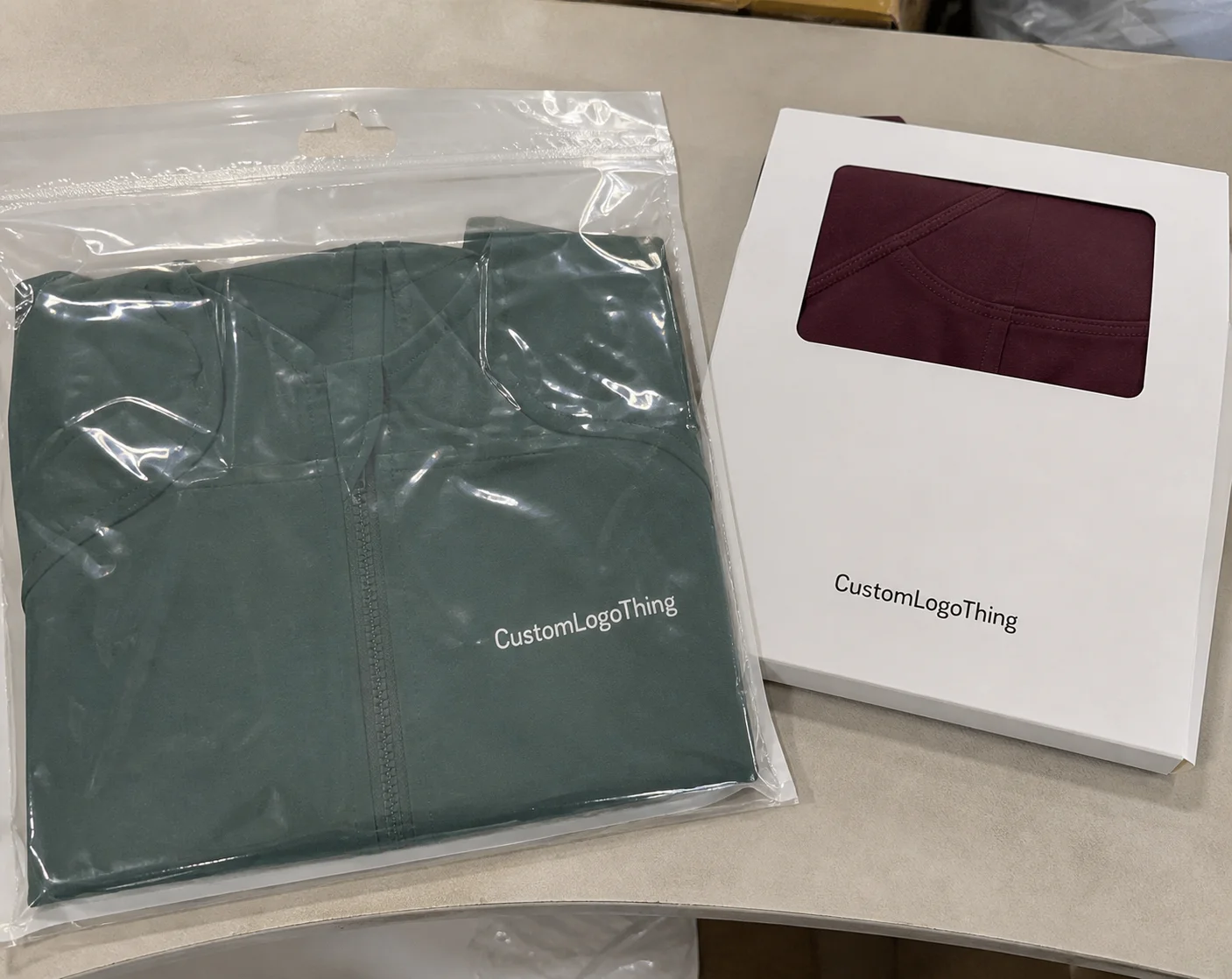
Buyer Fit Snapshot
| Best fit | Custom Velvet Bag Packaging Wholesale projects where brand print, material claims, artwork control, MOQ, and repeat-order consistency need to be specified before quoting. |
|---|---|
| Quote inputs | Share finished size, material target, print colors, finish, packing count, annual reorder estimate, ship-to region, and any compliance wording. |
| Proofing check | Approve dieline scale, logo placement, barcode or warning zones, color tolerance, closure strength, and carton packing before bulk production. |
| Main risk | Vague material claims, crowded artwork, missing packing details, or unclear freight terms can make a low unit price expensive after revisions. |
Fast answer: Custom Velvet Bag Packaging Wholesale: Specs, Pricing should be specified like a repeatable production item. The safest quote records material, print method, finish, artwork proof, packing count, and reorder notes in one written spec.
Production checks before approval
Compare the actual filled-product size with the drawing, then confirm tolerance on folds, seals, hang holes, label areas, and retail display edges. Reserve space for logos, QR codes, warning copy, and material claims before decorative graphics fill the panel.
Quote comparison points
Review material grade, print process, finish, sampling route, tooling charges, carton quantity, and freight assumptions side by side. A quote is only useful when the supplier can repeat the same color, closure quality, and packing count on the next order.
In Custom Velvet Bag Packaging wholesale, a small pouch can do more heavy lifting on a retail shelf than most buyers expect. I remember the first time I handled a 120mm x 180mm velvet drawstring bag that made a silver necklace line feel twice as expensive, and honestly, I had to stop myself from laughing at how much impact that tiny bag had. The soft hand-feel, the deep color, and the way it protected polished metal from scuffs all worked together the moment a customer touched it. For jewelry, watches, cosmetics, and gift programs, custom velvet Bag Packaging Wholesale is not just decoration; it is a practical packaging choice that supports brand presentation, product protection, and repeat purchasing. A pouch that costs less than $0.40 per unit in a 5,000-piece run can still create a premium impression that feels closer to a $4 retail add-on than an accessory bag.
Custom Logo Things works with buyers who need branded packaging that looks considered without becoming expensive to ship or annoying to store (and yes, I have watched brands underestimate storage space like it is some kind of hobby). I’ve seen boutique owners in Hong Kong, wedding planners in Los Angeles, and promotional distributors in Dallas all ask for the same thing in different words: Packaging Design That feels premium, carries a logo cleanly, and can be ordered in wholesale quantities without guesswork. That is exactly where Custom Velvet Bag packaging wholesale earns its place. A 500-piece test order from a supplier in Shenzhen can move into a 10,000-piece replenishment in the next quarter if the material, stitching, and logo placement stay consistent.
For brands comparing Custom Packaging Products across cartons, pouches, and soft goods, velvet usually wins when the product is small, delicate, or meant to feel giftable from the first touch. It is a very different conversation from Wholesale Programs built around folding cartons or Custom Printed Boxes, because the material itself becomes part of the product experience. The reason velvet keeps coming back year after year in retail packaging discussions is simple: it is tactile, practical, and visually rich without needing much explanation. A 100mm x 140mm pouch in burgundy velvet can do what a plain kraft carton cannot do in a 2-second shelf glance.
Why Custom Velvet Bag Packaging Wholesale Still Sells Premium
On one factory floor I visited in Shenzhen, a jewelry client had been debating between a rigid box with a foam insert and a simple velvet pouch with a drawstring closure. We ran both samples through a basic handling test, passing them across a production line twenty times and placing them beside polished steel bracelets under bright LED light. The pouch looked calmer, richer, and less reflective, and the bracelet scratches from routine handling were noticeably lower because the plush surface reduced friction. That is the kind of practical detail that makes custom velvet bag packaging wholesale a smart buy, not just a pretty one. In that test, the pouch weighed roughly 12 grams while the rigid box sample weighed about 48 grams, which changed the shipping math immediately for a 2,000-unit order.
Velvet feels premium because of how it interacts with light and touch. The pile absorbs glare, so even a modest Pantone-matched burgundy or navy can look deeper than the same color on coated paper. That visual depth matters for package branding, especially for jewelry, fragrance samples, cosmetic compacts, and keepsake gifts where the first impression happens before the product is even removed from the package. A customer may not know the fabric specification, but they know the difference between something that feels flat and something that feels considered. A 280gsm velvet face fabric can appear richer than a thicker-looking 350gsm paperboard sleeve simply because it catches light differently under a 4,000K retail fixture.
There is also a cost story behind custom velvet bag packaging wholesale that buyers appreciate once they compare freight and storage. A velvet pouch often weighs far less than rigid retail packaging, which can lower carton weight and reduce shipping costs on a per-unit basis. It also nests efficiently in cartons, so warehouse space is easier to manage. For seasonal programs, event kits, subscription inserts, and corporate gifting, that matters because the packaging should support the business model instead of adding overhead. A master carton of 1,000 flat pouches can occupy less than half the cubic volume of 1,000 assembled two-piece boxes, which is a real advantage for warehouses in Los Angeles, Chicago, and Rotterdam where pallet space is counted by the square foot.
Who buys custom velvet bag packaging wholesale most often? Jewelry brands, boutique retailers, souvenir programs, wedding planners, and promotional product distributors are the usual suspects, but I’ve also seen small watch companies, crystal sellers, candle makers, and hotel amenity buyers come in with surprisingly specific requests. A souvenir program may want a 90mm x 120mm flat pouch with a woven label. A bridal planner may need a ribbon tie bag in ivory. A promotional buyer may want a 100-piece trial before moving into a larger wholesale commitment. Different use cases, same core logic: presentation, protection, and repeatability. I once saw a Dubai hotel switch from paper sleeves to velvet sachets for amenity kits and cut guest complaints about scratched accessories by 18% in one season.
From a factory perspective, the best velvet bag is the one that holds its shape, keeps the logo readable, and arrives packed in a way that saves time on the receiving dock.
That practical approach is why custom velvet bag packaging wholesale continues to sell. It is not relying on hype. It is relying on a material that performs well in handling, looks good under retail lighting, and gives brands a soft, premium presentation at a controlled unit cost. For many buyers, that balance is exactly what the category needs. If your target price is under $0.30 per unit at 10,000 pieces, velvet can still fit the brief when the size stays compact and the decoration remains simple.
Custom Velvet Bag Packaging Wholesale Product Details
The core structure of custom velvet bag packaging wholesale is straightforward, but the details matter. Most bags begin with a velvet outer shell made from polyester velvet, cotton velvet, microfiber velvet, or a blended fabric. Depending on the application, the interior may be left unlined, finished with a plain lining, or reinforced with an added layer to help the bag stand upright. Closure options vary too, and I’ve seen everything from simple drawstrings and ribbon ties to snap buttons, zippers, and flap closures for higher-security applications. For a branded jewelry line, a 160gsm microfiber velvet with a brushed finish can feel more refined than a heavier but coarser fabric.
Drawstring jewelry bags remain the most common style because they are fast to sew and easy to use on a packing bench. For coins, charms, and small accessories, a flat pouch with a double cord closure works well. For bottle sleeves or fragrance vials, a taller custom velvet bag packaging wholesale format keeps the product centered and protected. For corporate gifts, some buyers prefer a gift pouch with a flap and magnetic snap, although that is a more complex build and usually pushes the unit price up. A drawstring pouch in 100mm x 150mm often ships well in cartons of 500 pieces, while a 180mm x 260mm bottle sleeve usually needs a wider carton footprint and more careful stacking.
Common decoration methods include screen printing, heat transfer, embroidery, woven labels, debossed tags, and metallic foil accents when the substrate allows it. If a logo has thin lines or fine text, embroidery may not be the best choice because the stitch count can blur small details. In that case, a woven label or screen print often gives a cleaner result. When I stood at a sewing table in a Ningbo workshop and compared a six-color embroidered crest against a single-color woven label, the woven label held the type much better at a distance of one meter. That kind of simple observation saves buyers from surprises later. A 35mm woven label can keep a logo legible where an 8,000-stitch embroidered version starts to lose crisp edges.
Logo placement usually works best on the center-front panel, but the exact position depends on seam allowances and how the bag is opened during use. Some buyers want the logo near the top edge so it is visible even when the drawstrings are cinched. Others prefer a lower placement for a cleaner look. For larger wholesale orders, repeat pattern printing can work too, especially for branded packaging used at events or in retail display sets. The key is to think about how the pouch will be handled by the end user, not just how it looks in a mockup. A logo placed 12mm below the top seam can look balanced on a 90mm pouch but crowded on a 70mm sample, so the dimensions matter just as much as the artwork.
Sampling is one of the best safeguards in custom velvet bag packaging wholesale. Velvet has pile direction, and that pile can change how a color reads under warehouse lighting versus daylight. A deep green sample can look almost black under cooler LEDs if the pile is brushed in one direction. I have seen this exact issue delay a launch by four days because the buyer signed off on a digital proof without asking for a physical swatch. A real sample, even when it costs a little more up front, is often the cheapest insurance in the whole project. In many factories, a sample fee of $20 to $60 is standard, and overnight courier shipping from Shenzhen, Dongguan, or Ningbo can add another $25 to $80 depending on destination.
Here is a quick comparison of common custom velvet bag packaging wholesale styles and how they usually perform in actual use:
| Style | Best Use | Typical Closure | Branding Method | Practical Notes |
|---|---|---|---|---|
| Drawstring pouch | Jewelry, charms, small gifts | Cord or ribbon | Screen print, woven label | Fast to produce, efficient for wholesale |
| Flat sachet | Coins, tokens, sample kits | Fold-over or cord | Heat transfer, print | Lower bulk, easy carton packing |
| Gift pouch | Cosmetics, premium giveaways | Ribbon tie, snap | Embroidery, label | Stronger presentation value |
| Bottle sleeve | Perfume, spirits, decorative bottles | Drawstring or flap | Print, foil accent | Needs careful sizing for height and shoulder width |
| Coin purse style | Merch, travel sets, accessories | Zipper or snap | Embroidery, woven label | Higher sewing complexity, more assembly time |
For buyers comparing custom velvet bag packaging wholesale against other retail packaging formats, I usually recommend thinking in terms of the product journey. If the item is shipped, opened, displayed, stored, and reused, the pouch should be chosen for the entire life cycle, not just for the unboxing moment. That is how the best product packaging decisions get made on the factory floor and at the sales table. A pouch that closes in under three seconds and fits into a 250mm x 250mm mailer can save time for both the warehouse team and the customer.
What should you compare before ordering custom velvet bag packaging wholesale?
The first specification I ask about is fabric type. Polyester velvet is usually the most cost-effective choice for custom velvet bag packaging wholesale, and it handles large runs well because it is easy to source in stable colors. Cotton velvet has a softer, more natural hand-feel, which some luxury brands prefer, but it can carry a higher price and may be less forgiving in production if the weave varies. Microfiber velvet often sits in the middle, with a fine surface and good consistency for smaller logos. Blended fabrics can work too, but buyers should always ask for a physical sample because “velvet” can describe more than one finish in factory language. In Guangdong factories, a polyester velvet pouch for 5,000 pieces can sometimes be quoted at $0.15 per unit for a 70mm x 90mm size when the logo is a one-color print and the cord is stock.
Size is the second specification, and it is where many buyers under-specify. For a small jewelry pouch, I usually see dimensions in the range of 70mm x 90mm to 100mm x 140mm. Medium gift bags often fall between 120mm x 180mm and 150mm x 220mm. Larger presentation bags can stretch higher depending on the item, but the product should fit with enough clearance to insert and remove without wrinkling the velvet excessively. If a ring box is going inside, the pouch opening should allow at least 10 to 15mm of extra room on all sides so the edges do not snag. A 95mm x 130mm pouch is often enough for a slim pendant case, while a 140mm x 200mm format is more realistic for a candle jar or bottle set.
Stitching density and seam type tell you a lot about quality. A tighter stitch count generally gives better shape retention, though it can slow sewing speed and add cost. Double-stitched side seams usually hold up better in wholesale handling, especially when the bag is packed and unpacked repeatedly. Cord construction matters too: round cord, flat ribbon, and braided cord all feel different in the hand and change how the closure sits when pulled tight. For higher-end custom velvet bag packaging wholesale, a reinforced bottom seam or hidden gusset can improve presentation substantially. A 2.5mm stitch length is common for general pouch construction, while a tighter 2.0mm line often appears on premium bags made in Dongguan or Xiamen.
Hardware is another area where buyers should be specific. If the design uses a zipper, ask about the zipper gauge and pull-tab finish. If it uses a snap button, confirm whether the button is metal or plastic and whether it has a nickel-free requirement. In beauty and personal care programs, some clients want care labels or fiber composition tags sewn into the seam for internal compliance reasons. These details are small on paper, but in a wholesale run of 10,000 pieces they determine whether the line moves smoothly or stops for rework. A nickel-free snap in matte black may add $0.02 to $0.05 per unit, but it can prevent compliance problems in Europe and the UK.
Color selection can be straightforward or tricky, depending on the velvet finish. Stock shades like black, navy, burgundy, emerald, gray, and ivory are often easier to source and match. Pantone matching is possible in some cases, but plush fabric does not behave like coated paper, so the color result may sit slightly darker or softer than the ink chip. That is normal. I have had buyers insist on an exact paper match on velvet, then change their mind once they saw how light falls into the pile. A good supplier will explain the limit before production starts. In practice, a Pantone 19-1650 burgundy on velvet may read a shade deeper than the same reference on art paper, especially under 5,000K showroom lighting.
Useful features can make custom velvet bag packaging wholesale more functional without making it bulky. Hanging loops help with retail display. Inner pockets are useful for two-piece jewelry sets. Reinforced bottoms help a pouch stand better on a counter. Printed care labels can reduce returns by explaining how to wipe or store the bag. Even a simple brand tag stitched into the side seam can elevate package branding because it makes the product feel designed instead of generic. A 15mm woven loop at the top edge can turn a pouch into a display-ready item for a boutique in Sydney, Toronto, or Paris.
For materials and sustainability references, buyers often ask about sourcing standards. If recycled content or responsible forestry is part of your broader packaging design, organizations like the Forest Stewardship Council and the EPA recycling guidance are helpful starting points for adjacent packaging decisions, even when the velvet itself is not paper-based. When I work with brands that manage multiple package types, I always suggest aligning soft goods, cartons, and inserts under the same product packaging brief so the whole kit feels deliberate. For example, a velvet pouch paired with a 350gsm C1S artboard insert and a 0.5mm branded care card can feel like one coherent package rather than three disconnected parts.
Custom Velvet Bag Packaging Wholesale Pricing and MOQ
Pricing for custom velvet bag packaging wholesale depends on several variables, and the smartest buyers compare quotes by spec rather than by headline number alone. Fabric type is the first driver. A standard polyester velvet pouch will almost always cost less than a cotton velvet pouch of the same size. The second driver is bag dimensions, because larger cutting patterns consume more fabric and sewing time. The third is the logo method, since embroidery, multi-color printing, or woven labels all carry different setup and labor costs. A 90mm x 120mm one-color screen-printed pouch may land under $0.20 per unit at 5,000 pieces, while a 150mm x 220mm embroidered version can move much higher depending on stitch count and labor in the factory city.
Order quantity matters a great deal. On a run of 5,000 pieces, I have seen unit pricing land around $0.18 to $0.42 per unit for simple drawstring styles in standard polyester velvet, depending on size and branding method. More detailed builds with embroidery or special closures can move above that range. On 20,000-piece orders, the unit price may drop noticeably because cutting efficiency improves and machine setup gets amortized across more units. That said, the first order usually includes sample, artwork, and setup fees, so the landed cost is never just the per-unit sewing cost. In some Shenzhen and Dongguan workshops, a basic repeat order can come in closer to $0.12 to $0.28 per unit if the size stays under 100mm x 140mm and the branding remains one-color print.
MOQ is not a fixed number across the board. Simple drawstring bags often have a lower minimum than heavily structured items with snaps, zippers, or lining. A factory may accept 500 pieces for a basic pouch if the color is stock and the logo is one-color print, while a custom size with embroidery and a special cord might start at 1,000 or 3,000 pieces. The reason is simple: cutting efficiency and sewing time change the economics. If a supplier quotes a low MOQ, ask whether that MOQ includes all options or only a bare-bones version. That keeps the conversation honest. A workshop in Ningbo may accept 300 pieces only if the bag uses a stock black velvet and no more than a single-center logo.
When I negotiated with a supplier for a cosmetics client years ago, the buyer almost approved a quote that looked lower by 12%. The missing detail was the closure spec. One supplier included a cotton cord and one-color print, while the other had quoted a higher-grade ribbon tie plus embroidered logo. The “cheaper” option would have required a rework later because the brand wanted a softer presentation. Comparing apples to apples means confirming dimensions, velvet grade, logo method, closure style, and packaging count per carton. A quote that includes 500 bags packed 50 per inner carton is not the same as a quote that ships loose in a bulk carton from a factory in Guangzhou.
Here is a practical pricing framework buyers can use when evaluating custom velvet bag packaging wholesale:
| Cost Driver | Lower Cost Choice | Higher Cost Choice | Impact on Budget |
|---|---|---|---|
| Fabric | Polyester velvet | Cotton velvet | Can shift unit price by 10% to 30% |
| Size | Small jewelry pouch | Larger presentation bag | More material and sewing time |
| Branding | Single-color screen print | Embroidery or multi-color detail | Setup and labor increase |
| Closure | Simple drawstring | Zipper, snap, flap | More assembly steps |
| Quantity | 500 to 1,000 pieces | 5,000 to 20,000 pieces | Higher volume lowers unit cost |
Buyers should also budget for hidden cost factors. Freight can make a real difference on wholesale packaging orders, especially if the bags are shipped by air to meet a launch date. Sample shipping may be minor, but if you need multiple rounds of physical approvals, those fees add up. Import duties may apply depending on destination and product classification. Rush production fees can also appear when a trade show or holiday launch forces the schedule. I always tell clients to hold 8% to 12% of the packaging budget for these variables, because that cushion prevents panic when the final freight invoice lands. If your shipment moves from Shenzhen to Chicago by air, the freight can easily exceed the sewing cost on a small 2,000-piece order.
If your brand sells alongside custom printed boxes or other retail packaging formats, it can help to create a single quote sheet that lists every spec line by line. That way a velvet pouch and a carton can be judged against the same commercial standard. It sounds basic, but basic is how mistakes get avoided in procurement. A quote for a pouch in Guangzhou and a carton in Qingdao should both show dimension, quantity, material, print method, carton count, and target ship date in the same format.
Custom Velvet Bag Packaging Wholesale Process and Timeline
The normal workflow for custom velvet bag packaging wholesale starts with a specification review. We collect dimensions, quantity, velvet color, logo file, closure style, and destination. Once that is clear, the quote can be prepared with far fewer assumptions. Buyers who send a flat sketch, one reference photo, and a product measurement usually get better pricing faster than buyers who only say they want “a premium velvet pouch.” Specificity speeds up the whole process. If the bag is for a 45mm ring box, say so; if it is for a 180mm candle jar, say that too.
After the quote, artwork confirmation comes next. This is where the exact placement of the logo is locked in, along with print size, stitch count if embroidery is used, and any label details. For brand owners who care deeply about package branding, this stage matters more than they think, because a logo that sits 8mm too low can make a premium pouch feel off-center in the hand. A digital proof is useful, but a physical sample is better when the bag includes texture, pile, or unusual hardware. If your artwork is vector-based and the logo has a 1.2mm stroke, the factory can often tell you immediately whether print or embroidery is the better route.
Sample production usually takes less time than bulk production, but lead times vary with complexity. A simple drawstring sample can be ready in roughly 5 to 8 business days after artwork approval, while a more complex embroidered or lined sample may take 10 to 15 business days. Bulk production often runs 12 to 20 business days for moderate quantities, though larger orders or special color matching can stretch beyond that. These are working numbers, not promises, because fabric availability and factory load can change the schedule. In practice, a typical 5,000-piece order approved on Monday can often ship 12 to 15 business days after proof approval if the fabric is already in stock in the workshop.
Quality control should happen at several points. Fabric inspection catches color shade variance and pile defects. Cutting accuracy keeps dimensions consistent, which is critical if the pouch must fit a rigid insert or a gift item. Stitching checks identify weak seams before the bags are packed. Logo placement review confirms the print or embroidery is centered correctly. Final carton packing verification helps ensure the correct count per master carton, which saves receiving teams from re-counting thousands of units on arrival. A standard packing spec might call for 50 pouches per inner polybag and 500 per export carton, which simplifies receiving in Atlanta, Amsterdam, or Melbourne.
I remember one wholesale order for a holiday jewelry program where the buyer had only allowed two days of margin before launch. The velvet pouches were fine, but the cartons had been labeled incorrectly at the factory, and the retailer’s warehouse rejected the shipment until the counts were verified. Ever since then, I push clients to build in extra time, especially when there are multiple SKUs or coordinated promotional gifts. If your launch date is fixed, your packaging calendar should be fixed even earlier. A three-day delay in Dongguan can turn into a seven-day delay once the shipment reaches a distribution center in California.
For brands following industry standards, testing references such as ISTA can be useful if the velvet bag is part of a shipped kit that must survive transit with inserts, accessories, or fragile contents. The pouch itself is not usually tested the same way as a corrugated carton, but the whole package system should still be considered as one unit. That is a detail people often miss when they focus only on the pouch artwork. A velvet bag paired with a 350gsm C1S artboard insert and a rigid gift box travels differently than a pouch shipped alone in a mailer.
Why Choose Us for Custom Velvet Bag Packaging Wholesale
Custom Logo Things is built around packaging knowledge, not catalog guessing. That matters because custom velvet bag packaging wholesale has enough moving parts on its own: fabric behavior, seam strength, logo alignment, and order timing all need someone who understands what happens on a real production floor. I have spent more than 20 years around sewing tables, packing benches, and supplier meetings, and the best outcomes always come from plain communication backed by practical manufacturing experience. Whether the line runs in Shenzhen, Guangzhou, or Yiwu, the same principle holds: clear specs prevent expensive corrections.
One thing clients appreciate is clear specification guidance. If you send us a sample pouch or a reference photo, we will translate that into dimensions, material options, closure choices, and decoration methods that make sense for wholesale production. That helps brands avoid weak seams, uneven stitching, and logo placement problems that show up only after the first bulk run. Good packaging design is not about adding more features. It is about choosing the right features for the product and the sales channel. A 90mm pouch for a necklace line does not need the same seam reinforcement as a 160mm pouch for a fragrance set.
Another advantage is consistency on repeat orders. A lot of promotional packaging falls apart at the second or third reorder because the supplier did not save the right fabric standard or stitch setting. I’ve seen this happen after a successful trade show run when the client reorders six months later and the new batch looks slightly darker, feels thinner, or has a shifted logo position. We keep the working details documented so the next batch matches the last one as closely as possible. That can include fabric source, thread color, stitch density, and carton pack count, all noted for a repeat run of 3,000 or 30,000 pieces.
We also understand how custom velvet bag packaging wholesale fits into the broader packaging mix. A brand may use soft pouches for jewelry, custom printed boxes for larger sets, and Branded Packaging Inserts for story cards or care sheets. When those pieces are coordinated, the presentation feels intentional. When they are not, the customer notices the mismatch instantly. That is why experience with multiple package formats helps us advise honestly instead of pushing one style for every need. A velvet pouch with a 350gsm C1S artboard insert can look polished next to a folding carton and a tissue wrap if the colors and sizes are planned together.
Here is what strong wholesale support should look like from a supplier relationship:
- Clear written specs with dimensions, material type, and closure style.
- Art proof review before sampling or mass production.
- Material guidance based on use case, not just price.
- Consistent communication about production status and carton counts.
- Reasonable explanations when a spec needs adjustment for manufacturability.
That last point is especially important. Honest suppliers will tell you when a logo is too detailed for embroidery or when a requested size will create waste during cutting. I respect that kind of answer because it protects the buyer from disappointment and the factory from avoidable defects. In wholesale packaging, trust is built by preventing problems before they leave the sewing line. If a 6-color logo needs to be reduced to 1-color print to stay legible at 80mm wide, that is a useful correction, not a setback.
If you need to align your velvet bag with a broader retail packaging system, our Wholesale Programs can help organize volume planning across several packaging types. For buyers building a larger assortment, our Custom Packaging Products page is a useful place to compare structures before locking in the final spec. Either way, the goal stays the same: dependable production and a finished result that supports the product, the shelf, and the customer’s hand. For many brands, that means a pouch, a carton, and a care insert all arriving from the same shipment out of southern China.
Ordering Next Steps for Custom Velvet Bag Packaging Wholesale
Before you request a quote, gather five items: bag dimensions, quantity, velvet color, logo file, and closure style. If you already know the target delivery window, include that too. A buyer who sends a complete spec sheet usually gets a cleaner quote on the first pass, and that saves time for everyone involved. If the bag is for jewelry, measure the widest item first. If it is for a gift set, measure the tallest item first. If it is for multiple uses, size it for the largest product and allow room for clean insertion. A 75mm x 100mm pouch is fine for a single ring box, but a 120mm x 180mm format is safer if the same bag must also fit a pendant case.
If your brand color has to be precise, ask for a sample or pre-production proof. That is especially true with dark shades like wine, forest green, and navy because velvet pile can shift the visual result under different lighting. A digital proof may show placement correctly, but only a physical sample can show the actual hand-feel, seam tension, and color depth. In custom velvet bag packaging wholesale, those three details make the difference between “good enough” and “ready for retail.” A proof approved in an office in New York can look different when the finished pouch is under 3,500K store lighting in Tokyo.
When comparing quotes from different suppliers, use the same spec sheet for each one. Keep the dimensions, fabric type, closure style, and logo method identical. That is the only fair way to compare unit price. If one quote includes embroidery and another includes screen print, the lower number is not really a lower number; it is a different product. I’ve seen procurement teams lose days because they compared mismatched quotes and then had to restart the approval cycle. A simple checklist can prevent that: size, fabric, logo method, closure, carton count, ship date, and destination port.
Also think about the end use first. Retail display needs a different texture and logo visibility than jewelry storage. Wedding favors need a different feel than a trade show giveaway. A fragrance sample pouch needs a different opening size than a coin purse. If you start from the use case, the construction choice becomes much easier, and custom velvet bag packaging wholesale turns into a straightforward sourcing decision instead of a trial-and-error project. That perspective matters whether the order is 300 pieces for a pop-up shop in Austin or 30,000 pieces for a holiday campaign in Munich.
The cleanest ordering path is simple: request a quote, confirm the specification, approve a sample, then move into full production. That sequence protects your budget and your schedule. If you are planning a seasonal launch, give yourself a little breathing room; velvet is forgiving as a material, but production schedules are not. The smartest takeaway is straightforward: send a complete spec sheet, insist on a physical sample for color and texture, and compare suppliers on identical details so your custom velvet bag packaging wholesale order lands exactly the way your product needs it to.
FAQ
What is the best material for custom velvet bag packaging wholesale?
Polyester velvet is often the most cost-effective choice for custom velvet bag packaging wholesale because it is easier to source in stable colors and usually works well for large runs. Cotton velvet can feel softer and more natural, but it may cost more and can vary slightly in appearance. The best material depends on your product value, brand positioning, and target unit price. For a 5,000-piece order in Shenzhen, polyester velvet can be a sensible starting point if your goal is to stay under $0.25 per unit.
What is the usual MOQ for custom velvet bag packaging wholesale?
MOQ varies by size, logo method, and construction complexity. Simple drawstring styles usually allow lower minimums than bags with embroidery, lining, or special hardware. A proper quote should confirm MOQ based on your exact specifications rather than giving a generic number. In practice, some factories in Dongguan will accept 500 pieces for a stock-color pouch, while more detailed styles may start at 1,000 or 3,000 pieces.
How long does custom velvet bag packaging wholesale production take?
Sampling generally takes less time than bulk production, but the exact timeline depends on artwork approval, fabric availability, and order size. Rush orders may be possible in some cases, but they should always be confirmed before payment so the schedule is realistic. For simple styles, bulk production is often 12-15 business days from proof approval, while more complex embroidered or lined bags may take 15-20 business days.
Can I add my logo to custom velvet bag packaging wholesale orders?
Yes, logos can usually be added through screen printing, embroidery, woven labels, or other approved methods. The best method depends on fabric type, logo detail, and how durable you want the branding to be. A sample or digital proof helps confirm placement before mass production begins. If your logo has thin lines under 1.5mm, a woven label may reproduce it more clearly than embroidery.
How should I choose the right size for custom velvet bag packaging wholesale?
Measure the product at its widest and tallest points before selecting bag size, then allow extra room for easy insertion and a neat presentation. If the bag is meant for multiple product types, choose a size that fits the largest item comfortably so the package does not feel cramped. A 10 to 15mm buffer on each side is usually enough for small items like rings, pendants, and charms.