The sticker that saves one cent at purchase can cost much more if it curls, fades, or lifts before the campaign ends. Buyers searching for cheapest Custom Vinyl Stickers usually want a low unit price. Fair. But the real number depends on adhesive, finish, die-cut efficiency, order quantity, and the surface the sticker has to survive.
That is the difference between cheap and underbuilt. A low-cost vinyl sticker can be a smart packaging move. A weak one becomes reprints, customer complaints, and cartons of inventory nobody wants to use.
Why the Cheapest Custom Vinyl Stickers Are Rarely the Thinnest Option
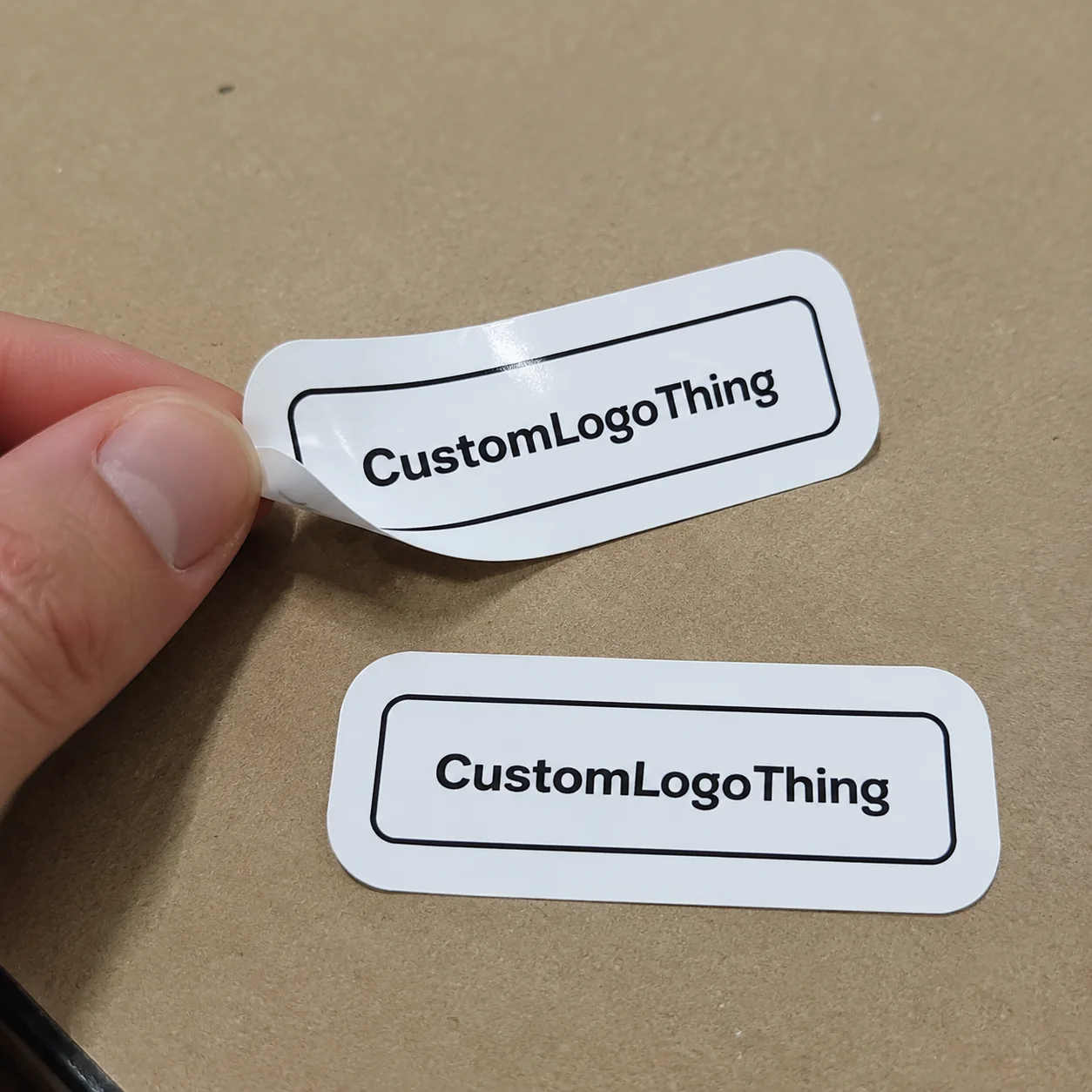
Vinyl often beats paper on cost-per-use because it handles moisture, handling, abrasion, and short outdoor exposure better. Paper labels can be excellent for dry retail packaging, inserts, and short-life promotions. Put them on cold bottles, mailers, tumblers, laptops, or high-touch giveaway items and the math can change quickly. If 8% of a paper sticker run fails in use, the cheaper line item was not cheaper. It was just quieter on the invoice.
The mistake is assuming the lowest-grade sticker is always the lowest-risk purchase. A buyer may save $35 on a 5,000-piece order, then lose far more if a QR code label wrinkles on a coated box or a product seal peels during shipping. Packaging failures are rarely dramatic. They are small, repeated, and annoying. Also expensive.
Different jobs need different sticker behavior. A retail product label needs crisp color and clean liner release. An event giveaway needs individual pieces people can grab quickly. A laptop decal needs scuff resistance. QR code stickers need readable print at small sizes, often around 0.75 to 1.25 inches square. Branded packaging seals need reliable adhesion on paperboard, kraft mailers, or poly bags. Those are not the same specification, even if they all get called “stickers” in a purchase request.
Buying rule: aim for the lowest defensible price for the job the sticker must perform, not the lowest material grade that can technically be printed.
Custom Logo Things uses quote-driven pricing because sticker cost is tied to size, material, quantity, artwork, finish, and intended use. A generic online grid may be fast, but it can hide the details that decide whether a sticker works. Two quotes can look similar while using different vinyl, adhesive, coating, inspection standards, or packing methods. That is where cheap gets slippery.
Product Details That Affect Vinyl Sticker Value
Custom Vinyl Stickers are printed decals made from vinyl film, pressure-sensitive adhesive, and a release liner. They are used for branding, promotions, package decoration, product identification, event handouts, and quick upgrades to plain packaging. In practical terms, they let a business add color and brand detail without committing to fully printed cartons, pouches, or bags.
The format changes both the price and the way the sticker is used. Kiss-cut sheets are efficient for small decals because the sticker peels away while the backing stays intact. Die-cut individual stickers work well for giveaways, inserts, and merch packs. Roll stickers help with repeated hand application or label dispensers. Contour-cut decals create a distinctive silhouette, but detailed cut paths can raise setup time and slow production.
Cost reduction does not have to damage perceived quality. Buyers often save money by choosing a simpler shape, keeping several designs in compatible sizes, avoiding unnecessary finish changes, and allowing efficient sheet layouts. A 2-inch circle is usually easier to quote and cut than a 2-inch logo shape with sharp points, internal corners, and narrow tabs. Customers may notice the color. They rarely notice that the cut path was simplified by 12 anchor points.
Surface compatibility deserves attention before the quote, not after the first box of stickers arrives. Vinyl may be applied to glass, plastic, paperboard, metal, coated boxes, laptops, tumblers, shipping cartons, or retail displays. A smooth glass jar is not the same as a textured mailer. A chilled bottle is not the same as a dry cardboard insert. Adhesive strength, finish, and lamination should match the surface and handling pattern.
Durability has levels. Indoor promotional stickers may only need several weeks of clean performance. Outdoor decals need stronger vinyl, UV-resistant inks, and often lamination. If the sticker will face sun, rain, abrasion, repeated washing, condensation, or rough shipping, say so before quoting. Testing protocols from groups such as ISTA are a useful reminder that packaging performance depends on real distribution conditions, not how materials look on a desk under office lighting.
For many brands, low-cost vinyl stickers are a bridge between blank packaging and fully custom printed boxes. A plain mailer, jar, pouch, box, bag, or insert can become branded packaging with a well-sized decal. Buyers planning a broader packaging system can also compare stickers with Custom Labels & Tags to decide which format fits each SKU, campaign, or retail display.
Specifications to Lock Before You Request a Quote
A clean quote starts with clean inputs. The core specifications are width, height, shape, quantity, artwork file, number of designs, intended surface, indoor or outdoor use, and preferred finish. If any of those are missing, the quote becomes an estimate built on assumptions. Assumptions are where surprise costs like to hide.
Material selection should be described in buying language. White vinyl is the standard choice for bold color and opaque branding. Clear vinyl suits glass, clear pouches, and transparent packaging, although white ink may be needed behind light artwork. Matte vinyl reduces glare and can look more refined on product packaging. Gloss vinyl gives stronger color pop for event stickers, retail promos, and high-contrast logos.
Adhesive choice matters as much as the face material. Permanent adhesive is appropriate for long-term placement on packaging, equipment, or branded goods. Removable adhesive helps temporary campaigns, seasonal promotions, and applications where residue would be a problem. Stronger adhesive may be needed for textured, curved, cold, or high-handling surfaces. Not always. Often enough to ask.
- Permanent adhesive: best for packaging seals, product labels, and long-life decals.
- Removable adhesive: useful for short-term campaigns, window promos, and temporary retail displays.
- High-tack adhesive: worth considering for textured cartons, chilled containers, or surfaces handled repeatedly.
Finish and protection affect both price and durability. Gloss, matte, soft-touch style effects, UV coating, and lamination can all change the unit cost. Lamination may add cost, but it can protect print from scuffing, moisture, and sunlight. For a laptop sticker or outdoor decal, that upgrade may be justified. For a one-day handout, it may be overbuilt. Paying for protection nobody needs is not quality control. It is decoration with a surcharge.
Size moves the price more than many buyers expect. A jump from 2 inches to 3 inches wide does not sound large, but the material area rises sharply. Cutting time, packing method, and shipping weight can increase too. A 1.5-inch packaging seal, 2-inch giveaway sticker, and 4-inch bumper-style decal belong in different pricing conversations.
Artwork quality also affects cost and timing. Vector files, outlined fonts, included bleed, and clear color expectations reduce proofing delays. A PDF, AI, EPS, or SVG file is usually better than a small screenshot. If only a PNG exists, send the highest-resolution version available and a visual reference. Clean files help suppliers quote accurately without padding for avoidable prepress correction.
For print-ready sticker artwork, include bleed beyond the cut line, keep important text away from the edge, and avoid hairline borders that punish even small cutting tolerances. A common bleed allowance is 0.125 inch, but the final proof should confirm what the specific job requires. Tiny type, thin strokes, low-contrast QR codes, and ornate script fonts can all look fine on a monitor and fail once printed at actual size. Screens are generous. Stickers are not.
Pricing, MOQ, and Unit Cost: What Actually Moves the Number
Vinyl sticker pricing is usually driven by size, quantity, material, finish, shape complexity, print method, number of versions, packing format, and shipping destination. The visible sticker is only part of the cost. Setup, proofing, machine calibration, cutting preparation, inspection, counting, packing, and freight all matter.
Unit cost falls as quantity rises because fixed work is spread across more pieces. A 250-piece run may carry a high unit cost because setup dominates the job. At 2,500 or 5,000 pieces, the same setup time is diluted. That does not mean every buyer should order bulk. It means buyers should request quantity breaks before deciding.
| Order Scenario | Typical Use | Cost Behavior | Buyer Watchout |
|---|---|---|---|
| 250-500 pieces | Samples, micro campaigns, small events | Higher unit cost because setup is concentrated | Good for testing, not usually the cheapest unit price |
| 1,000-2,500 pieces | Mailer inserts, local retail promotions, packaging seals | Better setup spread and more practical total spend | Check whether all designs can share one size |
| 5,000-10,000 pieces | Product packaging, recurring campaigns, branded packaging programs | Lower unit cost if specs stay consistent | Avoid overbuying dated campaign artwork |
| Bulk custom runs | Multi-location retail packaging or high-volume fulfillment | Best quote strength when material and finish are standardized | Confirm storage, reorder timing, and version control |
MOQ depends on size, finish, and production method. Small orders can be produced, but the lowest unit cost usually appears at higher quantities where fixed production steps stop dominating the price. A simple 2-inch white vinyl circle can typically scale more efficiently than five separate contour-cut designs with different finishes and separate packing requirements.
Buyers have several cost levers they can actually control. Consolidate designs where possible. Standardize sticker sizes. Avoid lamination unless exposure requires it. Choose practical shapes. Approve proofs quickly. Order enough for the full campaign instead of triggering a small emergency reorder two weeks later. Emergency reorders are where “cheap” tends to disappear.
Comparing quotes without matching specifications is risky. One quote may use thinner vinyl, weaker adhesive, no coating, slower turnaround, or looser inspection. Another may include better material, a clean proofing step, and more careful packing. Those are not equal offers. Procurement teams should compare line by line: material, adhesive, finish, size, quantity, proofing, packing, freight, and delivery timing.
Ask for total order cost and unit cost at each quantity break. A low unit price can still be a poor choice if it creates excess inventory tied to a dated promotion, old QR code, or seasonal message. A higher unit price can be sensible for a test run if it prevents thousands of unusable stickers. Inventory has a cost too, even when nobody puts it on the sticker quote.
Custom Logo Things can quote multiple quantity breaks so buyers see the jump points between a sample run, a short promotional run, and a bulk order. That is often the fastest way to find the cheapest workable Custom Vinyl Stickers for the actual job. For broader programs involving boxes, bags, tags, and inserts, buyers can also review Custom Packaging Products and build the sticker into the full product packaging plan.
Process and Timeline From Artwork to Delivered Stickers
The ordering process is simple when the inputs are complete: submit specs and artwork, receive a quote, approve the proof, print, cut, inspect, pack, and ship. The timeline starts after proof approval, not after the first inquiry. That distinction matters. Missing dimensions, unclear cut lines, or unresolved artwork can pause a job before production begins.
- Send size, quantity, artwork, surface, finish, and deadline.
- Review the quote and confirm any quantity breaks.
- Check the digital proof for spelling, scale, cut path, and bleed.
- Approve production only after the proof matches the intended use.
- Receive shipment details and inspect stickers after delivery.
Proofing is the buyer’s main control point. It catches spelling, sizing, cut line, color placement, bleed, and orientation before ink hits vinyl. A 0.125-inch bleed zone may not sound exciting, but missing bleed can create white edges after cutting. Tiny type can fail. A QR code that scans on a monitor may not scan once printed at 0.6 inches with low contrast and a glossy reflection.
Common delays are predictable: low-resolution files, missing bleed, unclear cut paths, late approvals, specialty finishes, very large quantities, split shipments, or changes after proof approval. A job with one 2-inch white vinyl sticker and clean vector art moves faster than a 12-design laminated order with contour cuts and separate retail bundles.
Turnaround depends on the production queue and specification. Simple standard vinyl stickers often move faster than specialty laminated, multi-version, or unusually shaped orders. Shipping distance matters too. A realistic deadline should include proofing time, production time, transit time, and receiving time. If the stickers are needed for an event, the in-hand date should be earlier than the event date. Not the morning of setup. That plan is how people end up staring at tracking pages instead of building a booth.
Send the in-hand deadline, event date, shipping address, and approval contact at the quoting stage. A supplier can then assess production and delivery risk before payment. That is more useful than discovering after proof approval that the address is remote, the shipment is split, or the decision-maker is unavailable for two days.
After delivery, inspect a small sample before the stickers go into production use. Check print clarity, liner release, cut accuracy, edge quality, adhesive behavior, and count. Apply a few pieces to the real surface if possible. Press them down with the same method your team will use. Then check the edges after a few hours. A desk test is not a full lab test, but it catches obvious mismatches before staff apply hundreds of pieces.
Packaging buyers working under retailer or carrier requirements may also want to align sticker decisions with broader distribution standards. The Forest Stewardship Council is relevant for paper-based packaging sourcing, while vinyl sticker performance should be judged through use conditions such as handling, storage, and exposure.
How to Avoid Cheap Sticker Mistakes Before You Buy
The most common mistake is optimizing for the lowest listed price while ignoring the surface, exposure, application method, and expected lifespan. A sticker applied by hand to a matte paper mailer faces different stress than one applied to a curved bottle that may be chilled, wiped, boxed, and shipped. The lower quote may be right. It may also be under-specified.
Under-specifying adhesive can cause lifting, peeling, residue problems, or poor grip on curved, cold, oily, textured, or coated surfaces. A coated folding carton can reject a weak adhesive faster than expected. A tumbler with a slight curve can create edge tension. A freezer-adjacent product can expose the adhesive to condensation. Each detail changes the risk.
Artwork is another hidden cost area. Tiny text, thin lines, and complex cut paths can look good on screen but fail in print or become expensive to cut consistently at scale. Very thin script fonts, narrow borders, and sharp internal corners often create problems. If a sticker is smaller than 1.5 inches, simplify. If it needs to be read from arm’s length, test the size before buying 10,000 pieces.
Color expectations need discipline. Screens emit light; stickers reflect light. A brand orange may look electric on a phone and flatter on matte vinyl. Supply clear color references, approved artwork, and realistic tolerance expectations. Exact color matching can require extra control and may affect price, especially if the project needs strict brand consistency across stickers, custom printed boxes, labels, and other package branding pieces.
Overbuying and underbuying both create waste. Too few stickers can trigger a rush reorder with higher freight or production pressure. Too many campaign-specific stickers can become obsolete after a price change, seasonal promotion, QR code update, or packaging design revision. For dated promotions, buy closer to the need. For evergreen logos used across product packaging, bulk purchasing may make more sense.
Application method is easy to ignore until it slows a packing line. Rolls may be better for repeated hand application or dispenser use. Individual die-cuts may be better for giveaways. Sheets can work well for small batches or kitting. If staff need to apply thousands of stickers by hand, liner format and peel speed matter. Nobody wants to pay people to wrestle with backing paper all afternoon.
Storage matters too. Keep stickers flat, dry, and away from high heat, direct sun, and dusty conditions. Adhesives can age. Liners can curl. Boxes can crush. A bulk order only saves money if the remaining inventory is still usable when the next campaign starts.
Custom Logo Things is useful here because the process focuses on spec review, proofing discipline, quantity break analysis, and material matching. Buyers looking for the cheapest Custom Vinyl Stickers should not have to guess whether the quote fits a jar, box, mailer, laptop, or outdoor sign. The application should drive the specification. The price should follow that, not the other way around.
Next Steps to Order Vinyl Stickers With a Clean Quote
Start with a short checklist. Choose the sticker size. Estimate the quantity. Define indoor or outdoor use. Identify the surface. Choose a finish. Gather artwork. Set the needed delivery date. Seven inputs remove most of the back-and-forth that slows quotes and raises risk.
Request at least three quantity breaks. Procurement should compare total spend against unit cost instead of guessing whether a larger run is worth it. A 1,000-piece order may look safe, but a 2,500-piece run may cut the unit cost enough to justify the larger buy. Or not. The right answer depends on artwork shelf life, storage space, and campaign volume.
Include application details in the quote request. Will the stickers be hand-applied to boxes? Handed out loose at a trade show? Applied to bottles? Used as mailer seals? Placed outdoors? Packed with retail packaging? Each answer affects format, adhesive, finish, and packing. A roll format can help application speed, while individual die-cuts may be better for giveaways.
For the fastest quote, send a vector file if available, plus a PNG or PDF preview. Include size in inches, number of designs, quantity, finish preference, ship-to ZIP code, and deadline. If there are brand color requirements, include them. If the sticker must scan, include the QR code at final size and ask for a proof that shows the intended dimensions.
To buy low-cost vinyl stickers without quality surprises, send the specs first, compare quantity breaks, approve the proof carefully, and place the order once price, material, and timeline are confirmed. Cheap works when the sticker is built for the job. Cheap fails when it skips the details that make the sticker stay put.
Frequently Asked Questions
What is the cheapest way to order custom vinyl stickers?
Use a standard size, simple shape, white vinyl, one finish, and a quantity high enough to spread setup costs across more pieces. Send clean artwork and request quantity breaks so you can compare total price and unit cost before ordering.
Are cheap custom vinyl stickers still waterproof?
Vinyl is more moisture-resistant than paper, but waterproof performance depends on ink, coating, lamination, adhesive, and exposure conditions. For bottles, outdoor use, or wet handling, specify the environment before quoting so the material is not underbuilt.
What MOQ should I expect for low-cost vinyl sticker printing?
MOQ depends on size, finish, and production method, but higher quantities usually deliver a lower unit cost because setup time is distributed across the order. Ask for several quantity tiers instead of one price so you can identify the most economical order point.
How fast can affordable custom vinyl stickers be produced?
Turnaround depends on artwork readiness, proof approval, material selection, order size, and shipping distance. Simple standard stickers usually move faster than laminated, specialty-finish, multi-design, or complex die-cut orders.
Do the cheapest vinyl stickers work for product packaging?
They can work well for boxes, bags, jars, mailers, and promotional inserts if the adhesive and finish match the packaging surface. For coated, curved, chilled, or high-handling packaging, confirm the surface details before choosing the lowest-cost option.