A logo sticker can look flawless on day one, then curl after one wet weekend on a cooler, one rainy delivery route, or a few hours of condensation on a drink bottle. Custom Vinyl Stickers waterproof by construction are not ordinary paper stickers with a shiny finish. They depend on a water-resistant face film, pressure-sensitive adhesive, printed image, and protective surface working as one system.
That distinction matters for product packaging, branded packaging, outdoor gear, retail displays, and promotional items that get touched, wiped, chilled, shipped, or left in the sun. A label that survives a dry shelf may fail quickly on a kayak, candle jar, window, laptop, food service container, or reusable bottle if the wrong film, adhesive, or finish was chosen.
Why Waterproof Vinyl Stickers Fail Less Often Than Paper Labels
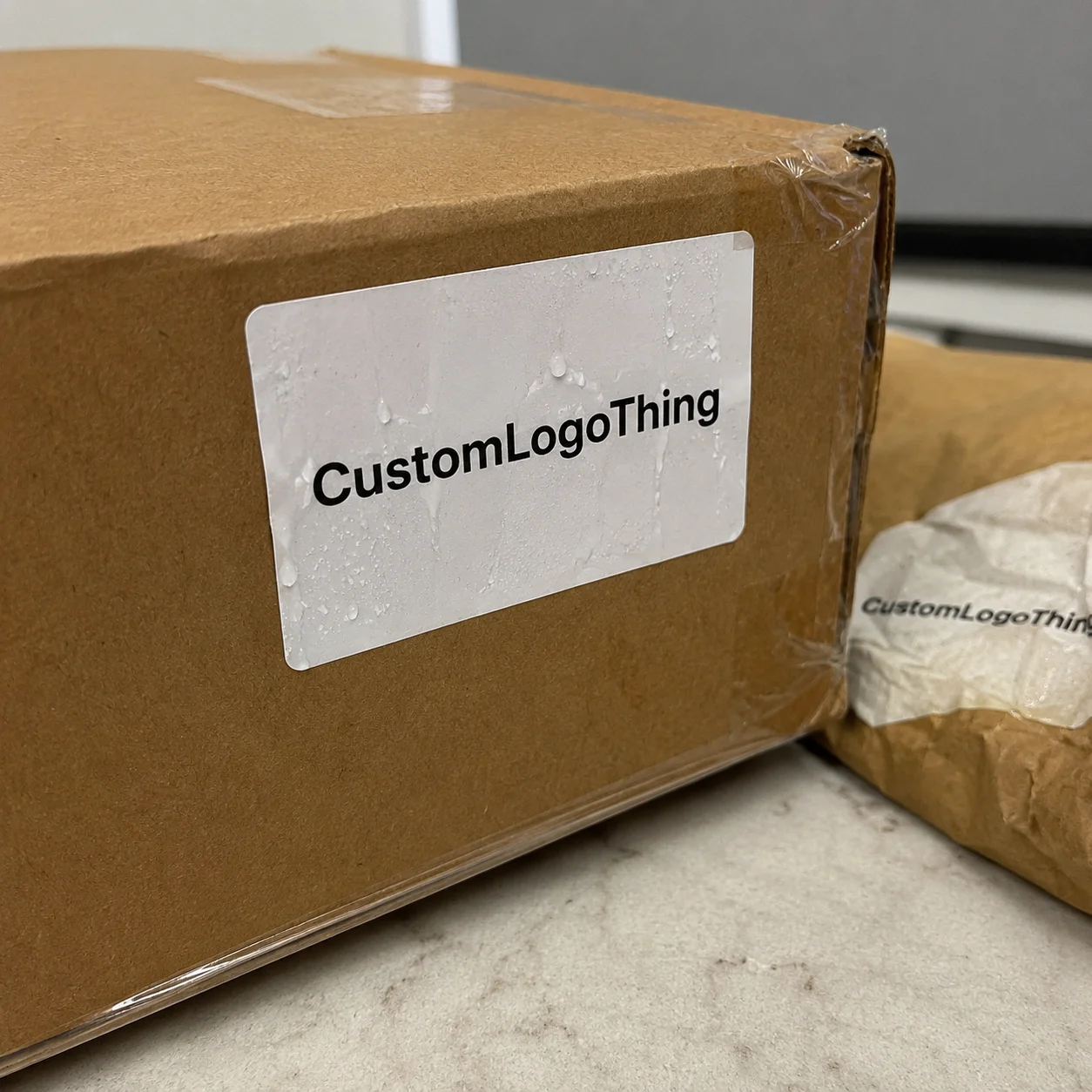
Paper labels are still the right choice for many dry, indoor packaging jobs. A 70 lb. gloss paper label on a carton or jar can print beautifully, cut cleanly, and keep costs down. Trouble starts when moisture reaches the fibers. Paper absorbs water, swells at the edge, weakens around the adhesive layer, and can wrinkle or tear under repeated handling.
Vinyl behaves differently. It is a plastic film, commonly PVC-based in everyday sticker production, so the face stock does not absorb moisture the way paper does. That gives vinyl a clear advantage for wet or damp environments, as long as the ink, adhesive, and top protection are also specified for the job.
Buyers often use water-resistant, waterproof, and weatherproof as if they are interchangeable. They are not. Water-resistant usually means the sticker can tolerate splashes or brief contact with moisture. Waterproof means the sticker construction can handle moisture exposure without the face material breaking down. Weatherproof adds harsher variables: UV exposure, temperature swings, abrasion, cleaning chemicals, wind, and longer outdoor service.
The practical difference shows up fast. A sticker on a refrigerated drink bottle may need waterproof construction plus adhesive that performs on cold, damp glass or PET. A decal on a vehicle window needs stronger UV resistance and a laminate that can take sun, rain, road grime, and washing. A label on a candle jar may need oil and heat tolerance more than rain resistance. The environment decides the spec.
Packaging-floor rule: do not buy the thickest sticker and assume it is the toughest. Buy the construction that matches the surface, moisture level, handling pattern, and expected lifespan.
Vinyl is popular because it is flexible, conformable, and durable. It wraps better than paper around many curved bottles, holds up better on outdoor gear, and supports strong color for package branding. For buyers comparing sticker programs alongside Custom Labels & Tags or broader Custom Packaging Products, vinyl is often the safer choice once moisture or frequent handling enters the picture.
How Waterproof Sticker Materials, Ink, and Adhesive Work Together
Waterproof performance comes from the full build, not one magic layer. The vinyl film resists moisture. The adhesive anchors to the surface. The ink creates the image. A laminate or coating protects the printed surface. If one layer is wrong, the sticker can still peel, fade, scratch, or smear even though the face film itself is waterproof.
White vinyl is the common choice for bold opaque graphics because it gives ink a bright base. Clear vinyl works well for windows, transparent bottles, and no-label looks, but it often needs white ink behind color areas so the design does not disappear on dark glass or colored plastic. Gloss vinyl gives color more snap and wipes clean easily. Matte vinyl reduces glare and can feel more restrained on premium retail packaging. Soft-touch finishes can look excellent, but they should be tested around water, hand oils, and abrasion before a large order.
Adhesive deserves equal attention. A permanent acrylic adhesive is a common fit for product labels, equipment decals, and general outdoor use. Removable adhesive is better for short-term promotions, window campaigns, or temporary package branding where clean removal matters. Freezer-grade adhesive is designed for cold chain products and refrigerated surfaces. High-tack adhesive helps on textured plastics, powder-coated metal, and low-energy surfaces such as some polyethylene or polypropylene containers.
Lamination does quiet, important work. A clear film laminate, usually gloss or matte, can protect ink from scratches, repeated wiping, sunlight, and mild chemical exposure. Liquid coatings can also help, although film laminate usually gives stronger abrasion protection. A sticker can resist water at the vinyl layer and still lose print quality if exposed ink is rubbed by ice, shipping cartons, cleaning spray, or constant hand contact.
Waterproof does not automatically mean dishwasher-safe, marine-grade, fuel-resistant, or approved for every industrial setting. Those uses need more specific testing, and sometimes specialty vinyl, polyester, or overlaminate materials. For testing language and distribution expectations, packaging buyers often reference standards groups such as ISTA for transit testing and ASTM for material and performance methods.
| Sticker Construction | Best Fit | Typical Upgrade to Consider |
|---|---|---|
| White vinyl with gloss laminate | Bold logos, coolers, bottles, merch inserts | UV-resistant laminate for outdoor exposure |
| Clear vinyl with white ink | Windows, glass jars, transparent bottles | Printed white backup layer for color opacity |
| Matte vinyl with permanent adhesive | Premium retail packaging and product labels | Rub testing for dark, full-coverage designs |
| Freezer-grade vinyl label | Cold chain, refrigerated foods, ice bucket use | Cold-surface adhesion test before full production |
Key Specs to Choose Before You Order Waterproof Vinyl Decals
A good sticker order starts with clear specifications. Before quoting, define the size, shape, quantity, finish, adhesive type, indoor or outdoor use, moisture exposure, surface material, and application method. Hand-applied stickers have different tolerance needs than labels running on a packaging line at 50 to 200 units per minute.
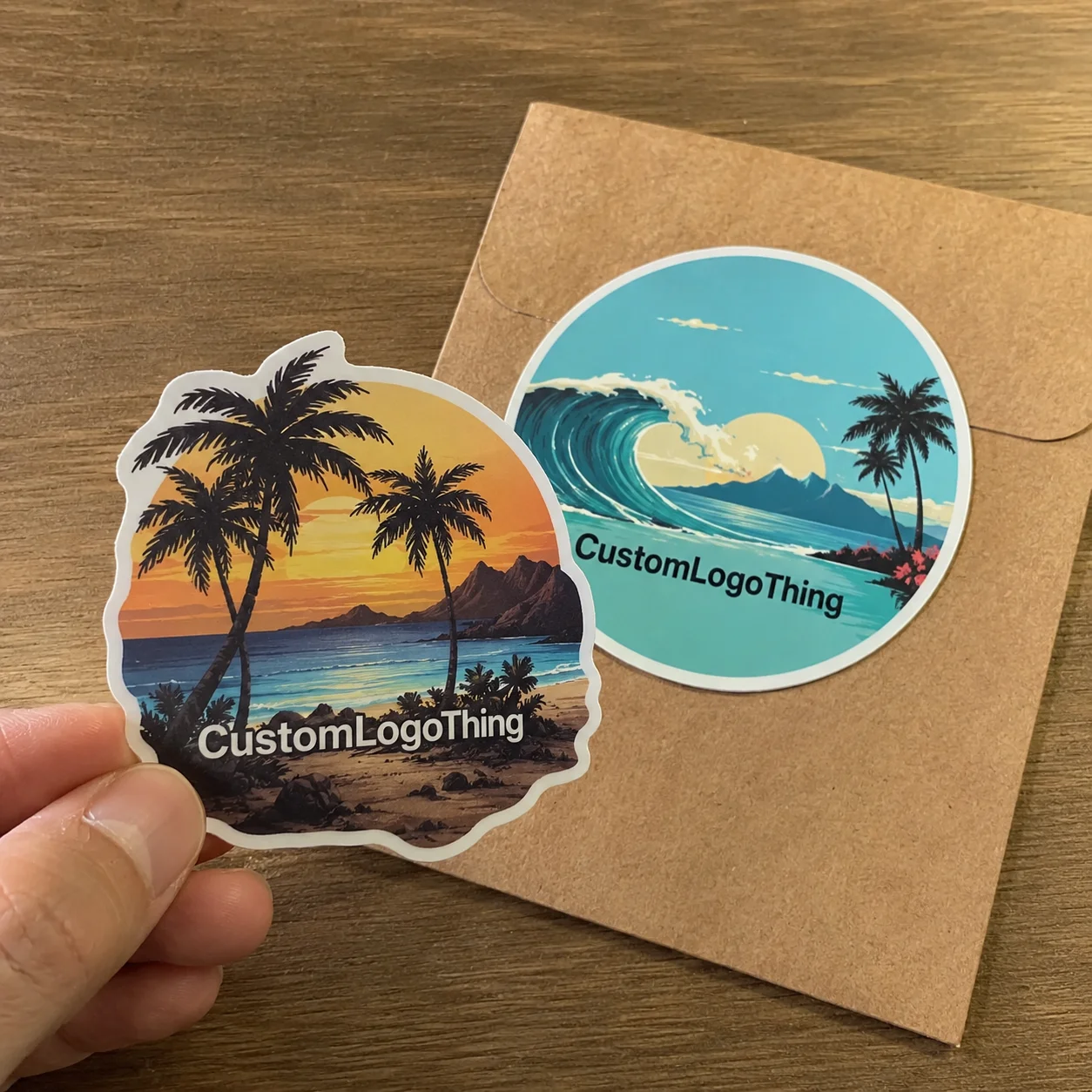
Format is one of the first choices. Die-cut stickers are cut to the outside shape and work well for giveaways, merch, and brand inserts. Kiss-cut stickers leave the sticker on a backing sheet, making small or detailed shapes easier to peel. Sheeted stickers are useful for small-batch handouts and mixed designs. Roll labels make sense for product packaging, faster hand application, or machine application because operators can peel and place them more efficiently.
Finish affects both appearance and use. Gloss looks vivid, retail-ready, and clean on bright packaging design. Matte reduces glare, hides some fingerprints, and gives a softer look. Clear materials can create a no-label effect, but the artwork has to be built correctly. On clear vinyl, white ink is often printed under selected design areas to keep colors visible. Without it, red can turn muddy, yellow can nearly vanish, and black can lose crispness on dark bottles.
Shape matters more than many buyers expect. Rounded corners resist lifting better than sharp 90-degree corners, especially on bottles, jars, coolers, and handled products. For small labels, even a 1/16 inch corner radius can help. Oversized decals on tight curves can wrinkle because a flat film is being forced around a compound shape. In practice, a slightly smaller sticker with better edge contact often lasts longer than a larger decal that fights the container.
Artwork should be built for print and cutting, not just for screen viewing. Vector files such as AI, EPS, or print-ready PDF are best for logos, type, and cut paths. Raster artwork should usually be 300 dpi at final size. Bleed, commonly around 1/16 to 1/8 inch depending on the production method, prevents thin white edges after cutting. Fine borders near the cut line can look uneven if the cut shifts by even a fraction of a millimeter.
If barcode scanning, safety icons, ingredient panels, or regulatory copy are included, treat the sticker like packaging rather than decoration. Check contrast, minimum type size, quiet zones around barcodes, and durability after rubbing. Useful sustainability and packaging guidance can also be found through resources such as the EPA sustainable materials management program, especially if stickers are part of a larger packaging design decision.
Process and Timeline: From Artwork Proof to Finished Stickers
The usual production flow is simple, but each step protects the final result. A typical order moves through inquiry, spec review, artwork check, digital proof, material selection, printing, lamination or coating, cutting, quality check, packing, and shipping. For common waterproof vinyl stickers used on bottles, merch, or outdoor items, clean artwork and standard materials can keep the schedule moving without much friction.
The proofing stage is not paperwork. It is where the buyer should confirm finished size, color expectations, cut line, corner radius, white ink layers, roll direction, quantity, and packing format. If the sticker is going on a tapered jar, curved bottle, or textured case, share that before proof approval. A production team can often flag concerns early, but only if the real surface is known.
Digital printing is common for short and medium runs because it handles full-color artwork, gradients, multiple versions, and lower quantities efficiently. Screen printing can make sense for certain spot-color decals, heavy ink deposits, or durable specialty applications. Flexographic printing is often used for repeat roll label programs, larger quantities, and product packaging runs where speed and consistent repeat production matter.
Lead time depends on more than press speed. Artwork revisions, specialty materials, laminate availability, complex contour cuts, large quantities, color matching, white ink setup, and packing style all affect the schedule. A simple 3 inch gloss white vinyl circle may move much faster than a clear die-cut decal with white ink, matte laminate, tight contour cuts, and individual bagging.
As a practical planning range, many standard vinyl sticker orders run about 5 to 10 business days after proof approval. More complex or larger production runs can land closer to 10 to 15 business days. Freight adds time. So does waiting for missing artwork files or approval from multiple stakeholders.
Buyer tip: send the final use case, application surface, target delivery date, and preferred packing format with the first quote request. That gives the manufacturer a fair chance to recommend the right construction before the press schedule is locked.
Cost and Pricing Factors That Shape Your Sticker Quote
Waterproof vinyl sticker pricing is shaped by material, size, quantity, shape complexity, print coverage, finish, laminate, adhesive type, setup work, and packing format. Two Stickers That Look similar on a screen can price very differently once the cut path, adhesive, laminate, and handling method are included.
Quantity has a major effect on unit cost because setup work is spread across more pieces. Artwork review, proofing, press setup, cutting setup, material handling, and quality checks happen whether the order is 250 pieces or 10,000 pieces. That is why a small run might cost $0.60 to $1.50 per sticker, while a larger run of a simple design might fall into the $0.12 to $0.35 range. These are general planning ranges, not fixed pricing, because material and finishing choices can move the number quickly.
A simple square gloss sticker on white vinyl is usually the economical option. A clear die-cut decal with white ink, laminate, custom shape, and individual backing cards will cost more because it uses more process steps and more operator handling. Roll labels can reduce handling cost for product packaging applications, especially when the same label repeats across thousands of jars, tubes, pouches, or bottles. Individually cut stickers may cost more per piece, but they are better for giveaways, inserts, events, and merch bundles.
Minimum order quantity varies. Digital production may allow lower quantities, while specialty materials, screen printing, flexographic work, or unusual adhesives may require higher minimums to justify setup and material waste. The cleanest way to avoid quote surprises is to send enough information up front so the supplier is not guessing.
| Order Type | Common Use | Typical Cost Influence | Buyer Note |
|---|---|---|---|
| Small die-cut batch | Events, inserts, merch | Higher unit cost from setup and handling | Good for testing artwork and demand |
| Roll labels | Product packaging and faster application | Lower handling cost at volume | Confirm roll direction and core size |
| Clear vinyl with white ink | Glass, windows, no-label look | Added ink layer and proofing attention | Test on the actual surface color |
| Laminated outdoor decal | Vehicles, gear, coolers, equipment | Higher material cost, longer durability | Ask about UV and abrasion resistance |
For an accurate quote, send artwork or a logo file, finished size, quantity, application surface, indoor or outdoor use, expected moisture exposure, preferred finish, and delivery location. If the sticker is part of a larger custom printed boxes or retail packaging project, mention that too. Matching labels, inserts, cartons, and stickers under one package branding plan usually produces a cleaner final presentation.
Common Mistakes That Make Waterproof Stickers Peel, Fade, or Smudge
Most sticker failures are not mysterious. They usually come from mismatched specs. The sticker was applied to the wrong surface, exposed to more abrasion than expected, ordered without the right laminate, or paired with an adhesive that never had a fair chance to bond.
Surface prep is the first place things go wrong. Stickers should not be applied to dusty, oily, damp, cold, or freshly washed surfaces unless the adhesive is designed for that condition. Many pressure-sensitive adhesives need a dwell period, often 24 to 72 hours, to reach stronger bond strength. If a bottle is labeled while still wet, packed tightly, and dropped into ice water an hour later, even waterproof vinyl may struggle at the edges.
Curved and textured surfaces deserve testing. A flat sticker on a tight curve creates stress at the edges. A decal on powder-coated metal may need high-tack adhesive. A label on flexible squeeze packaging may need a film that bends without edge cracking. One sample applied to the real surface teaches more than a dozen assumptions made from a product photo.
Clear vinyl mistakes are also common. Without white ink, colors can look weak on dark bottles, tinted glass, amber jars, or colored pouches. If the design includes tiny type, thin lines, or light colors, ask for a proof that shows where white ink will print. Better yet, test a physical sample against the actual container.
Edge lift can come from sharp corners, heavy ink coverage near the cut edge, oversized decals, dirty surfaces, or pressure that was too light during application. Use a firm squeegee or steady thumb pressure across the full sticker, especially at the perimeter. Avoid touching the adhesive with fingers because skin oils reduce bond strength.
Durability assumptions cause problems too. Waterproof does not mean fade-proof in strong sunlight. It does not mean scratch-proof in a shipping carton. It does not mean safe for harsh cleaners, gasoline, sunscreen, or repeated dishwasher cycles. If the decal needs to survive those conditions, say so before quoting and ask what laminate, ink system, and adhesive are recommended.
Proofs should not be approved in a rush. Check dimensions, cut lines, spelling, barcode readability, safety information, white ink, roll direction, and quantity. A wrong roll unwind direction can slow down a packaging line. A barcode printed too small can fail scanning. A missing 1/8 inch of bleed can leave an unwanted white rim.
Next Steps Before You Request Custom Vinyl Stickers Waterproof Enough for Your Use
Before requesting custom vinyl stickers waterproof enough for your application, write down the real conditions the sticker will face. Identify the surface, moisture level, temperature range, handling frequency, cleaning method, expected lifespan, and whether the sticker must survive refrigeration, outdoor exposure, washing, shipping rub, or repeated flexing.
Gather the basics before asking for pricing: artwork files, brand colors, target size, preferred finish, quantity range, and a photo or sample of the surface. If the sticker must coordinate with custom printed boxes, jars, pouches, or other branded packaging, provide those details so color, finish, and scale can be reviewed together.
- Surface: glass, PET, HDPE, metal, coated paperboard, window glass, laptop shell, or painted equipment.
- Exposure: condensation, rain, ice bucket, freezer, sunlight, hand oils, cleaners, or shipping abrasion.
- Format: roll, sheet, kiss-cut, die-cut, or individually cut for handouts.
- Finish: gloss for pop, matte for low glare, clear for a no-label look, or laminate for abrasion protection.
- Application: hand-applied, machine-applied, applied cold, applied wet, or applied to a curved surface.
A small test run or production sample is smart for curved bottles, rough plastics, powder-coated metal, freezer packaging, vehicles, and outdoor equipment. Apply the sticker to the real surface. Wait for adhesive dwell time. Expose it to moisture. Rub the surface. Flex the container. Check the edges after normal handling. If it fails during a simple test, it would have failed in the field too.
Ask direct supplier questions. What vinyl is recommended? Is laminate included or optional? Which adhesive fits the surface? How will the stickers be packed? What file format is needed for clean cutting? Can white ink be added for clear vinyl? What production timeline applies after proof approval?
The best sticker choice is rarely the most complicated one. It is the one built for the surface, exposure, application method, and lifespan you actually need. Get those details right before the proof is approved, and the finished sticker has a much better chance of staying flat, readable, colorful, and on-brand through rain, coolers, shipping, shelves, and daily handling.
Frequently Asked Questions
Are waterproof custom vinyl stickers safe for water bottles?
They can work well on water bottles when made with waterproof vinyl, a suitable adhesive, and a protective laminate or coating. For reusable bottles, ask whether the sticker is intended for hand-washing, ice bucket exposure, or dishwasher conditions because those are different durability levels. Test on the actual bottle material and curve before placing a larger order.
What is the difference between waterproof vinyl stickers and weatherproof decals?
Waterproof usually refers to moisture resistance, while weatherproof also considers sunlight, temperature swings, abrasion, and outdoor exposure. A sticker used on a laptop or jar may only need waterproof construction, while a vehicle window or outdoor sign needs stronger UV and weather resistance. Laminate, adhesive, and vinyl grade all influence whether the decal is truly outdoor-ready.
Do custom waterproof vinyl labels need lamination?
Lamination is strongly recommended for stickers that will be handled often, rubbed during shipping, exposed outdoors, or cleaned repeatedly. Unlaminated waterproof vinyl may resist moisture, but the printed ink can still scratch, dull, or fade faster. Gloss laminate adds shine and color depth, while matte laminate reduces glare and gives a more premium finish.
How long do waterproof vinyl stickers usually last outdoors?
Outdoor lifespan depends on vinyl grade, ink system, laminate, adhesive, sunlight exposure, weather, and how much the surface is touched or cleaned. A shaded window decal and a sticker on equipment in full sun will age very differently. For long-term outdoor use, ask for UV-resistant materials and test the sticker on the intended surface.
What files are best for ordering custom vinyl stickers waterproof for products?
Vector files such as AI, EPS, or print-ready PDF are usually best for logos, text, and precise cut lines. High-resolution PNG or TIFF files may work for image-based artwork, but low-resolution web graphics can print blurry. If ordering clear vinyl, include instructions for white ink areas so the design remains visible on colored or transparent surfaces.