Buyer Fit Snapshot
| Best fit | Custom Window Box Packaging Price projects where brand print, material claims, artwork control, MOQ, and repeat-order consistency need to be specified before quoting. |
|---|---|
| Quote inputs | Share finished size, material target, print colors, finish, packing count, annual reorder estimate, ship-to region, and any compliance wording. |
| Proofing check | Approve dieline scale, logo placement, barcode or warning zones, color tolerance, closure strength, and carton packing before bulk production. |
| Main risk | Vague material claims, crowded artwork, missing packing details, or unclear freight terms can make a low unit price expensive after revisions. |
Fast answer: Custom Window Box Packaging Price: Structure, Print Proof, Packing, and Reorder Risk should be specified like a repeatable production item. The safest quote records material, print method, finish, artwork proof, packing count, and reorder notes in one written spec.
Production checks before approval
Compare the actual filled-product size with the drawing, then confirm tolerance on folds, seals, hang holes, label areas, and retail display edges. Reserve space for logos, QR codes, warning copy, and material claims before decorative graphics fill the panel.
Quote comparison points
Review material grade, print process, finish, sampling route, tooling charges, carton quantity, and freight assumptions side by side. A quote is only useful when the supplier can repeat the same color, closure quality, and packing count on the next order.
Custom Window Box packaging price is rarely driven by the clear panel alone. The number usually starts with the board grade, then moves through die-cut precision, print coverage, finishing, inserts, and the structural reinforcements needed to keep the carton square on shelf and intact in transit. A box that looks simple on a mood board can get pricey the minute the product is heavy, the artwork wraps every side, or the window needs support around a large opening. That is why a serious quote should begin with the product itself, not with the film patch. Treat the inquiry like a window packaging quote exercise first, and the price conversation gets a lot less mysterious.
I have seen buyers spend days debating gloss versus matte while the real issue sat one level deeper: the item barely fit the carton they wanted. That kind of mismatch is expensive, kinda obvious in hindsight, and still easy to miss in the first round of packaging planning. Product weight, carton dimensions, retail display goals, and packing method tell the supplier more than a vague request for something “premium.” Once those basics are on the table, Custom Window Box Packaging price becomes easier to pin down, and the quote stops feeling like a guess dressed up as a number. If you are comparing formats, it helps to browse Custom Packaging Products first so the box style fits the item instead of forcing the item into the wrong format.
Window packaging can look elegant, protect the contents, and pull its weight in a retail aisle. It can also drift into unnecessary cost if the spec grows without discipline. Buyers who know which features improve performance and which features merely add shine usually land a stronger Custom Window Box Packaging price without weakening the box. That is the angle here: the levers that move cost, the places where time slips away, and the savings that are real rather than cosmetic. The language stays practical because window box packaging cost only becomes useful when it reflects actual production choices, not wishful thinking.
Custom Window Box Packaging Price: What Moves the Quote
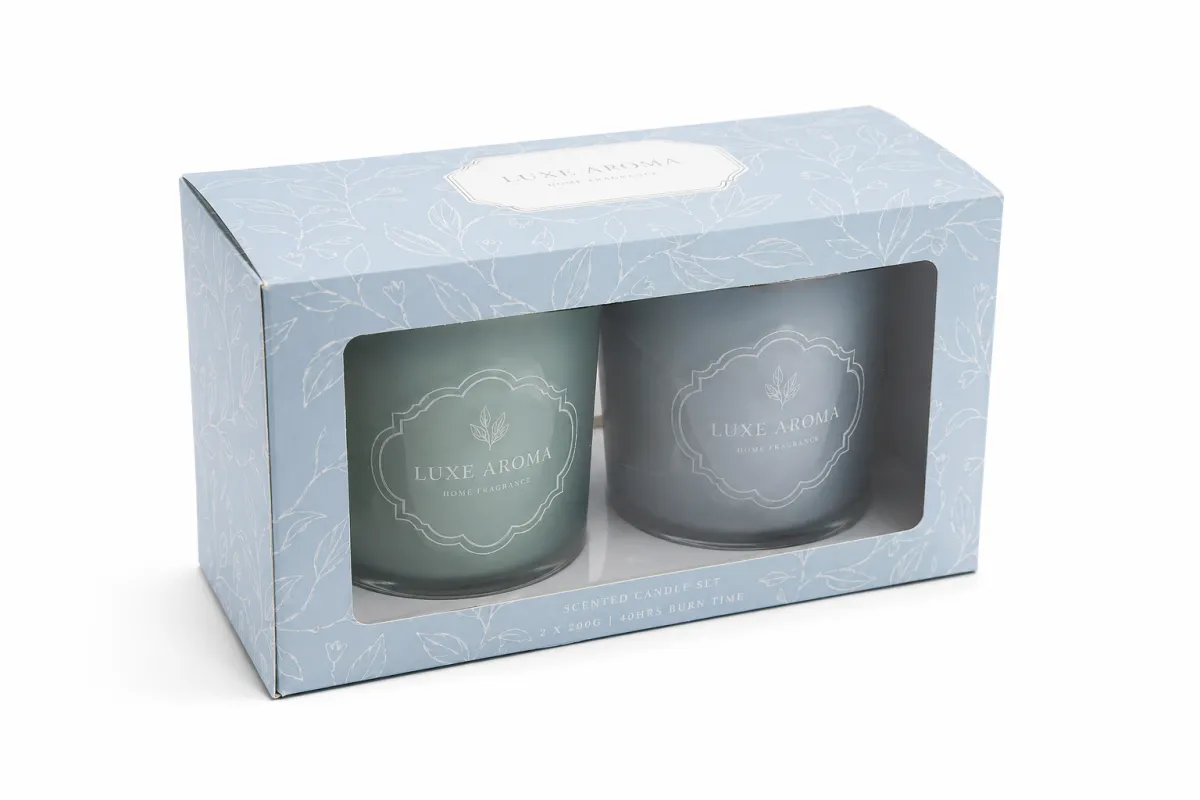
The quote starts long before the window cutout. It starts with the carton style, the paperboard grade, and the difficulty of cutting, folding, and gluing the structure. A tuck-end carton in 16pt C1S with a modest patch window lives in a very different pricing lane than a heavy retail display carton with a reinforced opening, full-coverage art, and a satin finish across every panel. Two boxes can look nearly identical from three feet away and still differ materially in labor, waste, and setup time.
A shelf-facing box can appear uncomplicated in the hand and still be demanding on the press floor. Large windows, tight folding tolerances, edge-to-edge artwork, and exact product placement all increase the burden on prepress, die-cutting, and finishing. The result shows up in Custom Window Box packaging price because setup time rises, scrap risk rises, and quality control becomes stricter. That is not marketing language. It is the cost of making a carton behave well under real production conditions.
Many brands make the same mistake: they ask for a polished look before they define fit. A tea carton, a candle box, and a cosmetic sleeve may all use a window, but each one asks for a different board thickness, closure method, and insert style. Ask for a quote before those decisions are locked and Custom Window Box Packaging Price will spread wider than it needs to. The supplier has to price around uncertainty, and uncertainty is never cheap. A small spec mistake here can multiply the final window box packaging cost before any ink even dries.
“The cleanest quote comes from a clean spec. Once the carton size, product weight, print coverage, and window shape are fixed, the number becomes far more honest.”
The window itself is only one line in the build. A small PET or PVC film patch may add little to the total, while the larger cost drivers are board consumption, print coverage, die complexity, and whether the box can be machine-packed or must be assembled by hand. That is why custom window box packaging price works best as a set of choices, not as a single feature request. One change can be invisible to the shopper and still matter a great deal to the plant.
Picture two bakery boxes. One has a narrow front window and needs grease resistance, a fast fold, and a plain shape that keeps production moving. The other holds a glass jar and needs a stronger board, a deeper insert, and a window that shows the label without letting the jar scuff against the panel. Both are window boxes. Their custom window box packaging price can still land in very different places because their performance demands are not the same.
Packaging design and branding should not be treated as the same thing. A striking concept can win attention, but if the structure takes too long to fold or ships with a weak corner, the box loses value where it counts. Better packaging often comes from Custom Printed Boxes that look intentional, pack cleanly, and protect the item while still giving the shopper a clear view through the window. That balance usually delivers more than a spec loaded with upgrades.
Retail shelves turn the window into a sales tool. It shows texture, color, shape, and scale in a way flat graphics cannot always match. Even so, the quote should start with the functional brief: product weight, carton size, and display position. Once those details are fixed, the custom window box packaging price discussion becomes sharper and less dependent on assumptions.
A useful rule of thumb: treat the first pricing request like a technical brief, not a casual inquiry. The more the supplier knows about the item and the shelf environment, the more accurate the estimate becomes. That is the shortest route to a fair custom window box packaging price and the easiest way to avoid surprise charges after production begins.
Product Details That Shape the Box Structure
The product decides much of the carton architecture. A lightweight cosmetic vial may fit neatly into a paperboard sleeve, while a heavier candle, supplement jar, or small appliance may need a thicker board and a stronger locking bottom. That structural choice has a direct effect on custom window box packaging price because stronger stock, larger blanks, and more complex folds all add material and labor. In many bids this is where the real custom window box quote starts to settle.
Most window packaging falls into familiar structures: tuck-end cartons, reverse tuck cartons, auto-lock bottoms, sleeves with inner trays, and display-ready retail cartons. Each one carries its own tradeoff. Tuck-end cartons work well for lighter products, auto-lock bottoms handle weight more confidently, and sleeves can create a premium reveal when the product slides into view. The closer the structure matches the product, the easier it is to keep custom window box packaging price under control. The right shape is a cost control, not just a visual choice.
The window shape matters more than many buyers expect. A narrow rectangle near the top of the front panel is easier to engineer than a deep die-cut that removes a large part of the face. Rounded corners, angled cutouts, and silhouette windows can look excellent, but they also raise die complexity and increase board waste during cutting. That affects custom window box packaging price through tooling and scrap. If the opening is dramatic, the tooling usually gets a little dramatic too.
Window size is a balancing act. A larger opening shows more of the product and can lift shelf confidence, yet it also weakens the front panel and may call for reinforcement or a thicker substrate. In some cartons, a wide opening makes the face vulnerable to bowing during transport. Once that happens, the rise in custom window box packaging price comes from the extra structure required to keep the box presentable. More window does not always mean more value; sometimes it just means more engineering.
Product type drives other decisions too. Fragile goods may need a die-cut insert or molded tray to keep movement under control. Food items may need material choices that support odor control or barrier performance. Cosmetics may need tighter window alignment and a cleaner finish. Those are not decorative details. They separate a carton that merely holds the item from one that supports the full product packaging story in retail settings. Each choice nudges custom window box packaging price in a different direction.
Print coverage is another real cost lever. A box with a white exterior and one or two ink colors is usually simpler than a fully wrapped design with dense solids, spot colors, and heavy background floods. More ink coverage means more press time, more drying considerations, and more chances for scuffing before the finish is applied. That is why custom window box packaging price tends to climb when a brand asks for a saturated visual treatment.
Insert choice deserves its own line in the brief. A simple paperboard cradle can be enough for lightweight goods, while a multi-point insert may be needed to center the product and protect the window area from pressure. Inserts improve presentation and security, but they also add die-cut parts and assembly time. If the insert is not doing real work, removing it is one of the cleaner ways to lower custom window box packaging price without making the carton feel thin or careless.
For brands comparing packaging design options, one question clears away a lot of noise: does the feature improve protection, presentation, or packing speed? If the answer is no, the feature may be decoration rather than necessity. A focused spec sheet usually produces better numbers and better design decisions, and that shows up quickly in custom window box packaging price.
There is a practical difference between a carton packed by hand and one that moves through a production line. Manual assembly can tolerate more complexity, while line packing punishes every extra flap and fold. Buyers who think about end use early usually get a tighter custom window box packaging price because the supplier can design for actual production behavior rather than idealized elegance. I have watched that one decision save more money than a fancy finish ever could.
Specifications That Protect Shelf Appeal and Performance
Exact dimensions matter more than most buyers expect. A carton that is too loose lets the product shift, which hurts shelf appeal and can scuff the window film. A carton that is too tight slows packing and raises damage risk during insertion. The right size supports both appearance and throughput, and that precision affects custom window box packaging price because tighter specs usually call for better tooling and more careful setup.
Board caliper is one of the simplest variables and one of the easiest to ignore. A 14pt board may be fine for a lighter item, but an 18pt or 24pt board can be the better choice for heavier product packaging or for cartons that need a stiffer retail face. Thicker board usually costs more, but it can also improve crush resistance and give the package a more substantial hand feel. That affects custom window box packaging price, and it also shapes how the brand reads on shelf.
Finish choice is another place where price and performance meet. Matte coating cuts glare and can make a design look more restrained, gloss brightens color and boosts shelf pop, soft-touch lamination adds a tactile premium note, and aqueous coating offers practical protection at a lower weight than film lamination. Each one carries tradeoffs. If the box will sit in humidity or be handled often, the coating becomes part of the cost structure and directly influences custom window box packaging price. A finish should protect the art, not just flatter it.
Die lines and folding tolerances deserve more respect than they usually get. A poorly set die creates inconsistent folds, oversized flaps, and glue tabs that do not sit cleanly. That is not just a production headache; it can create visible gaps at the window edge and weaken the carton. Good prepress work and accurate dieline setup reduce waste, and that is one of the quieter ways to stabilize custom window box packaging price over repeat runs.
Compliance matters too, especially in food, supplements, and retail packaging that may sit under retailer or regulatory rules. If the carton needs room for barcodes, ingredient panels, country-of-origin statements, or batch coding, the artwork needs to plan for those elements from the start. Buyers sometimes discover too late that the front panel is crowded or the barcode sits too close to a fold. That kind of mistake leads to rework, and rework is where custom window box packaging price begins to climb without adding value.
Material sourcing should be checked early for brands that care about sustainability claims. Paperboard from responsibly managed sources, recycled content targets, and end-of-life recyclability all matter in the conversation. If fiber sourcing is part of the brief, FSC guidance gives a useful reference point, and the U.S. EPA recycling pages help clarify paper and cardboard recovery basics. Sustainable choices do not automatically lower custom window box packaging price, but they can support a brand story that is easier to defend honestly.
Testing can save money later. For shipped retail packs, distribution testing based on ISTA methods helps reveal where a carton needs more protection or a stronger closure before production begins. A test plan is not mandatory for every job, but for fragile items or larger orders it can be the difference between a stable launch and a costly correction. That is why custom window box packaging price should be considered next to performance rather than apart from it.
If a retailer has specific requirements, build them into the spec. Some chains care about barcode placement, shelf-facing direction, and how much of the product remains visible through the window. Others need consistent case-pack counts or outer dimensions that fit a standard shelf tray. Those details may look minor on paper, yet they affect design, and design affects custom window box packaging price in a very direct way.
The most disciplined packaging projects usually start with a tight spec. A buyer who knows the caliper, coating, window size, and fill method can compare quotes with much more confidence. That discipline keeps the conversation on custom window box packaging price instead of forcing the supplier to guess at the structure. It also makes later reorder decisions far less annoying.
How do MOQ and cost levers affect custom window box packaging price?
MOQ changes the math because setup costs spread across the run. On a small order, prepress, plate or die setup, proofing, and machine adjustment all sit on fewer cartons, so per-unit cost rises. On a larger order, those same fixed costs get diluted. That is why custom window box packaging price almost always looks better at 5,000 pieces than at 500, even when the spec stays unchanged. For many buyers, this is the first window box packaging cost checkpoint.
The main cost formula is not mysterious: material selection, print method, finishing, die cutting, assembly complexity, and total quantity all shape the final number. A cleaner build using standard board stock and one or two colors can often come in much lower than a premium carton with soft-touch lamination, full-bleed graphics, and a custom-shaped window. Buyers who understand those levers find custom window box packaging price far easier to manage.
There is also a difference between one-time tooling and recurring production costs. If the box structure changes, the window die changes, or the artwork needs a new setup, some costs return. That matters for brands that reorder through the year. A smart buyer asks which part of custom window box packaging price is fixed, which part repeats, and which part can be trimmed in the next run. The answer usually explains more than the headline figure ever will.
Below is a practical pricing comparison, not a promise. Real numbers move with quantity, board grade, print coverage, and freight, but the frame is useful for comparing options.
| Build Level | Typical Features | Approx. Unit Price at 1,000 | Approx. Unit Price at 5,000 | Best Fit |
|---|---|---|---|---|
| Value Build | Standard paperboard, simple front window, one-color or two-color print, aqueous coating | $0.72-$1.10 | $0.28-$0.46 | Lightweight items, budget-sensitive launches, straightforward product packaging |
| Balanced Retail Build | Stronger board, custom dieline, moderate print coverage, matte or gloss finish, basic insert | $1.05-$1.65 | $0.42-$0.78 | Retail packaging that needs a polished shelf look without moving into luxury pricing |
| Premium Presentation Build | Heavier board, larger or shaped window, soft-touch lamination, full-bleed graphics, custom insert | $1.80-$2.95 | $0.68-$1.20 | High-visibility branded packaging, gifting, specialty items, and elevated package branding |
The pattern is clear: quantity lowers unit cost, but structure still matters. If a quote feels too high, the fastest way to improve custom window box packaging price is often not a request for a discount. A simpler structure, fewer print colors, or a standard board that does not need special handling usually moves the number in a better direction.
A larger window can also shift the price. Wide openings often need more careful die cutting and may create more scrap. If the opening is unusually broad or shaped, the box may need more support around the cut-out so the face does not collapse during packing or shipping. That is another reason custom window box packaging price should be reviewed with the full structural brief in hand. The window is visible, but the engineering behind it is what you pay for.
Removing features that do not help sales is one of the easiest savings strategies. If an insert exists only because the original sketch had room for it, remove it. If two coatings do the job of one, simplify the finish. If the product already sits centered in the window without extra support, there is no reason to pay for a part that adds nothing. This is how brands keep custom window box packaging price aligned with actual value.
That said, the cheapest quote is not always the best one. A carton that crushes, scuffs, or slows packing costs more over time than a slightly better build. For that reason, the right target for custom window box packaging price is not the lowest possible number. It is the best cost-to-performance ratio.
If you are comparing options for branded packaging, ask the supplier to price at least three versions: value, balanced, and premium. The tradeoffs become visible in a way a single number never can. It is also a good moment to confirm where the custom window box packaging cost is truly tied to value and where it is tied to optional aesthetics. That strategy gives the buyer room to adjust the final spec while keeping custom window box packaging price under control.
Standardization helps more than most brands expect. Standard board, standard finish, and a window shape that can repeat across SKUs usually reduce setup friction. If the product line allows it, shared packaging design elements can create strong package branding while keeping production efficient. That combination is one of the most reliable ways to improve custom window box packaging price without losing shelf appeal.
From Quote to Shipment: Process and Timeline
The quoting process should feel orderly, not vague. A solid workflow starts with the RFQ, then moves to structure review, artwork checks, proof approval, sampling if needed, and full production. If any step is rushed or skipped, custom window box packaging price can look attractive at the start and become more expensive once corrections appear later.
Clear input shortens the cycle. When the buyer supplies product dimensions, weight, target quantity, print file details, and the intended retail use, the supplier can estimate materials and production time with far more confidence. That is how a buyer reduces uncertainty around custom window box packaging price and avoids the back-and-forth that slows the schedule.
Delays tend to show up in predictable places. Unclear dimensions lead to dieline revisions. Low-resolution artwork creates prepress questions. A late change to the window size can force a new die line. Each revision may add days, and sometimes weeks, to the process. If speed matters, keeping the spec stable protects both the calendar and custom window box packaging price.
Many custom packaging runs follow a familiar pattern: quote turnaround within a short window, dieline development after dimensions are confirmed, proof review, sample approval if requested, then manufacturing and finishing. Freight coordination comes after that. Depending on quantity and complexity, the full timeline can be tight or extended. The point is simple: the cleaner the brief, the more predictable custom window box packaging price and lead time become. In practice, that reduces the chance of paying more for expedited corrections through a custom window box quote.
Here is the process in plain terms:
- Share the product size, product weight, quantity, and display goals.
- Confirm the carton style, window shape, and insert needs.
- Review the dieline and make sure copy, barcode, and legal text fit.
- Approve the proof or physical sample before production begins.
- Release the order, then plan freight or consolidation separately.
That sequence looks basic, and that is exactly why it gets overlooked. Buyers who want fast turnaround should not force the supplier to infer the basics. A good spec sheet keeps custom window box packaging price rooted in the actual job instead of a rough estimate. It also keeps fewer people guessing, which is underrated.
Shipping distance also affects the full calendar. A production run may finish on time, but if freight is not planned, the cartons still do not arrive where they need to be. Manufacturing time and transit time should be treated as separate clocks. Both affect launch timing, and both can influence how a buyer sees custom window box packaging price if the quote does not separate them clearly.
For seasonal retail windows or product launches tied to promotions, a buffer is worth building in. It is easier to move an early schedule than rescue a late one. The buffer does not make the packaging more expensive by itself, but it can protect the value of custom window box packaging price by preventing rush fees, rushed approvals, and avoidable rework.
A practical quote should spell out what is included and what is not. Is freight included? Is the proof included? Is the window film part of the printed box cost or a separate component? Those details shape the real custom window box packaging price, not just the headline number. If needed, ask for a window box packaging quote that itemizes each stage.
Why Choose Custom Logo Things for Window Boxes
Custom Logo Things fits buyers who want packaging advice that stays practical. The job is not to decorate the brief with jargon. The job is to Choose the Right structure for the product, the right window for the shelf, and the right finish for the budget. That is how the team helps keep custom window box packaging price sensible while still giving the carton a polished retail presence.
Clear communication matters in custom packaging because every quote is a comparison exercise. When a supplier explains board options, print limits, and finish tradeoffs in plain language, buyers can compare estimates on equal footing. One quote may include stronger board or tighter prepress work, while another may hide those details inside a single number. Good communication makes custom window box packaging price easier to read and easier to defend internally.
Prepress review is another place where experienced packaging support pays off. Catching a dieline issue before the run starts is far cheaper than fixing misaligned artwork after plates or setup are already underway. A disciplined review process protects the schedule and keeps custom window box packaging price from drifting because of avoidable corrections. That kind of oversight is not glamorous, but it saves money in a very real way.
Repeat orders benefit from consistency. If a carton must hold the same color, same fold performance, and same window alignment across multiple production runs, the supplier needs a process that respects those tolerances. That is the difference between a box that looks right once and a box that performs reliably over time. For branded packaging and package branding, that consistency is worth real money, and it helps keep custom window box packaging price predictable.
Custom Logo Things also helps buyers think about the retail setting, not just the carton. A window box is part display tool, part protective shell, and part sales message. If the item needs to stand out beside competitors, structure, graphics, and finish need to work together. The result should support the product without draining the budget. That is the standard I would want if I were pricing custom window box packaging price for a new line.
If you need to compare package styles quickly, browse Custom Packaging Products and narrow the spec to what the product truly needs. That small step often prevents overbuilding, which is one of the main reasons window box quotes become inflated. In my experience, a focused spec almost always improves custom window box packaging price.
Next Steps to Get an Accurate Custom Window Box Packaging Price
The fastest way to get a useful quote is to send the exact carton dimensions, product weight, desired window size, print colors, coating preference, and target quantity. If those details are missing, the estimate will be broad. If those details are clear, custom window box packaging price becomes much easier to compare across suppliers. That is the difference between a shopping exercise and an actual sourcing decision.
It also helps to request two or three options instead of one. A value build, a balanced retail build, and a premium presentation build make the tradeoffs visible in a way a single number never can. That is especially useful for product packaging decisions where the carton affects shelf performance and consumer perception. Different structures can produce very different custom window box packaging price points even when the artwork is identical.
Ask for a written breakdown. Board, printing, window material, finishing, and shipping should be listed separately whenever possible. That level of detail helps the buyer see where the money goes and where the pressure points sit. If the quote arrives as a single lump sum, it is hard to know whether custom window box packaging price is being driven by materials, setup, or logistics.
Do not hesitate to ask whether the supplier can simplify the window shape, reduce the MOQ, or change the finish if the first quote lands above budget. Often there is a clean path to adjustment that keeps the box attractive while bringing the number down. A good partner will explain those tradeoffs directly rather than hide behind a vague estimate. That is how a buyer gets a fair custom window box packaging price without losing the look the brand needs.
One more practical point: if the box will be used across multiple SKUs, standardize what you can. Shared board stock, a reusable insert concept, and a consistent window position can simplify future orders. That creates a stronger purchasing pattern and a steadier custom window box packaging price over time, especially for brands that reorder regularly.
Here is the cleanest path forward:
- Measure the product carefully, including any label or closure that affects fit.
- Define the shelf goal so the structure matches the retail environment.
- Choose only the finishes that improve presentation or durability.
- Keep the window shape as simple as the brand allows.
- Ask for a spec-based quote, not a rough estimate.
That approach protects both budget and presentation. It also helps buyers avoid the common trap of paying for details that do not move sales. If the brief is solid, custom window box packaging price stops feeling mysterious and starts looking like a manageable part of the launch plan.
The right box fits the product, supports the shelf story, and stays inside the commercial target. That is the real value of comparing custom window box packaging price carefully: a carton that looks right, runs right, and sells with fewer compromises. The clearest takeaway is simple: send a spec with dimensions, weight, window shape, finish, quantity, and retail goals, then judge each quote on structure, not just on the headline number.
What affects custom window box packaging price the most?
Board grade, box size, print coverage, and window cut complexity usually have the largest impact on custom window box packaging price. MOQ also matters because setup costs are spread over fewer units on short runs, and finishes like lamination or specialty coatings can move the number noticeably. If you need to benchmark options, compare a full window box packaging quote from each supplier.
Does a bigger window make custom window box packaging price higher?
Usually yes. A larger opening removes more board, can increase die-cut complexity, and may need extra structural support. The exact change depends on the carton style, but a bigger window often pushes custom window box packaging price upward because the box has less material and more engineering around the opening.
How does MOQ change custom window box packaging price?
Lower quantities usually raise unit cost because setup, proofing, and tooling are spread across fewer cartons. Higher quantities generally lower the per-box cost, especially on standard materials and print methods. The best MOQ is the one that matches sales velocity without creating excess inventory, and that balance shows up clearly in custom window box packaging price.
Can I lower custom window box packaging price without making the box look cheap?
Yes. Simplify the window shape, reduce print colors, choose a standard board stock, or remove non-essential inserts. Keep the structure clean and the graphics focused so the box still looks intentional at retail. In many cases, those changes improve custom window box packaging price while preserving shelf appeal.
How long does production take after approving the artwork?
Timing depends on quantity, structure, finishing, and whether a sample is required before full production. A clean approval process is faster when the dieline, product dimensions, and print files are already correct. Shipping time is separate from manufacturing time, so both should be included in the plan alongside custom window box packaging price.