Subscribers make judgments quickly. They lift the lid, scan the item, and decide whether the brand feels worth the monthly spend in just a few seconds. That is why Custom Woven Labels for subscription brands are not a tiny trim decision. They influence first impressions, repeat impressions, and the quiet question every customer asks before they keep, gift, or toss the product.
Woven labels do more than hold a logo. They finish apparel, make merch look intentional, and keep recurring shipments visually consistent across different box themes, colorways, and seasonal drops. If a subscription brand wants packaging that feels carefully built rather than assembled in a rush, labels are one of the most efficient places to improve perceived value without adding much cost.
Why subscription boxes need labels that do more than hold a logo
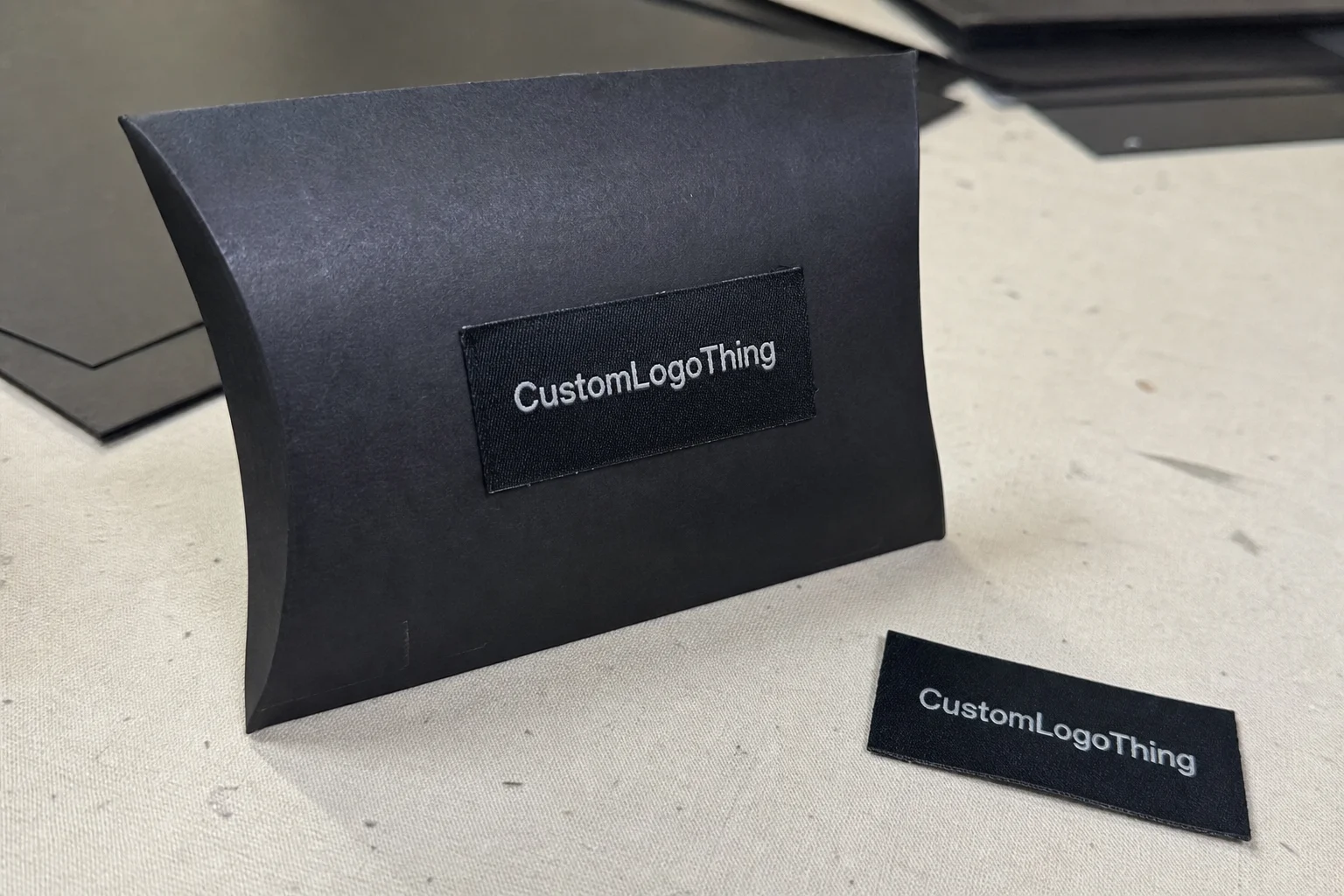
Subscription brands depend on repetition, and repetition is unforgiving. Customers are not buying a single item; they are buying the experience of receiving something new, organized, and on-brand over and over again. A crisp label helps that experience feel deliberate. A weak one can make the whole shipment feel unfinished, even when the product itself is good.
There is a practical side too. Woven labels help identify products, separate SKUs, support size or care information when space is tight, and keep items resale-ready if a subscriber gifts, exchanges, or passes them along. That is one reason Custom Woven Labels for subscription brands show up so often on neck labels, side seam labels, hem tags, and small branded add-ons inside kit-style packaging.
They also matter when a product leaves the box and starts living a second life on a hanger, on a shelf, or in a social media photo. A clean label makes the item look complete. A sloppy one creates doubt. Tiny detail, large effect.
Packaging buyer reality: if the item inside the box looks unfinished, subscribers usually blame the brand, not the sewing room. Labels are often the simplest fix.
If you already invest in packaging design, product packaging, and package branding, woven labels should sit in the same planning conversation as the box itself. They are part of the system, not an afterthought.
For recurring packaging programs, a useful starting point is our Custom Labels & Tags category, which helps match label specs to the product instead of forcing one generic solution across everything.
How woven labels are made and what actually changes the result
Woven labels are made by interlacing thread on a loom, which is why they hold up better than many printed options when they are sewn into garments or accessories that get handled often. The result depends on thread type, weave density, size, and finishing. Push too much detail into too little space and the artwork starts to lose its shape.
For Custom Woven Labels for subscription brands, the most common material styles are damask, satin, and taffeta. Damask is usually the best all-around choice because it can hold fine detail well and still feel refined. Satin has a smoother surface and a softer hand, which makes it a common pick for neck labels and apparel trims. Taffeta is the budget-friendly option, though it is less polished and can feel rougher depending on placement and edge finish.
Construction changes the outcome just as much as material. End fold, center fold, loop fold, and straight cut each behave differently during sewing and wear. A side seam label often works well as a straight cut or end fold. A neck label may need a center fold or loop fold so it sits flat and does not irritate skin. In subscription kits with mixed products, the wrong fold can make a proof look fine and the sewn result feel awkward.
What changes price and legibility
Three factors move the cost and the clarity more than most buyers expect: line thickness, color count, and label size. Thin lines and tiny text can weave poorly, especially once the readable area gets very small. A logo that looks clean on a screen may turn into a fuzzy patch on a 20 mm label.
- Design complexity: more fine detail means more proofing and more risk of muddy edges.
- Thread colors: more colors can raise cost and sometimes extend production time.
- Finishing: heat cut, laser cut, fold style, and backing all affect final feel and pricing.
For apparel and wearables inside subscription programs, a soft-touch finish usually makes more sense than a stiff edge. For bags, heavier layers, or outerwear, the edge finish needs to survive more friction. The label should match the product, not just the logo file.
If you want to see how labels fit into a broader packaging system, browse Custom Packaging Products. It is easier to compare specs once labels are viewed alongside the rest of the box components.
Cost, MOQ, and unit pricing: what subscription brands should budget for
Pricing for woven labels is usually driven by size, weave type, fold style, color count, quantity, and any special finish or backing. If you are sourcing custom woven labels for subscription brands, expect a real spread in unit cost depending on how aggressive the spec is. A simple two-color label at scale is a very different purchase from a detailed folded damask label with multiple thread colors and special trimming.
As a practical buyer range, smaller runs usually cost more per label. A 1,000-piece order will often carry a noticeably higher unit price than a 10,000-piece order, even if the artwork stays the same. Setup, loom time, and finishing still need to be paid for. For simpler high-volume work, buyers may see pricing around $0.06 to $0.18 per label, while smaller or more complex orders can run higher. Shipping, taxes, and packaging are extra. The pricing sheet always looks more generous before freight is added.
| Order style | Typical unit range | Best for | Main tradeoff |
|---|---|---|---|
| Simple high-volume label | $0.06-$0.12 | Standard apparel inserts, recurring kits | Less flexibility on detail |
| Mid-complexity woven label | $0.10-$0.22 | Branded garments, mixed product lines | Better appearance, slightly higher cost |
| Small-run or detailed label | $0.18-$0.35+ | Launches, samples, premium merchandising | Highest per-unit price |
MOQ depends on supplier setup, but minimums around 500 to 1,000 pieces per style are common, with higher thresholds for specialty finishes. For subscription brands, the smartest move is often to standardize one master label across several SKUs instead of customizing every variation. That does not sound exciting, but it usually lowers cost and simplifies replenishment.
Watch the hidden costs too:
- Rush fees if the schedule gets compressed.
- Sample charges if you want a physical pre-production check.
- Artwork cleanup if your logo file is low-resolution or not vector-ready.
- Shipping and split shipments if labels need to arrive in more than one warehouse window.
When requesting quotes, ask for pricing by label type and usage scenario, not just raw quantity. A neck label and a hem tag can have different finishing needs even if the artwork count is identical, and that can shift the total more than many buyers expect.
Production steps and timeline: from artwork to delivery
The path from concept to delivered labels is straightforward, but schedules get damaged fast by bad files and slow approvals. The normal workflow is quote, artwork review, digital proof, sample or approval, weaving, finishing, packing, and shipment. Nothing unusual. Still, every handoff creates room for delay.
For standard custom woven labels for subscription brands, the production timeline is often around 12 to 15 business days after proof approval. Simple jobs can move a little faster, and complex ones can take longer. Rush production may be possible if the artwork is clean and the construction is simple. If the file needs cleanup, rush service usually just means paying more to move a problem along faster.
What slows things down most?
- Unclear dimensions or vague placement notes.
- Too many thread colors for the size of the label.
- Low-resolution logos that need cleanup before proofing.
- Internal approval delays from marketing, operations, or leadership.
- Revision loops because the label was designed for a mockup, not the actual garment.
Subscription brands also need to plan labels around box lock dates and product intake windows. If your next shipment has a hard assembly date, labels cannot arrive later “that week” and still be useful. They need to be on site before manufacturing, kitting, or warehouse prep begins. That is a common place where newer programs misjudge lead time.
Repeat replenishment matters even more than the first order. Subscriber growth, churn, seasonal offers, and limited drops all change demand. If the reorder plan is too tight, the brand ends up scrambling just when the next cycle is already locked.
For a broader view of how packaging components fit into shipment planning, the Case Studies section can help connect label specifications with fulfillment timing and packaging design.
For standards and sourcing references, it helps to stay familiar with industry bodies such as ISTA for package testing and FSC if your larger packaging program includes certified paper or board materials.
Step-by-step: how to order labels that fit your subscription model
If you want woven labels that actually work in a subscription program, order them like a production buyer rather than like someone choosing a font for a mood board.
- Define the use case. Identify which products need labels, where they will sit, and how much wear they will take. A soft garment needs different treatment than a bag tag or accessory insert.
- Choose size, fold, and material. Match visibility and comfort first. Small neck labels often work best in satin or fine damask. Side seam labels may benefit from a clean end fold or straight cut.
- Prep the artwork. Send vector files whenever possible. Simplify tiny text. If your logo depends on hairline detail, expect issues at woven scale.
- Request a proof. Check color expectations, final measurements, logo balance, and whether the label still reads clearly at actual size.
- Order with replenishment in mind. Do not only buy for the first shipment. Build a reorder plan so the next subscription cycle starts with inventory already in hand.
The best buyers ask one blunt question: “Will this still look good after being sewn into the product?” That is the real test. A label that looks attractive loose in a sample packet is not enough.
For many subscription operators, the strongest label spec is the one that can survive several collections with minimal changes. Neutral thread colors, simple typography, and a consistent logo mark usually outperform trendy details that age badly. Good package branding is often restrained rather than flashy.
Common mistakes that make labels look cheap or arrive useless
The most common mistake is trying to say too much in too little space. Small woven labels are not billboards. If you cram a logo, tagline, website, and care text onto a tiny label, the result is usually unreadable. That is not premium; that is clutter made of thread.
The second mistake is choosing the wrong fold or edge finish for the product. A scratchy edge on a neck label will irritate customers. An awkward fold on a side seam label can distort the logo or add bulk where the garment already has structure. The label has to work with the product construction, not against it.
The third is ignoring thread contrast. Designers often like subtle tone-on-tone looks until the logo disappears against the actual fabric color. If visibility matters, use enough contrast to separate the design from the base material. If the brand wants an understated look, test it on the real fabric rather than trusting a screen mockup.
The fourth mistake is ordering without checking the true dimensions of the product. This one gets expensive fast. A label that looks reasonable at 50 mm may be absurd at 20 mm. Measure the item, then measure it again, then compare it against the label spec before the purchase order is sent.
The fifth is treating one proof as final when the subscription brand actually has multiple product types. A label that works on a hoodie may fail on a tote or accessory. If restocks, color variations, or seasonal swaps are likely, the labeling plan should account for that from the start.
Most common buyer regret: “We approved the proof, but we never checked how it looked sewn into the real product.” That mistake repeats more often than it should.
Expert tips to make labels work harder across every subscription shipment
If labels are going to earn their keep, they cannot be treated like isolated trim. Think system-wide. One core brand label can anchor the line, while secondary labels handle size, care, or product-specific details. That reduces SKU sprawl and keeps production simpler.
For custom woven labels for subscription brands, readability should beat decoration almost every time. Subscribers notice a clean, confident label immediately. They usually do not admire micro-detail from arm’s length, and even when they do, the label still has to read correctly on the product itself.
A few practical moves help a lot:
- Use neutral specs that can survive seasonal refreshes.
- Keep one master label across multiple product families when possible.
- Reserve custom variations for special editions, not every routine shipment.
- Check camera visibility if the label will appear in unboxing photos or social content.
- Forecast growth so inventory does not run out mid-cycle.
It also helps to think about how labels connect to broader branded packaging. The box, tissue, insert card, and label should feel planned together. If a subscription box uses custom printed boxes, the label should support the same visual language rather than compete with it. That kind of consistency is what makes a shipment feel intentional instead of pieced together.
If you need a broader source for packaging components, from labels to box accessories, our Custom Packaging Products page is a useful way to compare options before locking in specs.
One final operational point: if the label is going into a package that will be handled, stacked, or shipped repeatedly, think about durability and testing at the package level. For transit-heavy programs, references like ISTA help frame the environment the finished product has to survive, even if the woven label itself is not the item being tested.
What are custom woven labels for subscription brands used for?
They identify branded apparel or merch inside subscription boxes. They improve perceived quality during unboxing and on repeat shipments. They can also support size, care, and product identification when space is limited.
How much do woven labels usually cost for a subscription box order?
Pricing depends on size, quantity, color count, weave type, and finishing. Small runs cost more per label; larger runs usually bring the unit cost down. Rush service, samples, and special folds can add to the total.
What is the typical turnaround for custom woven labels?
Standard jobs usually move through proofing, weaving, finishing, and shipping in a few production stages. Approval speed often affects delivery more than the weaving itself. Rush options may be possible if the artwork is ready and simple.
What file type should I send for woven label artwork?
Vector files are best because they keep edges crisp at small sizes. Clean logos with simple lines and limited fine detail usually weave better. If the file is messy, expect extra back-and-forth before proof approval.
How do I choose the right size and fold for custom woven labels for subscription brands?
Match the label to the garment or product placement first, not just the logo. Use smaller, folded labels for neck or side seam branding and larger labels for exterior display. Comfort, visibility, and legibility should all be checked against the actual product.
Done right, custom woven labels for subscription brands make every shipment feel more finished, more consistent, and more worth keeping. They are small, but in package branding, small details are often where value shows up first.


