Buyer Fit Snapshot
| Best fit | Eco Friendly Mailing Bags for Apparel projects where brand print, material claims, artwork control, MOQ, and repeat-order consistency need to be specified before quoting. |
|---|---|
| Quote inputs | Share finished size, material target, print colors, finish, packing count, annual reorder estimate, ship-to region, and any compliance wording. |
| Proofing check | Approve dieline scale, logo placement, barcode or warning zones, color tolerance, closure strength, and carton packing before bulk production. |
| Main risk | Vague material claims, crowded artwork, missing packing details, or unclear freight terms can make a low unit price expensive after revisions. |
Fast answer: Eco Friendly Mailing Bags for Apparel: Film, Print, MOQ, and Carton Packing should be specified like a repeatable production item. The safest quote records material, print method, finish, artwork proof, packing count, and reorder notes in one written spec.
Production checks before approval
Compare the actual filled-product size with the drawing, then confirm tolerance on folds, seals, hang holes, label areas, and retail display edges. Reserve space for logos, QR codes, warning copy, and material claims before decorative graphics fill the panel.
Quote comparison points
Review material grade, print process, finish, sampling route, tooling charges, carton quantity, and freight assumptions side by side. A quote is only useful when the supplier can repeat the same color, closure quality, and packing count on the next order.
Eco Friendly Mailing Bags for apparel sound simple until you’re standing on a factory floor watching ten different “green” claims get waved around like they mean the same thing. They don’t. I’ve had suppliers in Dongguan hand me a “compostable” sample that felt and smelled exactly like standard poly film. That was the day I stopped trusting pretty claims and started checking specs, resin codes, and test data. If you sell clothing, eco friendly mailing bags for apparel can lower shipping weight, protect garments, and make your brand look like it knows what it’s doing. But only if you Choose the Right structure, size, and print method.
Most apparel brands want the same three things from eco Friendly Mailing Bags for Apparel: less environmental impact, fewer shipping headaches, and packaging that doesn’t make a $68 hoodie look like it was shoved into a grocery sack. Fair request. The trick is matching the bag to the product and being honest about what “eco friendly” actually means. Sometimes that means recycled polyethylene. Sometimes it means a recyclable mono-material mailer. Sometimes it means paper, with a few annoying caveats nobody likes to mention in sales decks.
Eco Friendly Mailing Bags for Apparel — What They Actually Are
Eco friendly mailing bags for apparel are Shipping Bags Designed for clothing orders with a lower environmental footprint than conventional virgin-plastic mailers. That can mean recycled content, recyclable mono-material construction, or compostable materials that break down under the right conditions. It can also mean paper-based mailers, though I’ll be blunt: paper is not automatically better if the bag tears, needs extra inserts, or causes more returns because items arrive damaged.
Here’s the part I learned after a factory visit in southern China: not every bag marketed as “green” is actually easy to recycle or compost. A bag can have a leafy design, a brown tint, and a sustainability slogan printed in a nice font, and still be made from mixed layers that end up in the wrong waste stream. I’ve seen brands pay a premium for eco friendly mailing Bags for Apparel, then discover the structure had a laminate that made recycling harder than expected. Beautiful packaging. Bad reality.
The main types you’ll hear about are pretty straightforward:
- Recycled poly mailers made with post-consumer or post-industrial recycled polyethylene.
- Recyclable mono-material mailers usually built from one plastic family so the bag has a better chance of entering existing recycling systems.
- Compostable mailers made from certified compostable films, often PLA-based or starch-blended materials.
- Paper-based mailers used for certain lightweight garments, with strength and moisture limitations.
Eco friendly mailing Bags for Apparel work because they do the basic shipping job with less material burden than boxes. They’re light. They’re compact. They lower dimensional weight on many shipments, which matters when carriers start charging for air. A 120 gsm garment mailed in a rigid carton can cost more to ship than the same order in a 40-micron or 50-micron mailer. That difference adds up fast if you’re sending 5,000 units a month.
But let’s keep expectations sane. Eco friendly mailing Bags for Apparel are not magic. They don’t make a wet warehouse dry, a careless packer careful, or a disposal system smarter. A compostable bag thrown into regular landfill conditions doesn’t perform like a compost pile in a lab. And a recyclable mailer that your customer tosses into the trash because they never read the recycling instructions is still trash. Reality is rude like that.
If you want a more classic polymer route with custom branding, our Custom Poly Mailers page shows how apparel brands usually balance print quality, thickness, and budget without overcomplicating the spec sheet.
How Eco Friendly Mailing Bags Work in Real Shipping
At the simplest level, eco friendly mailing Bags for Apparel protect garments from dirt, moisture, and tampering while keeping weight low. That means your shipping team can pack faster, your carrier bills stay cleaner, and your customer doesn’t open a soggy package because the truck got caught in a storm. I’ve watched a fulfillment line in Shenzhen move 800 units an hour with mailers and maybe 350 units an hour with folding cartons. Same garments. Different packaging format. Labor cost is not theoretical. It’s a line item.
Material behavior matters more than most buyers think. Recycled polyethylene mailers are usually flexible and forgiving, which is why they’re so common for eco friendly mailing Bags for Apparel. They bend around folded tees, leggings, and lightweight hoodies without bursting at the seams. Compostable films are a different beast. They can feel good to the touch and still be more sensitive to heat, storage conditions, and stretching. Paper-based mailers can look premium, but a sharp hang tag corner or a bulky knit edge can make the side seam split if the sizing is off by even a little.
Seal type is another detail that gets glossed over in quote sheets. You’ve got self-seal adhesive strips, double-seal return strips, and tamper-evident closures. If you sell direct-to-consumer apparel, the return strip is often worth the extra few cents because it makes repacking easier. On a 10,000-piece run, that extra $0.03 to $0.05 per unit is real money, but so is customer convenience. I negotiated a return-strip upgrade with a supplier in Vietnam last spring and cut replacement packaging complaints by around 18% over the next two months. Not glamorous. Very useful.
Eco friendly mailing bags for apparel also need to match the garment category. Flat-folded T-shirts, socks, leggings, and swimwear are the easiest wins. Hoodies work well if the bag has enough width and a decent gusset. Bulkier knits, multi-piece bundles, or items with boxes inside them can push a mailer past its comfortable limit. I’ve seen teams try to cram heavy fleece into a slim mailer to save two cents. They ended up paying four dollars in reshipment and service recovery when the seam popped at the carrier hub. Genius, in the same way a leaky boat is “water-adjacent.”
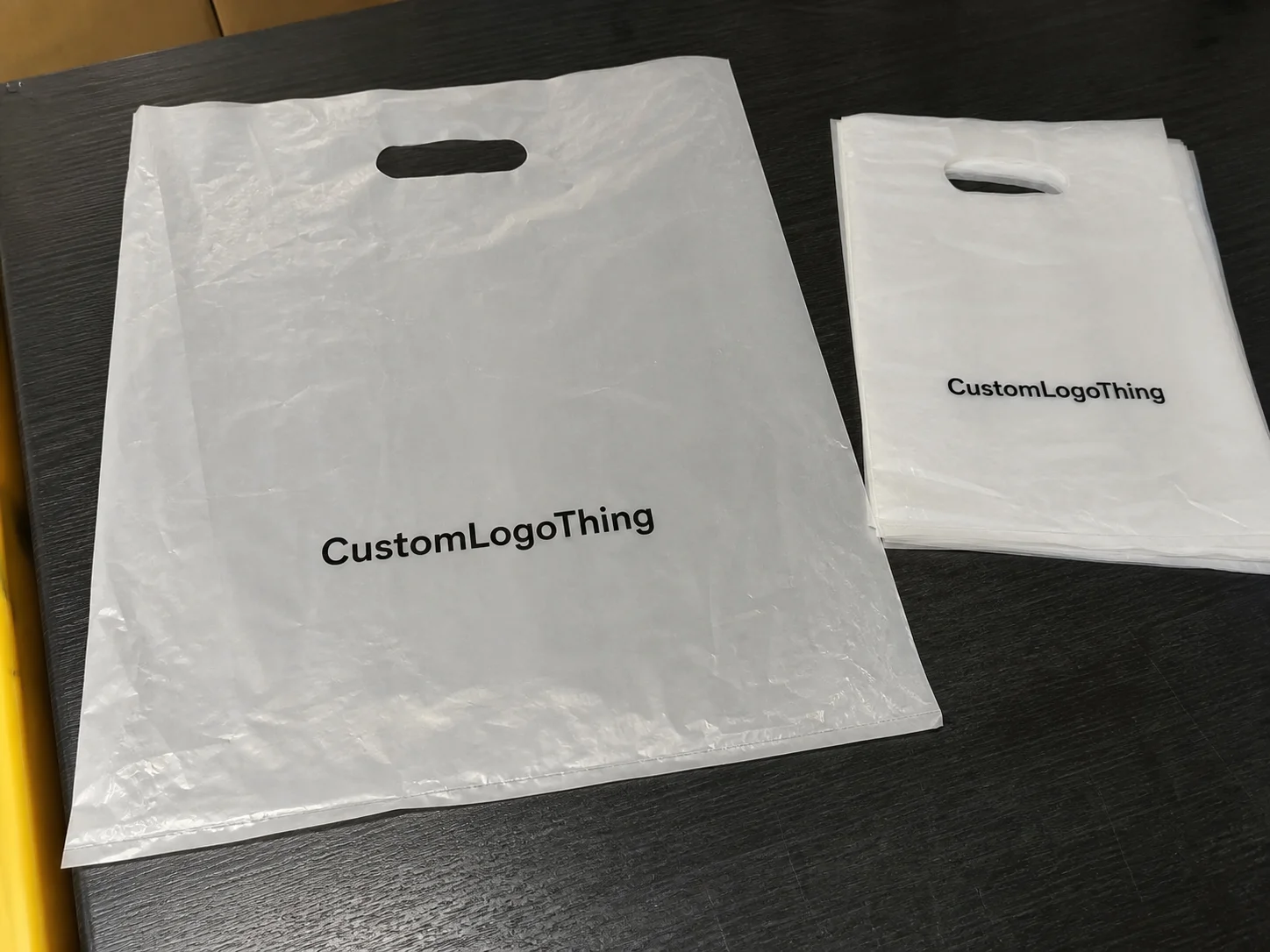
Branding still matters. You can print a logo, a short sustainability message, a QR code, or return instructions on eco friendly mailing bags for apparel without wrecking the structure, but ink choice matters. Heavy flood printing, metallic effects, and multiple white underlayers can make a recyclable bag harder to process or raise cost fast. If your brand wants a clean look, one-color printing on a matte recycled bag often gives the best price-to-impact ratio. I like simple work. It usually ages better than busy design.
If you want packaging performance benchmarks, the testing language usually circles around ASTM methods for material properties and transport durability, and some brands also reference ISTA packaging test standards to validate shipping performance. For sustainability claims, people often talk about the paper and fiber side through FSC certification when paper components are involved. Not every mailer needs every credential, but you should know what your supplier can prove and what they’re just saying with nice graphics.
“If your packaging claim cannot survive a customer service email, it is not a claim. It is a liability with better branding.”
Key Factors That Decide the Right Mailer
Material choice comes first, because eco friendly mailing bags for apparel are not one product category. They’re a family of options with different tradeoffs. Recycled content is usually the easiest place to start if your brand wants a lower environmental impact without scaring the warehouse team. Many buyers ask for 30% to 100% recycled PE, depending on appearance, seal strength, and budget. If your customer base is skeptical of “plastic,” a mono-material recyclable mailer may fit the brand story better. Compostable bags are more niche, and I only recommend them when the disposal path makes sense for your audience. If your customers mostly live in apartments with no compost collection, the marketing story starts to wobble.
Size and fit are where money disappears quietly. Oversized eco friendly mailing bags for apparel waste material, increase postage in some cases, and make the package look lazy. Too tight, and the seam can burst or garments arrive wrinkled like they slept in a suitcase. I’ve had clients send me a size chart after ordering 14 different bag dimensions for 9 garment types. That is not strategy. That is a confession of panic. A better approach is to map folded garment dimensions, then choose one or two optimized sizes that cover 80% of orders.
Thickness and strength are usually measured in microns for plastic mailers, though some suppliers still talk in mils or internal specifications. For lightweight tees, a 40-micron or 50-micron recycled mailer can be enough. For hoodies and heavier basics, 60-micron or more may be safer depending on print coverage and seal design. The right gauge depends on whether your team packs from flat shelves, automated lines, or hand-folded retail presentation. If your products ship with tissue, stickers, or thank-you cards, that changes the fit too. Tiny inserts add up.
Print requirements Matter More Than brands expect. Eco friendly mailing bags for apparel can be branded with one-color logos, full-color artwork, inside prints, barcode zones, and handling icons. But every extra color usually pushes cost upward and may force a higher Minimum Order Quantity. If you need white ink on a dark recycled film, ask early whether the supplier uses gravure, flexo, or another process. I’ve sat through quote meetings where the buyer wanted five colors, matte finish, and a compostable structure at a budget that barely covered the resin. That math doesn’t work in any country I’ve visited.
Compliance and documentation are the part nobody wants to chase until a retail partner asks for it. If you are selling eco friendly mailing bags for apparel, ask for recycled content certificates, supplier declarations, and any third-party testing tied to compostability or recyclability claims. If a vendor says “eco friendly” but cannot show what that means in numbers, I treat that as marketing, not proof. Your customer service team should know exactly what they can say: “made with 80% recycled content” is solid. “Earth-friendly” is fluffy nonsense.
One more thing matters: disposal reality. A recyclable mailer only helps if the local recycling stream accepts the material and the customer actually uses it. That sounds obvious, but plenty of brands skip this part and then wonder why their sustainability messaging feels hollow. Eco friendly mailing bags for apparel should align with the markets you ship to, not just the creative brief you loved in the design review.
Cost and Pricing: What Apparel Brands Actually Pay
Let’s talk money, because that’s where packaging fantasies go to die. Eco friendly mailing bags for apparel usually cost more than plain virgin-poly stock bags, especially if you want custom printing, compostable materials, or specialty closure systems. The biggest price drivers are material type, size, print colors, order quantity, and extras like dual seals or tear strips. A simple recycled stock mailer might land around $0.06 to $0.14 per unit at volume, while a Custom Printed Compostable version can run much higher depending on construction and minimums. That range is wide on purpose. Packaging quotes love to pretend every project is “similar.” It isn’t.
Short runs are expensive. That’s the annoying truth. A 1,000-piece order of eco friendly mailing bags for apparel can cost twice as much per unit as a 10,000-piece order because the setup fees, plate charges, and manufacturing overhead get spread across fewer bags. I’ve seen a custom print plate package cost $280 on a modest run, which barely raised an eyebrow on a 20,000-piece order and looked ridiculous on a 1,000-piece order. The factory did the same work either way. The math doesn’t care about your launch excitement.
Custom versus stock is a real tradeoff. Stock mailers are cheaper and faster. Custom Printed Mailers improve brand presentation and can reduce the need for extra labels or belly bands. If your brand sends out 300 orders a week, stock may be smarter. If you ship 15,000 units a month and want the packaging to do part of the brand storytelling, Custom Eco Friendly mailing bags for apparel can pay off in repeat perception. I’m not saying customers fall in love with a bag. I am saying packaging affects whether they feel they bought from a brand that pays attention.
Hidden costs are where buyers get annoyed later. Freight from overseas can swing wildly depending on carton count and cubic volume. Storage fees matter if you over-order the wrong size. Returns from damaged bags are expensive, and they often get blamed on the mailer even when the issue was poor packout. I once reviewed a client’s packaging spend and found they were paying an extra $1,900 a month in preventable courier surcharges because oversized mailers pushed packages into a larger rate bracket. Two millimeters of wasted space. That was the difference between “cheap packaging” and “expensive habit.”
Here’s the part people get wrong: the cheapest mailer is not the lowest-cost choice. If a bag splits during transit, wrinkled merchandise gets returned, or your customer thinks the brand is sloppy, you lose money in support time and reputation. Eco friendly mailing bags for apparel should be judged on total landed cost, not just unit price. That includes shipping efficiency, damage rate, and re-order stability. A bag that costs $0.02 more but cuts defects by 3% is usually the better buy. Numbers beat vibes.
If you want another practical packaging route, many apparel brands compare eco friendly mailing bags for apparel against Custom Poly Mailers to see where print impact and cost land before they commit to a material family. That’s the right instinct. Compare, then commit. Don’t guess.
Step-by-Step Process to Source the Right Mailing Bag
Start with your product list. Seriously. Before you ask for quotes, build a simple sheet with garment type, folded dimensions, weight, and whether the item ships alone or with inserts. A 180 gsm hoodie and a 90 gsm tee don’t live in the same packaging universe. If you skip this step, suppliers will quote you a generic “medium” size and hope you won’t notice until the fit is sloppy. Eco friendly mailing bags for apparel need to be spec’d around reality, not around optimism.
Next, request samples from at least three suppliers. I prefer to compare feel, seal strength, print sharpness, opacity, and how the mailer behaves when stuffed and dropped. I once tested four mailers on a factory table in Jiangsu with folded leggings, a pair of metal clips, and a 1.2 kg sample pack. Two bags failed cleanly at the side seam. One was fine but had terrible print registration. The last one had the right structure, the right seal, and a price that made sense at 8,000 units. That’s the one the client bought. Not because it was pretty. Because it worked.
Then verify claims before ordering. Ask for recycled content proof, compostability certification if applicable, and material specification sheets. If a supplier claims 70% recycled content, get the documentation. If they say the bag is recyclable, ask whether they mean curbside in standard PE streams, store drop-off, or something narrower. Ask what ink is used and whether the print area affects recyclability. Honest suppliers won’t act offended. Shaky ones will get weirdly defensive, which tells you plenty.
Production timeline matters more than buyers want to admit. A custom order for eco friendly mailing bags for apparel may take sample approval, artwork proofing, manufacturing, and freight booking. Depending on the factory and order size, you might see 12 to 20 business days for production after proof approval, plus freight time. If your launch date is fixed and your Packaging Lead Time is loose, the whole plan gets ugly. I tell clients to treat packaging like apparel production: late approvals cost more than good samples do.
Place a pilot order before scaling. A two- to four-week shipment test in real fulfillment conditions tells you more than a showroom sample ever will. Watch seal failure, return handling, fit across multiple SKUs, and customer feedback on appearance. If the feedback is mixed, adjust before the next run. I’d rather revise a spec sheet now than explain why 4,000 bags are “close enough” later. Close enough is how budget gets burned.
- Map garment sizes and folded dimensions.
- Choose two material paths for samples.
- Request documentation for every eco claim.
- Test in live fulfillment for two to four weeks.
- Lock the final spec sheet and reorder plan.
Common Mistakes Apparel Brands Make
The biggest mistake I see is buying something that looks eco friendly but is functionally messy. Mixed layers, unknown coatings, and vague “green” branding can make eco friendly mailing bags for apparel harder to recycle than the buyer expected. A bag with a matte exterior and a glossy inner layer might look premium, but if it complicates end-of-life handling, the environmental story gets weak fast. Don’t confuse design with substance. Packaging can be both attractive and responsible, but the responsibility part needs proof.
Another common miss is ordering the wrong size. Too large, and you waste material, lose postage efficiency, and make the brand look sloppy. Too small, and you create seam stress or wrinkles that make premium apparel feel cheaper than it is. One client I worked with shipped silk blend tops in a mailer 20 mm too narrow. The bags survived, technically. The presentation did not. They moved to a slightly wider bag and the complaints dropped within one reorder cycle. Small fix. Big relief.
Skipping durability testing is a classic expensive mistake. Don’t rely on a single sample pulled from a clean box under office lighting. Stuff the bag. Drop it. Tape it. Let the warehouse team handle it with gloved hands and fast movements. See whether the adhesive survives cold storage or warm packing rooms. Eco friendly mailing bags for apparel have to behave like shipping packaging, not like a trade show prop.
Timing errors cause their own kind of pain. Custom packaging takes longer than most launch calendars allow, and apparel teams often plan photo shoots before packaging proofing is complete. That’s how you end up with beautiful product photography and no final shipping bag in the right size. I’ve seen that movie. It ends with rush fees and someone saying, “Can we just use the generic bags for now?” Sure. If “for now” means undermining the whole sustainability launch.
Claims are the last trap. If you cannot support the claim, don’t print it. That goes for compostable language, recycled content percentages, and any statement about being “fully sustainable.” Eco friendly mailing bags for apparel should be backed by documents your team can actually retrieve in an audit or customer inquiry. Loose claims feel clever until they become customer service tickets.
Expert Tips to Improve Performance, Brand, and Sustainability
Use mono-material structures whenever you can. They’re generally easier for recycling systems to handle than multi-layer bags, and they simplify the story you tell customers. If you need a white print panel or a certain opacity, talk to the supplier about how to achieve it without building a material sandwich that nobody can sort later. Eco friendly mailing bags for apparel work best when the construction is simple and the spec is honest.
Keep artwork clean. One strong logo usually beats three slogans, two icons, and a sustainability badge the size of a postage stamp. It also tends to cost less. I learned that the hard way during a negotiation with a supplier who quoted me an extra $0.021 per unit for a second print color and another $150 for plate changes. For a 12,000-piece run, that was real money. We cut the design to one bold mark and saved enough to upgrade the adhesive strip. Much better use of budget.
Match the bag to the product. Heavy outerwear needs a stronger bag and probably a more careful structure than basic tees. Loungewear, socks, and leggings can usually live happily in lighter recycled mailers. Eco friendly mailing bags for apparel should reflect your actual SKU mix, not your brand mood board. If 70% of your orders are tees and underwear sets, do not spec the whole line around your one oversized puffer jacket drop.
Ask suppliers about Minimum Order Quantity flexibility and rush options. A factory that can help you with 3,000 units now and 15,000 units later is often more useful than one that only wants to talk about giant annual volumes. Also ask whether they can optimize panel size to reduce waste during production. A few millimeters saved in width can mean lower material use and better freight loading. That is not sexy, but it is smart.
Plan the customer experience. If your eco friendly mailing bags for apparel have return strips, make them easy to spot. If the disposal instructions matter, keep them short and plain. If you want the package to feel premium, focus on tactile finish and print restraint instead of piling on extras. Luxury is often just discipline with a nicer font. The best mailers I’ve seen were simple, strong, and clearly thought through. No drama. No fluff.
For sustainability messaging, use public standards and credible references rather than vague feel-good language. The EPA has plain-language resources on recycling and waste reduction, and that’s a useful place to anchor your internal education before your team writes copy. If your packaging includes paper components, FSC certification can support responsible sourcing claims. If you need transport testing validation, ISTA standards are commonly referenced in packaging qualification. Use the right tool for the right claim. Fancy words are not validation.
Next Steps for Choosing the Right Apparel Mailer
Start with an audit of your current packaging. Note bag size, defect rate, postage cost, and customer complaints about waste or presentation. You’ll usually find one of three things: you’re using a bag that’s too big, a bag that’s too weak, or a bag that looks cheaper than your product deserves. Eco friendly mailing bags for apparel should solve at least two of those three problems. If they solve all three, great. Buy the winner.
Then choose your top two material paths and ask for side-by-side samples with real garments, not empty bags. Put a folded tee, a hoodie, and your typical insert inside. Check fit, seal, print quality, and how the bag feels in hand. I still trust hands-on sample testing more than a PDF. Paper can lie. Plastic can lie. A packer trying to move 500 orders before lunch does not lie.
Ask for quotes that include unit price, setup fees, freight, lead time, and re-order pricing. That way you can compare apples to apples, not a cheap headline price against a hidden-cost surprise. Eco friendly mailing bags for apparel often look inexpensive until the freight line shows up and the Minimum Order Quantity makes you swallow hard. Better to know now than after approval.
Run a small shipment test with your fulfillment team and track seal failure, fit, and customer feedback. Ask the team what slows them down. Ask customer service whether they hear complaints about damage or awkward unboxing. That operational feedback is worth more than a polished pitch deck. If the bag passes real use, you’ve got something worth scaling.
Finally, set your final spec sheet now. Record dimensions, material structure, thickness, print colors, seal type, and approved artwork. That makes reordering easier and keeps your supplier from “helpfully” changing something later because they thought it would save a cent. Eco friendly mailing bags for apparel are easiest to manage when your spec sheet is boringly precise. Boring is beautiful in procurement.
If you want a packaging setup that feels responsible without turning your warehouse into a science project, eco friendly mailing bags for apparel are a strong place to start. Just remember the part nobody wants to say out loud: the bag only works if the material, size, print, and disposal story all line up. Get those right, and eco friendly mailing bags for apparel can protect your products, support your brand, and keep shipping costs from running wild. Get them wrong, and you’ll pay for pretty nonsense twice.
Eco Friendly Mailing Bags for Apparel: decision table
| Decision area | Best fit | What to verify | Risk if skipped |
|---|---|---|---|
| Board or flute choice | Product protection, stacking strength, and shipping distance | Caliper/flute, crush resistance, and sample fit | Weak structure or oversized cartons increase damage and freight cost |
| Print and finish | Retail presentation, unboxing, and shelf recognition | Color proof, coating, scuff resistance, and logo placement | A good dieline can still look cheap if finish and color drift |
| Packing method | Hand packing, ecommerce fulfillment, or retail-ready cartons | Inner count, master carton, label position, and warehouse handling | Good packaging slows operations if pack-out is ignored |
FAQ
What are the best eco friendly mailing bags for apparel?
The best option depends on your product mix, but recycled polyethylene mailers are often the most practical for apparel because they balance strength, cost, and lightweight shipping. If your brand prioritizes end-of-life claims, look at mono-material recyclable mailers or compostable mailers only when your customers actually have access to proper disposal systems.
Are eco friendly mailing bags for apparel more expensive?
Usually, yes, especially for custom printed or compostable versions. The price difference often comes from material sourcing, minimum order quantities, and print setup, but the real cost also includes freight savings, damage reduction, and brand value.
How do I know if a mailing bag is actually eco friendly?
Ask for material specs, recycled content percentages, and third-party documentation instead of relying on vague marketing claims. Check whether the bag is mono-material, recyclable in standard streams, or certified compostable under a recognized standard.
How long does it take to produce custom eco friendly mailing bags for apparel?
Timeline depends on sampling, artwork approval, and production capacity, but custom orders usually take longer than stock mailers. Build in time for samples, proofing, and freight so you do not miss launch dates or run out of inventory.
Which apparel types work best with eco friendly mailing bags for apparel?
Flat-folded basics like T-shirts, socks, leggings, and lightweight hoodies usually work best. Bulky or fragile items may need thicker mailers, larger sizes, or a different packaging format to avoid damage.