Buyer Fit Snapshot
| Best fit | Eco Friendly Shipping Cartons Bulk for Reliable Supply projects where brand print, material claims, artwork control, MOQ, and repeat-order consistency need to be specified before quoting. |
|---|---|
| Quote inputs | Share finished size, material target, print colors, finish, packing count, annual reorder estimate, ship-to region, and any compliance wording. |
| Proofing check | Approve dieline scale, logo placement, barcode or warning zones, color tolerance, closure strength, and carton packing before bulk production. |
| Main risk | Vague material claims, crowded artwork, missing packing details, or unclear freight terms can make a low unit price expensive after revisions. |
Fast answer: Eco Friendly Shipping Cartons Bulk for Reliable Supply should be specified like a repeatable production item. The safest quote records material, print method, finish, artwork proof, packing count, and reorder notes in one written spec.
Production checks before approval
Compare the actual filled-product size with the drawing, then confirm tolerance on folds, seals, hang holes, label areas, and retail display edges. Reserve space for logos, QR codes, warning copy, and material claims before decorative graphics fill the panel.
Quote comparison points
Review material grade, print process, finish, sampling route, tooling charges, carton quantity, and freight assumptions side by side. A quote is only useful when the supplier can repeat the same color, closure quality, and packing count on the next order.
Eco Friendly Shipping Cartons bulk can look like a line item on a procurement sheet, but the carton often decides whether a shipment arrives cleanly or comes back as a damage claim. I have watched a perfect-looking product fail because the box left too much room to move, and I have also seen a modest, recycled corrugated carton outperform a more expensive package simply because the fit was right. That pattern is common. Oversized cartons invite movement, undersized cartons create stress points, and the useful middle ground is a box that fits the product, protects the corners, and does not waste freight on empty space. That is the practical appeal of eco friendly shipping cartons bulk for teams that ship every day and need the numbers to hold up.
Why Eco Friendly Shipping Cartons Bulk Solve Real Shipping Problems
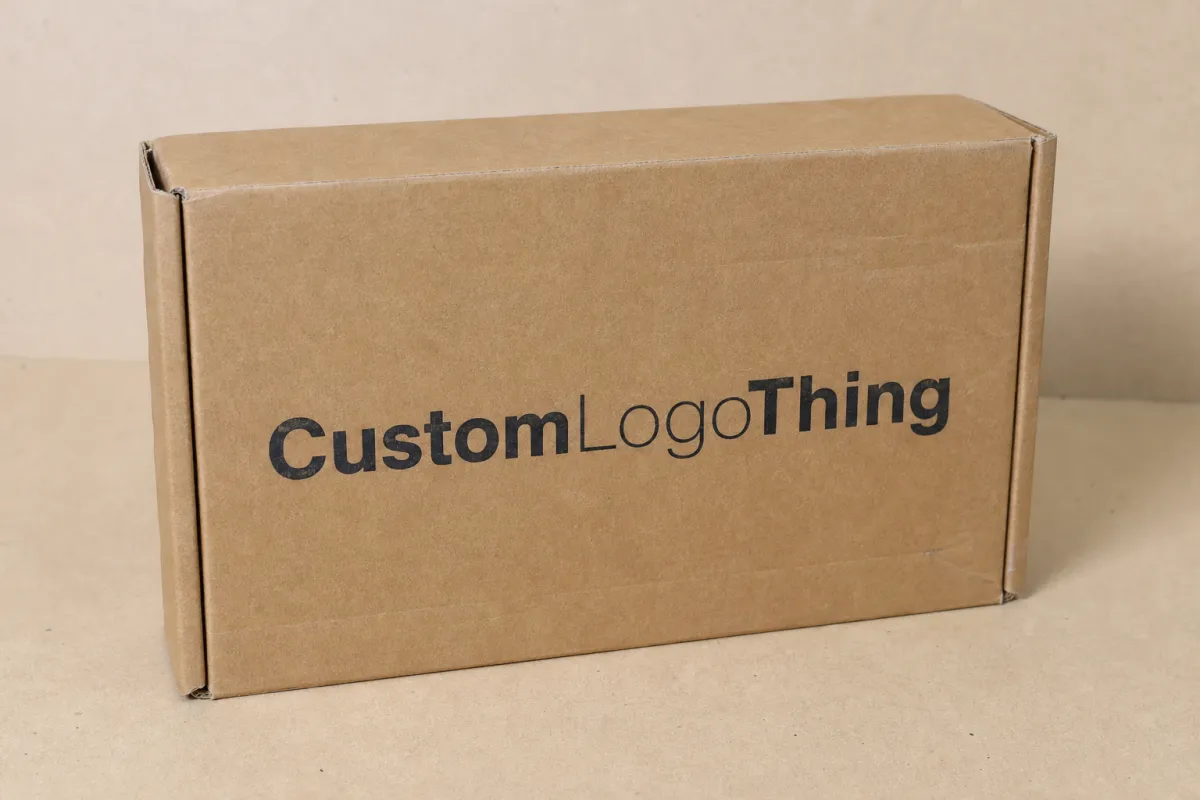
Eco friendly shipping cartons bulk solve a logistics problem before they become a sustainability story. Right-sized corrugated cartons reduce the amount of filler needed, limit movement inside the box, and keep dimensional weight from inflating freight bills. A package that is two inches too wide can cost more than the product inside, especially in parcel networks that price by cube as much as by weight. That shows up on the invoice, at the pack bench, and in the return pile.
For buyers, the bulk part matters just as much as the material. Eco friendly shipping cartons bulk give warehouse teams one carton standard to learn, stock, and reorder. Fewer carton variations mean fewer picking mistakes and less time spent explaining which size goes with which product line. In multi-site operations, that consistency can be the difference between a steady pack station and a floor full of improvised substitutions.
Storage becomes simpler too. Eco friendly shipping cartons bulk are easier to stack, count, and replenish when the dimensions stay consistent across reorder cycles. That makes warehouse planning less chaotic and helps reduce the hidden cost of carton clutter. A tidy carton program does not just look better on a spreadsheet; it frees up floor space, trims handling time, and lowers the odds of grabbing the wrong box during a rush.
The strongest packaging programs stop pretending sustainability and efficiency live in separate columns. Recyclable corrugated cartons can support both goals. When eco friendly shipping cartons bulk are sized correctly, the result is less waste in transit, less filler at pack-out, and fewer replacement shipments after damage. That is a cleaner system, not just a greener one.
Eco Friendly Shipping Cartons Bulk: Material Options and Product Details
Eco friendly shipping cartons bulk usually begin with corrugated board, and single-wall construction covers a large share of everyday ecommerce needs. A 32 ECT carton or a 200# burst-test carton often works well for apparel, books, cosmetics, and other lightweight to midweight goods. Those shorthand ratings are common in the market, though they measure different things, so they are not exact substitutes. Heavier products, stacked pallets, or routes with more handoffs often call for 44 ECT or 275# double-wall builds, where the extra layers help the box resist crush and side pressure.
Single-wall versus double-wall
Eco friendly shipping cartons bulk made from single-wall board can perform well when the product is not especially heavy and the carton is not expected to endure repeated compression. Double-wall makes more sense once the shipment has to survive stacking, moisture risk, or rougher handling. The extra liner and medium layers improve compression strength without forcing the carton into a bulky profile that wastes space.
That said, stronger is not automatically better. I have seen buyers overspec a carton because they wanted to avoid one more damage claim, only to pay for board weight they did not need and pay again in added freight. The better move is to match the carton to the actual lane, actual product weight, and actual handling pattern.
Recycled content and certified paper
Eco friendly shipping cartons bulk often include recycled fiber, and that detail matters for more than optics. Recycled content can support waste-reduction goals while still delivering reliable corrugated performance, provided the board grade is matched to the product and shipping route. If your program needs certified fiber, FSC certification is a common reference point for brands that want traceability in the paper source as well as the finished carton. It does not guarantee better performance by itself, but it does help document sourcing.
Carton structure deserves the same attention as board grade. Eco friendly shipping cartons bulk can be produced as standard RSC shippers, die-cut mailer-style boxes, tuck-top formats, or self-locking designs that speed assembly at the pack bench. Hand holes, tabs, and simple locking dust flaps save time every time a carton moves through the line. Print and finishing choices need a careful hand too. Heavy varnish, unnecessary laminates, or adhesives that complicate recovery can weaken the environmental case even if the box itself is corrugated.
There is no single best material for every order. Eco friendly shipping cartons bulk should be matched to product weight, route length, the number of handling touches, and the amount of stack pressure expected before delivery. A carton that looks efficient on paper but fails inside a distribution center is not a smart buy. It becomes a return, a replacement, and another shipment.
Specifications That Matter in Bulk Orders
Eco friendly shipping cartons bulk should be quoted from a real specification, not a rough guess. Internal dimensions, board grade, flute type, Edge Crush Test, burst strength, and the expected load should all be on the table before a price is approved. A carton quote built on fuzzy numbers usually leads to one of two problems: a box that is stronger than needed and overpriced, or a box that is too light for the job and fails under load.
Here is the short list buyers should confirm before moving forward with eco friendly Shipping Cartons Bulk:
- Internal dimensions so the carton fits the actual product, inserts, and protective wrap.
- Board grade so the strength matches the product weight and shipping lane.
- Flute profile such as B-flute, C-flute, or double-wall combinations.
- Closure style including RSC, die-cut, self-locking, or tuck-top formats.
- Print area if handling marks, branding, or barcode placement are required.
Eco friendly shipping cartons bulk should be tested with real products, not empty samples or mock fillers. A carton can look perfect on a spec sheet and still fail once the actual item, insert, and void space are packed inside. The reverse happens too: a carton that feels stiff in the hand can buckle after pallet stacking. Sample testing with the real pack-out is the surest way to check fit, compression, and protection before the full run begins.
Fragile, heavy, and temperature-sensitive goods deserve a tighter spec. Eco friendly shipping cartons bulk used for glass, ceramics, or premium electronics often need stronger board, cleaner score lines, and more exact panel fit so seams do not split when weight settles across the box. For a practical benchmark, pairing the carton with an ISTA shipping profile can show whether it survives actual transit conditions rather than a friendly warehouse test.
One more detail gets overlooked often: humidity. Corrugated board loses strength as moisture rises, and a carton that passes in a dry sample room may behave differently in a dock area in August or in a cold chain lane with condensation risk. The better spec accounts for the real environment, not the ideal one.
Pricing, MOQ, and Quote Factors for Eco Friendly Shipping Cartons Bulk
Eco friendly shipping cartons bulk are priced by far more than carton size. Board grade, print coverage, custom tooling, quantity, and die-cut complexity all shape the final number. A plain stock-size carton often lands at a low unit cost, while a custom printed carton with a locking structure and two-color artwork pulls in setup time and tooling expense. The quote looks simple until the details start moving.
Minimum order quantity changes the math fast. Eco friendly shipping cartons bulk purchased in 5,000 to 10,000 piece runs usually earn better per-unit pricing than small custom orders because the fixed setup cost gets spread across more cartons. As a broad market reference, a simple single-wall carton may sit around $0.35-$0.70 per unit at higher volumes, while custom die-cut or double-wall versions can move into the $0.85-$1.60 range depending on size, board, and print coverage. Those are directional ranges, not promises, because paper markets, freight lanes, and regional manufacturing costs can shift quickly.
| Carton Type | Typical Spec | MOQ Tendency | Typical Unit Price | Best Fit |
|---|---|---|---|---|
| Stock single-wall | 32 ECT, RSC style | Lower MOQ | $0.35-$0.70 | Light ecommerce shipping and replenishment |
| Custom single-wall | 32-44 ECT, printed or plain | Medium MOQ | $0.45-$0.95 | Retail kits, branded mailers, and recurring orders |
| Double-wall heavy duty | 44 ECT or 275# test | Medium to higher MOQ | $0.85-$1.60 | Heavy products, stacked pallets, rough handling |
| Printed custom die-cut | Custom tooling, branded panel layout | Higher MOQ | $1.00-$2.25 | Retail-ready presentation and strong brand presence |
Freight and storage need to be in the quote too, because the landed cost is not just the carton price on the invoice. A lower unit cost can disappear once pallet footprint, inbound freight, and warehouse space are factored in. Eco friendly shipping cartons bulk can make sense on paper and still strain operations if the pallet count is too high or the cartons eat too much cube. For buyers with recurring demand, a wholesale program often reduces cost swings and makes replenishment easier to plan, which matters more than a tiny difference in unit price. If you need a broader supply program, our Wholesale Programs page is a useful starting point for volume-based pricing.
Value shows up in daily use, not only in the quote. Eco friendly shipping cartons bulk can reduce void fill, shorten pack time, and cut damage claims in a way that unit pricing alone never captures. The best carton is usually the one that protects the product with the least extra material and the least extra labor.
Process, Timeline, and Lead Time for Bulk Production
Eco friendly shipping cartons bulk usually move through a familiar sequence: inquiry, specification review, quotation, structural confirmation, artwork approval, sample production, full run, and shipping. The path is orderly on paper, but early changes have a habit of echoing through the schedule later. If dimensions or graphics are still shifting after the quote, the timeline stretches even when the plant is running on time.
A straightforward order for eco friendly shipping cartons bulk often takes about 12-15 business days from proof approval once the carton style, artwork, and board spec are locked. Custom tooling, unusual die-cut shapes, or heavier print coverage can add time. A first sample may add another step if the buyer wants to test the carton in the actual pack-out before production starts. The smoothest projects are the ones that settle product weight, fill method, and delivery target early.
That timeline can compress, but only to a point. Stock carton sizes with simple print are easier to accelerate than a new die-cut design, and freight moves only so fast before cost climbs. A strong schedule depends on fast proof approval, a real delivery date, and early notice of any receiving limits at the warehouse. The more stable the input, the less the timeline wanders.
- Send dimensions, product weight, and quantity for a quote.
- Review the carton style, material, and print layout.
- Approve the proof or request a sample.
- Test the sample with real product and inserts.
- Release the full run after final approval.
- Confirm pallet count, freight booking, and delivery timing.
Eco friendly shipping cartons bulk are easiest to deliver on time when the sample is approved against real pack-out materials, not a placeholder product. That habit protects the schedule and reduces the odds of discovering a fit issue after the press has already been booked. In packaging, late changes are rarely small; they usually trigger extra freight, extra handling, and extra frustration for the fulfillment team.
Why Choose Us for Sustainable Packaging Supply
Eco friendly shipping cartons bulk work best when the supplier understands corrugated performance and the realities of the packing floor. That means clear spec review, realistic recommendations, and enough technical detail to match the carton to the product instead of pushing the product into a generic box. A strong packaging partner should ask how the carton will be used, how often it will be handled, and whether it needs to support ecommerce shipping, retail replenishment, or warehouse transfer.
Eco friendly shipping cartons bulk also benefit from consistency across reorder cycles. If the first run fits well, the second and third runs should match that result. Fulfillment teams cannot afford guesswork when the line is moving quickly and the same carton may be used across several shifts. Reliable sizing, repeatable board performance, and steady communication keep the operation from drifting into avoidable mistakes.
For buyers managing multiple packaging formats, eco friendly shipping cartons bulk should fit into the larger system rather than sit off to the side. A brand may need cartons for heavier products, Custom Shipping Boxes for structured shipments, and Custom Poly Mailers for lighter items that do not require corrugated protection. If you want a wider view of what can sit around the carton program, our Custom Packaging Products catalog shows how different shipping materials can work together without creating chaos for the back end.
What matters most is performance, not hype. Eco friendly shipping cartons bulk should ship efficiently, support package protection, and hold up through real transit conditions without creating waste or confusion for the warehouse crew. That is the standard any serious packaging supplier should meet.
Next Steps to Order Eco Friendly Shipping Cartons Bulk
Eco friendly shipping cartons bulk are easiest to quote when the buyer starts with hard facts: product dimensions, actual weight, monthly usage, and whether the carton needs print, handles, or a special closure. If the item goes into a sleeve, insert, or protective wrap, measure the packed version as well, because outside size determines fit and freight. A carton sized from the bare product alone often comes back too tight once the real pack-out is added.
Eco friendly shipping cartons bulk should be planned around consumption rate, not only the first order size. A warehouse that uses 800 cartons a month and stores two months of inventory faces a very different buying decision than a seasonal line that jumps to 3,000 units for six weeks. Tracking usage avoids stockouts, keeps storage from overflowing, and gives you time to reorder before the shelf runs dry.
Before sending the order, it helps to include photos of the current packaging, examples of damaged shipments if you have them, and any shipping lane details that may affect performance. Eco friendly shipping cartons bulk for local routes are not always built the same way as cartons that have to survive long-distance parcel networks, pallet transfers, and repeated handling. If the carton is fragile, heavy, or unusually shaped, ask for a sample or prototype first. A short test costs far less than a full run of the wrong spec.
The most practical next step is simple: measure the packed product, confirm the shipping lane, and request a sample built on the board grade you are actually considering. That gives you a real check on fit, strength, and pallet count before you commit to a bulk order. It is slower than guessing, and much cheaper.
What is the MOQ for bulk carton orders?
MOQ depends on carton size, board grade, print requirements, and whether tooling is needed. Stock-style cartons usually allow lower minimums than fully custom die-cut designs, and larger quantities almost always reduce unit cost. If your monthly usage is steady, compare MOQ options against your reorder rhythm so you do not overbuy inventory you cannot store comfortably.
Are bulk cartons strong enough for heavy products?
Yes, if the board grade, flute profile, and edge crush test are matched to the product weight and shipping route. Double-wall or higher-performance board may be the right choice for heavy items, stacked pallets, or shipments that move through several handling points. Testing with the actual packed product is the most reliable way to confirm strength, because weight distribution often changes once inserts and accessories are added.
Can I add custom printing to bulk shipping cartons?
Most bulk carton programs can be printed with a logo, handling instructions, SKU marks, or simple brand graphics. One- and two-color print is common for cost control, while more detailed artwork may require extra setup. If sustainability is a priority, ask about ink and coating choices so the print treatment supports recycling and does not create avoidable complications at end of life.
How long does production take for bulk carton orders?
Lead time depends on whether the carton is stock, custom, printed, or requires new tooling. Sample approval and artwork sign-off often affect the schedule more than the board manufacturing itself. The fastest projects are the ones where dimensions, artwork, and delivery details are confirmed early, because that lets the production plan stay stable from proof to pallet.
How do I choose the right size for bulk cartons?
Measure the product at its widest, tallest, and deepest points, then add space for inserts or protective wrap. Avoid oversizing, because extra void space can raise damage risk and increase dimensional weight. A trial pack with the real product is still the best way to confirm fit before you commit to a full run, especially if the item has odd corners, delicate surfaces, or mixed accessories.