Buyer Fit Snapshot
| Best fit | Offset Printed Shipping Cartons Bulk projects where brand print, material claims, artwork control, MOQ, and repeat-order consistency need to be specified before quoting. |
|---|---|
| Quote inputs | Share finished size, material target, print colors, finish, packing count, annual reorder estimate, ship-to region, and any compliance wording. |
| Proofing check | Approve dieline scale, logo placement, barcode or warning zones, color tolerance, closure strength, and carton packing before bulk production. |
| Main risk | Vague material claims, crowded artwork, missing packing details, or unclear freight terms can make a low unit price expensive after revisions. |
Fast answer: Offset Printed Shipping Cartons Bulk: Board, Finish, Dieline, and Unit Cost should be specified like a repeatable production item. The safest quote records material, print method, finish, artwork proof, packing count, and reorder notes in one written spec.
Production checks before approval
Compare the actual filled-product size with the drawing, then confirm tolerance on folds, seals, hang holes, label areas, and retail display edges. Reserve space for logos, QR codes, warning copy, and material claims before decorative graphics fill the panel.
Quote comparison points
Review material grade, print process, finish, sampling route, tooling charges, carton quantity, and freight assumptions side by side. A quote is only useful when the supplier can repeat the same color, closure quality, and packing count on the next order.
A carton can look cheap on a spreadsheet and still behave like a hidden surcharge on the business. Packing slows down. Ink scuffs. Corners crush in transit. Returns creep up. That is why offset Printed Shipping Cartons bulk usually enters the conversation when a brand is moving real volume, not just testing a concept. The box has to protect the product, present the brand with some dignity, and avoid wasting money in freight or labor. Simple ask, not always a simple box.
There is another wrinkle that buyers sometimes miss: the real cost is rarely the unit price. It is the landed cost. That includes board, print setup, make-ready, freight, warehouse labor, and the cost of a carton that fails after it leaves the dock. A program built around Offset Printed Shipping cartons bulk can reduce waste in more than one place at once, especially when the same structure repeats across a stable shipping lane. If a carton causes rework, damaged goods, or a stack of boxes that do not close cleanly, the quote stops mattering pretty fast.
Offset printing earns its place because it delivers tighter color control, cleaner solids, and sharper text than many lower-resolution methods. On corrugated shipping cartons, that often means a litho-printed sheet is laminated to the board or the print is applied on a prepared surface, rather than a quick direct print that looks fine from six feet away and tired up close. That distinction matters for brands that use the carton as part of the product experience. With offset printed Shipping Cartons Bulk, the graphics can carry logo work, handling icons, and product messaging without turning washed out or muddy.
Scale changes the math. Repeat orders, shared carton families, and programs that need consistent presentation across multiple regions all make bulk ordering easier to justify. Procurement teams like stability for a reason. A steady offset printed shipping cartons bulk program keeps inventory cleaner, reduces reorder friction, and cuts the odds that a later run drifts in color or fit from the first one.
The operations side is easy to underestimate. A carton that folds the same way every time and fits the product within a predictable tolerance can save seconds at the pack table. Multiply that by thousands of units and the savings stop being theoretical. I once watched a warehouse team shave roughly 8 to 10 seconds off pack-out on a single carton change. That did not sound dramatic in the meeting room. Across a quarter, it was the difference between a line that felt calm and one that was always catching up. That is the real shape of offset printed shipping cartons bulk: it is not just a print choice, it is a packaging system decision.
Why offset printed shipping cartons bulk makes sense for high-volume programs
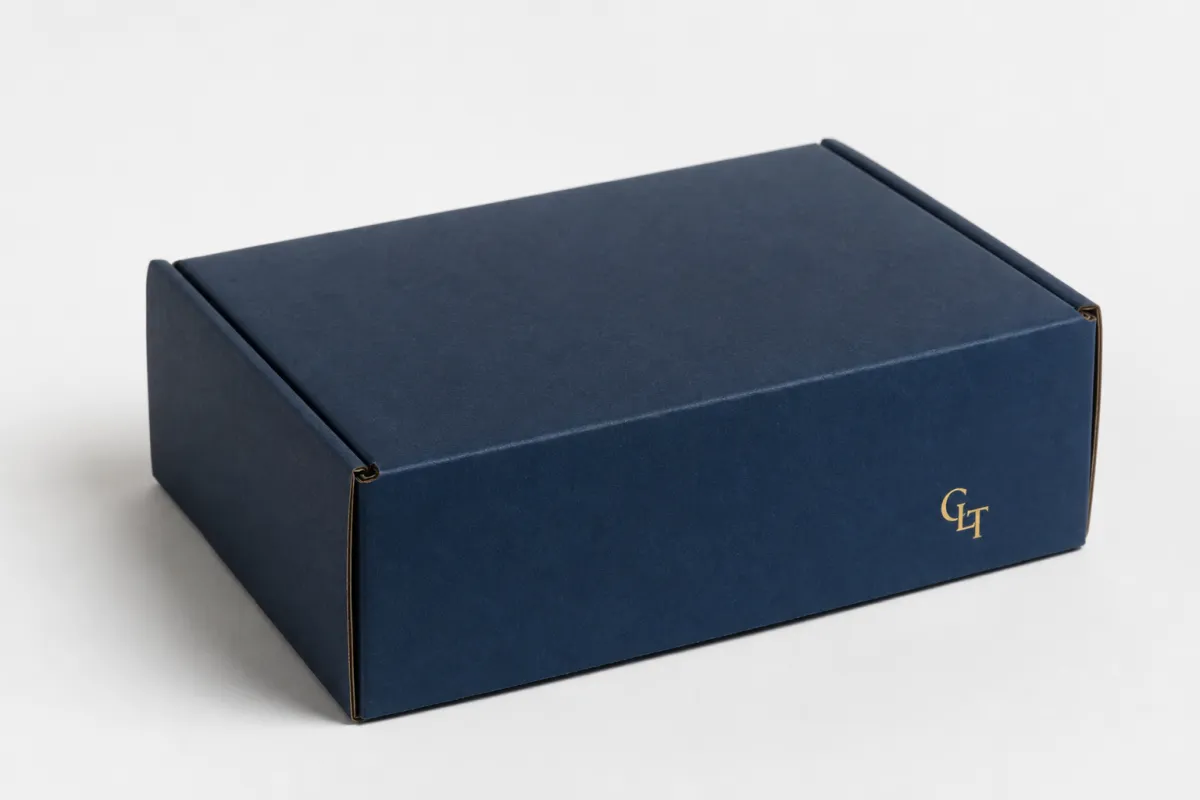
Buyers usually start with a blunt question: can the packaging look good and survive the route? With offset printed shipping cartons bulk, the answer is often yes, provided the structure and board spec are matched to the shipping lane. A carton that looks spotless in a studio still has to survive a pick-and-pack warehouse, a carrier network, and a doorstep. Those are three different stress tests, and they do not care what the render looked like.
Control is the real advantage of offset printing. Ink lays down more evenly, fine type stays readable, and artwork keeps more detail on large runs. If the carton carries brand assets, compliance marks, or direct-to-consumer messaging, those elements are not decoration. They are part of the product story. In many offset printed shipping cartons bulk programs, the carton speaks before the buyer even gets to the tape.
Landing cost tells the rest of the story. A lower box quote can disappear quickly if the carton requires extra packing time, creates more damage claims, or forces a secondary label because the printed information was not planned correctly. offset printed shipping cartons bulk makes sense when buyers weigh the whole system instead of chasing the lowest unit number. Ecommerce makes that lesson expensive; one weak package can become a return, a replacement, and a customer who notices the crack in the process.
Repeatability is another reason offset printing holds up in bulk programs. As reorder frequency rises, consistent registration and color management matter more, not less. A family of sizes under one visual system benefits from that stability. offset printed shipping cartons bulk gives brands a cleaner way to keep standards aligned without fighting visible variation from run to run. That consistency matters most when multiple plants, warehouses, or co-packers touch the same packaging spec.
Here is the rule of thumb I keep seeing in buyer conversations: if the packaging is handled often, seen often, or ordered often, offset printing becomes easier to justify. The economics of offset printed shipping cartons bulk are tied to what happens after the press, not just on it. The carton has to behave in the warehouse, on the pallet, in the truck, and at receiving. If it does not, the cost shows up somewhere else.
Structural planning carries the same weight. A well-made shipping carton can improve crush resistance, stack integrity, and pallet stability. Those gains are easy to miss because they do not show up as a line item. They show up as fewer claims and less friction. That is the core reason many buyers return to offset printed shipping cartons bulk after the first trial run proves the concept. The box stops being a commodity and starts acting like a controlled variable.
"The cheapest carton is not the cheapest program if it slows the line or comes back damaged. A good bulk carton has to print well, stack well, and pack out without a fight."
Some buyers compare carton programs with Custom Packaging Products and broader Wholesale Programs so sourcing stays aligned across product lines instead of being handled one box family at a time.
Brands that need more than a plain brown shipper usually find offset printed shipping cartons bulk to be the most straightforward route. Presentation and performance stay on the same track, which matters when demand swings seasonally or when retail and ecommerce both rely on the same packaging system.
Product details: carton styles, print coverage, and finishing options
The first decision in offset printed shipping cartons bulk is carton style. Shipping mailers, regular slotted containers, die-cut mailers, tray-and-lid formats, and product-specific shippers all solve different problems. A mailer may be ideal for lightweight ecommerce shipping. A regular slotted container may be the better answer for heavier goods that need more predictable stack strength. Odd dimensions or delicate surfaces usually point toward a custom die-cut solution because fit and presentation both improve.
Print coverage comes next. Some buyers only need exterior branding, a logo, and handling instructions. Others want interior print, full-bleed artwork, or both. offset printed shipping cartons bulk can support all of those approaches, but cost and setup shift as coverage grows. Spot color work is often the cleaner choice for brands that want a controlled look without heavy ink coverage, while full-process graphics work well when the carton is part of the marketing narrative.
Print zones need attention before the artwork locks. A carton may need a clear panel for variable labeling, a barcode area, a QR code for registration, or a shipping label window that still reads after handling. With offset printed shipping cartons bulk, those details belong in the layout early so the final design does not fight the fulfillment workflow later. Miss that step and the warehouse will remind you, usually in a hurry.
Finishing affects both appearance and durability. Aqueous coating helps with scuff resistance, while varnish can control the surface feel and rub. Matte finishes usually create a quieter, more premium look. Gloss can make graphics pop under warehouse lighting. For cartons that move a lot, a scuff-resistant surface is often worth the modest added cost because the box is less likely to come out of transit looking tired. That matters in offset printed shipping cartons bulk programs where the carton is expected to carry the brand line all the way through delivery.
Structural details matter just as much as graphics. Locking tabs, dust flaps, inserts, partitions, and reinforced edges all change how a carton behaves in real use. A hand-pack line may call for quick folding and fast closure. An automated line may demand tighter control on score placement and glue flap geometry. In both cases, offset printed shipping cartons bulk should be designed around actual pack-out behavior, not a showroom version of it.
One more technical detail deserves a plain answer: offset on corrugated is usually not the same as a straight direct-print kraft box. In bulk programs, the printed surface is often a pre-printed litho sheet laminated to the corrugated board, which is why the carton can show better image fidelity and more consistent color. That matters when brand teams want the box to look intentional instead of merely functional. There is nothing magical about it. It is just a better fit for the jobs that need sharper graphics.
Here is a simple comparison many buyers use during early planning:
| Carton style | Best fit | Typical benefit in bulk |
|---|---|---|
| Regular slotted container | Standard shipping and palletized freight | Efficient board use and reliable stacking |
| Die-cut mailer | Ecommerce shipping and branded unboxing | Cleaner presentation and easier closure |
| Tray and lid | Retail-ready packs and premium presentation | Strong visual impact with controlled fit |
| Product-specific shipper | Fragile or irregular items | Better package protection and less movement in transit |
That table is a starting point, not a verdict. The best choice still depends on product weight, stacking behavior, and what happens after the carton leaves the dock. A good offset printed shipping cartons bulk specification reflects warehouse behavior, not ideal sample conditions. Many programs do best with a carton that is simple enough to build efficiently and specific enough to protect the product through the route.
If recycled fiber content, traceability, or sourcing alignment matters, check whether your supplier can support recognized forest stewardship and chain-of-custody requirements through the FSC framework. It will not fit every carton, but it can matter in procurement reviews and sustainability reporting. Honest disclosure here is better than vague green claims that do not hold up under scrutiny.
In the right configuration, offset printed shipping cartons bulk gives buyers a lot of control without turning the carton into a science project. That is the useful middle ground: enough structure to protect the product, enough print quality to reinforce the brand, and enough efficiency to keep the program viable at volume.
Specifications that protect print quality and transit strength
Good-looking print means very little if the carton fails under load. In offset printed shipping cartons bulk, the board and flute specification should be confirmed early because that choice drives print behavior and transit performance at the same time. Buyers should ask for the paperboard grade, corrugated medium type, flute profile, caliper, and any recycled-content target before artwork moves too far forward. Those details are not paperwork trivia; they are the baseline for package protection and stack performance.
Strength metrics should match the shipping lane. ECT, BCT, and burst all have their place, but none should be read in isolation. A carton that looks strong on paper can still fail if the pallet is overstacked, if the product is heavy for the footprint, or if the distribution center stores it longer than expected. For offset printed shipping cartons bulk, the useful discussion ties strength to actual carton weight, pallet height, and dwell time in the warehouse, because those are the conditions that create problems in the real world.
Dieline accuracy is another place where bulk orders either stay clean or turn messy. Dimensions, score placement, glue flap geometry, and print-to-cut registration should all be checked before production. If the scores drift, the box can bow, crush, or fold unevenly. If the registration shifts, logos may wander or type may sit too close to a fold. That is one reason offset printed shipping cartons bulk programs benefit from a technical review before the press is booked.
Carrier and warehouse realities deserve the same level of attention. Carton orientation on the pallet, slip sheet use, rack spacing, and the time the product sits before final shipment all affect performance. A carton used in ecommerce shipping may need to survive many small touches. A palletized export shipper may need stronger edge compression and a more cautious board selection. The same offset printed shipping cartons bulk specification will not always serve both roles well, which is why buyers should be honest about the full route.
For structure testing and transport validation, recognized methods from the ISTA community are useful, especially when the product is fragile, high value, or moving through multiple handling points. ASTM compression guidance can help shape the discussion too. Those standards do not replace product-specific judgment, but they give the buyer and supplier a shared language for package performance.
Print scuffing is easy to miss until the carton comes back with rubbed graphics. A box can pass a drop test and still arrive looking worn if the finish is too soft or the handling route is rough. That is why offset printed shipping cartons bulk often benefits from a finish selected with warehouse handling in mind, not only the visual brief. If the carton will be stacked, slid, or re-taped, the print surface should match that reality. Otherwise, the brand pays for appearance it never actually gets to keep.
Dimensional weight is another quiet cost driver. Oversized cartons raise freight charges even when the box itself looks cheap. Buyers planning offset printed shipping cartons bulk should review internal dimensions carefully so the product fits without excess void space. Better fit can reduce filler, improve stack integrity, and lower shipping materials waste. Small design changes can shift landed cost more than a spreadsheet usually admits, which is why a half-inch matters more than it looks on screen.
The best bulk carton spec is the one that gets through the route with the least drama. Correct board, right flute, accurate cutting and scoring, and a finish suited to the handling environment all matter. Once those pieces line up, offset printed shipping cartons bulk becomes a dependable part of the packaging system instead of a recurring source of headaches.
Cost, pricing, and MOQ for offset printed shipping cartons bulk
Pricing for offset printed shipping cartons bulk comes down to a handful of practical variables, most of them tied to manufacturing efficiency. Sheet size, print coverage, number of colors, board grade, finishing, and how cleanly the layout nests on the press sheet all affect unit cost. A carton with a large open panel and heavy ink coverage usually moves upward in price. A layout that nests well and keeps the artwork restrained often becomes more favorable at scale.
MOQ is not a magic number. It usually follows press setup, board yield, and finishing efficiency. A large carton with complex artwork may have a higher practical floor than a small repeat design because material waste and setup time are different. That is why quotes for offset printed shipping cartons bulk should be based on the exact dieline, not a rough sketch. Buyers who ask for an early technical review usually get a more accurate order floor and fewer surprises later.
To get a solid quote, a supplier should know the interior and exterior dimensions, target strength, artwork files, quantity, ship-to location, and timing. If the carton carries a brand-facing panel, say so early. If it has to fit a pallet pattern, say that too. In offset printed shipping cartons bulk, the freight assumption matters because shipping materials cost does not end with the box itself; it includes how the pallet is built and where it is going. That can swing the quote by more than many buyers expect.
Here is a practical view of how bulk economics usually shift:
| Run size | Typical cost behavior | Best use case |
|---|---|---|
| Short run | Higher unit cost due to setup and lower yield | Launches, pilot programs, or seasonal tests |
| Mid volume | Balanced cost with manageable inventory | Growing brands with steady but not extreme demand |
| Bulk run | Lower unit cost if storage and cash flow support it | Established programs with repeat ordering and stable SKUs |
That table hides a tradeoff buyers feel immediately: bigger runs lower unit cost, but only if inventory does not sit too long. For offset printed shipping cartons bulk, the best economics appear when storage, cash flow, and SKU velocity move in the same direction. If cartons age on the shelf while artwork changes or dimensions shift, the savings can vanish quickly. Paper does not mind sitting around; finance usually does.
Color complexity matters too. Every added color or special finish can affect setup, proofing, and production time. A precise one- or two-color design can be very efficient. A dense full-bleed image with multiple touchpoints may still be worth it, but the budget should reflect the added work. Experienced buyers usually separate must-have brand elements from nice-to-have extras before approving offset printed shipping cartons bulk. That discipline keeps the quote honest.
There is a real difference between a cheap quote and a well-built quote. A cheap quote may leave out freight assumptions, packaging constraints, or finish costs, then add them later. A well-built quote on offset printed shipping cartons bulk should show the board spec, print method, finishing details, MOQ, production timing, and freight basis so the buyer can compare apples to apples. That is the version procurement can actually use.
Procurement teams usually get the best results when they treat the carton as part of order fulfillment, not a disconnected supply purchase. If the box supports faster packing, fewer damages, and cleaner freight efficiency, its value extends beyond the box line item. That is the lens I recommend for offset printed shipping cartons bulk: not just cheapest per unit, but strongest result per shipped order.
Process and timeline: from artwork approval to shipment
The order flow for offset printed shipping cartons bulk should be clear before anyone starts revising artwork. It usually begins with a request for quote, then a technical review, then dieline confirmation, artwork prep, proof approval, sample or prototype review, and finally production release. Standard repeat cartons can move quickly. New structures or color-sensitive print jobs need more care and should not be rushed.
Most delays start with missing specs. A buyer may send rough dimensions but leave out product weight, pallet needs, or the intended shipping route. That triggers extra back-and-forth and slows the quote. Another common delay comes from low-resolution graphics or file changes after proofing has already begun. With offset printed shipping cartons bulk, every late change costs time because artwork, plate planning, and press setup all have to stay aligned. The schedule gets ugly when those three drift apart.
Good prepress habits remove most of the friction. Vector artwork with outlined fonts is the cleanest path for print consistency. Linked images should be high enough in resolution to hold up on press. Brand colors should be identified clearly, especially if there is an existing package family the new carton has to match. When buyers build that discipline into offset printed shipping cartons bulk, the approval cycle usually gets smoother and the finished carton becomes more predictable.
Production itself is not mysterious, but Buyers Should Know what happens. The board is printed, then cut, scored, and finished according to the spec. After that, cartons are checked, packed, and staged for shipment. Final inspection matters because a batch can look attractive and still have issues with folding, glue alignment, or scuffing. A reliable offset printed shipping cartons bulk job includes these checks so surprises do not show up at receiving.
Lead time depends on several moving pieces. Custom structural work takes longer than a repeat carton. A tight approval cycle helps, while late changes can stretch the schedule. Freight booking matters too, especially if cartons are shipping on pallets to a warehouse with limited receiving windows. A realistic timeline for offset printed shipping cartons bulk should account for artwork approval, production, finishing, and logistics instead of pretending the box can be made in isolation. Boxes do not ship themselves, even if the quote language sometimes pretends otherwise.
Here is the kind of schedule many buyers like to see in practice:
- RFQ and technical review: carton dimensions, strength needs, artwork, and shipping destination are confirmed.
- Dieline and prepress: files are checked, scores and glue areas are verified, and print zones are locked in.
- Proof approval: the buyer reviews a proof or sample and approves the job for production.
- Manufacturing: printing, cutting, scoring, finishing, and inspection are completed.
- Packing and freight: cartons are palletized, staged, and sent to the ship-to point.
That sequence keeps the project organized and lowers the chance of missed details. It also gives the buyer checkpoints to stop a problem early. In offset printed shipping cartons bulk, an early correction is far less painful than a post-production fix.
One more point deserves attention: if you are coordinating multiple SKUs or split shipments, keep the packaging calendar tied to the product launch calendar. The alignment sounds obvious. The miss rate says otherwise. A clean offset printed shipping cartons bulk rollout depends on the box arriving before the inventory needs it, not after. A late carton can slow the launch even when every other part of the plan is ready.
Why choose us for offset printed shipping cartons bulk orders
Custom Logo Things is built for buyers who need packaging that works in the real world, not packaging that only looks good in a rendering. For offset printed shipping cartons bulk, that means paying attention to print quality, board performance, and the way cartons actually move through receiving, pack-out, and transit. The goal is not to push a template. The goal is to recommend the carton that fits the product, the line, and the shipping lane.
That practical guidance matters more than many teams expect. A box that is too heavy, too large, or too glossy can create headaches that do not show up until the product is already on the shelf or the warehouse floor. By contrast, a well-specified offset printed shipping cartons bulk order can make the pack station calmer, the pallet cleaner, and the unboxing experience more consistent. Those are small operational wins that add up over time.
Consistency is another reason buyers stick with a supplier once the program is set. In bulk packaging, one good run helps, but repeatability is what builds trust. Clear approvals, stable specifications, and direct communication make it easier to reorder the same offset printed shipping cartons bulk format without redesigning the job every time. That keeps the brand aligned and helps the warehouse avoid confusion between old and new versions.
We also help buyers think through the full packaging system instead of just the box. Sometimes a carton works best alongside another format, such as Custom Shipping Boxes for larger units or Custom Poly Mailers for lighter ecommerce shipping. That broader view matters because not every SKU needs the same transit packaging. The right mix can improve package protection and reduce waste where a carton is more structure than the product requires.
For brands that want a supplier with production awareness, our Manufacturing Capabilities page shows the kinds of support that matter during a bulk carton program: technical review, structural planning, and print coordination that keeps the job grounded in what can actually be built and shipped. That is especially useful in offset printed shipping cartons bulk projects where the smallest detail can affect the whole run.
Buyers often ask what makes a strong bulk carton partner. Flashy promises are not it. Clear quoting, realistic guidance on MOQ and lead time, a willingness to discuss board strength and dimensional weight, and a steady hand when artwork or structural details need adjustment matter more. That is the service mindset behind our offset printed shipping cartons bulk work, and it is the reason repeat buyers keep the program in place once it is running well.
If your operation depends on order fulfillment speed, you want shipping materials that do not create extra steps. If your brand is visible on the carton, you want offset print quality that holds up. If your freight has to land cleanly, you want structure that survives the lane. That combination is where offset printed shipping cartons bulk delivers its value, and that is the standard we use when reviewing a new order.
Next steps to request a quote and move into production
If you are ready to move, gather the basics first: carton dimensions, product weight, quantity, artwork files, and the ship-to destination. Those five items let a supplier do a much better job on offset printed shipping cartons bulk because they define the structure, the print area, the likely freight profile, and the inventory need. Without them, the quote is closer to guesswork than planning.
Then verify the shipment profile. Ask whether the cartons will be palletized, whether the warehouse has any receiving limits, whether the carton needs to face outward on the pallet for brand visibility, and whether the product requires extra support for package protection. Those details help shape offset printed shipping cartons bulk so the job fits both the production line and the distribution path.
If the carton is tight-fitting, structurally sensitive, or visually critical, request a technical review or sample approval before full production. A prototype can confirm fold behavior, closure performance, and print placement before the larger run starts. That step is especially useful in offset printed shipping cartons bulk because small errors scale up fast when the quantity is large.
It also helps to define what success looks like. Is the goal lower landed cost, stronger brand presentation, faster pack-out, or lower damage rates? Most jobs need all four, but one usually matters more than the others. When the priority is clear, offset printed shipping cartons bulk can be designed around that business goal instead of trying to solve every problem with one carton and hoping for the best.
The strongest bulk packaging programs are built before the press starts. Good specs, clean artwork, realistic timelines, and honest freight assumptions make the difference between a carton that merely ships and a carton that actually supports the business. Keep those pieces aligned and offset printed shipping cartons bulk becomes a practical, dependable choice for repeat orders, stable branding, and less friction across the supply chain.
FAQ
What is the minimum order for offset printed shipping cartons bulk?
MOQ depends on carton size, board yield, print coverage, and finishing, so there is no single universal number. Larger sheets and simpler layouts usually lower the effective order floor. A quote should confirm the practical MOQ after the dieline and specs are reviewed for the specific offset printed shipping cartons bulk job.
How long does offset printed shipping cartons bulk production usually take?
Timing usually includes artwork approval, proofing, production, finishing, and freight booking. Simple repeat orders move faster than first-time custom structures or jobs with color-critical branding. The most accurate timeline comes after final specs and file review for the offset printed shipping cartons bulk order.
What artwork files are best for offset printed shipping cartons bulk?
Vector artwork with outlined fonts is preferred for clean print and predictable registration. Provide dielines, linked images, and any brand color references or prior samples. Ask for a prepress check before approval so corrections happen before plates or press setup on the offset printed shipping cartons bulk run.
Can offset printed shipping cartons bulk be tested for strength before ordering?
Yes, ask for structural sampling or a prototype when fit or transit performance matters. Testing can confirm closure style, stacking behavior, and product protection. This is especially useful when cartons will move through multiple handling points or long freight lanes in an offset printed shipping cartons bulk program.
How are freight and pallet costs handled on bulk carton orders?
Freight is usually quoted separately based on pallet count, destination, and delivery method. Stacking efficiency and carton dimensions can materially change shipping cost. A good quote should include both production cost and logistics assumptions for the offset printed shipping cartons bulk order.
The shortest path to a cleaner program is simple: lock the dieline, confirm board and flute, define print coverage, and set the freight profile before artwork gets fancy. Do that, and offset printed shipping cartons bulk stops being a guessing game and starts behaving like a controlled part of the supply chain.


