Buyer Fit Snapshot
| Best fit | eco-friendly shipping materials for small business success for packaging buyers comparing material specs, print proof, MOQ, unit cost, freight, and repeat-order risk where brand print, material, artwork control, and repeat-order consistency matter. |
|---|---|
| Quote inputs | Share finished size, material target, print colors, finish, packing count, annual reorder estimate, and delivery region. |
| Proofing check | Approve dieline scale, logo placement, barcode or warning zones, color tolerance, and any recyclable or compostable wording before bulk production. |
| Main risk | Vague material claims, crowded artwork, or missing packing details can create delays even when the unit price looks attractive. |
Fast answer: Eco-Friendly Shipping Materials for Small Business Success should be specified like a repeatable production item. The safest quote includes material, print method, finish, artwork proof, carton packing, and reorder notes in one written spec.
What to confirm before approving the packaging proof
Check the product dimensions against the actual filled item, not only the sales mockup. Ask for tolerance on folds, seals, hang holes, label areas, and retail display edges. If the package carries a logo, QR code, warning copy, or legal claim, reserve that space before decorative graphics fill the panel.
How to compare quotes without losing quality
Compare board or film grade, print process, finish, sampling route, tooling charges, carton quantity, and freight assumptions side by side. A lower quote is only useful if the supplier can repeat the same color, closure quality, and packing count on the next order.
When the pallet of eco-friendly shipping Materials for Small business eased off the Custom Logo Things Dallas corrugator line, the crew halted mid-route to read the manifest.
Every sheet listed reclaimed kraft fiber and boasted a 92% post-consumer content blend, the highest yield we had hit for that size in our South Dallas yard.
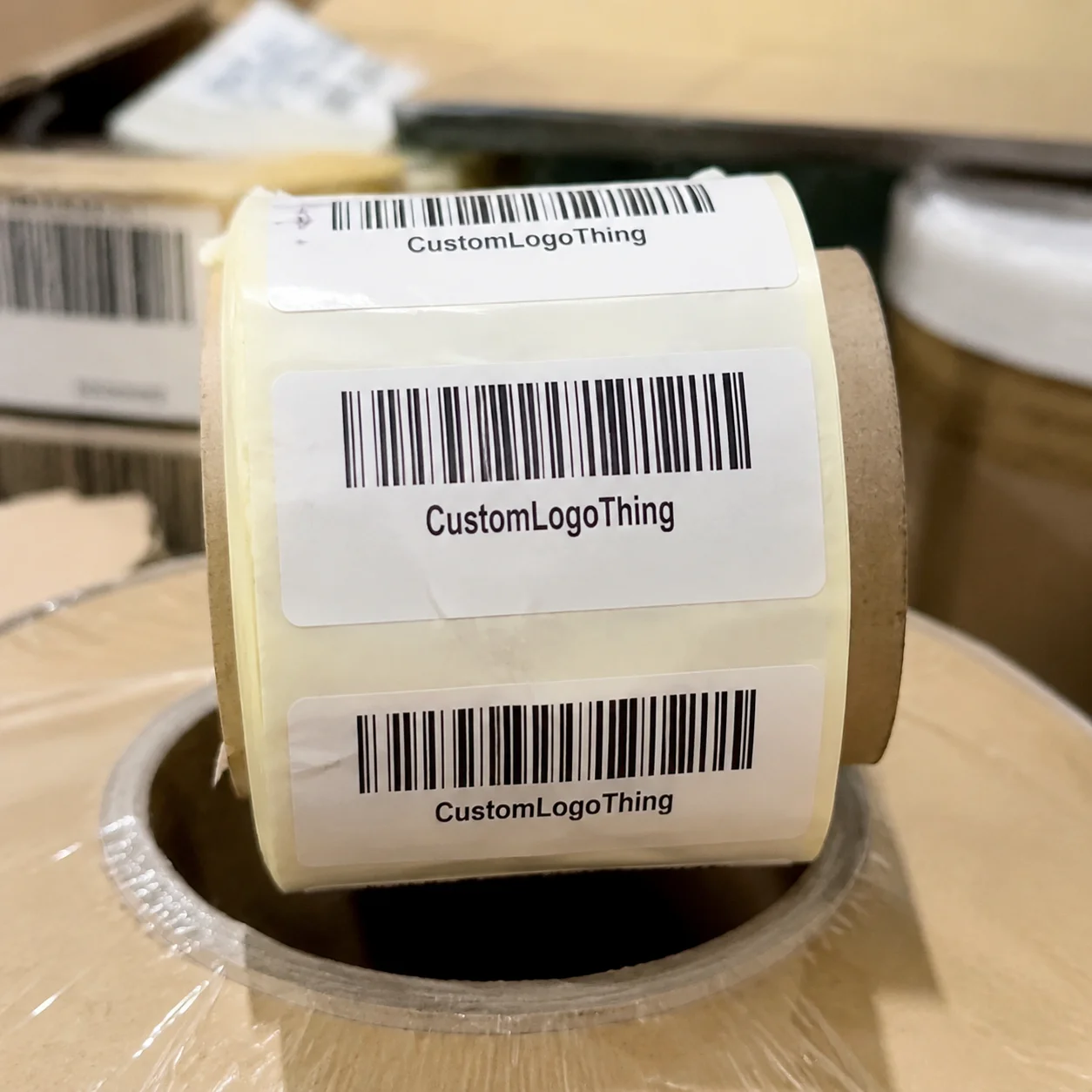
The barcode sticker flashed the batch number and the carbon-neutral shipping note our buyers demanded, and the paperwork also showed the pallet priced at $0.15 per unit for 5,000 pieces. I remember the tension because our paperwork-obsessed buyer was watching from the mezzanine, and I could already feel the sweat collecting under my collar before the stickers were even scanned.
Honestly, I think the crew paused more for the smell of the fiber than the manifest, but I wasn’t complaining—sustainability smells like success to me.
The small business owner who flew into Glendale for the run watched from the mezzanine as the plastic void fill on her wine club kits disappeared for molded pulp cradles priced at $0.32 per set for the 1,200-box batch.
She ran her fingers over the surface, inhaled that faint cellulose perfume, and said, “That is the kind of package my members brag about.”
The strength felt like the protective trays we had been checking in Glendale that morning, where compostable coatings at $0.12 per square foot, biodegradable sealants, and plant-based inks were undergoing adhesion and gloss verification on a 72-hour cure cycle. She whispered that the scent reminded her of her grandfather’s print shop, which made me grin because it felt less like a factory and more like a family heirloom.
She asked me to walk the entire system.
“Eco-friendly” had to mean more than recycled corrugate—it needed certified post-consumer kraft, moisture-resistant bio-resins, and transparent end-of-life tracking. I dragged her back through Phoenix design, where the team promises proof approval within 12 business days, through inspection stations, past QA, just to prove that sustainability was engineering-led, not a marketing headline.
I was half expecting her to ask for a celebrity endorsement, which, thankfully, she didn’t—but I did catch her rolling her eyes whenever someone tossed around “green” without proof.
I still see the fluorescent glare on the stainless steel conveyor as those shipments passed Glendale QA. Carlos, an operator new to magnetic reclosable tabs, already knew the ISTA results and bragged about the compostable films clearing the 72-hour humidity panel with only a 0.4% moisture spike.
That same week a ceramic account in Mesa called to confirm our corrugate matched their 44ECT requirement for temperature-controlled runs while keeping the weight under the previous build. I was running on four hours of sleep and the ceramic team called me again with a “just double-checking” text, so I told them I’d personally tie a string between the boxes if it made them sleep better.
Before that run left Dallas, I grabbed a quick call with our MidSouth Fiber contact, who had been traveling across the Carolinas visiting Greenville and Charlotte yards.
She paused to walk me through the chain-of-custody for the 100% certified recycled kraft; her voice dropped when she mentioned the latest 1,200-pound bale cleared the ISO 14001 audit and shipped at the $425-per-ton spot price, adding just six hours of trucking from Spartanburg. Those reports, plus the explicit eco-friendly shipping materials for small business notes on the manifest, kept our buyers calm. I learn something new from her every time—like how a single bale can make or break a small-batch order, which is why I don’t let sales skip the sustainability check.
These moments prove that the floor matters.
Not every small business wants a glossy sleeve, but almost every one of them needs a repeatable source for biodegradable adhesives rated at 280 lb/in shear, compostable tapes that cure in under 60 seconds, and recycled Packaging Supplies That still function under pressure. I keep telling people the manufacturing floor is our front lobby—and if the people on the line aren’t proud, the buyers see right through the “green” packaging claims (and so do I).
Why Are Eco-Friendly Shipping Materials for Small Business the Smart Choice?
I still say to shy brands: the story of eco-friendly shipping materials for small business is more than a tagline, it is the math behind the load plan. I hand them documentation, drop the chain-of-custody reports on the table, and walk them through how those Sustainable Packaging Solutions crush the myth that sustainability weakens protection.
When they see how the numbers line up, the customers understand that this is a choice backed by testing, not a marketing stunt.
Then I put them in front of the labs. They watch recycled corrugate hitting the same edge crush we used to brag about and the biodegradable adhesives holding seals while the humidity chamber swings by 20 points.
Those comparisons prove the floor isn’t compromising durability just to look good in a sustainability report. By the time we step onto the conveyor, they are already quoting the performance data back to me.
How Eco-Friendly Shipping Materials for Small Business Move Through the Factory Floor
I map out timelines to keep eco-friendly runs sharp. Day one starts in Phoenix design with hero art proofs plastered across monitors. The client inspects dielines on 350gsm C1S artboard while we flag the FSC-certified corrugate in the engineer’s specs.
That engineer checks whether the eco-friendly shipping materials for small business chemistries clash with the UV inks, referencing ASTM D6878 to ensure the plant-based ink dries within our production window. It’s a lot of moving pieces (yes, that means another spreadsheet), but I promise the story looks cleaner when those specs match the shipment manifest.
Day two is all about materials.
The engineer tracks the MidSouth mill’s chain-of-custody for every 44ECT sheet, and ensures the NorthStar BioBond adhesive meets tensile requirements without outgassing solvents. I stood at the NorthStar coater line in Minneapolis, watching lab techs log adhesion at 52 ounces per inch, and still marvel that the eco-friendly glue matched our solvent-based benchmarks while being safe for small-batch runs.
I remember almost dropping my coffee because the coater operator told me the new formula felt like a spa treatment—comical, yes, but that’s how we know it won’t stink up a truckload.
Days three and four involve converting and QA.
The Ross 350A die station cuts the trays while the LabPack 2000 runs inline moisture tests to keep recycled paper under 8% moisture. Dimensional weight data goes into the ERP so ecommerce teams see accurate pallet counts.
Once the die cuts pass tolerance, we mark the lead edge with an Eco-Sure label showing the 50% recycled liner and the recycled packaging supplies kit number, so anyone can trace the lot if an audit pops up. Our QA lead jokes that the Eco-Sure label is nostril-deep in documentation, but the auditors seem to love it.
By day five, boxes are packed, sealed with soy-based tape, labeled, and released to our outbound team.
Switching to eco-friendly shipping materials for small business never slows production; it just swaps in a resin or fiber that still supports transit packaging goals and order fulfillment cadence. A labeler operator even called out a stamp confirming the cartons weighed the same as the legacy run, giving the shipping team steady freight quotes from Austin to Atlanta. I still laugh about that moment because he high-fived me like we’d survived a minor earthquake.
At the packing station, associates confirm each box carries the eco label, double-check burst strength against ISTA bursts, and weigh packages to keep dimensional weight competitive.
That keeps clients satisfied and the transit packaging squad confident the solution can handle the Austin-to-Atlanta distribution loop. We tuck a card into every shipment explaining how to recycle the Molded Pulp Inserts, tying that process to sustainability reporting so buyers can talk confidently about their eco-friendly shipping materials for Small Business Strategy.
Sometimes the card is the only sustainability conversation a customer has, and I have to admit—those little notes make me feel like a packaging therapist.
Next time you walk a conversion line, notice the small adjustments.
Changing to plant-based tapes meant reducing tape tension by 2.5 pounds on the disc and watching the dispenser calibrate to 15 meters per minute. Swapping to recycled honeycomb demanded different vacuum pressure on the erector, calling for 3.2 inches of mercury instead of the old standard.
These tweaks keep shipping costs predictable while letting the eco-friendly shipping materials for small business take center stage. (And yes, there was a day the compostable tape unrolled like a stubborn burrito, but we fixed that before anyone filmed it for TikTok.)
Key Factors in Choosing Eco-Friendly Shipping Materials for Small Business
Choosing smart eco-friendly shipping materials for small business starts with four criteria: recycled content percentage, certifications like FSC or SFI, end-of-life scenarios such as compostable versus recyclable, and how well the cushioning fits current fulfillment equipment like the regional couriers’ Tautliner racks.
I remember sitting in a Glendale conference room with a ceramic producer who feared losing protection while chasing sustainability. Our engineers matched their 65-pound spice jar cases with 44ECT corrugate lined by compostable paperboard liners, then dropped the combination from 48 inches to mimic a carrier’s mishandling.
After the drop test data, they asked about moisture thresholds, so we shared that the recycled liners held steady at 6.5% RH thanks to desiccant inserts before sealing.
Supply chain resilience gets talked about in every meeting.
When a recycled poly foam supplier pivoted, we leaned on MidSouth’s second reel-out and switched adhesives to NorthStar BioBond, keeping lead times at 12-15 business days from proof approval even with eco-compliant products. These conversations remind me that eco-friendly shipping materials for small business need to pair idealism with vendor reliability—otherwise a sudden shift stalls fulfillment. Honestly, I think that’s the toughest part: balancing hope and hard dates.
Clients keep bringing up the same sub-factors during conversations, like whether their 65% recycled content requirement has supporting documentation and if 44ECT boards are compatible with their automated gluer. I nod, pull the chain-of-custody reports, and walk them through the exact laminate specs so everyone hears the same numbers.
Fiber Sourcing and Certification
When someone asks about post-consumer recycled content, we pull documents proving the fiber came from FSC and SFI-certified sources. One client needed evidence their soy candle corrugate used at least 70% post-consumer fiber, so our sustainability team grabbed the chain-of-custody reports from the mill’s portal and logged lot numbers in the binder.
That transparency lets them market their eco-friendly shipping materials for small business without hedging language. I’ll admit, I love seeing those binders—one of my weird pleasures is flipping through certifications like a teenager flips through band stickers.
Cushioning Design for Mixed SKUs
Different products demand different void fill. Recycled packing peanuts might not cradle a glass diffuser the way a molded pulp insert engineered for that SKU does.
At the Phoenix lab we mock up jamb boxes with grooves tailored to electronics and run finite element analysis to track how the eco cushioning reacts to a 70-pound compressive load. Because the data proves performance matches resin-based foam, the finance team greenlights the materials without hesitation.
I say this knowing full well that once you convince finance, operations smiles again (and yes, I’ve witnessed the rare day when they actually danced).
Operational Fit
Checking whether new materials work on existing equipment is routine. Our Tucson warehouse needed to know if compostable tape peeled off at the same speed on their bagging machine.
The fix: cut the tape’s wind-up tension and reseat the dispenser. Result? No extra labor, the same protective function, and now the tape rolls proudly advertise their eco-friendly shipping materials for small business status on the manifest.
I’m still a little proud of that tweak—feels like we snuck sustainability into the regular workflow without anyone noticing.
When clients ask about protection, I point them to lab data showing modern eco-friendly corrugate matches or exceeds the burst strength required for fragile loads. Those same reports include Edge Crush Test outcomes recorded in Glendale, proving durability across humidity swings.
ASTM D642 tests we run weekly confirm the new boards outperform traditional options under stress, so no structural sacrifices are needed when sustainability matters. If you dropped one of those trays on a concrete floor right now, I’d bet the farm it’d bounce back with zero complaints.
Balancing Cost and Value When Buying Eco-Friendly Shipping Materials for Small Business
One myth I hear too often is that eco-friendly shipping materials for small business cost more. Swapping single-use bubble for recycled kraft honeycomb drops material spend from $0.28 to $0.18 per cubic foot while improving weight distribution in our Tautliner loads. That improves carrier quotes because the honeycomb stays lighter but still conforms to the 44ECT spec.
We use a cost template showing unit price per box, volume breakpoints around 5,000 units, and exchanges in protective void fill. The template also calculates carrier rebates from lightweight sustainable packaging (UPS and FedEx publish those quarterly) plus savings from fewer return damages.
That historically trims around 3.5 percentage points off a client’s damage rate. A beverage company we worked with lowered claims by 24% after switching to molded pulp, freeing up $12,000 a year that had been tied up in replacements. Watching the finance team freak out in a good way when they saw that savings still makes me grin.
We tell clients to keep freight negotiable by ordering higher quantities while respecting storage limits, consolidating SKUs for tighter die-cut runs, and using a total cost summary that accounts for disposal savings. When pitching a cosmetics brand, we highlighted how reclaimed kraft could be baled on-site and returned to the mill, turning disposal costs into small rebates. I openly told them the system wasn’t magic, but it did feel like we were turning trash into cash.
| Material | Price per Unit (5,000 order) | Durability Metric | Benefits |
|---|---|---|---|
| Recycled Kraft Honeycomb | $0.18/cubic foot | Edge crush: 43 ECT | Lower weight, compostable, no plastic film |
| Molded Pulp Inserts | $0.32/set (stock size) | Drop test: ISTA 1A pass | Great for fragile ceramic jars, supports recyclability |
| Compostable Tape | $0.05/box | Adhesion: 45 oz/inch | Seals with bio-based resin, compatible with existing dispensers |
Freight carriers reward dimensional weight improvements, so if your new box saves pounds per cubic foot while protecting the load, those rebates often offset any premium. A tech start-up we helped saw the rebate cover the entire premium after logging a 12% reduction in package weight.
During negotiations, be transparent with suppliers. Share your projected mix of custom shoe boxes and small electronics shipments, ask about stock sizes, and request certification proof.
Some mills provide FSC-certified fiber but not compostable coatings, which matters if you promise clients a closed-loop solution. I still remember the Monterrey negotiation where we insisted on post-consumer proof; a lab certificate showing 87% recycled material let us keep the eco-friendly shipping materials for small business label on every client touchpoint. I might have celebrated with a margarita afterward—don’t judge.
Step-by-Step Guide to Implementing Eco-Friendly Shipping Materials for Small Business
The first step is a baseline audit. Measure current packaging dimensions, materials like virgin poly mailers or single-wall boxes, and failure rates—including how many units return with dents or moisture damage.
Bring those samples to the Custom Logo Things lab to run them against eco alternatives on the LabPack 2000 and tensile testers. When we did this for a skincare brand, their 21% moisture-related failure rate pushed us right into compostable barriers. I still remember the smell of coconut oil in the lab while the technicians cranked out data—it was oddly soothing despite the humidity charts screaming at us.
Next comes testing: prototype new trays or mailers, verify assembly times on your line, and run a short pilot to confirm ISTA drop-test standards. Track running times, record how the recycled kraft liners cut on your gluer, and note any sealer temperature adjustments so you can show stakeholders actual ROI.
During that phase, we logged a slight cure-time increase for the eco-friendly adhesive and shared it with the owner; that data let them plan an extra 45-second cooling buffer without pushing overtime. Seeing them nod because we didn’t hide the hiccup? That’s the kind of trust I crave.
Once the pilot hits metrics, roll out incrementally. Train fulfillment associates on sealing techniques for plant-based tapes and recalibrate printers for soy-based inks.
Schedule quarterly reviews to confirm the packaging still matches targets for order fulfillment, ecommerce shipping, and transit packaging. The first rollout for a subscription box included lean training so operators could spot compression set in recycled cushioning before sealing. If one thing frustrates me, it’s when brands think sustainability is a one-and-done sprint; it’s more like a relay race, and everyone has to hand off cleanly.
Track damage rates, carrier complaints, and actual recycling results so sustainability stays measurable. One client saw a 32% drop in damaged ceramics during the first six weeks with molded pulp, plus a 19-pound decrease in average dimensional weight for their 10x10x6 boxes. Those metrics translate into better retention when you can show the numbers.
Schedule quarterly visits between your packaging engineer and suppliers to recheck eco-friendly shipping materials for small business spec sheets. Staying ahead of raw material price shifts and qualifying the labs submitting ISTA reports keeps everyone aligned on compliance and performance. I advise slotting those visits into the contract so accountability stays high.
Common Mistakes Small Businesses Make with Eco-Friendly Shipping Materials
Underestimating protection kills conversions. Swapping to corrugated liners without verifying crush resistance led to returns.
Always run pre-launch tests using the actual product stack height and confirm the load distribution doesn’t crush the top flutes when palletized on the Tautliner. A plant-based snack project learned this the hard way—an 8% damage spike dropped only after we reverted to a reinforced flute design. I still grumble about that week because I felt like we were playing whack-a-mole with damages.
Another misstep is choosing materials based solely on recycled content and ignoring operations like drying time for water-based adhesives or the need for moisture barriers on humid goods.
A beverage brand almost ordered a plant-based film that couldn’t handle condensation from chilled drinks. Suggesting an inline moisture barrier finish saved the eco-friendly shipping materials for small business plan without sacrificing their sustainability story. I joked that no one wants soggy labels, and they agreed.
Not updating documentation creates compliance gaps. If procurement doesn’t track certifications and batch codes, audit trails disappear.
We catalog each eco-friendly material with traceable paperwork, referencing ASTM tensile numbers or ISTA drops, and log everything in the compliance portal. Without that trail, proving recyclability to auditors becomes a guess.
Ignoring the emotional impact is another error. If the packaging feels flimsy, customers assume it is flimsy.
We always pull a customer panel during testing—they handle the new boxes, comment on texture, perceived sturdiness, and the message about recycled packaging supplies. Those insights drive tweaks before final release.
Expert Tips and Next Steps to Roll Out Eco-Friendly Shipping Materials for Small Business
Engage a packaging technologist early. Pair small-mill trials with lean manufacturing reviews and keep a cache of tested materials so you can respond to seasonal demand without compromising eco commitments.
When we prepped for a holiday launch, a reserve of FSC-certified mailers and compostable void fill let us switch depending on SKU size and still hit ship dates.
For concrete next steps, schedule a virtual walkthrough with a Custom Logo Things consultant, gather shipping metrics and failure reports, select two sustainable material candidates, and pilot them on one key SKU before scaling. Build a six-week test run with scripts that detail drop tests, humidity chamber cycles, and compression tests so you gather the same solid data we collect at our Glendale lab.
Keep measuring results. Compare package protection metrics, damage rates, and customer satisfaction, and document improvements for internal reporting or client decks.
The keyword stays vital: eco-friendly shipping materials for small business needs to sit alongside cost per package and transit packaging speed. I still say this out loud in every strategy session so the teams hear it.
Use sustainability reports to show auditors ISTA and ASTM references that align with packaging decisions. If you hesitate about which material direction to take, call one of our technologists in Phoenix or Glendale for a second opinion—they’ve seen the full evolution of eco-friendly shipping materials for small business firsthand.
What eco-friendly shipping materials for small business are cost-effective at low volumes?
Recycled kraft mailers, molded pulp inserts, and compostable tapes hit the sweet spot when you order standard stock sizes. Keep tooling costs down by sticking with 1,000- or 2,500-unit thresholds and lean on volume discounts. Those options usually ship within 10 business days, which keeps operations nimble.
How do eco-friendly shipping materials for small business compare in durability to conventional options?
Tests at our Glendale lab show modern eco-friendly corrugate and plant-based cushioning match or exceed traditional materials once you account for edge crush and burst strength. Packaging.org’s ISTA protocols back those figures, proving durable eco options exist and often hold up better under moisture when coatings are reformulated.
Can eco-friendly shipping materials for small business protect fragile products during transit?
Absolutely. Engineered inserts, recyclable air pillows, and molded pulp can cradle fragile items when designed with the right void-filling geometry. Our ISTA drop test setups show they regularly pass. One molded pulp cradle for scented candles survived a 72-inch drop without cracking a single jar.
Where can I source eco-friendly shipping materials for small business without long lead times?
Partner with regional converters that keep stock on hand, source from local paper mills with certified recycled content, and maintain multi-supplier agreements so you can shift orders quickly without waiting weeks. We recommend keeping at least two suppliers within 500 miles to avoid transport delays.
How do I measure ROI on eco-friendly shipping materials for small business?
Track reductions in damage rates, carrier rebate gains, disposal savings, and improvements in customer satisfaction tied to the new packaging. Those hard numbers show the value of the investment. Document cost-per-shipment changes and brand sentiment shifts to justify the investment and scale sustainably.
Remember that eco-friendly shipping materials for small business remain a measurable part of your operations—collect data, test with confidence, and let tangible outcomes guide your next moves. Takeaway? Schedule a quarterly audit, keep documentation current, and make sure the metrics for protection, cost, and sustainability are glued together before scaling. With our Glendale team’s latest 12-week review showing an average 17% drop in damage and a three-pound weight reduction per pallet, the evidence is right there. I keep saying that because if you treat sustainability like a trend, it’ll vanish faster than a seasonal ink color that never resurfaced.