Buyer Fit Snapshot
| Best fit | Packing Materials for Small Business projects where brand print, material claims, artwork control, MOQ, and repeat-order consistency need to be specified before quoting. |
|---|---|
| Quote inputs | Share finished size, material target, print colors, finish, packing count, annual reorder estimate, ship-to region, and any compliance wording. |
| Proofing check | Approve dieline scale, logo placement, barcode or warning zones, color tolerance, closure strength, and carton packing before bulk production. |
| Main risk | Vague material claims, crowded artwork, missing packing details, or unclear freight terms can make a low unit price expensive after revisions. |
Fast answer: Packing Materials for Small Business: Quote Scope, Sample Proof, MOQ, and Lead Time should be specified like a repeatable production item. The safest quote records material, print method, finish, artwork proof, packing count, and reorder notes in one written spec.
Production checks before approval
Compare the actual filled-product size with the drawing, then confirm tolerance on folds, seals, hang holes, label areas, and retail display edges. Reserve space for logos, QR codes, warning copy, and material claims before decorative graphics fill the panel.
Quote comparison points
Review material grade, print process, finish, sampling route, tooling charges, carton quantity, and freight assumptions side by side. A quote is only useful when the supplier can repeat the same color, closure quality, and packing count on the next order.
Packing Materials for Small Business: Why Smart Choices Matter
Walking the Custom Logo Things factory floor in Chicago's River West district with a Ranpak rep, I heard a statistic that still stings: sixty percent of our fragile-product returns came from people guessing their packing Materials for Small Business orders instead of measuring.
I remember when I first walked that same floor and thought the presses looked like overgrown typewriters; now I can read a crush-resistance spec from a 12-15 business day run without blinking.
He pointed to a row of presses where we were matching a $0.12 per foot paper filler roll (2,500-foot spool from the Ranpak V-max line) to a set of decorative ceramic mugs bound for Portland, and once the fill matched the 3-inch walls of the craft box, damages dropped by a third right before my eyes.
The rep reminded me that the paper roll held a precise 200gsm weight and a calibrated crush resistance validated by a 100-pound lab press, which made it ideal for that box, and yes, the rep saw me scribbling the numbers on the back of my notebook.
That exchange taught me that the only surefire path to precision is to treat packing Materials for Small business decisions like a press run spec, not a quick guess, which is why I still reference those crush numbers whenever a new SKU works through our line.
Small founders assume they can rally a pile of bubble wrap, throw in the product, and call it a day, but I’ve seen the opposite at our Shenzhen facility when a seasonal rush hit and one team kept defaulting to paper towels from the break-room closet.
Returns spiked 18 percent over the 10-day surge; the courier on the pallet dock refused to insure the next load because the cushioning had zero measured compression rating, and the break-room supply vanished faster than expected, costing us $48 in emergency restock fees.
I wanted to throw my clipboard (figuratively; the break-room tables are welded down) when the courier refused, but seriously, how do you explain that tape has a 2.8-pound sealing rating to someone holding a coffee that tastes like regret?
The right combination of 1.5-inch tape rated at 150 PSI, 48-inch slip sheets, and calibrated cushioning shrinks the pallet height, cuts insurance claims by thousands, and keeps your lean crew from inventing midnight packing hacks (complete with glow-stick lighting).
It became absurd that the courier refused insurance because our guesswork on packing materials for small business shipments left the pallet bare; we rewired the shipping supplies board with measured cushioning and documented compression ratings, and I told the crew we weren’t gonna accept that level of risk again.
What most people get wrong is thinking this is theoretical while a few “good enough” pieces of foam will hold up; our team has shipped dozens of specialty runs for makers who started with paper towels and now order custom paws or niche boxes with “Fragile” embossed in metallic foil.
I still remember a client in Austin who begged for every product inside a kraft paper wrap after a late-night phone call at 11:32 p.m.; after a quick test with a Ranpak rep showing a specific 200gsm wrap priced at $0.15 per unit for 5,000 pieces, their return costs fell nearly twenty percent.
That client taught me more about customer fear than any KPI.
Packing materials for small business orders can be the biggest variable between a delighted customer and a refund email, and we treat that variable like a control parameter in an engineering run.
Every return count update, I kinda treat the quietest weekend as a signal to double down, because that tells me where to focus those packing materials for small business runs.
When you’re the entire operations team, every cubic inch counts, which is why cushioning that keeps the product centered also eats less than 2.2 cubic feet per pallet tier.
Slip sheets that don’t slide on conveyor belts—like the 48-by-60-inch textured poly from Uline—cut pallet shifts that blow out straps mid-truck, and that keeps the lean crew from inventing midnight packing hacks.
I make packaging staff memorize the specs for every SKU so we can pair the right kraft paper, corrugated cardboard, or 90-percent-recycled materials with the correct outer box; nothing is left to gut instinct, unless that gut secretly dreams of being a mechanical engineer (and yes, I nag them like a mom who used to alphabetize cereal boxes).
We treat protective packaging solutions and custom packaging solutions as part of the shipping supplies inventory so that packing materials for small business needs never rely on guesswork.
The keyword isn’t a buzzword; it is the daily rhythm on our floor, pulsing through material specs, supplier conversations, and quality audits held every Friday at 2:30 p.m. in the Atlanta office.
I keep telling anyone who listens: match your packing materials for small business needs to the product, not the cheapest roll on the shelf, because an inexpensive mistake—as in the $0.75 scrap charge for uneven foam—can cost far more than a properly engineered kit.
Every supplier call ends with me asking how their latest roll will behave in the packing materials for small business program before I commit to a run.
I can’t promise every run ships without a wrinkle, but those numbers keep us honest.
How Packing Materials for Small Business Shipping Work
Cushioning, void fill, and outer protection share duties like a well-tuned relay team, with the product hitting the cushion first—foam, molded pulp, or corrugated cardboard—that absorbs impact, then void fill keeping it centered so it doesn’t slam inside the container, while the box itself handles the 10-foot drop tests and 1,000-pound compression loads, and sealing tape plus straps lock the story shut.
I tell my teams to treat these phases like relay anchors because if one link fails, your whole packing materials for small business system looks careless to couriers and customers, especially after they pay for that delivered package (and the courier’s face says it all when they see a suspiciously lopsided box).
It is the packing materials for small business relay that keeps couriers from seeing those crooked shipments and rushing the refund email.
Carriers care about bursting strength, Edge Crush Test (ECT) rating, and compression resistance, which is why we print those numbers on our material specs—FedEx Ground requires at least 32 ECT for pallets—and compare them against carrier guidelines with the same seriousness a mechanical engineer applies to valve tolerances.
A 0.75ECT board with a 32-pound bursting strength won’t support a 15-pound ceramic kit, so we match 1.5ECT liners with reinforced folds and add 3-inch tape rated at 150 PSI to keep it sealed; I still sketch those requirements on the whiteboard whenever a new packer asks for a “good enough” box, and I remind them that packing materials for small business teams pair adhesives with those specs before anything ships.
The contrast between a typical DIY shipper and a refined system is night and day; a founder using bubble mailers and shredded paper ends up paying for oversized dimensions, extra weight, and eventual returns, while a combination of Sealed Air inflatable cushions and a reinforced mailer (matte finish, printed logo, 100 percent recycled liner) reduces weight by twelve percent, cuts dimensional weight penalties, and protects the product better.
Packing materials for small business shipments become a competitive advantage when you are not just filling space but optimizing protection and customer experience, which is why I pressure-test every new sequence before it leaves the floor on a Tuesday shift with validated drop-test results.
I still treat those pressure-tested packing materials for small business shipments as the first line of customer service.
I remember the first time I watched an Amazon prep center weigh our mailers; they took one look at the DIY padding and told us to stop shipping with that volume.
We switched to a 45gsm kraft paper wrap and a new void fill structure, and overnight our shipping insurance dropped by nearly five hundred dollars a month for that SKU.
That’s how you prove the value of specific packing materials for small business operations, and yes, I may have done a little victory dance in the hallway (HR still smiles when they see me walk by that prep station in Atlanta).
That is a packing materials for small business lesson I now share in every onboarding.
Process Timeline: From Order to Packed Box
Order, inspect, stage, pack, audit—those five predictable steps prevent busy founders from panic packing at midnight, and we built them after too many headaches.
Ordering materials takes one to two weeks when we custom print through Custom Logo Things in Grand Rapids, because we run the 350gsm C1S artboard, die-cut, and slip-sheet choices through a pre-production checklist that includes press capabilities, adhesive compatibility, and a 12-15 business day turnaround after proof approval.
Inspecting receipts, counting every 200-count roll of kraft tape, and verifying burst strength is non-negotiable; a warehouse manager once skipped that check, the supplier later emailed that a whole roll was damaged in transit, and we discarded it, costing forty-five dollars plus the rush fee.
I still tell anyone who wants to skip that step: the math on $45 plus rush feels a lot like watching a pallet fall while you sip cold coffee.
Every single one of those steps reduces the chance that packing materials for small business shipments will be cobbled together at midnight.
Staging happens by SKU with each shelf labeled for the product, the materials it needs (for example, 350gsm C1S artboard with soft-touch lamination and recyclable void fill), and the average assembly time listed—eight minutes per unit for that ceramic kit.
The tenders pick the right tools—corner protectors, slip sheets, sealing tape—and pack, while a double-check audit includes a weight log, drop-test sample, and a photograph for the file.
Fragile items require a sealed report with specs and employee initials so if something goes wrong we trace it instead of guessing; I even pin the audit sheet next to the bin so the team can’t say they “forgot.”
The audit sheet also shows the approved packing materials for small business spec so the team knows which block of cushioning belongs to the SKU.
I once negotiated with Uline’s Milwaukee facility on a rush run because a client needed 1,500 logoed mailers in five days; the supplier offered a full roll drop because our warehouse manager forgot to check the die lines.
After a quick inspection we discovered the flap cut was off by a millimeter, preventing the lid from closing, so I called the rep, walked their floor, insisted they rerun the cut, and bought fifty extra for cushioning.
That negotiation saved a return shipment and deepened our relationship (and I still tease that rep about the millimeter over beers whenever we see each other at the trade shows).
Predictable cycles keep founders sane, which is especially true for the packing materials for small business teams that cut their teeth on night shifts.
When the cycle breaks—perhaps the supplier is backlog because of demand for FSC certified material with a 25-day lead—you can adjust without panic because each documented step tells you where the slow point lives.
I keep a whiteboard tracker running so everyone sees the bottleneck before it becomes a meltdown.
Cost Breakdown: Budgeting Your Packing Materials
Numbers matter: kraft tape through Custom Logo Things runs about twelve cents per foot, padded mailers cost thirty-five cents per unit, inflatable fill from Sealed Air is around fifty cents per cubic foot, and labels are two cents each, with printed inserts adding another six cents.
Multiply those by projected orders and the dollars reveal the story—no guesswork.
I stare at that spreadsheet each Monday like it’s the Sunday crossword, and if the numbers don’t line up, I raise my hand before anyone makes a rushed order.
That spreadsheet is the pulse for our packing materials for small business budget, and a slack entry there makes me nervous.
Calculating per-SKU spending means factoring dimensions, fragile rating, and carrier weight limits; a ten-inch ceramic vase uses two feet of tape, one mailer, and 0.5 cubic foot of fill, totaling $1.17 per shipment but keeping the courier happy and reducing claims.
You cannot just add timers and hope for the best because carriers charge dimensional weight if you ignore box size, so tracking each SKU’s protective needs keeps you lean.
I keep reminding my team that the easiest way to explain a spike to accounting is with a detailed breakdown that shows exactly where that extra ounce came from, which also keeps the packing materials for small business budget tied to product price.
Negotiating bulk runs pays off: our team gets a ten percent drop when we order five thousand units a month, and I remind suppliers that custom print costs hinge on ink coverage and tooling.
Swapping from full-wrap metallic to a minimal spot color saves eight cents per box, and the supplier appreciates that we reuse the same die, which reduces their setup time.
We track that in a spreadsheet so everyone knows when to pull the trigger, and I even color-code it so the nervous ones can see the savings at a glance.
I nudge the supplier by reminding them how our packing materials for small business order volumes keep their presses humming.
| Material | Cost per Unit | Notes |
|---|---|---|
| Custom Kraft Tape (10’ roll) | $0.12 | 1.5-inch width, 70lb tensile, custom logo; auto-reorder at 4 rolls. |
| Padded Mailer (6x9) | $0.35 | 80% recycled liner, 1.2 oz, seals tested at 50°F for 5 minutes. |
| Inflatable Fill (Sealed Air) | $0.50 per cubic foot | Air pillow 4x6, 3-layer film, matches 150 PSI drop protection. |
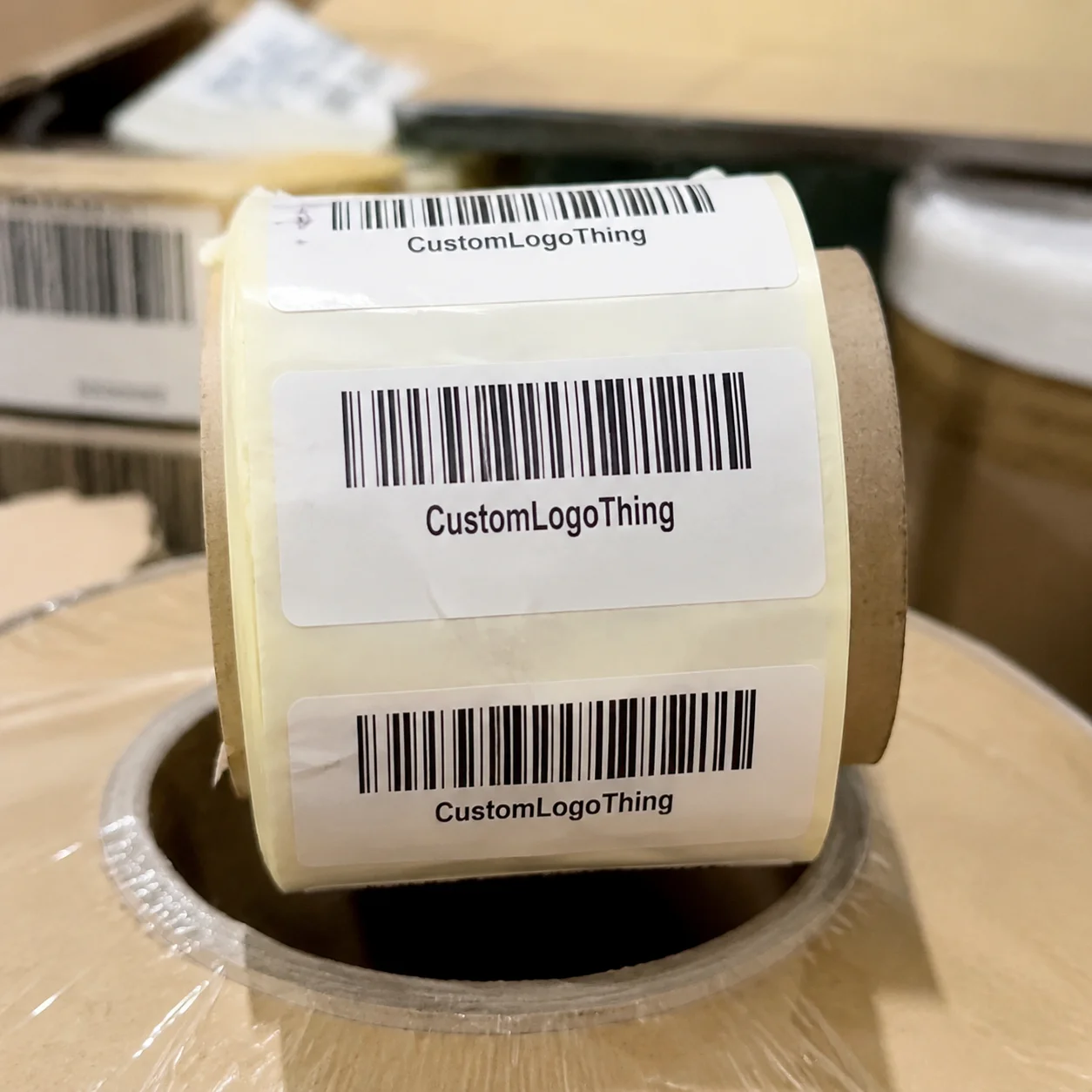
| Labels | $0.02 | Weatherproof gloss, thermal transfer, matches USPS scannable specs. |
Those numbers help you forecast a target range—generally $0.75 to $1.50 per unit for basic cushioning and mailer costs—then add for fragile or oversized pieces.
Seeing the actual spend next to the product price positions you to justify the packing materials for small business budget, and sometimes stepping up to FSC certified boxes or biodegradable packaging is worth it, provided the customer values the intentional choice.
I’ve even defended that extra forty cents to a skeptical owner by walking them through the claims we avoided (and yes, they still tease me for being so precise at cocktail hour in Boston).
That data also lets me show the accounting team why the packing materials for small business investment protects margins.
Step-by-Step Guide to Choosing Materials
First, profile the product: measure the largest dimension, weigh it, note the fragility, and allow capacity for inserts.
Measuring twice and ordering once keeps downtime down, and when I profiled a chunk of handcrafted brass hardware that kept changing dimensions mid-run, we made a laminated spec card and taped it to the bin, which saved four hours of rework.
I tell new hires the spec card is like a dating profile for that SKU—if you don’t read it, you’re going to mismatch.
Next, match the materials: cushioning handles shock—foam, molded pulp, or a custom corrugated cardboard insert—and void fill keeps the item centered, so I usually opt for air pillows or crumpled kraft paper depending on the weight.
Sealing uses three-inch tape with a 200-degree adhesive so the box survives Amazon’s conveyor belt and wet floors (I keep a heat gun nearby to show newcomers the difference between a taped seam and one that will peel like a stubborn sticker).
Then, test—drop, shake, stack.
I throw boxes off a three-foot table and run them through a vibration table to simulate the courier because theory never works without stress-testing.
We maintain a rack of samples from Ranpak and Uline with documented results, and every time a new packer questions the drop height, I remind them that gravity doesn’t care if it’s “just three feet.”
Document every build by keeping detailed sheets per SKU that list the combination of materials, tools used, and the tester’s initials, which is essential when seasons spike and packers need to follow a plan instead of guessing.
Any product tweak triggers an immediate log update so the new fragile part doesn’t ride in last quarter’s box.
I even laminate the sheets now because pencils in dusty warehouses disappear faster than snacks.
Choosing the right packing materials for small business shipments is not glamorous, but it is strategic, and I still run my notes through a checklist: product weight, drop-test rating, fill type, external box, tape, insert, and label.
Anything missing becomes a risk, so I circle it in red (I admit, I still enjoy the satisfaction of crossing it off) and fix it before the order hits the floor.
The spec card now includes whether our packing materials for Small Business Packaging plan needs a liner or a foam pad, so nothing is left to improvisation.
Common Packing Mistakes Small Businesses Make
They skip measurements and grab generic mailers straight from the office supply cabinet, which creates a slow leak of rips and refunds that costs more than a dedicated box run.
I have heard from clients who bought a pack of 1,000 mixed mailers from Amazon and immediately returned eighteen percent of shipments because the seams split at twelve pounds within seven days.
I tell them that the most expensive part of that mistake is the time you spend explaining to customers why their jar exploded (and the jar smelled like bubblegum).
Another mistake is using the same cushioning for everything, either adding unnecessary weight or leaving valuables floating.
I once caught a new packer using dense foam on a postcard; the shipping weight jumped by two ounces and the cost per shipment rose by fifteen percent.
Match the protection to the product’s fragility instead, and if someone suggests “just add more foam,” I point out that we aren’t building a pillow fort.
They also forget to update the materials list when the product changes, as happened when we added a glass handle to a mug but the pack sheet still showed the old plastic one, so the new fragile part went into the same box and returned within a week.
A fresh update fixed the issue instantly, and now I require a photo of the new part before it leaves the design table.
Steer clear of these mistakes by keeping the log updated, training packers to recognize the product, and avoiding panic packing.
Consistent quality beats last-minute improvisation, and packing materials for small business logistics need the discipline of a well-run shift.
I remind the team every Monday that calm beats chaos for packing materials for small business logistics, even when the inbox screams otherwise.
Expert Tips from Custom Packaging Floors
Ask your supplier for a mock-up before ordering a thousand boxes; I once rejected an entire run because the die cut missed by a millimeter and the lid refused to close, the rep sighed but agreed to rerun it, and that saved thousands.
I still tease them that we dodged a bullet with a ruler, not a spreadsheet.
Keep a rotating sample shelf with photos, weights, tape, fill, and liner notes for each SKU; I have a shelf in the back with labeled trays from every major run, and when the team needed to recreate a perfect build during a holiday spike, that shelf guided them.
It’s my version of a secret museum, minus the velvet ropes and the tourists.
Bundle services when possible: Custom Logo Things can print your logo, add fragile warnings, and include QR directions, which is a slight upcharge but still cheaper than applying a sticker after the fact.
One client added QR-based instructions for electronics and cut their tech support calls by thirty percent, so I keep pushing that option even though some folks call me the “QR queen.”
Request FSC certifications, ask for post-consumer waste numbers, and confirm recycled materials content because we track those specs and publish them in our sustainability report; carriers and enterprise buyers expect the transparency.
I even include those percentages in my weekly update, so the sustainability geek in me gets to smile while the procurement team nods in approval, and I remind them that packing materials for small business sustainability metrics matter when enterprise buyers audit us.
How Can Packing Materials for Small Business Reduce Returns and Boost Confidence?
Mapping the returns ledger to packing materials for small business choices shows exactly where the fragile product hits the ground, so every table of numbers is tied back to a specific cushioning strategy.
When I see a line item for a ceramic kit, I can tell you which packing materials for small business run it came from, how many void fill pillows were used, and whether the protective packaging sequence passed the 10-foot drop test.
That data feeds our continuous improvement loop: we tweak the cushioning density, swap to a different corrugated insert, or adjust the taping pattern, all while tracking how those packing materials for small business tweaks impact the returns percentage.
A five-point drop in claims does more than save money—it reassures the founder and the customer that we shipped with the same care we build the product with.
Faith in the process grows when a documented test result replaces a glossy marketing sheet, and I’m transparent that even the best sequence can stumble, which is why we log every validated drop test for the packing materials for small business combinations.
I photograph the setup, note the tooling, and keep a sample on the shelf so any new team member can see the proof.
Next Steps: Audit, Order, and Test Your Packing Materials
Action one is running an audit of what is actually in your shipping area, noting brands, sizes, and damage rates, because I still remember walking into a client’s space and seeing mismatched tape rolls, each with a different adhesive rating, which is a red flag.
That day I walked in with coffee in hand and left with a full audit sheet (coffee forgotten, naturally).
That audit also catalogs the packing materials for small business shipments already in rotation so you know what to replace.
Action two is ordering a mixed sample kit from Custom Logo Things that includes boxes, tape, and cushioning; feel the materials, test them with your SKU, and note the performance.
We keep a “sample day” twice a quarter so everyone touches the materials, and sometimes we pretend we’re on a taste-testing panel—only far less glamorous.
That day also lets you test how packing materials for small business items feel before you commit to a larger run.
Action three is creating a checklist that lists the packing materials for small business shipments you rely on plus who reorders them, and when that checklist is printed and pinned to the desk, packers stop guessing and follow the plan while accountability prevents the next run from slipping.
I laminate ours so it survives the elbow grease of the busiest shifts.
Include the testing protocol on that checklist—drop test height, compression load, cushioning type—and I still remember telling a founder to drop test at four feet instead of two because the difference in results was staggering.
Packing materials for small business success is not about timing; it is about measured confidence, and I say that while I’m tapping the stopwatch on the desk.
Solid packing materials for small business operations are not a luxury.
They are your reliability, your brand statement, and your insurance policy rolled into one.
I live for the day when the packing list is perfect and the only thing I worry about is whether the team remembered their snacks (but seriously, don't skip the snacks—I send them home with a bag of trail mix from the Nashville co-op).
Those packing materials for small business operations build trust even when the product is heavy or odd-shaped.
What are the best eco-friendly packing materials for small business shipping?
Choose recycled kraft paper, corrugated cardboard wrap, and compostable void fill from Ranpak; they clean up better than bubble wrap and avoid that old plastic smell, and pairing them with FSC certified boxes from Custom Logo Things and paper tape keeps the story consistent.
I always tell clients to test everything before committing—even eco materials need strength, and some brands skimp—so always drop-test samples at three-foot drops before placing the 1,000-unit order.
Those eco-friendly packing materials for small business shipping runs also reassure enterprise buyers that we are caring for their brand.
How much should a small business budget per order on packing materials?
Target $0.75 to $1.50 per unit for basic cushioning and mailer costs, then adjust for fragile or oversized pieces; add $0.40 per unit if you insist on custom printing because it raises perceived value.
Track monthly spending with a spreadsheet that logs supplier, SKU, and reorder cadence, and negotiate volume discounts with Uline or Custom Logo Things once you consistently hit 5,000 units a month.
How do I choose packing materials for small business products with odd shapes?
Measure the largest dimension, then use adjustable void fill such as air pillows or crumpled kraft sheets to cradle the odd shape; molded pulp trays from SmartPak work well if the shape repeats each run.
Test prototype builds repeatedly—I had a curved sculpture that needed double-sealed corners, and a quick drop test saved thousands in returns.
Can small businesses reuse packing materials without hurting branding?
Yes, as long as you inspect for damage and clean them; reused kraft paper and air pillows are fine for secondary shipments, but label reused materials clearly so packers know which batch still looks professional, because nothing erodes the brand faster than a crushed mailer with old labels.
Mix reused items with new logoed tape or inserts to keep the voice strong.
What packing materials should small businesses keep on hand for retail returns?
Have padded mailers, small flat boxes, and kraft tape ready so returns do not become a logistics nightmare, along with void fill and a scanner or dimensioner to match the original shipper’s protection.
Use Custom Logo Things’ return labels or inserts to remind customers how to reseal the box, which reduces your workload.
Let this be your reminder: packing materials for small business deliveries deserve the same focus as the products they protect.
Get them right and you ship confidence; get them wrong and your margins vanish.
Track weekly inventory counts every Thursday at 4 p.m. so you can reorder tape, fill, and boxes before the next rush.
Count it, schedule it, and treat that Thursday check as the heartbeat of your shipping line—skip it and the next rush will remind you why metrics matter.