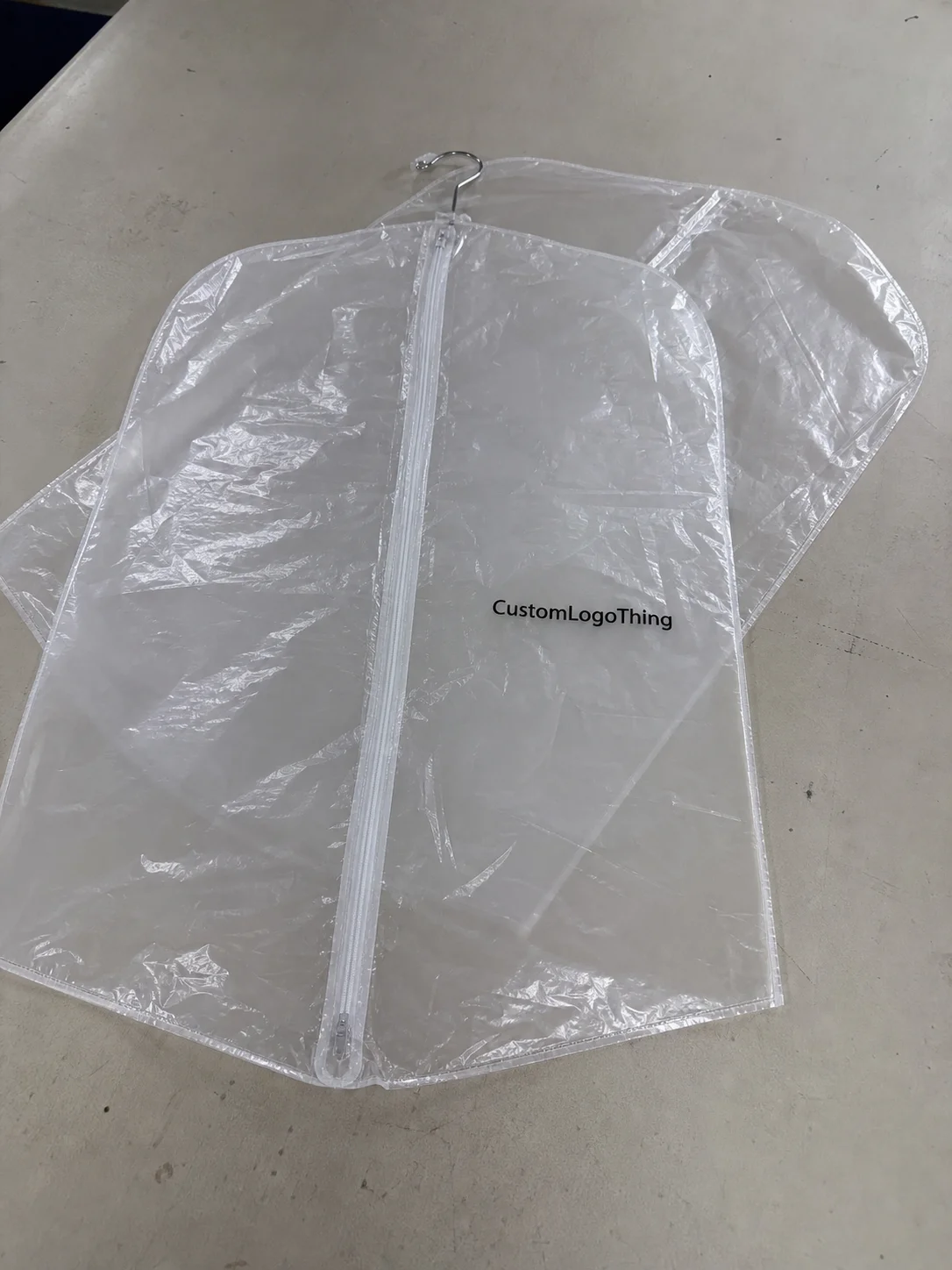
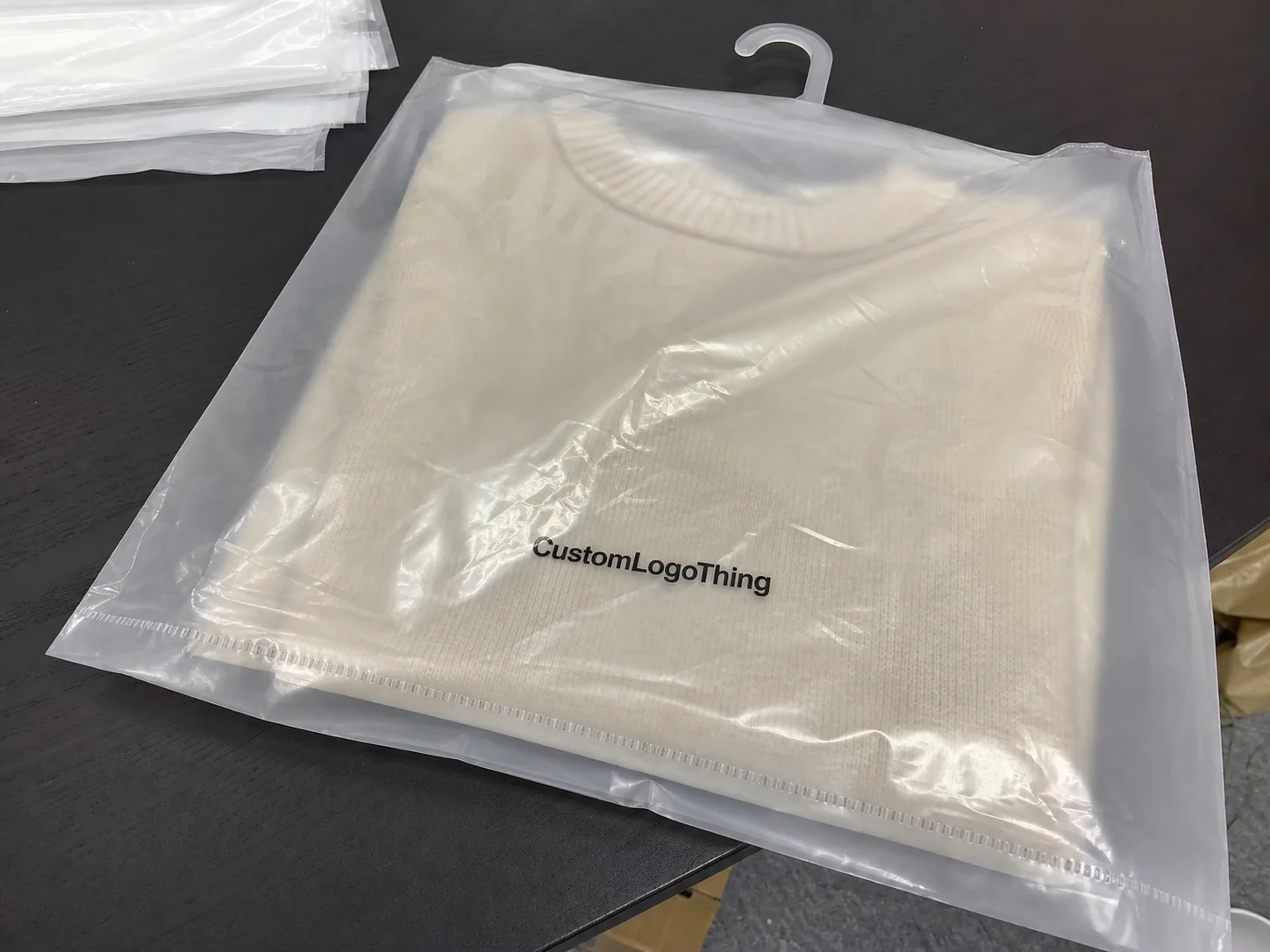
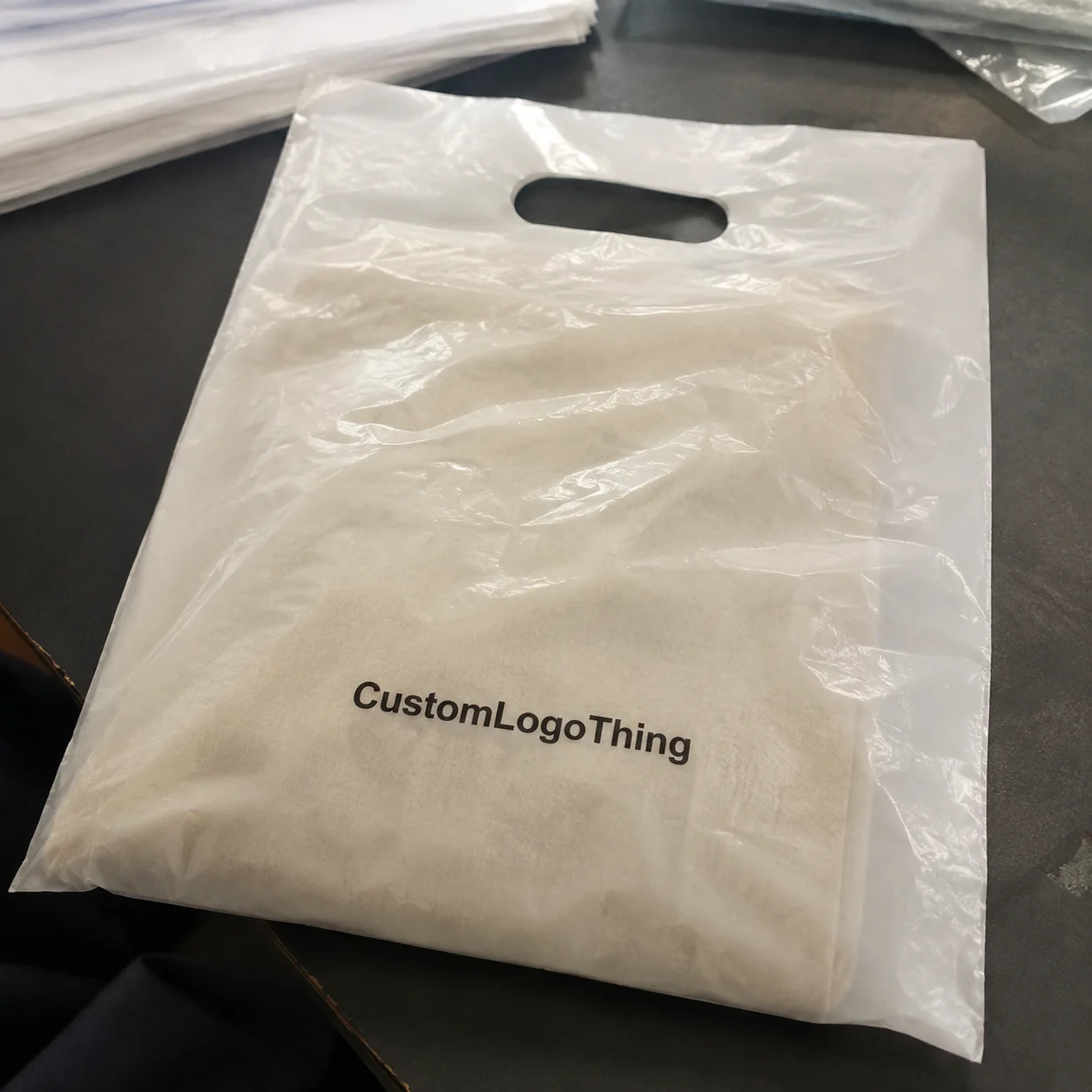
Buyer Fit Snapshot
| Best fit | Eco Poly Mailers Selection Without Regret projects where brand print, material claims, artwork control, MOQ, and repeat-order consistency need to be specified before quoting. |
|---|---|
| Quote inputs | Share finished size, material target, print colors, finish, packing count, annual reorder estimate, ship-to region, and any compliance wording. |
| Proofing check | Approve dieline scale, logo placement, barcode or warning zones, color tolerance, closure strength, and carton packing before bulk production. |
| Main risk | Vague material claims, crowded artwork, missing packing details, or unclear freight terms can make a low unit price expensive after revisions. |
Fast answer: Eco Poly Mailers Selection Without Regret: Film, Print, MOQ, and Carton Packing should be specified like a repeatable production item. The safest quote records material, print method, finish, artwork proof, packing count, and reorder notes in one written spec.
Production checks before approval
Compare the actual filled-product size with the drawing, then confirm tolerance on folds, seals, hang holes, label areas, and retail display edges. Reserve space for logos, QR codes, warning copy, and material claims before decorative graphics fill the panel.
Quote comparison points
Review material grade, print process, finish, sampling route, tooling charges, carton quantity, and freight assumptions side by side. A quote is only useful when the supplier can repeat the same color, closure quality, and packing count on the next order.
If you’re searching for Eco Poly Mailers how to choose, here’s the blunt version: half the “eco” bags people buy are just regular poly mailers wearing a green jacket. I’ve stood on factory floors in Shenzhen holding two bags that looked identical, except one had recycled-content film and the other was pure virgin LDPE with a leafy print. One cost $0.06 more per unit on a 5,000-piece quote. One could actually back up the claim. Guess which one the sales deck tried to dress up like a hero.
That difference matters in real numbers. If you ship 20,000 orders a month, $0.06 turns into $1,200 every month and $14,400 a year. And if the mailer splits, opens in transit, or looks cheap on arrival, your “sustainable” packaging becomes an expensive apology. So yes, Eco Poly Mailers how to choose is part material science, part budget math, and part common sense. Common sense, by the way, is weirdly rare once a brand team gets excited about a mockup from a factory in Dongguan.
I’m Sarah Chen. I spent 12 years in custom printing, including enough time arguing over seal strength, ink coverage, and freight quotes to qualify as mildly difficult at dinner. I’ve watched brands save $900 on packaging and lose $9,000 to returns. Fun tradeoff, right? I still remember one supplier meeting in Ningbo where everyone nodded politely at a “premium eco film” sample until I squeezed the seam and it popped like bubble wrap. Quiet room. Very educational.
Eco Poly Mailers: What They Are and Why Buyers Keep Switching
Eco Poly Mailers come in a few different flavors, and the label on the outside tells you less than the spec sheet underneath. Some are made with recycled-content film, often post-consumer recycled, or PCR. Some are recyclable mono-material structures designed to fit common plastic recycling streams. Others are compostable or biodegradable claims, which sound nice until you ask what standard they actually meet and where they’re supposed to break down. That’s the real starting point for eco poly mailers how to choose. Not the marketing line. The actual structure, resin, and seal spec.
Here’s the part most buyers miss: recycled, recyclable, biodegradable, compostable, and reusable are not interchangeable. I’ve had clients ask for “the recyclable one” while also demanding metallic ink, heavy lamination, and an adhesive strip that would survive a volcano. Those goals can clash. A mailer can be made with recycled content and still not be accepted everywhere in curbside recycling. A compostable mailer can meet a standard like ASTM D6400 and still be useless if your customer tosses it into the wrong bin in Austin, Texas or Leeds, UK. That’s why eco poly mailers how to choose starts with claim accuracy, not design vibes. The bag doesn’t care about vibes. The landfill definitely doesn’t.
Why do brands switch? Usually for four reasons. First, lighter packaging lowers shipping weight. Second, thin mailers reduce storage volume in the warehouse. Third, customers notice when you stop sending products in an oversized box with seven feet of void fill. Fourth, sometimes the total landed cost beats rigid mailers or folding cartons. I’ve seen apparel brands cut per-shipment packaging cost from $0.42 to $0.19 by moving from a small carton to a properly sized mailer produced in Shenzhen. Not magic. Just physics and less cardboard.
Eco options still have tradeoffs. Some recycled films look slightly cloudy. Some compostable options have lower tear resistance. Some finishes print beautifully in one color and look muddy with four. Seal quality can vary. So if you’re trying to master eco poly mailers how to choose, you need to balance sustainability claims, product protection, and budget without pretending you can get all three at perfect levels for every SKU. Honestly, I think that’s where a lot of buyers get themselves into trouble: they want a unicorn, and packaging usually hands them a mule.
In my experience, the best buyers are the ones who ask, “What problem am I actually solving?” Not, “What’s the greenest-sounding option?” That question saves money and embarrassment. It also keeps you from buying the packaging equivalent of a very expensive mood board from a supplier in Guangzhou.
“Sarah, we picked the ‘eco’ bag because it sounded responsible. Then the seams popped in a hot delivery truck in Arizona.”
That was a client’s exact complaint after a 2,000-unit test. The film was fine. The adhesive spec was the weak point.
For packaging standards and sustainability references, I often point clients to EPA recycling guidance and FSC resources when paper components are involved. Standards do matter. Marketing slogans do not. I’ve sat through enough supplier presentations in Shanghai and Dongguan to know that a leaf icon is not documentation.
How Eco Poly Mailers Work in Real Shipping Operations
Most eco poly mailers have a simple structure: an outer film, a seal area, a pressure-sensitive adhesive strip, and sometimes a gusset for expansion. Bubble mailers add a cushioning layer. Recycled-content versions usually use blended resin or PCR film, then get extruded into sheets and converted into bags. That process affects feel and consistency. A 2.5 mil recycled film can behave differently from a 2.5 mil virgin film because recycled resin isn’t always as uniform. Same number on paper, different result in your hands. Welcome to packaging, where the spec sheet is polite and reality is not.
When I visited a converter in Dongguan, the operator showed me two rolls that both printed as “2.0 mil.” One felt tighter and cleaner. The other had minor variation from roll edge to center. Would your customer notice? Maybe not. Would a fulfillment team packing 8,000 orders a day notice? Absolutely. You can hear the difference in a warehouse too. One bag feeds cleanly. The other snags just enough to make everyone sigh at the same time. That’s why eco poly mailers how to choose should include not just thickness but consistency, especially if you run machine-assisted packing or high-volume hand fulfillment in Chicago, Dallas, or Singapore.
Recyclable mailers depend on more than the claim printed on the bag. They depend on whether the structure is compatible with local collection systems. A mono-material LDPE mailer is generally easier to route into existing plastic recycling streams than a mixed-material construction. But local acceptance still varies. I’ve seen a brand print “recyclable” in bold green type, only to find their biggest customer base lived in regions where film recycling drop-off was limited, including suburban Melbourne and parts of the U.S. Midwest. That’s not a packaging win. That’s a customer service email waiting to happen. And those emails are rarely written gently.
Seal strength is another thing people underestimate. If the adhesive fails in a hot truck, the bag may open just enough to scuff the product or invite a claim. If it’s too aggressive, the customer struggles to reseal it for returns. Strong adhesive doesn’t mean better adhesive. It means the right adhesive for the trip. In warehouse tests, I’ve seen good seals hold through ISTA-style handling simulations and bad ones pop after sitting near a loading dock in humid summer air in Guangzhou or Houston. You don’t need drama. You need a bag that closes and stays closed. I would like that to be a low bar, but here we are.
Print compatibility matters too. Some eco films take simple one- or two-color printing cleanly. Heavy ink coverage can add cost, affect surface grip, and sometimes interfere with recycling goals depending on the structure and local rules. I usually tell brands to think like a printer, not a billboard. If your logo works in one solid color, you’ll probably save money. If you want a full photographic wrap, prepare to pay for it. And possibly explain it to finance while they stare at you like you’ve lost your mind.
Logistics reality can ruin a theoretical “best” choice. Sharp product corners, moisture-sensitive goods, machine packing speed, and return shipping all change the equation. A lightweight clothing brand in Los Angeles and a subscription box with metal accessories in Toronto do not need the same mailer. This is exactly why eco poly mailers how to choose cannot be reduced to one pretty sample in a sales kit. Samples are useful. They are also liars if you don’t test them with real products.
Eco Poly Mailers How to Choose Based on Material, Size, and Performance
If you want the practical answer to eco poly mailers how to choose, start with material. Then size. Then performance. Then branding. People usually do it backwards and wonder why their “eco” packaging looks expensive and performs like wet tissue. I’ve seen it happen more times than I can count. Usually right after someone says, “Can we just make it look nicer?” Sure. And can the box also solve all physics?
Material first
For most brands, the common options are recycled LDPE, PCR content film, recyclable mono-material mailers, compostable films, and blended constructions. Recycled LDPE with 30% to 50% PCR is often a solid middle ground for apparel, lightweight accessories, and non-fragile goods. It gives you a sustainability story without fully stepping into the compostable performance tradeoff zone. Compostable films can be appropriate for specific programs, but I’d only recommend them if you have a genuine end-of-life plan and the cost still makes sense. Otherwise you’re paying extra for a claim you can’t support in the real world.
Mono-material recyclable films make the most sense when you want a clearer recycling story and reasonable shipping strength. In practical terms, that means fewer layers, simpler resin structure, and cleaner print limitations. If your brand team loves the phrase “all recyclable,” ask them to also love the supply-chain reality that comes with it. Those two things need to match.
When clients ask me for eco poly mailers how to choose, I usually ask three questions back: What are you shipping? How much abuse will it take? What claim do you want to make publicly? If the answer includes heavy items, sharp zippers, or international transit, I steer them away from the flimsiest film available. I don’t care how cute the sample looks on a desk in Hong Kong or Seoul.
Size second
Choose mailer size based on folded product dimensions plus a little room for motion, not just the garment label size. A medium hoodie may need a 10 x 13 inch mailer if it’s folded tightly, while a bulky knit could need 12 x 15 inches or more. Too much extra space is wasteful and looks sloppy. Too little space stresses the seal and can crease the product.
I once watched a fashion client in Shanghai insist on a smaller bag because it “looked cleaner.” Sure. Until the warehouse team had to stuff oversized sweaters into it like a Thanksgiving turkey. We moved them to a wider gusseted mailer and cut packing time by 18%. The SKU looked better, the packs were flatter, and the return damage complaints dropped. That’s the kind of boring improvement that quietly saves money. Not glamorous, but it pays the bills.
For eco poly mailers how to choose, size is where budget and customer experience meet. Bigger bags cost more in film, may weigh a bit more, and can increase shipping dimensions if your carrier uses volumetric rules. Smaller bags save material but can create wrinkling or seam stress. There’s no heroic answer. Just math. Unromantic, yes. Reliable, also yes.
Performance third
Look at tear resistance, puncture resistance, opacity, seal integrity, and return usability. If you ship T-shirts, recycled film with moderate thickness may be enough. If you ship items with metal hardware, consider a thicker structure or a bubble-lined eco option. If privacy matters, check opacity. A translucent gray bag can be fine for some brands and a disaster for luxury or gift shipments in Paris, Dubai, or New York.
Ask for actual testing references. For transit performance, ISTA testing methods are widely used across packaging evaluation, and I like that because they force people to test against real handling, not wishful thinking. The ISTA testing standards are a useful benchmark when you want to compare mailer performance instead of eyeballing samples in an office under bad fluorescent lighting. I have done that too, and honestly, the lighting alone can make anything look worse.
Branding fourth
Branding isn’t just the logo. It includes print area, finish, ink count, and whether the unprinted natural look fits your positioning. Matte eco films often feel more premium than glossy ones for minimalist brands. White ink on dark recycled film can look sharp, but it costs more and needs careful setup. A one-color logo with a clean return address panel often gives the best balance of price and presentation.
Honestly, this is where people get cocky. They want full coverage, metallic effects, and a sustainability message all in one bag. Then they’re shocked when the quote jumps from $0.16 to $0.31 per unit on a 10,000-piece order. If you want strong branding and decent economics, keep the artwork simple. That’s a cleaner answer to eco poly mailers how to choose than trying to wallpaper the entire bag. I’ve had brands send me mockups that looked like they were trying to win a festival poster contest. Cute. Expensive, but cute.
Compliance and claims
Do not print a claim you cannot support. If the bag contains recycled content, specify the percentage only if the supplier documents it. If it is recyclable, make sure the structure actually fits the claim. If you want to mention FSC, that usually applies to paper components or cartons, not a pure poly mailer. Clean claim language protects you from angry buyers, retailer questions, and the kind of compliance headache that eats half your Monday.
| Option | Best For | Typical Cost Range | Tradeoff |
|---|---|---|---|
| Recycled LDPE mailer | Apparel, soft goods | $0.08–$0.18/unit at volume | May feel less uniform |
| Mono-material recyclable mailer | Brands focused on recycling claims | $0.10–$0.22/unit at volume | Print options can be limited |
| Compostable mailer | Special programs, niche sustainability goals | $0.16–$0.35/unit at volume | Performance and disposal depend on infrastructure |
| Bubble-lined eco mailer | Fragile or accessory shipments | $0.14–$0.28/unit at volume | Heavier and often more expensive |
If you’re building out a broader packaging system, our Custom Packaging Products page is a good place to compare mailers with other formats. And if you already know you want a branded film bag, our Custom Poly Mailers page is the fastest route to seeing what’s available.
Cost and Pricing: What Eco Poly Mailers Really Cost
Let’s talk money, because packaging budgets have a nasty habit of looking small until they suddenly aren’t. The real cost of eco poly mailers how to choose includes unit price, print setup, freight, minimum order quantity, and the hidden cost of mistakes. A mailer at $0.09/unit sounds cheap until you add a $140 setup fee, a $180 freight charge, and a second order because the first sample was approved too quickly. That’s how a “small” packaging decision turns into a headache with invoices.
Typical pricing drivers are straightforward. More thickness costs more. Higher PCR content can cost more. More print colors cost more. Larger bag sizes cost more. Better adhesive costs more. Higher volume usually lowers the unit price. No one is shocked by this except the buyer who expected a custom-printed, recycled-content, two-color mailer to cost the same as a stock white poly bag. I’ve had those calls. They are never cheerful. One buyer in Melbourne once went silent for a full 20 seconds after I explained the difference between a plain bag and a documented PCR structure. I could hear the math hurting them.
Here’s a practical breakdown I’ve used with clients during sourcing meetings:
- Stock eco mailers: often $0.08 to $0.14/unit, depending on size and thickness.
- Custom printed eco mailers: often $0.12 to $0.28/unit at medium volumes.
- Compostable or specialty films: often $0.18 to $0.35/unit or higher.
- Setup and plate fees: commonly $80 to $300, depending on print method and colors.
- Freight: can add $120 to $800, depending on carton count, destination, and shipping mode.
Those are not fantasy numbers. They’re the sort of ranges I’ve seen quoted by real suppliers, including converters in China, domestic printers, and trading companies that all swear they have “the best factory.” Sure. Until you compare the spec sheet. Then suddenly the best factory has the worst sample and a very enthusiastic PowerPoint.
The cheaper-looking bag can also be the more expensive option. I’ve seen a $0.11 mailer become a $0.19 mailer once you factor in a 2% damage rate, return handling, and one angry wholesale account that refused to reorder. If your mailer fails, the hidden cost dwarfs the savings. That’s why eco poly mailers how to choose should always include landed cost per shipped order, not just unit price. Cheap per unit is adorable. Cheap per shipped order is useful.
Negotiation matters too. Ask for tiered pricing at 5,000, 10,000, and 20,000 units. Ask whether the quoted freight is FOB, CIF, or delivered. Ask for sample packs with the actual film structure, not a random stock substitute. And yes, ask if the supplier can quote both printed and unprinted versions so you can see where the branding premium really sits. Good suppliers answer cleanly. Bad ones deflect and send you a PDF full of adjectives. I’m not buying adjectives.
One more thing: shipping weight matters. If your old packaging was 18 grams and your new eco mailer is 14 grams, that difference can matter across tens of thousands of units. It’s not going to change your life, but it can improve margin by a few hundred dollars a month. Packaging people love tiny savings because tiny savings become real money when multiplied by volume.
Process and Timeline: From Sample Request to Delivery
The ordering process for eco poly mailers how to choose is simple on paper and messy in practice. Start with your product dimensions, shipping method, branding needs, and sustainability claim. Then request samples. Then approve artwork. Then place the purchase order. Then production. Then freight. Then final receiving. That’s the path. The complications are where people lose time, usually because someone says, “Can we make one small change?” and then three departments start emailing.
Stock samples can arrive in 3 to 7 business days if the supplier already has them in house. Custom samples usually take longer because the factory has to confirm film, print, and seal specs. If you want a true production-like sample, budget 7 to 15 business days, sometimes more if the artwork has multiple colors or if the supplier is waiting on resin from a plant in Jiangsu. That’s not slow. That’s manufacturing. Manufacturing has feelings, apparently, and they are not your feelings.
I once had a client insist on changing the logo size three times after the sample was printed. Each revision pushed the schedule back another 2 to 4 days because the art file needed confirmation, the plate needed checking, and the factory queue was already full. The launch date did not care about anyone’s mood. The lesson? Approve the artwork before you celebrate. Celebrating before approval is how people end up with a “temporary” packing solution that lasts six weeks.
Production lead time varies by complexity. A basic one-color custom mailer can be produced in 12 to 20 business days after proof approval, depending on factory load. If the factory is in Shenzhen or Xiamen and the artwork is already finalized, I’ve seen a 12-15 business day turnaround from proof approval to ready-to-ship cartons. Add foil, special adhesives, or a new recycled film structure, and the schedule can stretch. Shipping method matters too. Air freight can save time but destroys margin. Sea freight is cheaper, but port delays and customs can add a week or two. If your campaign launch is tied to a hard date, build buffer. Not “nice to have” buffer. Real buffer. The kind that survives surprises.
Here’s the planning rule I use with teams: if the mailer is custom printed, new to the factory, or part of a launch with press or influencer timing, assume the project needs two extra weeks beyond the optimistic estimate. That keeps everyone calmer. Calmer is cheaper. And calmer means fewer emergency calls at 9:40 p.m. on a Thursday.
For brands that need ordering discipline, I like a simple checklist:
- Confirm product dimensions and average pack thickness.
- Choose the eco material and sustainability claim.
- Approve sample performance with actual products inside.
- Lock artwork, spelling, and print placement.
- Get a landed-cost quote with freight included.
- Set the production and delivery deadline with a 10% buffer.
That checklist sounds basic because it is. Basic is good. Basic keeps you from paying for reprints.
Common Mistakes When Choosing Eco Poly Mailers
The biggest mistake is buying on the word “eco” alone. I’ve seen brands approve a bag because the sales rep said it was greener, then discover the actual film was a mixed structure with no clear documentation. That’s not a sustainable choice. That’s an expensive assumption. If you want to get eco poly mailers how to choose right, ask for the material data sheet, not just a sales brochure with a leaf icon. Leaf icons are cheap. Documentation is not.
Another common mistake is picking the wrong thickness. Too thin, and you get split seams, torn corners, or product damage. Too thick, and you pay more than necessary while also adding material you don’t need. I’ve seen a client move from a 1.8 mil bag to a 2.5 mil bag after 3% of shipments arrived damaged. The unit price increased by $0.03, but returns dropped enough to justify it. That’s a useful tradeoff. Guessing is not. Guessing is how you end up with a pallet of regret.
Adhesive quality gets ignored all the time. Warehouse heat, cold storage, dust, and humidity all affect seal performance. If your mailers are stored in a 95-degree receiving area in Phoenix or a winter dock that drops near freezing in Chicago, your adhesive spec matters. A cheap seal can undo an otherwise decent film. In packaging, the weakest part fails first. Very rude, but consistent.
Overbranding is another trap. Heavy ink coverage raises print costs and can conflict with certain recycling goals. More importantly, it can make an eco mailer look busy and cheaper than a cleaner layout. I once sat in a meeting where the brand team wanted a full front-and-back pattern, three colors, and “maybe some metallic.” On a recycled film. At a bargain price. I told them they were shopping for three impossible things at once. They laughed. Then they cut the artwork down and saved $4,200 on the first order.
Size mistakes are surprisingly common. A mailer that looks neat on a purchase order can waste a lot of film in real use. If the bag is too large, the product shifts and the pack looks sloppy. If it’s too small, fulfillment slows down and seals fail more often. This is why eco poly mailers how to choose should always involve real product samples, not just a dimensions chart on a spreadsheet. A spreadsheet can lie with excellent formatting.
Finally, people forget to verify the claim. Is it recycled-content? Is it recyclable? Is it compostable? Is it just green colored? Those are different questions with different answers. If your marketing team wants to talk about sustainability, they need accurate support from the supplier. Otherwise, you’re building a story on a label and hoping nobody asks for the facts. Bad plan.
“We wanted to sound eco-friendly, but we didn’t want to get into trouble with claims.”
That was a smart client. The ones who ask that question before printing usually avoid expensive rework later.
Expert Tips for Choosing the Right Eco Poly Mailer
If you want a practical shortcut for eco poly mailers how to choose, test with actual products. Not empty bags. Not paperweights. Real shipments. Sharp garment tags, zipper pulls, jars, accessory boxes, and odd corners expose problems immediately. I’ve opened “perfect” samples that failed once a folded sweater and a hang tag were added. Empty bags tell lies. The minute you load them with actual goods, they reveal who they really are.
Ask suppliers for written specs. I mean exact numbers: thickness in mil or microns, recycled-content percentage, seal type, print method, and whether the adhesive is hot-melt or pressure-sensitive. Vague phrases like “strong seal” and “premium eco film” belong in ad copy, not purchasing decisions. A supplier who refuses to provide numbers is probably hiding something, or at least being lazy. Neither helps you. I’ve had one rep tell me, “The bag just feels better.” Great. That’s not a spec.
Order samples from at least two manufacturers. Compare feel, opacity, seal behavior, and print clarity. I’ve had one supplier quote a slightly higher unit price but deliver far better consistency. That can be worth it. A bag that works every time is cheaper than one that needs constant checking at the packing station. Labor is a cost too, even if spreadsheets like to pretend otherwise.
If you’re shipping high volume, negotiate freight and carton count. The difference between 1,000 bags per carton and 2,000 bags per carton can affect warehouse handling costs and freight efficiency. A few cents saved per unit matters when multiplied by 50,000 pieces. That’s how packaging budgets quietly swing by thousands of dollars.
Keep artwork simple whenever possible. One or two colors usually print cleaner on eco films and costs less than full coverage. A natural-looking finish with a strong logo often feels more credible than a bag screaming “we care” in seven colors. Honestly, buyers can smell overcompensation. And they usually don’t like it. Neither do I, for the record.
Check how your customers dispose of the mailer. If the bag is technically recyclable but your customer won’t have access to film recycling, your sustainability story needs to be honest and practical. Sometimes the right answer is a recycled-content mailer with a clear disposal note. Sometimes it’s a different format entirely. I’d rather be accurate than theatrical. The planet doesn’t need more theater.
For brands comparing packaging formats, our Custom Packaging Products page can help you evaluate options beyond mailers. If your team is ready to spec a printed bag, Custom Poly Mailers is the natural next stop.
One final tip from a supplier negotiation in Ningbo: always ask for a sample of the exact seal adhesive on a hot day and a cold day if possible. The factory manager laughed when I asked. Two weeks later, he admitted it saved us from approving a batch that would have failed winter storage. That is the kind of boring detail that keeps your operation healthy. Boring is underrated. Boring means no emergency reroute, no panicked email, and no warehouse supervisor texting you a photo of exploding seams.
FAQ
How do I choose eco poly mailers for apparel shipments?
Start with the folded garment size and add just enough room for a clean fit. For apparel, a puncture-resistant eco film is smart if you ship items with buttons, zippers, or hang tags. I’d also test your actual product inside the bag before ordering in bulk, because a hoodie and a T-shirt do not behave the same way in a 10 x 13 mailer. I learned that the hard way after a fit sample looked perfect and then turned into a lumpy little monster once the hang tags were added.
Are recycled eco poly mailers actually recyclable?
Sometimes yes, sometimes no, and that’s exactly why the answer needs checking. Recycled-content and recyclable are different claims. Mono-material structures are usually easier to recycle than mixed-material bags, but local recycling acceptance still matters. Before using the claim publicly, confirm the supplier’s spec sheet and disposal guidance. If the supplier can’t show the paperwork, I wouldn’t print the claim. Simple as that.
What affects eco poly mailers pricing the most?
Material type, thickness, print colors, bag size, and order quantity drive pricing the most. Freight and setup fees also matter a lot, which is why a low unit price can look great and still lose once shipping is added. Custom printed bags usually cost more than stock options, but they can improve brand presentation and reduce the need for extra packaging. Sometimes the “cheaper” bag is the one that saves you the most money, which is deeply annoying and also true.
How long does it take to get custom eco poly mailers made?
Stock samples are usually the fastest, while custom artwork and material approvals take longer. Production time depends on print complexity, factory queue, and the shipping method you choose. If your mailers are tied to a launch, holiday rush, or retailer deadline, build in extra buffer. The factory will always tell you the optimistic timeline first. Charming, I know. I’ve heard “two weeks” turn into “we’re waiting on film” more times than I care to admit.
What should I ask a supplier before ordering eco poly mailers?
Ask for material composition, thickness, recycled-content percentage, seal type, and print method. Request sample packs and a landed-cost quote that includes freight. Also confirm minimum order quantity, lead time, and whether the sustainability claims are documented. If they can’t answer those questions clearly, keep shopping. A good supplier should sound like a factory partner, not a motivational speaker with a sample bag.
If you’re still narrowing down eco poly mailers how to choose, my advice is simple: ignore the shiny claim, test the actual bag, and compare the real landed cost. The best mailer is the one that protects the product, supports your brand, and doesn’t create a headache for your warehouse team. That’s what eco poly mailers how to choose comes down to, and it’s the same formula I’ve used on factory floors in Shenzhen, in supplier negotiations in Ningbo, and in client meetings where everyone suddenly cared about mils, seals, and freight math. And honestly, I’d rather have one boring mailer that works than a pretty one that turns into a support ticket.