Buyer Fit Snapshot
| Best fit | Ecommerce Return Ready Mailers projects where brand print, material claims, artwork control, MOQ, and repeat-order consistency need to be specified before quoting. |
|---|---|
| Quote inputs | Share finished size, material target, print colors, finish, packing count, annual reorder estimate, ship-to region, and any compliance wording. |
| Proofing check | Approve dieline scale, logo placement, barcode or warning zones, color tolerance, closure strength, and carton packing before bulk production. |
| Main risk | Vague material claims, crowded artwork, missing packing details, or unclear freight terms can make a low unit price expensive after revisions. |
Fast answer: Ecommerce Return Ready Mailers: Costs, Uses, and Setup should be specified like a repeatable production item. The safest quote records material, print method, finish, artwork proof, packing count, and reorder notes in one written spec.
Production checks before approval
Compare the actual filled-product size with the drawing, then confirm tolerance on folds, seals, hang holes, label areas, and retail display edges. Reserve space for logos, QR codes, warning copy, and material claims before decorative graphics fill the panel.
Quote comparison points
Review material grade, print process, finish, sampling route, tooling charges, carton quantity, and freight assumptions side by side. A quote is only useful when the supplier can repeat the same color, closure quality, and packing count on the next order.
Ecommerce Return Ready Mailers: Costs, Uses, and Setup
Most return problems do not start with the product. They start with the mess on the kitchen table: tape, scissors, a missing label, and a customer wondering why sending something back feels like a side quest. That is exactly why ecommerce return ready mailers matter. They make the outbound shipment look tidy and make the return path obvious enough that nobody has to guess.
For brands shipping direct to consumer, ecommerce return ready mailers are not a cute packaging extra. They are a practical choice that can cut friction, trim support volume, and make exchanges feel less like punishment. Pick the right one and the package helps the process. Pick the wrong one and you pay for it twice: once in packaging cost, again in frustrated customers.
Put plainly, ecommerce return ready mailers are mailers designed to work both ways. They protect the product on the way out, then give the customer a clear way to send it back without hunting for spare tape, a backup box, or a long email chain with support. Returns still happen. Nothing in packaging deletes returns. The goal is simpler than that: fewer mistakes, less waste, and a return process that does not eat time.
I have watched brands spend money on a nicer print finish while ignoring the adhesive. The adhesive is the part that actually matters. A pretty mailer that peels open in transit is just expensive confetti.
What ecommerce return ready mailers actually are
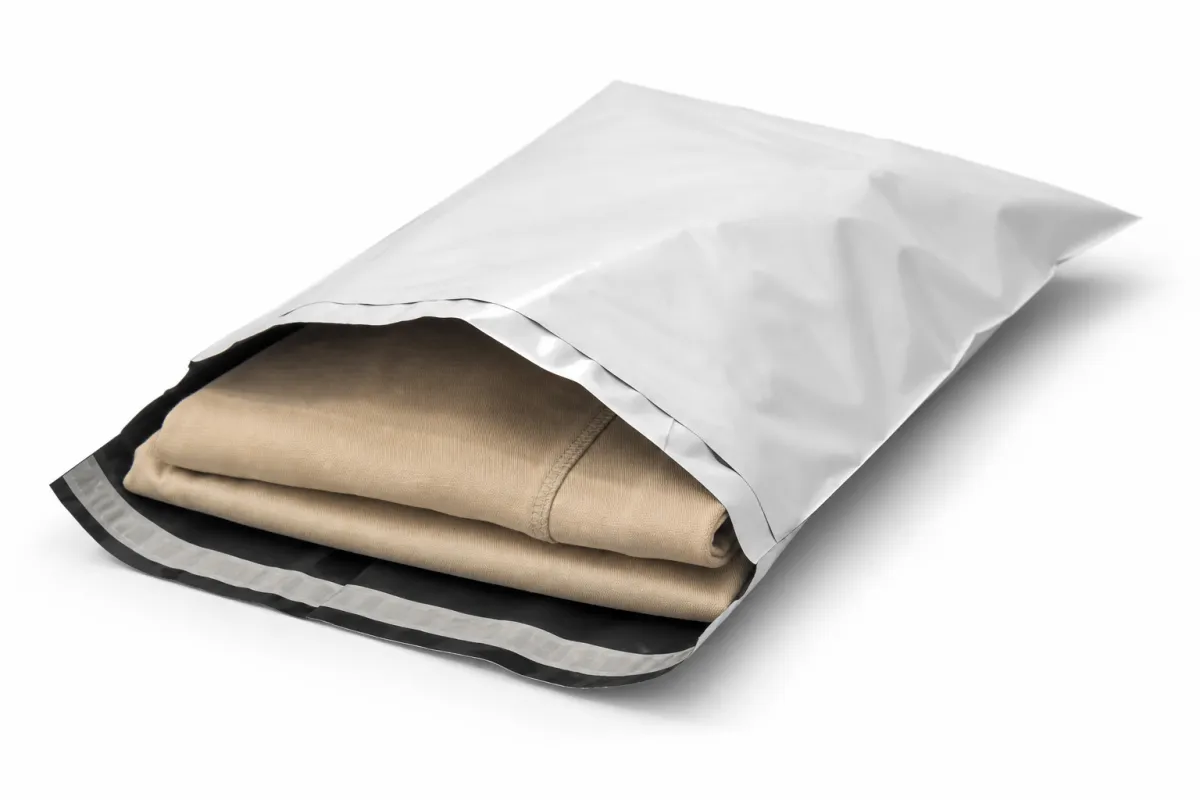
A standard mailer has one job: get the order to the buyer in one piece. Ecommerce return ready mailers have a second job waiting in the wings. They need enough strength for shipping, plus resealability, return label options, and a closure system that still makes sense after the customer opens the package. That is the real difference. Not the marketing language. The structure.
Most brands choose ecommerce return ready mailers because returns are expensive in ways that do not show up neatly on a product sheet. Apparel gets tried on. Accessories get compared. Beauty kits get opened, inspected, and sometimes sent back. If the packaging forces a customer to start from scratch, the brand pays in service calls, delays, and repacking labor. A return-ready design removes some of that pain before it starts.
The easiest way to think about these mailers is as a reverse-logistics tool that still cares about branding. They usually include one or more of these features:
- A reseal strip or second adhesive line
- A peel-and-return label panel
- A tear-open feature that leaves the package usable
- Strong seams that survive a second handling cycle
- Clear print instructions so the customer does not need a manual
That mix matters because ecommerce return ready mailers are not all built the same. A lightweight poly mailer with a reseal strip behaves differently from a paper mailer with a return flap or a padded version with a second closure. Product type, shipping lane, and expected return rate should drive the structure. Not the sample that looks nicest on a desk under showroom lighting.
These mailers tend to make the most sense in apparel, shoes, accessories, beauty, subscription items, and sample kits. Those categories see more exchanges and more "opened, checked, and sent back" behavior. High-return categories need ecommerce return ready mailers more than low-return ones do. A kitchen gadget with a return rate around 2 percent does not need the same setup as a fashion SKU that gets handled by three people before anyone decides to keep it.
There is a customer psychology piece too. A package that clearly supports returns signals confidence. It tells the buyer the brand expects choice, not regret. That matters in ecommerce, where the return experience often shapes whether someone buys again.
Practical rule: if returns happen often enough to create process work, your packaging should be carrying some of that work.
Brands comparing ecommerce return ready mailers with other formats should look beyond one mailer style and compare the whole packaging setup. Our Custom Packaging Products page helps if you want to weigh mailers against boxes, inserts, and other fulfillment formats without pretending one sample tells the whole story.
How ecommerce return ready mailers work from ship to return
The outbound part is simple. The product goes in, the mailer seals, the label goes on, and the order ships like any other parcel. The trick is that ecommerce return ready mailers hide the return path in plain sight. The customer may not notice the extra structure at first, which is the whole point.
On opening, the buyer usually tears along a designed line or peels a front panel that preserves the second closure. If a return is needed, they can fold, reseal, or close the mailer using the built-in return mechanism. That might mean a second adhesive strip, a reusable flap, or a labeled area reserved for the return trip. The job is to keep the package usable after one opening. Simple idea. Kinda finicky execution if the construction is weak.
Well-designed ecommerce return ready mailers also make warehouse handling less annoying. If the company expects to receive the returned package in the same format, the receiving team needs to know what to scan, where the label lives, and whether the item can be sorted without repacking. A package that feels customer-friendly but breaks internal workflow is only half a solution.
That is why the return process should be mapped before the first order ships. The brand needs to decide whether the return label ships inside the package, prints on a panel, or gets issued later through the portal. Some teams want a fully integrated return label. Others prefer a cleaner outbound appearance and generate the return label through the customer account or email flow. Both can work. The best choice depends on product value, return rate, and how much handholding support can tolerate.
Ecommerce return ready mailers also reduce customer uncertainty. A buyer who can see the return path in the package does not need to contact support asking where the label is, how to reseal the mailer, or whether the brand even accepts returns in that format. That means fewer "how do I send this back?" messages. Those messages look small. They are not. They eat time and create needless friction.
There is another benefit that gets ignored a lot: fewer random supplies in the home. No extra tape roll. No box hunt. No awkward repacking ritual at the dining table. The simpler the physical process, the more likely the return gets completed correctly and on time. Good for the customer. Good for the receiving team. Good for everyone who would rather not troubleshoot packaging over chat.
For teams comparing mailer structures, it helps to look at a mailer-specific option like our Custom Poly Mailers. Poly is not the only answer, but it is a common starting point when a brand wants tear resistance, print clarity, and a price point that does not make finance glare at you across the room.
Ecommerce return ready mailers: cost, pricing, and ROI
Money matters here, even if people like to pretend packaging is a side note until the margin report lands on their desk. Ecommerce return ready mailers usually cost more than standard single-use mailers. The extra cost comes from structure, adhesive systems, print setup, and sometimes padding or dual-layer construction. If the return feature is well built, the price goes up. Groundbreaking, I know.
Typical pricing depends heavily on volume and build type. As a rough working range, basic custom return-ready poly mailers might land around $0.18-$0.30 per unit at 5,000 pieces, while more premium paper-based or padded builds can move into the $0.30-$0.65 per unit range at similar quantities. Smaller runs usually cost more per unit, sometimes a lot more, because setup and tooling get spread across fewer pieces. These are broad ranges, not quotes. If someone gives you a low number without asking quantity, print coverage, and closure spec, they are not quoting. They are guessing with confidence.
Here is a simple comparison to help structure a quote request for ecommerce return ready mailers:
| Option | Typical Use | Approx. Unit Cost | Strength/Experience | Best Fit |
|---|---|---|---|---|
| Basic poly return-ready mailer | Apparel, light accessories | $0.18-$0.30 | Good tear resistance, clean reseal | High-volume SKU programs |
| Paper return-ready mailer | Premium presentation, lighter goods | $0.24-$0.42 | Better tactile feel, more premium look | Brands focused on unboxing and recyclability |
| Padded return-ready mailer | Fragile items, sample sets | $0.30-$0.65 | Higher protection, higher material cost | Products needing more cushioning |
| Dual-adhesive custom build | Frequent return categories | $0.25-$0.55 | Better reuse path, stronger process control | Brands with active reverse logistics |
The real ROI question is not "what does the unit cost?" It is "what does the full return cycle cost?" Ecommerce return ready mailers can save money in several ways:
- Less customer support time spent explaining returns
- Lower repacking labor in the warehouse
- Fewer damaged returns caused by awkward repackaging
- Better return completion rates, which reduce abandoned claims
- Cleaner sorting because the package format is predictable
That is why a mailer costing 5 to 12 cents more can still be the better buy. If it saves a few minutes of support time on a meaningful share of orders, the math changes fast. If it trims repacking labor on a high-return SKU, the package pays for itself over the run. From a packaging buyer's point of view, landed cost matters more than unit cost. Freight, storage, and labor can wipe out the cheap option before anyone notices.
Brands should also quote ecommerce return ready mailers at multiple run sizes. Ask for 1,000, 5,000, and 10,000 units if possible. The setup fee often makes small quantities look painful, while larger runs show where the curve actually levels off. That gives you a real basis for planning inventory instead of falling in love with a price that only works in theory and dies in production.
If sustainability is part of the decision, compare recycled content, recyclability, and ink coverage honestly. A mailer can be "better" in one lane and more annoying in another. For standards and sourcing guidance, the FSC and the EPA both offer useful baseline references for material and waste considerations. Neither one will pick the mailer for you, which is rude, but they help keep the claim language honest.
Key factors that decide the right mailer
Not every SKU should use the same format. Ecommerce return ready mailers need to match product weight, surface sensitivity, shipping distance, and the customer's likely return behavior. That sounds obvious until someone chooses by color swatch instead of by use case.
Material choice comes first. Poly is usually the strongest and most familiar, especially for soft goods. Paper can feel more premium and may fit brands trying to reduce plastic content, but it needs to be specified carefully so the closure survives the return cycle. Padded versions help with fragile items, but they add bulk and cost. If the product already ships safely in a lighter structure, padding just adds waste and weight.
Closure strength is the second big decision. A first-trip seal that fails in transit is a bad package. A reseal that fails after opening is also a bad package. The whole point of ecommerce return ready mailers is that both closures work. That means adhesive quality, tear path, and flap geometry all matter. Ask for samples that are opened, resealed, stacked, and handled more than once. Pretty sample photos tell you almost nothing useful.
Size is where many brands trip over their own feet. Too large, and you pay for extra material plus extra shipping weight. Too tight, and the product can crease, bulge, or make the return experience miserable. For apparel and accessories, a compact but not squeezed fit usually works best. For sample kits or boxed items, the internal dimensions matter more than the outer look.
Branding matters, but only up to a point. Clean print, sharp logos, and useful instructions are all good. Huge ink coverage, unnecessary finishes, and decorative clutter are where budgets go to die. A package can look strong and still be easy to use. The customer is not there to admire your print spec under a lamp.
Sustainability claims need caution. If the package is recyclable, say exactly how and where, because vague language creates distrust. If it contains recycled content, say whether that claim applies to the film, liner, or paper layer. If you want a format with better end-of-life alignment, ask for documented specs and make sure the supplier can back them up. Loose claims age badly. Buyers notice that kind of thing.
The right ecommerce return ready mailers setup also depends on internal operations. If the warehouse team cannot scan, sort, and receive the package cleanly, even a smart mailer can create confusion. Packaging and process should be built together. If you want a broader look at materials, formats, and branding methods while you sort through that decision, start with Custom Packaging Products and narrow down by product class from there.
Step-by-step rollout and process timeline for ecommerce return ready mailers
Rolling out ecommerce return ready mailers should not happen on a whim. The cleanest launches usually follow a short, disciplined process. Start with return data. Which SKUs come back most often? Which ones create the most repacking labor? Which categories trigger the most "I cannot find the label" support emails? Those answers tell you where packaging can actually help instead of just looking busy.
Next, build a prototype set. Do not stop at one pretty sample. Ask for a few options with different closure systems, print coverage levels, and material thicknesses. Then test them in the real world. Open them. Reseal them. Ship them. Return them. Check whether the return panel survives rough handling and whether the label stays readable after folding. That is where ecommerce return ready mailers prove themselves or fall apart quietly.
A realistic schedule often looks like this:
- Discovery and quoting: 2 to 5 business days
- Artwork and structural revisions: 3 to 10 business days
- Sampling and approval: 5 to 15 business days
- Production: usually 10 to 20 business days, depending on quantity and complexity
- Freight and receiving: 3 to 7 business days, sometimes more for larger orders
That puts a simple project in the two- to four-week range once approvals are done. More complex ecommerce return ready mailers with heavy print coverage, unusual adhesive systems, or custom sizing can take longer. Rushing setup usually creates the exact problems you were trying to avoid. A bad mailer in a hurry is still a bad mailer.
Third, run a pilot. Pick one product family, one warehouse lane, or one market first. Keep the test small enough to learn from, but large enough to expose problems. Watch return completion rate, customer feedback, and the number of support tickets tied to packaging confusion. If the mailer is working, those numbers should improve. If not, the pilot will show where the design needs tuning before the package spreads everywhere.
Fourth, document the process. The warehouse needs a packing SOP. Customer service needs a return script. The ecommerce team needs to know how the return label is triggered. If the package uses a pre-printed return panel, that should be documented. If the return label is generated after purchase, the customer flow needs to be written in plain language. Ecommerce return ready mailers work well only when the packaging and the process line up.
Finally, train the team on what success looks like. A good launch is not just "the mailers arrived." It is lower confusion, cleaner returns, and fewer exceptions. That is the scorecard. Pretty mailers are nice. Fewer problems are better.
Common mistakes brands make with return-ready packaging
The most common mistake is size. Oversized mailers waste money and create sloppy presentation. Undersized ones force the product into a cramped space and make resealing frustrating. Ecommerce return ready mailers are supposed to reduce friction. If the package is annoying to close on either trip, the design failed.
Weak adhesive is another classic problem. A return-ready package must hold through shipping, opening, and reuse. If the seal peels when the customer is trying to send it back, the package does not support the process. It gets in the way. That is a packaging defect, not a minor annoyance.
Overdesign shows up a lot too. Some brands add too many instructions, too much branding, or too many visual elements, and the return step gets harder to understand. The customer should not need a map to reseal a mailer. Good ecommerce return ready mailers should feel obvious. If a buyer has to search for the return path, the package is working against the sale.
Skipping real-world testing is expensive. A structure can look excellent on a sample board and still fail after three shipping touches, a damp porch, or a rushed customer opening it with the wrong tool. Test the mailer the way people actually use it. Scissors. Fingernails. Kitchen tables. Bad lighting. That is the real environment.
Another trap is ignoring the warehouse. If a returned package arrives in a format the team cannot scan, sort, or store efficiently, the problem just moves from the customer side to the operations side. Ecommerce return ready mailers should simplify the loop, not move the headache into another department.
Finally, some brands overpromise sustainability without checking the details. Recyclable sounds nice until the structure uses mixed materials that complicate disposal. Recycled content sounds good until the claim is too vague to trust. Keep the message accurate and the specification documented. If the material story is fuzzy, buyers notice. Sometimes quietly. Sometimes with a refund request.
Expert tips and next steps for ecommerce return ready mailers
If you are sourcing ecommerce return ready mailers, ask suppliers for three versions, not one. Get a budget build, a balanced production build, and a premium build with the full return experience. That gives you a realistic view of what the features are costing. It also shows where the design can be simplified without hurting performance.
Compare landed cost, not just unit price. Freight, storage, repacking, labor, and defect rates all matter. A mailer that looks cheap on paper can turn expensive once it lands, gets handled, and goes through returns. A slightly higher-cost build may be the better buy if it reduces customer service contacts or cuts manual work in receiving.
Pick one category that genuinely sees returns and test there first. That is where ecommerce return ready mailers prove their value. If the product rarely comes back, you are not learning much. If the product is commonly exchanged or returned, you will see quickly whether the closure system, label placement, and package size are right.
Use a simple launch checklist:
- Approved artwork
- Approved dimensions
- Approved seal and reseal method
- Approved return label approach
- Warehouse sign-off on receiving process
- Support team script for return questions
That checklist sounds basic because it is basic. Basic is good. Packaging failures usually come from skipped steps, not from mysterious manufacturing magic. The brands that get this right treat the mailer like part of the process, not a decorative afterthought.
It also helps to check standards and testing expectations early. If your product needs durability validation, look at methods used by ISTA for shipping performance. If sustainability messaging matters, align the materials with documentation from suppliers and third-party programs rather than relying on fuzzy language from a sales sheet. That keeps ecommerce return ready mailers grounded in actual performance instead of hopeful packaging fiction.
In practice, the smartest buyers focus on three numbers: return frequency, handling cost, and packaging failure rate. If a return-ready mailer improves even two of those three, it usually earns its place. If it only looks better on a mockup, save the money.
Ecommerce return ready mailers work best when they fit the product, the warehouse, and the customer journey. Start with your highest-return SKU, map the return path end to end, and test three sample builds Before You Buy at scale. That is how you get fewer mistakes, less waste, and a package that does its job without drama.
FAQ
What are ecommerce return ready mailers, exactly?
They are mailers designed to ship a product out and make the return path easier if the customer sends it back. Common features include resealable closures, return label panels, and stronger construction for a second use. Ecommerce return ready mailers are most useful for products with higher exchange or return rates.
Are ecommerce return ready mailers more expensive than standard mailers?
Usually yes, because the structure, adhesive, and print setup are more complex. The extra cost can be worth it if it reduces support time, repacking labor, or return damage. The smarter comparison is landed cost plus return-processing savings, not unit price alone.
Which products should use ecommerce return ready mailers?
Apparel, accessories, beauty, and subscription or sample items are common fits. They make the most sense when customers are likely to open, try, and possibly send the item back. Bulky or very fragile products may need a different return packaging format.
How long does it take to set up ecommerce return ready mailers?
Sampling and artwork revisions can take a few days to two weeks. Production and shipping often add another two to four weeks, depending on volume and finish complexity. A pilot launch is usually faster than a full inventory switch.
What should I test before ordering ecommerce return ready mailers at scale?
Test seal strength, reopening, resealing, and whether the package survives a full outbound and return cycle. Check label placement, barcode readability, and how easy the package is for customers to understand without instructions. Confirm that your warehouse can receive and process the returned package without extra manual steps.