Electronics Seller Mailer Boxes MOQ for Bulk Orders
For electronics brands, electronics seller mailer boxes moq is never just a line on a quote sheet. It sits right at the intersection of damage control, presentation quality, and the real cost of getting a product into a customer’s hands without drama. A carton that looks inexpensive on paper can turn expensive the moment a charging cable shifts loose, a corner takes a hit in transit, or a return comes back because the insert was guessed instead of measured. The right electronics seller mailer boxes moq brings protection, appearance, and unit cost into the same conversation so the packaging supports margin instead of quietly eating into it.
Buyers usually get better results when they treat electronics seller mailer boxes moq as part of the packaging design, not just the purchase order. The target is not the cheapest carton possible. It is the right carton at a minimum order quantity that fits the business, opens the door to bulk pricing, and holds the device securely. Small accessories may look straightforward on the bench. Compact devices, bundled chargers, earbuds, and multi-piece kits can move the spec fast, and the quote usually follows.
"The lowest carton price can become the highest total cost once breakage, rework, and replacement shipments show up."
Why Electronics Seller Mailer Boxes MOQ Changes the Economics
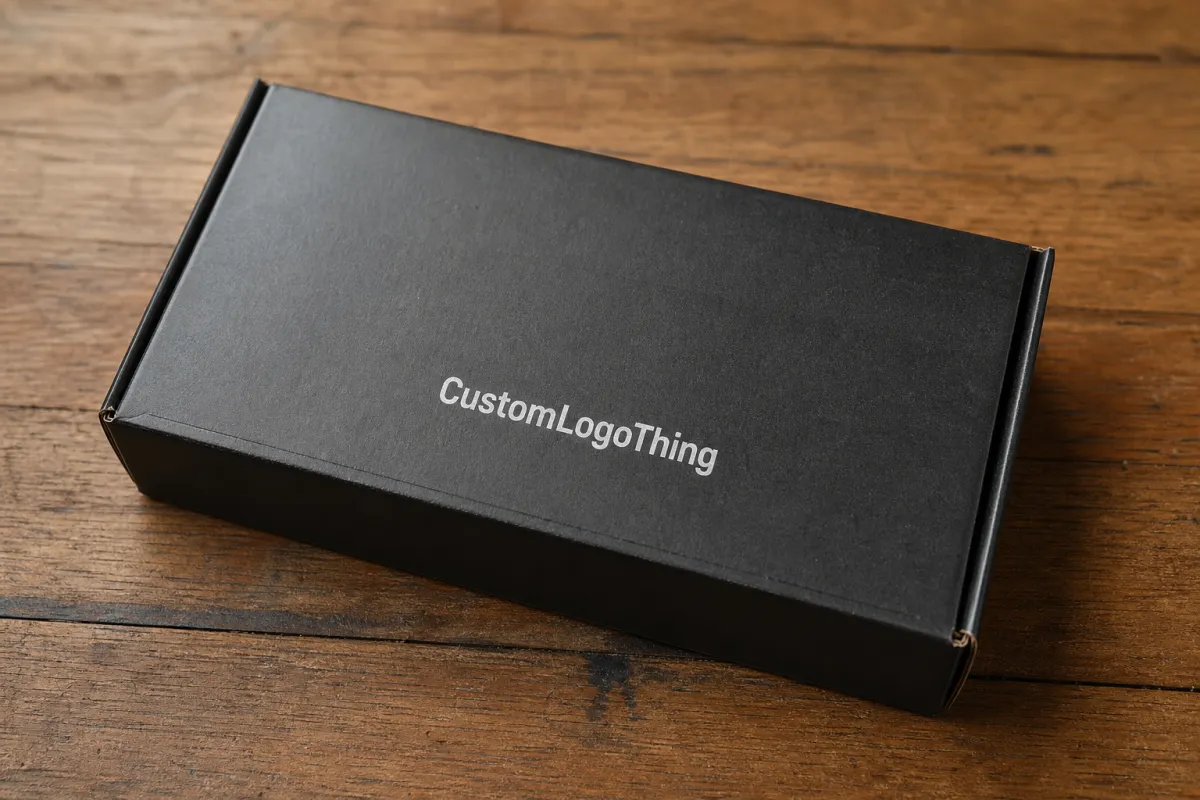
Electronics punish loose packaging. A beauty product can tolerate a little extra headspace; a phone accessory set often cannot. That is why electronics seller mailer boxes moq affects the economics more sharply than it does in many other categories. The box is part packaging, part return-rate control, part freight decision, and part first physical brand impression. If the mailer is too weak, the seller pays later through damage and replacement. If it is too large, the seller pays right away through extra board, higher cubic freight, and more void fill.
The difference between a small pilot order and a larger production run is not only quantity. A pilot run gives you a chance to confirm fit without tying up much cash. A production run spreads setup, tooling, and print preparation across more cartons, which usually lowers cost per unit. That spread matters. A 250-unit order can look expensive because one-time work is sitting on a tiny base. A 5,000-unit order absorbs the same fixed work far more efficiently.
Buyers often miss that tradeoff. A lower MOQ reduces exposure because you can test insert fit, print color, and shipping performance before scaling up. A higher MOQ lowers unit cost and usually improves consistency across the batch. Both have value. The mistake is assuming the smallest MOQ always wins. For electronics seller mailer boxes moq, a slightly larger order can save more than it costs if it cuts rework, damage, and shrinkage in the field.
The hidden costs are not small. A loose charging cable can rub against a device face. Foam that is just 2 mm too thick can crush the cavity and slow packing. A mailer that looks good on a bench can still fail after it moves through a multi-node parcel network. Many electronics sellers check their mailer spec against ISTA transit testing guidance before approving production because the goal is to match the package to the shipping environment, not to overbuild it for show.
From a packaging buyer’s perspective, the cleanest frame is simple: electronics seller mailer boxes moq should protect margin, not merely satisfy a purchasing threshold. If the format reduces damage, supports presentation, and stays consistent at scale, the order is doing several jobs at once. That is where the economics usually begin to work.
Electronics Seller Mailer Boxes MOQ: Materials, Structure, and Protection
The box build has to follow the product. For most brands, electronics seller mailer boxes moq starts with one of three structures: Corrugated Mailer Boxes, rigid-style mailers, or reinforced cartons with insert systems. Corrugated mailers are the practical choice for a lot of electronics sellers. They are widely available, easy to spec, and flexible enough for accessories, charging kits, and small devices. Rigid-style mailers bring a more premium feel, though they raise material and freight cost. Reinforced cartons sit between the two and often make sense for heavier items that still need branded presentation.
Board grade changes the outcome faster than many buyers expect. E-flute and B-flute corrugated are common for lighter electronics, especially when the outer pack is designed around a snug fit and controlled accessory load. Heavier devices, denser kits, or mixed-component packs usually need stronger flute combinations or thicker board to reduce crush risk. The wrong board can make electronics seller mailer boxes moq look attractive on paper while the replacement rate rises quietly afterward.
Internal protection is where electronics packaging either earns its keep or falls short. Paper cushioning, molded pulp, custom inserts, and compartmentalized layouts each solve a different problem. Paper cushioning is easy to source and can work well for lower-risk accessories. Molded pulp gives a cleaner sustainability story and can suit product families that need repeatable cavity control. Custom inserts, including paperboard and foam, are the most precise option when the device, cable, and accessory count stay fixed. If the product scuffs easily, separate cavities for each component usually pay off quickly.
Print and finish choices matter as well. Matte and gloss coatings both have a place, yet each affects scuff visibility, tactile feel, and cost. Inside printing can improve the unboxing experience, though it adds ink coverage and setup complexity. Tamper-evident details help with high-value items, especially where buyers want a clear chain-of-custody signal. For brands trying to balance premium presentation with electronics seller mailer boxes moq, the strongest move is usually to keep the exterior sharp and the structure efficient instead of sprinkling decoration everywhere.
Specification discipline keeps the packaging from growing larger than it needs to be. Measure the device after accessories are included, not before. A 120 mm device with a charger and cable can become a 170 mm pack-out quickly. That extra length changes board usage, freight class, and insert footprint. Good buyers think in pack-out dimensions rather than product dimensions alone. That is the difference between a box that fits on a CAD screen and one that fits on a packing table.
If sustainability is part of the buying decision, FSC-certified paper options can support the material story without forcing the design into an expensive corner. The best suppliers will help choose the grade, insert material, and print method that keeps electronics seller mailer boxes moq realistic while still protecting the product and the brand.
Cost, Pricing, and MOQ Thresholds That Shape Your Quote
The pricing ladder is simple to describe, but the details decide who saves money and who does not. As electronics seller mailer boxes moq rises, setup costs get spread across more units, and the price per piece usually drops. That does not mean every larger order is cheaper in total. A 10,000-unit run can carry a lower unit price and still tie up more cash than a 2,000-unit order. The better choice depends on sell-through speed, reorder timing, and how much inventory risk the business can carry.
The main cost drivers are easy to identify once you know where to look: dimensions, board grade, print coverage, insert complexity, finishing, and shipping destination. Oversized footprints are a common leak. Buyers often approve a box that is 10 to 15 mm wider than necessary because it makes artwork placement easier or leaves a little more cushion. That cushion is not free. Multiply it across thousands of cartons and corrugated usage, warehouse volume, and freight cost all move the wrong way.
Tooling fees and setup charges also shape the quote. A new dieline may call for cutting tools, and a new insert layout may need its own preparation. Those costs are normal, not hidden, but they should be itemized clearly. When a supplier cannot separate one-time charges from recurring carton price, comparison gets muddy. That is where many electronics buyers overpay without realizing it. They compare a short-run sample quote with a bulk quote and assume the difference is only margin. In reality, the first quote often contains one-time work that disappears once production volume arrives.
| MOQ band | Typical use case | Indicative unit cost | Main tradeoff |
|---|---|---|---|
| 200-500 units | Prototype, pilot launch, SKU validation | $1.25-$2.80 each | Highest setup burden and the most expensive cost per piece |
| 1,000-3,000 units | Early production for a proven SKU | $0.72-$1.55 each | Better bulk pricing, but still sensitive to print coverage and inserts |
| 5,000+ units | Stable demand, repeat orders, multi-channel fulfillment | $0.38-$0.98 each | Lowest cost per piece, but more inventory exposure if sales slow |
Those ranges are directional rather than universal, because size and build details move them quickly. Even so, they show why electronics seller mailer boxes moq is more than a quantity number. It is a pricing threshold. Cross a certain point and the economics shift meaningfully. The same box, with the same artwork, can drop in price simply because setup charges are diluted over a broader run.
Sample pricing deserves its own caution. A prototype or short run can look expensive because the supplier is confirming structure, reviewing artwork, and preparing tooling for a quantity that still cannot benefit from scale. Buyers sometimes dismiss the sample quote too quickly. That is a mistake. A sample proves whether the outer dimensions, insert cavities, and closing style actually protect the product. A slightly expensive prototype can prevent a very expensive production error.
When comparing suppliers, request quotes on the same basis every time: identical dimensions, identical material spec, identical print method, identical insert style, and identical shipping destination. If one supplier quotes a 350 gsm board with no inserts and another quotes a 400 gsm board with molded pulp, the numbers do not mean the same thing. Clean comparison is the fastest way to see whether electronics seller mailer boxes moq is being optimized for real cost or only for the headline number.
Process and Lead Time: From Dieline to Delivery
A strong order follows a clear sequence. The best projects begin with a brief, then move into dieline review, artwork proof, sampling, approval, production, inspection, and shipment. That order sounds obvious, yet delays often start when a buyer skips a step or submits incomplete information. For electronics seller mailer boxes moq, lead time is rarely just production time. Proofing, sampling, and freight all sit on top of it.
First-time custom projects usually take longer because the insert layout has to be validated. A box that holds a single accessory is straightforward. A box that has to fit a device, cable, charger, and quick-start sheet behaves more like a small packaging system. The supplier may need to test closure height, insert compression, and print registration. A repeat order moves faster because the dieline and insert spec already exist. That is why experienced buyers try to lock the structure early and keep the design stable between orders.
Quoted production time and total calendar time are not the same. A supplier might quote 12 to 18 business days for manufacturing after approval, yet the calendar can still stretch to 3 to 5 weeks once sample review and freight are included. If the order adds a new insert, custom color matching, or a structural revision, the schedule stretches further. Buyers who plan around the production window alone usually get surprised. Buyers who include approval and shipping windows tend to stay on track.
What slows jobs down most? Missing dimensions. Low-resolution artwork. Vague insert instructions. Late proof approval. Each issue sounds small, but together they can move a release date by days or even weeks. Good suppliers help prevent that by asking precise questions up front. The stronger the brief, the less back-and-forth is needed, and the more predictable electronics seller mailer boxes moq becomes.
For transit-sensitive projects, it helps to align the package with an actual performance standard. Many buyers use Packaging Alliance resources alongside ISTA testing references to confirm that the carton and insert system match shipping stress rather than just shelf appearance. That matters most for small electronics, where breakage may not show up right away but still drives replacement cost and customer service volume.
A practical timeline for a repeat order might look like this: two to four days for final artwork, about a week for proofing and small tweaks, roughly two weeks for production, then freight depending on origin and destination. A new custom structure can take longer. If the buyer wants the safer path, a pilot run first and a bulk run after fit is confirmed is often the cleanest route. That keeps electronics seller mailer boxes moq aligned with testing and production reality.
Spec Sheet Checklist for Electronics Seller Mailer Boxes MOQ
A clean spec sheet shortens the sales cycle and usually improves quote accuracy. If you want electronics seller mailer boxes moq to come back with useful numbers instead of rough guesses, give the supplier the facts that affect build, fit, and freight. The best starting point is the finished product dimension, not a rough retail carton estimate. Add accessory count, because a box designed for one item can fail once a cable, power brick, and warranty card are added.
Include the shipping method. A parcel shipper does not need the same structure as a retail-ready carton moving through store replenishment. If the box will ship by e-commerce parcel, the design should tolerate compression, corner abuse, and conveyor handling. If it will move in larger master cases, the outer carton and pack-count strategy may change. The supplier needs that context to judge whether electronics seller mailer boxes moq should lean toward corrugated, rigid-style, or reinforced construction.
Electronics-specific details matter more than many buyers expect. Is the item scratch-sensitive? Does it have exposed ports or glass surfaces? Is it ESD-sensitive? Will it ship with a charger, cable, or battery? Those answers determine whether the box needs an insert, a cable tie, a retention tray, or a simple paper cushion structure. The goal is not to overbuild. The goal is to keep movement under control without making the package bulky enough to hurt unit cost.
Order-shaping variables help the supplier recommend the right approach. Forecast quantity, reorder frequency, warehouse location, and SKU count all matter. If one mailer box must work across several product variants, the insert can often be designed with adjustable cavities or modular pads. That can keep electronics seller mailer boxes moq manageable across a product family. A shared platform often beats a separate box for every SKU, especially for sellers with seasonal launches.
Use this as a practical checklist before requesting pricing:
- Device dimensions and finished pack-out dimensions
- Accessory count, including chargers, cables, adapters, and manuals
- Shipping method and expected handling conditions
- Branding needs, print coverage, and inside or outside print requirements
- Protection requirements such as inserts, cushioning, or tamper-evidence
- Forecast quantity, reorder timing, and warehouse destination
- Any regulatory or sustainability targets, including FSC preference
That list feels basic, yet it prevents the most common revision loops. The better the spec sheet, the fewer assumptions the supplier has to make. That is how electronics seller mailer boxes moq becomes quote-ready on the first pass instead of turning into a round of corrections.
Why Choose Us for Electronics Seller Mailer Boxes MOQ
Custom Logo Things is built for buyers who want the facts first. If your goal is to source electronics seller mailer boxes moq without wasting time on unclear estimates, the real value is clear quoting, practical packaging guidance, and a process that keeps the spec grounded in the actual product. For electronics brands, that matters more than flashy promises. A package only performs when the dimensions, board spec, print method, and insert layout all agree.
We focus on the details that affect unit cost and shipping performance. That means checking dimensions, print alignment, and insert fit before an order moves into production. A tight insert that protects the device but slows packing is not a win. A beautiful box that crushes in transit is not a win either. The job is to balance protection and spend so electronics seller mailer boxes moq supports the business instead of draining it.
Many brands reach out while testing a new SKU or moving from generic shipping cartons to branded mailers. That change shifts the economics fast. A plain box may be cheap, but it rarely does much for retention or perceived value. A branded system built around a realistic MOQ can improve presentation and reduce the rework caused by poor fit. We help buyers compare those options without pretending that every project needs premium finishes or oversized construction. In many cases, a clean corrugated mailer with a smart insert is the strongest answer.
Transparency is the part buyers remember. If a quote needs a revised dieline, a different board grade, or a changed insert cavity, it should be stated plainly. If the MOQ changes because the structure is more complex, that should be clear too. Real service is not hiding tradeoffs. It is explaining them. That is the standard we try to hold for electronics seller mailer boxes moq, especially for brands that need confidence before they scale.
If you are still building the broader packaging system, the rest of our catalog can help you compare formats. Explore Custom Packaging Products for other carton styles, or review Custom Poly Mailers if part of your assortment ships in flat accessory packs rather than rigid boxes. For process questions, our FAQ page can help clarify common buying points before you Request a Quote.
What matters most is that electronics seller mailer boxes moq is treated as a strategic procurement decision. The right build can reduce returns, protect fragile hardware, and keep bulk pricing aligned with margin targets. The wrong build can create a quiet cost problem that only shows up in damage claims and packing labor. Our approach is to keep the decision simple, measurable, and tied to the shipment itself.
Next Steps: Lock in a Quote-Ready Order
The fastest path to a useful quote is preparation. Measure the device, the accessories, and the finished pack-out before asking for pricing. If the product includes a charger, cable, or insert card, include those dimensions too. That single step can make a major difference in electronics seller mailer boxes moq, because the box is sized around the complete ship-ready bundle rather than the bare device alone.
Gather artwork, target quantity, destination ZIP or shipping region, and any protection requirements before the first conversation. If the item is fragile, high-value, or likely to need insert tuning, order a sample or pilot run. A small pilot may cost more per piece, but it can save money by exposing fit issues before production volume locks them in. That is especially true for electronics seller mailer boxes moq orders that include multiple accessories or a premium unboxing layout.
Compare unit cost at two or three MOQ levels. That shows the break point between test volume and production volume. If the difference between 1,000 and 5,000 units is modest, the larger order may be worth it. If the jump creates inventory risk the business cannot absorb, a smaller run may be the better choice. There is no universal answer, which is why electronics seller mailer boxes moq needs to follow your demand pattern, not a generic rule.
For brands moving quickly, the practical route is straightforward: submit the spec sheet, confirm the needed electronics seller mailer boxes moq, review the sample or proof, and approve the build only when fit and cost line up. That sequence keeps the decision grounded in the shipment, the margin, and the customer experience. It also avoids the most common mistake in electronics packaging: buying a box that looks fine until the first damage claim arrives.
Strong packaging economics are built, not guessed. If you want electronics seller mailer boxes moq that supports bulk pricing without compromising protection, start with the real dimensions, ask for comparable quotes, and choose the structure that holds up in transit. That path leads to a better order, a steadier cost per piece, and fewer surprises after launch.
What is a realistic electronics seller mailer boxes MOQ for a first order?
A realistic MOQ depends on box size, print complexity, and whether inserts are included. Simple corrugated mailers can sometimes begin at a lower quantity, while custom inserts, heavy print coverage, or special finishes usually push the minimum higher. The best benchmark is the point where setup charges no longer make the unit price impractical for your margin.
Can I order electronics seller mailer boxes MOQ by SKU instead of one generic size?
Yes, though each SKU-specific size can change tooling, setup charges, and pricing. If several products fit into one outer box with adjustable inserts, that often keeps MOQ and unit cost under control. A shared box platform is usually the most efficient choice when you sell multiple small electronics items.
What affects the unit cost most on electronics seller mailer boxes MOQ?
The biggest drivers are dimensions, board grade, print coverage, and insert complexity. Shipping destination can matter too, especially if the cartons are bulky or need special freight handling. Simplifying structure and standardizing size usually lowers cost per piece faster than trimming artwork details.
How long does production usually take after I approve the proof?
Lead time depends on whether the order is a repeat run, a new custom dieline, or a revised insert layout. Sampling, proof approval, and freight all add time beyond the actual production window. The fastest jobs are the ones with final artwork, exact dimensions, and clear pack-out instructions ready at the start.
Do electronics seller mailer boxes MOQ orders need inserts?
Not always, but inserts are often worth it for fragile devices, accessories, or premium presentation. If the item can move in transit, an insert usually lowers damage risk more effectively than extra empty space. The right insert depends on product shape, shipping method, and how many components arrive in one box.


