Buyer Fit Snapshot
| Best fit | Printed Corrugated Mailer Boxes Bulk projects where brand print, material claims, artwork control, MOQ, and repeat-order consistency need to be specified before quoting. |
|---|---|
| Quote inputs | Share finished size, material target, print colors, finish, packing count, annual reorder estimate, ship-to region, and any compliance wording. |
| Proofing check | Approve dieline scale, logo placement, barcode or warning zones, color tolerance, closure strength, and carton packing before bulk production. |
| Main risk | Vague material claims, crowded artwork, missing packing details, or unclear freight terms can make a low unit price expensive after revisions. |
Fast answer: Printed Corrugated Mailer Boxes Bulk: Specs and Pricing should be specified like a repeatable production item. The safest quote records material, print method, finish, artwork proof, packing count, and reorder notes in one written spec.
Production checks before approval
Compare the actual filled-product size with the drawing, then confirm tolerance on folds, seals, hang holes, label areas, and retail display edges. Reserve space for logos, QR codes, warning copy, and material claims before decorative graphics fill the panel.
Quote comparison points
Review material grade, print process, finish, sampling route, tooling charges, carton quantity, and freight assumptions side by side. A quote is only useful when the supplier can repeat the same color, closure quality, and packing count on the next order.
Printed Corrugated Mailer Boxes bulk matter because one box has to do two jobs at once. It has to survive transit, and it has to make the product look intentional when it lands on a desk, shelf, or doorstep. That sounds simple until you start pricing the real job: freight, labor, damage rates, packing speed, inserts, and the occasional warehouse decision that makes no sense to anyone who actually pays the invoices.
Buyers usually find out the hard way that the cheapest-looking packaging is not always the cheapest packaging. Plain stock boxes often need labels, extra tape, more handling, and more time at the packing table. A printed mailer can remove some of those extra steps while giving the brand a cleaner presentation. That is not marketing poetry. It is fewer motions per order.
DTC brands, subscription shipments, retail replenishment, and promotional kits all benefit from packaging that does more than hold a product in place. A corrugated mailer becomes part of the shipment experience and part of the operating system. Spec it badly and it becomes a cost center. Spec it well and it quietly does its job every day.
“A mailer box should not need a long explanation. It should fit the product, protect it in transit, and carry the brand without slowing the line.”
Why printed corrugated mailer boxes bulk make sense at scale
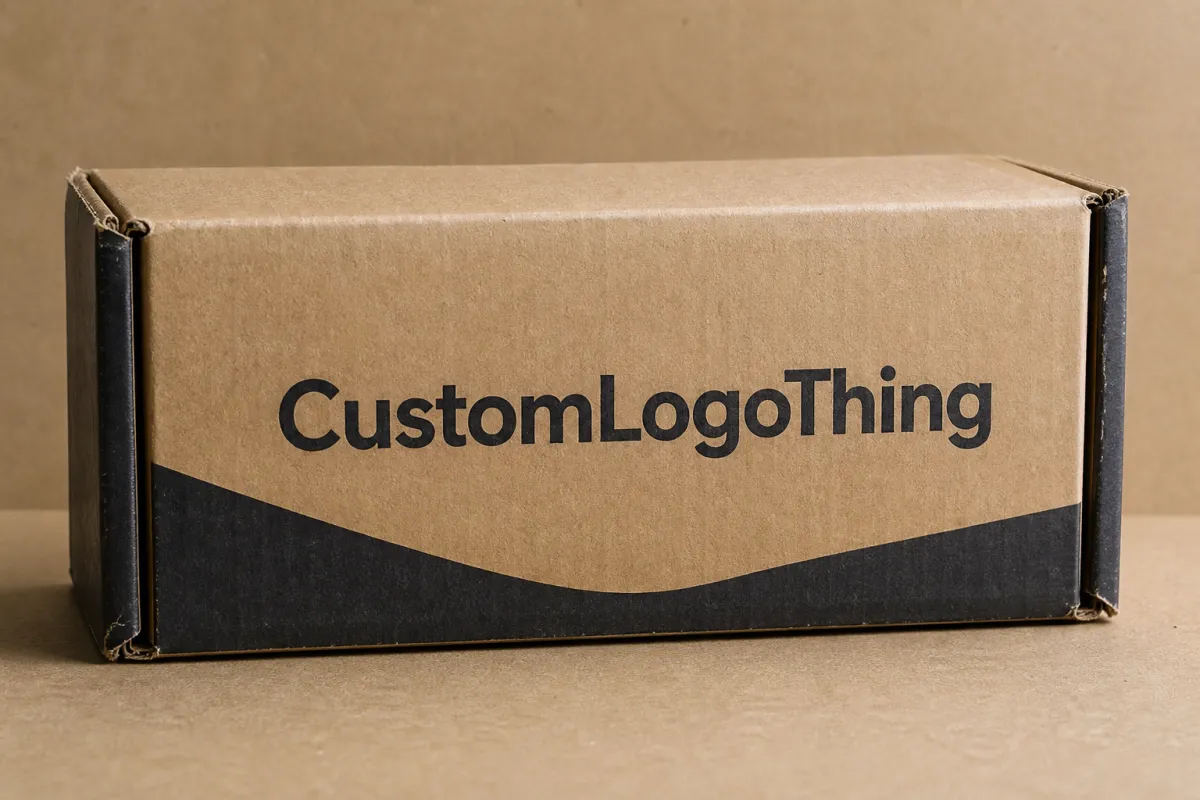
Volume changes the math. Small runs carry heavier setup costs, so the unit price can look awkward at first glance. Once the run gets larger, those fixed costs get spread across more boxes and the price usually settles into a much more practical range. That is why printed corrugated Mailer Boxes Bulk often end up beating plain stock when the full packing process is included.
Many teams compare a printed mailer only against the box itself. That is too narrow. Labels take time. Extra tape takes time. Inserts that do not fit right take time. Manual branding fixes take time. If a warehouse runs at speed, every extra step turns into money. A package should help the line move, not add another small obstacle to it.
Bulk ordering also makes inventory easier to manage. A well-planned mailer size can replace several box formats if the product range sits in a similar dimension band. Fewer SKUs means fewer reorders, fewer mistakes, and less dead stock taking up shelf space. That is the kind of boring efficiency that actually shows up on a P&L.
Subscription brands feel this most clearly. The box is the first physical touchpoint the customer sees, and it arrives before the product itself does. Retail fulfillment gets a similar benefit. A printed corrugated mailer can ship well and present well without pushing the packaging into luxury territory that does damage to margin.
Predictability matters just as much as appearance. A steady shipment volume needs a consistent unit cost, a structure that does not wander from run to run, and artwork that prints cleanly every time. The box is not just a container. It is a repeatable operating cost, which is why sloppy specs cause so much friction later.
Teams often compare corrugated mailers with other formats before they commit. Some buyers review Custom Packaging Products to compare the broader program. Others look at Custom Shipping Boxes if the contents need more protection, or split the order between mailers and Custom Poly Mailers for lighter goods. That is normal. The product should decide the format, not whichever sample happened to look nicest in the meeting.
What makes these corrugated mailer boxes different
Printed corrugated mailer boxes use a folding corrugated structure, not a thin folding carton. That distinction matters. Corrugated board gives better crush resistance, stronger stacking performance, and much better protection in parcel transit. A box can look fine on a table and still get beat up in a truck, on a belt, or in the back of a van that has seen better days.
The structure usually includes a mailer-style tuck closure, pre-scored folds, and a locking front panel. That design keeps the box closed without relying on excessive tape. It also helps the pack line move faster because the box behaves the way a box should. No wrestling. No improvisation. Just a package that folds, closes, and ships.
Print choices vary a lot. A simple one-color logo on kraft stock is the most economical route. It stays understated and clean. Full exterior coverage costs more, but it gives much more control over the final look. Inside printing adds another layer and can carry instructions, a brand message, or a reveal moment when the customer opens the mailer. If the unboxing matters, the inside often does the heavy lifting.
Material selection matters too. Kraft liners create a more natural appearance. White liners give brighter graphics and stronger contrast. Some buyers ask for matte or soft-touch finishes. Those finishes can feel good in hand, but they add cost and should earn their place through the brand position, not because the sample card looked impressive under showroom lighting. Not every box needs to dress up.
Corrugated mailers also fit sustainability goals pretty well, provided the spec is sensible. They are fiber-based, commonly recyclable in many regions, and easier to right-size than oversized shipping cartons. When the dimensions are correct, you reduce void fill, reduce wasted material, and reduce the chance that the product rattles around in transit. That is the version of sustainability procurement teams should care about: less waste, less damage, less excess.
For fragile products, structure matters as much as print. A strong box with plain artwork is still a strong box. A beautiful box with the wrong flute is just expensive disappointment. If the product needs more support, add inserts or protective dunnage and treat the package as one system. The outer shell is only one part of the job.
For buyers who want a formal reference on fiber recovery and recycling basics, the EPA’s materials guidance is a useful starting point: EPA recycling guidance. For sourcing standards tied to responsible fiber, the Forest Stewardship Council is another common reference point. Neither one selects the box for you. They just keep the sustainability conversation grounded in something real.
Specifications to lock before you request a quote
If the spec is vague, the quote will be vague too. That is usually how the mess starts. Before asking for a price on printed corrugated mailer boxes bulk, lock the dimensions, product weight, print method, and any insert needs. Otherwise the next week gets consumed by follow-up questions that should have been settled before the first email went out.
Start with internal dimensions. The inside size is the number that matters. The product has to fit with any wrap, insert, sleeve, or card included. Too much empty space lets the contents move and bruise corners. Too little space crushes the product or turns packing into a quiet argument with the box.
Choose the flute and board grade early. E-flute is common for lighter shipments because it gives a cleaner print surface and a slimmer profile. B-flute is thicker and often better when the box needs more crush resistance. Heavy contents or rougher shipping routes may call for stronger board construction. Double-wall is there for serious weight, but it adds cost and shipping weight, so it should be used because the product needs it, not because someone likes the sound of “extra strength.”
Decide on print coverage. Exterior print only is the simplest way to keep cost under control. Inside print is worth the spend when the box needs instructions, branding, or a second reveal. Full coverage changes pricing because it affects ink use, setup, and sometimes production complexity. There is no prize for printing every surface just because the press can handle it.
Define closure style and handling conditions. Will the box be opened once and discarded, or does it need to tolerate repeated openings? Will it move through postal sortation or private parcel carriers? Will it sit on a retail shelf? Each answer changes the engineering. A mailer that works for a subscription unboxing can be a poor fit for a return-heavy retail workflow.
Add coatings and finishes only if they pay for themselves. Aqueous coating can improve scuff resistance. Varnish can add surface protection. Soft-touch film changes the tactile feel, but it also adds cost and is not worth it for every SKU. The finish should support the use case. If it does not, it is just another line item.
Do not leave out inserts or special effects. If the box needs a paperboard insert, molded insert, cutout, window patch, spot UV, embossing, foil, or any other treatment, put it in the quote request up front. Missing that detail is how budgets get rewritten and launch dates get pushed.
| Spec choice | Best for | Typical impact on cost | Practical note |
|---|---|---|---|
| E-flute, kraft exterior | Lightweight DTC goods, simple branding | Lowest among printed mailer options | Good print surface, efficient for steady bulk runs |
| B-flute, white exterior | Heavier products, stronger crush resistance | Moderate increase | Better for rough transit and brighter graphics |
| Inside and outside print | Subscription boxes, premium unboxing | Higher due to setup and coverage | Worth it when the reveal is part of the brand |
| Coating plus inserts | Fragile or high-value products | Higher, but often justified | Reduces damage risk and improves presentation |
| Double-wall construction | Heavy contents or demanding shipping routes | Highest among common mailer options | Use only when single-wall will not hold up |
If the packaging stack feels tangled, start with the product and build outward. The box, insert, Print, and Shipping method should be treated as one system. That is what separates a package that simply exists from one that actually performs.
Pricing, MOQ, and unit cost drivers
Pricing comes down to a few variables, and none of them are mysterious. Size matters. Board grade matters. Number of print colors matters. Coatings matter. Total quantity matters a lot. If a quote skips those questions, it is either incomplete or trying to keep the headline number tidy while hiding the rest. Neither option helps a buyer make a clean decision.
The basic rule is straightforward. Bigger boxes use more material, more print coverage adds setup, and lower quantities spread fixed costs across fewer units. That is why a 500-unit run can look expensive per box while a 5,000-unit run starts to look much healthier. The press does not care about the budget spreadsheet. It cares about setup and throughput.
The easiest way to compare options is by quantity tier. Ask for pricing at 500, 1,000, 2,500, and 5,000 units. That shows where the breakpoints sit. Sometimes the jump from 1,000 to 2,500 is small enough that the larger run is the smarter move. Sometimes it is not. You only know once the numbers are side by side.
The table below is the kind of comparison that actually helps a buying decision. These are not universal prices. They are practical ranges that can shift depending on size, color count, board grade, and finishing.
| Quantity | Simple 1-color kraft mailer | Full-color printed mailer | Notes |
|---|---|---|---|
| 500 units | $1.25-$2.10 each | $2.10-$3.80 each | Setup cost weighs heavily here |
| 1,000 units | $0.88-$1.65 each | $1.55-$2.95 each | Common entry point for test programs |
| 2,500 units | $0.62-$1.20 each | $1.10-$2.10 each | Often the first volume where savings feel real |
| 5,000 units | $0.42-$0.95 each | $0.82-$1.65 each | Better economics for repeat fulfillment |
The ranges stay broad for a reason. A small mailer and a large mailer do not use the same amount of board. Print coverage changes the equation too. A one-color logo on kraft stock is not priced the same way as a fully printed interior with multiple exterior colors and a coating on top.
MOQ is the lever that matters most. Lower quantities keep risk down, which helps launches and seasonal programs. Unit cost drops quickly once setup is shared across a larger run, though. If the packaging will reorder on a predictable schedule, comparing only 1,000 units can be misleading when 2,500 or 5,000 gives a better landed cost.
Ask for a quote with separate line items for tooling, print setup, freight, coatings, inserts, and any special finish. That shows exactly where the money goes. A low headline number is not useful if it hides expensive extras. Buyers usually get burned by quotes that look simple and then grow teeth later.
Repeat runs often improve the economics. Once the dieline is approved and the artwork is locked, the production line can move with fewer surprises. That does not guarantee a dramatic discount, but it usually cuts friction out of the process. Consistency matters because it reduces rework risk, and rework is one of the least glamorous ways to waste money.
If you are comparing formats across a larger rollout, it can help to look at broader sourcing options like Wholesale Programs. Bulk buying only works when the volume matches the actual shipment flow. Overbuying is just waste with better branding.
Process, timeline, and lead time from quote to delivery
The process should be clear from the first email. Send dimensions, product weight, print goals, quantity, and any finish requirements. A decent supplier should turn that into a quoted spec before anyone starts guessing. If the quote arrives without basic questions, pay attention. Packaging is not a place for improvisation if the goal is reliable production.
After the quote comes dieline review. That is where the layout gets checked against fold lines, safe zones, closure flaps, and bleed requirements. It is not the exciting part, but it is the part that keeps the job from going sideways later. A design can look perfect on screen and still fail on the printed box if the panel mapping is wrong.
Then come proofs. Digital proofs are fast. Physical samples take longer, but they are worth it when the product is expensive, fragile, or visually sensitive. This is where color drift, fold issues, and odd placement get caught before production locks in. Fixing errors at proof stage is cheap. Fixing them after a bulk run starts is the sort of mistake people remember for the wrong reasons.
Production lead time usually includes press setup, printing, die cutting, gluing, and final inspection. The exact schedule depends on order size and complexity. Simple one-color runs can move faster than full-coverage jobs with coatings or multiple components. For many bulk orders, a range of about 12-20 business days after proof approval is common, though that changes with season, capacity, and finishing. If timing matters, ask for the realistic range, not the optimistic one.
Freight is separate from factory time, and people routinely underestimate that. You can approve the artwork and still miss a launch if shipping takes longer than expected. Build in buffer for transit, customs if relevant, and the delays that show up in every supply chain sooner or later. Packaging that arrives late is just expensive cardboard sitting in the wrong place.
For buyers who want to validate transit performance, ISTA test standards are a useful reference point. The organization’s guidance is here: ISTA test standards. You do not need to run a lab to buy boxes, but it helps to know whether the package was designed for real parcel stress or just for a polished rendering.
One practical rule helps avoid a lot of trouble: work backward from the in-hand date, not the PO date. Count proof time, artwork edits, production, freight, and a little padding for the usual nonsense. Packaging schedules rarely fail because everyone was too careful.
Why buyers choose us for sustainable packaging runs
We focus on tradeoffs that actually matter, not glossy promises. If a lighter board saves money without hurting performance, that is a real win. If it does not hold up, it should be called out before the order is placed. Sustainable packaging should work that way. It should reduce waste and avoid unnecessary material use, not just wear a green label and hope nobody asks what it means.
The smartest sustainability move is usually the least dramatic one: right-size the box. A mailer that fits properly uses less board, cuts down void fill, and lowers the odds of damage in transit. That means fewer replacements, fewer returns, and fewer customer complaints. A well-sized box is often better for both the budget and the planet. Loud claims are easy. Better packaging physics takes actual thought.
Material choice matters too. Fiber-based corrugated packaging is widely accepted in recycling streams, although local rules vary and contamination changes what actually gets recovered. That means the material itself is only part of the story. Print coverage, coatings, inks, and added components all affect end-of-life behavior. Good packaging does not pretend every option has zero impact. It chooses the least wasteful option that still protects the product.
We also build quotes around the real use case. A subscription kit, a cosmetics reorder, a home goods shipment, and a retail promo pack do not need the same construction. When a supplier skips that conversation, the result is either overbuilt packaging that wastes money or underbuilt packaging that fails in transit. Neither outcome is smart buying.
Bulk buyers usually care about three things: consistency, durability, and total landed cost. Fair. You want repeatable color across production runs, a structure that does not collapse in the warehouse, and pricing that still makes sense after freight and setup are added. Those are connected problems, not separate talking points with different fonts.
If a rollout mixes formats, that can be the right answer. Corrugated mailers for products that need more protection. Poly mailers for low-fragility, lightweight shipments. Shipping boxes for items that need extra structure. That is not indecision. That is choosing the right tool for the job.
For buyers who want sourcing discipline built into the packaging decision, FSC-certified fiber options can be part of the conversation. The point is not to stack labels on a box and call it responsible. The point is to make sure the material story matches the operational reality. If a box is overbuilt, it is still wasteful even if the outside copy sounds virtuous.
What to do next before you place the order
Start with the basics: product dimensions, unit weight, shipping method, and whether the box needs inserts or extra print coverage. Those four items shape almost everything else. Skip them and you will get quotes that are hard to compare and harder to trust.
Decide your quantity tiers before asking for pricing. A good buyer compares 500, 1,000, 2,500, and 5,000 units, then chooses the breakpoint that fits cash flow and reorder frequency. Guessing later is a bad habit. It usually costs more than planning would have.
Prepare artwork early. If brand standards already exist, send them. If the dieline still needs to be built, ask for it before the design is finalized. Clean files reduce back-and-forth and shorten the approval cycle. That matters when the launch date is fixed and the boxes are expected to exist by then, whether the rest of the team is ready or not.
If a seasonal drop or product launch is on the calendar, ask for the realistic lead time up front and work backward from the date the boxes need to be in the building. Not the date that sounds nice in a meeting. The actual date. Freight, proof revisions, and production queues all have opinions, and they rarely care about optimism.
Use a checklist before you send the request:
- Internal dimensions and product weight
- Board grade and flute preference
- Exterior print, inside print, or both
- Quantity tiers for comparison
- Inserts, coatings, or special finishes
- Target ship date and in-hand date
If you want the quote process to stay clean, bundle the information together. Send artwork, target quantity, and ship date in the same message. That helps the quote come back accurate the first time, which saves everyone from rehashing the same thread three times. Yes, that is a real business benefit, even if it sounds painfully obvious.
One more practical pointer: if your current packaging works but wastes time, a full redesign may not be necessary. Sometimes the smarter move is a tighter mailer, a cleaner print spec, and a better quantity tier. Small improvements add up fast when orders repeat every month.
For a buyer who needs a dependable branded shipping format, printed corrugated mailer boxes bulk often land in the sweet spot between plain cartons and overdesigned custom packaging. They protect the product, support the brand, and usually reduce the total cost of packing when the spec is right. If that is the target, lock the dimensions, print details, board grade, and quantity tiers before you buy. That is how you get printed corrugated mailer boxes bulk that actually earn their keep.
What is the usual MOQ for printed corrugated mailer boxes bulk?
MOQ usually starts around 500 to 1,000 units, though it depends on box size, print coverage, and whether tooling already exists. Smaller runs can work for launches, but the unit price is usually higher because setup costs are spread across fewer boxes. If a reorder is likely, ask for price breaks at 1,000, 2,500, and 5,000 units so you can see where the savings actually appear.
Which flute is best for printed corrugated mailer boxes bulk shipments?
E-flute is a common pick for lighter products and cleaner print surfaces. B-flute is stronger and usually better for heavier items or routes with rougher handling. For very heavy contents, double-wall may be necessary, but that raises cost and shipping weight.
Can I print inside and outside on corrugated mailer boxes bulk orders?
Yes, most suppliers can print both sides if the structure and artwork are set up correctly. Inside print usually adds setup complexity and cost, so it makes the most sense for instructions, branding, or a strong unboxing reveal. Always confirm whether inside print changes folding, gluing, or the safe area near the closure flaps.
How long does it take to produce printed corrugated mailer boxes bulk after approval?
Proofing is usually the fastest stage, while production takes longer once the order is approved. A typical timeline includes artwork review, proof approval, press setup, printing, die cutting, gluing, and final QC. Freight is separate, so add shipping time before you promise an in-hand date to your team.
What files do you need for a printed corrugated mailer boxes bulk quote?
Send the box dimensions, product weight, target quantity, print colors, and any finish or insert requirements. Artwork should include outlined fonts, vector logos, and a dieline if you already have one. If you do not have the dieline yet, share the product specs first so the layout can be built correctly.


