Caps & Hats

Electronics Unstructured Dad Hats Material Sample Guide
✍️ Marcus Rivera 📅 May 12, 2026 📖 12 min read 📊 2,364 words
Electronics Unstructured Dad Hats Material Sample Guide

Electronics Unstructured Dad Hats Material Sample Guide

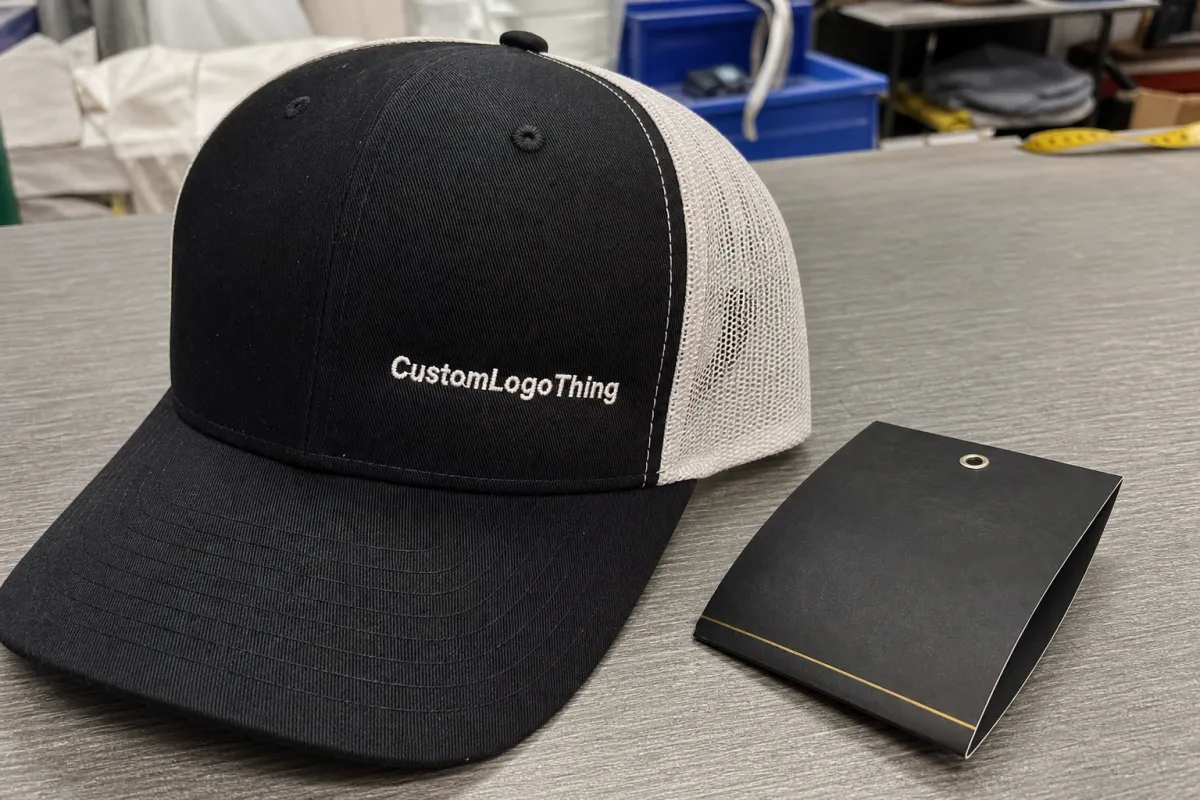
electronics unstructured dad hats material sample guide - CustomLogoThing product photo

An electronics Unstructured Dad Hats Material Sample guide matters because these caps are usually judged in person, not on a mockup. A hat can look nearly identical across options and still feel very different once the fabric relaxes, the brim flexes, and the logo is stitched onto a soft front panel. For electronics brands, that difference affects how the merch reads next to premium devices, launch kits, and staff apparel.

A sample is more than a color check. It is the quickest way to judge drape, softness, breathability, structure, and logo behavior on a relaxed crown. If the cap will be worn by an event crew, included in a customer kit, or handed out at a trade show, the sample needs to answer a simple question: does this feel intentional, or does it feel generic?

The practical value of the sample stage is repeatability. The goal is not to approve one nice cap; it is to lock a spec that can be built again with the same fabric, trim, stitch count, logo size, and closure. That is what keeps the final order consistent when production scales.

"A useful sample does not just look right on the table. It shows how the cap will behave after a day of wear, packing, and handling."

How Sample Kits Change the Way the Hat Feels and Fits

There is a real difference between a fabric swatch, a blank cap, and a fully decorated pre-production sample. A swatch helps with color and texture, but it does not show how the crown behaves under stitching tension. A blank sample reveals fit and structure. A decorated sample shows the actual result, including whether embroidery pulls on the front panel or a patch changes the drape.

That progression matters because unstructured hats react to small changes. A slightly softer front panel can look premium and relaxed, while the same fabric may sag if the stitch density is too low or the logo is too heavy. Closure comfort also matters more than many buyers expect. Metal slides, brass buckles, and fabric straps can all look fine in a spec sheet and still pinch or sit awkwardly after several hours of wear.

Sample kits also help compare decoration methods. Flat embroidery, woven patches, heat-transfer labels, and side-hit embroidery each change how the cap feels and how much visual weight it carries. A digital mockup rarely shows puckering, stiffness, or edge buildup. A physical sample does.

For electronics programs, the sample should become the production standard. Once the team approves the cap, the supplier should have a clear record of the fabric, trim, logo placement, and packing method. That is what reduces rework and prevents inconsistent bulk production.

Material, Stitching, and Finish Factors That Matter Most

For electronics brands, the best material is usually the one that looks clean under bright light, wears comfortably, and keeps the logo readable without feeling stiff. Washed cotton is soft and casual. Chino twill is a balanced middle ground with enough structure to hold a relaxed shape. Canvas feels tougher and more durable. Nylon blends are lighter and can dry faster, which helps for outdoor or travel use. Recycled blends are common for programs that want a lower-impact story without losing a polished look.

If sustainability matters, the sample package should reflect it too. Buyers often ask for recycled materials, FSC certified inserts, kraft paper wrap, or biodegradable packaging for sample shipment. That does not change the hat itself, but it affects how the sample is perceived before it is even opened. A neat corrugated shipper with simple internal wrapping usually sends a better signal than a loose polybag.

Here is a practical comparison of common material paths:

Material Hand Feel Shape Retention Best Use Typical Sample Note
Washed cotton Very soft Low to medium Relaxed team wear, gifts Great drape, but verify logo puckering
Chino twill Smooth, balanced Medium Launch kits, retail-style promos Usually the safest all-around choice
Canvas Tougher, denser Medium to high Outdoor staff, durable use Can feel heavier in warm conditions
Nylon blend Light, slick Medium Travel, active field teams Check sheen under fluorescent light
Recycled blend Varies by yarn mix Medium Eco-focused programs Ask for fiber content and finish consistency

Construction details matter just as much as fabric. Panel count changes the crown break. Eyelets affect airflow. Sweatband type changes comfort. Brim insert stiffness changes how much the visor curls over time. Seam density can be the difference between tidy and cheap. A cap with clean front-panel sewing and a low-gloss closure often looks more refined than one with flashy hardware or heavy contrast stitching.

For electronics audiences, restraint usually works best. Neutral colors, matte finishes, and minimal contrast support a modern tech aesthetic. A loud fabric or shiny buckle can fight the rest of the brand system, so it is better to catch that in the sample than in a bulk order.

Step-by-Step Guide to Evaluating a Hat Sample

Step 1: define the use case. Decide who will wear the cap, where it will be worn, and what kind of impression it should make. A field team in summer heat needs different material choices than a conference giveaway or onboarding kit.

Step 2: compare like with like. Ask for two or three material options with the same decoration method. If one sample uses embroidery and another uses a patch, you are not comparing fabric fairly. Keep the logo size, placement, and closure consistent so the differences are easy to see.

Step 3: test in real conditions. Try the cap on. Check it in a mirror. Take a daylight photo and an overhead-light photo. Then judge the logo from normal viewing distance, not only close up. A sample can look excellent on a desk and still wear awkwardly if the crown sits too deep or the front panel caves.

Step 4: score it simply. Use one sheet for every sample and rate fabric hand feel, color accuracy, crown shape, closure comfort, logo clarity, and brand fit. A short scorecard keeps the decision grounded in the sample, not in the loudest opinion in the room.

If decoration is included, inspect stitch tension and the back side of the embroidery. Dense stitching can make a soft front panel feel heavy. A patch that is too thick can create a shelf. Heat-transfer labels can be clean and low-profile, but they should be tested for wear if the cap will be packed and unpacked often.

"If a cap only works in a mockup, it is not ready. The real test is whether it still looks right after the second fitting, the third photo, and a full day in the field."

That is the core of an effective sample review: define the job, compare carefully, test in motion, and document the result in a way production can follow.

Cost, MOQ, and Quote Variables for Sample Orders

Sample pricing usually comes down to five things: base cap sourcing, decoration setup, custom labels, shipping, and any special finishing. A simple blank sample may be inexpensive, but once you add embroidery digitizing, woven patch development, or custom interior labeling, the quote changes quickly. That is normal; it just means the sample is doing a more complete job.

MOQ matters because suppliers may need to reserve fabric, buy trim in bulk, or run a custom color that cannot be shared across orders. If the cap body is standard, sample cost usually stays controlled. If you want a custom wash, a specific recycled blend, or a niche closure finish, expect the price to rise.

Sample Type Common Price Range What Drives the Cost Best For
Blank cap sample $10-$25 Base cap, shipping Fit and material checks
Decorated pre-production sample $25-$60 Digitizing, embroidery, labels Final approval
Custom fabric or trim sample $40-$90+ Special sourcing, revisions Highly specific brand programs

To compare vendors fairly, standardize the quote request. Ask each supplier for the same hat body, decoration method, closure, and shipping terms. Otherwise, one quote may include a blank cap while another includes a fully finished sample in a corrugated mailer with protective wrap and an insert. That is not an apples-to-apples comparison.

Also watch for costs that do not always appear clearly at first glance: digitizing fees, setup charges for multiple logo placements, patch tooling, and revision rounds. If the design is still changing, those extras can add both time and cost.

Sample Process and Timeline From Request to Approval

The sample process works best when the brief is complete. Send the artwork, preferred hat style, target price, quantity, closure preference, and any notes about fabric feel or sustainability goals. If packaging matters, mention it early so the supplier can match the presentation with recycled materials, FSC certified inserts, kraft paper, or another approved format.

From there, the workflow usually moves through mockup, sample build, review, revision, and final approval. Mockup work is where digitizing and logo placement are settled. Sample build is the physical stage where the cap body, trim, and decoration come together. Review is where fit, hand feel, and finish are checked. If changes are needed, the supplier revises the sample and sends another round.

Lead time usually depends on four bottlenecks: digitizing, fabric color matching, sample-room scheduling, and transit time. If the sample must cross borders, shipping alone can add several days. For launch dates or events, build in space for at least one revision cycle. Rush work can be possible if the cap body is standard and the decoration is simple, but custom materials usually require more time.

For transit protection, it helps if the cap ships in a way that prevents the brim from bending badly in the box. A crushed sample can create a false negative, especially for soft or unstructured caps. Shipping guidance from groups like ISTA is useful because it treats packaging and transit as part of the product experience.

Common Mistakes, Expert Tips, and Next Steps

The most common mistake is approving from screen images alone. A mockup can hide fabric stretch, shrinkage, stitch density, logo puckering, and the way a soft front panel collapses after handling. Another easy miss is choosing a cloth that wrinkles badly or pills too quickly after being folded in a shipper.

The expert move is to use the same scorecard for every sample and keep the categories simple. Rate hand feel, structure, color accuracy, logo clarity, closure comfort, and brand fit. If a cap scores high on feel but low on logo readability, that tells you the body may be right but the decoration method needs to change.

Lighting matters too. Check the cap in daylight and under overhead lights, because soft fabrics, matte finishes, and heathered yarns can shift more than a catalog image suggests. For a premium electronics event, that visual control is part of the product story.

Before you send the request, gather the essentials:

  • Logo files in a clean vector format
  • Preferred hat size and closure style
  • Target budget per sample and per bulk unit
  • Quantity estimate and any MOQ concerns
  • Approval notes for fabric, color, and decoration method

If the broader merchandise program includes packaging, mention that too. A cap shipped with a recycled insert, FSC certified card, or biodegradable packaging cue can support the same message your product team is already using elsewhere. Electronics buyers often care about that consistency because they are shaping how the brand feels in the hand, not just how it looks in a photo.

Used well, this guide turns a vague merch request into a clear approval process. It helps you compare the real fabric, the real fit, and the real decoration quality before you place the bulk order, which is exactly where a good buying decision should happen.

For deeper packaging context, FSC is a useful reference for certified paper and board choices when your sample kit or final shipment needs to align with a more responsible material story.

FAQ

What should I ask for in an electronics unstructured dad hats material sample?

Ask for the same fabric, closure, and decoration method you plan to use in production so the sample reflects the finished product. Request daylight photos, close-ups of the logo, and at least one on-head photo. Confirm whether the sample is blank, partially decorated, or fully finished, since each version answers a different question.

How many electronics unstructured dad hats samples should I compare before choosing one?

Two or three material options is usually enough if the logo spec stays the same across every sample. More than that often slows the decision without adding much clarity. Keep the comparison focused on fabric hand feel, crown shape, and how the logo sits on the soft front panel.

What affects the price of electronics unstructured dad hats sample orders?

Fabric sourcing, decoration setup, and shipping usually make the biggest difference. Custom labels, patch development, digitizing, and revision rounds can add cost quickly if the design is still changing. Ask for a line-item quote so you can see whether the price comes from materials, labor, or freight.

How long does the electronics unstructured dad hats sample process usually take?

The timeline depends on mockup approval, digitizing, sample build time, and shipping, so lead time can vary by supplier and region. Custom fabrics, special trims, or multiple revision rounds can extend the schedule. If the hat is tied to a launch date or event, build in extra time for review and approval.

Can one sample show both material quality and logo quality on electronics unstructured dad hats?

Yes, if the decoration method, logo size, and placement are finalized before the sample is made. For more than one decoration style, ask for separate samples or photo proofs so each version can be judged fairly. Check for puckering, stitch density, and logo readability under normal viewing distance.

Get Your Quote in 24 Hours
Contact Us Free Consultation

Warning: file_put_contents(/www/wwwroot/customlogothing.com/storage/cache/blog/eca55e01c618a672ff30d71316dd71f0.html): Failed to open stream: Permission denied in /www/wwwroot/customlogothing.com/inc/blog/PageCache.php on line 20