Ecommerce Unstructured Dad Hats Material Sample Guide
An ecommerce Unstructured Dad Hats material sample guide matters because two caps can look nearly identical in photos and still wear like different products once the crown relaxes, the brim bends, and the fabric breaks in. A buyer may approve a soft-looking hat on screen, then discover that the handfeel is scratchy, the front panel collapses too far, or the embroidery sits awkwardly on a fabric that was never meant for that stitch density.
Sampling is not a luxury step. It is a risk check. For ecommerce brands, it is often the cheapest way to avoid a return cycle later. The right sample shows how the cap drapes, how the brim holds shape, how the logo reads, and whether the material feels premium, casual, or simply underbuilt in the hand.
A good soft-crown sample does more than match a color chip. It shows how the hat will behave after the first wear, after shipping, and after a customer starts adjusting the fit.
Why Soft-Crown Samples Change Selling Decisions
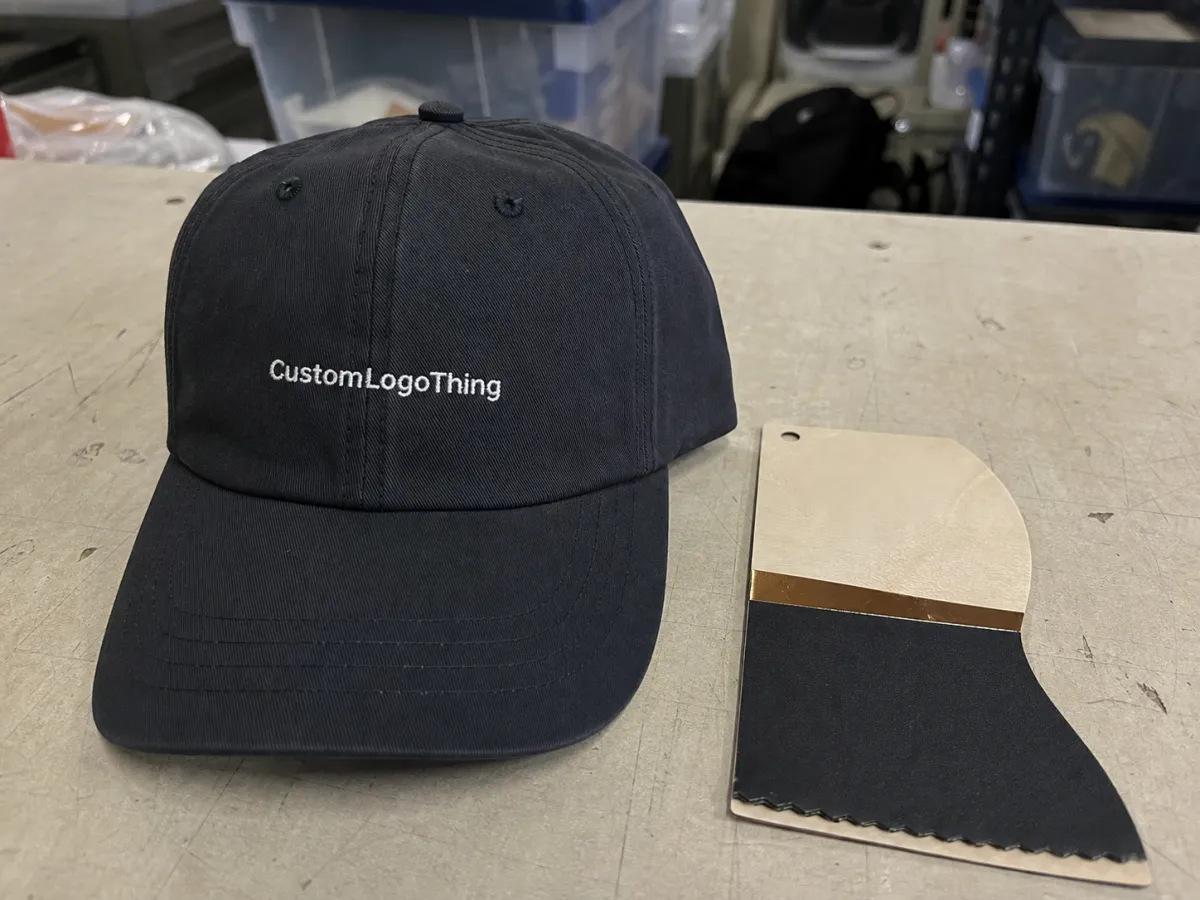
Unstructured Dad Hats are one of those products where the material does most of the work. There is no rigid front buckram forcing the crown to stand tall, so the fabric itself becomes the shape, the drape, and the visual identity. That is why one brushed cotton twill cap can feel relaxed and premium while another, made from a similar-looking cloth, lands as limp or inexpensive once it is worn.
Online listings hide a lot. Product photography can make a hat look crisp even when the crown collapses lightly, the brim softens quickly, or the surface weave has more texture than expected. Buyers usually feel the difference first. A softer hand can read as more wearable and more lifestyle-driven, but it can also expose problems if the fabric is too thin for embroidery or if the front panel wrinkles under a logo. The sample gives the team a real-world decision point before a bulk order locks in the wrong fabric.
What makes these hats tricky is that “soft” is not automatically “good.” Some customers want a low-profile, broken-in cap with a relaxed front and a narrow curve on the brim. Others want softness without collapse. Those are not the same product. The material sample is where that line becomes visible.
Two more details often get missed during first-round sourcing: the fabric finish and the dye behavior. Brushed cotton can feel more expensive than plain twill, but a heavy brushing process can also make the cloth fuzzier and less sharp under camera lighting. Pigment-dyed fabric can look rich and vintage, yet it may vary slightly from lot to lot. If the brand sells color-critical products, those variations matter more than most mood boards suggest.
What a Material Sample Reveals
The best ecommerce Unstructured Dad Hats Material Sample guide starts with knowing what the sample can and cannot tell you. A swatch shows handfeel, weave density, color, and surface finish. A stitched mini-panel shows how the fabric reacts to needle penetration and backing. A trim card tells you about sweatband texture, closure quality, label construction, and thread match. A full cap sample is the only version that truly shows crown relaxation, brim curve, fit, and the way the entire hat sits on a real head.
| Sample Type | What It Proves | What It Misses | Best Use |
|---|---|---|---|
| Swatch | Color, handfeel, weave, finish | Fit, drape, seam behavior | Early fabric screening |
| Stitched mini-panel | Embroidery reaction, puckering, stitch visibility | Full crown shape, brim balance | Logo and construction checks |
| Trim card | Closure, label, sweatband, seam tape quality | Full cap silhouette | Component matching |
| Full cap sample | Fit, drape, break-in feel, presentation | Mass-production variation risk | Final approval before bulk |
Material details matter more than many buyers expect. A 100% cotton brushed twill around 240-280 gsm usually feels more substantial than a lighter chino twill, while garment-washed canvas brings a broken-in look that can be appealing for ecommerce but may shift slightly in color from lot to lot. If you are comparing pigment-dyed cloth, washed cotton, and plain twill, the sample is the only practical way to judge surface depth and how the color reads on camera.
Accessory parts deserve equal attention. A strong shell fabric can still feel cheap if the sweatband is thin, the closure hardware feels flimsy, or the eyelets and seam tape do not match the rest of the build. In other words, the shell fabric is only part of the story. The complete sample is the real baseline.
There is also a measurement issue that photos do not solve. A front panel can look relaxed while still carrying a slightly taller crown depth than expected. That changes the fit line, especially on smaller heads and in products meant to sit low. Measure crown height, brim length, and opening circumference on the sample instead of assuming the factory spec sheet tells the whole story.
Cost and Pricing Factors That Move Your Quote
The quote for a dad hat is not driven by fabric alone. Fiber mix, yarn quality, dye method, finishing, and weight all affect price. A brushed cotton twill, a washed canvas, and a pigment-dyed cloth can all be unstructured caps, yet the material and labor profile behind each one is different. Add custom embroidery, woven labels, or a printed underbrim, and the cost shifts again.
Unstructured construction can lower some costs because there is less internal support to build, but that savings can disappear fast if the buyer wants a heavier handfeel, a specialty wash, or a more precise logo application. Dense embroidery areas may require extra backing or more machine time. If the artwork spans a front panel that naturally relaxes, the factory may need to adjust placement and stitch density so the logo does not distort.
Sampling itself carries real line items. A swatch set may be modest, while a full cap sample can cost more because it uses actual trims, sewing labor, and sometimes one-off finishing work. In practice, sampling charges often fall around $20-$75 for partial materials and $40-$120 for a finished cap sample, depending on complexity, while freight is separate. If a supplier quotes low but later forces rework, a second sample round, or rejected inventory, the supposedly cheap option gets expensive quickly.
The price spread is wider than many brands expect. A basic washed cotton cap with standard embroidery and a simple closure can sit in a very different bracket from a heavily washed, pigment-dyed version with custom labeling and detailed front stitching. Minimum order quantity also changes the math. Lower volume usually pushes unit cost up because setup work gets spread across fewer pieces. That can be acceptable for a limited drop, but it should be visible in the sample stage instead of after the first invoice.
Packaging belongs in the quote conversation too, especially for ecommerce teams that order samples in batches and handle them across multiple people. Ask how the samples are shipped: corrugated cardboard is usually the safer choice for protection, and kraft paper void fill keeps the pack tidy without overpacking. If your brand prefers lower-impact materials, ask for FSC certified board, recycled materials, or packaging with post-consumer waste content where it makes sense. Biodegradable packaging can be useful for some inserts or mailers, but it should still protect the cap shape and survive transit.
For teams that care about transit durability, it helps to think beyond the sample itself and consider the journey. Packaging testing bodies such as the ISTA publish methods for distribution testing, and those ideas apply well to sample packs that have to travel across multiple carriers before a decision is made. If the sample arrives crushed, the buyer is not evaluating the hat on equal footing.
Process and Timeline From First Swatch to Approval
The sampling path usually starts with a request for swatches or a small sample set, then moves into a selected fabric sample, a stitched panel, and finally a full cap sample if the project needs one. That sequence is useful because it reduces waste. There is no reason to build a finished cap in every material if the handfeel, shade, or weave density already misses the brief at swatch stage.
A practical schedule looks something like this: material selection, shade comparison, sewing review, fit check, wear test, and final confirmation of artwork placement or label details. A basic swatch pack may ship in a few days if the fabric is already in stock. A finished cap sample often takes 7-15 business days to produce, then another 3-7 days for transit depending on where it is going. If the buyer wants custom dyeing, special washing, or extra stitching adjustments, the calendar stretches naturally.
That is also why internal review time matters. Projects lose days when the sample sits on someone’s desk waiting for a meeting that was never booked. Build a simple decision window before the sample lands, especially if the order is tied to a product launch, seasonal drop, or retailer deadline. The factory cannot move to bulk until the sample is signed off, and the clock on that approval is often inside the buyer’s own organization.
Packaging the sample well helps the timeline too. A clean, labeled pack with the fabric code, closure type, color name, and decoration notes saves a lot of back-and-forth. If there are multiple options, each one should arrive identified clearly, not guessed from a loose note or a handwritten sticker that falls off in transit. One mislabeled swatch can waste a full review round.
For larger assortments, it helps to ask whether the supplier can keep the same base cloth across multiple colorways. That can reduce uncertainty in the review process. If every color is built on a different fabric weight or dye family, comparison gets noisy fast. A stable base fabric gives the buyer a cleaner read on fit and finish.
Step-by-Step Checklist for Evaluating the Sample
Start with light. View the sample in daylight and under indoor lighting, because sheen and depth shift more than most teams expect. A fabric that looks rich by a window can look flat under warehouse LEDs. If the hat is meant for ecommerce photography, the same fabric needs to work across the conditions your customers will actually use when they open the box.
- Check handfeel on the crown, brim, and sweatband separately.
- Measure the fit on a real head, not only on a display form.
- Review logo behavior after embroidery or printing.
- Inspect seams and tape for alignment, tension, and consistency.
- Document the result with photos and a short pass-fail note.
Fit matters more on unstructured hats than many teams realize. A crown that is 1/4 inch too deep can change the whole silhouette once the fabric relaxes. Brim curve matters too. Some buyers want a flatter, more vintage profile; others want enough bend to keep the cap from feeling flimsy. If you know your target customer is used to a lower crown and a softer front, measure against that expectation instead of a generic hat form.
Decoration testing deserves its own step. Embroidery can pull a soft panel inward, expose backing, or create a ripple if the fabric is too light. If your logo is dense, test the actual stitch count and backing type on the sample, not just the artwork file. A simple chest logo on a T-shirt is forgiving. A dense front logo on a relaxed cap is not.
Check the inside as well. Sweatband stitching, seam tape, thread tails, and closure attachment points all affect how the cap feels after a few hours of wear. Buyers tend to fixate on the front panel because that is what the photo shows, but the inside finish is what tells you whether the hat was assembled carefully or merely made to pass a brief glance.
For buyers who care about carton handling and shelf readiness, compare the sample’s packed state against practical distribution checks. The packaging and distribution guidance published by the EPA is not hat-specific, but it is useful for thinking through recycling, material recovery, and how packaging choices affect fulfillment waste. That matters if your sample kit is being approved by more than one team.
Run one more check after a short wear period if possible. A hat that looks acceptable the moment it comes out of the box may change after an afternoon of use. Creasing, crown recovery, and brim memory tell you more about real-life performance than a single tabletop inspection.
Common Mistakes Buyers Make With Soft-Crown Caps
The most common mistake is approving from photos alone. A hat can photograph as soft and premium, then arrive with a handfeel that is either too flimsy or unexpectedly stiff. The camera hides a lot of sins, especially on unstructured caps where the crown is already relaxed in the image.
Another error is choosing a fabric that works better for structured hats. Some materials hold a front panel neatly when supported, but collapse too easily in an unstructured build. That can make the logo warp, introduce front wrinkles, or create a cap that looks unfinished after a day of wear. The structure has to match the fabric, not fight it.
Skipping wash or wear testing is risky as well. Shrinkage, fading, seam drift, and color changes often show up after the first few uses rather than at arrival. If the hat will be worn outdoors, packed in a gym bag, or shipped long distances, a single approval session is not enough evidence.
Price-only thinking creates another trap. The lowest quote can become the highest total cost if returns rise, customer complaints increase, or a second sampling cycle is needed to fix the original material choice. The same is true for fulfillment details. Carton counts, label placement, size breakdowns, and pack-out instructions should be verified early so ecommerce teams do not discover the mistake after inventory has already been received.
There is also a subtle mistake around color expectations. A fabric may technically match the spec sheet, yet still look different once it is washed, embroidered, or photographed under warm light. That disconnect shows up often with muted neutrals, washed browns, and faded greens. If the brand relies on soft tonal colors, compare the sample in more than one environment before you sign off.
The cap that looks easiest to buy is not always the cap that will be easiest to sell.
Expert Tips for the Final Selection and Next Move
Keep one approved sample as the master reference. Label it with the fabric name, color code, trim details, decoration specs, and any approved notes about fit or crown depth. When a reorder comes around, that physical sample saves time because everyone can compare against the same standard instead of guessing from memory or an old email chain.
Ask for a backup material whenever the first choice is limited, seasonal, or price-volatile. A second approved option can protect launch timing if the preferred fabric goes tight in supply. That is a practical move, not a compromise. Many brands carry one hero fabric and one fallback fabric for exactly that reason.
A simple comparison sheet helps the decision stay honest. Rank each sample on handfeel, drape, durability, color accuracy, decoration behavior, and quote impact. That keeps the conversation grounded in what the cap actually does rather than what someone hoped it would do after looking at a render.
If sustainability is part of your packaging story, specify it clearly now, not after the order is placed. A sample shipped in FSC certified corrugated cardboard with kraft paper wrap, recycled materials, or post-consumer waste content can support a cleaner presentation without adding a lot of complexity. Just avoid assuming that every biodegradable packaging option is strong enough for transit. The box still has to protect the hat.
It also helps to lock the technical details into a short spec note before production starts. Include fabric weight, closure type, panel count, crown depth, brim curve, thread color, and approved logo size. The fewer open questions at this stage, the less room there is for a factory to improvise. Small deviations are common in apparel sourcing; the buyer’s job is to decide which ones are acceptable and which ones are not.
My practical advice is simple: turn the approved ecommerce Unstructured Dad Hats Material Sample guide into a production baseline, then confirm the final quote, bill of materials, and delivery window before you move into bulk. That sequence gives you fewer surprises, cleaner margins, and a hat that feels right the first time a customer puts it on.
What should I look for in an ecommerce unstructured dad hat material sample?
Check handfeel, drape, and crown relaxation first, because those three details define how the hat will wear. Then verify color, stitching, and trim quality under both daylight and indoor light, and test the sample with your intended logo method so embroidery or print does not distort the fabric.
How many samples do I need before placing a dad hat order online?
At minimum, compare the top two or three fabric options that fit your style and price target. Add a full cap sample if fit, structure, or embroidery placement matters to the design, and keep one approved sample for future reorders and quality checks.
Which fabrics are best for unstructured dad hats in ecommerce?
Cotton twill, washed canvas, and soft brushed cotton are common choices for a relaxed look. Lighter fabrics can feel more casual, while denser weaves usually hold shape better over time. The best option depends on your customer, decoration method, and target price point.
How does sampling change pricing and lead time?
Sampling adds cost for material prep, sewing labor, and shipping, but it often prevents larger production mistakes. Special finishes, custom dyeing, or extra revisions usually extend the timeline, and a clear approval process helps keep bulk production from slipping later.
Can I use one material sample to compare multiple dad hat styles?
You can compare the base fabric, but structure, trims, and decoration can still change the final result. A material sample is useful for feel and color, while a full sample is better for fit and construction. For ecommerce, the safest approach is to verify both the fabric and the finished cap form.