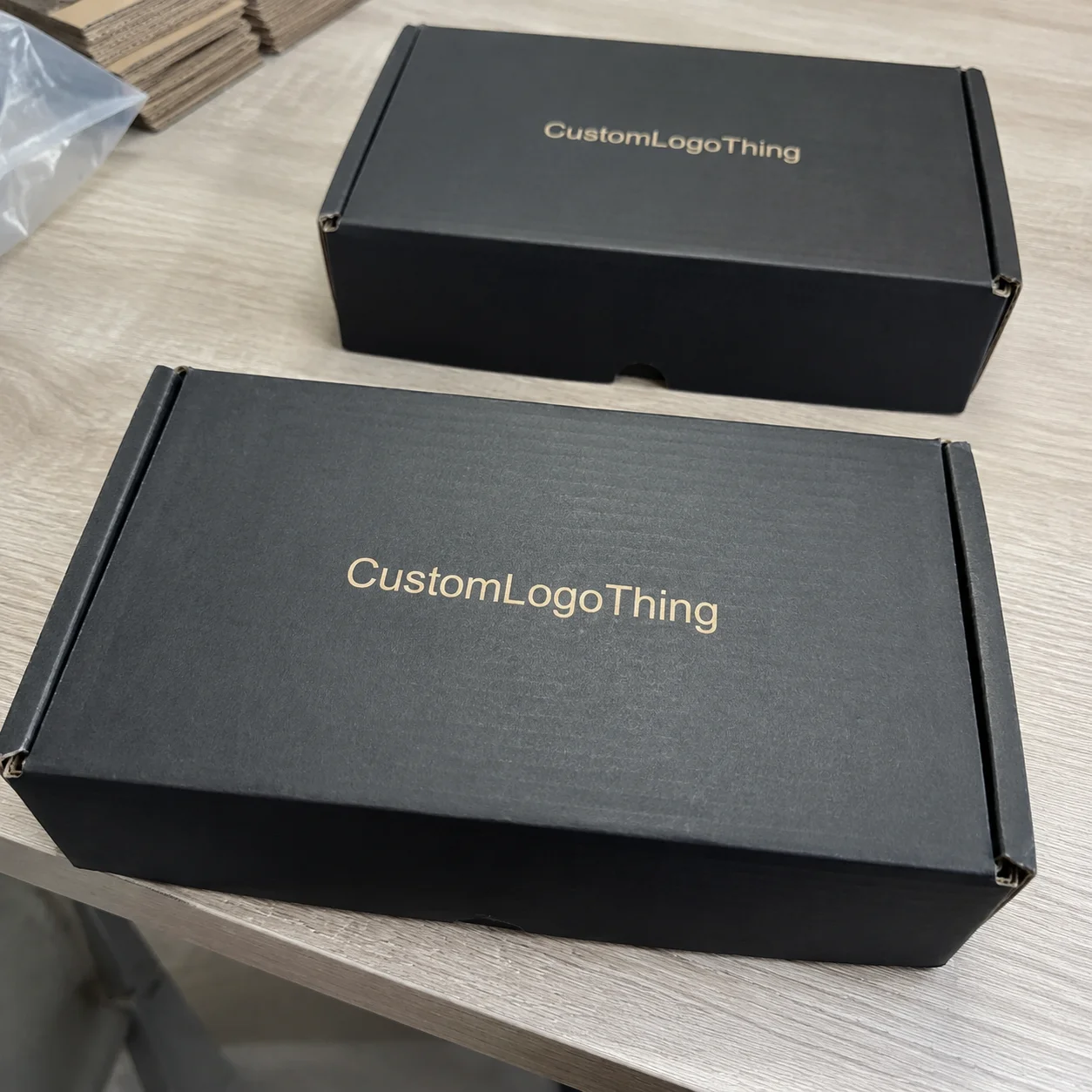
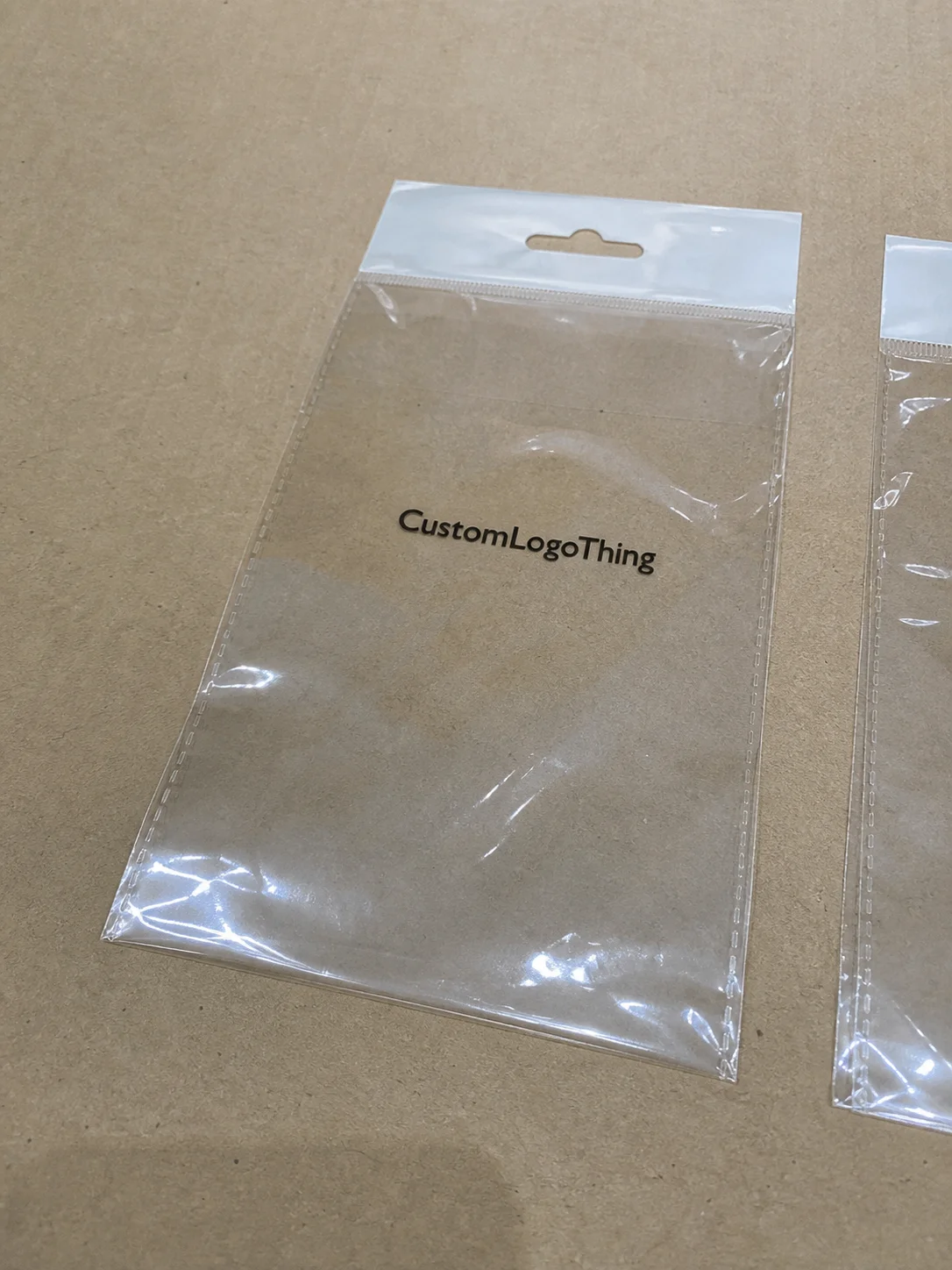
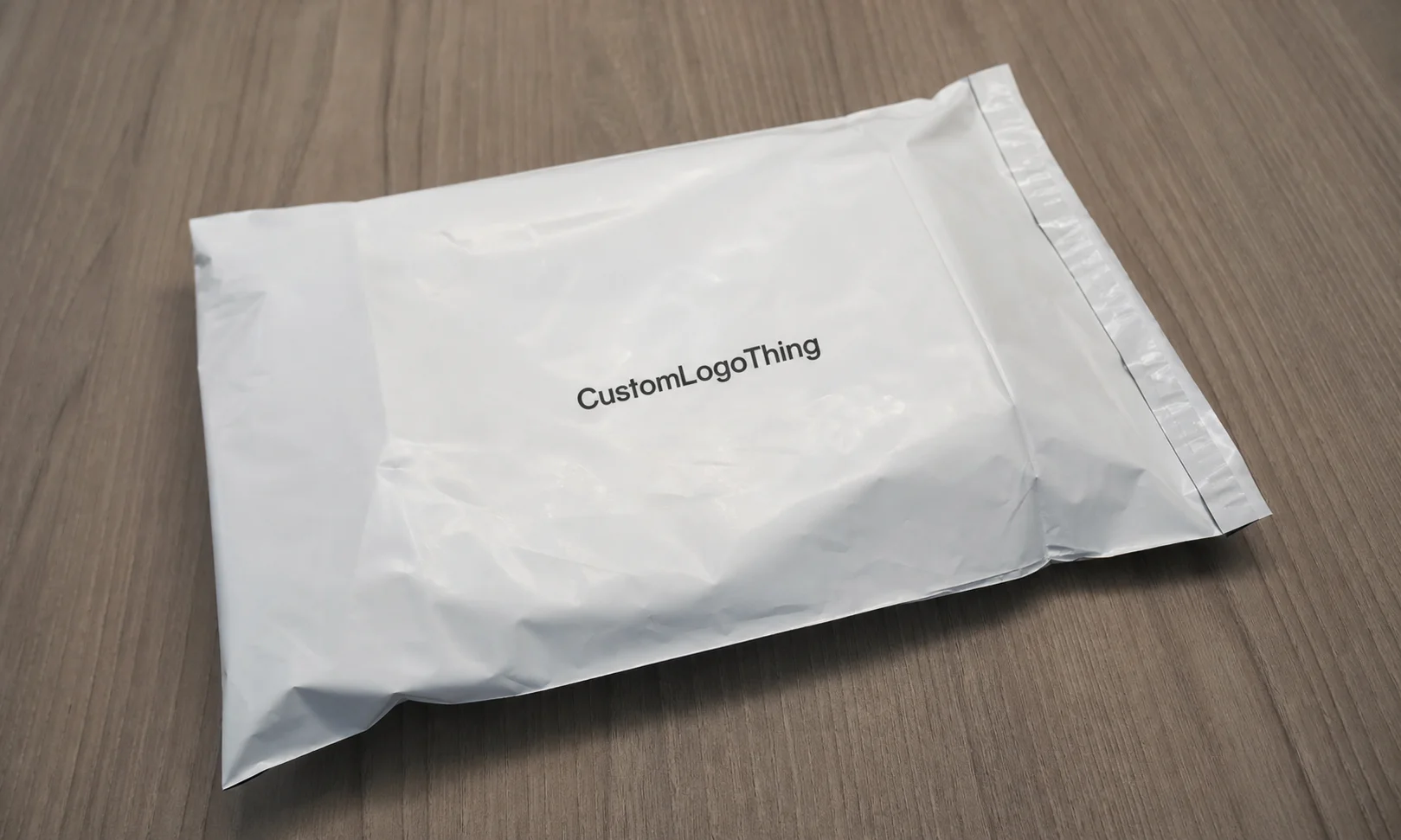
Buyer Fit Snapshot
| Best fit | Factory Floor to Compostable Mailer Materials projects where brand print, material claims, artwork control, MOQ, and repeat-order consistency need to be specified before quoting. |
|---|---|
| Quote inputs | Share finished size, material target, print colors, finish, packing count, annual reorder estimate, ship-to region, and any compliance wording. |
| Proofing check | Approve dieline scale, logo placement, barcode or warning zones, color tolerance, closure strength, and carton packing before bulk production. |
| Main risk | Vague material claims, crowded artwork, missing packing details, or unclear freight terms can make a low unit price expensive after revisions. |
Fast answer: Factory Floor to Compostable Mailer Materials: Film, Print, MOQ, and Carton Packing should be specified like a repeatable production item. The safest quote records material, print method, finish, artwork proof, packing count, and reorder notes in one written spec.
Production checks before approval
Compare the actual filled-product size with the drawing, then confirm tolerance on folds, seals, hang holes, label areas, and retail display edges. Reserve space for logos, QR codes, warning copy, and material claims before decorative graphics fill the panel.
Quote comparison points
Review material grade, print process, finish, sampling route, tooling charges, carton quantity, and freight assumptions side by side. A quote is only useful when the supplier can repeat the same color, closure quality, and packing count on the next order.
Factory Floor Guide to Compostable Mailer Materials
I logged those long nights beside the 6-meter blown-film tower in Suzhou, tugging on singed gloves and babysitting a 115-mm screw that could smell fear, and that sweat-soaked history shapes every guide to compostable mailer materials I draft. The tower once coughed smoke at 2:14 a.m., and I had to trust my nose over the PLC because the PLA blend smelled sweeter than the dashboard admitted, a reminder that spreadsheets are only as smart as the person wiping resin dust off the monitor. Calibrating a 3-layer die to coax a 42-micron PLA/PBAT bubble while a sourcing director obsessed over grams per square meter taught me to read torque curves before I trust any theoretical blend, and honestly that gut-check mindset still beats a dozen whitepapers. That same diligence carries into the playbook I deploy for Custom Logo Things each quarter, where we compare real cycle data, chart chill-roll temperatures in 0.5°C increments, document how cellulose fillers swing viscosity once the tower climbs past 120°C, and yes, I still scribble those numbers on the same battered clipboard taped together with kapton.
Back at headquarters the clipboard sits next to a reminder that every guide to compostable mailer materials needs cross-functional input, so I ping procurement, sustainability, and QC every Monday morning before a new trial starts.
Why a Guide to Compostable Mailer Materials Starts on the Production Floor
The first sugarcane-based PBAT blend I rammed through that Suzhou extruder set the screw racing 18% faster than our retired LDPE recipe, so any authentic guide to compostable mailer materials starts with the hum of the tower, the smell of hot resin, and occasionally a muttered curse when the amperage spikes—I still think that tower had a personal vendetta against me. Operators who have scraped charred starch out of feed throats know the working ratios by heart: 55% PLA for stiffness, 40% PBAT for tear resistance, plus 5% PBSA or calcium carbonate to keep dart impact above 150 g, and they love reminding me if I forget to update the chart taped to the hopper. I keep those figures beside notes on melt pressure because quick references help crews correct viscosity drift before a bubble wrinkles, and the handwriting is messy on purpose so no one mistakes it for a brochure.
Defining a compostable mailer means specifying more than “biodegradable” press copy. PLA/PBAT coextrusions deliver the slick surface apparel shippers expect, cassava starch blends run lighter but demand rigid humidity control, and mushroom-based cushioning wrapped with kraft outers protects nutraceutical shipments that still expect ASTM D6400 compliance. Inside the heated blown-film tower each substrate asks for its own regime—PLA wants 175°C melts and rapid chill rolls, PBSA behaves best near 150°C to prevent gels, and mushroom foam requires molds lined with FSC-certified corrugated plus a dusting of rice bran to keep forms from sticking, a trick an old foreman in Guadalajara swore by and I’m kinda inclined to believe.
Logistics crews for footwear, cosmetics, and nutraceutical brands chase landfill diversion KPIs yet refuse to slow the 32 packages per minute that Autobagger AP3 lines hit in peak season. Our Custom Poly Mailers customers trial compostable runs on parallel baggers, logging pick rates, seal jaw temperatures, and reject counts so the guide to compostable mailer materials stays rooted in throughput realities rather than wishful thinking. They demand clarity on BPI, TÜV OK Compost, and ABA Home certifications because each printed logo binds them to chain-of-custody obligations, particularly in California and Washington where ASTM D6400 language now appears on shipping documentation, and I routinely translate that legalese into “here’s what the inspector will ask you on Tuesday.”
I’ve stood before procurement tables mapping the intersection of certification and waste infrastructure, feeling the collective sigh when the slide count hits forty. BPI certification validates industrial compostability at 58°C and 50% relative humidity, TÜV OK Compost HOME calls for breakdown at 30°C within a 12-month window, and ABA Home Compost layers on Australian soil pH testing to ensure residue-free disintegration. Aligning each certificate with the right municipal facility—think EPA-registered plants equipped for post-consumer waste—prevents the consumer confusion that derails a guide to compostable mailer materials designed to drive real landfill diversion, and my rule remains simple: if Grandma can’t understand the disposal instructions, rewrite them and confirm the municipality signs off.
How Compostable Mailers Break Down Across Supply Chains
Understanding molecular breakdown matters as much as monitoring feed rates, so this guide to compostable mailer materials dives into polymer architecture. PLA chains bring repeating lactic acid units that hydrolyze once compost temperatures pass 55°C, PBAT contributes adipate and terephthalate segments that microbes attack after ester bonds weaken, and PBSA introduces succinate groups that keep films flexible when warehouse floors dip below freezing. When we add cellulose fillers or bio-based inks, hydrophilic domains accelerate moisture uptake, so antioxidants enter the mix to keep the film stable until it reaches a compost pile, and I still remember the first lab test where we overdosed the antioxidant and the entire sheet smelled like burnt sesame for a week.
Degradation follows a predictable arc that we measure relentlessly. Warehouse dwell time averages 45 days at 26°C, so we track static cling changes and COF adjustments throughout that window, even if it means I’m poking rolls with a durometer during lunch. After consumer use, the mailer either sits near curbside bins or enters a dedicated collection stream; cellulose-based adhesives open easily without blades, lowering contamination risk. Industrial composting softens the film within 12 days as microbes chew through PBAT, and by day 84 most compost lab reports confirm 90% conversion to CO₂ and water, leaving trace calcium carbonate that blends back into soil biology. Adding 2% microbe-friendly calcium carbonate keeps fungal activity lively inside municipal piles, and honestly I think the microbes appreciate the snack.
Mechanical integrity still rules before breakdown begins. Apparel shippers demand minimum tear resistance of 80 g, nutraceutical brands push for dart impact above 140 g to protect glass vials, and COF must stay below 0.35 to keep bags feeding through automated inserters. Reinforced gussets or dual-layer constructs solve the balancing act; a PLA outer laminated to a PBAT inner with recycled buffer layers delivers stiffness while preserving compostability, and our Monterrey laminator once tweaked corona treatment to 38 dynes so water-based inks could anchor to a matte surface despite the shift supervisor begging to clock out.
Logistical math extends beyond chemistry textbooks. Moisture barrier performance has to survive ocean freight from Monterrey to New Jersey—a 2,300-mile trip where container humidity hits 90%. We maintain MVTR at 1.5 g/m²/day to keep vitamins and powdered supplements dry, logging readings every 48 hours. Hurricane forecasts have forced me to reroute trucks through Laredo because this guide to compostable mailer materials insists on verifying barrier integrity before the first pallet leaves the dock, and I’m not shy about holding a shipment if the dew point goes rogue or a facility lacks the right compost permit.
Key Factors When Vetting Compostable Material Options
Every sourcing conversation kicks off with performance specs, because a guide to compostable mailer materials that dodges MPa targets or seal initiation temperatures is worthless on a factory floor. We push for at least 20 MPa tensile strength and regularly coax 25 MPa by blending 3% talc into PLA to stiffen the matrix. Food shippers targeting eco-friendly packaging need OTR near 1,500 cc/m²/day to keep nut powders stable, and seal initiation temperatures must align with Autobagger jaws—our lines run 135°C, so adhesives activating between 125°C and 130°C stay in the sweet spot, saving us from late-night seal adjustments that nobody’s gonna volunteer for.
Branding compatibility sits in the next column. Solvent-free soy or water-based inks preserve compost credentials, though they insist on precise corona treatment—38 to 42 dynes—to hold colors like Pantone 347C on matte finishes. QR codes warp when dryers exceed 70°C and distort PLA layers, so our press chiefs cap heat at 68°C and rely on forced-air recirculation. Soft-touch coatings can mute brand palettes, which is why we spec varnishes at 4 g/m² with fine silica to keep scannability intact, and I keep a stack of rejected proofs as a gentle reminder to marketing teams that physics always wins.
Compliance checkpoints protect both legal teams and sustainability leads. ASTM D6400 and EN 13432 require disintegration tests, heavy metal screenings below 50 ppm, and 90% biodegradation inside 180 days, while California SB 343 now mandates labeling language that states industrial composting requirements explicitly. We request CoAs, full MSDS packets, and letters of assurance confirming FSC-certified additives from every resin supplier. Audit days mean I show ISTA-6 drop test results and cite ISTA protocols to prove durability sticks around even as the film qualifies for composting, and nothing soothes auditors faster than a neatly labeled binder backed by third-party lab signatures.
Operational fit emerges late if no one asks early questions. Compostable films cling harder than standard poly mailers, so we mount ionizing bars on bag makers and keep storage under 30°C with 50% RH to prevent premature brittleness. Machinability tests verify whether existing wicketers tolerate 150-mm lips without tearing; stubborn setups get ceramic idlers. Storing rolls on corrugated cardboard cores rather than plastic keeps expansion rates aligned, honoring the guide to compostable mailer materials promise that these films slot into legacy equipment with minimal drama, even if I have to bribe maintenance with fresh dumplings.
Cost Modeling for Compostable Mailer Materials
Cost transparency keeps CFOs championing the switch, so our guide to compostable mailer materials dissects every nickel. PLA/PBAT blends land near $2.20/kg in Long Beach after duty versus $1.05/kg for LDPE pellets. Importing 40-foot containers tacks on $0.08/kg when resin travels from Thailand’s cassava markets, while Oregon’s bio-based rebates shave $0.02 per unit for certified shipments. A 12” x 15” mailer weighing 21 grams ends up with roughly $0.046 of raw material before conversion cost even hits the worksheet, and that little number is what procurement stares at during budget season.
Tooling amortization sneaks up on teams chasing frequent SKU swaps. Retrofitting a 3-layer die runs about $18,000, spread across 300,000 units, which adds $0.06 per mailer until volumes ramp. Plate changes for water-based inks reach $1,200 per color, and slower sealing cycles add $0.03–$0.07 per unit if Autobaggers linger an extra 0.4 seconds. I once trimmed that penalty to $0.015 by installing a jaw coating that let PLA release faster, a tiny detail that deserves a footnote in any serious guide to compostable mailer materials, even if it required three late-night calls to the coater.
Offsetting premiums takes cross-functional coordination. Aggregating volume across apparel mailers and nutraceutical pouches lets us negotiate better toll manufacturing rates at our Guadalajara co-packer, shaving $0.012 per unit by running longer campaigns. Colorado’s composting incentives offer tax credits on capital equipment when 75% of outputs qualify as biodegradable packaging, so we file for those rebates every January. Tolling contracts use sliding scales tied to throughput; once runs hit 30,000 units per shift, labor burden drops 11% because crews stay dialed in, and morale spikes when they realize the line can actually keep pace.
Finance teams want landed-cost calculators capturing real expenses. We model freight from resin suppliers, warehouse humidity control (desiccant packs cost $0.0015 per mailer), drying oven energy draw, and $4,500 annual compostability audit fees. FSC-certified labels and post-consumer waste cushioning go into the same worksheet when brands request cohesive eco stories. With every variable in view, this guide to compostable mailer materials gives procurement the transparency required to compare true per-shipment costs rather than cherry-picking resin deltas, and if anyone tries to hide a surcharge, the spreadsheet tattles immediately.
Step-by-Step Timeline from Resin Order to Fulfillment
Each eight-week Gantt chart I sketch across the conference room whiteboard finally shows clients how disciplined a guide to compostable mailer materials needs to be. Week 1 locks specs: gauge, gusset dimensions, color targets, and ASTM references. Week 2 issues POs for resin with backup suppliers offsetting PBAT volatility. Weeks 3 and 4 run blown-film trials, adjusting screw speeds, traversing air rings, and checking gauge variance until it sits within ±4%. Week 5 belongs to printing—mounting cylinders, mixing solvent-free inks, and rolling 250-meter proofs; Week 6 shifts to converting, cutting, folding, and adding double adhesive strips. Week 7 handles QA with drop tests, peel strength reports, and compost disintegration benchmarks. Week 8 orchestrates distribution: pallets wrapped with kraft corner boards, humidity sensors attached, shipments staged for multi-node fulfillment, and I usually reward the team with baozi because morale matters too.
Approvals dot every gate. Lab drop tests mirror 1.2-meter falls at ISTA-6 levels, seals must hold 12 N/25 mm, and compost disintegration needs 90% mass loss within 84 days per ASTM D5338. Procurement reviews CoAs, sustainability signs off on every labeling reference, and operations runs machinability sign-offs on Autobagger lines. During one apparel launch we halted production in Week 5 when seal peel strength sagged; bumping jaw temperatures by 5°C brought us back into range and prevented 100,000-unit scrap, though my stress level didn’t return to normal for days.
Cross-functional coordination keeps Custom Logo Things’ ERP synced with our converter’s MES. Procurement logs spec changes by Tuesday noon, sustainability approves eco claims in the afternoon, and operations pushes cycle data within two shifts. A shared dashboard tracks scrap rates, resin drawdown, humidity readings from each warehouse node, and shipping lead times, reinforcing the guide to compostable mailer materials promise that everyone sees the same metrics in real time.
Logistics rounds out the timeline. We standardize on 48” x 40” pallets stacked 60 cases high to maintain airflow, and humidity-controlled storage zones with smart dehumidifiers set at 50% RH cost about $220 monthly but prevent brittle rolls. Staggered shipments send 30% of inventory to Phoenix, 40% to New Jersey, and 30% to our Ohio 3PL so regional surges don’t overwhelm capacity. Corrugated cardboard slip sheets replace plastic runners and trim carbon footprint during LTL moves, and the forklift crews thank me for lighter loads plus fewer skid marks.
Common Mistakes When Sourcing Compostable Films
The scars on this guide to compostable mailer materials come from hard lessons. Years back, starch-heavy rolls stored above 35°C in our Phoenix DC turned brittle within six weeks, costing 12 pallets and $18,400. We solved it with HVAC sensors, 30-day rotation schedules, and pre-conditioning protocols that bring rolls to 50% RH before mounting, and I still cringe when I pass that corner of the warehouse.
Skipping machinability trials tops the next list. I rubber-stamped a PLA blend that later scorched inside Autobagger jaws at 145°C, opening pinholes days before a rush order. Now every new formulation runs through a 5,000-unit machinability test with seal integrity logged in the MES, and that ritual holds a dedicated line in this guide to compostable mailer materials, no exceptions even if the sales team is breathing down my neck.
Brands sometimes forget to update carrier disposal instructions, turning an industrial compost mailer into landfill trash. One client printed generic recycling icons, prompting customers to toss compostable bags into blue bins with corrugated board, which triggered contamination fines. We now pair updated instructions with QR codes leading to microsites, aligning physical collateral with digital messaging, and I personally proof the artwork because that mistake still haunts me.
Another repeat offender involves petroleum-based labels or vinyl tapes slapped onto otherwise compostable packaging. That contamination voids certifications and infuriates auditors. Our SOP includes a checklist verifying FSC-certified kraft labels, water-based adhesives, and compostable cushioning like molded fiber inserts so the guide to compostable mailer materials stays intact from resin to final mile, and I won’t sign off until every accessory passes muster.
Expert Tips from Custom Logo Things Process Engineers
Our process engineers built a toolbox of tricks that enrich this guide to compostable mailer materials. Blending 5% PBSA into PLA/PBAT mixes boosts cold-weather flexibility down to -15°C without compromising ASTM D6400 results; a Minneapolis winter run proved the adjustments slashed cracking complaints by 70%. They also tweak screw backpressure by roughly 20 bar to disperse the blend evenly, holding gauge tolerance tight, and Mei Lin swears it keeps the operators happier too.
Tactile markers prevent warehouse mix-ups. Embossed arrows, perforated tabs, or raised dots along the lip help fulfillment teams spot compostable runs at a glance. Our Ohio site cut mis-picks by 82% after adopting this tactic, so I cite it in every guide to compostable mailer materials briefing, often waving around a sample like a proud parent.
Pre-conditioning rolls at 50% RH for 24 hours before loading baggers eliminates curl memory issues. Dedicated staging rooms with humidistats cost about $600 monthly, a fraction of the $4,000 scrap hit we absorbed before instituting the practice. Pairing compostable mailers with matching cushioning—molded fiber trays or kraft honeycomb—keeps end-of-life messaging single-stream, which sustainability teams reference in carbon footprint reporting and ESG updates, and it keeps me from fielding angry calls about mixed-material confusion.
“Treat compostable film like a living material,” our senior engineer Mei Lin reminded me during the Guadalajara commissioning run. “Rush conditioning or ignore humidity and the material remembers.” That quote hangs above our lab door and sums up why this guide to compostable mailer materials anchors itself in process discipline, plus it makes visitors smile because we framed it next to a cartoon fungus.
Actionable Next Steps to Launch Compostable Mailers
Action pushes theory into motion, so here’s how to activate this guide to compostable mailer materials. Place a pilot order of 10,000 units using the shared specification template—25-micron PLA/PBAT coextrusion, dual peel-and-seal strips, matte finish tuned for QR readability—and document machinability over two shifts, capturing scrap rates, seal temperatures, jaw dwell times, and operator notes. I request 360° video of the Autobagger run because playback exposes timing drift we might miss onsite, and you’d be amazed how many lightbulb moments come from pausing the footage mid-cycle.
Build a vendor scorecard tracking certification status, lead-time reliability within ±2 days, defect ppm, and response speed. Quarterly reviews stack suppliers on a radar chart that gives procurement clear go or hold signals. Add columns for carbon footprint per unit, recycled content inputs, and whether each partner can manage post-consumer waste streams, turning this guide to compostable mailer materials into living governance that actually sparks conversations rather than dust.
Co-create disposal education inserts with sustainability teams and carrier partners. We print bilingual instructions on FSC-certified kraft stock, cite municipal compost contacts, and reference EPA composting resources for added credibility. Every outbound package carries clear home or industrial compost directions alongside icons that mirror regulatory guidelines, while website FAQs share the same messaging, and yes, I make the marketing team read the draft aloud to catch awkward phrasing.
Schedule quarterly joint business reviews with Custom Logo Things and key converters. Those sessions recalibrate resin blends as PLA indexes move, align packaging roadmaps with upcoming launches, and allow converters to pre-book resin to avoid shortages that could derail the guide to compostable mailer materials cadence. We also revisit eco packaging KPIs—carbon footprint per shipment, landfill diversion percentages, consumer satisfaction—to keep every team accountable, and I’m not shy about calling out red flags in front of the group.
The punchline stays grounded in reality: a living guide to compostable mailer materials has to live on factory floors, in lab datasets, and inside honest cost models. I’ve watched thoughtful teams stumble because humidity controls failed, communication with converters lagged, or certification nuance got ignored, and I’ve watched others thrive by sharing raw data, confirming municipal acceptance, and embracing cross-functional discipline. As you refine your own guide to compostable mailer materials, remember compostability is a process, not a label, and every pallet, insert, and adhesive choice should reinforce the story you share with customers.
Follow these practices, document the evidence, and your next guide to compostable mailer materials initiative will resemble a dependable packaging program rather than a gamble, plus you’ll sleep better knowing the microbes are on your side.
Frequently Asked Questions
How durable are compostable mailer materials compared to recycled poly?
Modern PLA/PBAT films can match recycled poly tensile strength when seal jaws run about 5°C hotter and double gussets spread the load across the seam, and I’ve personally logged months of runs proving it.
Moisture management—namely pre-conditioning rolls at 50% RH—prevents brittleness that causes tearing complaints on fast-moving pick-and-pack lines, so don’t skip that humidity log, even if the shift lead rolls their eyes.
What shelf life should I expect from compostable mailer stock?
Stored under 30°C and 50% RH, most certified films retain seal quality for 9–12 months, aligning with typical inventory turns for apparel and nutraceutical mailers, and my Phoenix team can confirm those numbers.
Rotate inventory under a first-expire-first-out plan so blends at the back of the warehouse don’t age beyond their ideal window—labeling the racks saves headaches later.
Can compostable mailer materials handle high-color branding?
Yes, solvent-free inks paired with corona-treated surfaces at roughly 40 dynes hold vibrant hues without jeopardizing compost certifications, especially if you watch dryer temps closely.
Work with converters who keep drying temperatures below 70°C to prevent PLA distortion on wide-format presses, and insist on proofing under actual production conditions.
How do I dispose of compostable mailer scrap from production?
Partner with industrial composters willing to accept clean trim waste and provide certificates of destruction for compliance files, because auditors love paperwork.
If industrial compost access is limited, certain waste-to-energy facilities can process bio-based scraps as feedstock, though documentation remains essential to keep sustainability claims airtight.
What shipping climates challenge compostable mailer materials most?
Tropical humidity combined with long ocean voyages can soften starch-heavy films, so specify higher PBAT ratios for lanes leaving Southeast Asia, and monitor MVTR religiously.
Sub-zero parcel networks require flex additive tweaks or secondary insulation layers to keep films from cracking during winter delivery peaks, and a quick lab chill test can save a season’s worth of complaints.