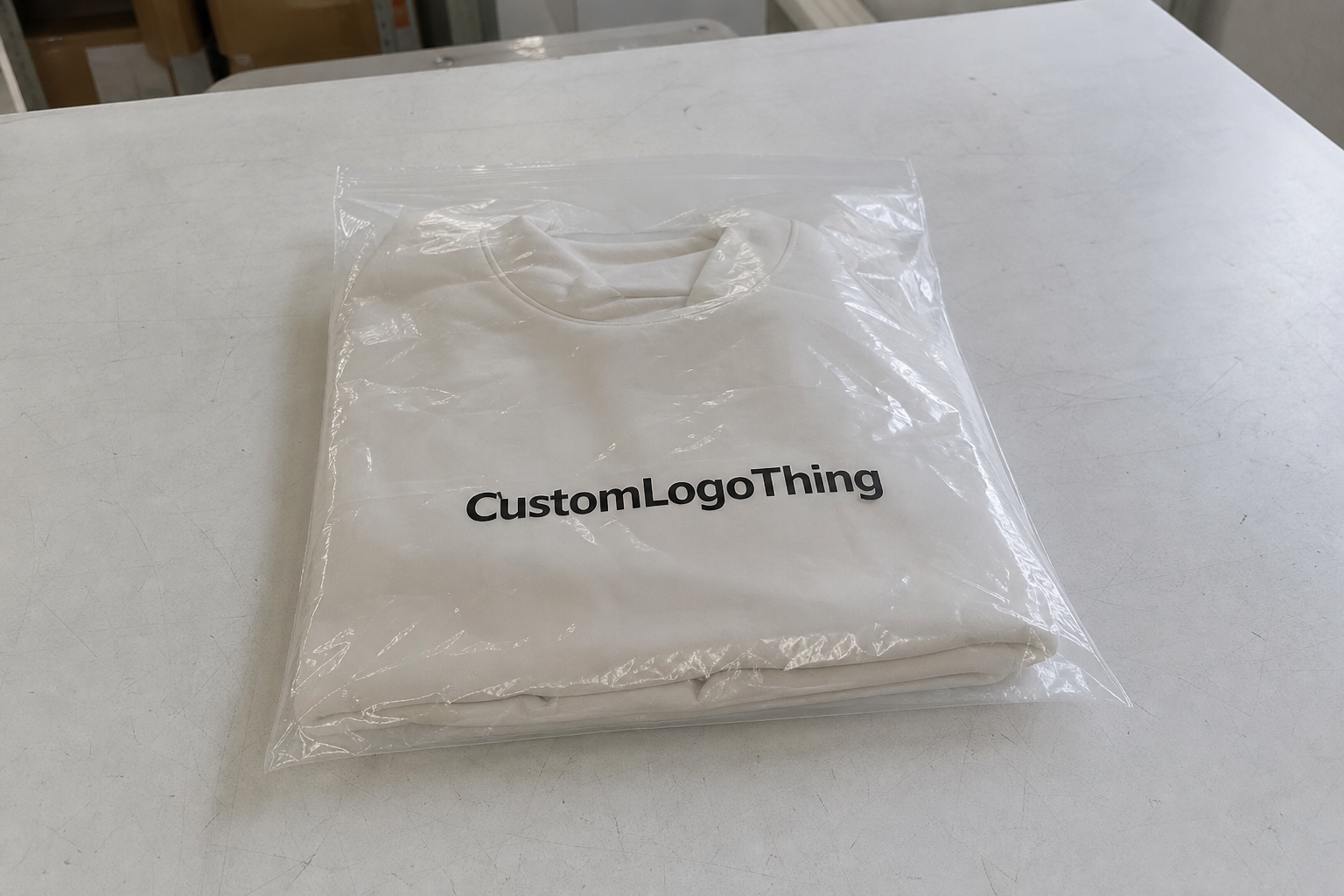
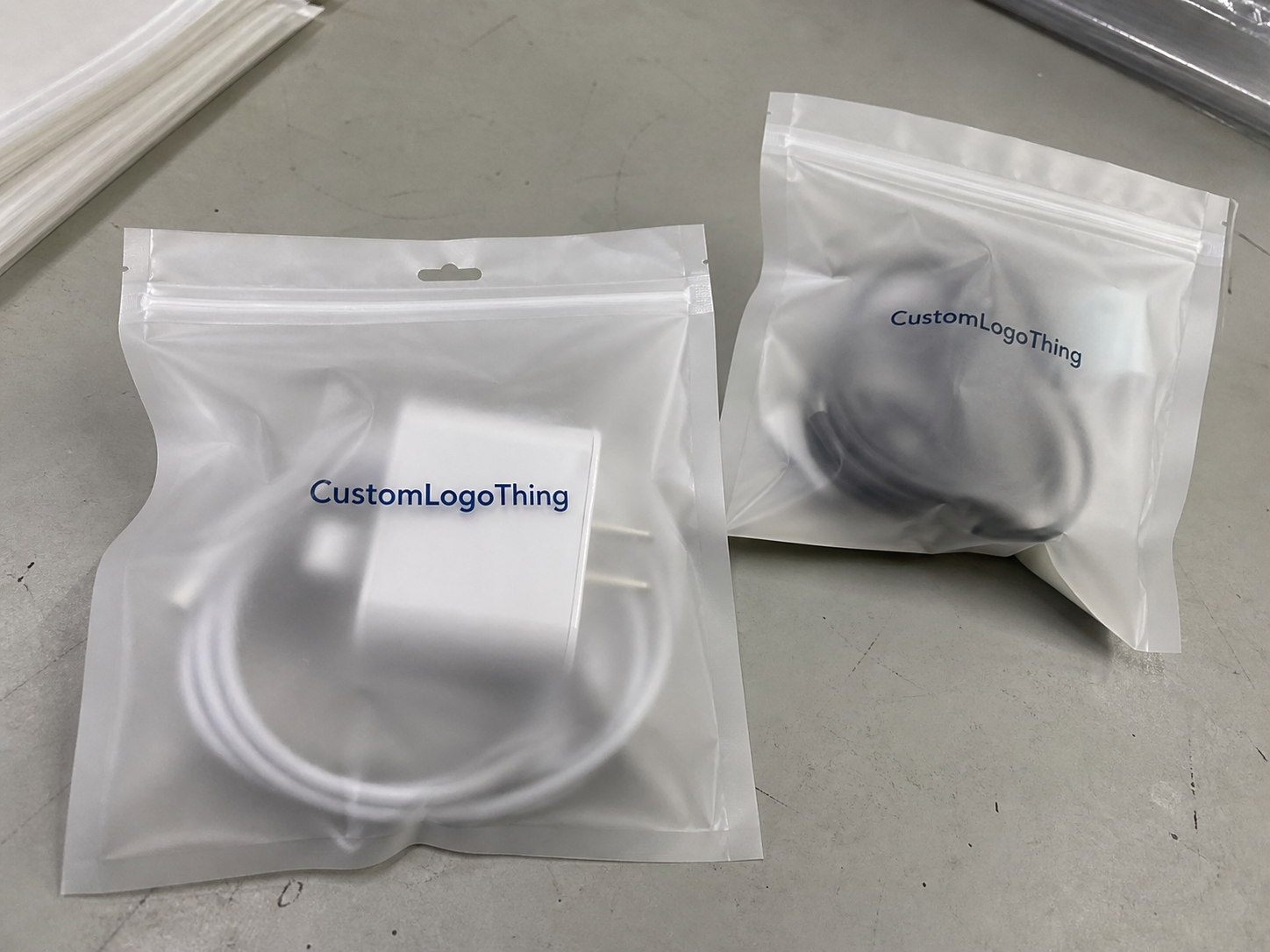
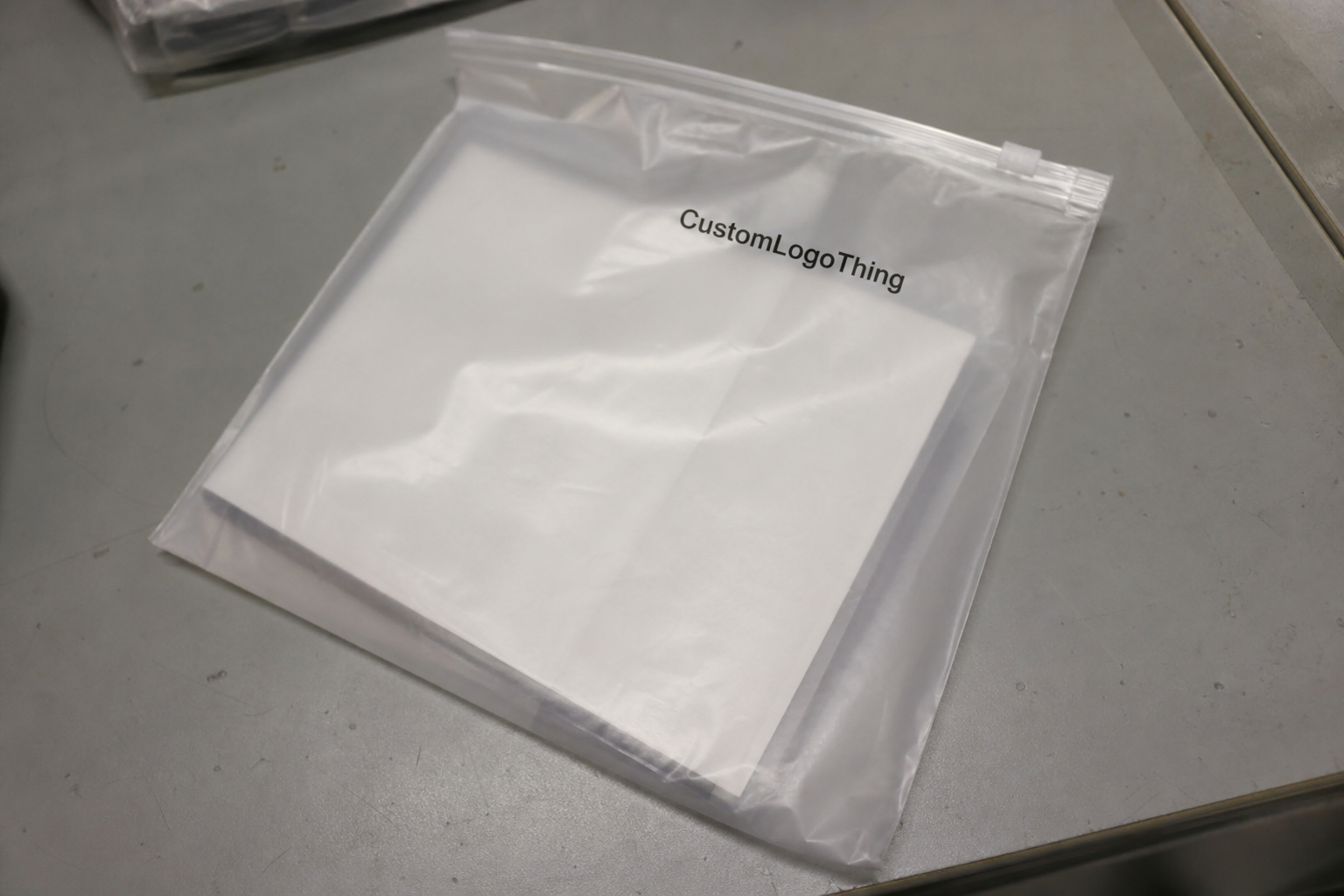
Two clear bags can look almost identical on a screen and still perform very differently on shelf, during packing, and in freight. A custom opp Bags Supplier China factory controls the film, printing, sealing, adhesive, carton packing, and export handling. A few millimeters of size error or a weak tape strip can turn simple packaging into rework, slow packing, or retailer rejection.
OPP means oriented polypropylene, a stiff, glossy, high-clarity film used for apparel, stationery, greeting cards, bakery wraps, cosmetics samples, and promotional kits. Buyers choose it because it gives products a crisp retail look without much added weight. Compared with PE, OPP is clearer and more rigid; compared with CPP, it often looks sharper but is less forgiving in heat-seal applications.
If you are sourcing clear bags, self-adhesive flap bags, hanging-hole sleeves, or resealable tape bags, the supplier conversation should go beyond price. The buying decision should cover film thickness, print registration, adhesive quality, carton packing, MOQ, lead time, and how the factory proves the process before bulk production. The same standard applies whether you are buying apparel sleeves or building a broader packaging program alongside Custom Packaging Products or custom printed boxes.
What a Custom OPP Bags Supplier China Factory Actually Makes
OPP bag production starts with film selection, but the finished product is shaped by slitting, printing, bag forming, sealing, punching, inspection, and export packing. Each step can affect clarity, stiffness, seal strength, and how the bag fits the product.
OPP film is usually specified in microns. Moving from 20 to 25 microns can change the feel from lightly crisp to noticeably firmer. That extra stiffness may improve shelf appearance for folded apparel or printed cards, but it can raise cost and reduce flexibility for irregular products. Buyers should specify the bag around the packed item, not around an idealized flat measurement.
Common styles include self-adhesive flap bags, header bags, hanging-hole bags, side-gusset bags, and resealable tape bags. The best style depends on the product flow. A hanging hole supports retail display. A flap bag speeds packing. A resealable tape strip helps when products are opened, inspected, returned, or handled more than once.
For decoration, flexographic printing is common for simpler spot-color logos. Gravure is usually better for larger runs and more detailed artwork. Digital proofing is often used before plates or cylinders are finalized, giving buyers a chance to catch color, white ink, barcode, or registration issues before production costs lock in.
OPP is popular because it shows the product clearly. That matters for apparel folds, stationery sets, bakery items, and samples that need protection without a full box. If the brand also uses custom printed boxes, inserts, or labels, OPP can act as the transparent outer layer while keeping the product presentation consistent.
How OPP Bag Production Works From Film to Finished Carton
The usual sequence is film selection, artwork review, printing setup, slitting, bag making, sealing, punching, inspection, and carton packing. A reliable factory documents settings, checks samples against the approved spec, and keeps the job traceable if something goes wrong.
Printing method should be chosen early. Flexographic printing is often enough for simple logos and spot colors. Gravure printing suits higher-volume work and finer image detail. If the artwork uses transparent areas, pale colors, barcodes, or white ink, the supplier should show how the ink behaves on glossy clear film. OPP can make weak contrast and registration errors very visible.
Sealing is another high-risk step. Side seals, bottom seals, adhesive flaps, and tape placement all need tight control. A 2 mm shift may slow hand packing, interfere with machine insertion, or make a flap look crooked. In high-volume retail packaging, that detail becomes labor cost, not just a cosmetic issue.
Factories can add euro holes, hang holes, suffocation warnings, barcode windows, anti-static treatment, ventilation holes, matte finishes, or pearlized effects. Each add-on should have a function: display, compliance, handling, or protection. If the supplier cannot explain why a feature is needed, it probably should not be in the spec.
“The bag looked fine in the mockup, but the first bulk run exposed a tape alignment problem we would have missed without pre-production approval.” That kind of issue is much cheaper to find before the goods leave port.
For quality control, ask for sample approvals, machine settings, inspection reports, and production photos. These records show whether the factory understands repeatability. They also help when multiple SKUs need consistent package branding and the next reorder must match the first one.
Transit packing matters too. Cartons can crush, film edges can scuff, and tight bundles can crease clear OPP. Standards and test methods from groups such as ISTA are useful references when buyers need packaging that survives freight, not only approval-day handling.
Key Specs Buyers Must Lock Before Requesting a Quote
A vague RFQ creates a vague quote. Before contacting a China OPP bag factory, define width, length, flap size, film thickness, print colors, adhesive type, quantity, packing method, and delivery destination. If the product includes a hang tag, folded garment, insert card, or sample set, measure the actual packed item.
This is where many projects go wrong. Clothing folds vary. Card stacks swell. Sample kits become thicker once inserts are added. A bag copied from an old order may fit in theory and fail during packing. Small size errors can slow operators because every item has to be forced, adjusted, or reoriented.
Artwork should be production-ready. Use vector files where possible, state Pantone references, check barcode size, and define safe zones around seals and edges. If the bag uses transparent windows, tell the printer exactly which areas must stay ink-free. On clear film, a small die-line misunderstanding can shift the balance of the whole design.
Compliance belongs in the spec, not in a late email. Depending on the product and market, you may need suffocation warnings, recycling marks, country-of-origin labeling, food-contact requirements, or retailer-specific wording. A bag can pass visual inspection and still fail distribution if required text is missing, too small, or placed incorrectly.
Practical rule: measure from the packed product outward, then state tolerance. Plastic bag production always has some variation, so define acceptable ranges before production starts.
| Quote Input | What the Factory Can Price | Typical Risk If Missing |
|---|---|---|
| Exact dimensions and flap size | Material usage and machine setup | Oversized or tight-fit bags |
| Film thickness in microns | Stiffness, clarity, and cost | Thin feel or unexpected price jumps |
| Print method and color count | Plate or cylinder cost and production time | Misquoted artwork expense |
| Packing count and carton specs | Labor and shipping volume | Crushed film or poor freight efficiency |
Cost, MOQ, and Unit Pricing: What Drives the Final Number
OPP bag pricing is driven by film thickness, bag size, print coverage, number of colors, plate or cylinder charges, adhesive quality, order quantity, packing labor, and freight method. Buyers often compare only unit price, but the better number is landed cost: factory price plus inland transport, export documents, freight, duties, brokerage, and domestic delivery.
MOQ exists because factories must cover setup, printing preparation, material purchase, and quality-control time. Plain or lightly customized bags may have lower MOQs than fully printed retail bags. Unit price usually drops as quantity rises, but only until setup is absorbed. After that, the floor is set by film, ink, labor, cartons, and freight.
First orders may include one-time charges for printing plates, special punches, physical samples, or courier shipment. These are normal if explained clearly. They become a problem when buyers compare only the quoted bag price and ignore setup. The same logic applies across wider retail packaging programs, including custom printed boxes and other branded packaging components.
Very low quotes need scrutiny. A supplier can sometimes be 10% to 15% below the market because of material access or machine efficiency. A quote far below the range may hide thinner film, weaker adhesive, shorter bag length, recycled content, loose inspection, or incomplete packing details.
Ask for tiered pricing at several quantities, such as 5,000, 10,000, and 20,000 pieces. This shows where setup cost is absorbed and where the real price break begins. It is more useful than asking for a single “best price” without comparable assumptions.
| Feature | Lower Cost | Higher Cost |
|---|---|---|
| Film thickness | Thinner film, lighter feel | Thicker film, firmer look |
| Print coverage | One- or two-color logo | Full-coverage artwork |
| Bag style | Standard flap sleeve | Hanging hole, gusset, or special shape |
| Order size | Small run, higher setup cost per unit | Larger run, lower setup burden per unit |
Process and Lead Time From First Sample to Bulk Shipment
A realistic timeline runs through specification confirmation, artwork review, quotation, sample making, sample approval, deposit payment, bulk production, inspection, balance payment, and shipment booking. If artwork or dimensions change after sampling, the lead time can reset.
Simple clear OPP bags usually move faster than fully printed versions because there are fewer steps. Printed bags need artwork checks, plate or cylinder preparation, color approval, and drying time. Sampling can take a few days to a couple of weeks depending on complexity and courier transit. Bulk timing depends on order size, factory capacity, and queue position.
Common delays come from unclear artwork, late Pantone decisions, revised dimensions after the sample arrives, delayed deposits, peak-season congestion, and slow carton-mark approval. A supplier promising speed without a written schedule is adding risk. Speed helps; confirmed milestones help more.
Ask for sample date, material arrival date, printing date, bag-making date, QC date, and estimated shipment date. For first orders or launch-critical retail packaging, request milestone photos or short production videos.
Best practice: treat the physical sample as the benchmark. It shows how the clear film feels, how the seal holds, how the adhesive releases, and how the print sits on actual material. Sample approval is the control point that keeps the bulk order grounded.
New Trends in Custom OPP Bag Sourcing for 2026
For 2026, buyers are asking more often for lighter-gauge OPP film with stronger optical clarity, because freight efficiency and shelf presentation both matter. Many factories now quote 18 to 22 micron options for secondary packaging, while premium retail applications still lean toward 25 microns or above for a firmer feel. The key is not choosing the thickest film, but choosing the right balance of clarity, stiffness, and packing speed for the product.
Another shift is the growth of hybrid packaging programs. Brands that used to order only bags are now combining OPP sleeves, paper inserts, labels, and protective mailers under one supplier strategy. That reduces coordination time and helps artwork stay consistent across SKUs. It also makes it easier to standardize barcodes, warning text, and brand colors across multiple packaging formats.
Sustainability claims are also changing the sourcing conversation. Buyers are now requesting recycled-content cartons, lower-ink coverage, and better documentation for end-of-life claims. Clear OPP itself is still widely used because it protects products efficiently, but the supporting materials around it are getting greener. If your packaging brief includes sustainability, ask for proof rather than marketing language.
From a pricing standpoint, 2026 quotes are still heavily influenced by resin market swings, energy costs, labor, and export freight. In practice, cleanly specified custom OPP bag orders are often more stable than buyers expect, while vague requests can swing widely because factories build in risk. When I reviewed recent supplier quotes for a retail buyer, the spread between the highest and lowest offer narrowed significantly once thickness, carton count, and print method were standardized.
For buyers comparing suppliers, a fast response is useful, but the best supplier is the one that answers quickly and asks the right technical questions. That combination usually signals a factory that can handle repeat orders, not only first-time quotes. For more packaging planning help, see our guides on how to compare custom packaging suppliers and custom packaging quality control checklist.
Common Sourcing Mistakes That Create Defects, Delays, and Reorders
The biggest mistake is treating OPP bags as a commodity because they look simple. They still depend on precision. Small errors in film, seal position, adhesive placement, or print registration can change the commercial result.
Approving artwork only on a screen is another common problem. Transparent film changes how light colors, white ink layers, and barcodes appear. A logo that looks crisp in PDF form may look weak once printed on glossy OPP, especially under store lighting.
Adhesive strips deserve specific approval. Weak tape, misaligned tape, or a poor release liner can frustrate packers and customers. The bag may technically close, but if the flap slows the packing line, the cheaper adhesive becomes expensive.
Dimension errors are equally common. A bag that fits an empty product may fail once the item is folded, stacked, or paired with a tag card. Carton strength matters too. Tight inner bundles can crease film, while weak outer cartons can create edge damage after ocean freight.
Compliance mistakes can stop distribution. Missing suffocation warnings, incorrect food-contact assumptions, or retailer-specific marking errors can cause rejection even when the bag itself is usable. References such as EPA recycling guidance can also help buyers think beyond factory production and into disposal or recycling claims.
Pre-shipment inspection is worth the time on first orders and large orders. Defects found before export are cheaper to fix than defects discovered after import.
Expert Checks for Choosing a Reliable China OPP Bag Partner
Choose the supplier like an investigator, not a shopper. Ask what machines they use, which films they stock, what inspection records they keep, and which export markets they serve. A serious factory can explain tolerances, defect standards, adhesive options, and packing count without vague answers.
Photos and videos should show bag-making lines, printing equipment, material storage, the sample room, QC area, and finished cartons. Catalog images are easy to reuse; process evidence is harder to fake consistently.
Review samples with a checklist: clarity, stiffness, odor, seal strength, tape alignment, print registration, scratch resistance, packing count, and carton labeling. If sustainability claims matter, check whether cartons or paper inserts use FSC-certified paper before making any claims to customers or retailers.
One practical sign of a dependable partner is how they handle corrections. A factory that documents the issue, revises the spec, and confirms the fix usually has stronger operational discipline than a supplier that only says “no problem” and rushes the quote.
When I helped review a repeat apparel packaging order, the most reliable factory was not the cheapest. It was the one that flagged a carton count mismatch before production started, which saved the buyer from a costly repack at the destination warehouse. That kind of check is hard to see in a price-only comparison, but it matters more than a small unit-cost difference.
Next Steps Before You Send Your First RFQ
Before you try to find a custom opp bags supplier china factory fast, build a one-page brief with the packed product size, target film thickness, bag style, print details, quantity, carton spec, destination, and any compliance text. The faster your brief, the faster the quote.
If speed matters, send the factory a reference photo, a flat sketch, and one physical sample if possible. Ask them to confirm whether the design should use flexo, gravure, or a simpler unprinted format. The right supplier will answer with practical production questions instead of generic promises.
For buyers who need to find a custom opp bags supplier china factory fast, the best shortcut is preparation. Clear specs shorten quoting time, reduce sampling mistakes, and help the factory price the job accurately the first time. That usually saves more time than chasing the lowest quote.
If you are still refining your packaging lineup, compare your OPP request with your broader packaging needs through our Custom Packaging Products page and our guides on supplier selection and quality control. A better brief makes it much easier to find a custom opp bags supplier china factory fast and keep the first production run on schedule.
FAQ
What is the fastest way to find a custom opp bags supplier china factory fast?
Send exact dimensions, film thickness, bag style, artwork, quantity, and delivery destination in one RFQ. The more complete the brief, the faster a supplier can quote accurately.
How much does a custom OPP bag cost in 2026?
Pricing depends on size, thickness, print method, quantity, and packing spec. Small custom runs cost more per unit, while larger orders lower the unit price after setup is absorbed.
Which OPP bag style is best for retail display?
Hanging-hole bags and clear self-adhesive flap bags are common choices for retail display because they present the product clearly and pack efficiently.
How do I check if a China factory is reliable?
Ask for machine photos, QC records, sample approval steps, and production references. A reliable factory can explain tolerances, print methods, and packaging details clearly.
Can OPP bags be paired with other packaging products?
Yes. Many brands use OPP sleeves together with inserts, labels, and custom printed boxes to create a consistent packaging system.