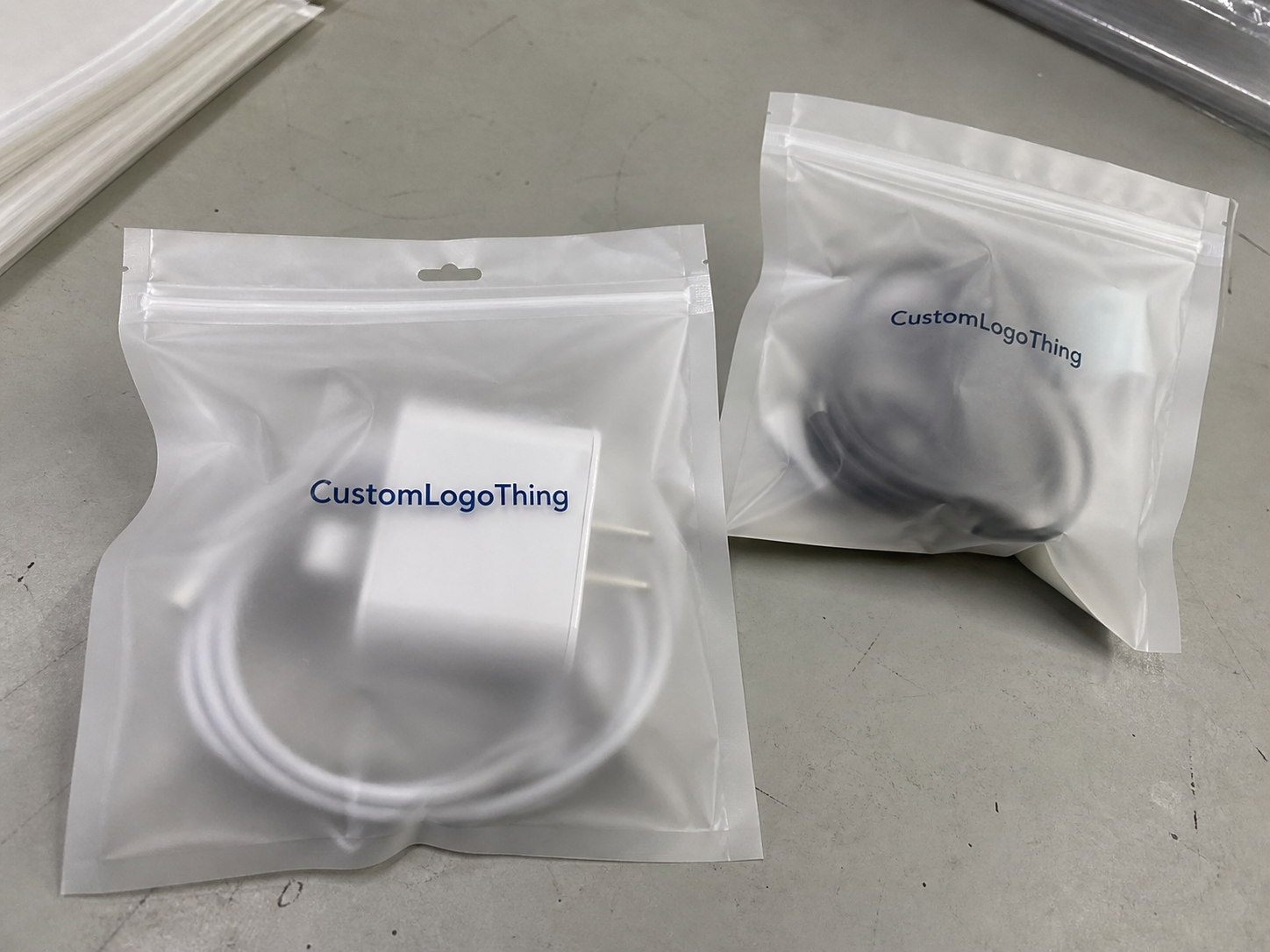
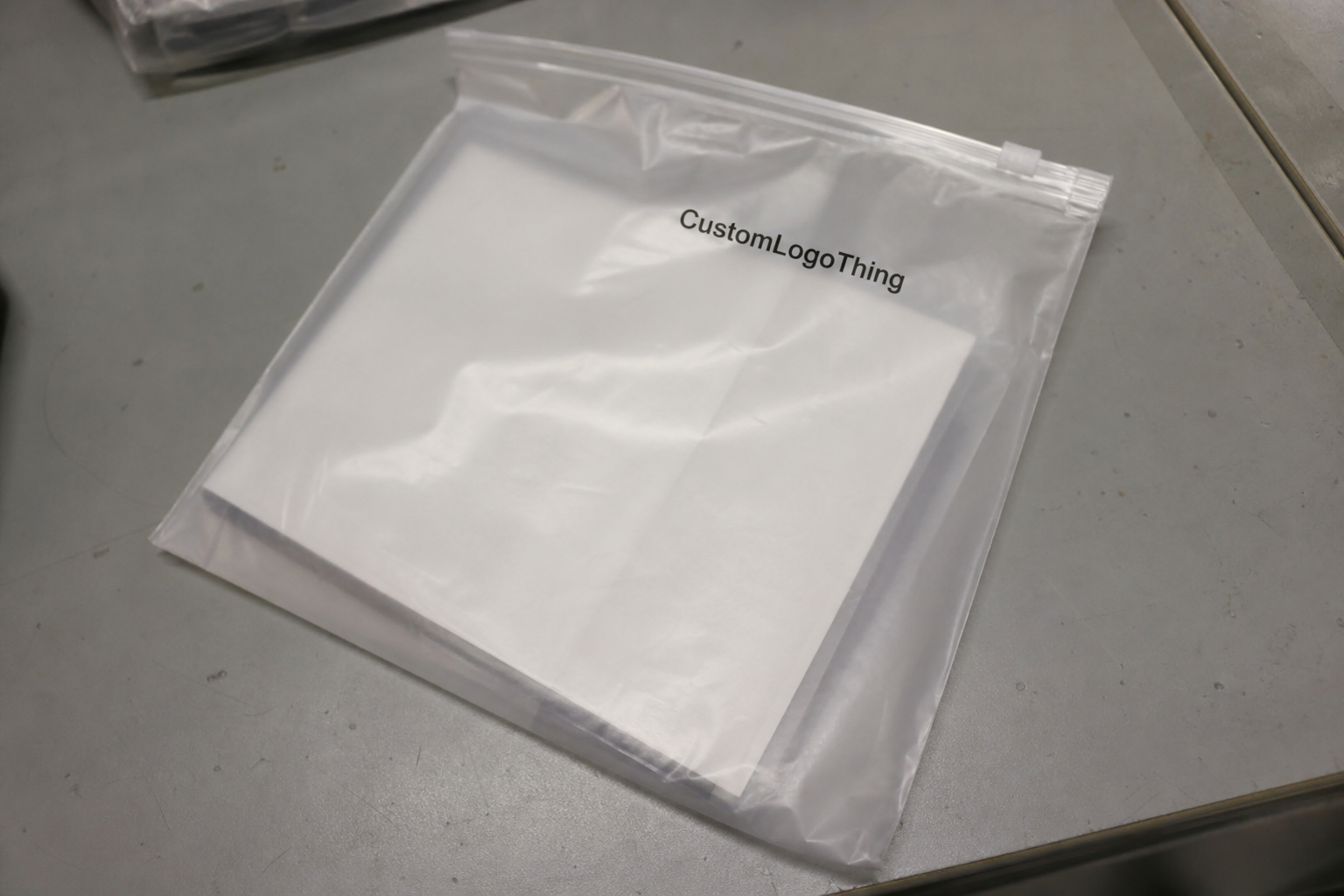
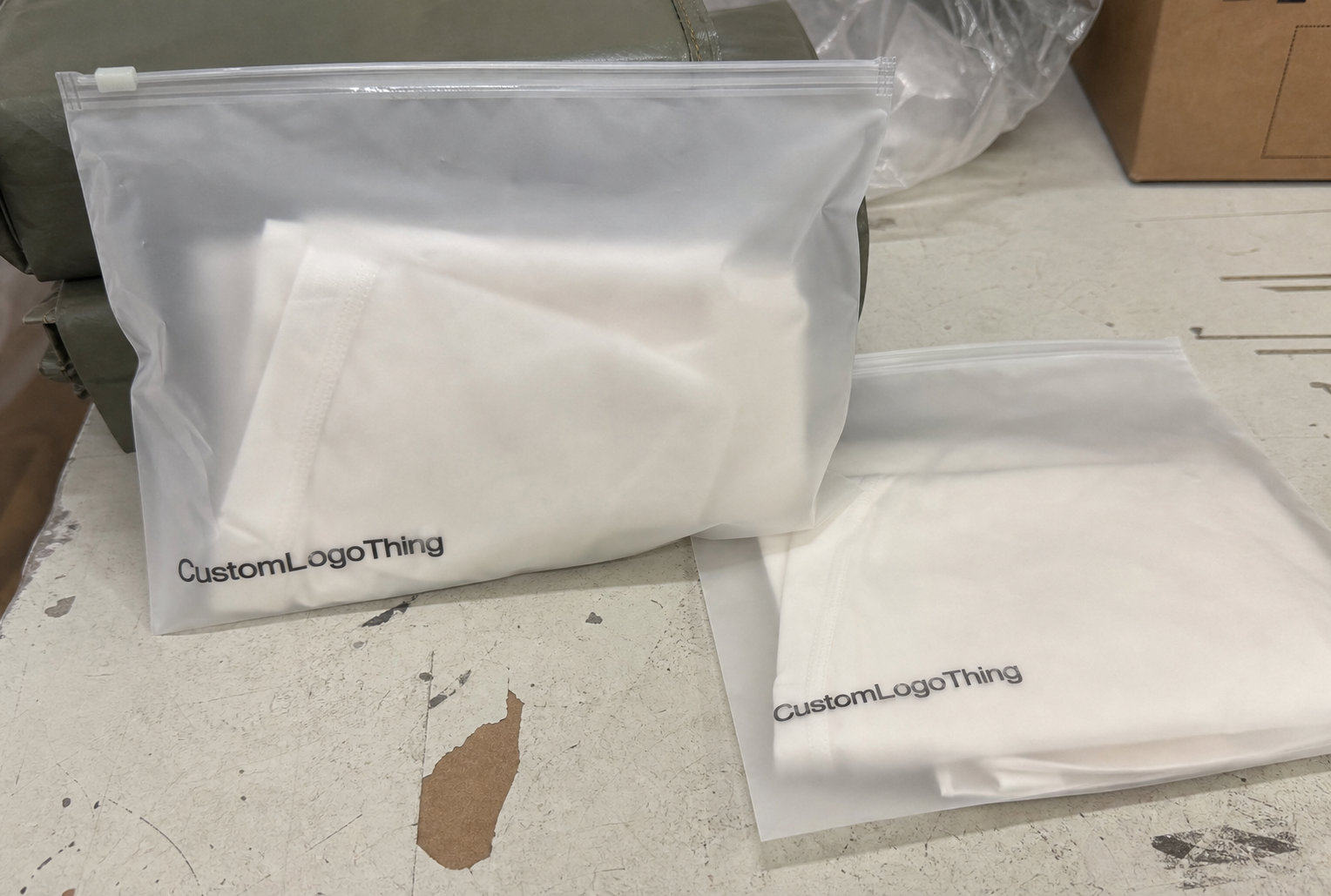
If your mailer looks generic, customers notice. That’s why buyers searching for a Custom Mailing Bags Supplier china factory are usually trying to fix more than shipping; they’re trying to improve brand perception, lower damage risk, and make each shipment feel intentional. In practice, a well-specified mailer can do more for package branding than a box upgrade that only a fraction of orders ever sees.
Custom mailing bags are lightweight plastic shipping mailers used for ecommerce, apparel, accessories, cosmetics, and other low-bulk items. They’re not glamorous. They are, however, one of the highest-frequency touches in product packaging, which means they can influence both repeat purchase behavior and perceived professionalism at scale.
That is the basic business case. A good mailer is not just decoration; it is functional retail packaging with a measurable role in fulfillment efficiency, damage control, and cost per impression.
Why custom mailing bags from China can outperform standard packaging
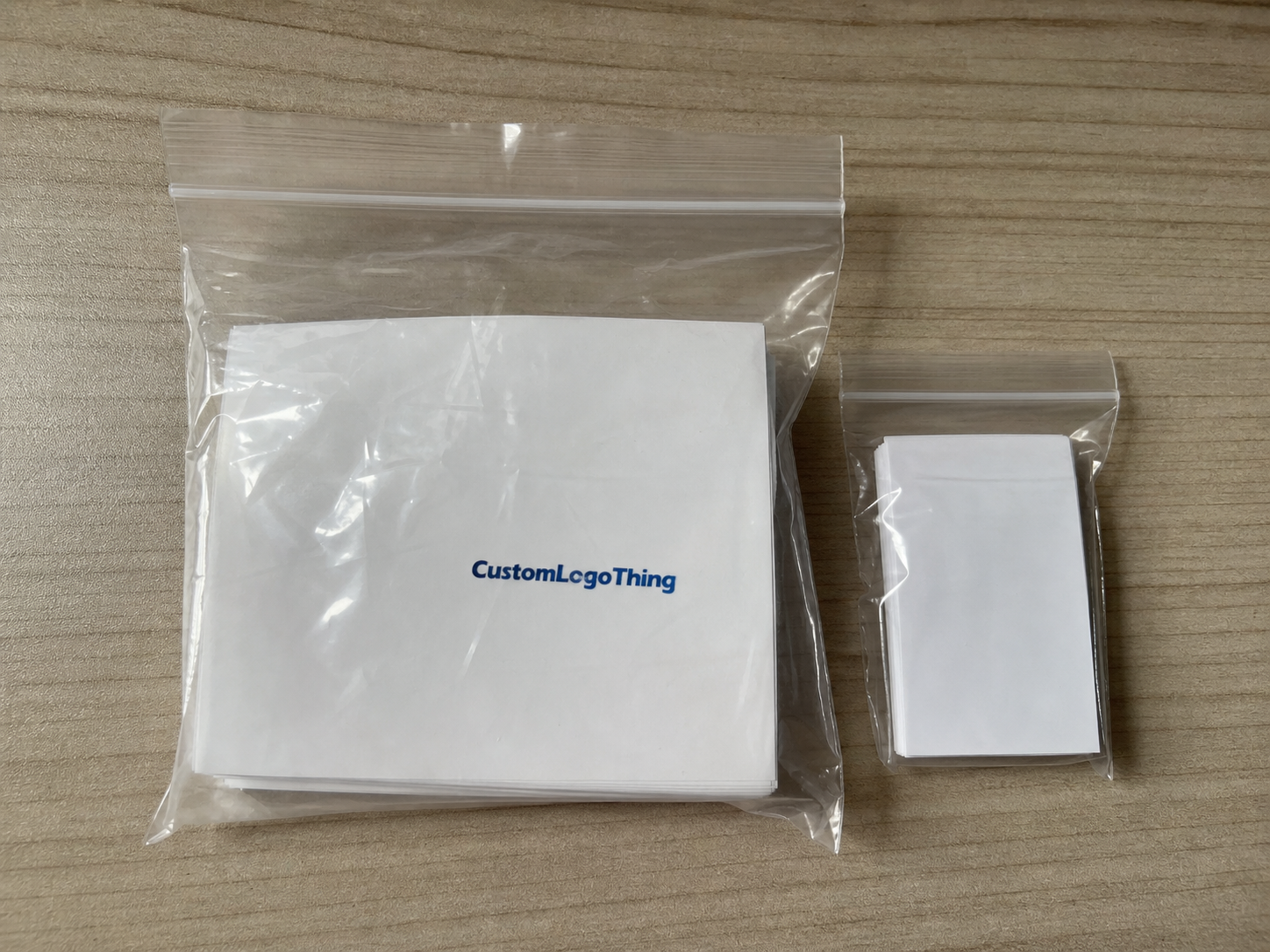
Many brands spend heavily on custom printed boxes first, then discover the mailer actually ships more often and costs less per unit. That matters. A box might protect a premium item, but a poly mailer can appear on every apparel order, subscription shipment, or accessory dispatch. If you ship 10,000 mailers a month, a one-cent improvement in perception or efficiency starts to look meaningful very quickly.
A custom mailing bags Supplier China Factory usually offers deeper control than a trading company or marketplace listing. The reason is structural. A factory can control film composition, print registration, seal behavior, and minimum order quantity more directly than a reseller who is stitching together different production sources. That usually means more consistent color, better advice on thickness, and fewer surprises when you move from sample to bulk order.
There’s also the economics. A buyer may obsess over a box because it feels premium, yet the mailer often ships in much higher volume. That creates a stronger cost-per-impression advantage. Even a modest upgrade in a mailer’s look and feel can influence the unboxing experience without inflating the pack-out budget the way heavy board packaging can.
From a packaging buyer’s point of view, that is why mailers are often underrated. They are not the hero piece. They are the workhorse. And workhorses, when specified properly, can carry a brand better than most people expect.
“The cheapest mailer is rarely the cheapest outcome. If the bag tears, the adhesive fails, or the print looks off-brand, the customer remembers that far more than the savings.”
How the production process works from artwork to shipment
Most factory orders follow the same sequence: inquiry, spec confirmation, artwork prep, sample approval, production, quality check, packing, and export shipment. The speed depends less on the phrase “custom” and more on how complete your information is before the first proof is issued.
With a Custom Mailing Bags Supplier china factory, the first step is usually confirming size, material, thickness, printing method, and adhesive style. Then the supplier prepares artwork around the printable area. If your logo sits too close to a seal edge or tear line, the factory should flag it before plates are made. That is not bureaucracy. It is basic risk control.
Printing methods buyers actually see
Gravure printing is common for larger runs because it delivers strong color consistency and clean detail on long production orders. Flexographic printing is often practical for simpler artwork and moderate volumes. Digital printing can suit smaller runs or fast test orders, though unit pricing is usually higher and the range of film options may be narrower.
For sampling, there are usually three stages. First is a plain material sample, which lets you check feel, opacity, and thickness. Second is a pre-production sample or proof, which confirms layout, color direction, and dimensions. Third is the approved final reference used to guide bulk production. Skipping any of those steps is where expensive mistakes begin.
Factories also handle structural details that buyers sometimes forget to specify. These include the adhesive strip type, whether the bag needs a tear strip, whether a handle is required, and whether a gusset should be added for bulkier garments. A sleeve-style mailer for folded apparel behaves differently than a standard flat pouch, and the factory should know that before production starts.
Where do delays happen? Usually in artwork revisions, plate making, sample sign-off, and peak-season backlog. If your color references are vague or your logo file is low resolution, you are almost guaranteeing at least one extra proof cycle. The same goes for late changes to size or print coverage. Those “small” edits can add days.
Custom mailing bag cost, pricing, MOQ, and quote drivers
Pricing is not mysterious, but it is easy to misread. The main cost drivers are resin cost, film thickness, bag size, print colors, finish, accessories, and shipping mode. If you ask two suppliers for “a custom mailer,” you can receive wildly different numbers because one quote may assume a 60-micron co-extruded film while another assumes thinner LDPE with a simpler print setup.
A custom mailing Bags Supplier China Factory will often price differently at 1,000 pieces, 5,000 pieces, and 20,000 pieces because setup costs spread out over more units. Plate making and machine setup matter. A one-color logo on a standard size can be relatively economical, while full-coverage print, metallic inks, or matte surfaces can move the price up fast.
As a practical comparison, these are common ballpark ranges for standard-size mailers, excluding unusually complex art or special finishes:
| Order profile | Typical unit price | What usually drives it |
|---|---|---|
| 1,000 pieces | $0.22-$0.45 | Setup, plates, sampling, small-run inefficiency |
| 5,000 pieces | $0.12-$0.28 | Better spread of setup costs, more stable machine time |
| 20,000 pieces | $0.07-$0.18 | Volume efficiency, simpler production scheduling |
Those numbers are directional, not universal. A thick opaque mailer with a custom tear strip and high ink coverage can cost more than a plain bag twice its size. And shipping can matter as much as the bag itself. Air freight may be appropriate for urgent launches, but ocean freight usually wins on landed cost once volume increases.
Buyers also miss hidden budget variables. Plate fees can apply. Sample fees can apply. Carton packing and inner bagging can add cost. Inland freight to the export port may be separate. Customs-related charges depend on destination. If you compare quotes without clarifying those items, you are not comparing real numbers.
A better method is simple: request quotes using identical specs, ask for ex-works and landed estimates, then compare on a per-1,000-piece basis. That is cleaner than chasing the lowest headline price and discovering the “cheap” quote excluded half the journey.
Specs that matter most: material, strength, print, and finish
Material choice determines performance before branding ever enters the picture. LDPE is flexible and widely used for mailers. Co-extruded films can improve privacy and puncture resistance because multiple layers are engineered together. Recycled content options can support sustainability goals, though the exact recycled percentage and visual finish should be checked carefully if your brand has strict presentation standards.
Thickness is usually discussed in microns or mils. Thicker is not automatically better. A light apparel line moving through a controlled fulfillment network may not need the same gauge as a heavier, sharper-edged item. Over-specifying thickness adds cost and can make bags feel unnecessarily stiff. Under-specifying it risks tears, seal failures, and customer complaints.
Three functional features matter as much as appearance: seal integrity, tear resistance, and opacity. If the adhesive strip fails in humid conditions, returns spike. If the film is too thin, punctures happen during last-mile handling. If the bag is too transparent, privacy suffers and the shipping presentation looks cheap.
Print quality is not only about how pretty the logo looks. It is also about readability on dark backgrounds, bleed control, and safe logo placement. White ink on black film can look excellent, but only if the press setup and film surface are right. Heavy color blocks increase ink coverage and can change drying behavior, so the supplier should confirm whether your artwork is realistic for the chosen production method.
For categories like cosmetics, apparel, and subscription kits, buyers should think about both brand safety and shipping durability. A visually strong mailer that smudges under abrasion is a bad trade. So is a beautiful bag that fails a basic seal test.
For additional structure and compliance thinking, buyers can review packaging guidance from the International Safe Transit Association and recycled-content direction from the U.S. EPA recycling resources. Neither replaces supplier validation, but both help frame quality and sustainability discussions.
Lead time, timeline, and production steps buyers should plan for
A realistic project timeline usually runs from quote to delivery in distinct steps: artwork review, proofing, sample approval, production, packing, export booking, and transit. If all specifications are clear and the artwork is final, production can move quickly. If not, the calendar expands.
For many orders, factory production itself may take roughly 12-20 business days after approval, depending on quantity and print complexity. Add sample time, and total lead time can stretch further. Then add ocean or air transit. Buyers who only look at factory time often underestimate the true schedule by a full shipping cycle.
What shortens turnaround? Final artwork ready upfront. Clear size specs. A simple print structure. Fast sample approval. What slows things down? Revisions after proofing, changing film thickness mid-order, or failing to define the destination properly for shipping documents.
Here’s the practical rule: separate production time from landed time. The first tells you how long the factory needs. The second tells you when inventory can actually be received and booked into fulfillment. Those are not the same number, and mixing them up causes stockouts.
Build buffer time for peak freight congestion and holiday shutdowns. You do not need to overcomplicate the math. A small contingency window is usually enough, especially if your launch or campaign date cannot move.
Common ordering mistakes when sourcing from a factory
The first mistake is approving artwork before confirming size, printable area, and bleed margins. A logo can look perfect on screen and fail in production because the printable space is smaller than assumed. The second mistake is focusing only on unit price instead of total landed cost and bag performance.
Another common problem is ignoring sample testing. A sample should be tested in the real fulfillment environment, not just held in your hand. Check adhesive strength after storage, check seal quality under normal packing pressure, and check whether the print rubs off during handling. If the bag fails those tests, it is not a production-ready bag.
Weak specification sheets cause more trouble than most buyers expect. If thickness, dimensions, film type, and seal style are not written clearly, the factory may make a technically acceptable product that is still wrong for your process. The result can be oversized bags that waste material, or undersized bags that slow down pack-out.
Communication on customs paperwork and carton labeling also matters. A supplier may produce the right bag and still create shipping headaches if the destination requirements are vague. That is especially true for cross-border ecommerce programs where warehouse receiving rules are strict.
Honestly, this is where a lot of procurement teams lose time. They think the order problem is “manufacturing,” when the real issue is missing information at the quote stage.
How to evaluate a custom mailing bags supplier China factory before you order
Start with capability, not claims. A serious Custom Mailing Bags Supplier china factory should be able to explain whether printing is in-house, whether film extrusion is in-house or outsourced, what QC checks happen during production, and what export experience they have with your destination market.
Ask for proof points. Material datasheets. Production photos. Sample history. Similar packaging category experience. If the supplier cannot provide basic technical documentation, you are taking a larger risk than the quote suggests. Good operations usually show up in the paperwork as clearly as in the sample.
Quality control deserves specific questions. What is the color tolerance standard? How are seal defects handled? What happens if the bag dimensions are off by several millimeters? These are not awkward questions. They are normal buying questions for any serious packaging program.
- Request material specs with thickness, structure, and recycled-content details.
- Confirm print method and ask how many colors the setup supports efficiently.
- Ask for sample terms so you know whether plain, proofed, or final samples are available.
- Verify QC checkpoints for seal strength, color consistency, and carton labeling.
- Compare landed cost instead of only ex-works pricing.
Responsiveness matters too. A supplier who answers clearly, labels drawings properly, and sends a clean quotation is often more reliable than one who is simply cheap. That is not a guarantee. It is a pattern. In packaging, the quality of the quote response often predicts the quality of the production process.
If you are still comparing broader packaging formats, it helps to review other options like Custom Poly Mailers and the wider range of Custom Packaging Products before locking the spec.
Bottom line: prepare your spec sheet, request two to three comparable quotes, order a sample, and validate landed cost before you commit. That is the cleanest way to work with a custom mailing bags supplier china factory without paying for guesswork later.
What should I ask a custom mailing bags supplier China factory before requesting a quote?
Ask for material options, thickness ranges, MOQ, print method, sample policy, production time, and shipping terms. Confirm whether the factory can match your artwork, bag size, and seal style before pricing. Request a landed-cost estimate, not just ex-works pricing, so you can compare suppliers accurately.
How do I know if the mailing bag thickness is right for my products?
Match thickness to product weight, sharp edges, shipping distance, and the level of puncture protection needed. Test a sample with your actual fulfillment process, not just in isolation. If the bag is too thin, look for seal failure and tearing; if too thick, check whether costs rise without adding value.
What is a realistic MOQ for custom mailing bags from China?
MOQ depends on print complexity, size, and material structure, but larger runs usually lower unit cost. Simple one-color orders generally allow lower minimums than full-coverage custom printing. Ask whether the factory can combine orders or use standard film setups to reduce entry quantity.
How long does production usually take for custom mailers?
Timeline depends on sample approval speed, print setup, order size, and factory workload. The total schedule should include artwork prep, proofing, production, packing, and freight transit. Fast approval and finalized specs can significantly reduce turnaround time.
What hidden costs affect custom mailing bag pricing most often?
Plate fees, sample fees, packaging cartons, inland freight, and international shipping can all change the final cost. Artwork revisions can also add time and expense if they require new plates or reproofing. Compare quotes using the same specs so hidden differences do not distort your decision.